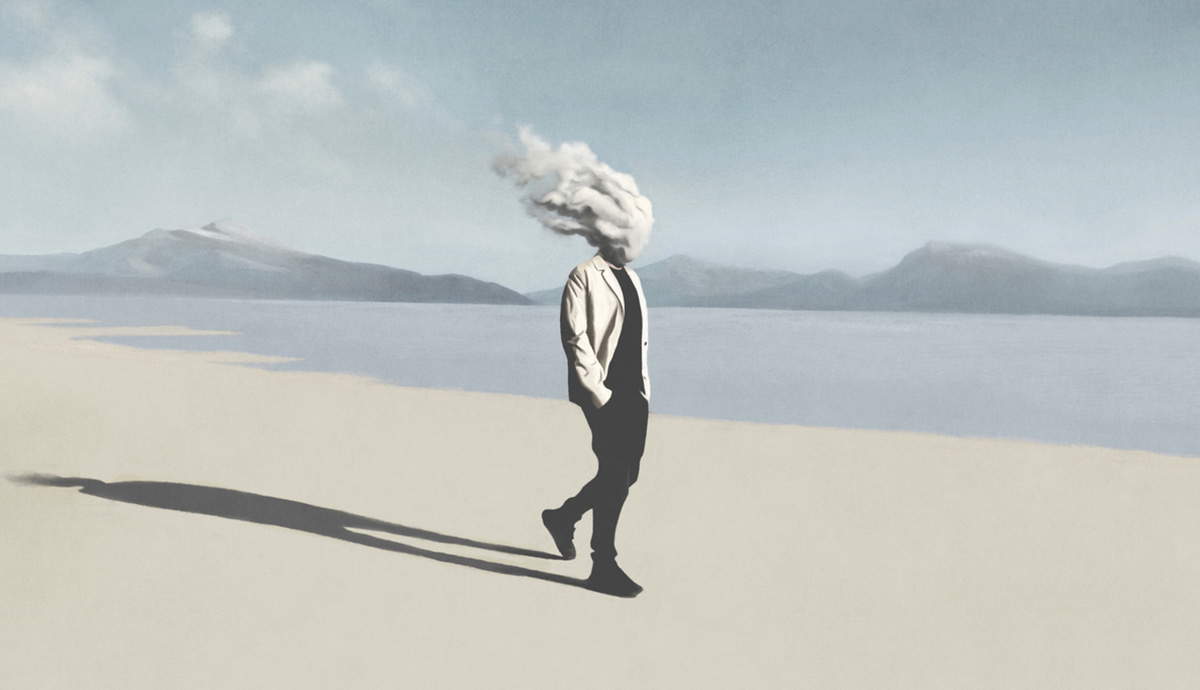
Adolescence can feel like an emotional rollercoaster. It is a moment of change, growth, and self-discovery, but also deep loneliness. Why? Because their struggles are quiet, hidden beneath the surface. We are going to attempt to uncover the unseen side of adolescence: the quiet desperation of loneliness. By combining a psychological perspective with powerful portrayals from books and films, teenagers will dive deep into the depths of solitude. Simultaneously, a deeper understanding of problems faced by teenagers and how society can offer support will be gained.
The Roots of Loneliness in Adolescence

Adolescence is a time of changes, inside and out. Changes in hormones and brain development combine emotionally in a perfect storm of ups and downs. The teenager’s brain is hardwired for connection-seeking and approval, with increased activity found in areas associated with social reward.
That’s why getting likes on Instagram might feel like hitting the jackpot or why getting left out of that group chat stings like a bee. Add heightened sensitivity to rejection to that cocktail, and every perceived slight feels like it’s the end of the world. It is biology at work, but it can feel deeply personal.
Then there’s the social angle. Adolescence is usually replete with changes in friendships and social groups. Friends from childhood grow apart, and it is sometimes hard to make new-skewed relationships.
Teenagers are establishing their identity. Hence, they seem hostage to both wanting to fit in and carve their unique character. There is no wonder this stage of life would be perceived as lonely.
A potent mix of biological and social changes conspires to create loneliness. Knowing these roots is more than being aware of them. It’s the first step in creating compassion for the quiet struggles of teens trying to make their way through this tough time.
Adolescent Loneliness in Literature

Literature has always portrayed loneliness well, particularly in the case of teenagers. For example, in The Catcher in the Rye by JD Salinger, the main character, Holden Caulfield, uses cynicism and sarcasm to distance himself from everyone around him, but deep down, he feels lonely.
Holden cannot stand fake people and finds nearly all adults to be phony. Throughout the book, he searches for a place where he can fit in without lying about who he is. Readers connect with this aspect of his personality because many have also felt as if they don’t belong anywhere.
Speak by Laurie Halse Anderson offers a more up-to-date exploration of being alone while still at school. It’s tough for Melinda Sordino after something terrible happens one night, and she doesn’t feel able to tell anyone what happened.
These themes repeat throughout both books. Characters feel alienated and seek to understand themselves. They grapple with emotions that others don’t get, in addition to a desire to make connections. It’s all very teenager-y.
When people read these two novels, they realize something: feeling lonely is common. But so is being brave when life gets tough. The human race has lots of endurance. So, if you ever think no one understands, or you’re on your own, remember the messages this literature sends out loud and clear.
Teenage Solitude in Film

Movies often depict the inner turmoils of youth, but few do so as effectively as Lady Bird and The Perks of Being a Wallflower. In The Perks of Being a Wallflower, the main character Charlie deals with some serious past issues while also trying to get through high school.
Sure, he has moments of feeling part of things, but inside, he’s always wrestling with (metaphorical) demons. Loneliness and happiness can be felt simultaneously: being alive, the film tells us, is bittersweet when you’re a teenager.
Lady Bird offers a fresh perspective. It follows Christine “Lady Bird” as she tries to work out who she is while negotiating family life with friends. There’s an added twist, of course—she really wants out of small-town USA, too.
This need for escape so perfectly articulates feelings lots of teens have had. They want people to understand them better than ever (but nobody back home must change at all).
Both movies relieve the tensions between fitting in, growing up, and doing well at school and grappling alone with big questions like “Who am I?”
By using visual storytelling, filmmakers enhance these concepts. Consider muted colors, hallways with no one in them, and close-up shots that linger on characters who seem lost in their own thinking. These decisions help draw us into the world of the film, so we feel just how alone people are.
And when you watch lots of movies or TV shows made this way, something else becomes clear: feeling alone when you’re a teenager is part of being young. Although nobody talks about it much (if at all), this fact isn’t unique to just a few kids.
These films show us an idea that isn’t normally visible, and once we see it, we better understand what it might be like for others who feel that way.
Psychological Research on Loneliness in Adolescence

Loneliness during adolescence is more than a fleeting feeling; it is a well-researched and documented stage that youngsters go through. While studies show feelings of loneliness peak among young adults, they often use friendships for emotional support, which usually proves fleeting.
Instead, chronic loneliness may be a nonephemeral experience that is psychologically destructive. Solid evidence exists to show that teenagers experiencing persistent loneliness are, for the most part, likely to develop issues such as anxiety and depression.
These problems may well persist into maturity, affecting an individual’s self-esteem, social relationships, and even physical health.
So, why are teenagers so often lonely? Several factors make this stage of life especially intense for sufferers. For example, social media: while it helps individuals stay connected, regular use can also make them feel worse about themselves and, therefore, more isolated.
When adolescents are bullied, whether face-to-face or online, they become even more cut off from their peers, which can make it difficult for them to form friendships and know who to trust.
In addition, their school life may be very stressful and competitive. When young people are under this kind of pressure, there is often little time left over for simply hanging out.
Knowing about these things is really important when we want to address teenage loneliness. It’s not just a temporary unhappiness that will soon disappear. Rather, it has major effects on many areas, including public health.
The Societal Role in Addressing Adolescent Loneliness
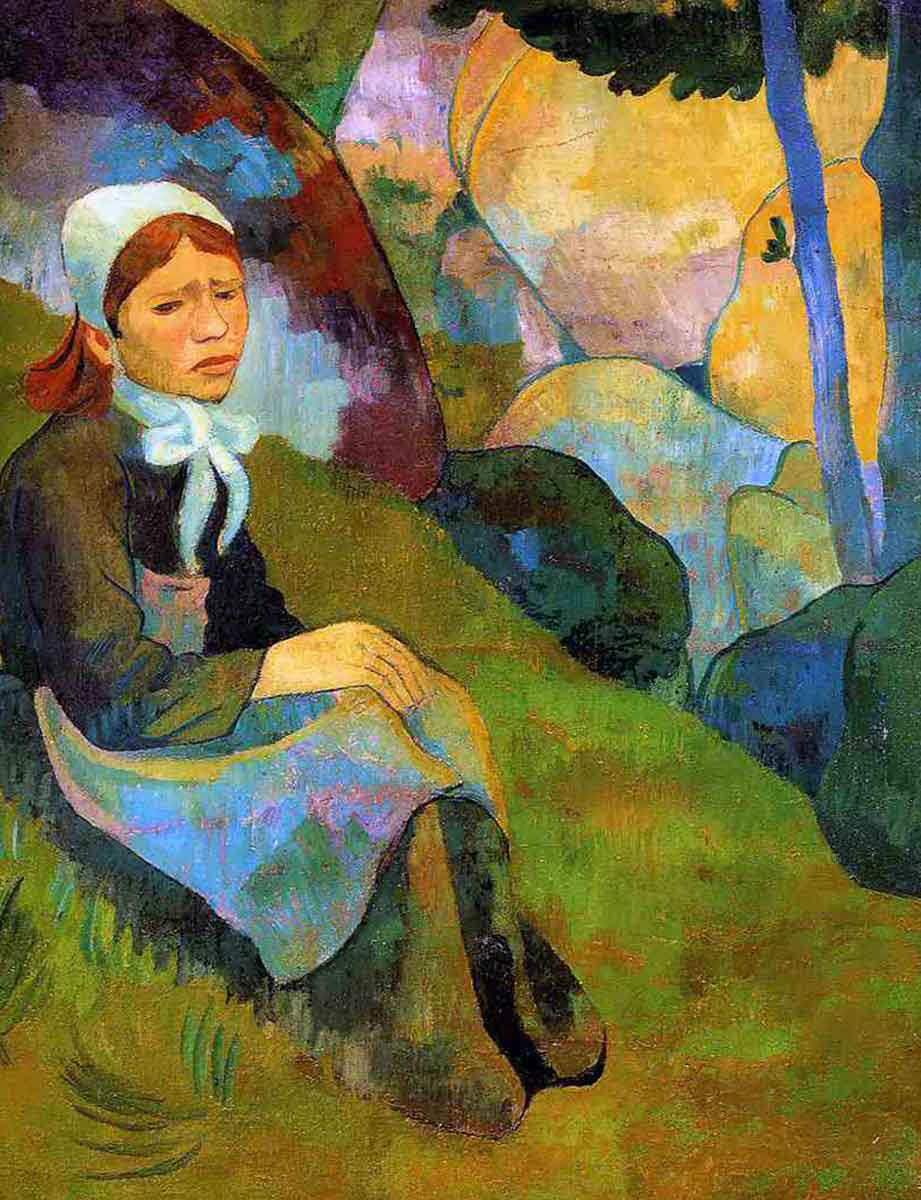
When it comes to addressing teen isolation, everyone has a role to play, not just the kids themselves. Whether you are a parent, educator, or neighbor, it begins with open discussion at home. Young individuals need to feel there are settings where they can easily express themselves without feeling judged.
But then again, empathy matters. Parents and teachers who listen attentively and with understanding can make all the difference in how adolescents feel about their well-being.
Schools must also not be forgotten in this matter. It means a lot to students when schools create an environment where everybody feels involved and runs support groups.
Not just homes and schools, but media and communities also wield great power. By telling stories—whether in books, TV shows, or movies—that show loneliness as normal, they let teenagers know something important: if you feel this way, too, you’re not alone.
Seeing fictional characters deal with familiar emotions can make young viewers feel more hopeful and connected. Programs—such as social groups and mentorship schemes—exist in many places that help teenagers form genuine bonds with others.
All these things work together to provide support. Imagine a system in which everybody agrees that teenage isolation is a problem worth tackling and takes steps to address it. In such a world, young people would feel seen, heard, and valued (by default).
Ensuring society recognizes the issue isn’t someone else’s job; it’s up to all of us. But even small gestures have an impact!
Towards Healing: Insights From Art and Research

Combating loneliness in young people needs a special mix of science and imagination. Books and movies do this by expressing solitary feelings—turning unknown battles into tales we can all understand.
For example, it’s not just that novels like The Catcher in the Rye and The Perks of Being a Wallflower are fun to read. They help us feel less isolated, too. Both teenagers and adults often say: “I thought I was the only one who felt like that character.”
When we combine these art forms with psychological findings, we learn a lot about why young people might feel lonely and how best to help them. In essence, facts plus fiction give us new ways to think and behave!
How can adolescents use these ideas in their lives? Let’s start with some tips. Many teens find it helpful to write about their feelings and analyze patterns, and keeping a journal is great for this.
Young people also benefit from connecting with others who have had similar experiences. Whether they meet in person or online, peer support groups can help break down the walls that isolation builds. Another useful skill is being able to think carefully about what you see and hear on social media so that you engage with it critically.
When we take findings from research along with things that make us feel good when we’re going through a tough time—like art—and put them together, amazing stuff can happen. We can start to feel we’re not so alone after all.
This approach combines human connection with practical problem-solving in a way that is kind as well as clever, bridging that gap between feeling awful and finding ways to feel better.
So, What Is an Unseen Side of Adolescence?

Adolescence involves more than just growth spurts and social drama. It is often characterized by silent loneliness. Many teenagers grapple beneath the surface with feelings of isolation brought on by changes to their bodies, evolving identities, and a continual quest for acceptance. This hidden battle is frequently overlooked.
Young adult fiction and movies illuminate these concealed feelings, offering teenagers both a narrative voice and proof that being lonely does not mean being alone in loneliness.
Psychological studies deepen such insights. They show that teenage isolation is associated not just with mental health problems such as anxiety and depression but also point to ways this can be fought.
The fact that adolescents may feel things intensely even when they don’t say so is an important reminder for parents, teachers, and others. If we notice how much young people are struggling—and lend them support—it can make all the difference in turning their isolation into personal growth.