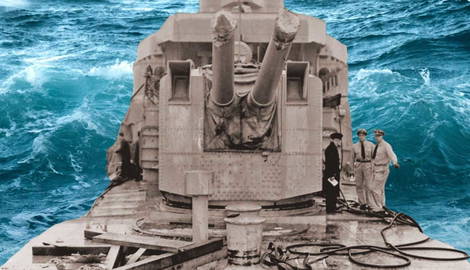

Of all the World War II stories of tenacity, skill, or just sheer luck, few compare to the story of the USS Marblehead. Some ships survived incredible damage. Others escaped enemy nets, while others staggered home. Yet the Marblehead did all three. On February 4, 1942, Japanese bombers mauled the aging light cruiser in the Makassar Strait. On fire, compartments flooded, and steerable only by propellers, the Marblehead began a nearly 20,000-mile journey. In this story, the ship sailed across two oceans, perhaps one of the war’s greatest acts of seamanship.
The Battle of Makassar: Smashed but Still Afloat
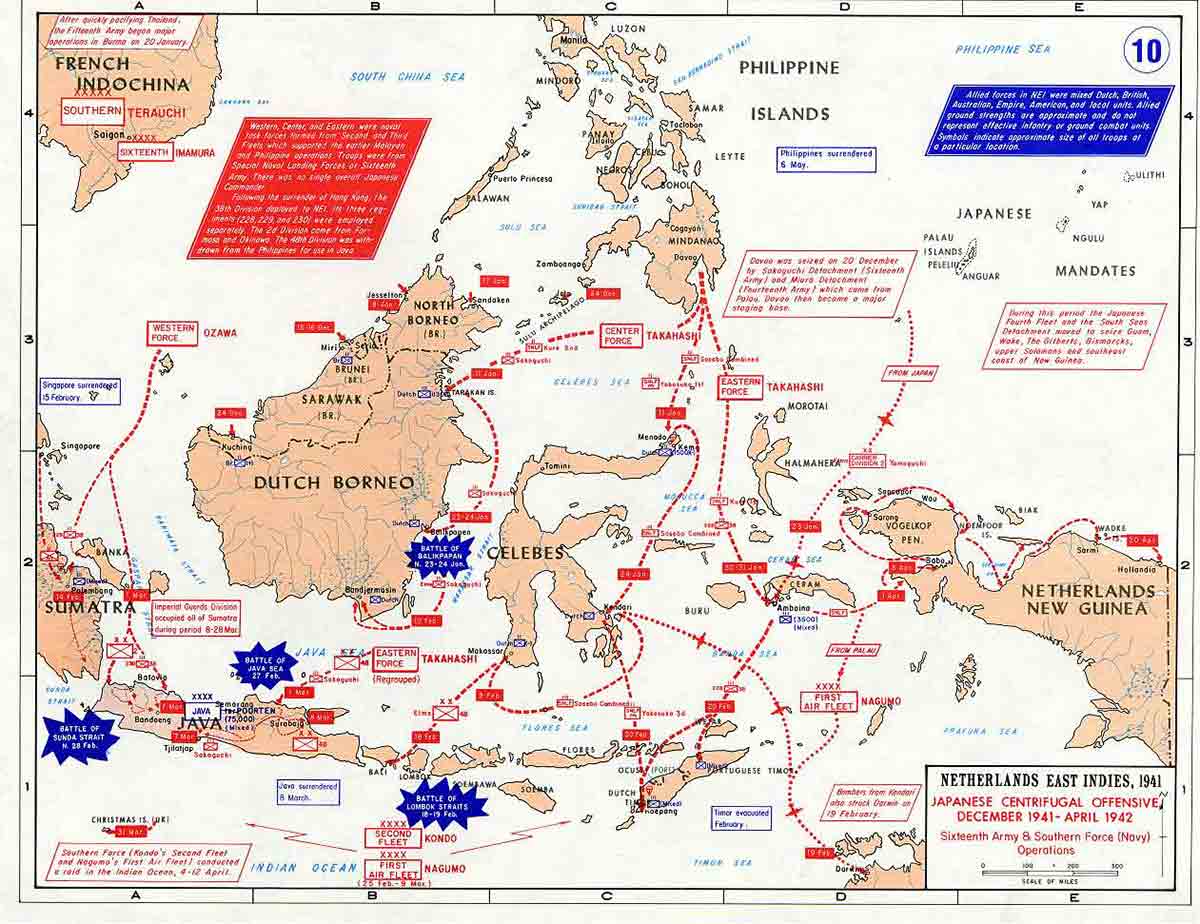
On the morning of February 4, 1942, the USS Marblehead steamed north into the Makassar Strait as part of a force to confront the Japanese.
At 10:27 a.m., about 37 Imperial Navy bombers located the cruiser (designation CL-12 light cruiser). With no Allied air support, the Japanese planes operated freely, attacking the Marblehead.
- 10:40 a.m.: The initial bomb struck the fantail, or aft-most deck. Exploding deep inside, it burst through metal and sparked fires.
- The next bomb hit seconds later, exploding near the waterline. This ripped a large hole in the ship’s side. Seawater streamed in, flooding engineering spaces, fuel tanks, and other spaces.
- 10:43 a.m.: A final bomb hit topside, tearing steel and ripping through compartments.
Now in shambles, the Marblehead’s jammed rudders only allowed left-turning circles— her fate seemingly sealed.
Down But Not Out
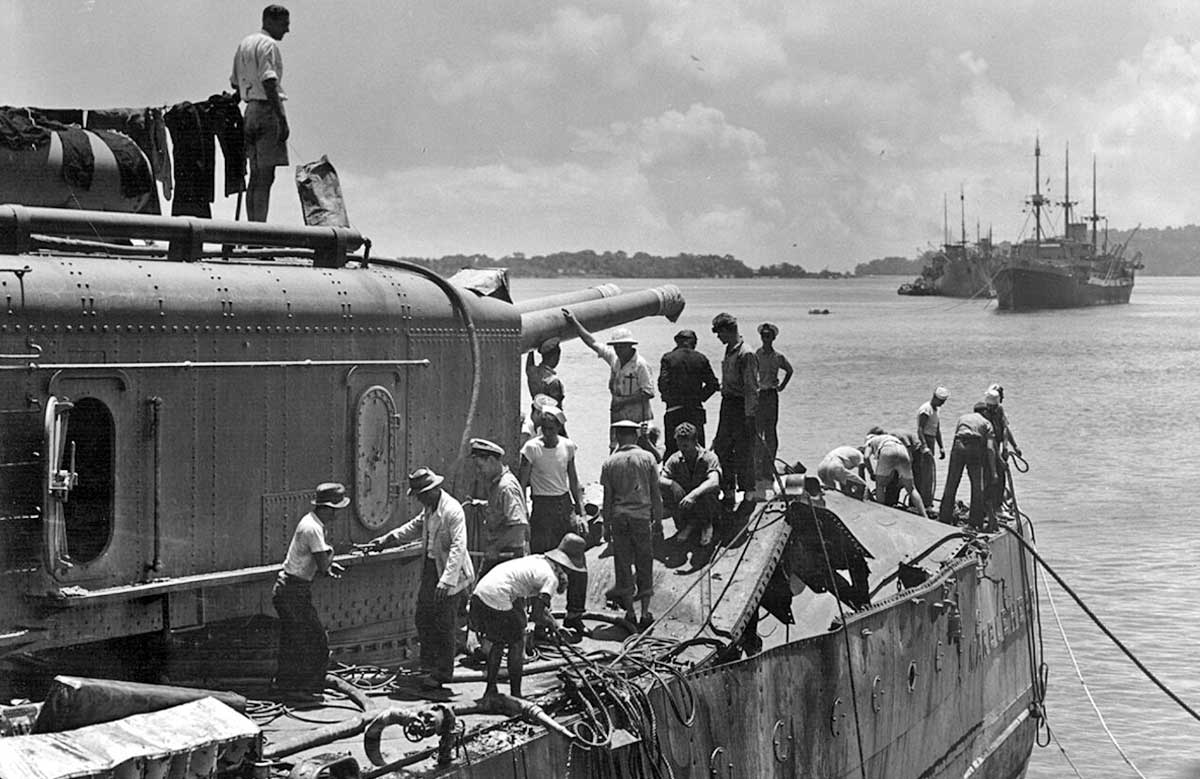
By 10:45 a.m., the Japanese bombers egressed the strait, leaving USS Marblehead’s survival a big question. With fifteen dead and dozens wounded, the crew took stock of their desperate situation. The first bomb had destroyed the steering engine room, broken the steering linkages, and bent the rudder stock. Flooding had finished the job. Yet the ship’s engineers came up with the ingenious idea to use engine-steering. Though rudimentary, they alternated between revving engines and moving the ship left to right. While not fast, this worked.
The Marblehead’s crew next tackled the huge starboard hole as it took on massive amounts of water. With numerous water pumps knocked out, the crew used hand pumps or lined up to bail water to prevent the ship from capsizing. From February 4 to February 6, the crews pumped like madmen, staying ahead of the flooding.
All efforts paid off as the Marblehead reached Tjilatjap, Java, on February 7, 1942. Dutch and American crews worked feverishly, using timber, concrete, and steel to patch holes or weld seams. With just enough repairs done, the still rudderless light cruiser slipped away on February 12, 1942, southwest into the Indian Ocean.
Crossing the Indian and Atlantic Oceans
As the Marblehead began its creaky journey from Java towards Ceylon, the crew knew they couldn’t stop working. Keeping their boots on, the crew slept in shifts in case of any alarms. The hull groaned with every swell or course change. Further complications from the 9-foot hole included 34 flooded compartments. The pumps never ceased operating.
After a week of painful, reduced-speed sailing, the Marblehead reached Colombo, Ceylon, on February 19, 1942. She stayed only for a day, taking on supplies before departing for South Africa.
The Marblehead reached Simon’s Town Naval Base near Cape Town on February 24. This was the only dry dock capable of servicing a larger ship. Here, round-the-clock repairs lasted for three weeks, and the ship left on March 15.
As the Marblehead entered the Atlantic Ocean, it encountered heavy swells and violent cross-waves. The ship rolled occasionally to 20-30 degrees as she crept north. Incredibly, the battered USS Marblehead’s New York arrival stunned many on May 4, 1942. Though rust-streaked, concrete-patched, and crusty-looking, the cruiser survived. The journey took three months, crossed two oceans, and some 20,000 miles, demonstrating a perfect example of naval damage control and endurance.
A Reputation Earned and Something More
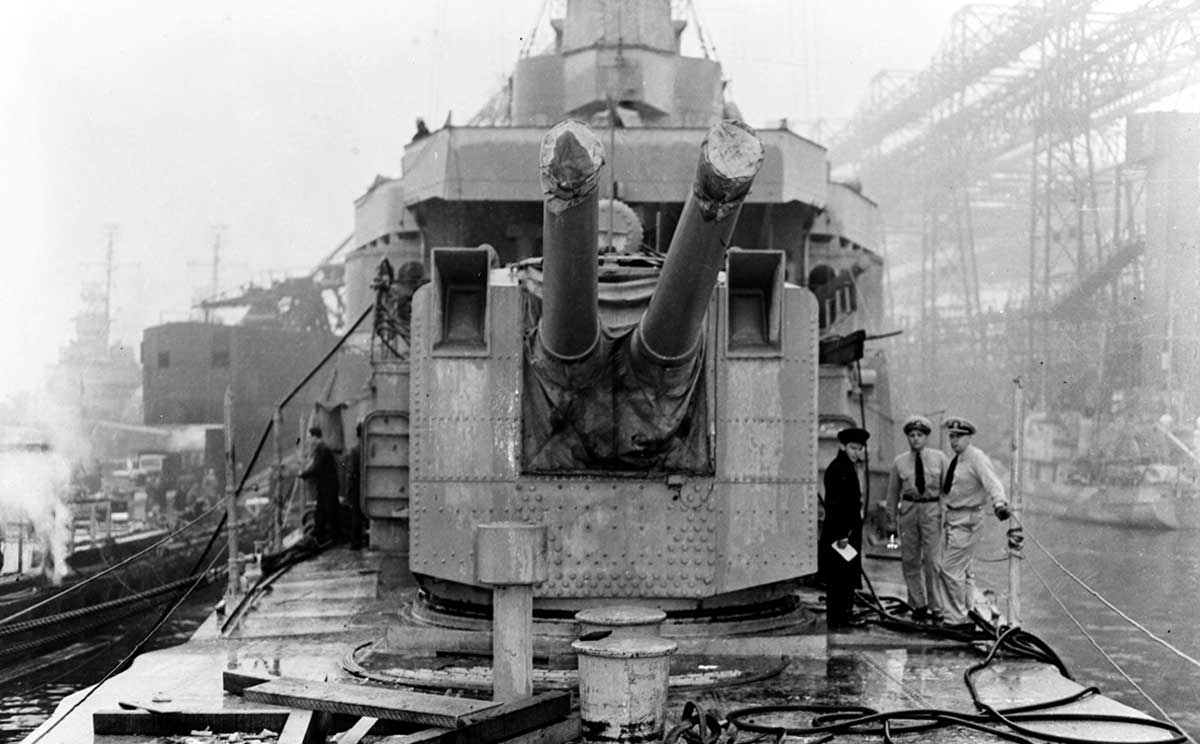
Somehow, the Marblehead’s crew kept a structurally compromised ship afloat, making it a Pacific War naval legend. By 1942, the Marblehead was two decades old, designed for a role that scout planes quickly replaced. Planned newer cruisers would arrive soon, but few would match this cruiser’s reputation.
The Battle of the Makassar Strait nearly ended the Marblehead. The damage inflicted should have sunk the ship. But the crew stayed disciplined. As the Marblehead entered New York Harbor, newspapers began calling it “a ship long since given up for dead.”
Though the ship’s fantastic journey deserved headlines, what it represented mattered more. The Marblehead victory was an indispensable one after months of defeat. Events like the Pearl Harbor attack hurt the country’s morale. The tale of a down-and-out old ship that prevailed raised America’s spirits during a bleak period.