
Moses is the traditional author of the first five books of the Bible, called the Pentateuch or Torah. According to tradition, Joshua wrote the book that bears his name. The authorship of other biblical books is likewise attributed traditionally to celebrated figures. But some claims about authorship began to face questions beginning no later than the seventeenth century. In the eighteenth century, scholars began to propose that these texts were not the works of single authors at all; rather, they were more complex compositions edited together from different “sources.”
Source Criticism Arose After Traditional Authorship Was Questioned
Today, books go to print after a careful process of proofreading and editing. Authors often subject their manuscripts to the scrutiny of friends or colleagues even before sending them to a publisher. Everyone knows that the author is not the only person who influences a book before it is finalized. But, if it were discovered that a person called the “author” of a published book actually wrote none or very little of it, a project would ensue to find out who the “real” author was.
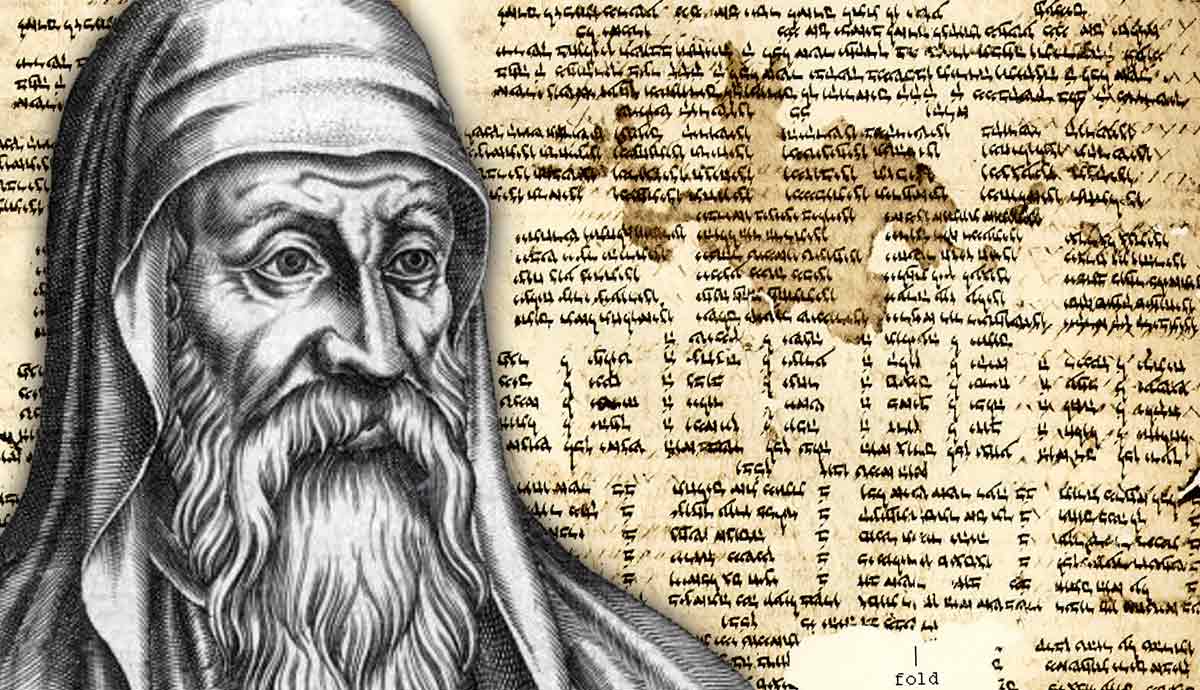
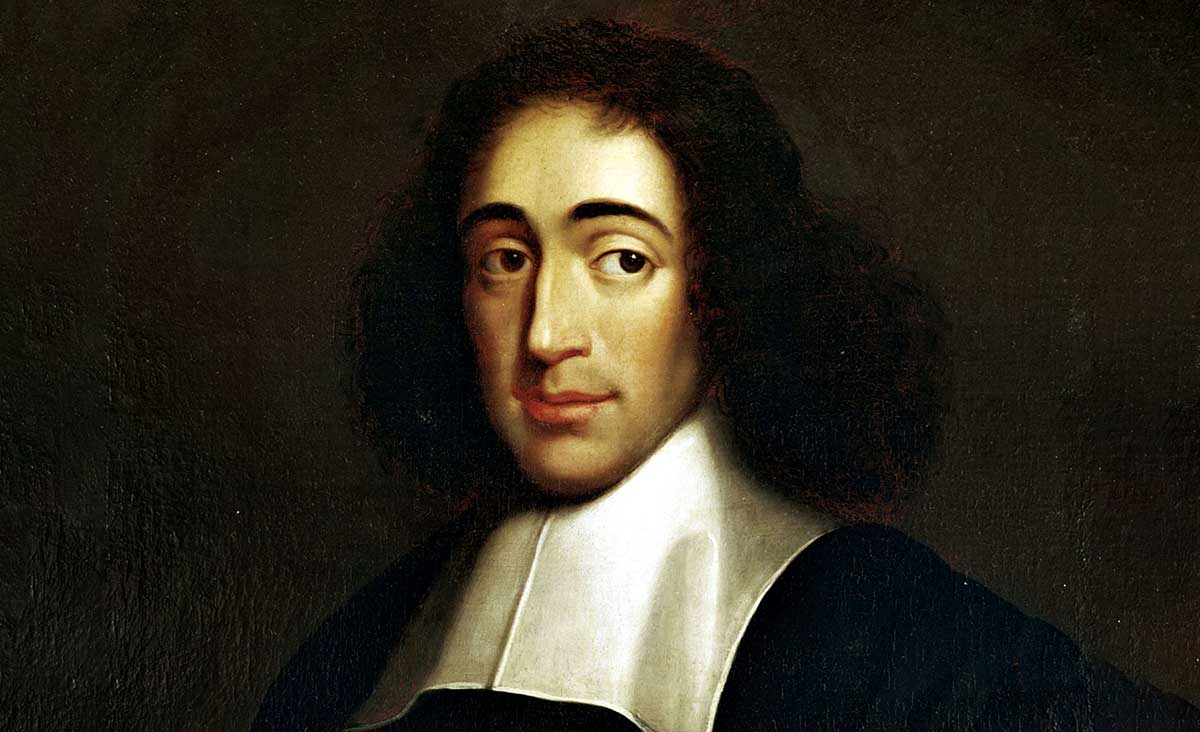
In the second half of the seventeenth century, the Portuguese-Jewish philosopher Benedict Spinoza claimed that the Pentateuch had clearly been written by someone other than Moses. Earlier scholars had hinted that Moses could not have written certain parts of it, but Spinoza asserted that Moses was not the author at all. If not Moses, who wrote these books?
Source Criticism Tries to Account for “Problems” in the Text
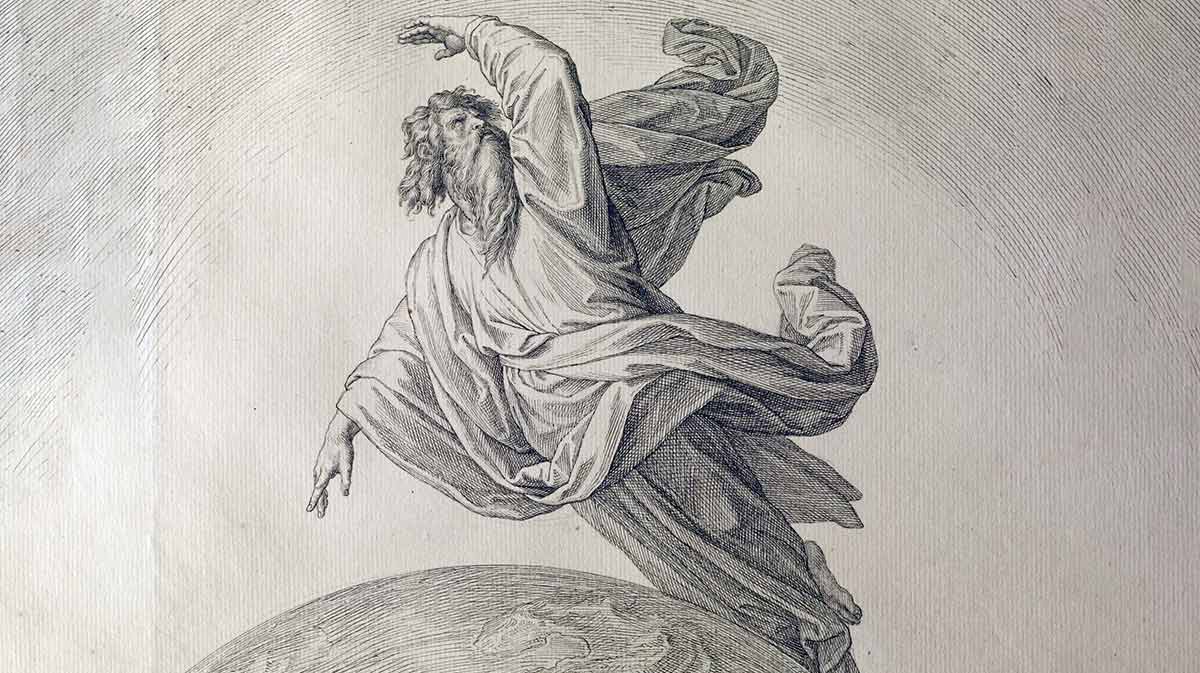
The initial impetus to search for various sources behind biblical narratives was what are sometimes called “problems” in the text. For example, the first two chapters of Genesis seem to tell different stories about creation. Though integrated together, there appear to be two sources in the narrative of Noah’s flood as well. In the story of Joseph, his brothers sell him to a group of Midianites, but also to a group of Ishmaelites. In the book of Samuel, David appears to meet King Saul, for the first time, twice.
Source critics were certainly not the first to see these kinds of oddities in the Bible’s stories. But whereas rabbis and theologians had traditionally tried to explain or reconcile them, source critics became interested in a different challenge. Having already concluded that many biblical texts were not the work of independent authors, they set out to explore how the text’s sources had been compiled and edited together.
Source Critics Build on Each Other’s Work Across Generations
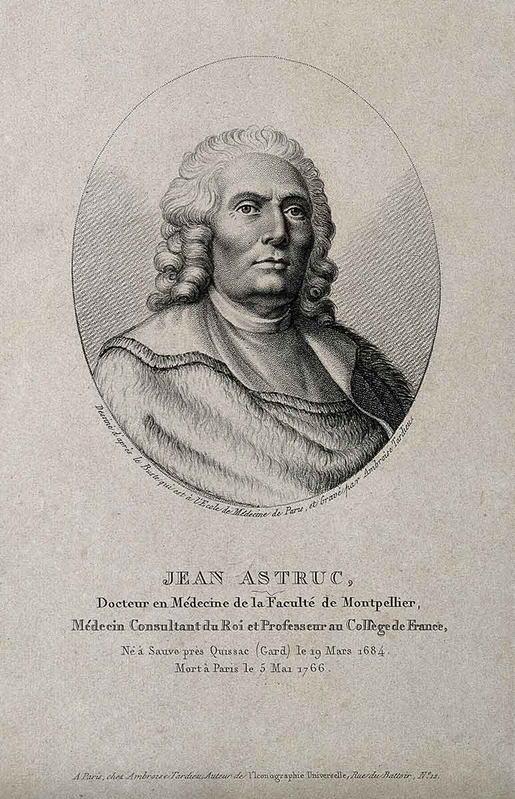
In 1753, a French physician named Jean Astruc (1684–1766) proposed that the Pentateuch comprised two, distinguishable sources, which he identified by how each tended to refer to God, one using Yahweh and the other Elohim.
The German biblical scholar Julius Wellhausen (1844–1918) later argued for four sources behind the Pentateuch. These he identified as the Yahwist (J—pronounced like English “y” in German), the Elohist (E), Deuteronomy (D), and the Priestly (P) source. His theory, which continues to influence biblical scholarship, is known as the JEDP Theory or simply The Documentary Hypothesis. His was by no means the final such theory to be proposed, but it has had remarkable staying power among biblical scholars.
Sometimes, source critics propose theories that suggest fewer rather than more sources than is held traditionally. Modifying Wellhausen’s hypothesis, for example, German scholar Martin Noth (1902–1968) argued that Joshua, Judges, Samuel, and Kings—called the “Historical Books”—were written by a single author called “the Deuteronomist.”
How Is Source Criticism Different from Textual Criticism?
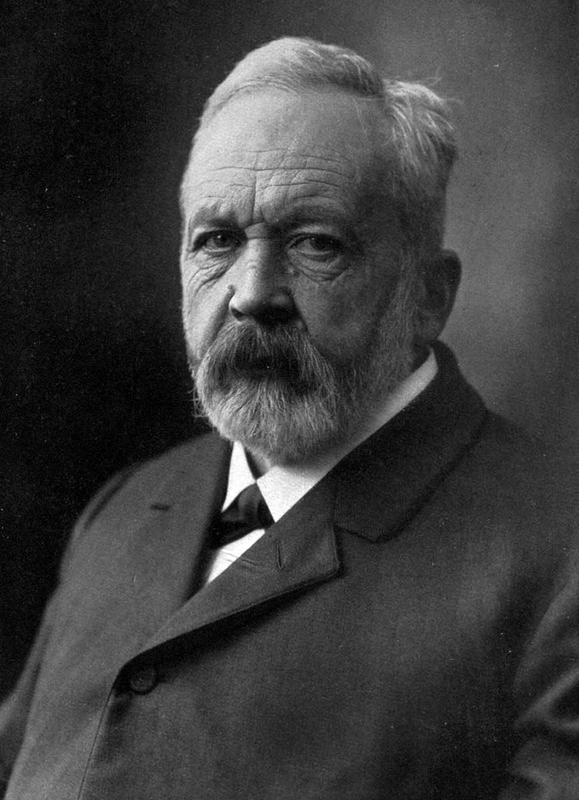
Textual criticism is focused on finding an original text using physical manuscript evidence. The goal of textual criticism is to recover the original wording of a text. It does not necessarily concern itself with who wrote the text in the first place.
But if an original text was itself the result of a compilation of different sources, scholars are also interested in discovering by whom, when, and why those sources were written as well—especially if those sources show clear signs of differing authorial contexts or perspectives. Thus, while textual criticism tries to find original texts, source criticism tries to uncover sources within texts that may or may not be “original.”
Though the tools of source criticism have been employed in examining the Gospels, overall they have been historically more important for the study of the Hebrew Bible (or Old Testament) than for New Testament scholarship.
Scholars Debate about the Bible’s Sources
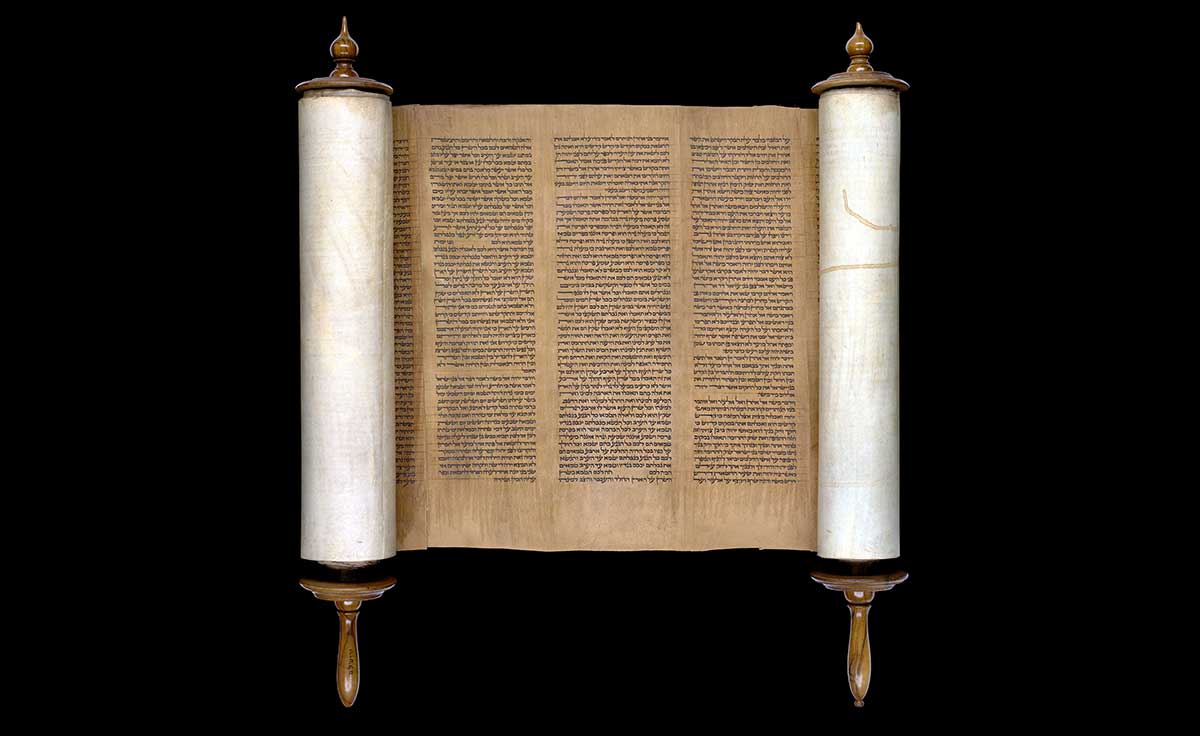
Source criticism is not an exact science, and there is lively debate among scholars today about the Bible’s sources. While some scholars still think that Moses wrote may have written at least part of the Pentateuch, or that Joshua indeed contributed to the biblical book of Joshua, biblical scholarship has been inalterably affected by the theories of source criticism. Today, the vast majority of professional Bible scholars agree that the Pentateuch, Historical Books, and other parts of the Bible have more complex compositional histories than had been traditionally thought.