What is individuation, exactly? In Jungian psychology, individuation refers to the natural drive to become whole by integrating the unconscious with the conscious mind. Here’s how it unfolds—from early ego fragmentation to dream guidance, shadow projection, and the inner pair (anima/animus) that reconciles us with the Self.
Why Individuation Begins with Ego Fragmentation
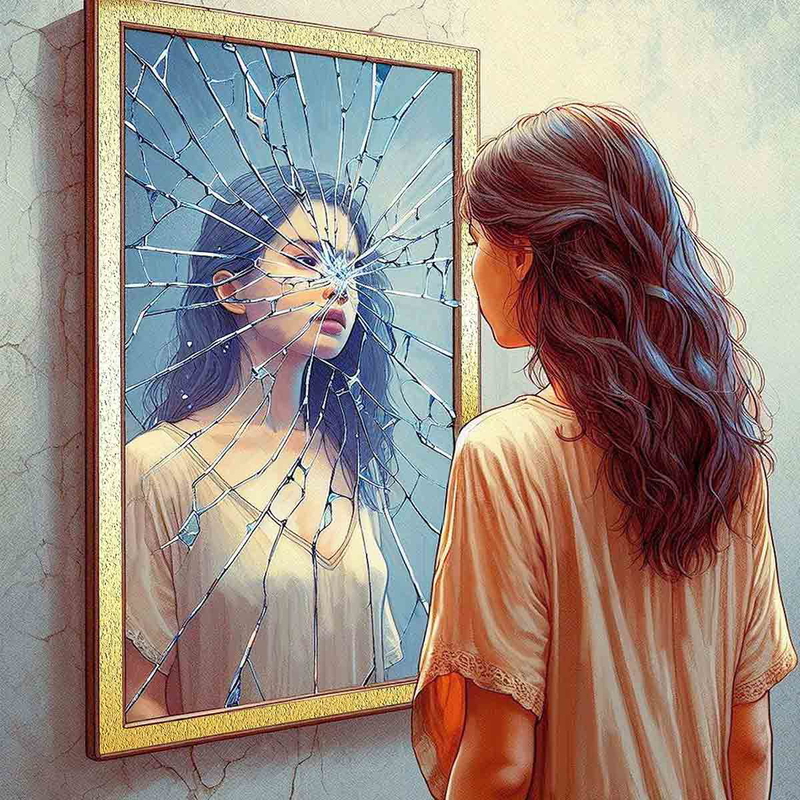
Carl Jung believed that children initially have a sense of the unified wholeness of their psyche. However, by the time their ego develops, they typically forget this experience. While ego-consciousness evolves from the self, the regulating center and unified totality of the psyche, it is related to it as a part is to the whole. Effectively, one lives only as a fragment of oneself, the rest of which remains unconscious.
As Jung notes, “man knows only a small part of his psyche,” rendering “the causal factors determining his psychic existence to reside largely in unconscious processes” (Jung, 1951). The personal and collective aspects of the unconscious influence the ego in a similar manner to how certain events limit our freedom in the world. As long as one remains asleep to oneself, unconscious of the contents that constitute the self, one will sleepwalk through life like a puppet in the hands of an unknown master.
How Dreams and Symbols Guide Individuation
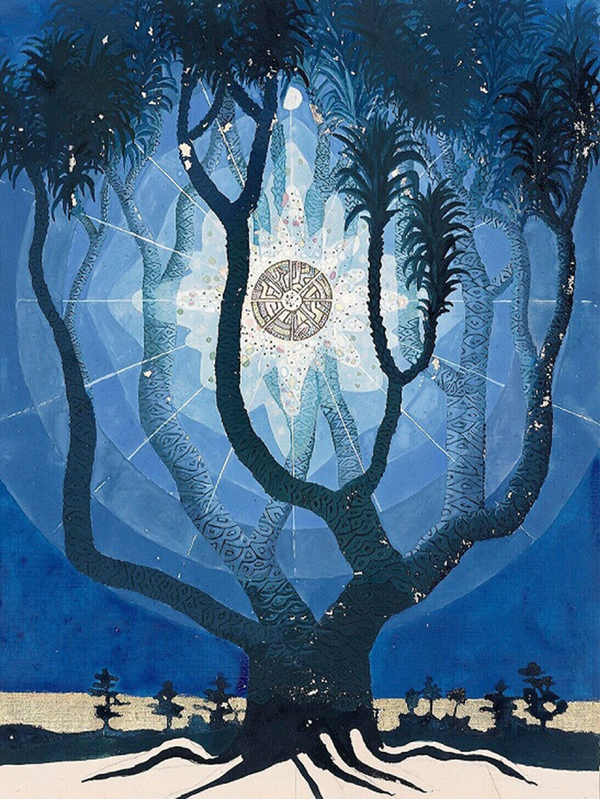
The self expresses itself and its contents through symbols, typically consciously accessible in dreams. Jung discovered that dream symbolism follows a certain progressive and evolutionary pattern, which he called the process of individuation. Individuation is a naturally occurring process of maturation whereby one becomes fully oneself by integrating both the personal and collective aspects of one’s psyche into consciousness.
The one-sidedness of ego-consciousness propels the integration of its unconscious counterparts. Only by unifying the contrasting aspects of the psyche in consciousness can one realize the wholeness of oneself. In this sense, individuation is essentially a journey of consciously reconnecting with the self by recognizing the uniqueness and totality of one’s own being. While the process is unique to each individual, Jung outlined its basic structure.
Individuation vs. Persona: Shedding the Social Mask

The persona is a socially constructed mask with which we identify. Far from being anything real, it is fundamentally a false personality. The process of individuation starts by divesting “the self of the false wrappings of the persona” through the integration of the shadow. While the shadow can consist of both positive and negative traits, it is essentially a part of ourselves that we refuse to acknowledge. Whatever we refuse to see in ourselves, we will see in others.
The contents of our psyche that we do not integrate into consciousness will manifest as projections on the outside world and reduce it to an illusory status with which no real connection can be formed. As Jung remarks, “Projections change the world into the replica of one’s own unknown face” (Jung, 1951).
Individuation and the Shadow: From Projection to Integration
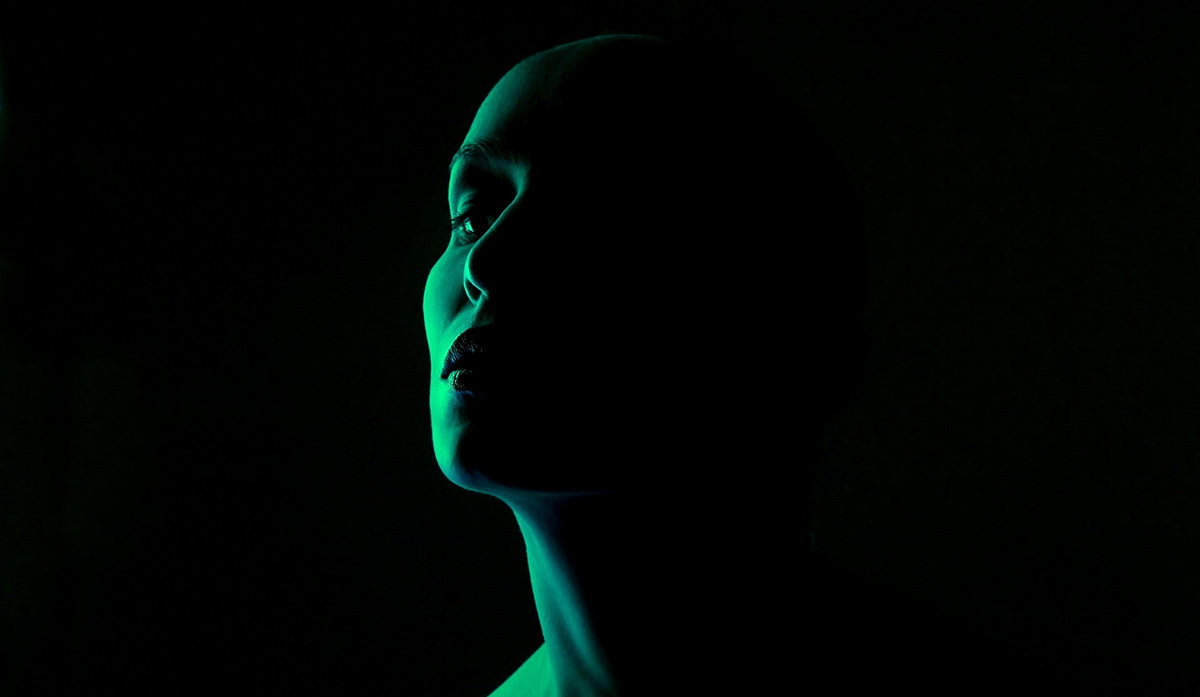
While projections are not only the symptoms of an unintegrated shadow, their impacts can be detrimental. In extreme cases, they can lead to paranoia or schizophrenia. Bringing the shadow into consciousness dismantles the persona. Not only does a person discover that they are not who they’ve always thought they were, but they also realize that nobody is how they once imagined them to be. Once the personal shadow is integrated, one has to confront the collective shadow.
Jung explains that “it is quite within the bounds of possibility for man to recognize the relative evil of his nature, but it is a rare and shattering experience for him to gaze into the face of absolute evil” (Jung, 1951). Integrating the personal and collective aspects of the shadow entails a total collapse of how one has always experienced oneself and the world. This collapse is a prerequisite for reforming the personality into something more real and holistic.
Anima and Animus: Integrating the Inner Other
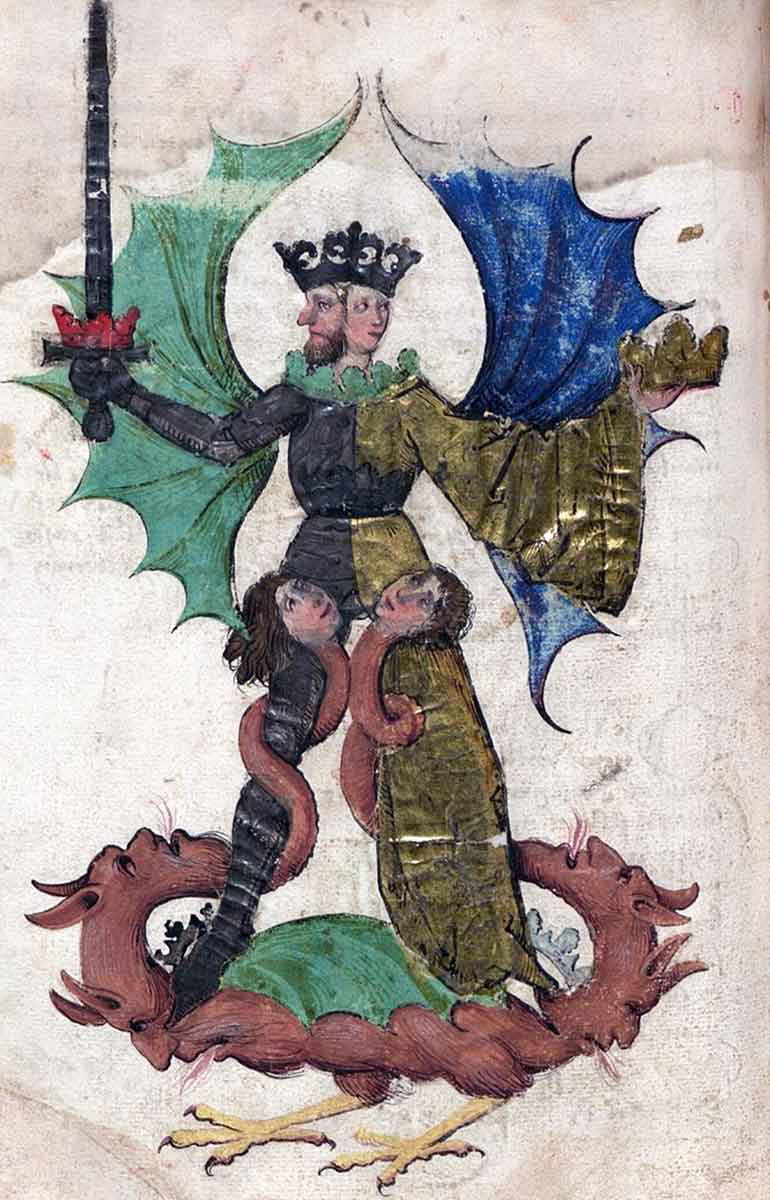
Individuation proceeds in periods of destruction and reconstruction until the conscious personality realizes the wholeness of the self, also known as the greater personality. This cannot be achieved without the integration and development of the animus and the anima. According to Jung, every biological female has a masculine counterpart, the animus, and every biological male has a female counterpart, the anima.
The syzygy of the animus and the anima consists of both personal experiences of the opposite biological sex, typically influenced by parental figures, and of collective archetypes of masculinity and femininity. Like the shadow, without integrating the anima or animus into consciousness, they will be unconsciously projected onto other people of the opposite sex, rendering any relationship illusory and often destructive.
Syzygy, Logos, and Eros: Realizing the Self
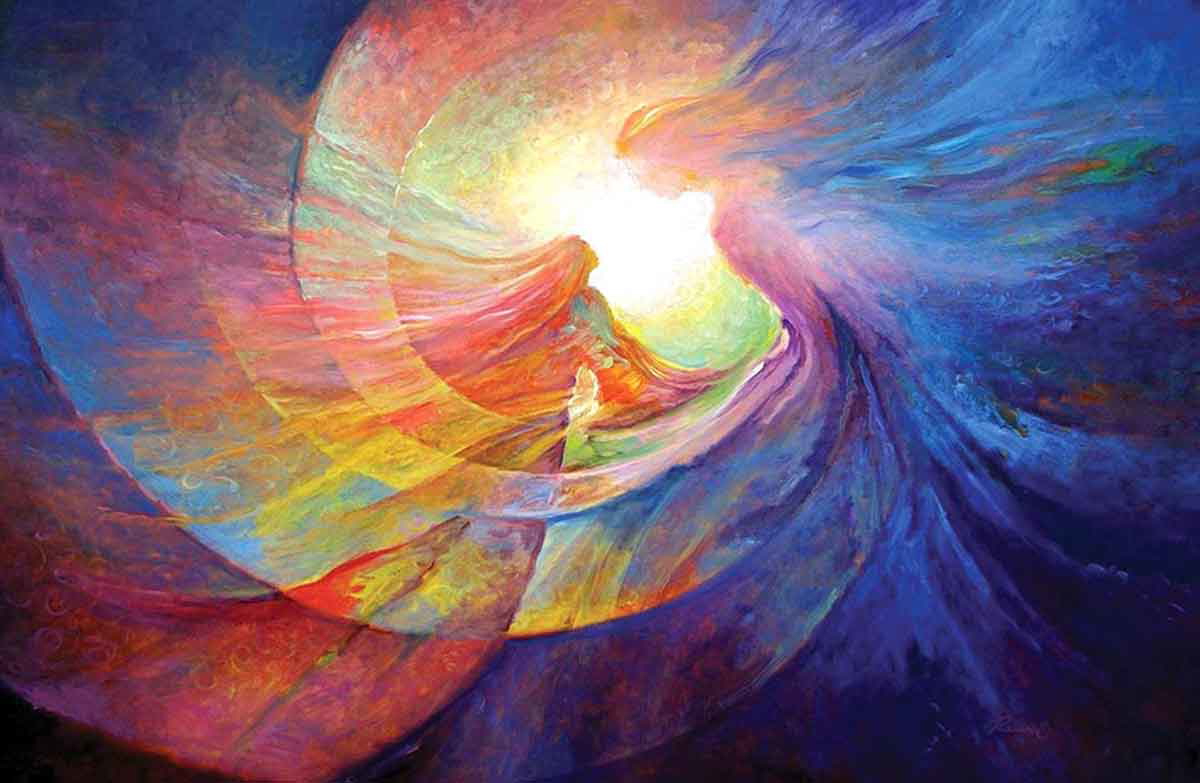
Both the anima and the animus have a fourfold structure through which they progress as one integrates them into consciousness. At their highest levels, the animus becomes the Logos of a woman, which Jung calls “the man of light,” and the anima becomes the Eros of a man, which Jung calls “Sophia.” The integration of the highest aspects of the anima and the animus marks the culmination of the individuation process.
As Logos and Eros, the syzygy functions as a guiding mediation between one’s ego-consciousness and the center and totality of the psyche. They represent the ultimate union of consciousness and unconsciousness in both its personal and collective dimensions, thereby allowing one to recognize oneself as the unified whole of the self. In religious jargon, it amounts to the recognition of man’s primordial union with God. In Jungian psychology, however, theophany is better termed as an “autophany,” for what manifests to one at the height of enlightenment is regarded as nothing other than the self.