The unique appearance of pixel art brings many adults back to the “golden age” of arcade games, when games like Frogger, Space Invaders, and Pac-Man dominated the arcade screens. Today, video game developers have advanced far beyond the need for low-resolution graphics, but pixel art remains a vibrant, nostalgic medium for many artists. Many popular indie games, such as Stardew Valley and Undertale, have embraced pixel art as part of their game’s charm, and many professional artists use the medium to create stunning works of their own.
What Is a Pixel?
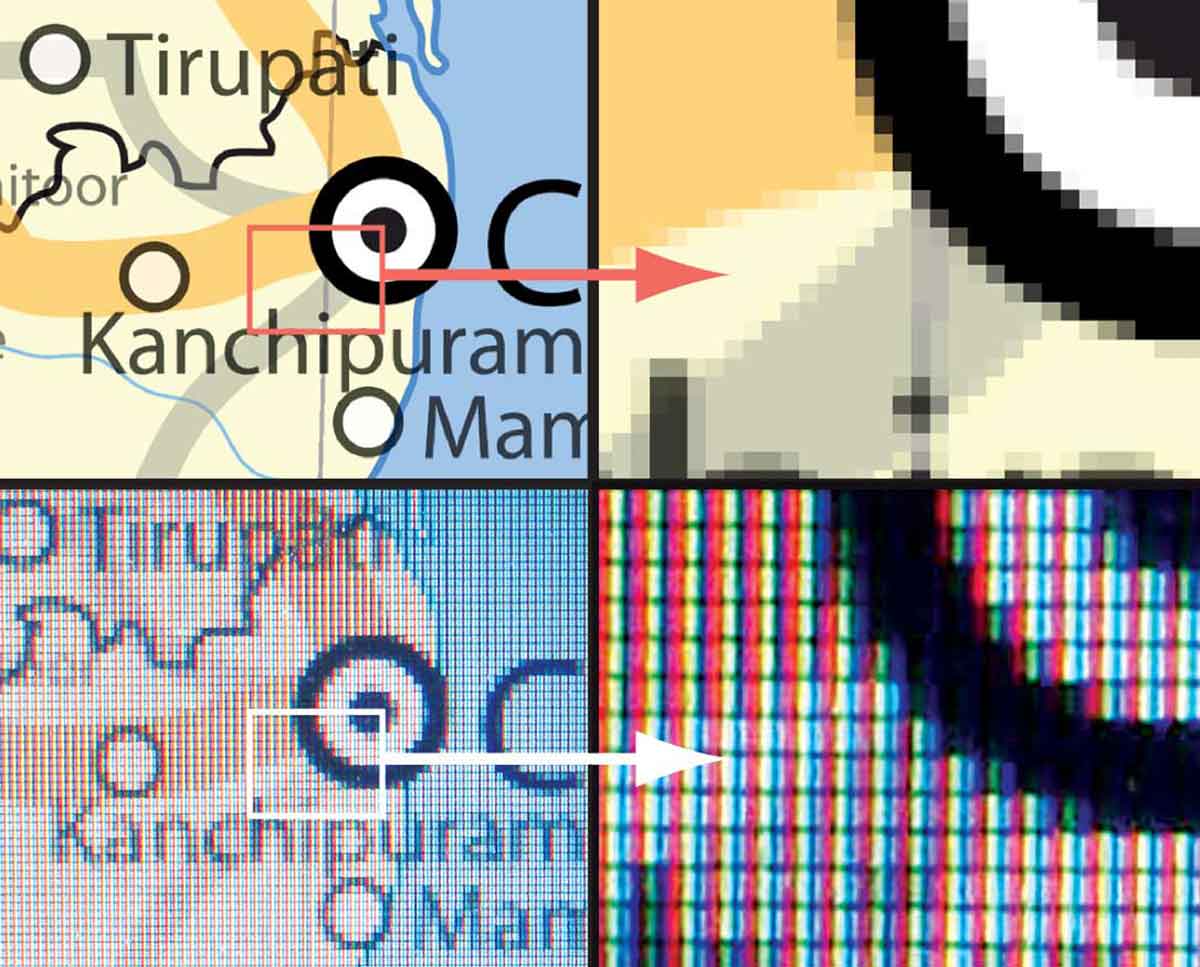
A pixel, which comes from the term “picture element,” refers to a single, basic unit of programmable color that is seen on a computer display or digital image. Every graphic element on a screen—pictures, text, and otherwise—is made of thousands of pixels. Each pixel is a singular dot of color; the number of pixels per inch (PPI) determines the resolution, or “quality,” of an image. A higher number of pixels creates a sharper, cleaner image. A lower number of pixels means the image may appear “blocky” or mosaic-like, the defining feature in the pixel art style.
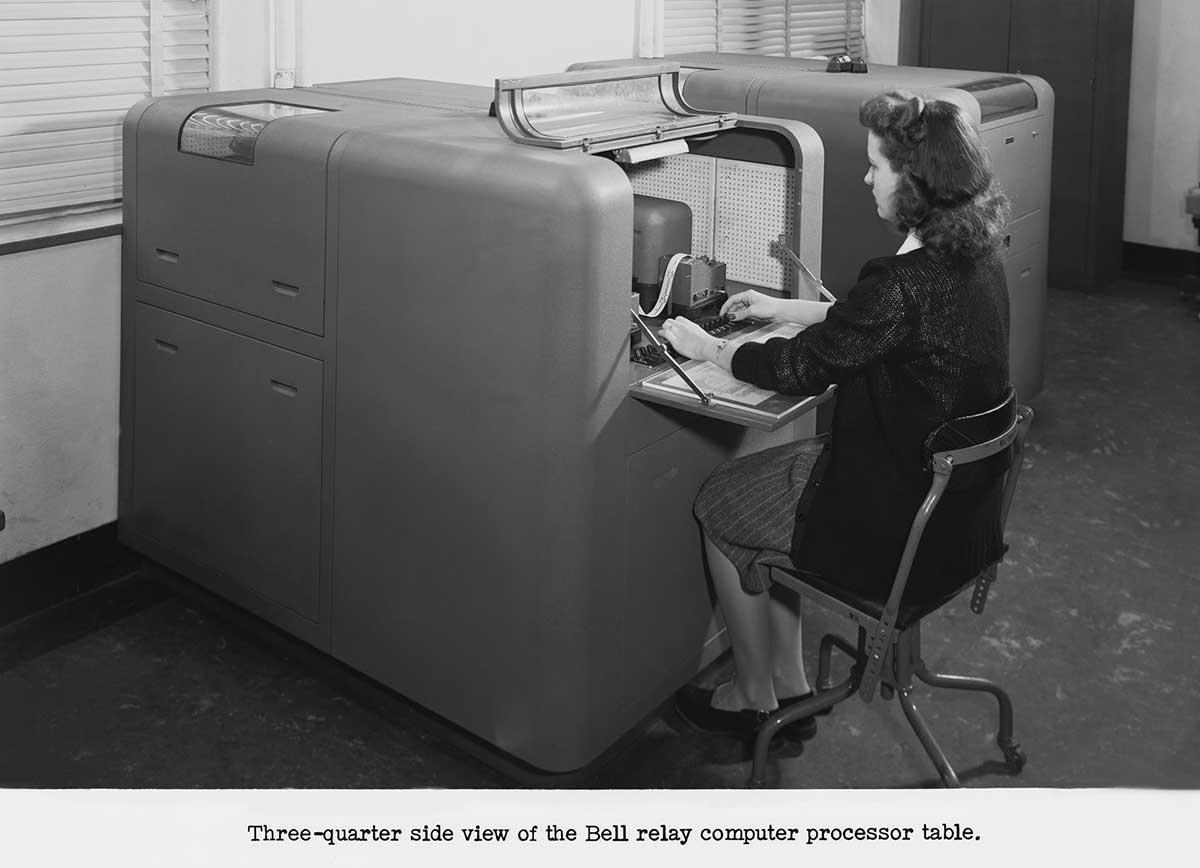
In 1927, a new program called “Television Demonstration in America” first used the term “picture element” to describe the quality of an image on a screen. “Pixel” as a term wouldn’t come along until 1965 when scientist Fred Billingsley used it in his 1965 paper “Digital Video Processing at JPL.”
After 1970, when an IBM internal report also used the term, the pixel exploded in popularity, appearing in journals published everywhere from Stanford to UC Davis. However, the first color pixels were invented by NASA in the late 1960s, when they worked in conjunction with the New York Institute of Technology to create an advanced computer lab, where they developed the first RGB-colored pixels.
What Is Pixel Art?

As the name suggests, pixel art is made up of “pixels.” Some images aim to use as few blocks as possible to convey their images, while others create complex scenery with thousands of tiny squares. This creates a unique visual, similar to mosaics, cross-stitch, or other types of embroidery.
However, pixel art has a great deal of variety; as a result of the power of modern graphic cards, artists are no longer limited by small, low-resolution screens. Pixel art is usually created using a square grid, which artists fill with different colors to create an image. Although it is most popular among the digital art community, the blocky, mosaic-like qualities of pixel art have been re-created in many different mediums. It is not uncommon to see pixel-esque signs in front of places like arcades or trendy cafes.
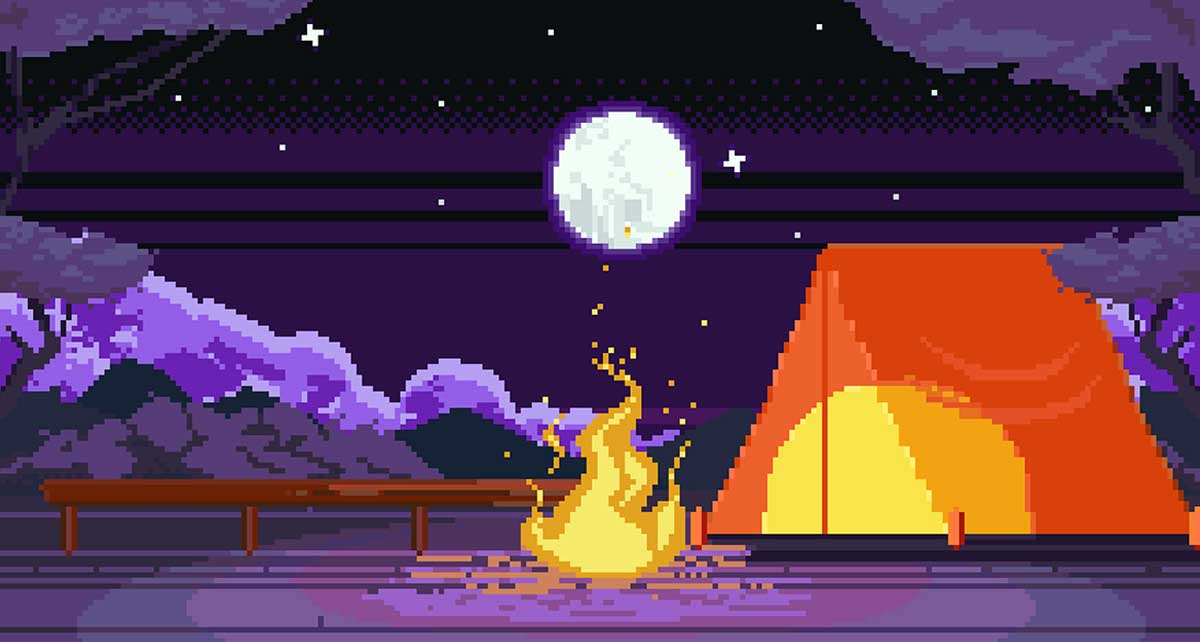
Pixel art was originally created by artists who were working around the restriction of cathode ray tube (CRT) screens. CRT screens had lower resolution and were usually similar in height and width, meaning they had a very limited graphics output.
Eventually, LED TVs replaced CRTs, but the pixel art created for early games simply did not look the same. This is largely because CRT televisions have a slight flicker on the screen. As a result, the jagged edges of color in pixel art blur, creating a smoother, more dimensional image. Because modern screens have a larger resolution, they have to upscale the image, making it appear “blocky” and sometimes unappealing.
8-Bit Art and the First Video Game Consoles
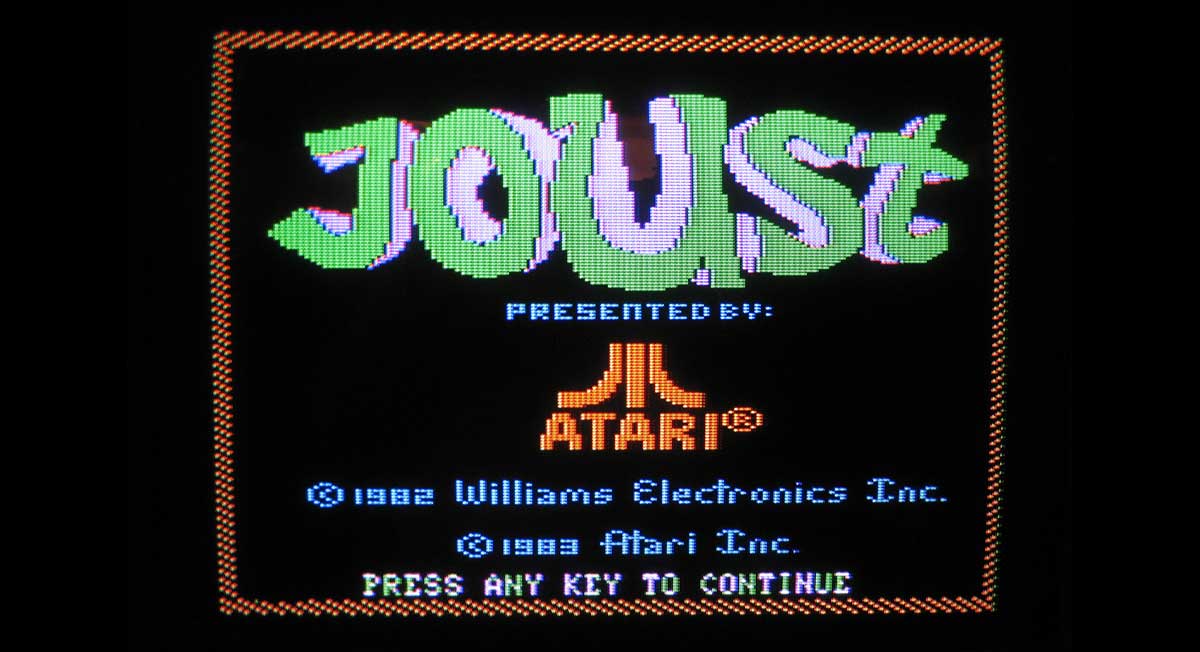
Tennis for Two was a two-player game created by physicist William Higinbotham in 1958 and is widely considered the first “true” video game. However, it was not until 1972 that video games began to garner mainstream availability and popularity. After several failed attempts, Nolan Bushnell and Ted Dabney created Pong and came together as video game publisher Atari. Pong was wildly successful, with the home version of the game selling more than 150,000 copies in 1975 alone.
The video game market exploded, with thousands of units being sold between 1975 and 1983, a time period known as the “golden age of arcade games.” However, the age of home computers almost wiped out the gaming market between 1983 and 1984, until a new Japanese company, Nintendo, released the Family Gaming Computer, or Famicom. This, along with Sega’s SG-1000 revived the market and ushered in a new era for gaming.
Arcade games, as well as early Sega and Nintendo games, pioneered the “8-bit” style that many people associate with early games. “8-bit” refers to a graphics system that operates on eight binary digits, or “bits,” meaning it can express up to 256 different values—or, in the case of graphics, colors. This limited range is what gives 8-bit games their simple and blocky style.
In spite of their limited palettes, the art of 8-bit games became instant classics, with hits like Megaman and Frogger. The first level of the original Super Mario Bros. is still recognizable to any gaming enthusiast today, and popular 8-bit characters such as Pac-Man, Donkey Kong, and the Battletoads remain iconic.
16-Bit and Beyond
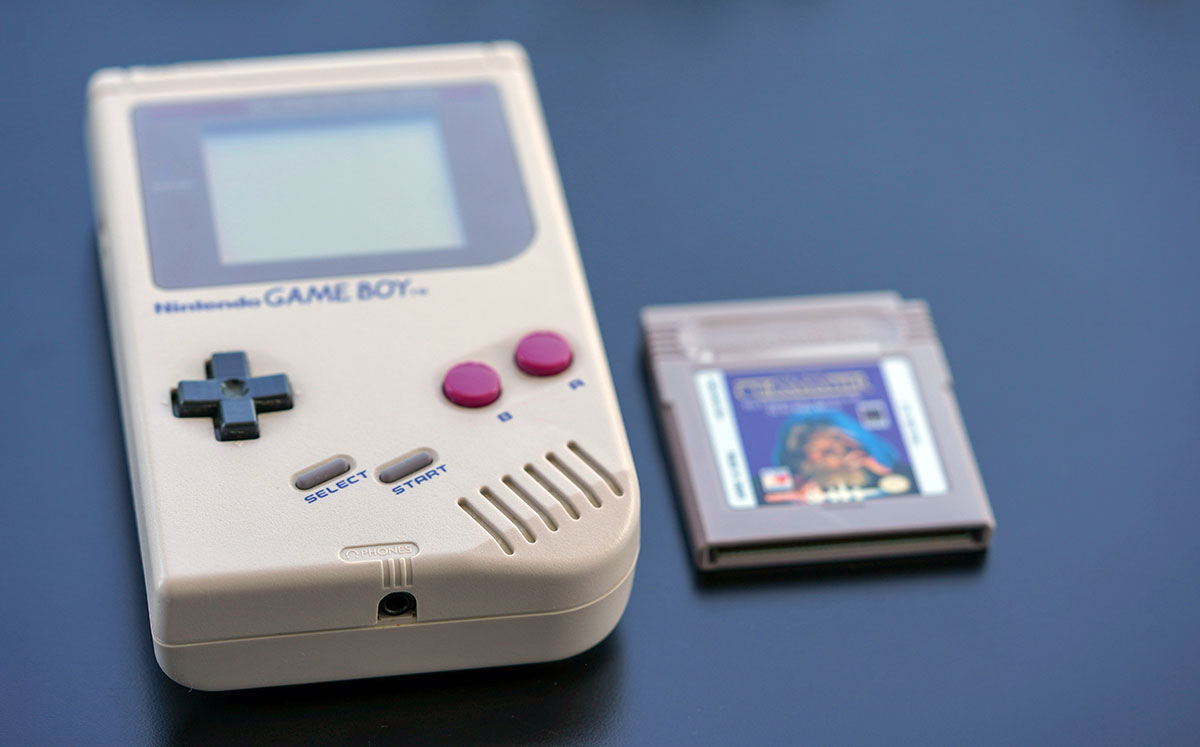
As video games reached the mid-1980s, revived by Nintendo’s success, arcade games hit their peak, and home gaming began to take over the market. The 1980s saw the first handheld consoles, like the Nintendo Game Boy and the Sega Game Gear, as well as a revolution in graphics. Thanks to improved microprocessors and display screens, video games could advance from 512 possible colors on screen to 65,536 (16-bit). This exponential increase meant huge new possibilities for designers, who took the opportunity to meld 3D and pixel art together into games with a new look.
The increase in quality, however, meant a decrease in the number of titles, especially as the mid-1990s began and graphics increased to 32-bit. Although 32-bit graphics offered another massive increase in quality, they also created a huge increase in cost. Brian Farrell, the president and CEO of THQ, a California-based video game company, suggested that many companies were “leaving [16-bit art] behind too quickly” as consumers struggled to keep up with rising prices.
However, at this point, the idea of retro gaming had begun to catch on, and collectors were eager to preserve consoles from previous generations. Re-releases of popular games such as The Legend of Zelda and Digital Devil Story: Megami Tensei in the 1990s attracted a great deal of attention as collectors worried that prices for these classics would shoot up in the near future.
The 16- and 32-bit eras produced some of the most iconic titles in video games. Sonic the Hedgehog, Sega’s answer to Nintendo’s Super Mario series, was released in 1991, and Nintendo’s hit Super Metroid came soon after in 1994. The Metroid series, which remains ongoing, is still regarded as one of the best video game series of all time.
Modern-Day (2010s and 2020s) Pixel Games
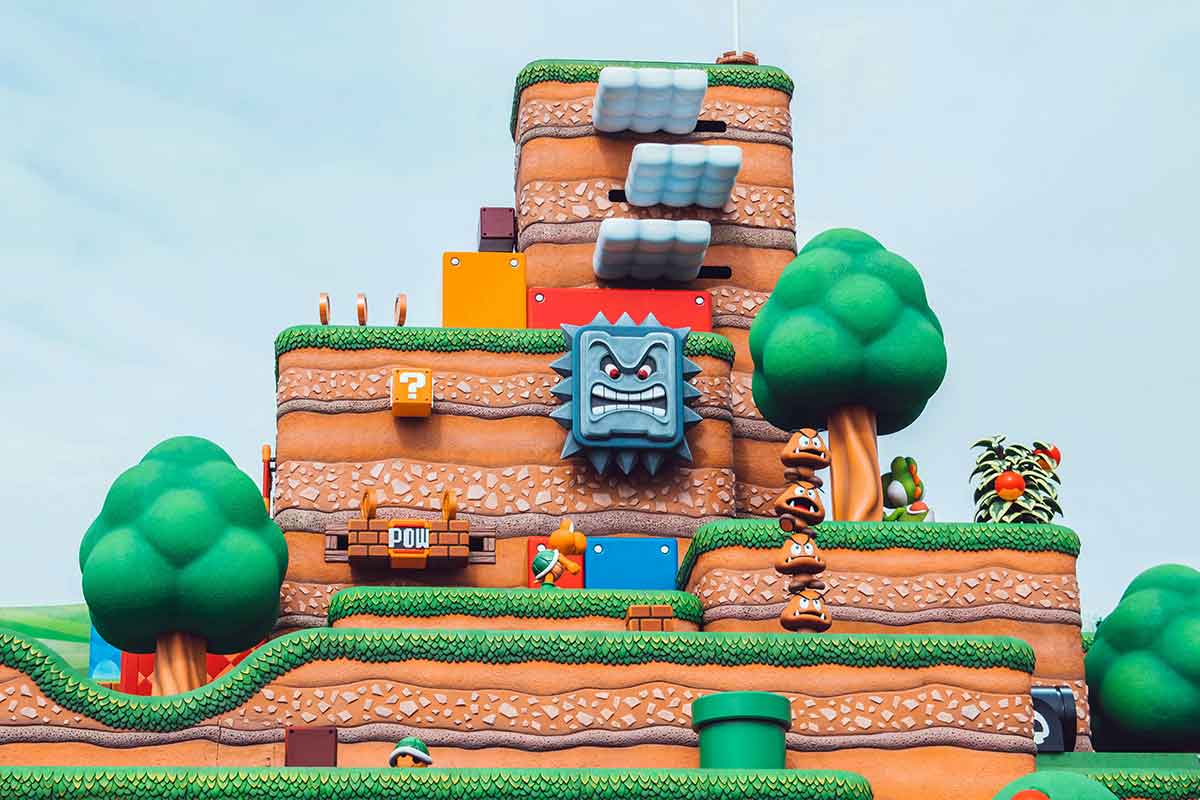
Although video game graphics now range from colorful and cartoony to hyper-realistic, there remains a popular market for classic pixel games. Bright, colorful graphics and simple animations are nostalgic for many adult gamers, and a number of independent (or “indie”) game studios and developers have found success with their retro styles.
Stardew Valley is among the most popular of the 2010s pixel games. Released in 2016 by Eric Barone, known otherwise as “ConcernedApe,” Stardew Valley brings the player to its namesake small town, where they inherit a farm from their grandfather. While they work on bringing the farm back to life, the player encounters a wide cast of townsfolk with colorful personalities, discovers an abandoned mine shaft full of dangers and treasure, and works alongside a wizard to explore the secrets of the valley.
Following the success of Stardew, Barone has been working on his next game, Haunted Chocolatier. Although it will be presented in the same 32-bit art style, Barone announced that the gameplay would be much different, making the experience story-driven, rather than a simulation game.

Just as popular as Stardew Valley is Undertale, another indie game. The game’s developer, Toby Fox, wanted to create a role-playing game (RPG) that would allow the player the option to resolve conflicts peacefully. The simple, 8-bit style of Undertale was inspired by early Super Nintendo games like Brandish, as well as Nintendo’s late-1980s hit RPG, Mother.
Undertale was a massive critical success, earning a 92/100 on the media review site Metacritic, as well as two perfect 10s on Destructoid and IGN. The game also earned accolades at international game competitions, including the Japan Game Awards 2018, and SXSW Gaming Awards in 2016. Fox later released the first part of its sequel, Deltarune, in 2018, which is still coming out in chapters as of 2024.
The Future of Pixel Art
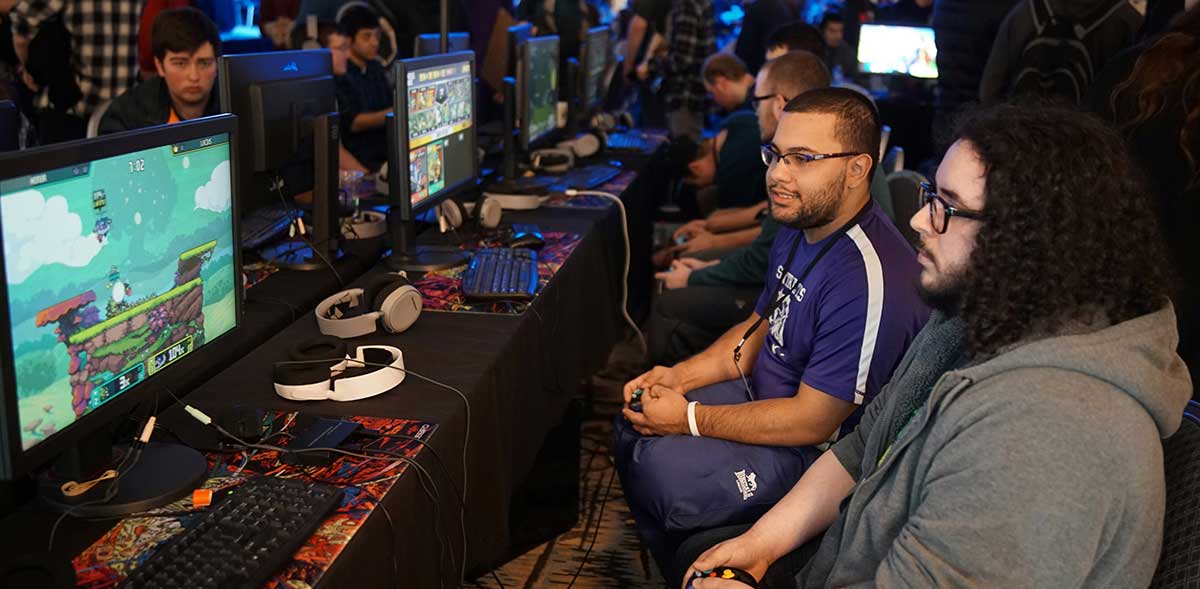
Developers like Eric Barone and Toby Fox have shown that there is still a thriving market for nostalgic, retro-style games, even for people who weren’t around during their initial releases. Although most big-name developers like Ubisoft and Bandai Namco have yet to pick up on the trend, the success of indie games like Stardew Valley and Undertale may soon offset the dominant AAA style of expensive, hyper-realistic graphics in games like The Witcher 3, Cyberpunk 2077 or God of War.
Additionally, many pixel games also take up less hard drive space, are more affordable, and run more smoothly on less-advanced computer builds than AAA games, which can cost upwards of $70 and require up to 200 GB or more of space. Aspects like these can often make them more appealing to players on a smaller budget without compromising on the quality or enjoyment of a game.
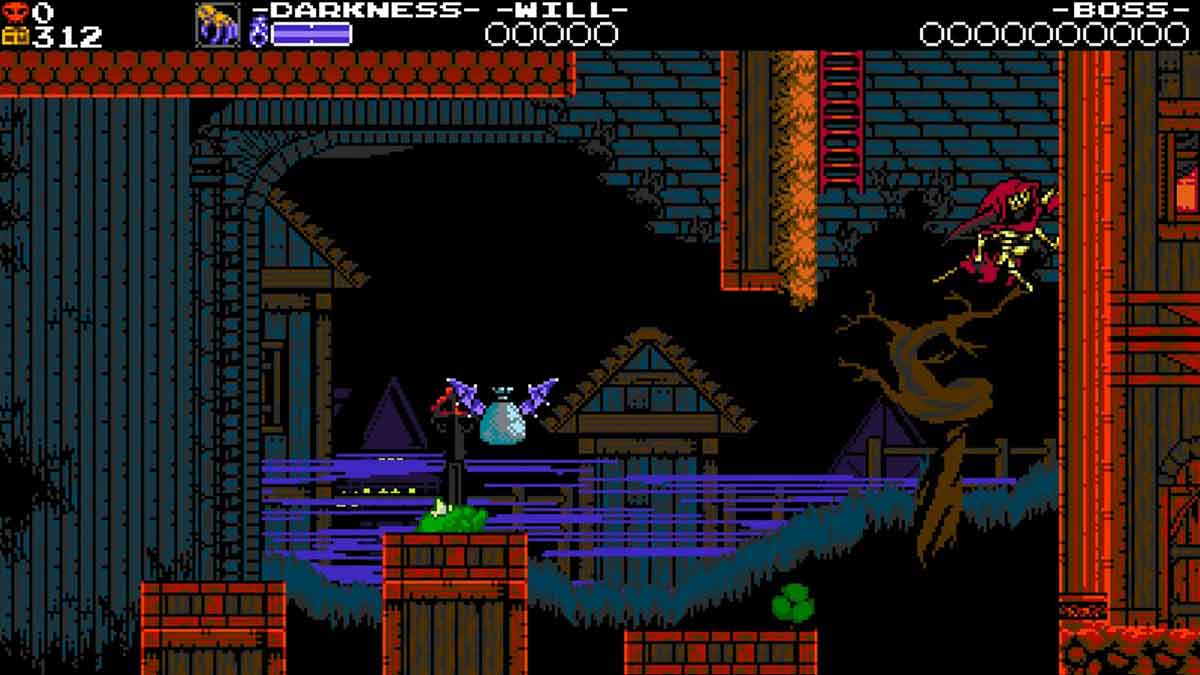
Indie game studios have also gained a surge in popularity following increasing dissatisfaction with AAA studios as the standard for video games. Gaming conventions specifically for indie games have gained popularity as well, with shows like Indie Games Expo drawing large crowds for more than ten years. Indie studios have also come to compete with corporate developers in larger shows as well, including PAX (Penny Arcade Expo) West, which had more than 120,000 attendees in 2023.
It’s clear from the popularity of indie pixel game titles that the style is here to stay. With talented indie developers like Cherry Studios (Hollow Knight) and Yacht Club Games (Shovel Knight), independent games and small teams continue to stand as major competitors with AAA titles.