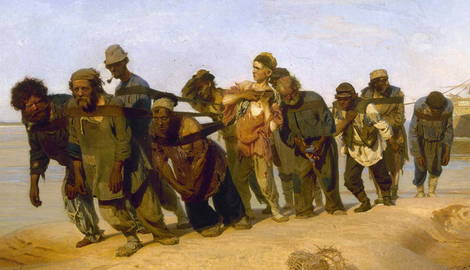
While the 18th century witnessed modernization and Westernization in the Russian Empire, it also saw the strengthening of the institution of serfdom, the legal ownership of people as a state-sanctioned labor force. Serfdom had roots in Russia’s social estate system which categorized people for service, social status, and tax purposes. This unfree system bound peasants to the land, a form of non-chattel slavery, although landowners could sell serfs with the land. The abolition of serfdom in 1861 freed around 10.5 million people and had a profound impact on the empire’s economy.
The Rise of Serfdom in Russia
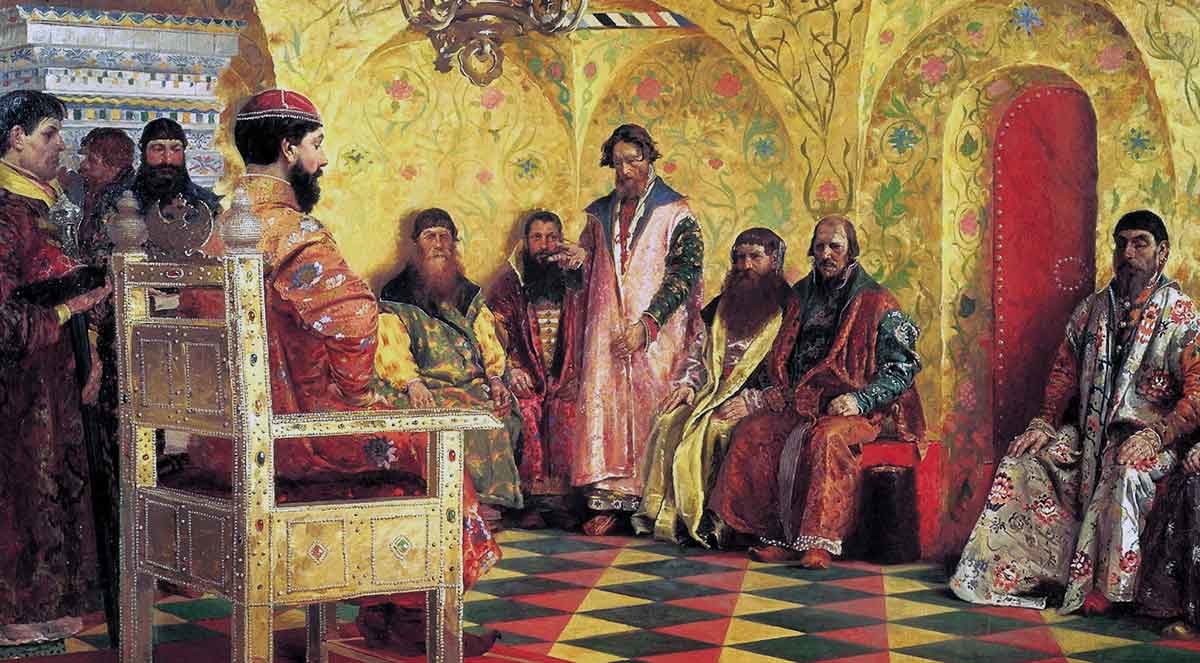
In the Muscovite state, serfdom began as the practice of kholoptsvo, a form of slavery that continued until 1723. That year, Emperor Peter I abolished the practice. Under kholoptsvo, anyone, including nobles and knights, could fall into slavery. Being captured in combat, sold as punishment for a crime, or paying off a heavy debt were the most common ways that a person became enslaved. Many combat kholops worked in service as retainers or in private armies.
A kholop had no rights. Little legal punishment existed for killing a kholop beyond a small fine. Someone who married a kholop became unfree and children born to kholop parents inherited their enslaved status. While kholops represented feudally dependent people according to the law, their reality placed them closer to the enslaved.
Before the 1630s, anyone could own an enslaved person. By 1640, however, the law prohibited the upper class from being enslaved. By 1641, Russia’s legal code banned turning townspeople or peasants into enslaved people.
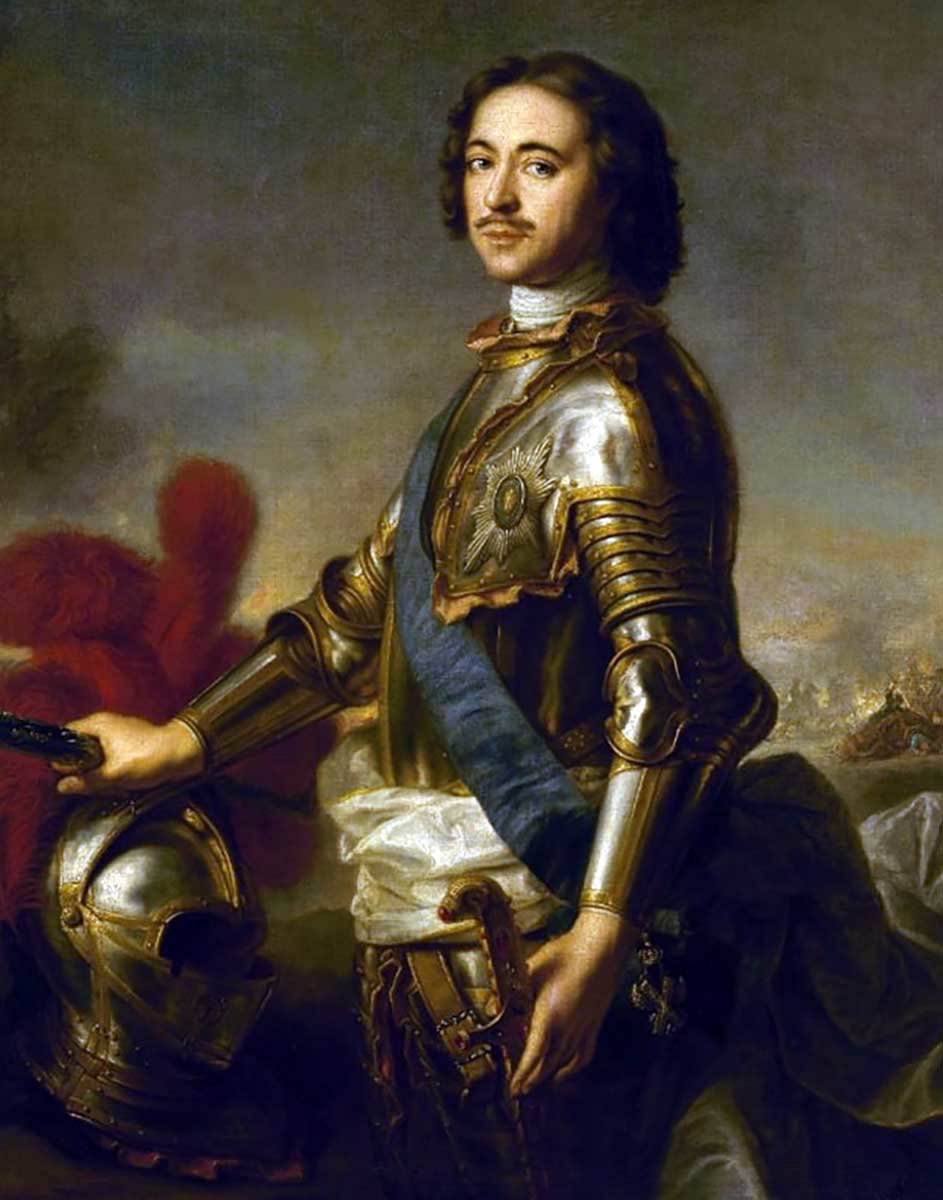
Despite its unfree condition, the practice of kholoptsvo did not create a social caste system. Instead, serfdom in Russia originated from a series of legal decrees. After the Time of Troubles, which saw the rise of the Romanov family as the ruling dynasty, loyalty to the state became paramount. Wars of expansion in the 16th and 17th centuries also meant that the government required a steady source of peasant conscripts.
Under the 1649 Law Code issued by Tsar Alexei I, peasants had restrictions placed on them to prevent them from leaving the land. This decree effectively tied the peasant population to the land, enforced their dependence on landowners, and created a permanent labor force for the aristocracy. The 1649 Law Code enabled the nobility to solidify their control over the labor of the peasant population, a move which the government encouraged to secure the nobles’ loyalty to the state. Under Peter the Great, serfdom would compete with modernization in Russia.
Bound to the Land: How Russian Serfdom Differed From American Slavery
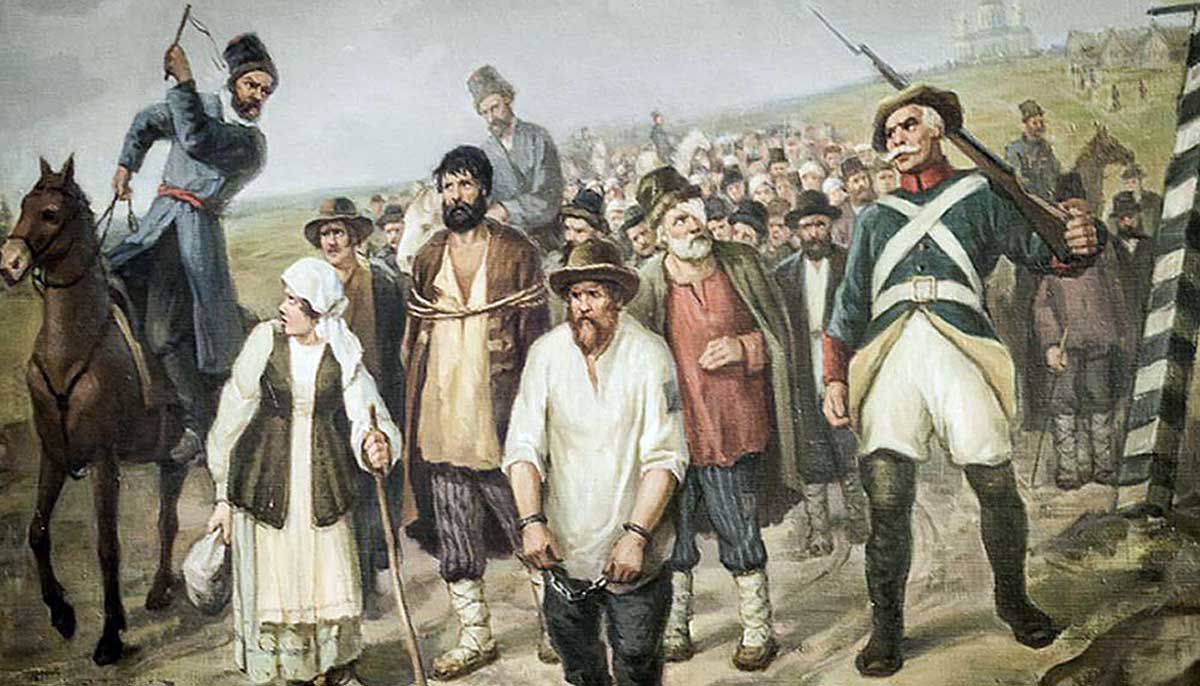
Unlike slavery in the Atlantic world, serfdom was not race-based. In Russia, landowners and serfs had the same ethnicity, language, and religion, but belonged to vastly different social classes. Autocracy, Nationality, and Orthodoxy became the three pillars supporting serfdom in Russia.
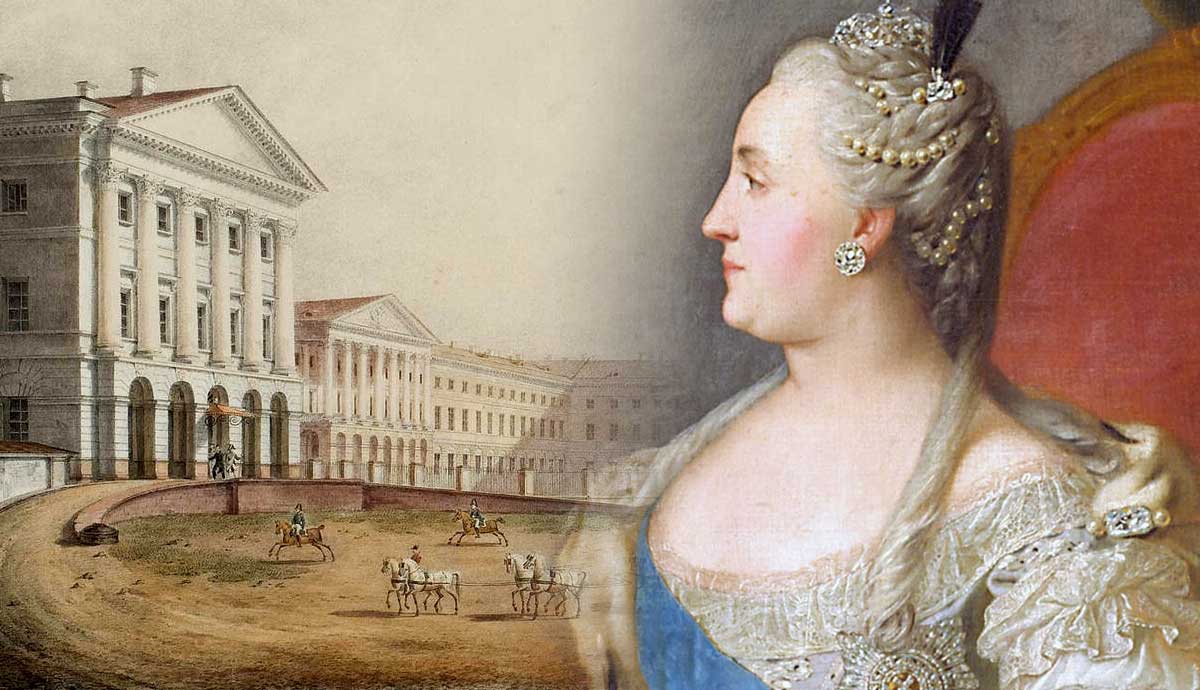
Officially, landowners could not sell serfs apart from the land as chattel property. But in the eighteenth century, selling or giving peasants as gifts became common. Even Peter I popularized this practice by awarding courtiers such as Prince Alexander Menshikov a gift of 100,000 captured serfs. During the reign of Catherine the Great, the nobility gained the right to punish their serfs by exiling them to labor camps in Siberia.
In certain cases, serfs could pay high dues to a landowner to avoid forced labor obligations. These exorbitant dues often cost more than most peasants could afford, leaving them trapped in an unfree system. By the 19th century, landowners could buy and sell serfs, making their fate practically indistinguishable from enslaved people.
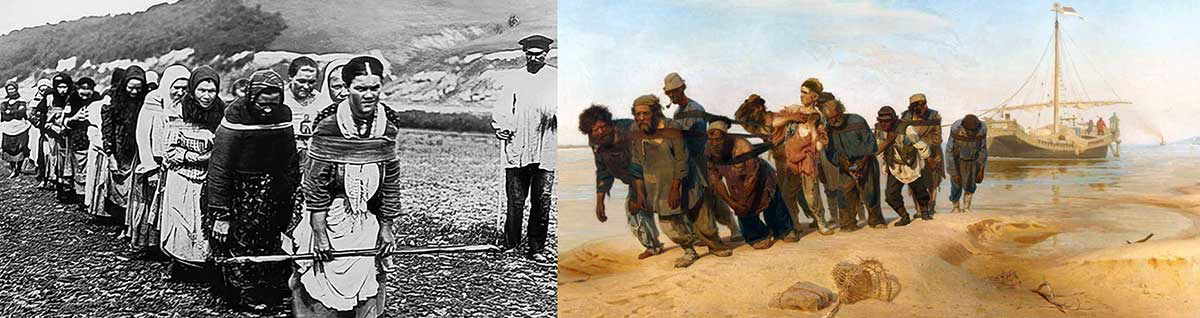
According to 19th-century historian Vasily Klyuchevsky, “the Russian village had turned into a North American plantation of Uncle Tom’s era.” Subjected to extreme control, floggings, and other forms of abuse, denied the ability to leave or the right to marry without consent, forbidden to own property, and condemned to a term of military service which amounted to a life sentence, Russian serfdom paralleled American slavery in several important ways.
Slavery in the Atlantic world was race-based, chattel slavery. Like generational serfdom, those born to enslaved parents remained enslaved. Russian serfs and enslaved people of color had practically no human rights protected by the legal system.
Unlike enslaved people in the Americas, who spent their entire lives working for their masters, Russian serfs divided their time between working for the landowner and tending small plots of land provided for personal use. The state bound the peasants to the land to create a stable workforce and enforce immobility, since serfs often fled to border regions such as Ukraine (where they became Cossacks) before imperial edicts introduced harsh new fugitive serf decrees.
A Stunted Economic System
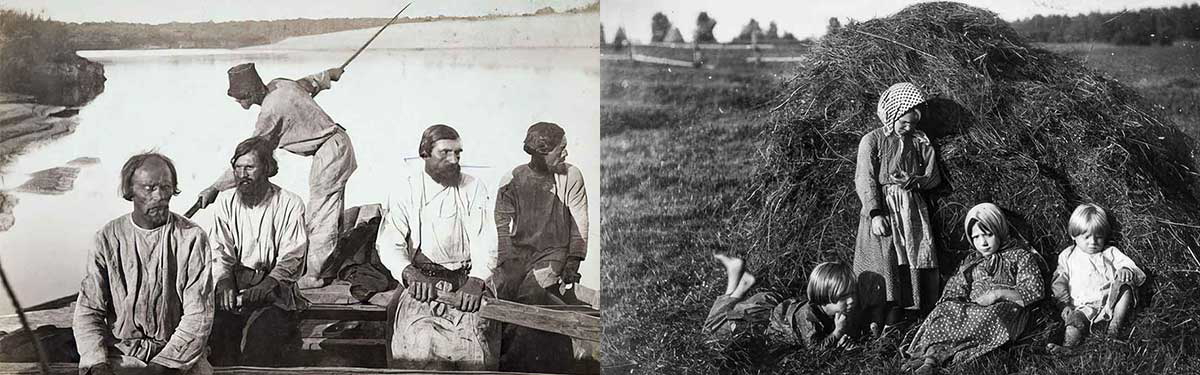
Those in power held onto the tradition of serfdom out of combined fear of loss of social control and economic impact.
Instead, modern studies have shown that serfdom contributed to economic slowdown, agricultural stagnation, and delayed industrialization. In fact, the abolition of serfdom caused a sudden increase in agricultural activity, improved peasant living standards and reduced mortality rates, and spurred industrial development.
For example, post-emancipation, peasant draftees into the Russian Army living in provinces characterized by barshchina, the harshest form of serfdom, grew 1.6 centimeters taller on average after 1861. Peasant death rates also decreased by 5.6 deaths per 1,000 people. These numbers demonstrate that the abolition of serfdom became the Russian Empire’s most significant humanitarian action.
A System Strengthened
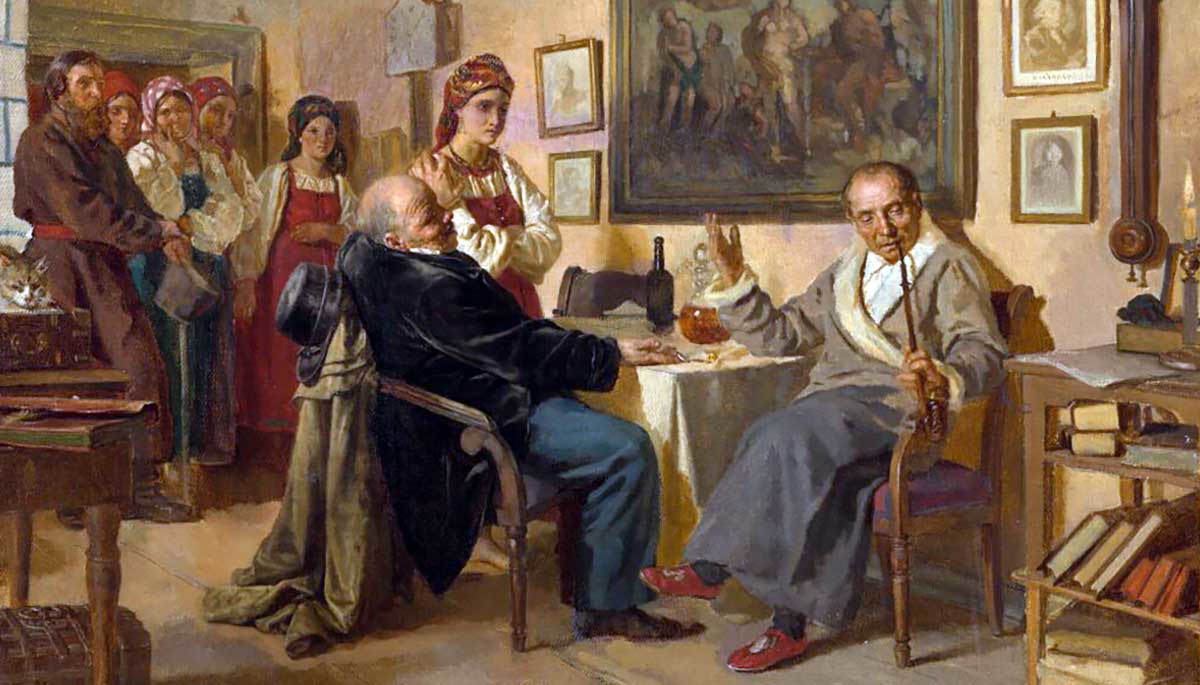
Under Peter the Great, who introduced both autocracy and Westernization reforms, the feudal system of serfdom in Russia was strengthened. Modernization required a large labor force and Peter I found his supply in the subjugation of the peasant population.
The emperor used serfs as a labor force to drive his modernization efforts, including shipbuilding, mining, and erecting a new capital at St. Petersburg. During the 18th century, the government solidified control over the serf population by requiring them to work on projects for the state. This action kept serfs in bondage, prevented them from leaving the land, and ensured a steady stream of labor that benefitted the state economy. It also gave their owners incentives to hire them out for government projects in mines and factories.
Due to Peter’s focus on revenue and military service, serfs found themselves burdened with heavy taxation and conscription, a term of service that often lasted for 25 years. Overall, strengthening the serfdom system ensured tighter state control, reduced legal protections for enserfed people, and ensured that a large percentage of the population, considered property in practical terms, remained bound to the land for generations.
Resisting Serfdom
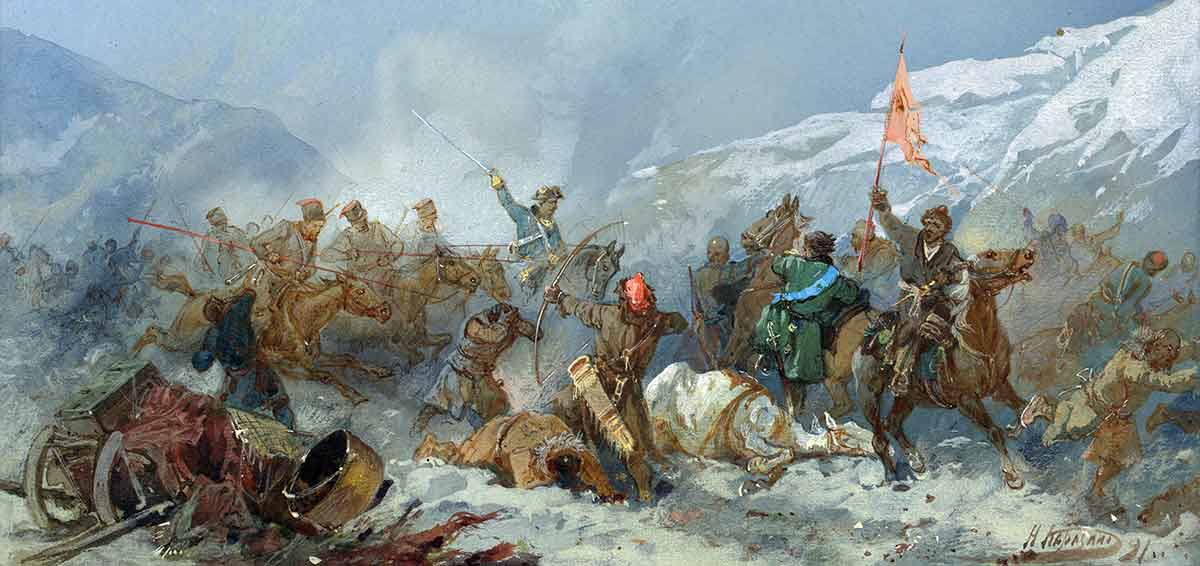
Under the Romanovs, serfdom had both supporters and detractors.
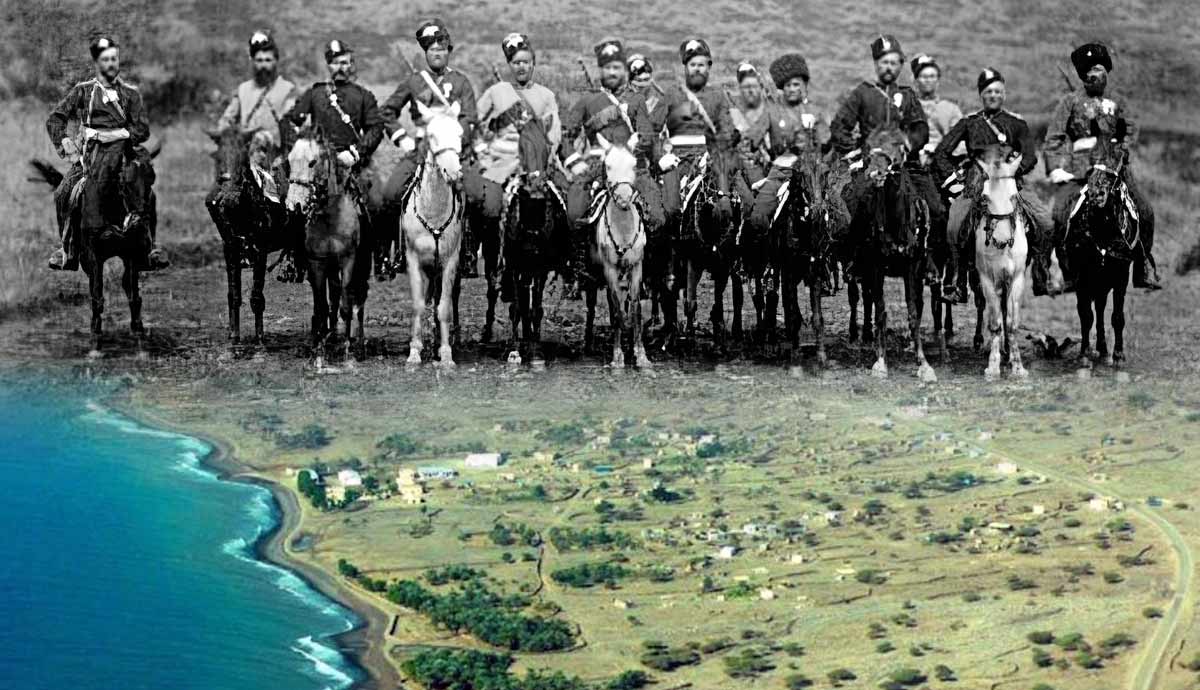
The Law Code of 1649 legalized the capture and return of fugitive serfs, giving landowners unlimited freedom to pursue runaway serfs even if they started working for a new landowner. Unsurprisingly, the rise of serfdom coincided with the rise of the Cossack movement in Ukraine. Serfdom did not exist among the Cossacks and the generally accepted meaning of the word Cossack meant “free man.” Between 1762 and 1772, about 160 peasant uprisings occurred throughout the Russian Empire.
In 1773, frustration with the harsh realities of serfdom, high taxes, and grievances against the ruling class exploded into a rebellion. The rebellion began as a small uprising among the Yaik Cossacks. Led by Yemelyan Pugachev, an illiterate Don Cossack, the widespread revolt sparked extreme violence and threatened the existing social order. Pugachev claimed to be Peter III, the dead husband of Empress Catherine II. Pugachev’s rebellion rejected serfdom and represented one of the largest and most significant uprisings in Russian history.
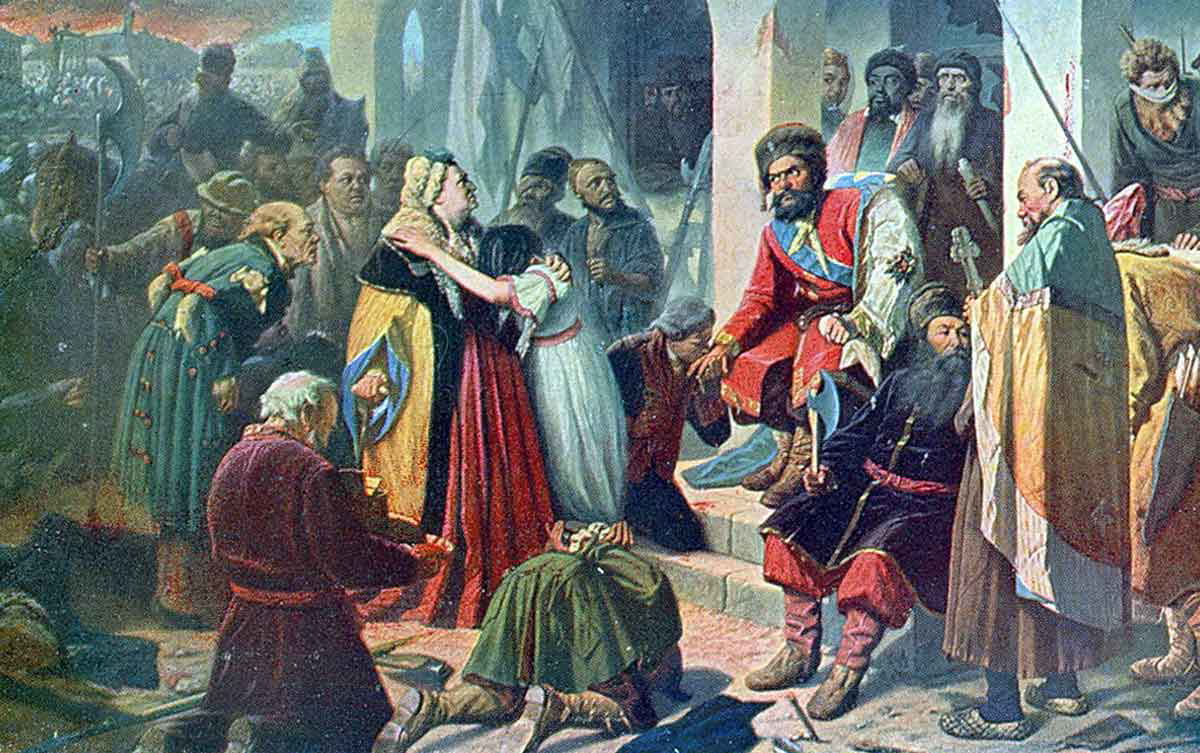
Before Catherine’s troops crushed the motley band of Cossacks and peasants, the rebels captured and burned the city of Kazan to the ground. These peasant soldiers made their priorities known: they wanted land and freedom. In July 1774, Pugachev issued a manifesto freeing the peasants from serfdom, taxes, and forced obligations. The manifesto also declared the right to land and liberty. The rest of the document encouraged violence against landowners and their families, which Pugachev’s supporters did not hesitate to carry out.
After imperial troops crushed the uprising, they executed thousands of peasants in the process. After Pugachev’s defeat, capture, and execution in Moscow, the state took steps to destroy Cossack autonomy. In the aftermath, the crown deported the Zaporizhian Cossacks from Ukraine to the Caucasus. The government also tried to erase Pugachev’s name from history by burning down his house, renaming his village, and changing the name of the river region where the uprising originated from the Yaik to the Ural.
Despite defeat, Pugachev’s uprising paved the way for future resistance and the final abolition of serfdom.
Reform Attempts
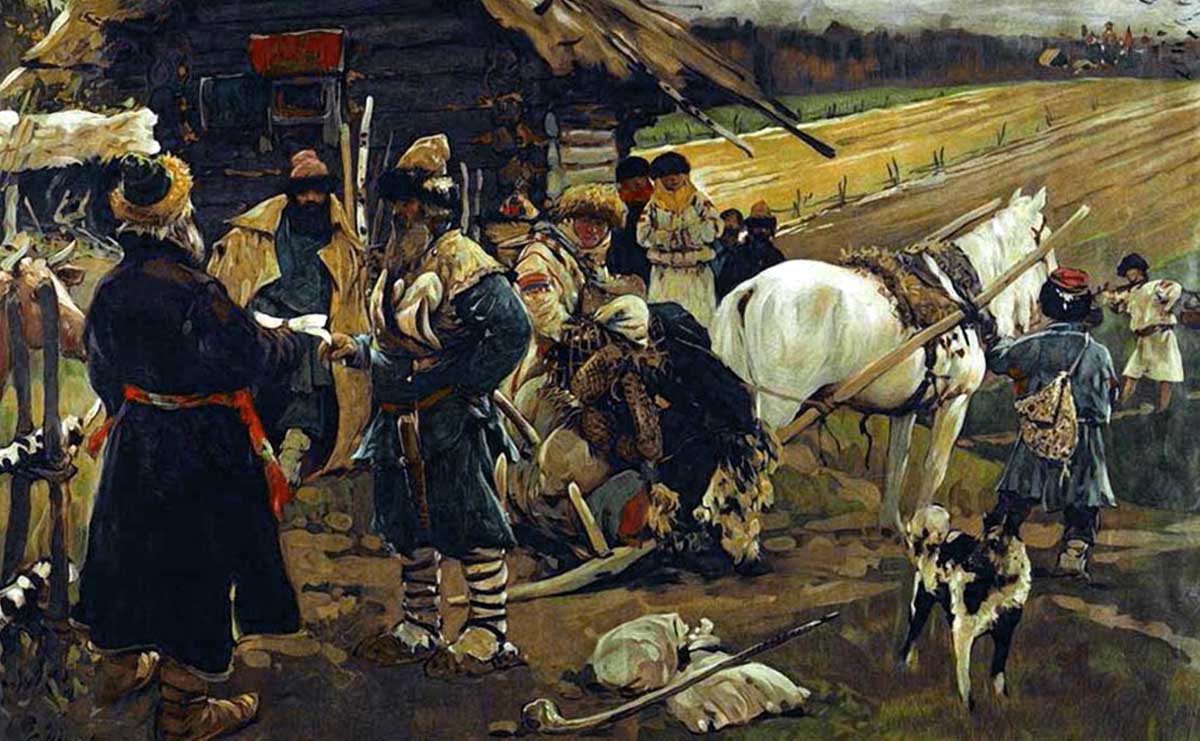
Fear of resistance to serfdom drove reform.
Before his murder in 1801, Catherine’s son, Paul I, attempted to improve the serfs’ situation with a 1797 decree limiting the practice of barshchina, where a landowner took a significant portion of anything a serf produced. In this document, which curtailed the nobles’ privileges and power, the tsar advised landowners against making serfs work on Sundays and ensured that serfs had three days off to work for themselves. Paul’s policies made him unpopular with the aristocracy and the army, which thrived on the system of serfdom.
On December 26, 1825, a group of radical young officers led 3,000 soldiers in a protest that ignited the Decembrist Revolt against Paul’s son, Nicholas I. These officers, exposed to liberal principles in Paris during the Napoleonic Wars, sought social and political change when they returned to Russia. They founded the Union of Salvation to facilitate the abolishment of serfdom, redistribute land among the peasants, and promote a constitutional monarchy even if it meant launching an armed revolt.
Ultimately, the government stamped out the revolt and exiled the participants to Siberia. The state’s response to the Decembrist Revolt caused a sharp turn toward repression and away from the Westernization process started under Peter the Great.
The Tsar Liberator
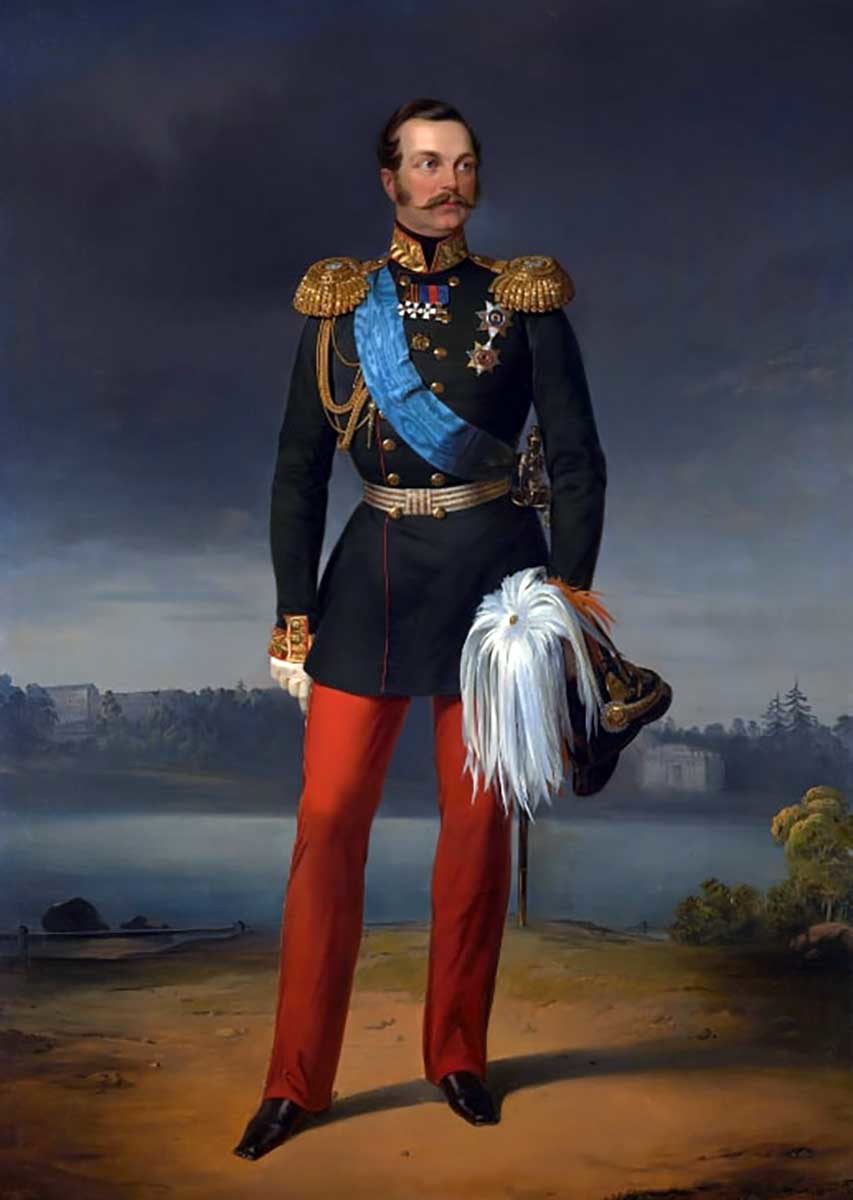
Despite Nicholas I’s response to the Decembrist Revolt, the emperor recognized that serfdom was unsustainable and initiated ten secret committee meetings between 1826 and 1855 to discuss the abolition of serfdom. He understood the peasants’ discontent and the landowners’ constant financial crisis. Two-thirds of most landowners’ estates at the time were pledged to the state, and without any backup income from industry, the landlords opposed any reforms that would reduce the income derived from their land and workforce.
Before his death, Nicholas I urged his son Alexander II to give the peasants their own land. The tsar believed depriving the peasants of land would cause a national disaster. Unlike earlier tsars, who felt that the system of forced labor bolstered the crown, Nicholas called serfdom a “gunpowder magazine underneath the state.”
In 1857, members of the Main Committee drafted a new reform plan. The committee remained divided between liberals and reactionaries who refused to approve it. In 1859, the committee amended the plan to satisfy the landowners while improving the peasants’ living conditions. Based on this new plan, the state would free the serfs without compensation, giving them freedom without land—the same disastrous scenario Nicholas I warned his son to avoid.
Abolition of Serfdom
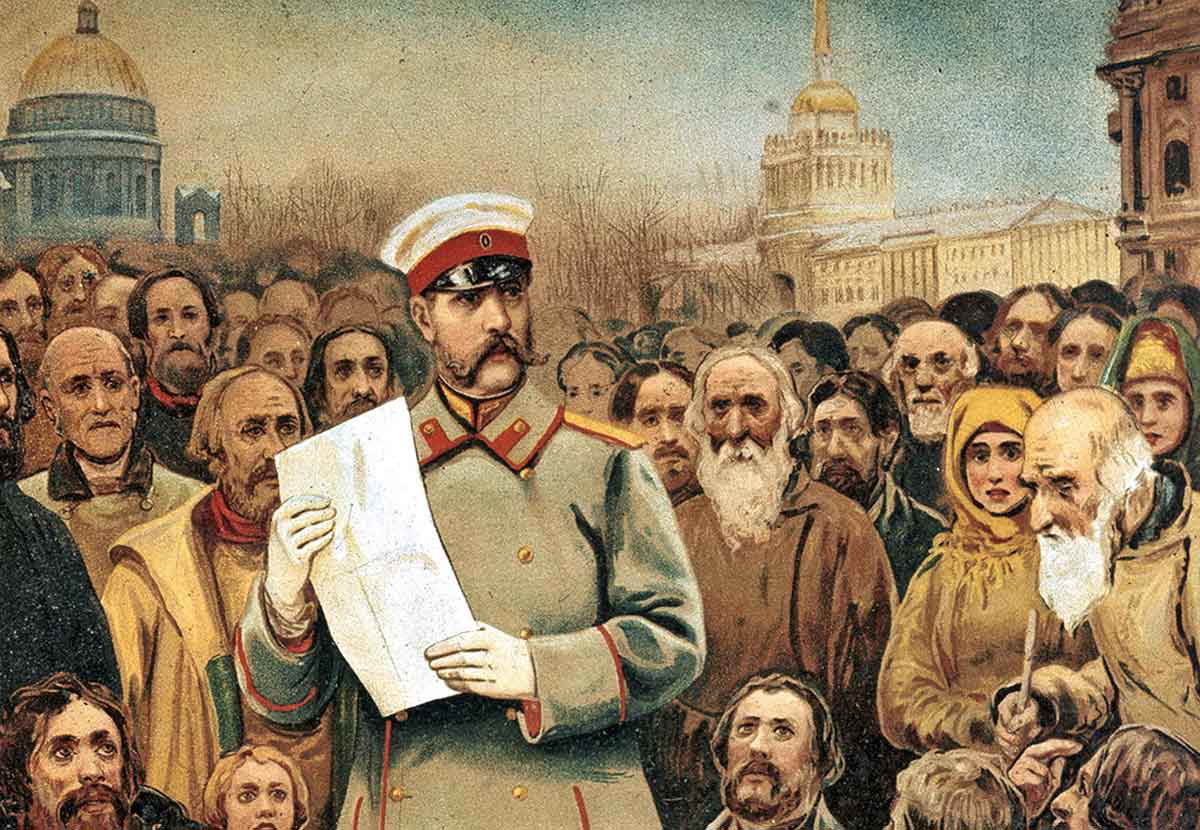
Russia’s defeat in the Crimean War (1853-1856) was an external shock that triggered a shift in the internal reform movement. After much debate, Tsar Alexander signed the Emancipation Manifesto on February 19, 1861.
The reform occurred in two stages. First, the law granted freedom to all serfs. The second stage involved land reform. After the state bought small plots from the landowners, it loaned them out to the peasants at 5.6 percent annual interest. This charge reimbursed the state for recompensing the landlords, effectively making the peasants pay for their own freedom. Under the terms of the reform, former serfs could not sell their land for 49 years.
On top of this, the landlords snapped up the best agricultural land, leaving the peasants with poor, infertile, or swampy earth. On the positive side, the peasants gained personal freedom, communal self-governance, and the ability to leave the land.
The abolition of serfdom influenced nations outside of the Russian Empire. While the political contexts differed, a major European power’s decision to eliminate a system of servitude offered a strong precedent for Abraham Lincoln’s road to emancipation in the United States.
Shadows of Serfdom
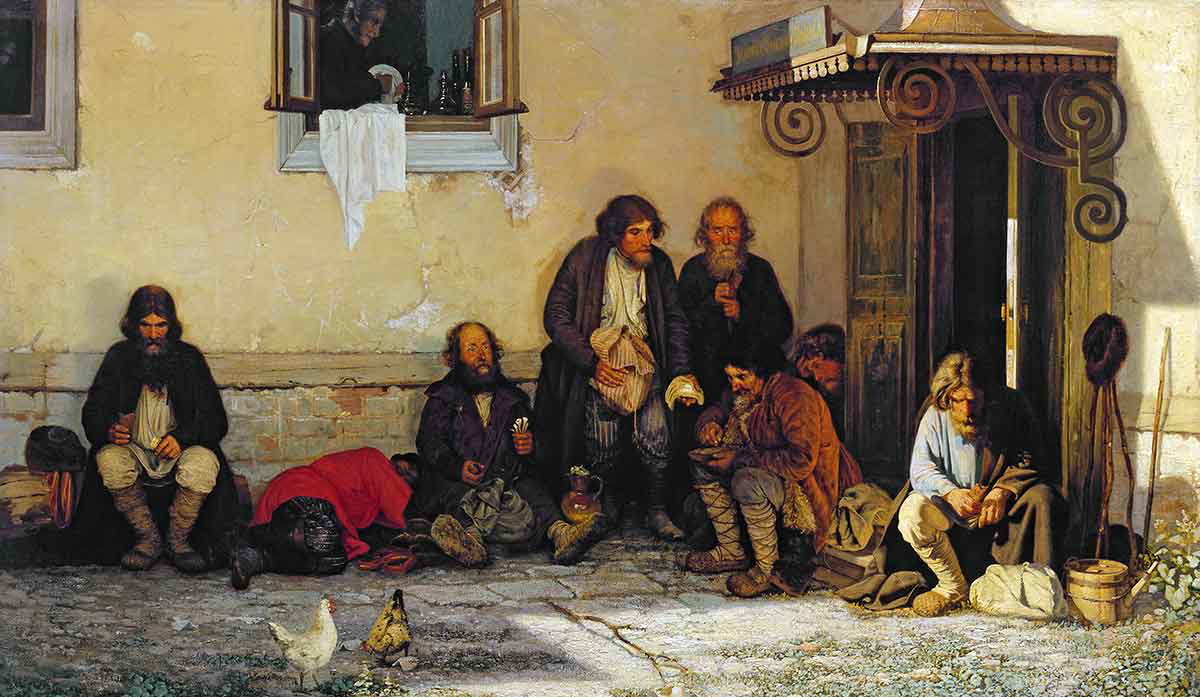
Despite the tsar’s manifesto, peasant riots erupted nationwide. Most serfs did not believe that the abolition improved their livelihoods, since it left them still working for their landlord. They also had to pay the landowner for the land to which they were formerly bound. This financial burden amounted to more than the land cost, compensating landowners for the loss of labor and revenue. Many ex-serfs rebelled by not working. Peasant riots reached such a height that the army had to deploy regiments to nine regions to suppress the riots in March 1861 alone.
The show of force failed.
The next month, there were uprisings in 29 regions. By May, this number rose to 38. Time did not quell the uprisings, either. The year that Alexander II emancipated the serfs, 1,176 riots occurred across the empire. In 1863, the riots increased to over 2,000. Due to a lack of leadership and coordination, these revolts did not amount to a peasant war, but the army crushed over 700 of the riots anyway.
Paying for their freedom through the land bankrupted the peasants, who often left the village commune to find work in cities. When peasants began to obtain private ownership under the 1906 Stolypin reforms, many workers found themselves pushed out of the way in the bid for land by those who remained behind.
While the peasants overpaid for their freedom, this did not save the nobility from penury. By the start of the 20th century, almost all the minor nobility in rural Russia were broke. Their former serfs turned into an impoverished and angry working class agitating for revolution in the cities. The combination of strikes in cities and peasant uprisings in the countryside during the 1905 Revolution almost toppled the tsarist regime. The descendants of the Russian serfs would go on to prove fertile soil for Bolshevik propaganda on the eve of the October Revolution.
Collectivization: A Return to Serfdom?
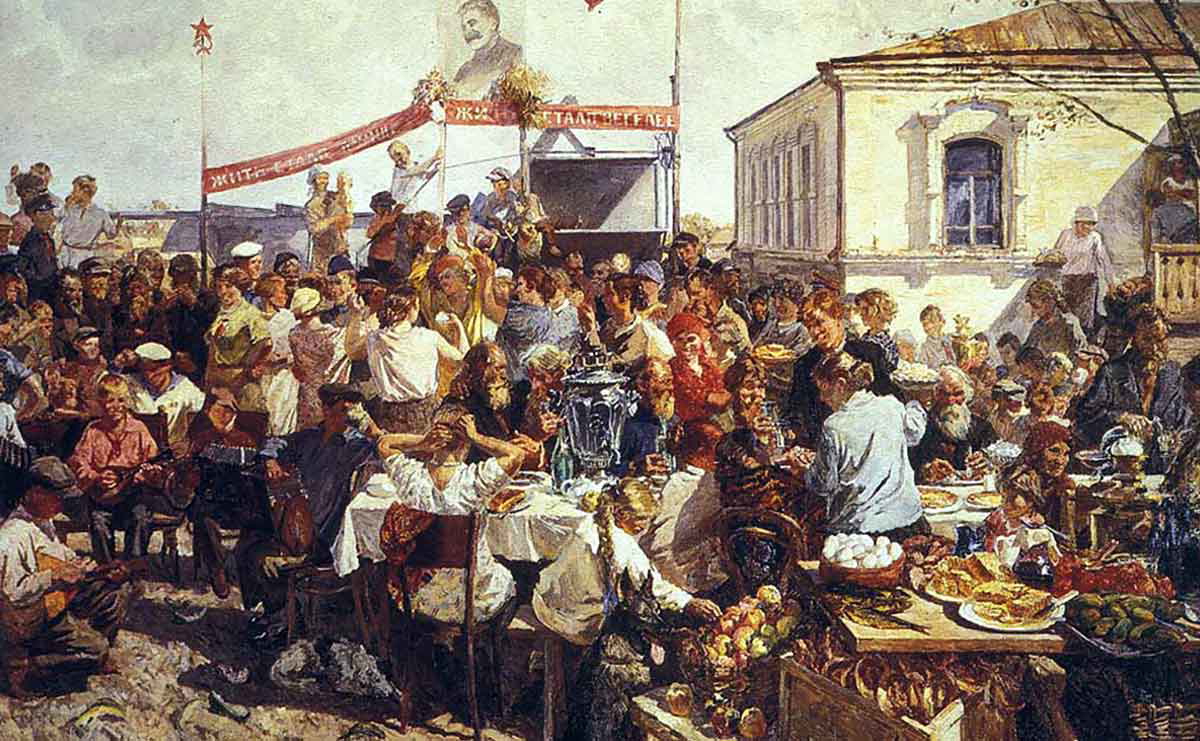
Communist propaganda made collectivization look like a colorful celebration of rural Soviet life. The reality proved much different. Dekulakization, mass deportations, and famines characterized the enforced transition from private to state-owned property.
Vladimir Lenin sowed the seeds of modern serfdom with his 1918 “Hanging Order” against the kulaks. Kulaks were any peasants considered well-off. Most simply owned a home, cultivated a plot of land, or employed farm workers.
The system of state ownership of land, assets, and natural resources expanded into collectivization under Joseph Stalin. This time, people who resisted were separated from the land and sent to the GULAG, the Soviet system of prison work camps.
Collectivization and dekulakization had a significant impact on Russia’s economy. These effects included state-run collective farms which eliminated private ownership of land, produce, and livestock and shifted production from a local economy to a state-owned focus.
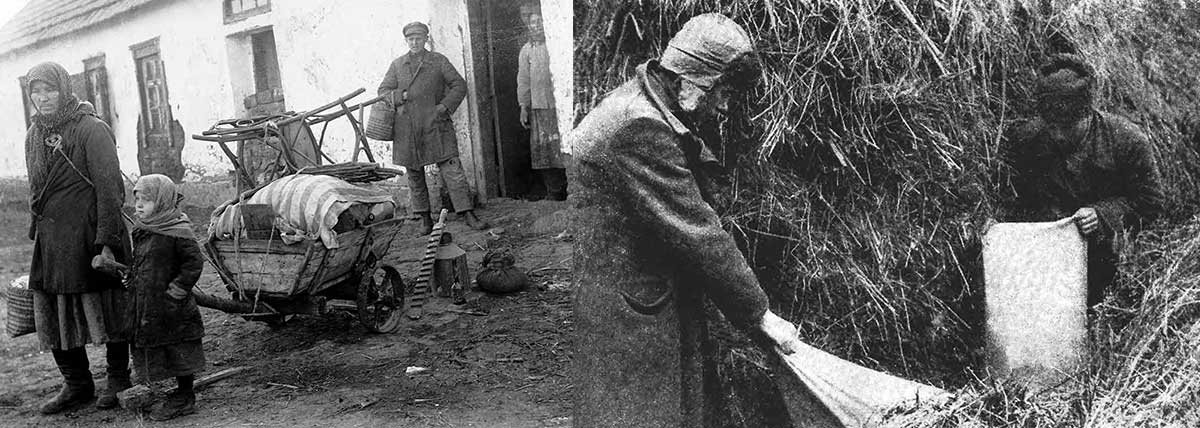
Both policies also disrupted the economy in rural areas by banishing productive farmers from their land, causing a decrease in agricultural output. Unlike serfdom, which had its own human toll, collectivization and dekulakization had a massive impact on mortality rates. Over five million people died due to the system’s implementation. These results stemmed from disrupted farming, forced grain requisition, mass violence against peasants, and the banishment of kulaks to work camps.
Like serfdom, the Soviets’ policies represented a consolidation of power by concentrating economic forces in the Communist Party’s hands and eliminating suspected enemies of the state. Unlike serfdom, which increased its hold over several centuries, the Soviets’ policies transformed the agricultural, social, political, and economic landscape within a decade.
Long-term human and economic impacts included the 1932-1933 Holodomor famine in Ukraine. Famines across the Soviet Union between 1930 and 1933 claimed the lives of up to seven million people across Ukraine, Russia, and Kazakhstan.
The Legacy of Emancipation
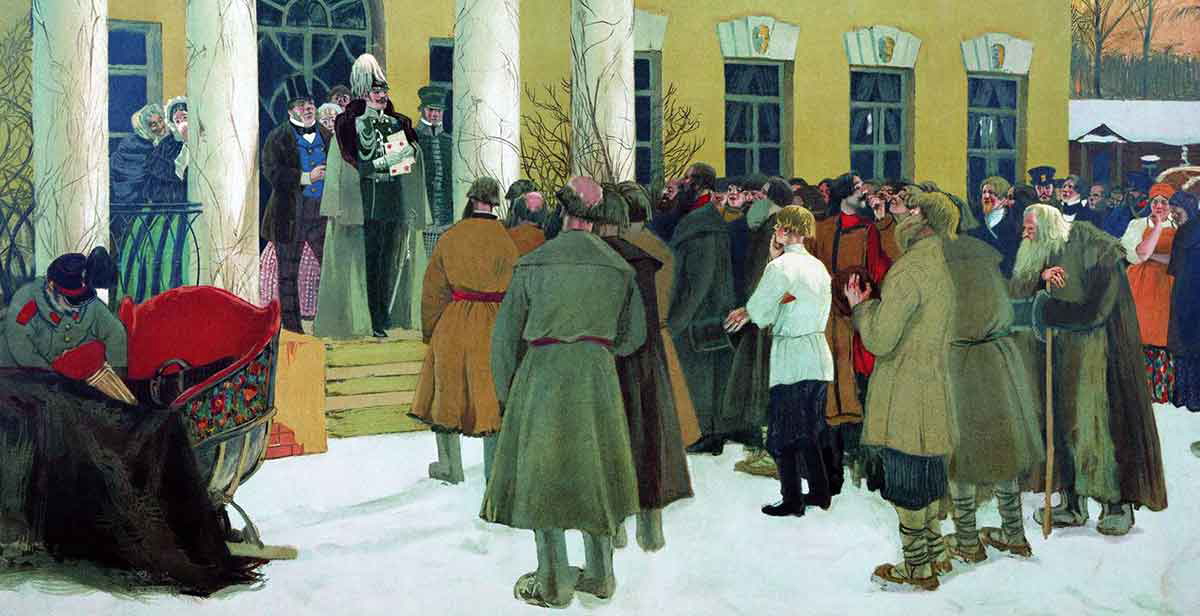
The abolition of serfdom had immense global influence. American abolitionists used Tsar Alexander’s emancipation manifesto to push for legislative change and free four million enslaved people in the United States.
In Russia, emancipation produced positive benefits across a broad cultural, demographic, and economic spectrum. Peasant land ownership increased individually and through the village commune after the Stolypin land reforms (1906-1917). Standards of living increased while mortality rates decreased. On the industrial front, the average province increased its industrial output by 60%, while those working in industry more than doubled after the abolition of serfdom.
At the same time, the reform’s limitations exposed the empire’s divide between reactionary conservatives and progressives who believed that the reform did not go far enough. It also exposed the struggle to find workable solutions to major institutional problems. This inability to navigate the land question set Russia on the road to revolution. While the rise of Soviet power paved the way for accelerated industrialization, the abolition of private land ownership, restrictions on peasant mobility, and a state-controlled labor force were indicative of a return to serfdom under the guise of communism.