The 1950s saw the U.K. seeing and hearing American rock ‘n’ roll for the first time. From this, British musicians would create their unique sounds. By the 1950s, American culture, especially rock, began to take hold. Through movies, radio (usually pirate stations!), and albums introduced Elvis, Billy Haley, and the Comets, plus blues musicians like B.B. King. British kids took to this new, rebellious-sounding music like American kids. Future famous musicians like Mick Jagger, Pete Townshend, John Lennon, and Paul McCartney listened and learned. Iconic bands such as The Yardbirds, the Rolling Stones, and the Beatles took inspiration from them.
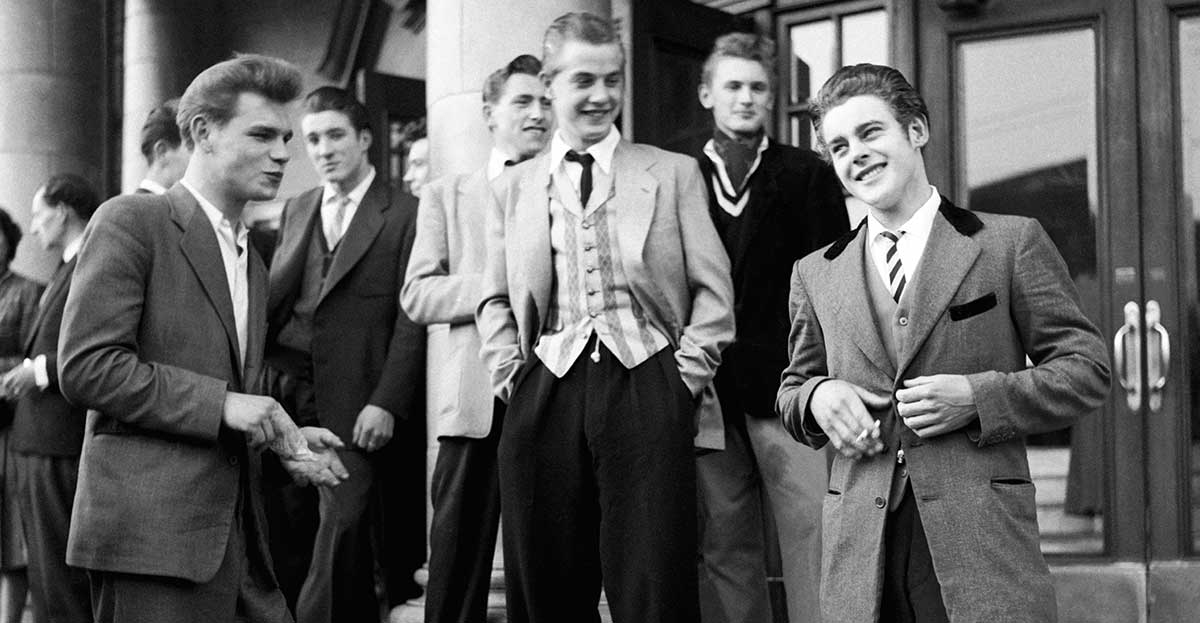
American rock influences even led to subgroups like the Teddy Boys. These kids dressed in Edwardian style and danced to music at the movies. This new style included the “Boston” haircut – greased, combed straight back, and cut square in the back.
When Did the Invasion Start?
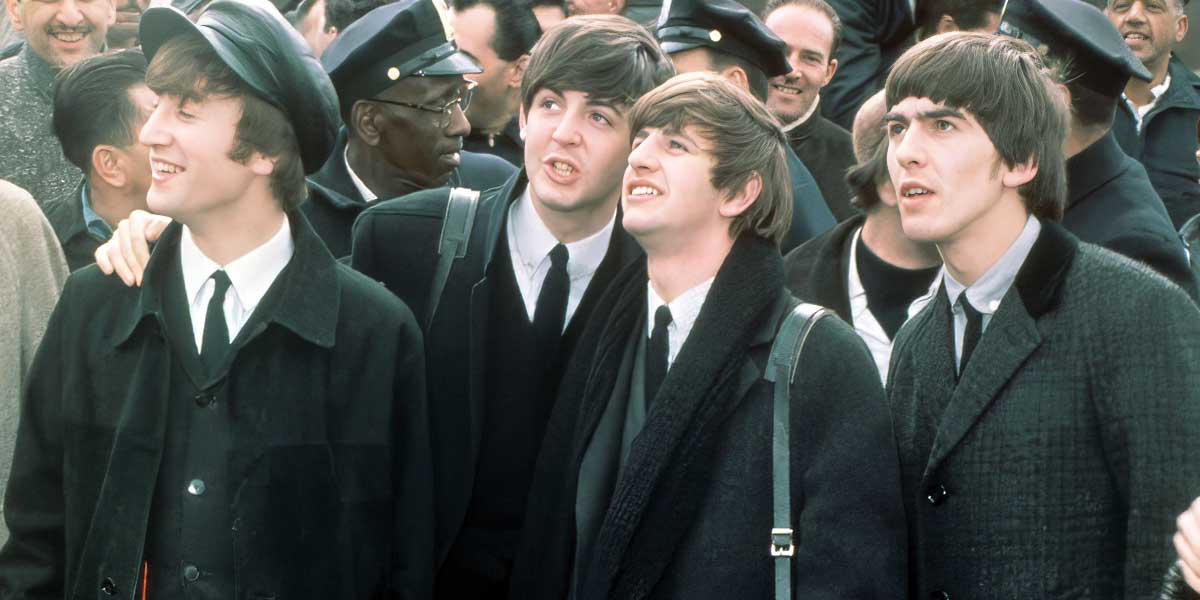
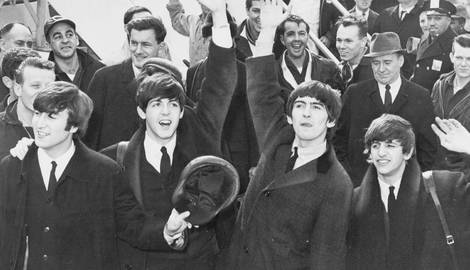
This musical invasion started on February 7, 1964, with the Beatle’s arrival in New York City. The four young men from Liverpool would perform on the Ed Sullivan Show two days later. Playing the pop song “I Want to Hold Your Hand” to a screaming, enthusiastic crowd gained an American toehold.
With the Beatles here, other bands quickly followed. Over the next three years or so, U.K. bands dominated the music charts. Their dominance waned as their fewer chart-toppers appeared. One reason for this change is attributed to the Beatle’s refusal to tour after 1966. Changing musical tastes could have been another reason.
Who Were the Key Bands?
The Beatles, who started this movement, debuted first to American audiences. With their catchy lyrics, sounds, and mop-top haircuts, Beatles songs shot to the top. Following them across the Atlantic came more English groups adding their distinctive sounds.
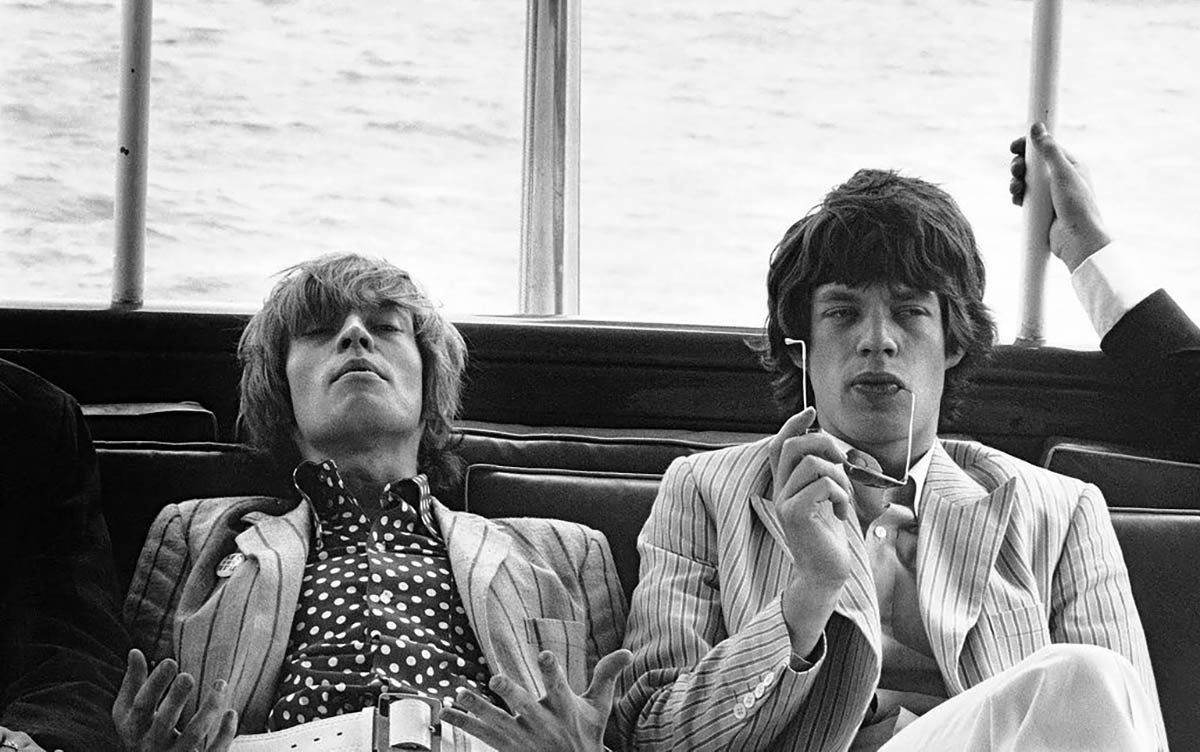
Next came the Rolling Stones, which consisted of Mick Jagger, Keith Richards, Charlie Watts, and Bill Wyatt. Their defiant attitude and bluesy guitar riffs showed their American blues influences. Early chart toppers for the Stones were August 1965’s “(I Can’t Get No) Satisfaction” and “Ruby Tuesday.”
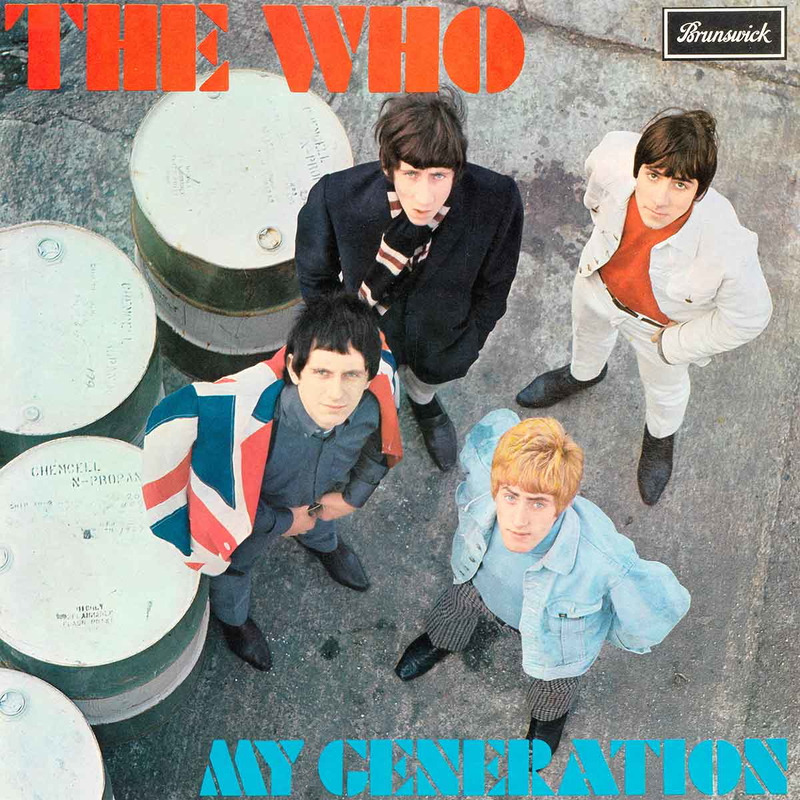
The Who’s American time began in late 1965. Their first album, My Generation, was released in late 1965 and fronted by the dominating Roger Daltrey, the Who combined pop and forceful hard rock. The band became known for great live performances and, later, rock operas. Townshend’s power chords helped their reputation. My Generation produced great hits like “My Generation”, “I Can’t Explain,” and “Anyway, Anyhow, Anywhere.” Other important groups include The Animals, The Kinks, and Herman’s Hermits.
What Was the British Invasion’s Cultural Impact?
The British Invasion became a reversal of American rock and roll’s impact on the U.K. This went beyond music, influencing fashion, entertainment, and fashion. Music still had its place, creating new genres, among them psychedelic rock. Using lyrics and instruments, it aimed to develop emotions and sensations-a liberal use of drugs helped too. Even the Beatles took this route, starring in the animated movie” The Yellow Submarine.”
Mod Fashion came with the British bands. Differentiated by tailored suits, bold patterns, and bright colors. Patterns like polka dots, vibrant colors, and geometric patterns became the rage. Colors like red, orange, and yellow were dominant. The movement had go-go boots made famous for women by Linda Sinatra or Chelsea Boots for men. Counter-culture kids adopted these fashions, which helped define1960s styles.
Why Was the British Invasion Roll So Popular?
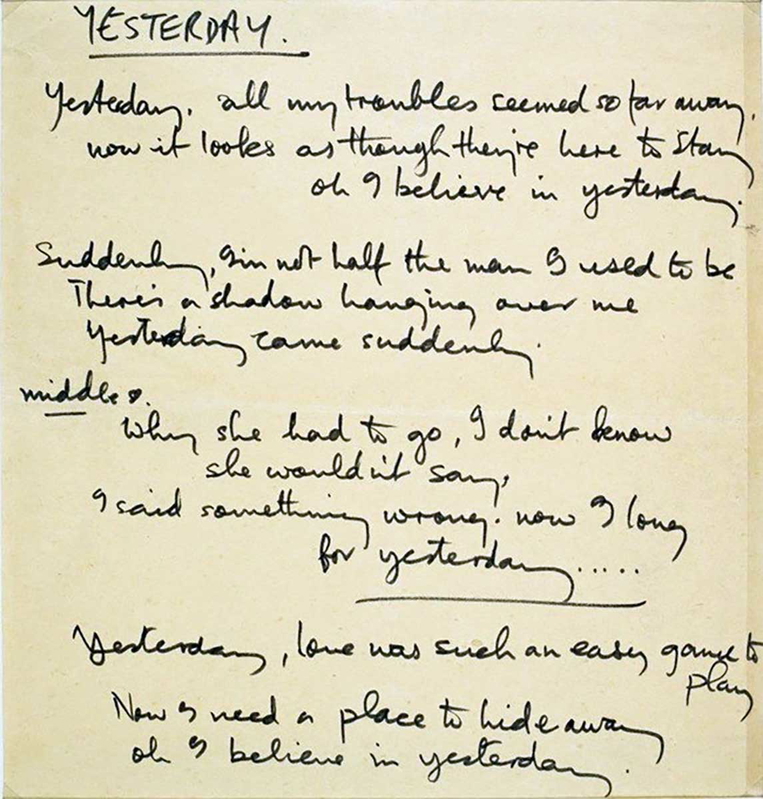
One explanation is that the British Invasion differed slightly from American rock. Each had its influences, movements, and sounds. For example, American rock and roll took in blues, country, and R&B, looking for sincere feelings and emotions. The Invasion, again by the Beatles and the Rolling Stones, drew more from the blues or rock but created their sound.
Also, record labels and managers saw a good thing and capitalized. Once the Beatles landed on the tarmac, the race was on. It’s like how American baseball is today with talented Dominican, Japanese, and Korean players on MLB teams; these promoters sought after any talented British band or musician. Bands like The Kinks or The Zombies did well and sold many records. That dominance lasted from 1964 to 1967. During these three short years, few months had no Top Ten British hit.
Critics can’t deny the British Invasion’s impact. Bands from that era are household names and still seen as influential to young musicians.