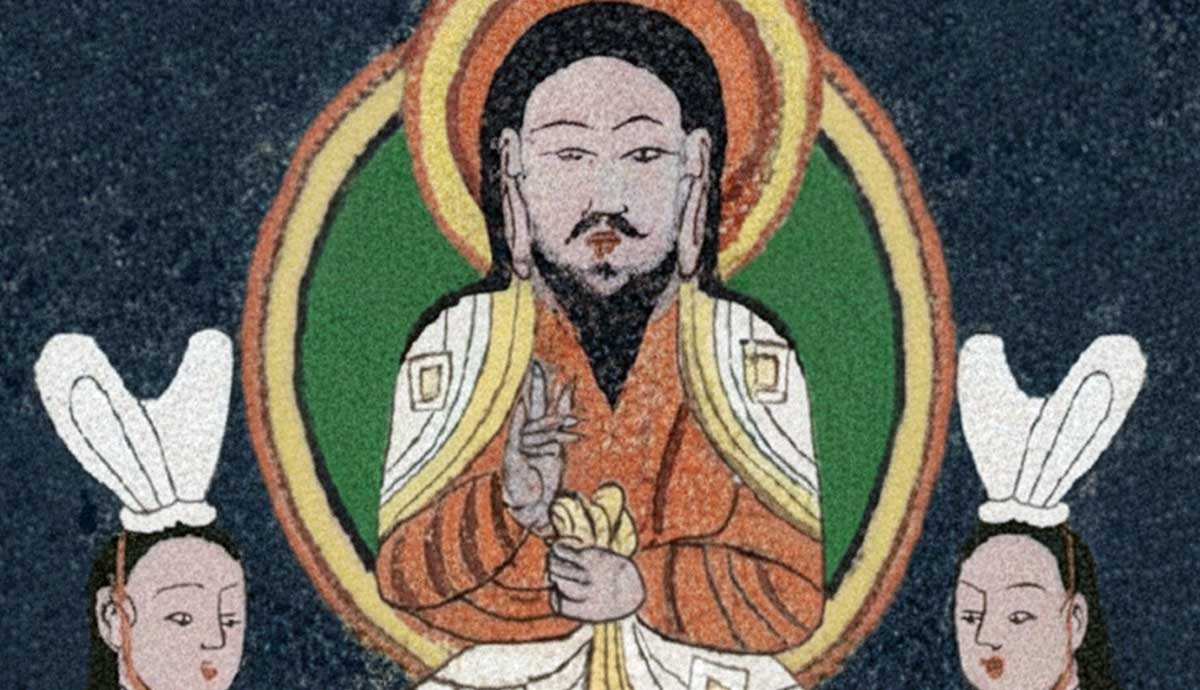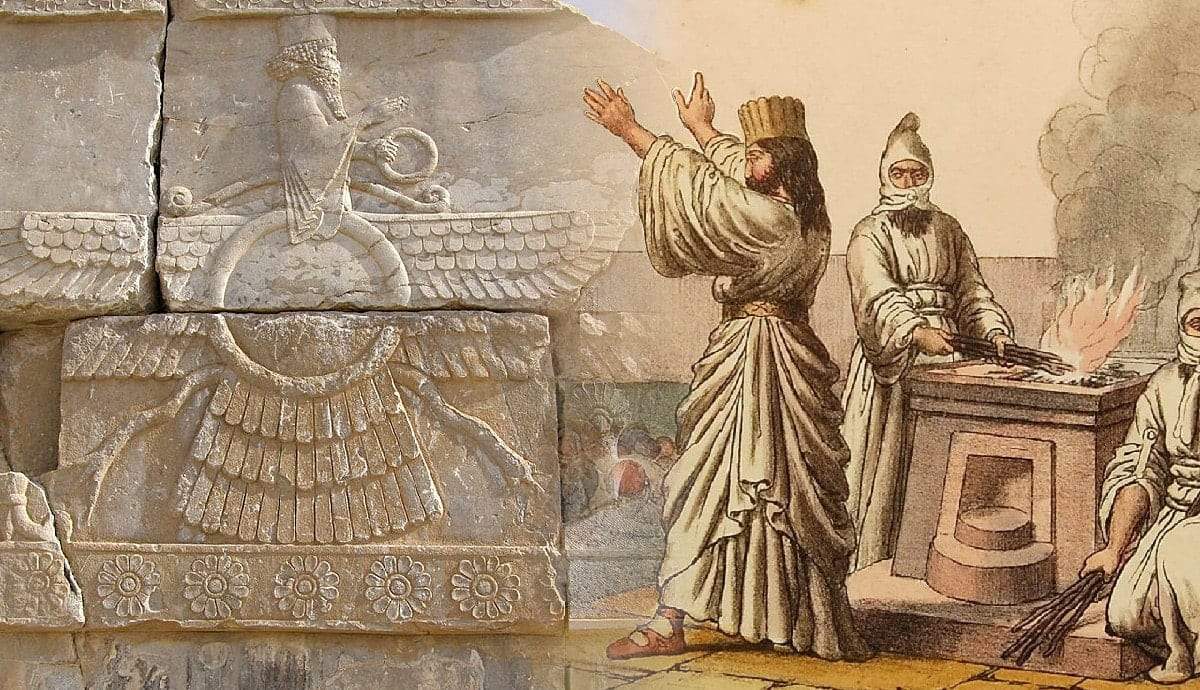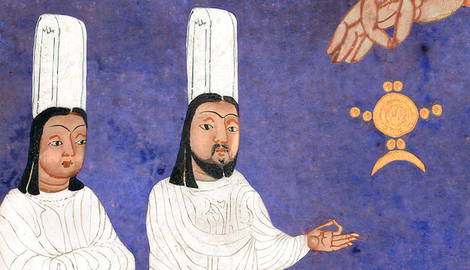
Born in 216 CE near Seleucia-Ctesiphon, the prophet Mani established Manichaeism, one of the early religions. The religion was specifically designed for a universal audience. It combined elements from Buddhism, Zoroastrianism, and Christianity to create a religion that eventually stretched from the Atlantic Ocean to the Pacific coast of China.
While the religious leader died while in prison around 274 CE, some of his followers, however, claimed that he ascended to the Kingdom of Light. That said, the religion had numerous unique beliefs.
The Clash of Two Antagonistic Forces
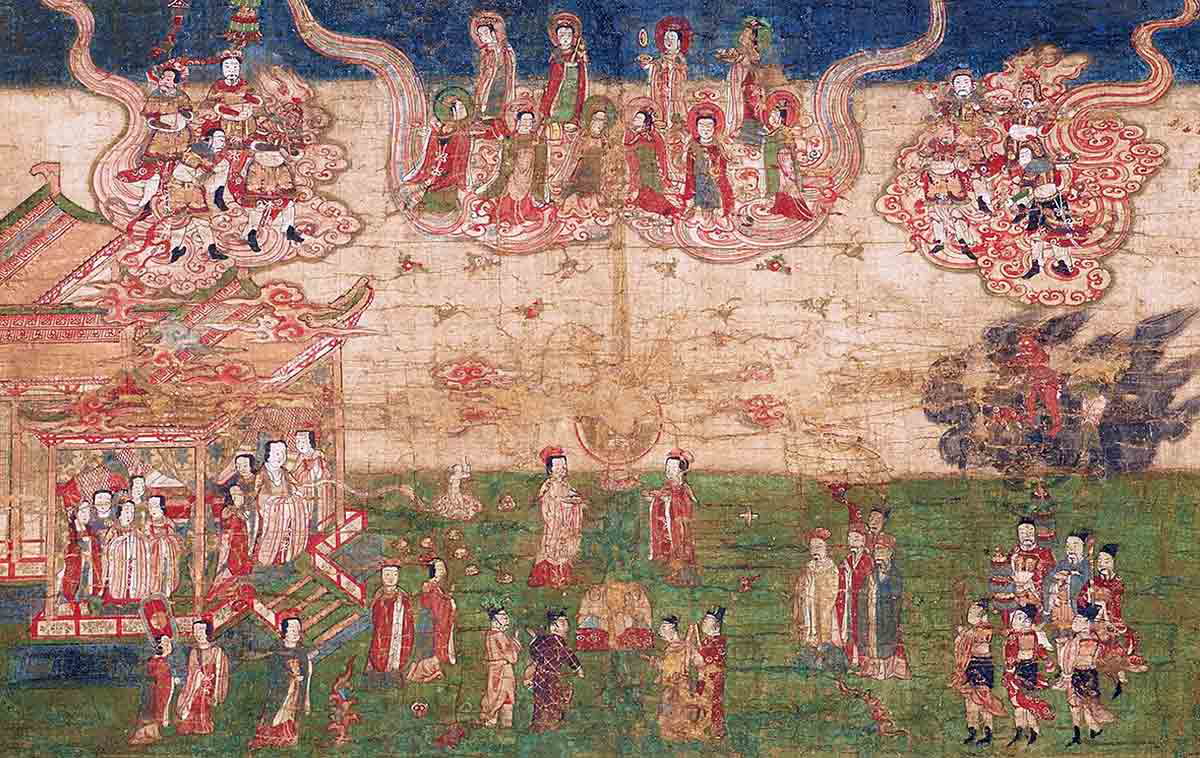
Manichaeism taught that there were originally two co-eternal principles that dominated the universe, known as the Kingdom of Light (good) and the Kingdom of Darkness (evil). The Father of Greatness was said to rule over the spiritual and peaceful Kingdom of Light, while The King of Darkness ruled the material and chaotic Kingdom of Darkness. To defend the Light, the Father of Greatness did not fight personally but evoked a series of entities to do this for him. Among them was the Primal Man who was made to battle the Darkness.
According to the story, the Primal Man suffered a brief defeat by the forces of evil during the early stages of the war. The loss allowed the Darkness to permeate parts of the flesh. As such, Manichaeans believed that the human spirit was a piece of divine Light trapped inside an evil physical body. Subsequently, they argued that all matter was inherently evil because it originated from the messy and violent Kingdom of Darkness. As such, each person was viewed as a walking battlefield of souls, where a tiny bit of Light was stuck inside a prison made of flesh and bone.
Salvation Was Only Possible Through Gnosis
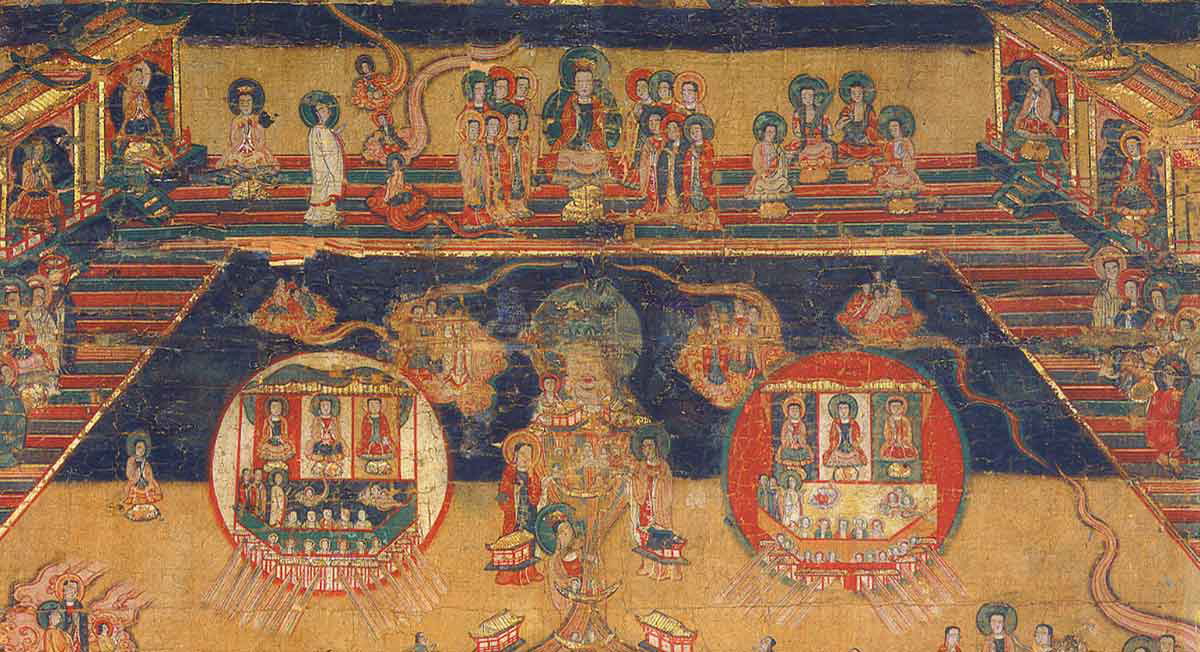
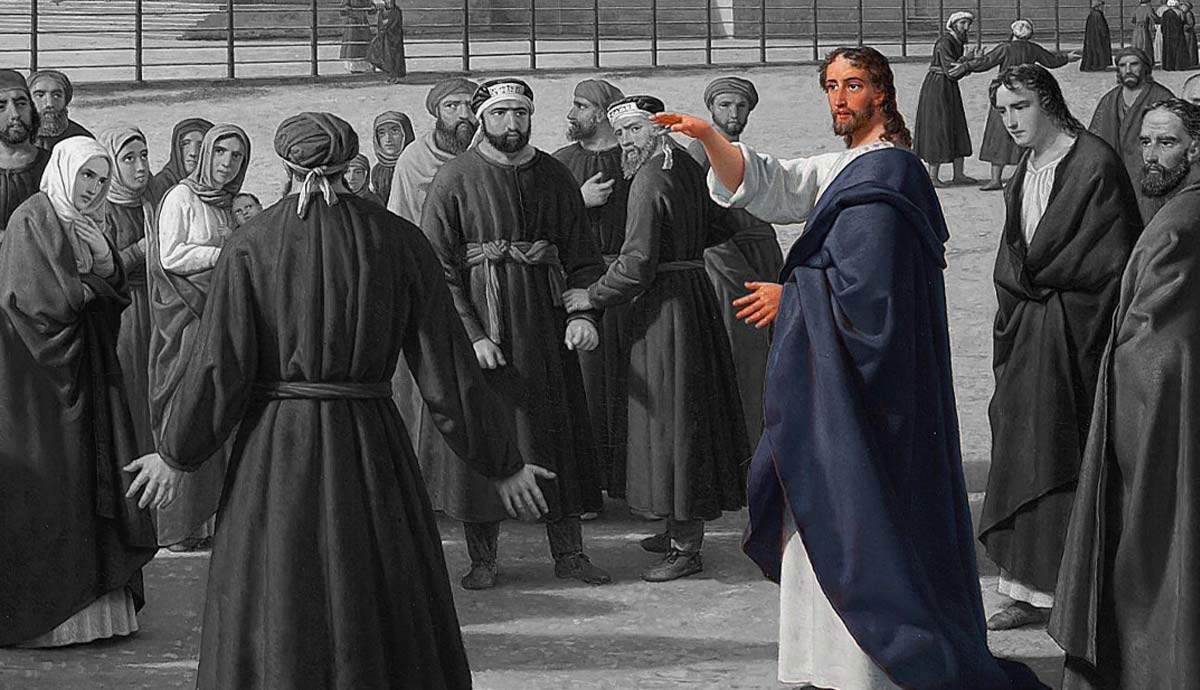
Manichaean teachings taught that salvation involved the technical and physical process of liberating the Living Self (divine substance) trapped in plants and animals. The process required a nuanced understanding of Jesus as he was a divine being of Light. Mani identified three different manifestations of Jesus – Jesus the Splendor, Jesus the Messiah, and Jesus Patibilis. Jesus the Splendor was a divine being who woke Adam to the reality of his trapped spirit, while Jesus the Messiah was the historical figure who appeared in Judea but lacked a physical body.
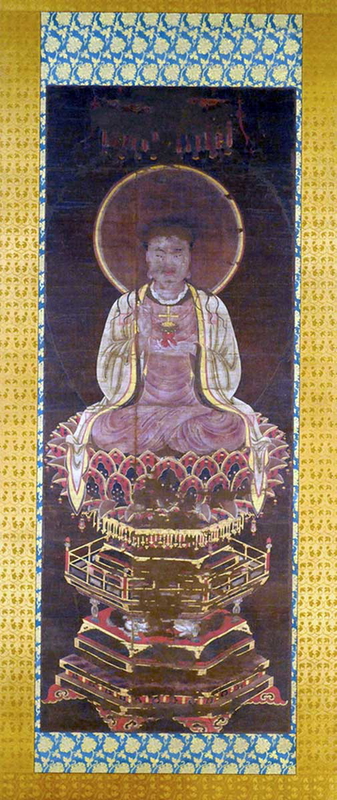
Notably, Manichaeans were Docetists who believed that a divine being could not be defiled by matter. And so, the concept furthered their belief system. Jesus Patibilis, also known as the Suffering Jesus, was the third concept. His crucifixion represented the light particles trapped in all living things. In this regard, Mani wrote that Jesus hangs from every tree, and so when a fruit is plucked or a vegetable is cut, the divine substance suffers. As such, adherents were expected to avoid harming certain types of plants to avoid inflicting pain on their divine essence.
The Religion Taught That the Elect Were Not Supposed to Work

Because life generally involved harming plants and animals in order to survive, the religion established a strict two-tiered hierarchical system that was designed to manage sin. In the system, the Elect were the spiritual elite and formed a very small minority of the population. They followed some rigorous rules known as the Seals that forbade eating foods such as meat. They were also bound to strict celibacy as procreation was viewed as evil. This was because it apparently trapped more divine souls into physical bodies.
The vast majority of Manichaeans were known as the Hearers. Since the Elect could not farm, they relied on the Hearers to provide food. Hearers were allowed to marry, own property, and eat meat, and their primary religious duty was to serve the Elect. Hearers were, for example, compelled to bring their harvest to the Elect. These hearers hoped to be reincarnated as Elect in a future life.
Its Followers Believed That Mani Possessed Divine Knowledge
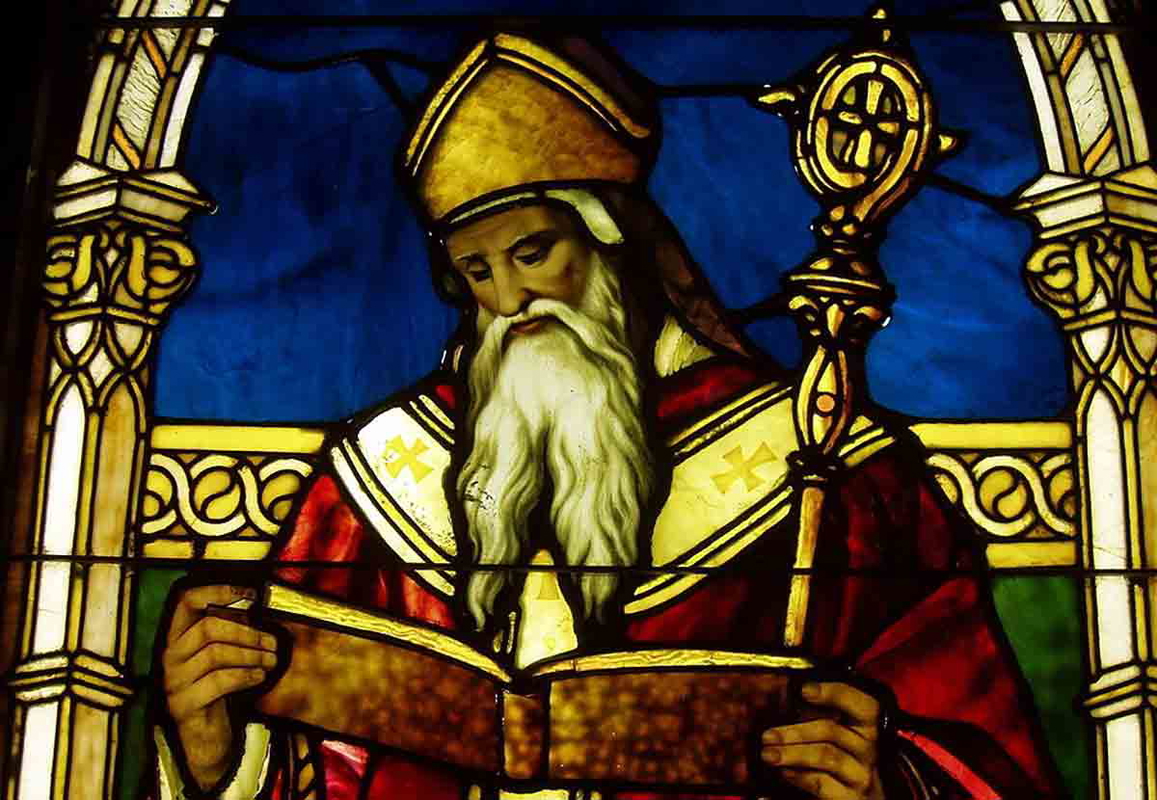
The most famous account of Manichaean life comes from Saint Augustine of Hippo who was a Hearer for nine years, from 373 to 382 CE. Augustine provided a cynical but detailed look at the practices of the sect and described how Hearers would bring food to the Elect to be purged of sin through prayer.
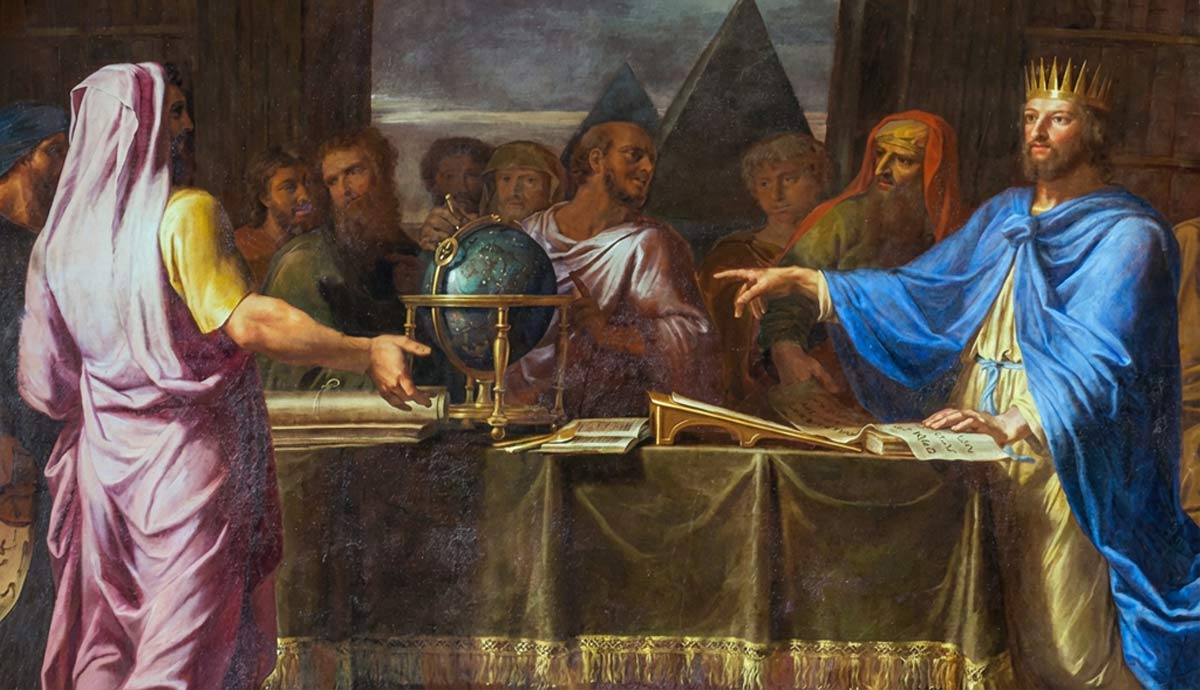
Augustine eventually left the faith because he also found its astronomy to be deficient. At the time, Mani had written books on the movements of stars in an attempt to explain the cosmic battle. Augustine noted that the calculations disagreed with observed mathematical astronomy. When the Manichaean bishops were unable to explain the discrepancies, Augustine lost faith in the claim that Mani possessed infallible divine knowledge.