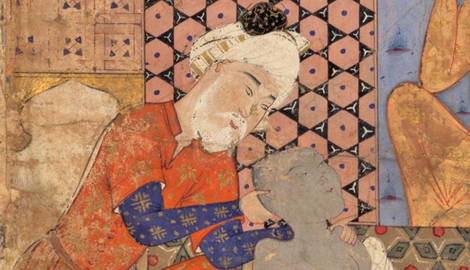
Establishing an accurate history of Muhammad’s life using modern historical methodology has proven challenging. While his name is mentioned in a few verses of the Qur’an, biographical and historical details about him therein are almost entirely absent. Muslims who are interested in the historical events of Muhammad’s life depend on biographers who compiled traditions about him that had been passed down through several generations within the Muslim community after Muhammad’s death.
Muhammad’s Biographies
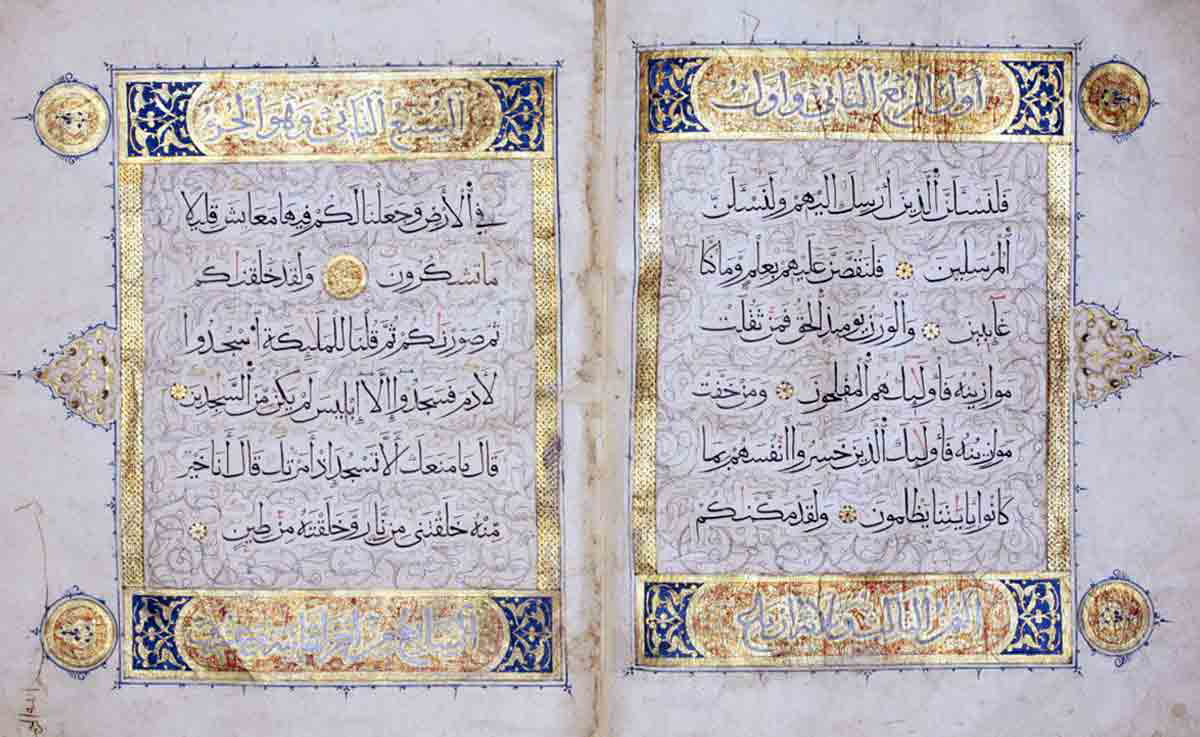
The most well-known and earliest biographer of Muhammad was Muhammad ibn Ishaq, who lived in the first half of the eighth century. Citing chains of witnesses also used in the Hadith called isnad, the early biographies attempt to trace the traditions they retain to contemporaries of the prophet. Ibn Ishaq’s original work has been lost, but a re-edited version of it created by his student, Abd al-Malik ibn Hisham, survives. Another important but much shorter biography was compiled by Mamar ibn Rashid, who was also active in the eighth century.
Historians disagree about the possibility of reconstructing a historical account Muhammad’s life according to the standards required in modern historical method. But regardless of its merit by such standards, the Muhammad preserved in the traditional accounts is the one that holds sway within Islam today as a living, evolving tradition.
What Is the Year of the Elephant?
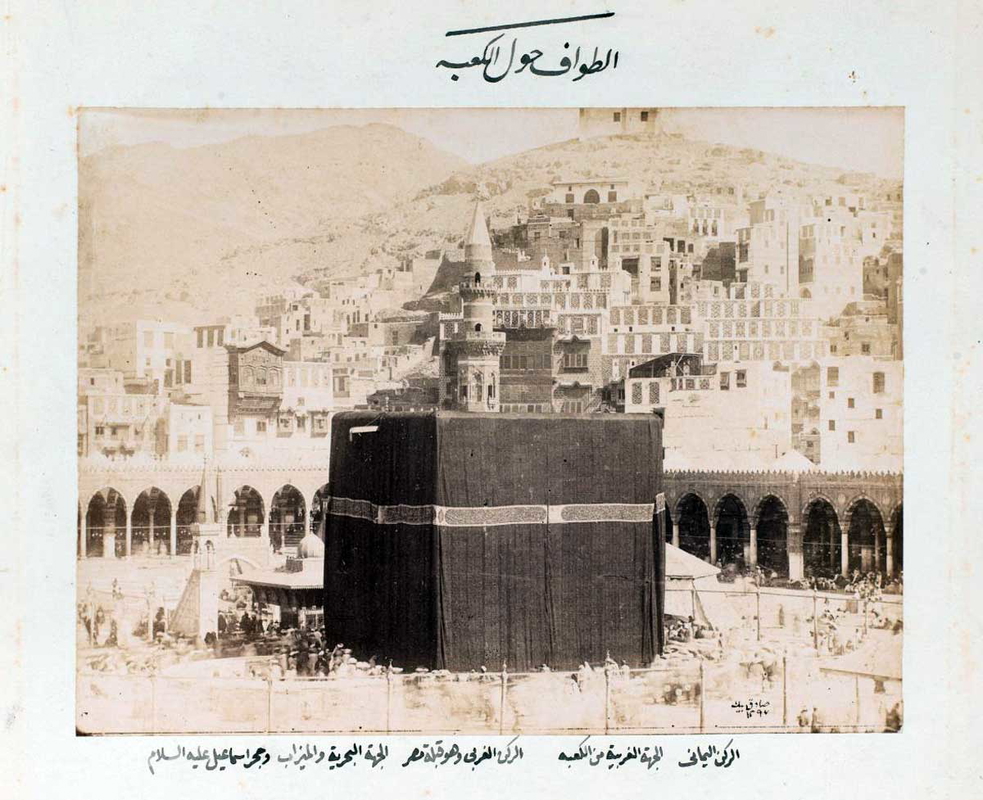
There is a sense in which the plot line of Muhammad’s story revolves around the Kaaba, the cubic structure now housed in the center of Mecca’s Great Mosque. While built at first by Abraham and Ishmael in honor of God, by Muhammad’s day it had been converted into a temple for idols.
Ibn Hisham’s biography tells a story of the miraculous preservation of the Kaaba. Muhammad’s tribe, the Quraish, were the official caretakers of the shrine, though it was visited by many tribes in Arabia. When Abraha, a Christian king of Himyar (in modern-day Yemen), brought an army against it to destroy it, his war elephants refused to proceed past a certain point and wild birds pelted his forces with stones that killed whomever they struck. Abraha and his army were destroyed, and the year of this event—570/1 CE—became known as the “Year of the Elephant.” This was the year Muhammad was born.
What Happened During Muhammad’s Childhood?
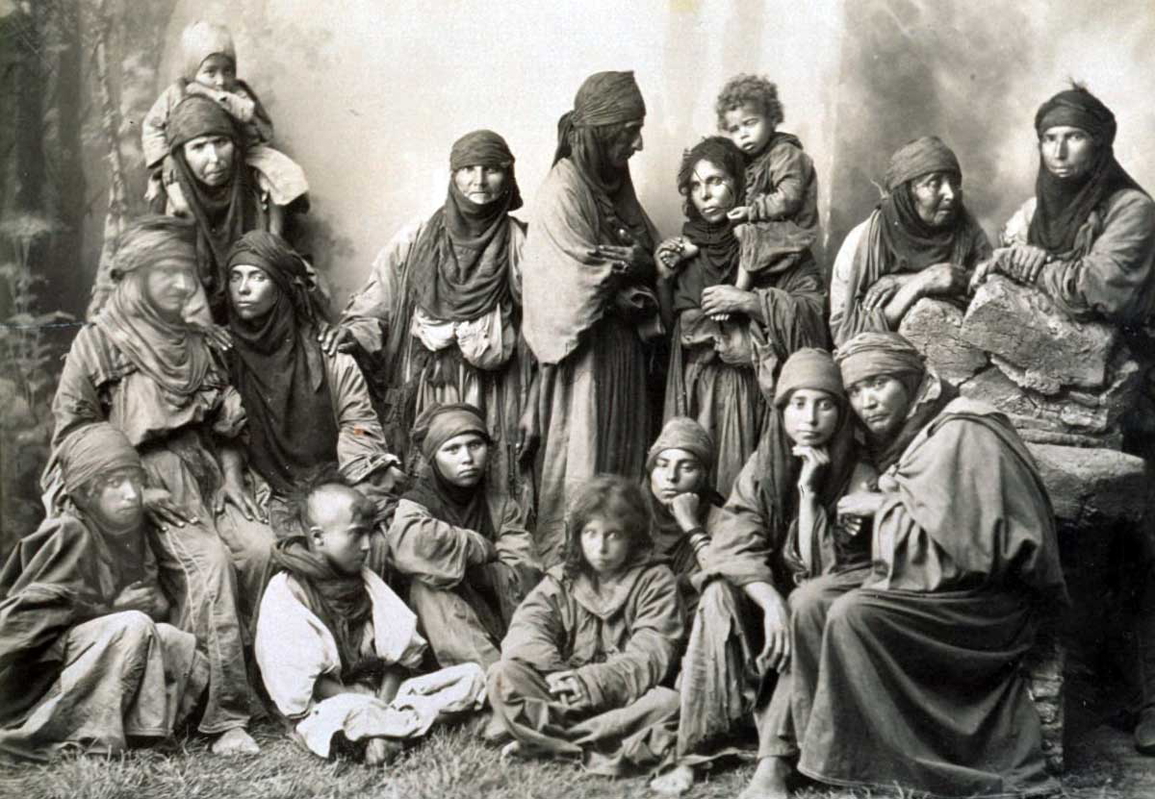
Muhammad’s father Abdullah died before he was born. His mother Aminah also died when he was only six or seven-years-old. He was raised from that time onward in the household of his uncle, Abu Talib. However, as was customary among the Arab merchant class, Muhammad was sent to spend much of his childhood among the Bedouin.
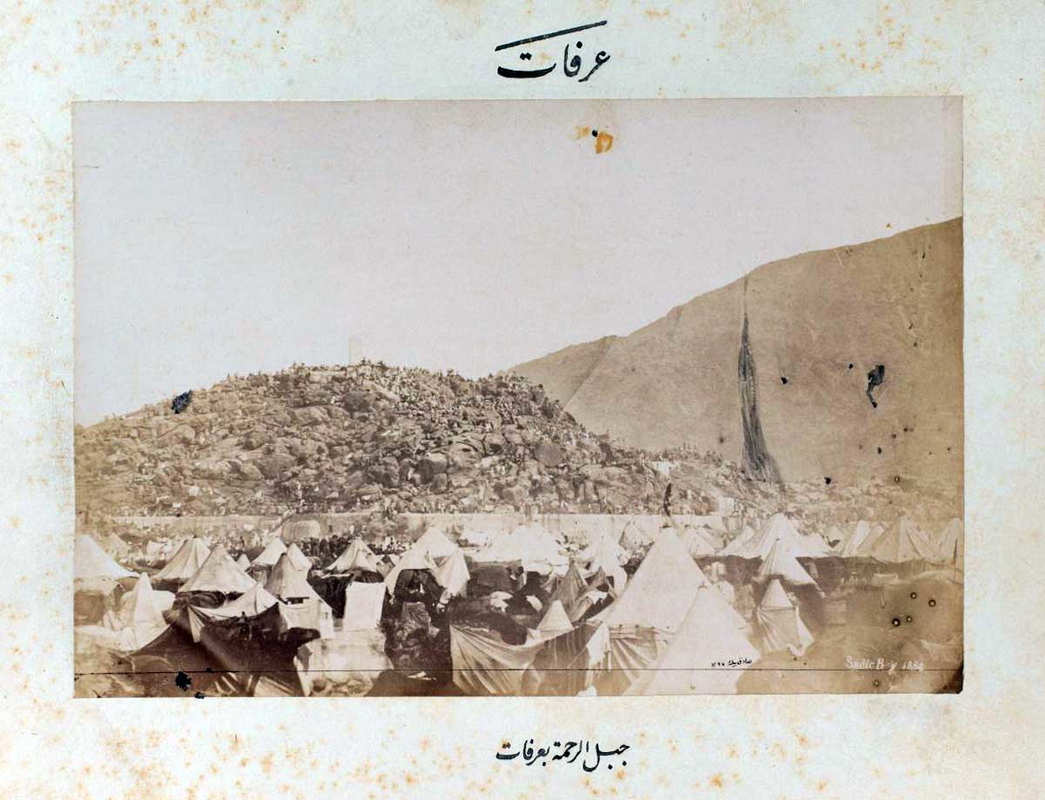
The story is related of woman’s mistakenly setting fire to the Kaaba while Muhammad was a young man. The Quraish leaders decided to demolish it with a view to restoration. A young Muhammad was chosen, implicitly by divine guidance, to lay the sacred Black Stone in place for this new Kaaba. According to Muslim tradition, this stone was sent to earth with Adam when he was expelled from Paradise (in Islam, Adam was not originally created to live on earth). All Muslims try to touch this stone as they circle the Kaaba as one of the series of rituals they perform during their Hajj—pilgrimage—to Mecca.
When Did Muhammed Reach Prophethood?

As an adolescent, Muhammad grew up among the Quraish in a more urban setting. But he continued to feel at home in the solitude of the wilderness. Once he had grown, a wealthy Quraish merchant woman named Khadijah hired Muhammad, under whose employ he became a skilled businessman. The two eventually married and had six children together.
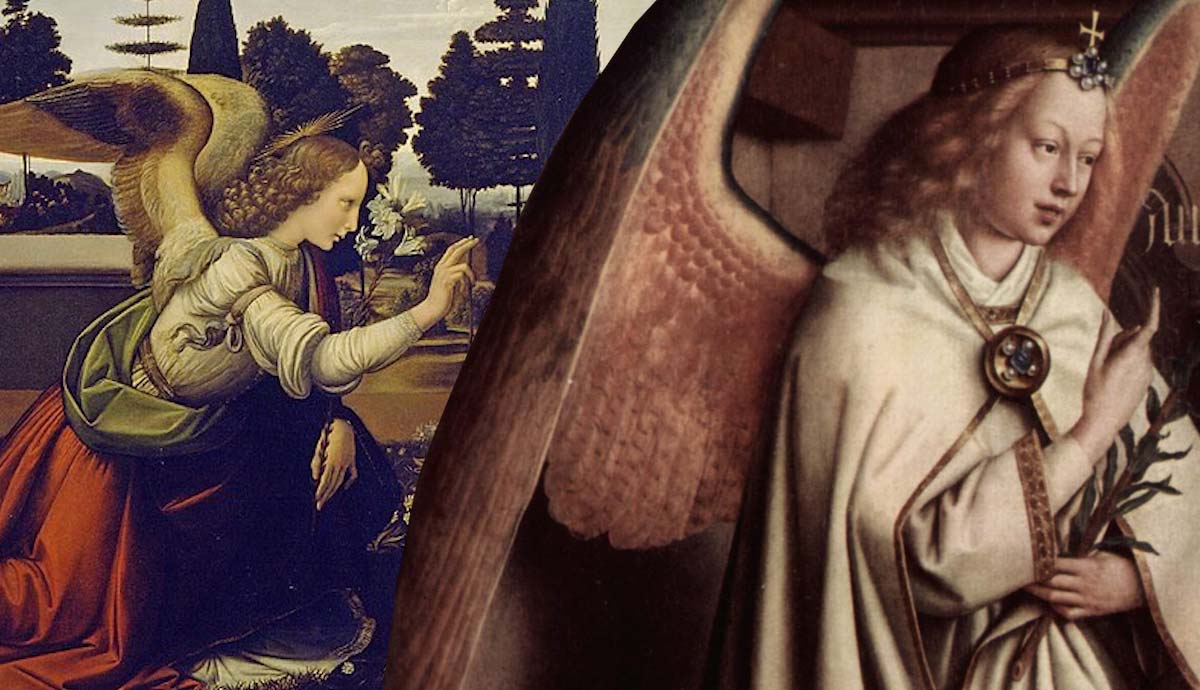
It was during his marriage to Khadijah that Muhammad began spending long periods alone in contemplation, and the Qur’an began to be revealed to him during these times of solitude. The first came in a harrowing night later called the Laylat al-Qadr—“night of power,” in which Muhammad was overpowered by a magnificent angel named Jibril (or Gabriel) and commanded to recite what became the first verses of the Qur’an. This night is memorialized during Ramadan, the holiest month of the Muslim calendar. Khadijah became the first person to believe that these were indeed divine revelations.
What Persecutions Did Muhammed Face in Mecca?
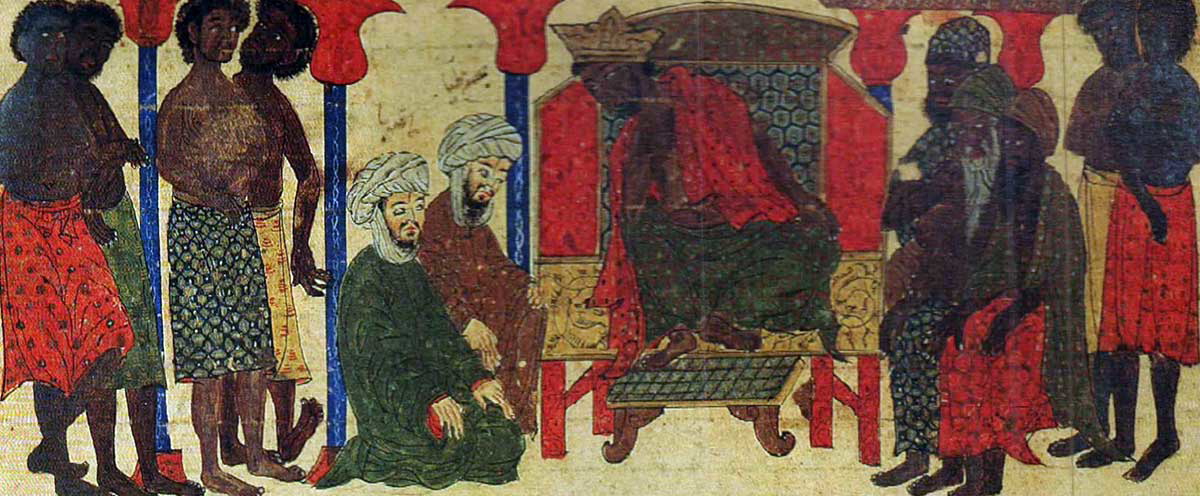
Initially Muhammad’s preaching was tolerated by the Quraish. But when he began to condemn their polytheistic religious practices and traditions, he began experiencing opposition. This escalated into outright persecution and eventually torture of some who believed Muhammad’s message, forcing some Muslims to flee Mecca. The first group went to Abyssinia (Ethiopia today) in the year 615 CE, where they sought refuge under the Christian king (negus in Ge’ez) of Aksum, Ashama ibn Abjar, who welcomed and protected them.
What Was the Hijra?

Among those who were attracted to Islam were the Ansar, who resided in Yathrib (known now as Medina). When they offered Muhammad and the Muslims an alliance, Muhammad led the fledgling community in a flight to their new sanctuary.
This event, known as the Hijra (often translated “migration”) marks the starting year of the Muslim calendar. The abbreviation “AH” signifies “Anno Hegirae”—“In the Year of the Hijra”—in the Islamic reckoning. According to the Gregorian Calendar, 1 AH was 622 CE.
As Muhammad established himself in Yathrib, the Meccans started waging aggressive assaults on the city. Caught in between, several Jewish tribes that had never accepted Muhammad’s prophethood allied with the Meccans in hopes of ridding themselves of Muhammad’s dominance. The Meccans, however, abandoned them to the Muslims at what would be called the Battle of the Trench (627 CE), resulting in a retaliatory execution of seven hundred Jewish men. Despite these conflicts, however, Muhammad’s authority grew steadily in Yathrib.
What Was the Bloodless Conquest of Mecca?
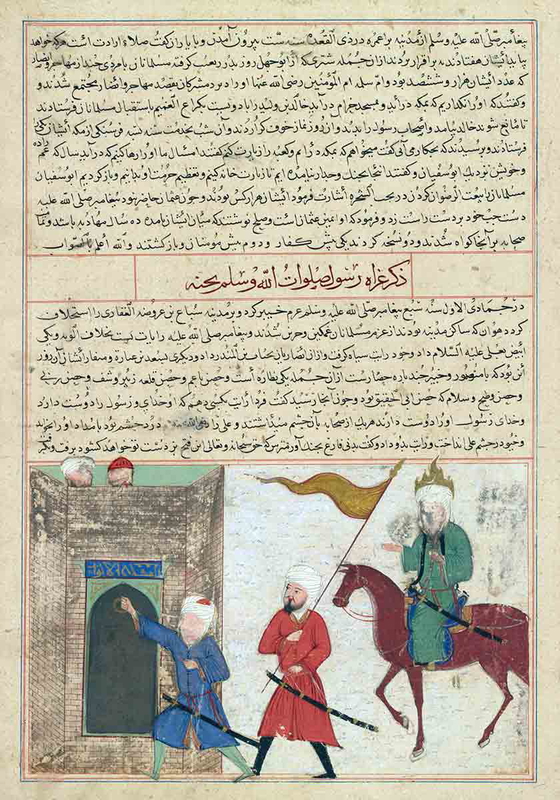
In the year 630 CE the Quraish killed a group of Muslims near Mecca. Having established himself by then as the unrivaled leader in Yathrib, Muhammad the Muslims to arms and led them toward Mecca. He did not, however, inform them of their mission. As the heavily armed force moved south and their destination became apparent, thousands of people began to join the procession and to convert to Islam, including some from among the Quraish. By the time they reached Mecca, their numbers were so overwhelming that they simply entered the city victorious without spilling any blood.
Muhammad demolished the idols inside the Kaaba. Bilal ibn Rabah, a Muslim slave who had been tortured for his religion made the call to prayer from atop the Kaaba. Muhammad initially called for the execution of certain individuals in Mecca, but relented when they converted to Islam. The victory of Islam in Mecca is one of the most celebrated in Islamic history.
When Did Muhammed Spread Islam in Arabia?
After the conquest of Mecca, Muhammad’s influence in the region became increasingly formidable. Through a combination of conversion and conquest, Islam grew in Arabia and beyond. Historians disagree about the role of coercion in this process. On the one hand, early Islam held to values that can be interpreted as tolerant and pluralistic. On the other hand, there was clear preference for Islam, and mercy was often shown to those who were willing to submit to the newly-proclaimed religion of the prophet.
By the time of Muhammad’s death most of the Arabian Peninsula had converted to Islam. He died in the year 632 CE, ten years after the Hijra. Some traditions suggest that part of the cause was the persisting effects of a poisoning he had suffered three years prior at the hands of his enemies in Medina. But a direct connection is difficult to substantiate.
What Is Muhammad’s Religious Legacy?
The above has focused on Muhammad’s story. But the question of “who” Muhammad is within Islam today should also be approached from a religious angle. For Muslims, Muhammad is the final prophet of God sent to decry idolatry and point humanity to the exclusive worship of one deity. He brings the last true religion, supplanting others like Judaism and Christianity that, while true in their day, were soon corrupted. For Muslims, all of Muhammad’s teachings and practices are worthy of emulation; he embodies what it means to be a Muslim.

As the West would interact with the reality of his legacy in the centuries after his death, the ongoing effects of Muhammad’s movement would shape even those who would not find his prophetic claims persuasive. Despite the expanse of his influence, the reason for the astonishing success of the movement he inaugurated remains largely a mystery—a fact that continues to draw skeptical historians and awestruck devotees alike.