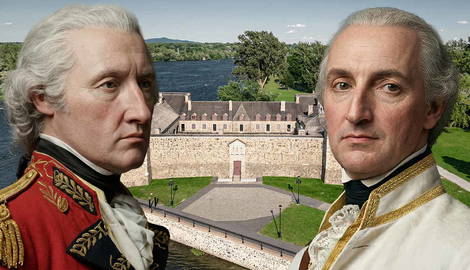
The majority of the inhabitants of modern-day Canada declined to join the American Revolution despite efforts by the Continental Congress to convince Canadians to join the war. Canada was relatively sparsely populated by Europeans compared to the Thirteen Colonies and the few population centers often had significant British military garrisons, which made organizing resistance to British rule difficult. Moreover, French Canadians and many Indigenous nations were suspicious of the intentions of the Americans and decided the British could better protect their interests.
Canada in 1775: Sparsely Populated and Heavily Garrisoned
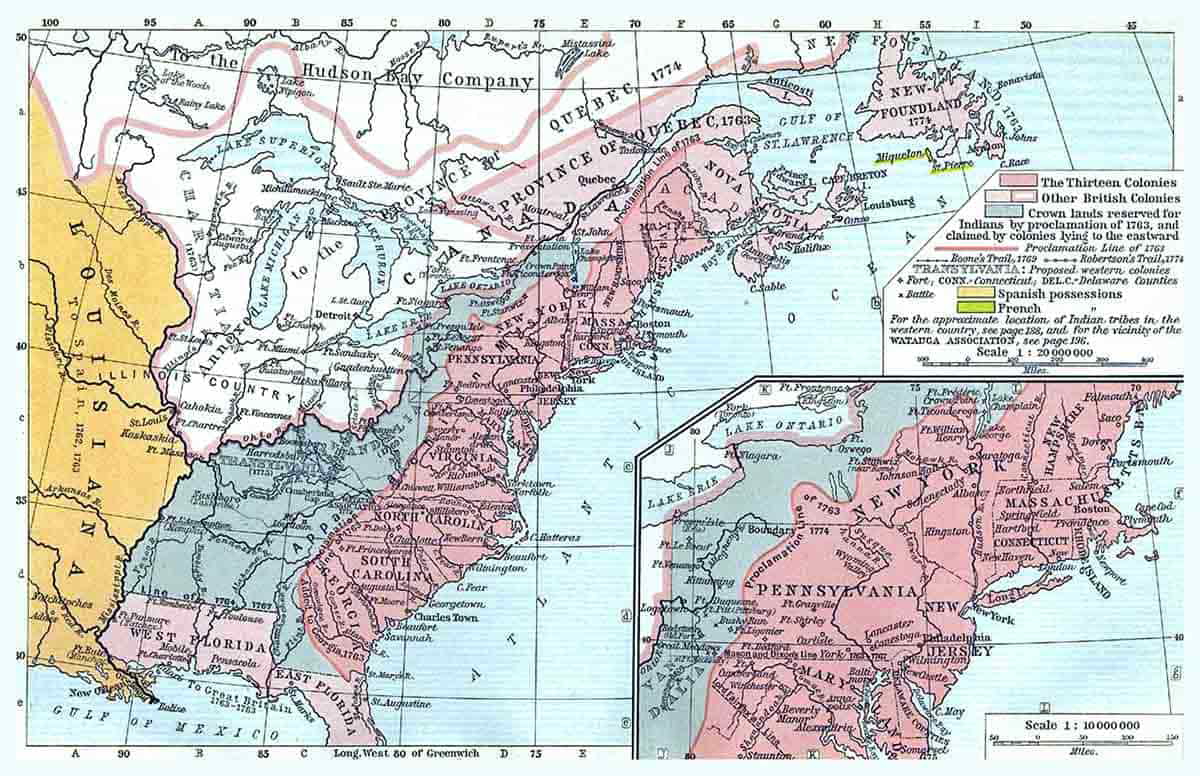
Canada did not exist when the American Revolution broke out in 1775 after the Battles of Lexington and Concord. At the time, what is now Canada consisted of several different British colonies and independent Indigenous nations.
Many of these colonies, such as those in the modern-day Canadian provinces of Prince Edward Island and Newfoundland and Labrador, were very sparsely populated by Europeans. The low populations of these colonies made organizing serious resistance to British rule impractical.
Quebec and Nova Scotia were relatively larger colonies and there was some discontent over British colonial policies. However, both colonies were heavily garrisoned by British forces. Quebec City and Halifax were major British military bases that would play important roles in British campaigns throughout the American Revolution. A rebellion in these heavily garrisoned colonies by Patriot sympathizers risked being immediately put down unless support could be provided by the Continental Army.
The Quebec Act: Britain’s Effort to Gain the Support of French Canadians
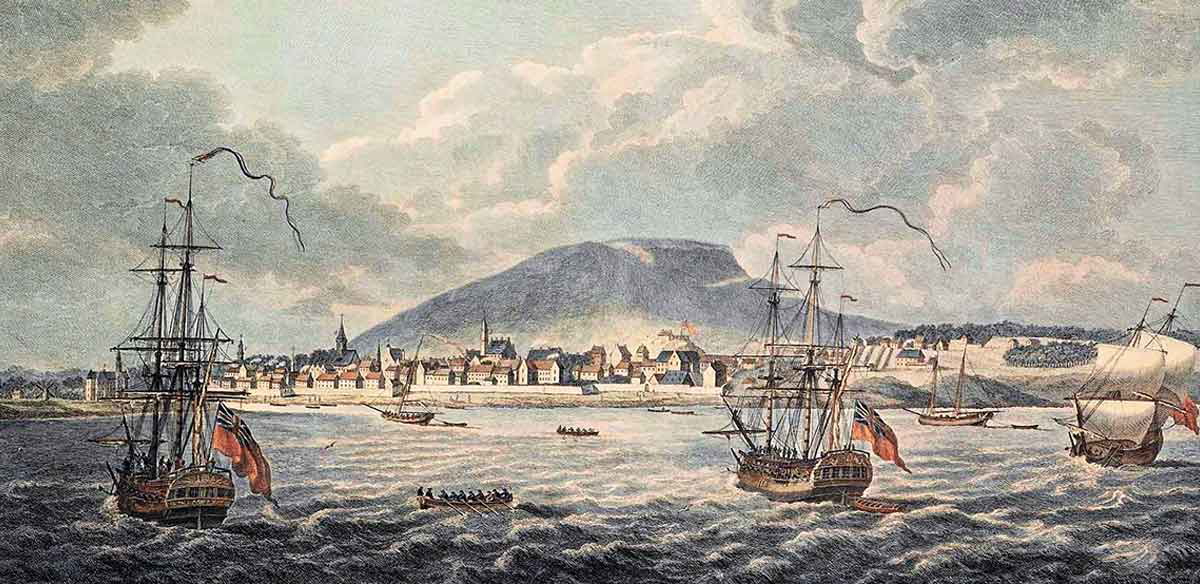
Quebec was the colony in Canada that had the largest European population in the 1770s. Britain viewed maintaining control of Quebec as imperative. Quebec was well-placed to serve as a staging area for a British invasion of the northern colonies.
France had ceded Quebec to Britain in the peace treaty that ended the Seven Years War. Most of the European population of Quebec was French Canadian and had little loyalty to the United Kingdom.
To secure the loyalty of French Canadians Britain passed the Quebec Act in 1774. The Quebec Act provided protection to the Roman Catholic religion and massively expanded Quebec’s boundaries. The Quebec Act was viewed as an affront by many American colonists who objected to the Roman Catholic Church and the idea of granting land to French Canadians.
The Quebec Act was unpopular in the Thirteen Colonies, but it helped the British gain support in Quebec.
The Disastrous American Invasion of Quebec
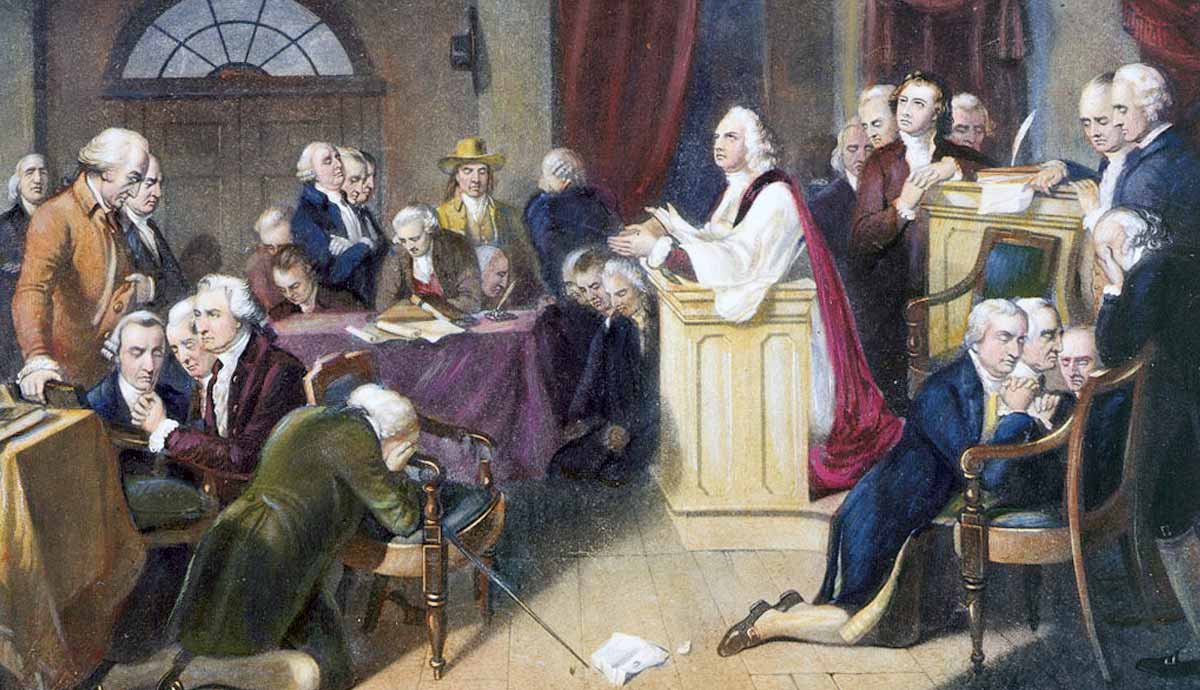
The Continental Congress also recognized the strategic importance of Quebec. The Continental Congress distributed letters throughout Quebec inviting French Canadians to join the revolution.
The response was lackluster. The significant British military presence made it risky to hold meetings to discuss the Continental Congress’ invitation. Many French Canadians were also alarmed by the rejection of the Quebec Act by the Americans and the existence of anti-Catholic sentiment in many of the American colonies.
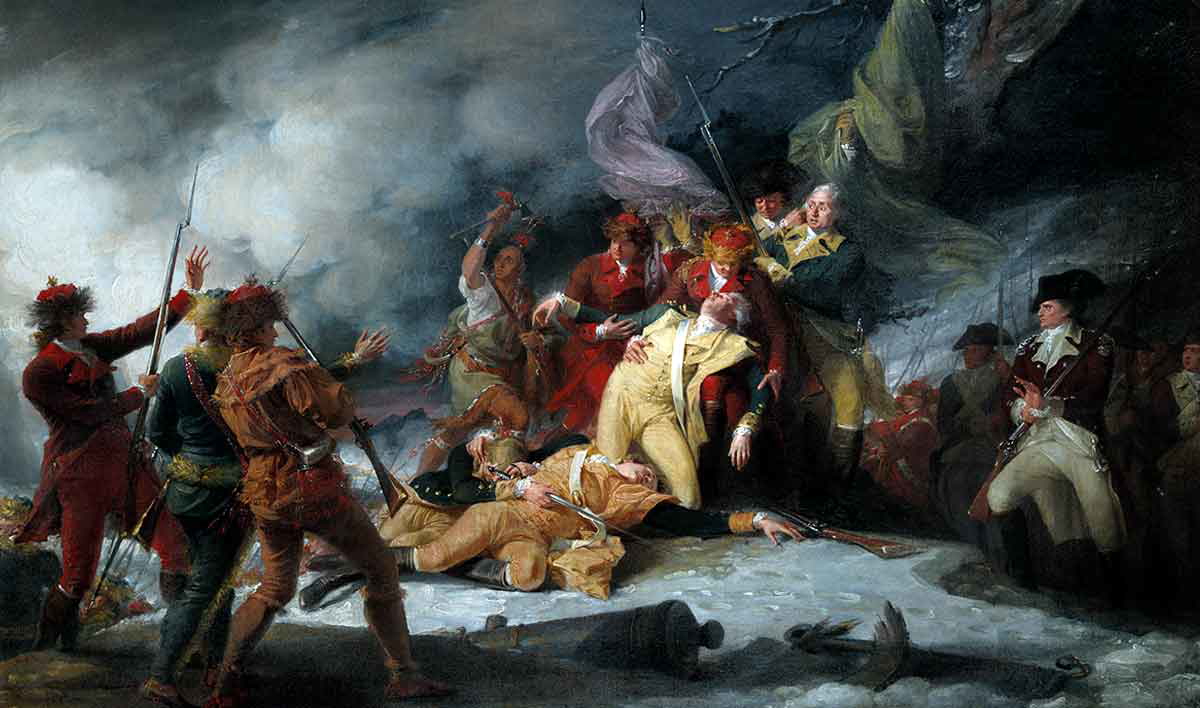
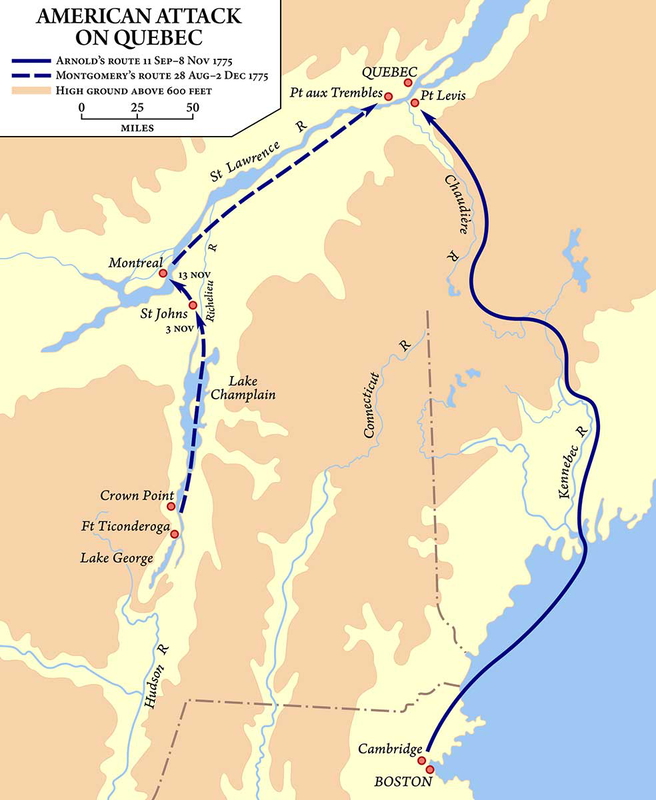
In 1775 the Americans decided to launch a full-scale invasion of Quebec. The invasion was initially successful, and the Americans captured Montreal. However, the British were able to decisively defeat the Americans outside Quebec City and the invasion force eventually retreated after suffering heavy losses.
During the American invasion, no more than 1000 French Canadians joined the invading army. The Quebec Act had convinced the vast majority of French Canadians they were better off under British rule.
The Support of Indigenous Nations Secured Canada for the British
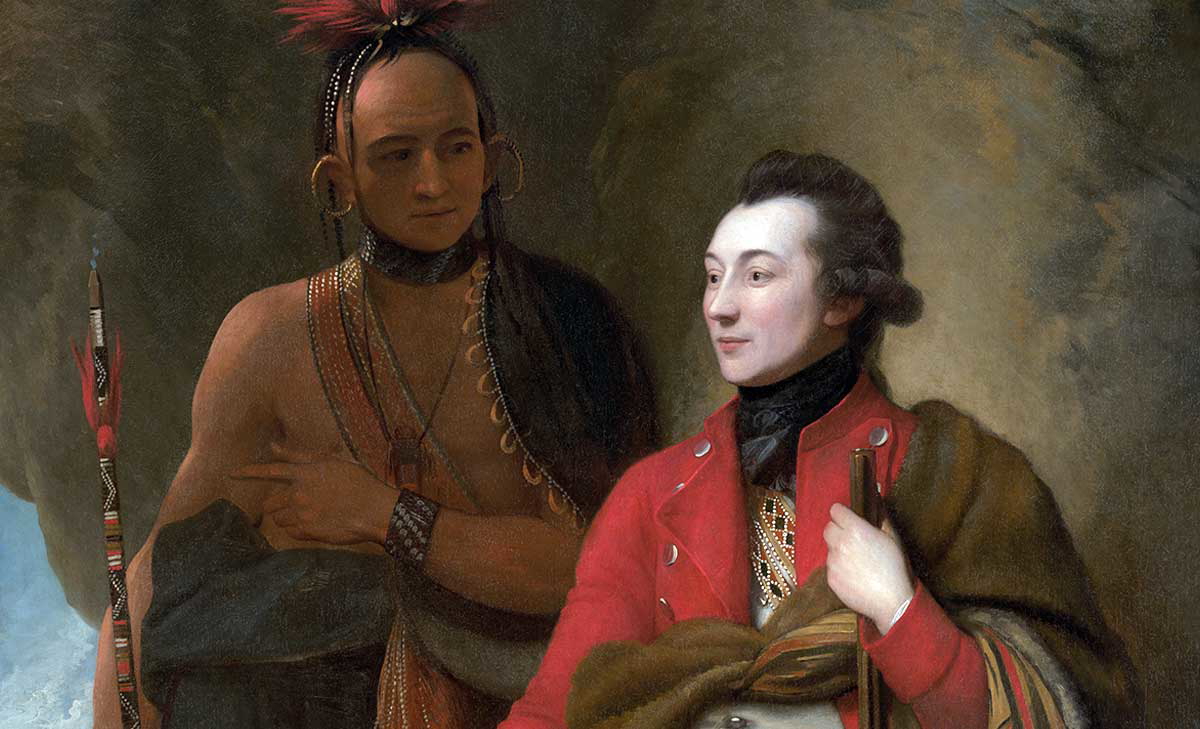
The British would not have been able to hold Canada during the American Revolution without the support of Indigenous nations. Many Indigenous nations supported the British during the American Revolution because they believed the British were more likely to respect Indigenous land claims than the American colonists.
This belief was founded on the fact that before the war, the British had tried to prevent American colonists from expanding into Indigenous territories because the British were concerned about the cost of fighting wars with Indigenous nations.
Throughout the war, thousands of Indigenous peoples would fight in pitched battles throughout Quebec and New York. The British would not have been able to defeat the American invasion of Quebec in 1775, for example, without the assistance of their Indigenous allies.
Unfortunately, the British would abandon their Indigenous allies’ land claims in the peace treaty that ended the war.