In 1948 voters in Newfoundland voted to become a province of Canada. Prior to joining Canada, Newfoundland had endured decades of severe economic hardship and political unrest. The referendum campaign was contentious, with many Newfoundlanders preferring for Newfoundland to be a self-governing Dominion within the British Empire and some advocating economic union with the United States. However, the campaign for Newfoundland to join Canada was able to convince a slim majority of voters that joining Canada was the only way to overcome the severe economic challenges facing Newfoundland.
Newfoundland’s Economic Challenges Were Significant
For centuries, Newfoundland had been a prosperous colony within the British Empire that exported large amounts of fish, lumber, and minerals. However, changing economic circumstances in the first half of the 20th century led to an economic crisis in Newfoundland.
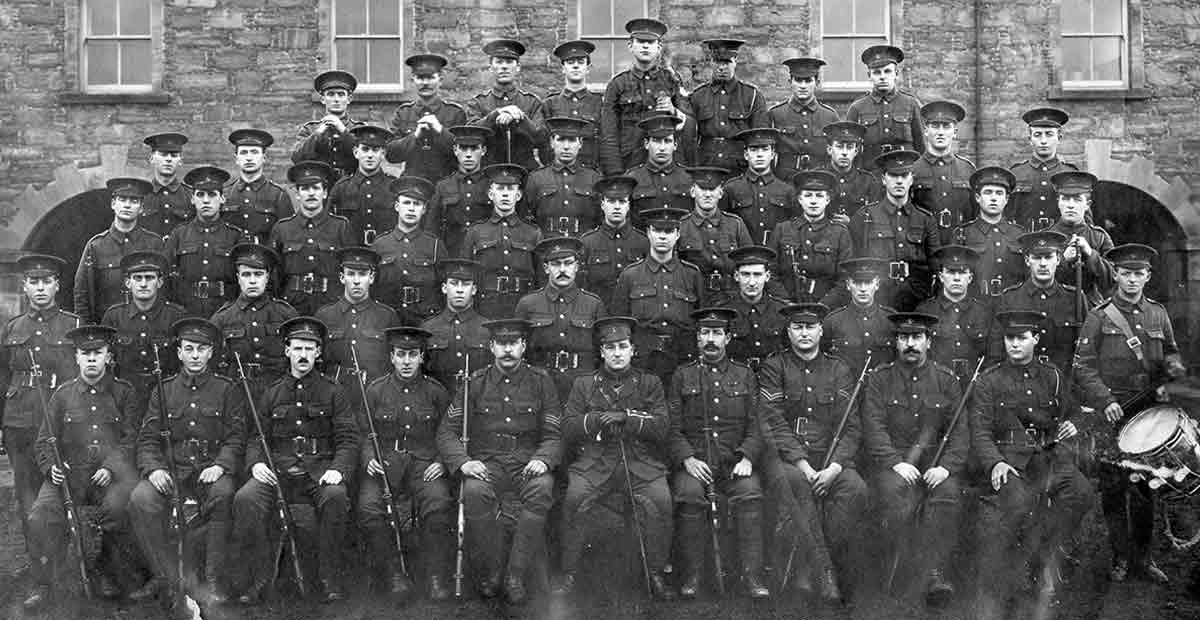
Newfoundland made significant contributions to the Allied war effort in World War 1, including by raising the Newfoundland Regiment, which fought with distinction on the Western Front. However, Newfoundland’s war effort left the colony with immense debts by the end of the war. Further debts were added by Newfoundland’s government operating an unprofitable railroad across the island.
The final blow came with the onset of the Great Depression in 1929. Since Newfoundland’s economy was almost entirely dependent on the export of natural resources, the collapse in global trade had a particularly devastating effect on Newfoundland. By the early 1930s, Newfoundland was on the verge of defaulting on its debts.
The Loss of Democracy in Newfoundland
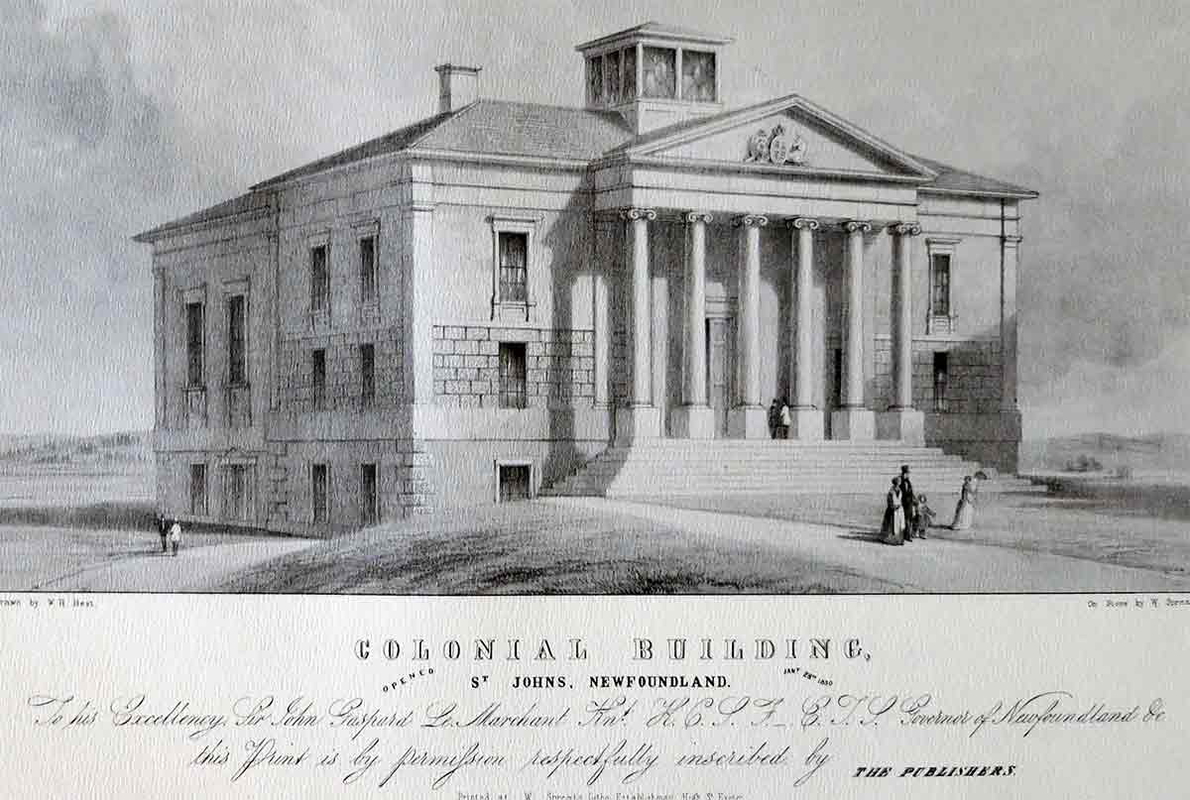
The government of Newfoundland was plagued by corruption and proved unable to grapple with the Great Depression.
On April 5, 1932, a crowd of several thousands marched in St. John’s towards the Colonial Building, the seat of Newfoundland’s government, to demand action. A riot broke out and the Colonial Building was stormed. The Prime Minister of Newfoundland was forced to flee, and his government was soon defeated in a snap election.
The new government realized that it also lacked the capacity to solve the crisis. In 1934, the new government asked Britain to suspend democracy in Newfoundland and appoint a British governor with a mandate to reform Newfoundland’s economy and government.
The British were reluctant but agreed to rule Newfoundland directly, and assume its debts, to avoid the damage a default by Newfoundland might cause the British Empire. From 1934, democracy was officially suspended in Newfoundland.
The Debate on the Future of Newfoundland
The British did not want to be responsible for Newfoundland indefinitely. This feeling became particularly acute following World War 2, when Britain faced its own debt crisis and sought to shed the cost of its empire.
In 1948 the British government decided to present the people of Newfoundland with three options for the future of Newfoundland: 1) Newfoundland could be restored to a self-governing Dominion within the British Empire, 2) Newfoundland could continue to be governed directly by Britain, or 3) Newfoundland could join Canada. These options were to be voted on in a referendum.
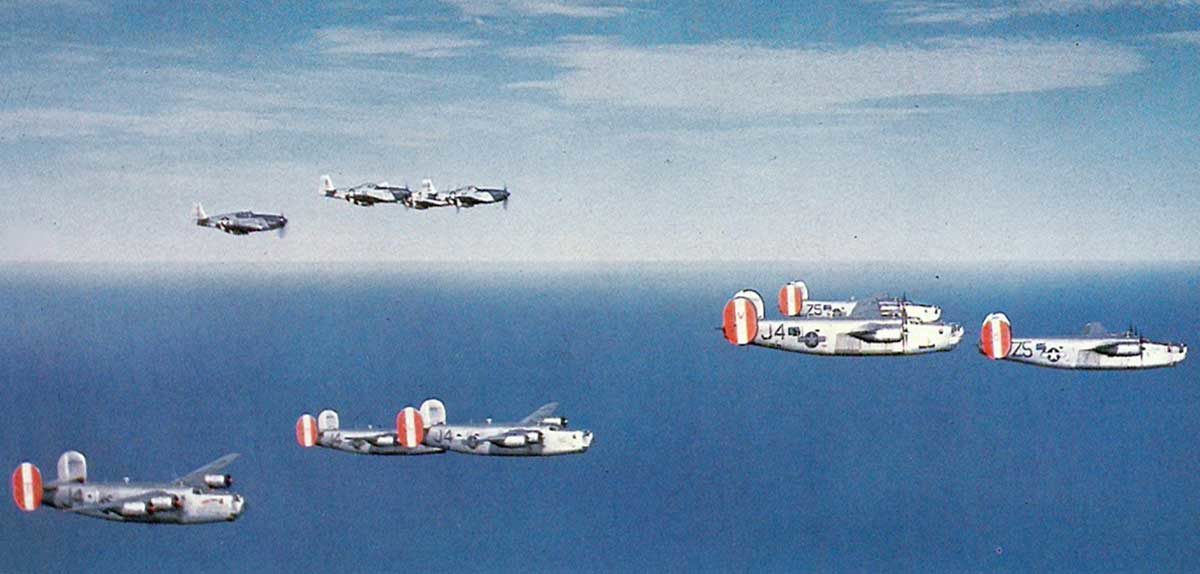
During the Battle of the Atlantic several American military bases were built. The influx of American military personnel led to a temporary economic boom and marriages between American soldiers and Newfoundland women. Some Newfoundlanders thought Newfoundland should vote on economic union with the United States, but the British government refused to consider that option.
Newfoundland Votes to Join Canada
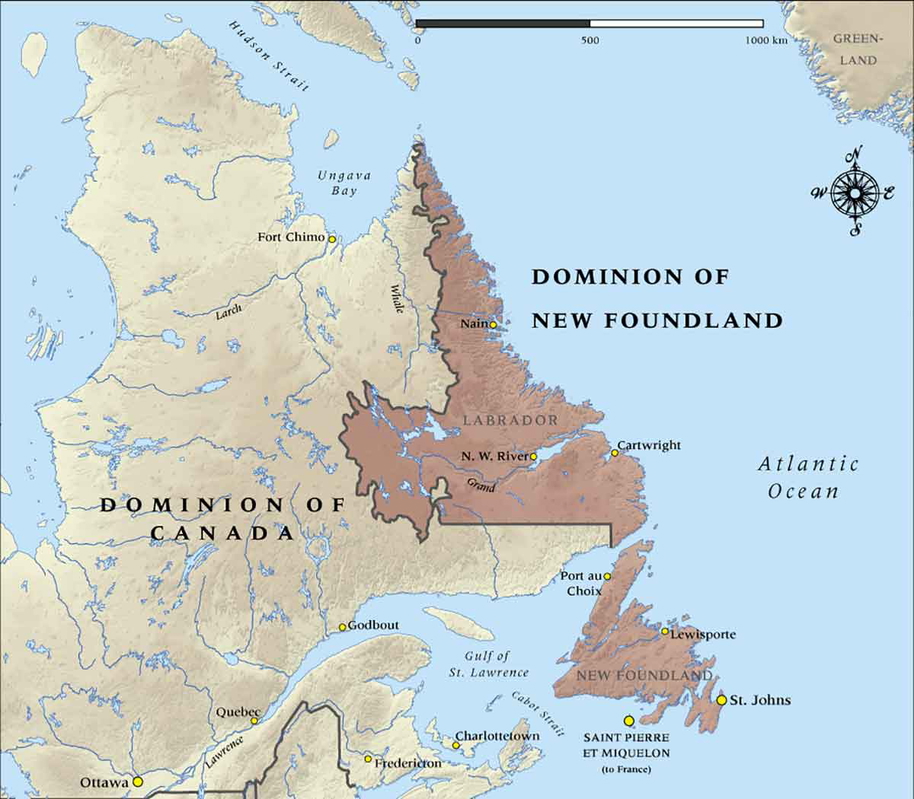
The referendum campaign on the future of Newfoundland was fiercely fought. The leading options were for Newfoundland to revert to being a self-governing Dominion or join Canada.
Those in favor of Newfoundland joining Canada pointed out that the British government had made it clear that Newfoundland could expect no further economic aid from Britain if it chose to become a self-governing Dominion or remain under direct British rule. Advocates for union with Canada argued that Newfoundland needed Canadian government funds to develop Newfoundland’s economy.
Those opposed to union with Canada argued that Newfoundland would be a small province and would lack influence within Canada.
In the end, the people of Newfoundland were convinced that union with Canada was a necessity to save Newfoundland’s economy. On July 22, 1948, a slim majority of Newfoundlanders voted to join Canada. On March 31, 1949, Newfoundland officially became Canada’s tenth province.