From air shows to circuses, the popularity of spectacles in which participants defy the risk of bodily harm in front of crowds shows no signs of waning. Even combat sports, like UFC, draw millions of viewers worldwide and generate enormous wealth today. But, despite our continuing fascination with competition and risk, the idea that staged, mass carnage and slaughter could draw crowds of cheering fans seems utterly foreign. Yet, for over six centuries, the grandest spectacles in the world’s greatest civilization, Rome, was a celebration of staged massacre.
The Gladiatorial Games Were Popular for Six Centuries
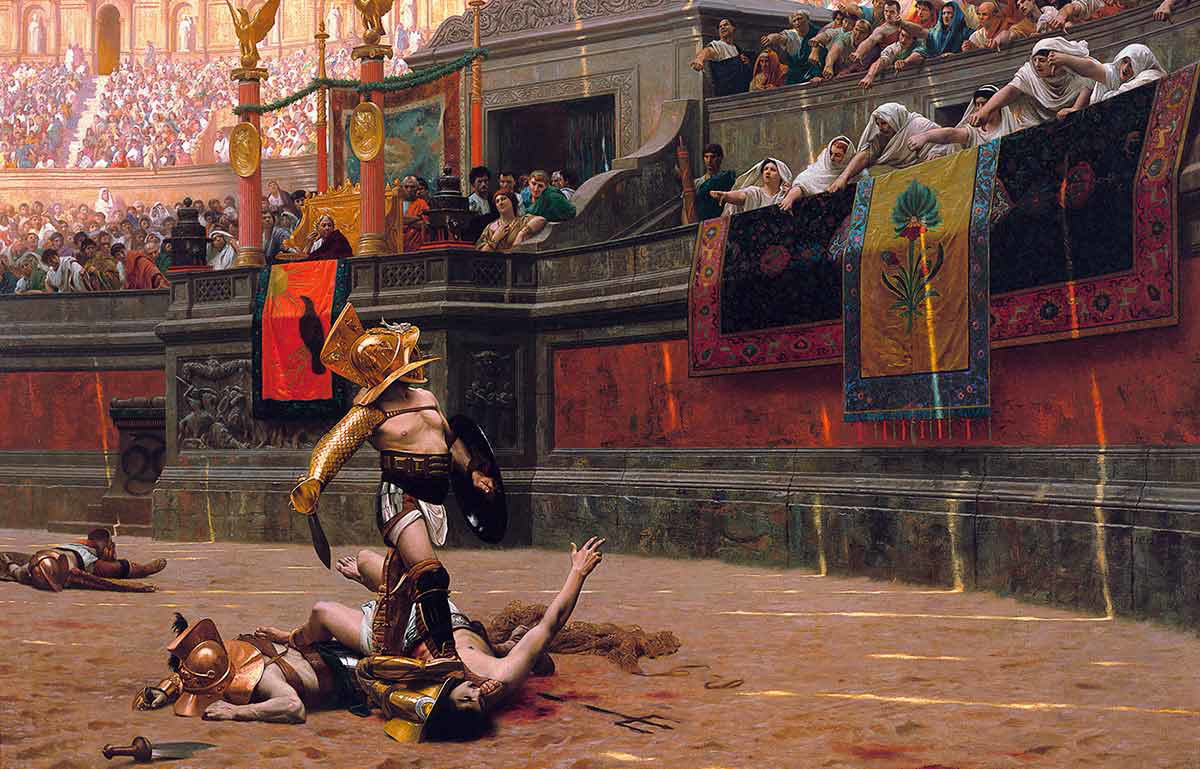
The first known gladiatorial games were sponsored by the sons of Junius Brutus Pera in Rome in 264 BCE as part of his funeral celebrations. As few as only six gladiators probably participated. But the demand for spectacular violence increased in Rome, and by the time of Emperor Trajan’s conquest of Dacia in 107 CE, the number of gladiators called upon to participate in the celebration may have been into the thousands.
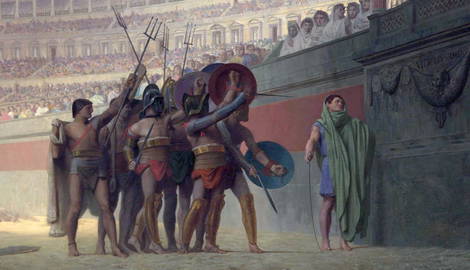
By the time of Trajan, gladiatorial fights were accompanied by public executions of criminals and dissidents, and wild animals were used both to execute condemned prisoners and to fight in the shows. Some historians estimate that up to four hundred thousand people and around one million animals were killed in Roman Colosseum alone during its roughly three hundred and fifty years of hosting blood sports. The Colosseum could host upwards of fifty thousand spectators. These estimates do not include the hundreds of other amphitheaters across the empire where blood was spilled for entertainment during the gladiatorial games’ six-century history.

However, as the games grew in popularity, so did their cost. As gladiatorial events drew larger and larger crowds and increased in popularity, the demand for highly trained fighters, extravagant costumes, and larger, more elaborate facilities to hold enormous gatherings of people also grew. But by the fourth century CE, the Roman Empire had been stretched unsustainably thin. At the same time, the entertainment was a way of keeping the masses amused, which made it difficult for emperors to simply stop sponsoring these wasteful events.
Some Philosophers Criticized the Gladiatorial Games
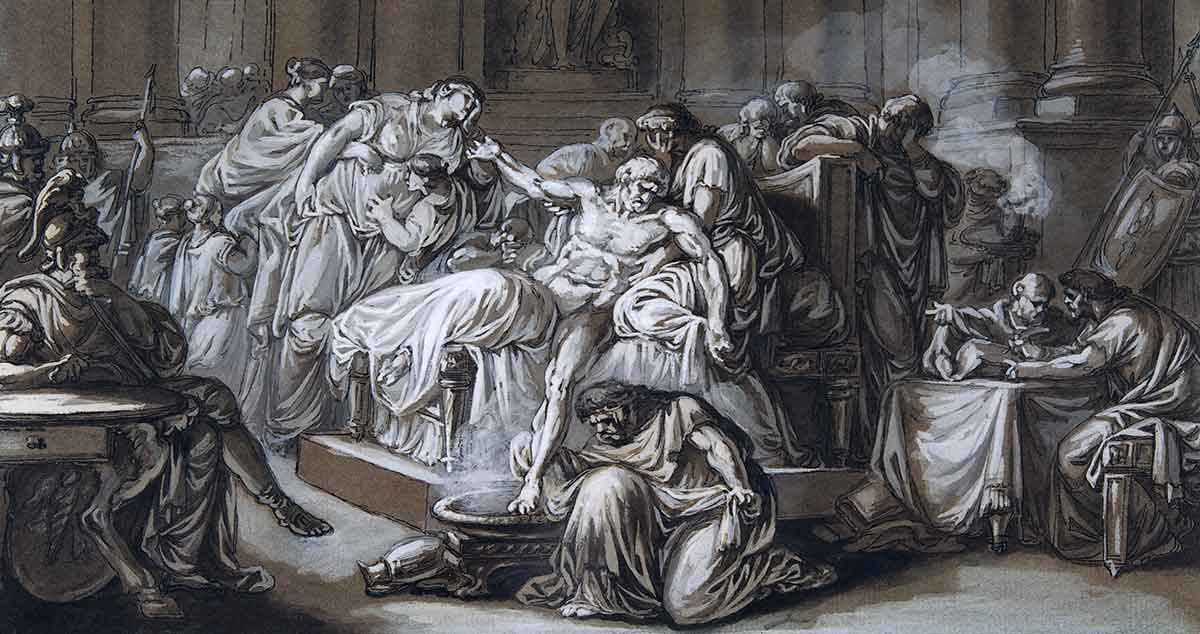
Some great thinkers within the Roman Empire, who made it a habit to meditate upon questions of morality and meaning, criticized the gladiatorial games. Today, much of moral discourse is informed by the norms and categories of human rights. But in the ancient world, the primary concern of moral philosophy was personal character, or virtue. This is reflected in early opposition to the gladiatorial games.
Though he was fascinated with gladiators, Seneca (ca. 4 BCE–65 CE), for example, was concerned about the way that watching violence for fun could corrupt a person’s character. Pliny the Younger (61–113 CE) criticized the games on similar grounds, even though he was not opposed to them categorically.
Christians and Rabbinic Jews Condemned the Games
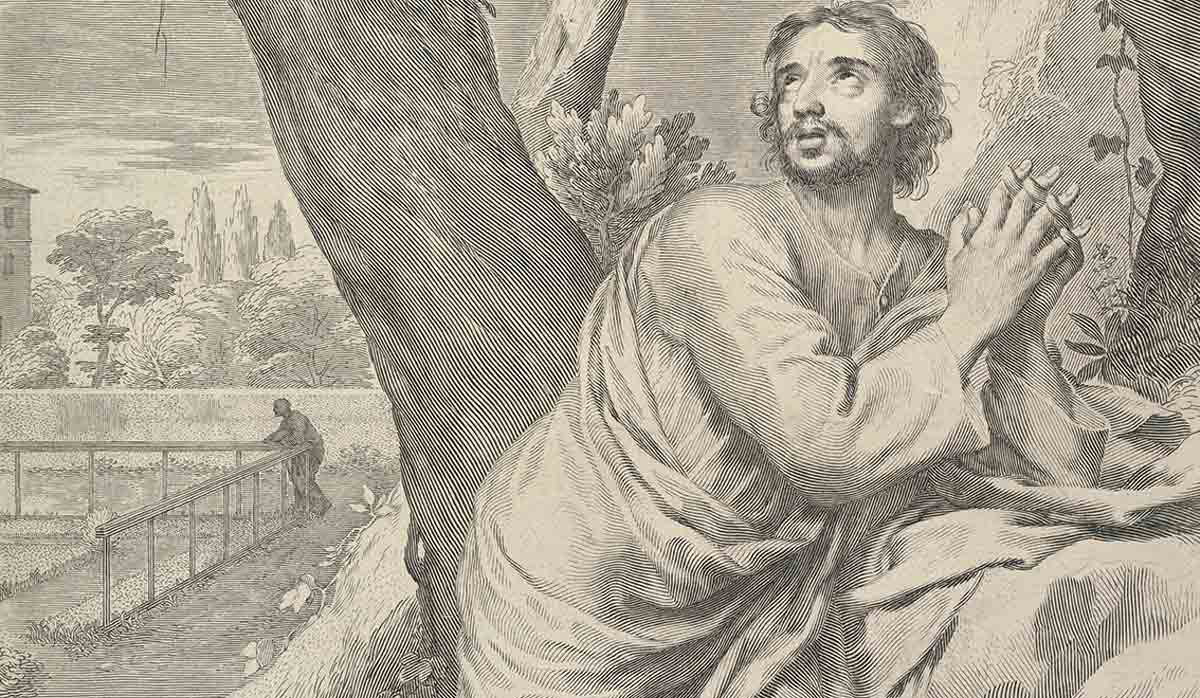
Along similar lines of reasoning as the philosophers, but in a much more outspoken and categorical manner, early Christian theologians were deeply and unanimously opposed to gladiatorial games. Tertullian (ca. 155–220 CE), for example, forbade Christians from going to the games. This was not a boycott—or an attempt at reforming Roman society as a whole. Rather, his concern was with the effect that participation in these spectacles could have on the soul. The Christian apologist Marcus Minicius Felix (third century) publicly condemned the inhumanity of the games.
Later, theologians like Augustine and Lactantius echoed these sentiments. The Jewish philosopher Philo of Alexandria (ca. 20 BCE–50 CE) also condemned the games because of their moral degradation, as did the rabbinic Jewish tradition that developed in the second and third centuries. Eventually, it would take the conversion of a Christian emperor to Christianity to finally initiate the abolishment of gladiatorial games across the empire.
Constantine “Tried” to Abolish Gladiatorial Games
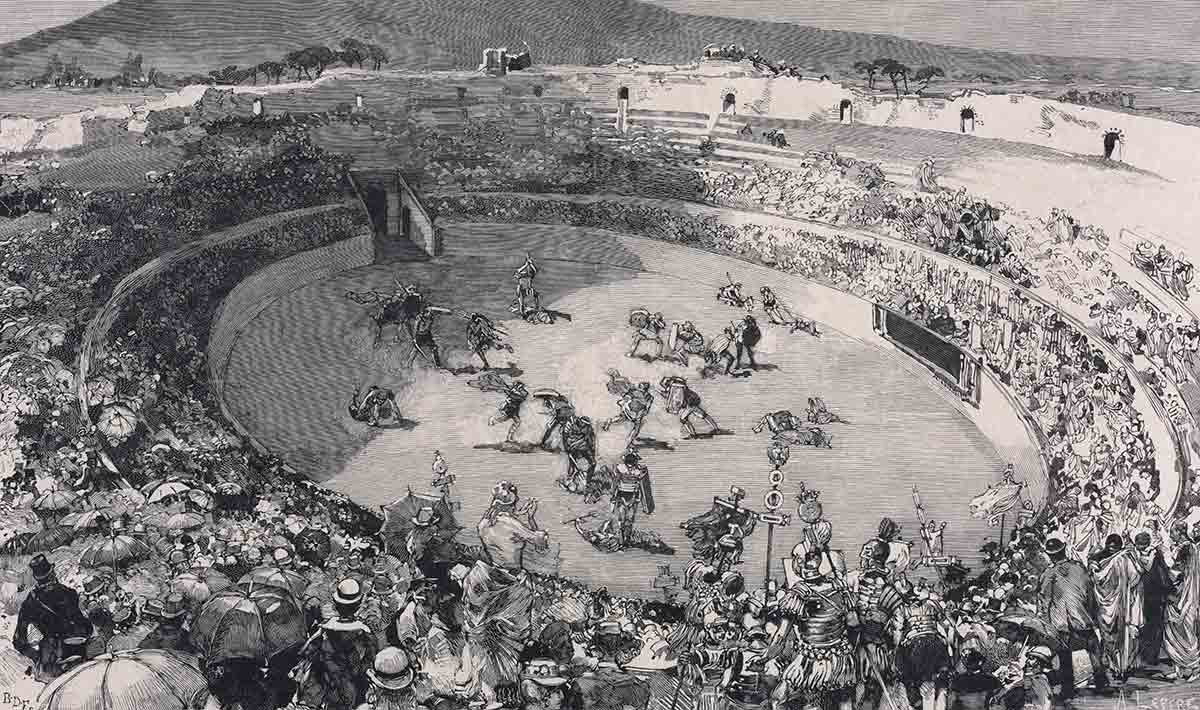
As the first Roman emperor to convert to Christianity, it is not surprising that Constantine took steps toward ending the gladiatorial tradition. In the year 325, Constantine declared the games utterly forbidden. But due either to a lack of resolve or to his inability to enforce the law, the games continued for another thirty years nonetheless, including in Rome itself. The gladiator training schools also remained open. As it turned out, Constantine’s edict was ineffective—at least, during his lifetime.
But future Christian emperors bolstered Constantine’s legislation with increasing restrictions on the games until, finally, in 399 CE, the gladiatorial schools in Rome were officially closed and the games officially banned by the Emperor Honorius. But still, they continued.
The Martyrdom of Telemachus Is Often Remembered as the Final Blow to the Gladiatorial Games
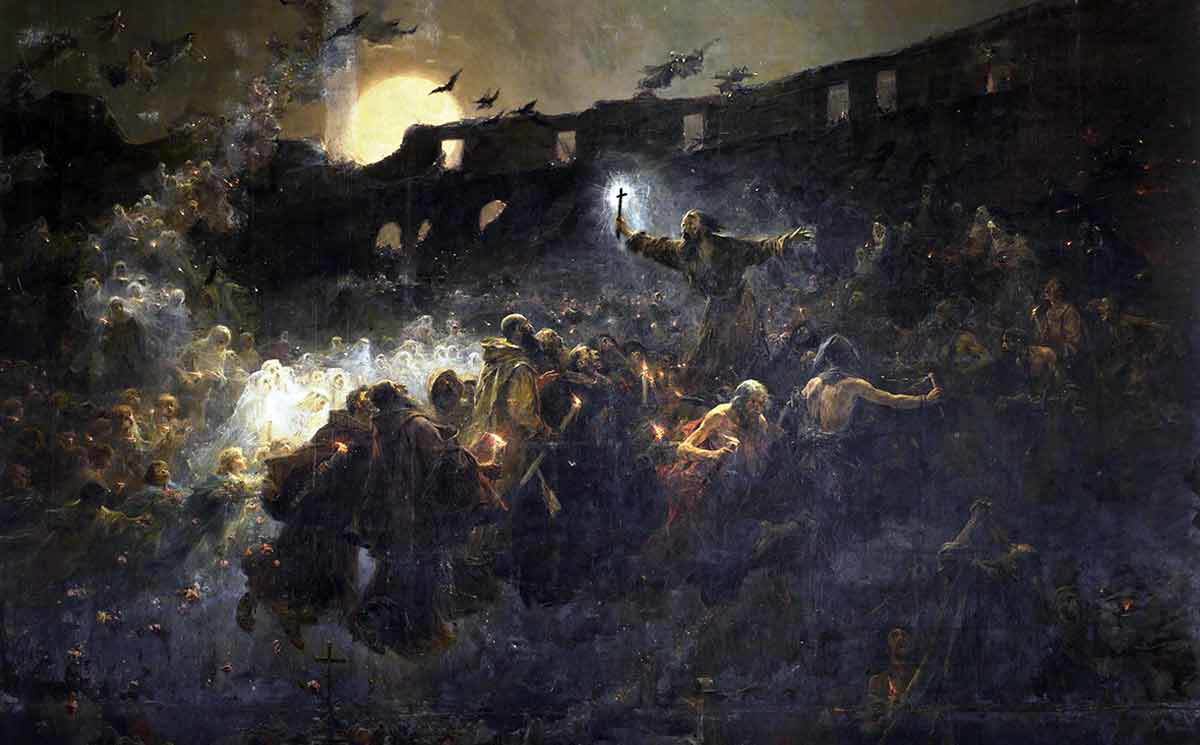
There are different ways of explaining why history took the course that it did. The end of the gladiatorial games came about in the context of political, economic, environmental, and moral pressures—and there were indeed voices decrying the violence of the games, despite the deafening roars of the crowds. All of these factors played a role in bringing about their end. But if one character is to be credited above all others for killing gladiatorial violence, it is a monk named Telemachus (also called Almachus).
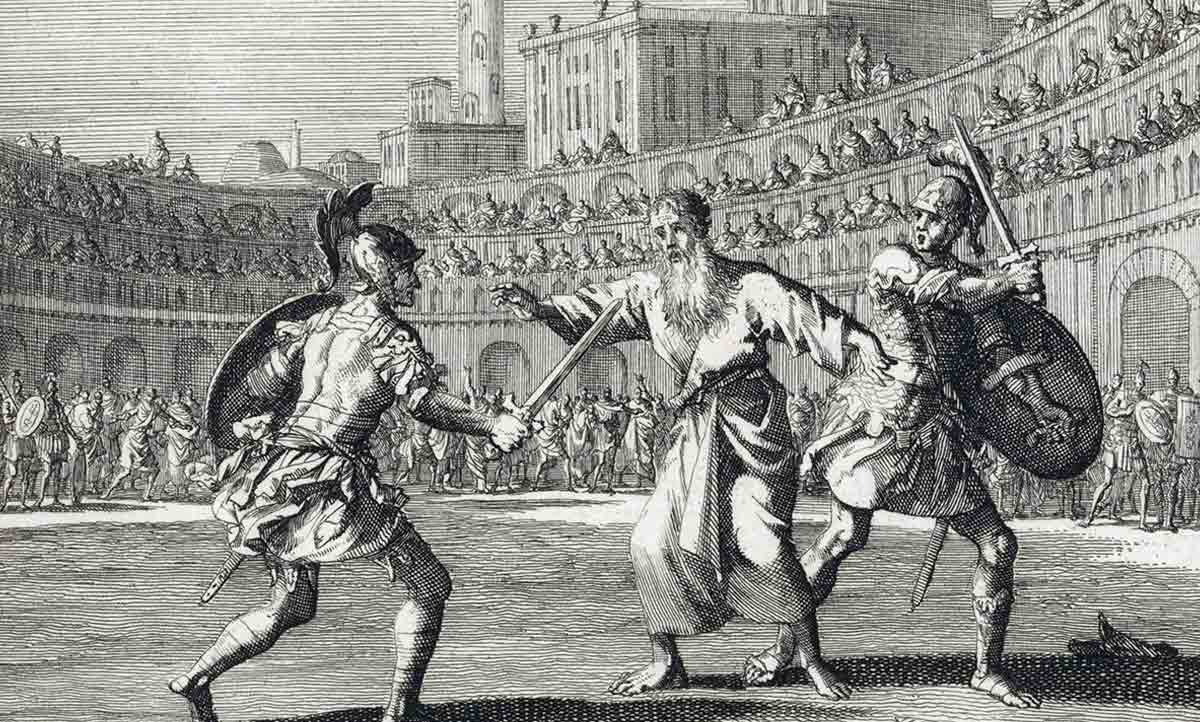
According to the historian and bishop of Cyrus (in modern-day Syria) Theodoret (ca. 393–458), a humbly clad monk from “the East” (we do not know where) named Telemachus found himself on January 1, 404 at the Colosseum in Rome, having wandered into the bloody show by following a crowd.
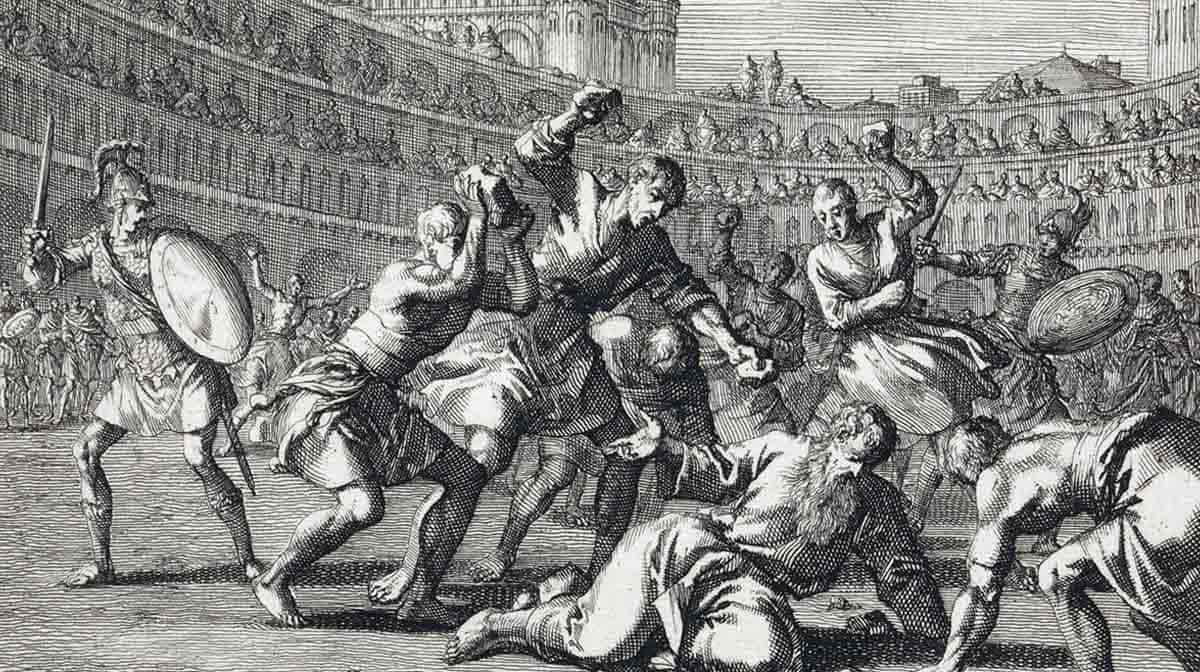
In horror at what he saw, he ran down into the arena and began to plead with the gladiators to lay down their weapons and cease the violence. But when the crowd grew frustrated with the interruption, one of the gladiators stabbed Telemachus.
When he fell to the ground bleeding, the crowd then stoned the monk to death. According to Theodoret, it was this act of protest, and the shockingly maniacal violence of the crowd, that moved the Emperor Honorius to put a final end not only to the gladiatorial games (which had not stopped anyway) but to the munera themselves—the state-sponsored celebrations that traditionally featured them. Not only was this a moral victory for the empire, it also relieved it of an exceptionally wasteful and expensive burden.