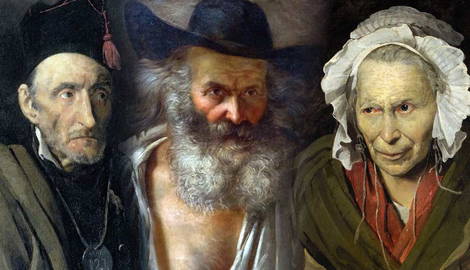
During the 1820s, Théodore Géricault painted a series of portraits of mentally ill patients commissioned by their doctor. The doctor intended to use them as illustrations for his research paper. After Géricault’s death, five out of ten works were lost without a trace. Two centuries later, a molecular biologist claims he found the missing half of Theodor Géricault’s series.
Who Was Théodore Géricault?
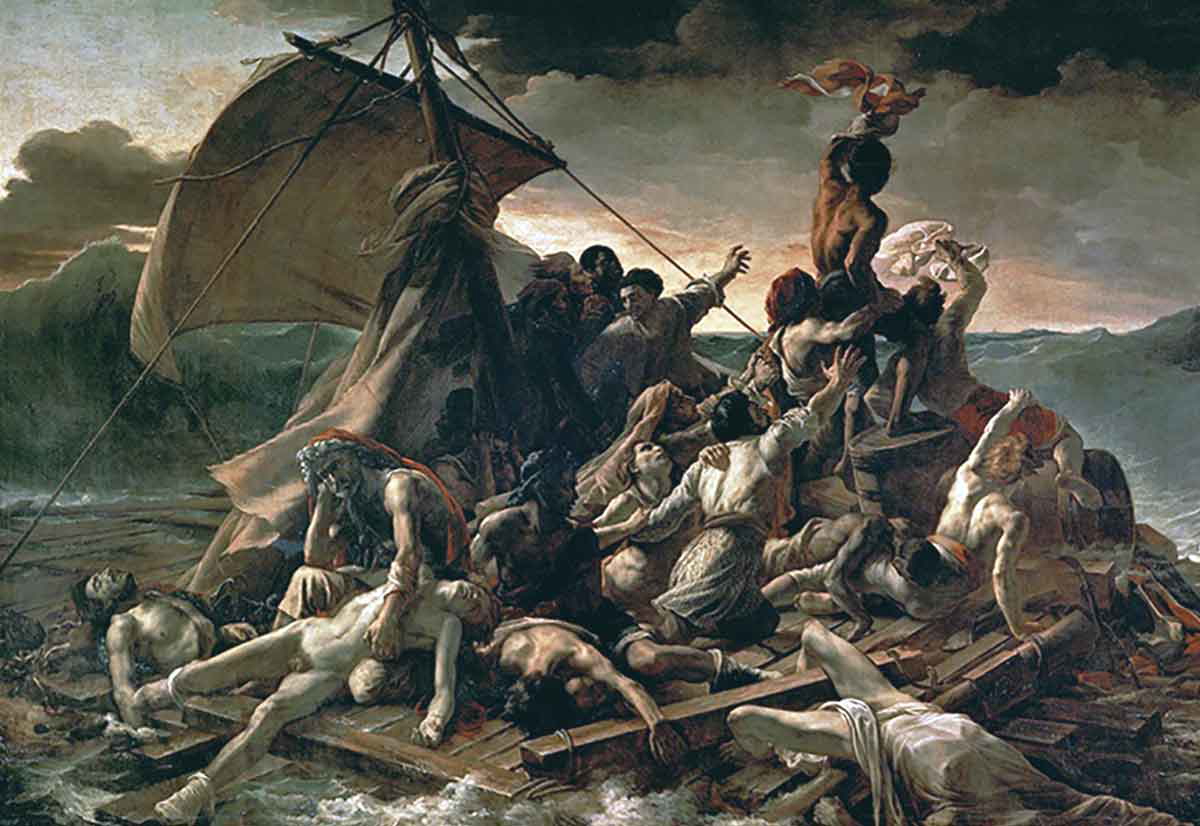
Théodore Géricault was a famous French artist who created his art in the first decades of the 19th century. Géricault was a close friend of Eugene Delacroix and painted in a similar Romantic manner. However, his works already showed a certain degree of sharp and even provocative honesty that would soon manifest itself in the Realist movement led by Gustave Courbet.
Géricault lived a tragically short life, yet managed to create a remarkable and influential oeuvre. His most famous work was the famous Raft of the Medusa, a gruesome and tragic scene of shipwreck survivors stranded on a raft at sea. The painting was a reaction to Géricault’s contemporary events and was perceived as a political expression of the corruption of modern French society. In 1822, just two years before his sudden death, Géricault created a series of paintings for a French psychiatrist Étienne-Jean Georget.
The Monomania Theory
Of course, psychiatry functioned differently in Géricault’s time than today. Still, the origins and, most importantly, ways of treating various mental illnesses were already a pressing topic. Psychiatrists studied their patients and built various theories not only to alleviate their suffering but also to figure out how this suffering came into existence.
The French psychiatrist Jean-Étienne Dominique Esquirol was one of such researchers who came up with the concept of monomania as the unhealthy fixation that turned an otherwise healthy person into his patient. Monomania could affect one’s emotions (e.g. sudden fits of anger), thoughts (e.g. delusions of grandeur, like believing oneself to be a king), or even physical actions (e.g. an uncontrollable urge to steal). Additionally, monomania was believed to leave visible traces on a patient’s facial features and behaviors. In present-day psychiatry, monomania is seen as something outdated and inherently reductive, unable to correctly explain the origins of the patient’s condition and its nuances.
Géricault’s Monomania Series
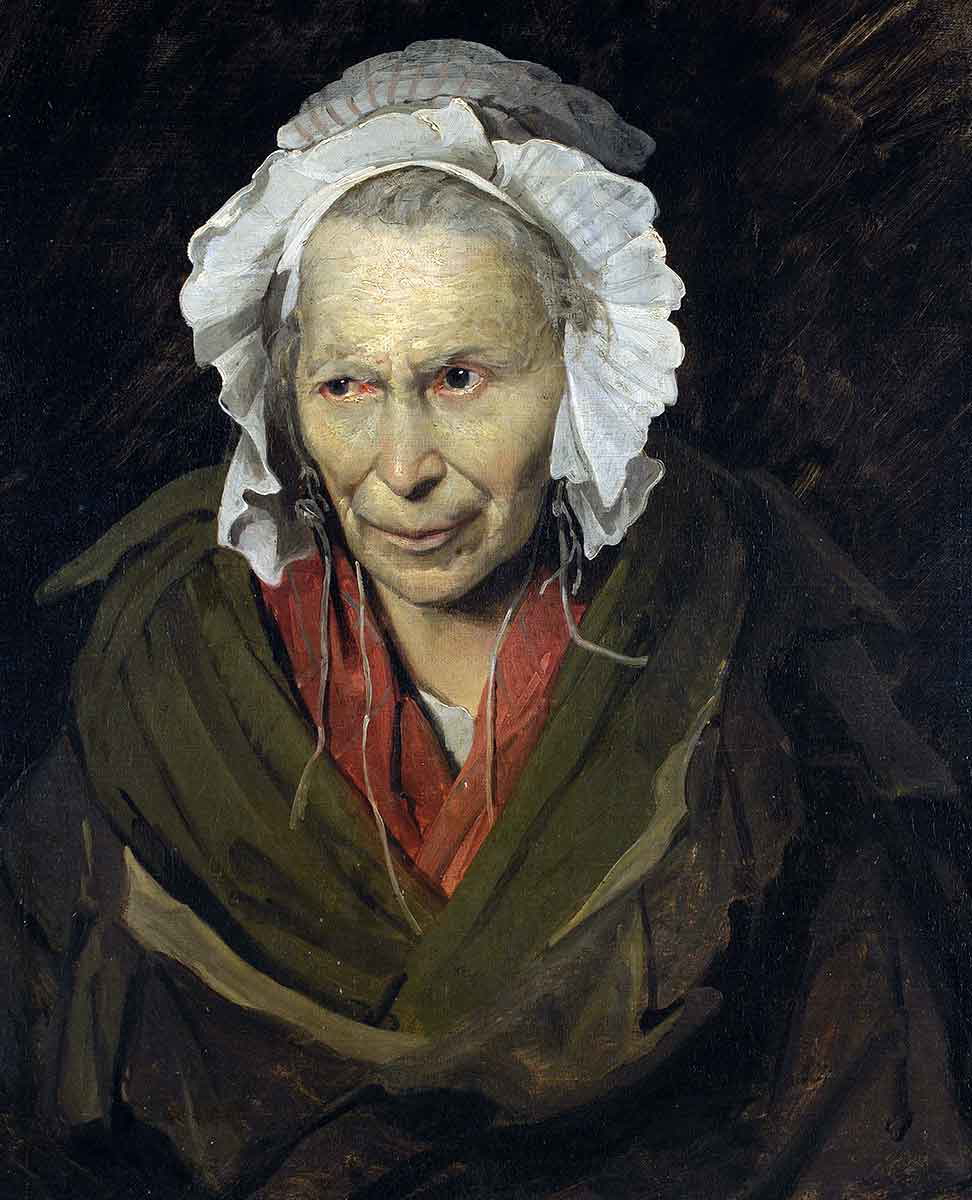
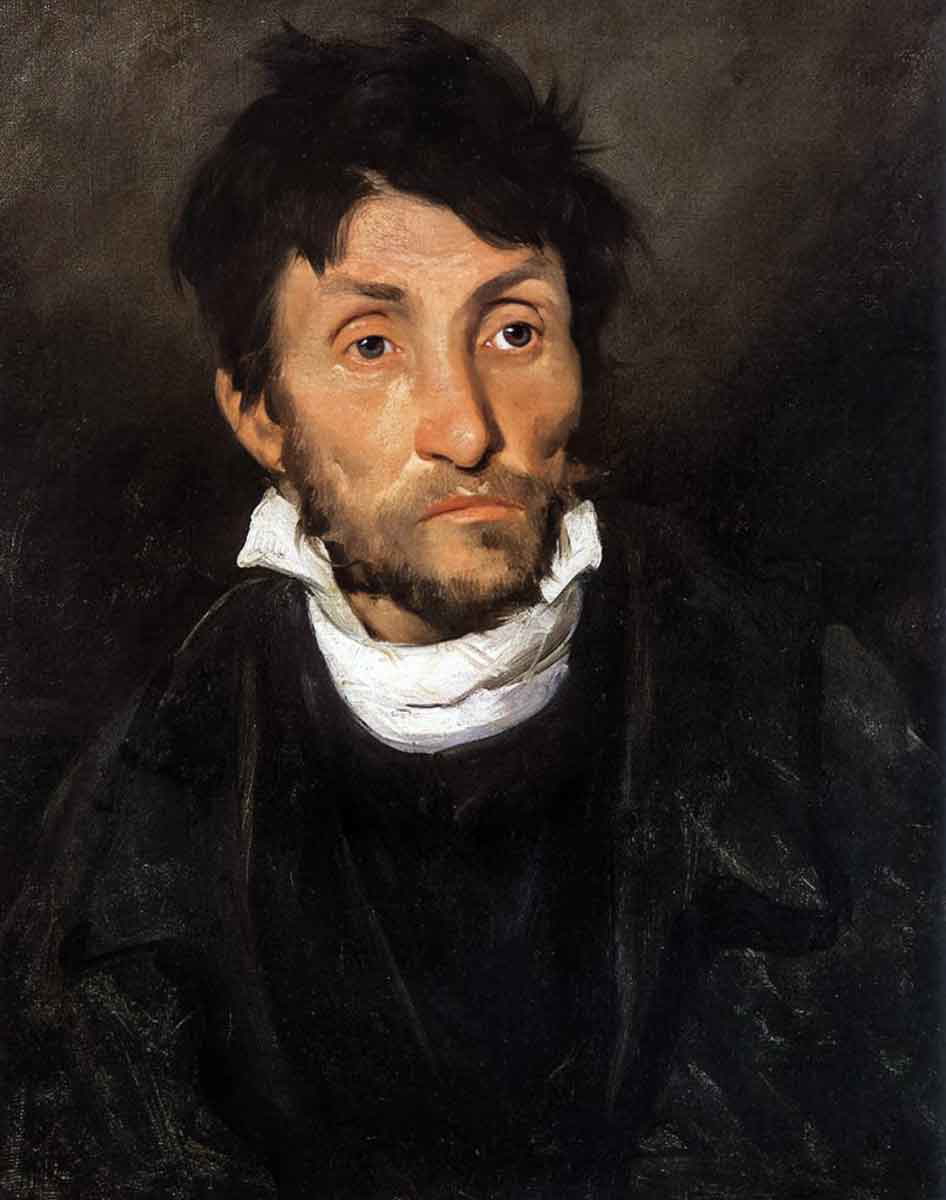
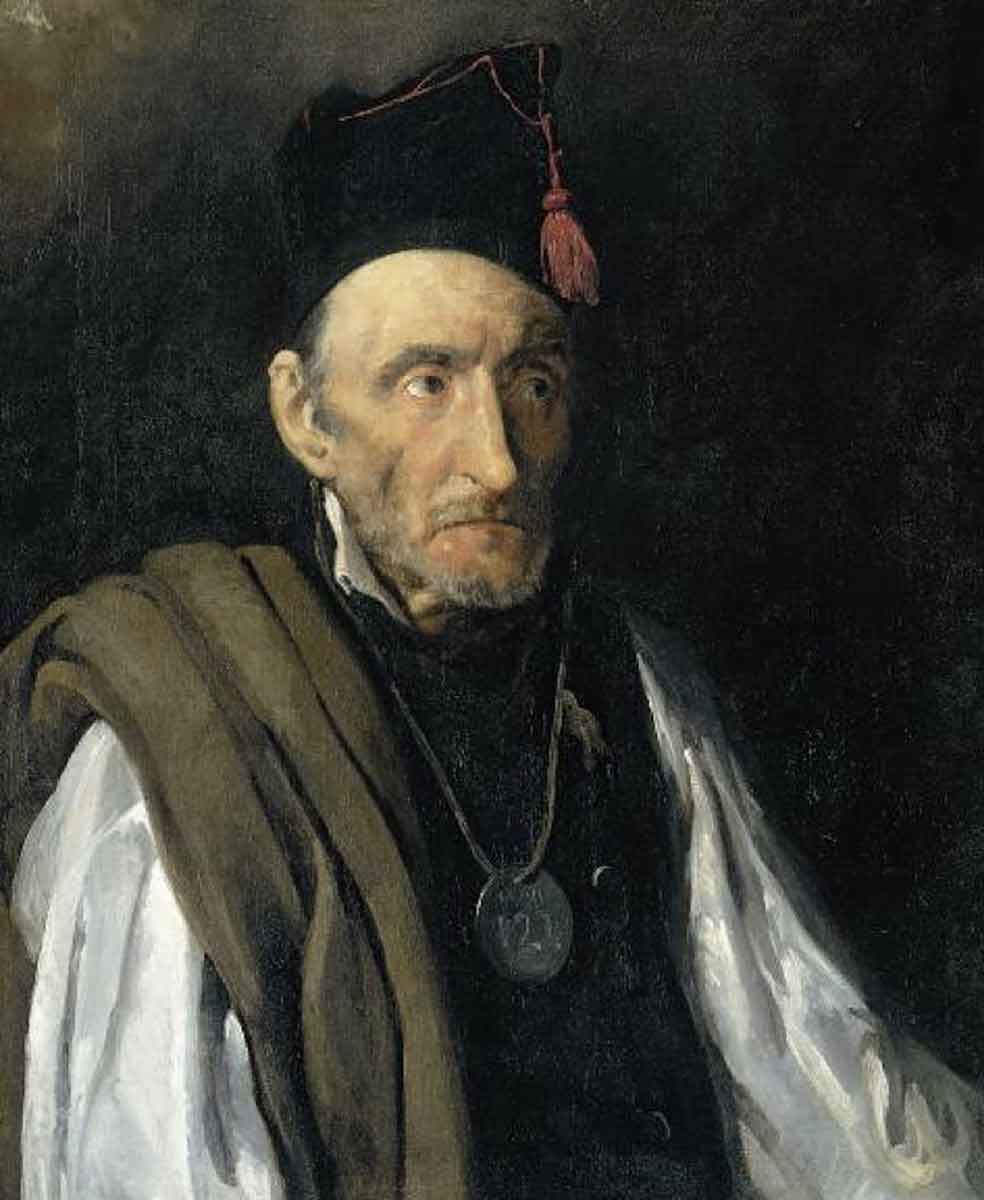
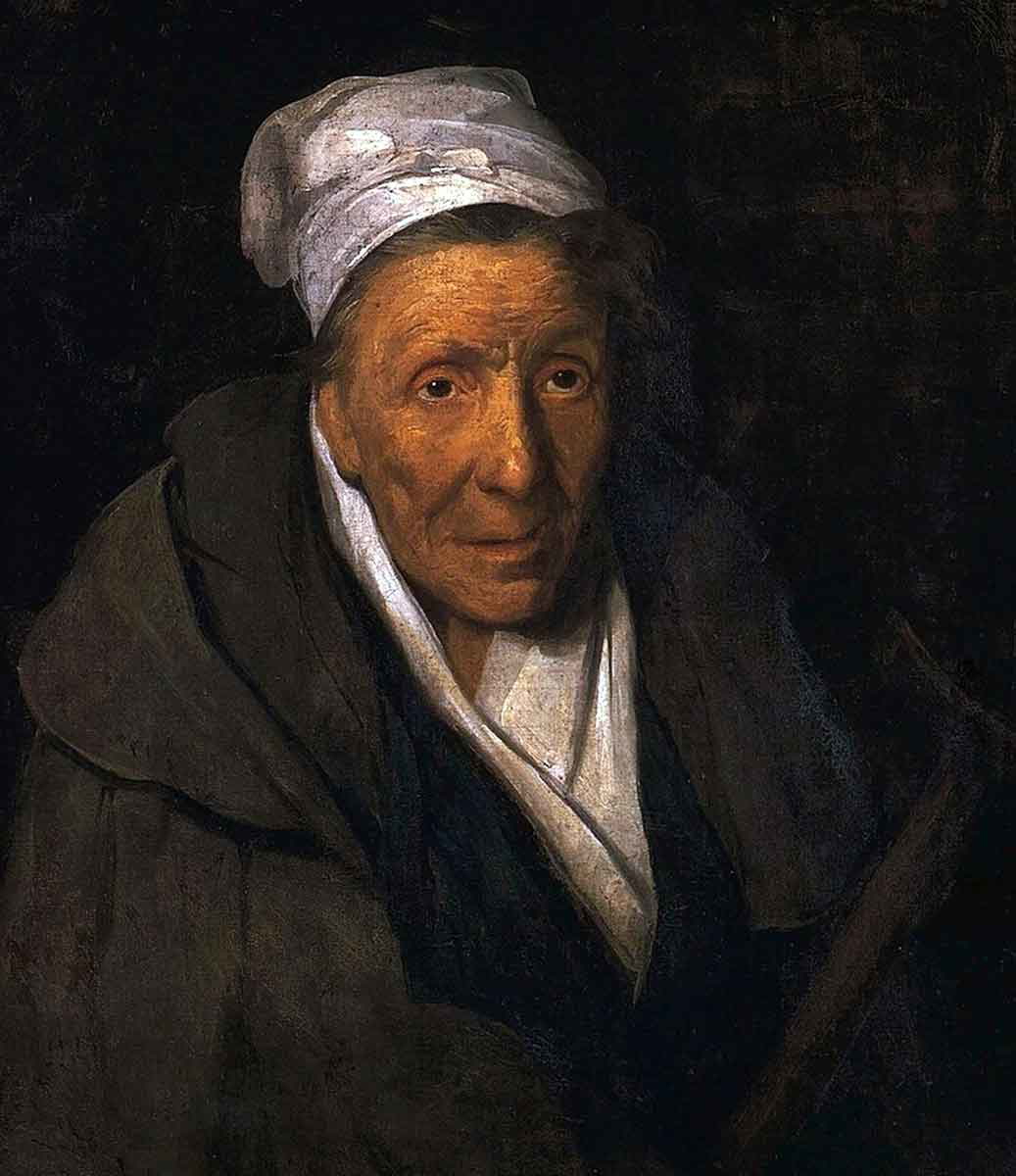
In 1822, Étienne-Jean Georget, a student and colleague of Esquirol, commissioned Géricault ten portraits of his patients suffering from various forms of monomania. Georget was the chief physician of the Salpêtrière asylum and intended to put his practice into theoretical use. The paintings were supposed to teach students and act as detailed illustrations of monomania manifestations. The series featured a kidnapper, a kleptomaniac, and an old woman addicted to gambling. The most striking figures, however, were the aged woman suffering from obsessive envy and unmotivated anger and the middle-aged man who believed himself to be a military commander. All these cases were described in detail by Georget and Esquirel, providing more insights into patients’ behavior and motivations.
After Étienne-Jean Georget died, the ten portraits passed to his students. Today, they are known only by surnames Lachèze and Maréchal. Lachèze’s part of the collection was later separated and sold to different collections. Yet, his five portraits were the ones that were familiar to art historians since the 1860s. The other half of the series, however, vanished without a trace.
The Missing Part
Géricault left no information concerning the series’s composition, and thus, researchers could not possibly learn what he painted on the remaining five canvases. There were, however, two prevalent theories. The first suggested that the second half of the series represented the same patients, either cured or at least noticeably improving after the treatment administered to them by Georget and his colleagues. The possible changes in appearance and behavior could illustrate how effective monomania treatment could be.
However, this theory had two serious setbacks. The first one is related to Théodore Géricault’s lifespan. The artist died two years after completing the five remaining portraits of the series. However effective Georget’s treatment could be, the time was hardly sufficient to create any serious before & after effects, let alone give the artist enough time to finish not one but five portraits. Another issue was the fact that Georget had two students who shared the paintings with each other. If Géricault indeed depicted the same patients twice, it would be rather odd to separate the double portraits.
The most prominent version suggested that the remaining five portraits represented five other patients of Étienne-Jean Georget and Jean-Étienne Dominique Esquirol. The hints to exact diagnoses and details of characters could be found in the writings and studies of both psychiatrists. Surprisingly, two centuries later, a hint appeared that could probably solve this mystery.
Théodore Géricault’s Asylum Series: Could the Mystery Be Solved?
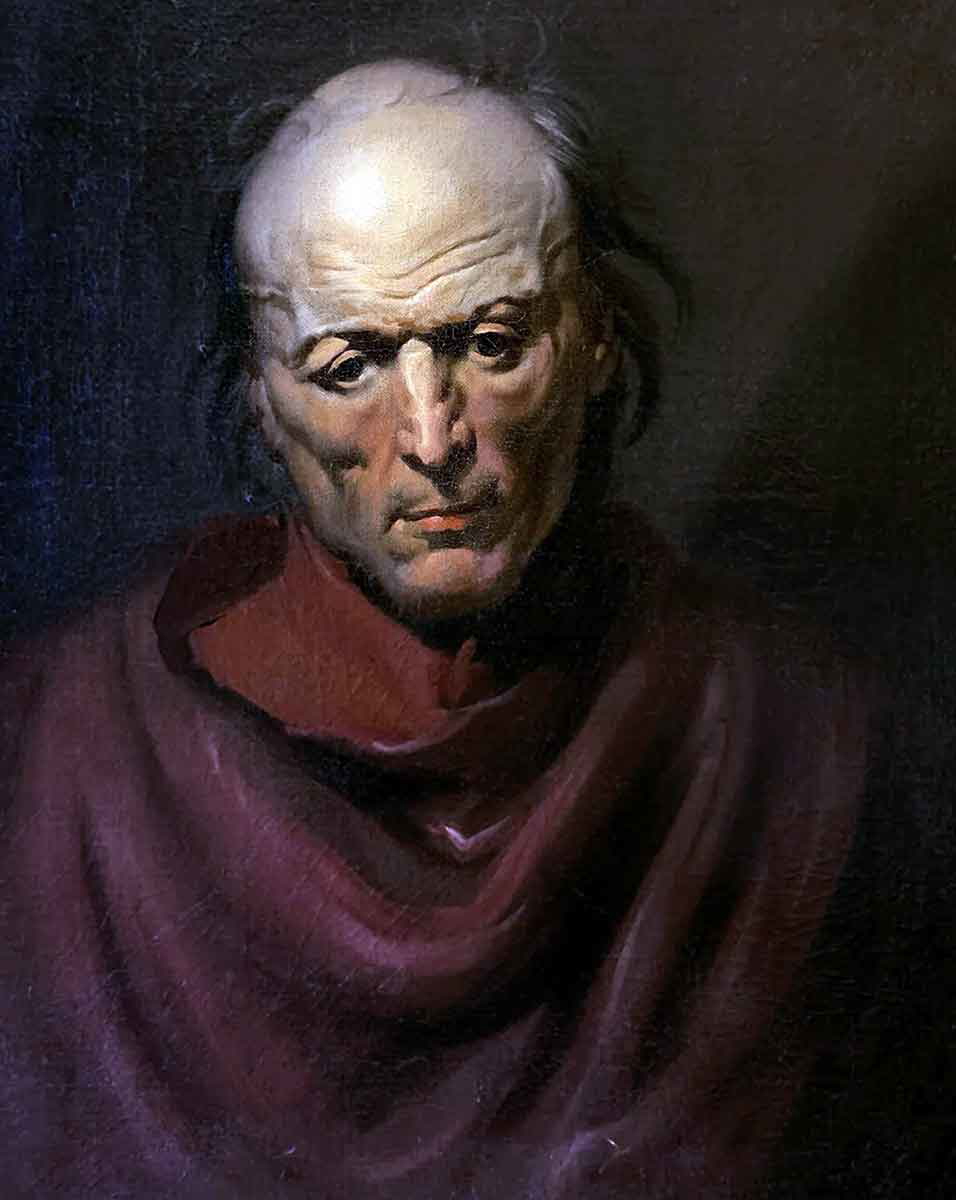
In 2013, a Spanish molecular biologist called Javier Burgos visited an exhibition Borderline: Artists between Normality and Madness in the Italian city of Ravenna. The show was focused on the artistic treatment of mental illnesses as well as their manifestations in the works of famous artists. Burgos had a deep interest in art but regarded it as a hobby. His primary field of work concerns neurodegenerative diseases such as dementia and or Parkinson’s disease.
One of the works in the Ravenna exhibition was a painting attributed by Géricault titled Portrait of a Man, Homo Melancholicus. The painting, which belongs to a private collector, represents a man wearing a red garment typical for Catholic clergy. His face expresses sadness and indifference, his wrinkled brows form a shape known in Géricault’s time as omega melancholicum, a distinctive sign of melancholy. Melancholia was a fairly common diagnosis, and it certainly was described in the writings of Georget.
Burgos noticed how similar the format of the portrait was to those featured in the Monomaniacs series. Indeed, the position of the head, its scale, and its angle, as well as the light source matched the other five works by Géricault. Upon closer inspection, Burgos noted that the red tone used for the man’s dress was strikingly similar to that used to paint the scarf on The Hyena of the Salpêtrière, the patient suffering from fits of anger and envy. In 2021, he published an article claiming that the painting belonged to the lost part of the series.
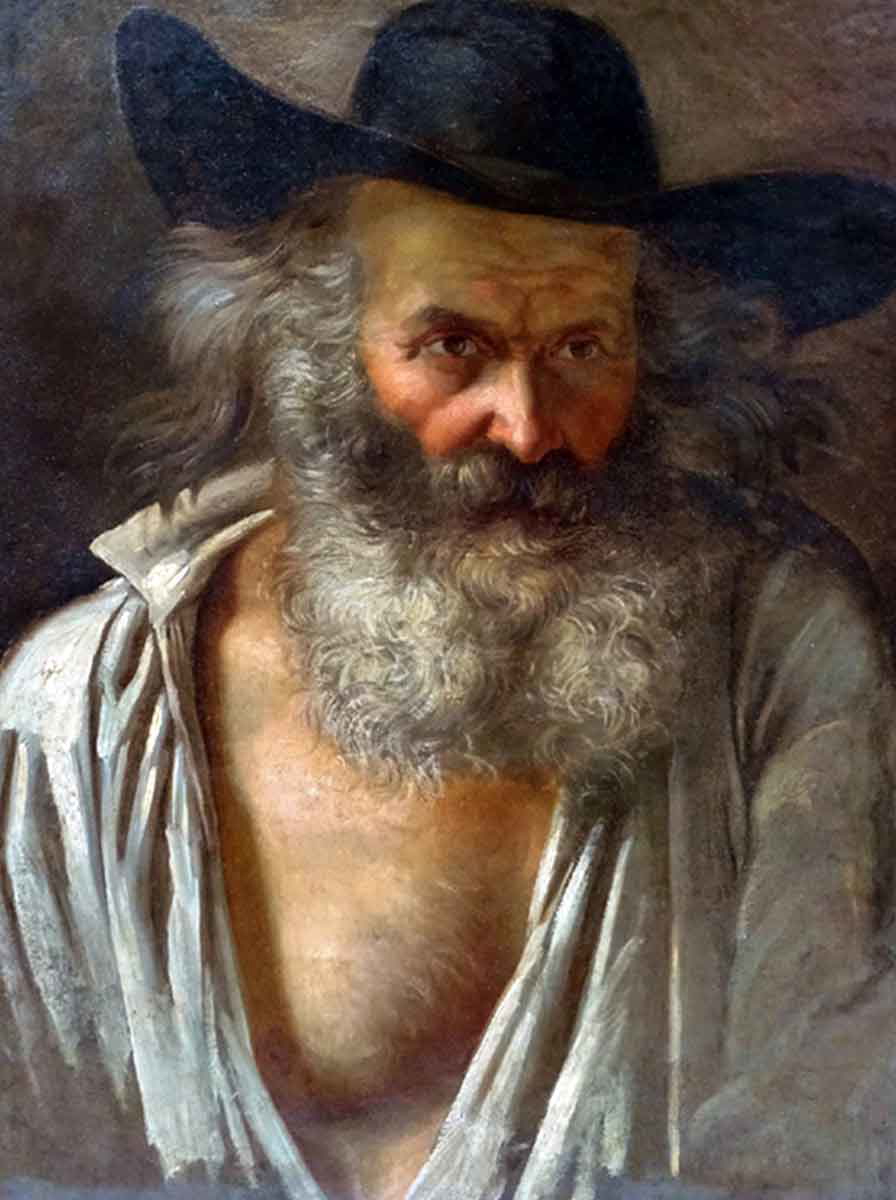
More discoveries followed. In 2022, Burgos located the second portrait, which depicted the monomania of drunkenness. He even found a half-torn label stating that this was the work of Géricault, given to its owner by the widow of Marechal, the second student of Georget. The man in the painting has a distinctive red nose, and bruises on his head probably caused by falling while intoxicated. He also demonstrates troubles with thermoregulation, typical for alcoholics: although he is wearing a winter hat, his shirt is wide open. Georget wrote extensively on how chronic alcohol intoxication could lead to dementia, which he studied.
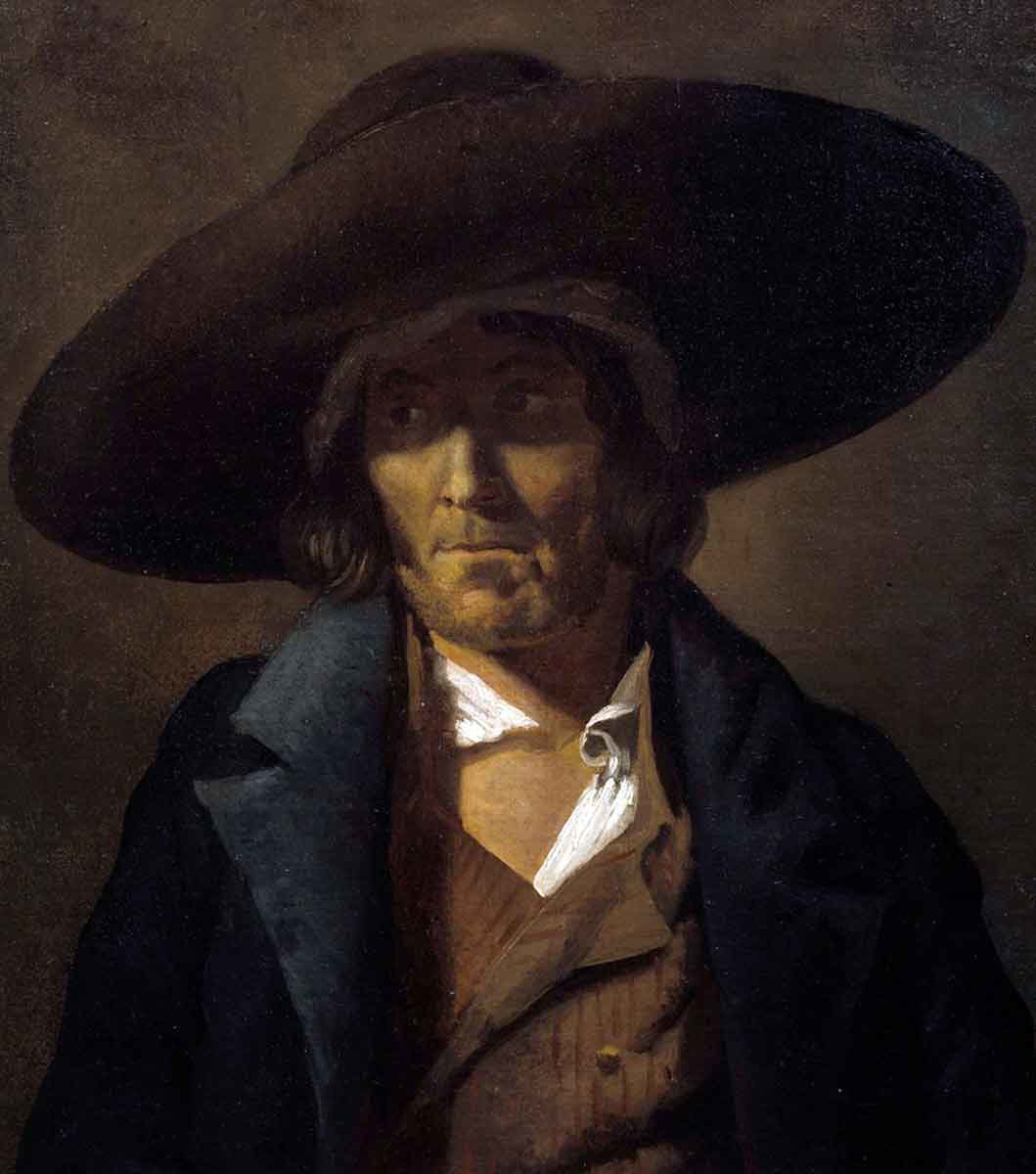
The most tragic yet questionable case Burgos uncovered was the third one. The painting known as Portrait of a Man, Called Vandeen was located in the Louvre the whole time. The man represented is wearing a costume typical for the Vendée region in France. His appearance corresponded to the clinical case described by Esquirol. He had a patient who was around 30 years old and experienced severe childhood trauma from witnessing the Vendée War—a conflict between pro- and anti-revolutionary crowds in the 1790s. The conflict was one of the most violent episodes of the French Revolution, with an estimated death toll of up to 200,000. The patient, exposed to violence and death in his early years, experienced panic attacks and general mental disturbance.
The Louvre purchased the portrait, attributed to Géricault, in the 1930s. Until recently, art curators believed it was painted during Géricault’s trip to Vendée. However, if Burgos’ theory is correct, that means the artist deliberately chose the costume to link the patient to his story. Esquirol wrote that the man avoided close contact and refused to be shaved.
However, not all art experts are enthusiastic about Javier Burgos’ hypothesis. Although the visual similarity of the portraits is obvious, the attribution of all three portraits to Géricault’s hand remains questionable. Even if these works were indeed painted by him, it does not necessarily mean they were part of the series. Still, Burgos’ theories did not meet radical opposition from most experts; rather, they insisted on further research and thorough attribution.