
While W.B. Yeats is remembered as one of the most influential poets of the 20th century, he was also an exceptional playwright. Yeats wrote 26 plays in his lifetime, all of which contain some of his most experimental and revelatory work. As a theater practitioner, he sought to strip the modern stage of its Realist trappings and replace them with the bare intensity of passion and poetry. William Butler Yeats’ theater plays blended Symbolist art, Irish myth, and Japanese dance theater into a haunting and unprecedented style of drama.
William Butler Yeats’ theater: Founding the Abbey theater
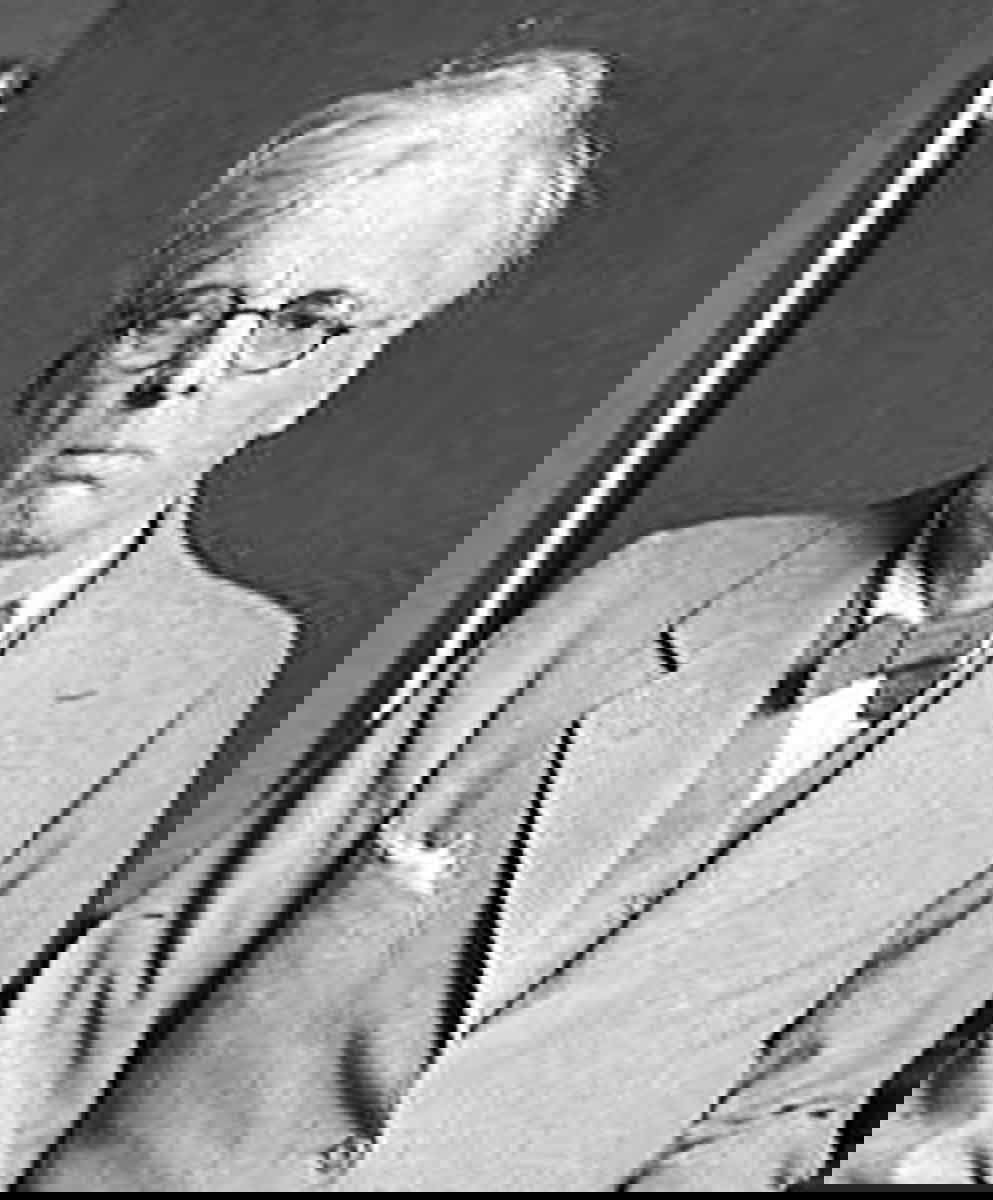
Yeats’ involvement with theater began in 1892 when he founded the Irish National Literary Society. This society brought Yeats into close partnership with fellow writers Lady Gregory and Edward Martyn. After co-founding the Irish Literary theater in 1897, Yeats and Gregory collaborated with the Fay brothers and Annie Horniman to establish the Abbey theater in 1904. Yeats was idealistic as the Abbey opened, believing that he had found a home for his aesthetic convictions.
In his eyes, the turn-of-the-century Western theater had deadened its audience’s imaginations. He thought of his time’s popular Realist and Melodramatic styles as invasive English influences and wished to counter them with a dramaturgy influenced by Symbolism, myth, and poetry. He imagined the Irish people in agreement with him when he wrote, “we love the dramatic side of events too much to [think] ‘a real locomotive engine’ or ‘a real fire engine’ to be a better form of drama than the heroic passions and noble diction of the great ages.”
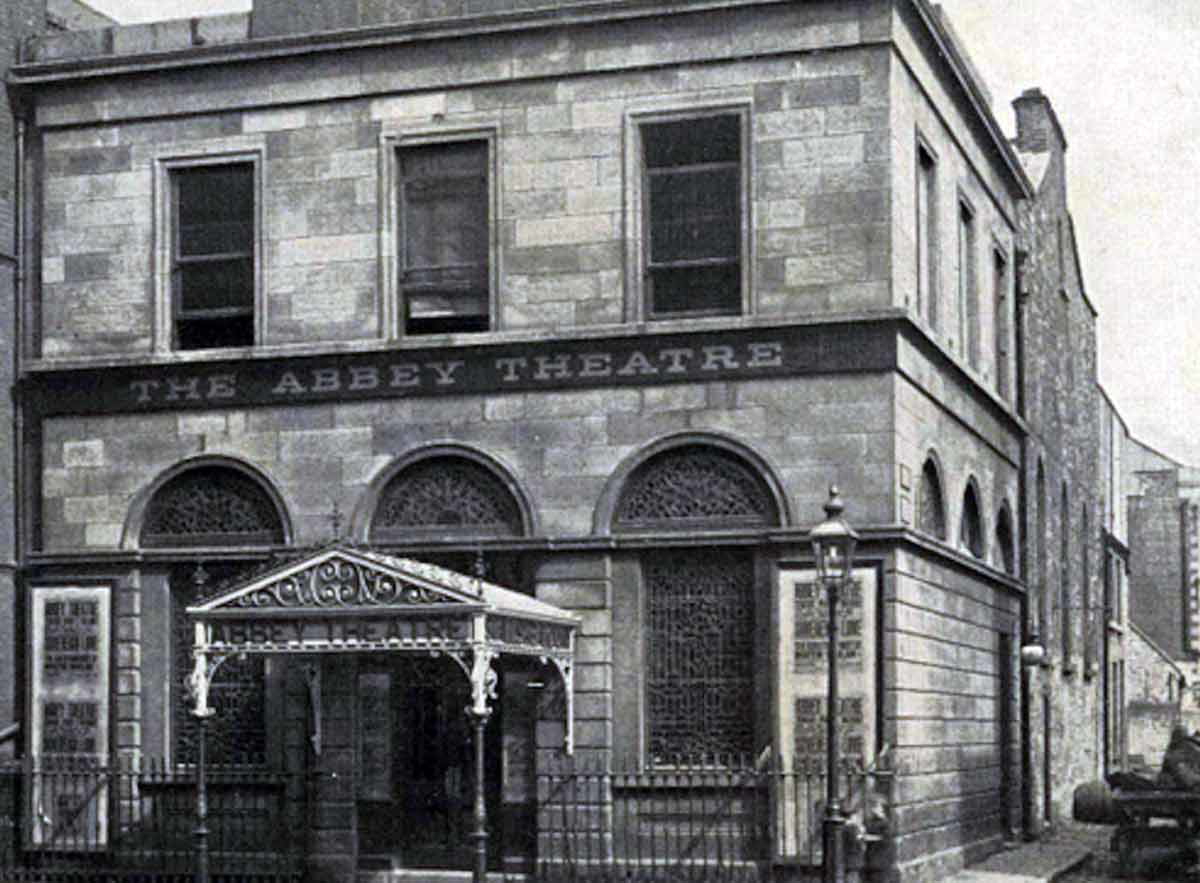
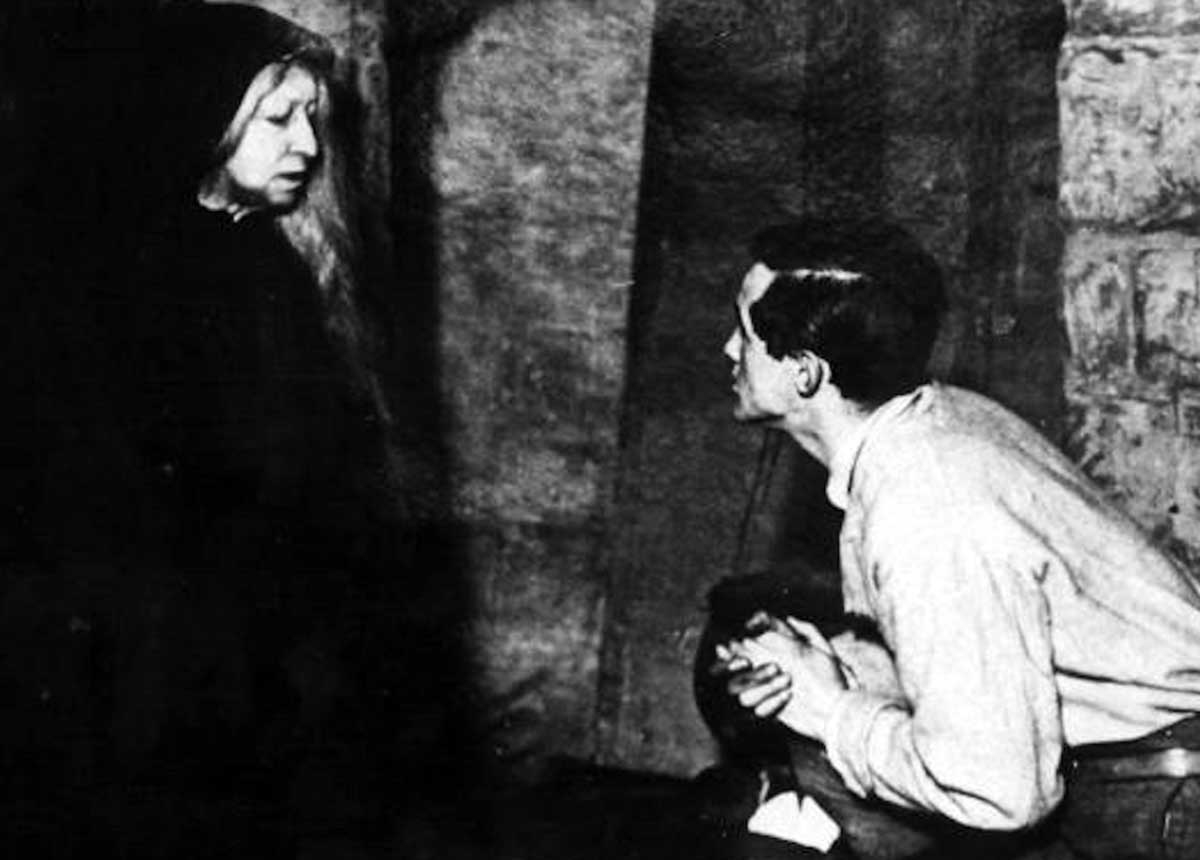
This early idealism cracked as the Abbey audience reacted to Yeats’ first plays. Though politically resonant with Ireland’s populus, The Countess Cathleen and Cathleen Ni Houlihan stimulated audiences in ways Yeats did not anticipate. The Countess Cathleen, whose protagonist sells her soul to two demons to save her Irish subjects, enraged Catholic critics, who found the protestant Yeats unfit to handle Catholic themes of repentance and martyrdom.
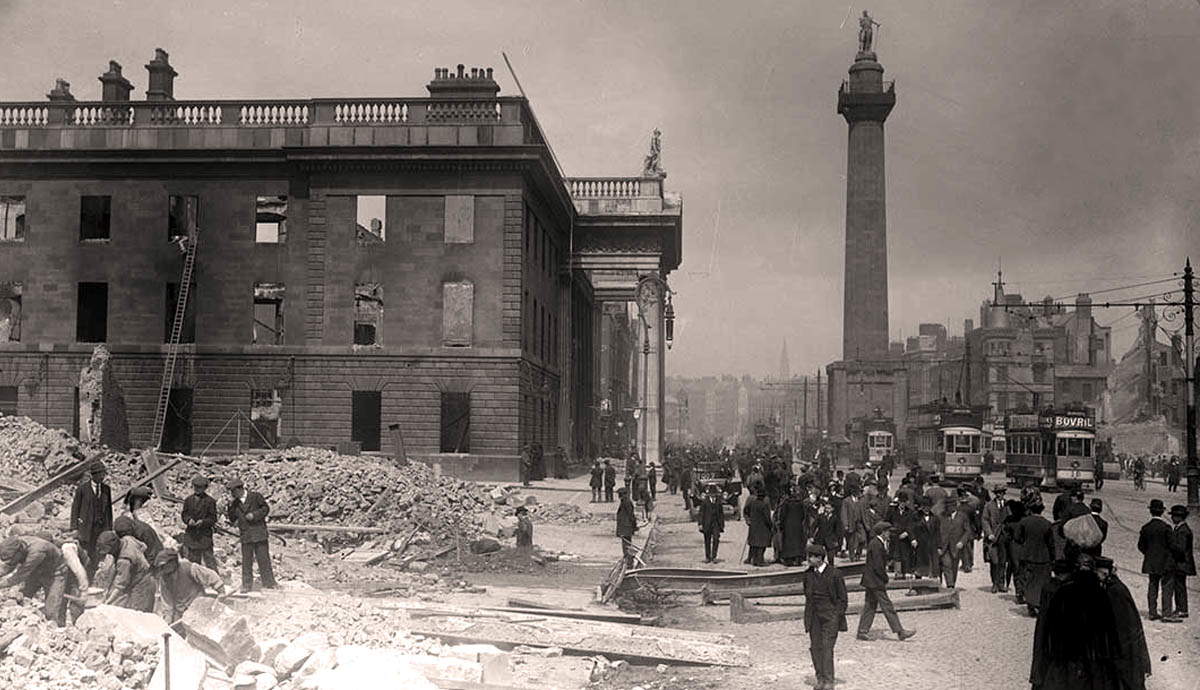
In contrast, Yeats felt that his audience received Cathleen Ni Houlihan too warmly. The play follows an old woman who embodies Ireland and persuades a young man to join the 1798 Irish Rebellion. Yeats later regretted the flagrant nationalism of this play, suspecting that it urged young men to join the 1916 Easter Rising, an event that loomed large in his writing. Haunted by the influence of his early nationalism, Yeats pondered Cathleen Ni Houlihan’s legacy in his poem The Man and the Echo.
Cuchulain, Myth, and Tragic Ecstasy
Despite his strained relationship with Irish politics, Yeats’ plays maintained their focus on Irish history and myth. His excursions into Irish heroic myth with Lady Gregory provided him with a wealth of material for his drama. While working on establishing the Abbey, Yeats also began dramatizing the myth of Cuchulain.
The Cuchulain Cycle, consisting of five finished plays published between 1903 and 1939, staged moments of heightened emotion in the life of Cuchulain, a warrior king of the medieval Ulster Cycle. His first dramatic treatment of Cuchulain, On Baile’s Strand, premiered at the Abbey in December 1904. Here, Yeats departs from the nationalism of his early plays and begins to explore the forces of passion, fate, and tragic beauty that he found lacking in the fin-de-siecle theater. On Baile’s Strand stages a reunion between Cuchulain and his son, who was sent to murder him. Initially declining to fight his son and wishing to befriend him, Cuchulain is enraged by an unknown force and kills him. The final scene, wherein Cuchulain curses his fate and battles the waves off Baile’s beach, occupied Yeats’ imagination for decades.
Yeats found in Cuchulain a symbol of tragic ecstasy, a dramatic force capable of “alluring us almost to the intensity of a trance.” Both hero and fool, father and filicide—“repellent yet alluring, self assertive yet self immolating”—Cuchulain promised a complexity of emotion that Yeats longed to capture. The plays after On Baile’s Strand mark a symbolic staging of protagonists struggling against fate and immortalizing themselves in the passion that Yeats described as “the straining of man’s being against some obstacle that obstructs its unity.”
The treatment of myth in On Baile’s Strand, along with his plays Deirdre, The Green Helmet, and The Shadowy Waters, further alienated Yeats from the Abbey audience, who found Yeats’ new style inaccessible. Yeats’ letters between 1905 and 1920 are littered with disappointment in his productions’ crowds, who repeatedly found his work lofty and boring. This period left Yeats disillusioned with the public audience, and he began to long for an exclusive audience receptive to ritual and symbolism.
Noh Theater, Stylized Performance, and Spirituality
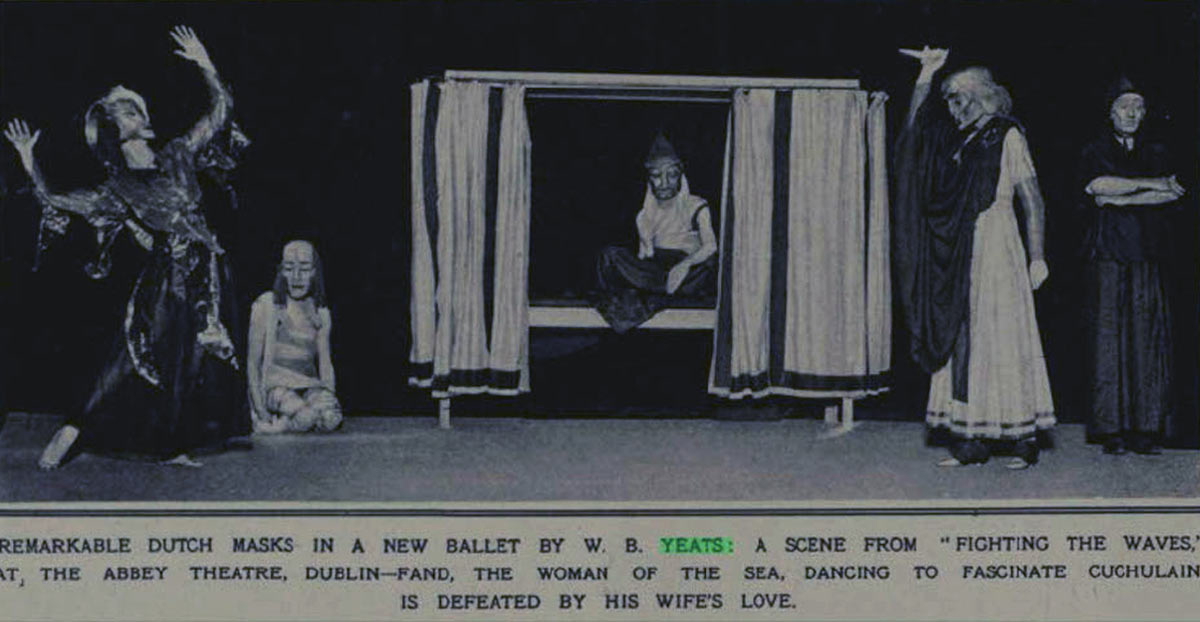
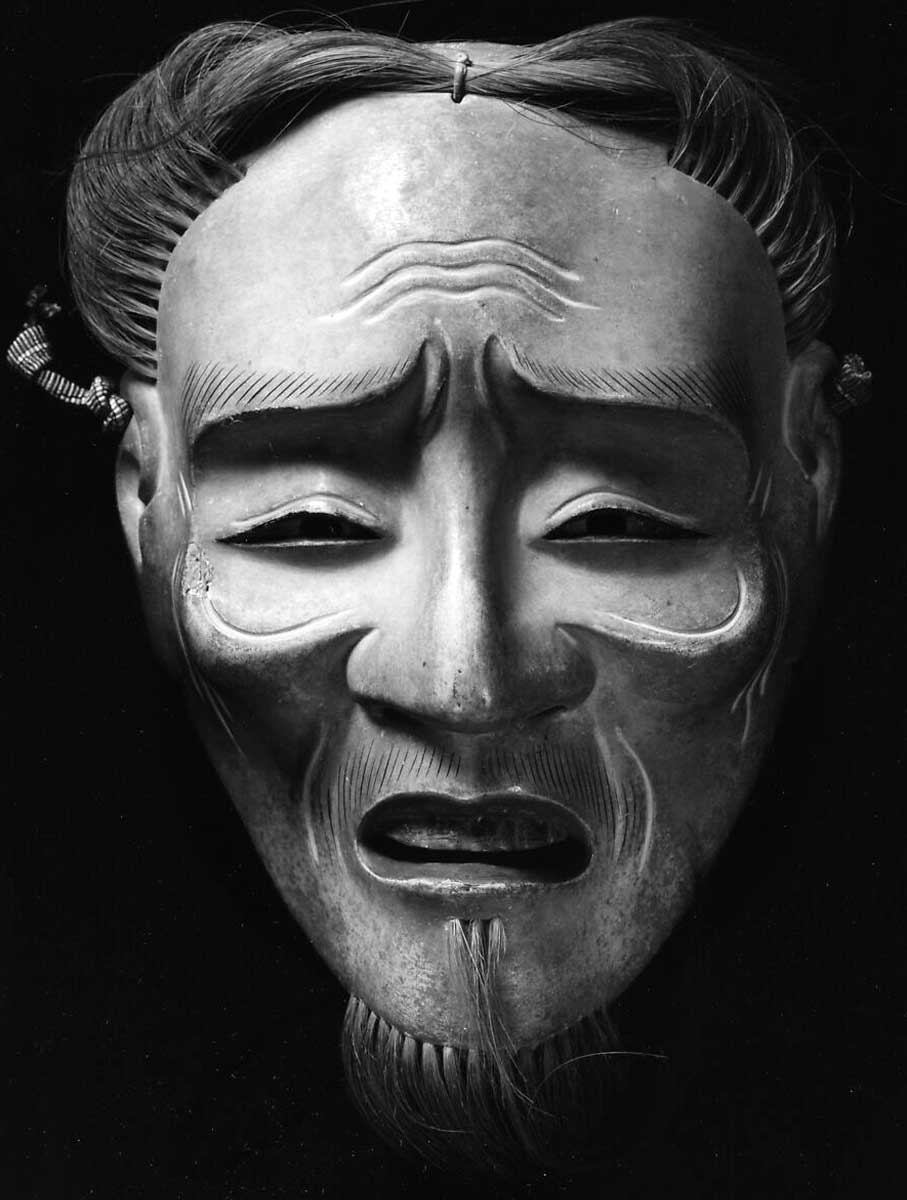
In 1913, Yeats rethought his approach to theater after discovering Noh, a genre of dance drama originating in 14th-century Japan. Noh offered him a method of trimming the realist setting and performance of his plays and focusing on poetics of evocation and passion. The bare trappings of the Noh stage, its aristocratic audience, and its abstraction of human movement through dance and masks all appealed to his anti-realist sensibility. His experiments with Noh culminated in his Four Plays for Dancers published together in 1921.
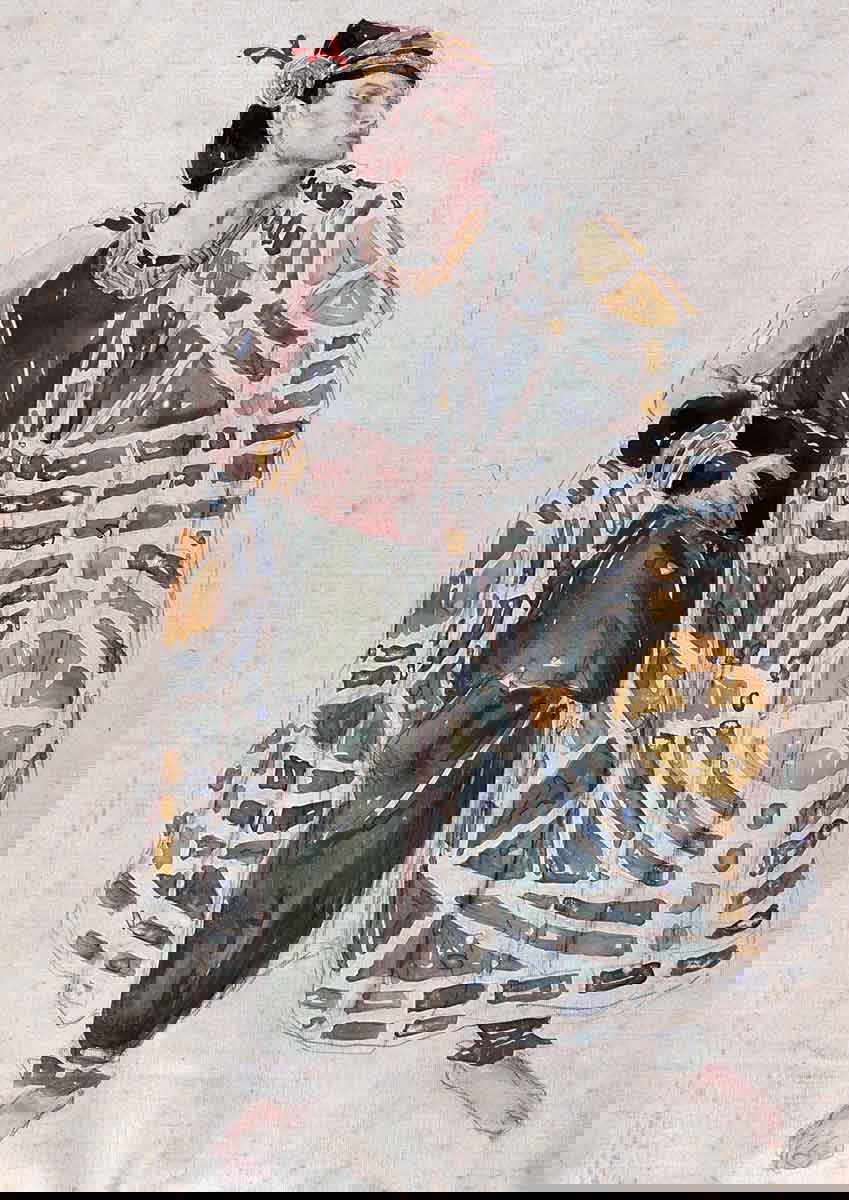
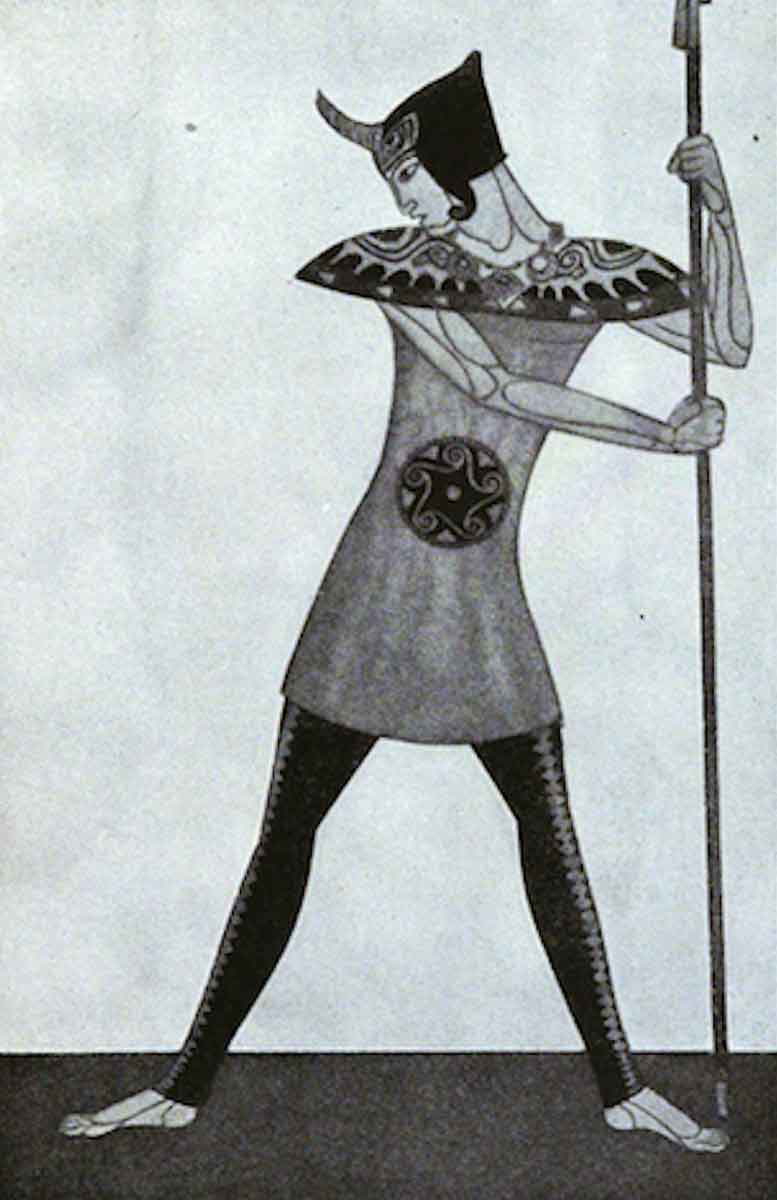
Two of Yeats’ Noh plays take Cuchulain as their subject. Yeats first read Noh through Ezra Pound and Ernest Fenollosa’s collection The Classic Noh theater of Japan. Yeats agreed with Fenollosa’s assessment that Noh plots were exceptional in selecting one intense emotion as their focus and elevating them to the plane of universality through intensity and purity of treatment. Cuchulain, Yeats’ champion of intensity and passion, finds new life in At the Hawk’s Well, the first chronological play of the Cuchulain cycle.
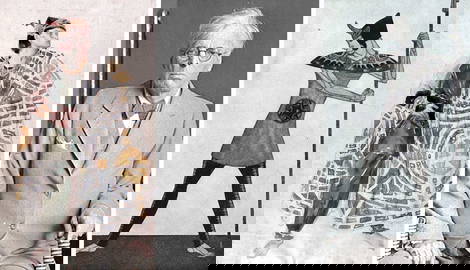
This play stages Cuchulain’s first brush with the goddess Fan, who guards a sacred well rumored to grant eternal youth to those who drink from it. An old man warns Cuchulain that if he meets Fan’s gaze, she will curse him. If cursed, Cuchulain will never live a peaceful life. Yeats put great effort into the mask designs and dance choreography of this play, wishing to elevate Cuchulain and Fan into archetypes of those “profound emotions that would exist only in solitude or silence.” He collaborated with the illustrator Edmund Dulac for the play’s artistic direction. Michito Ito, a Japanese dancer and modernist collaborator, danced the part of Fan and spearheaded the first production’s choreography.
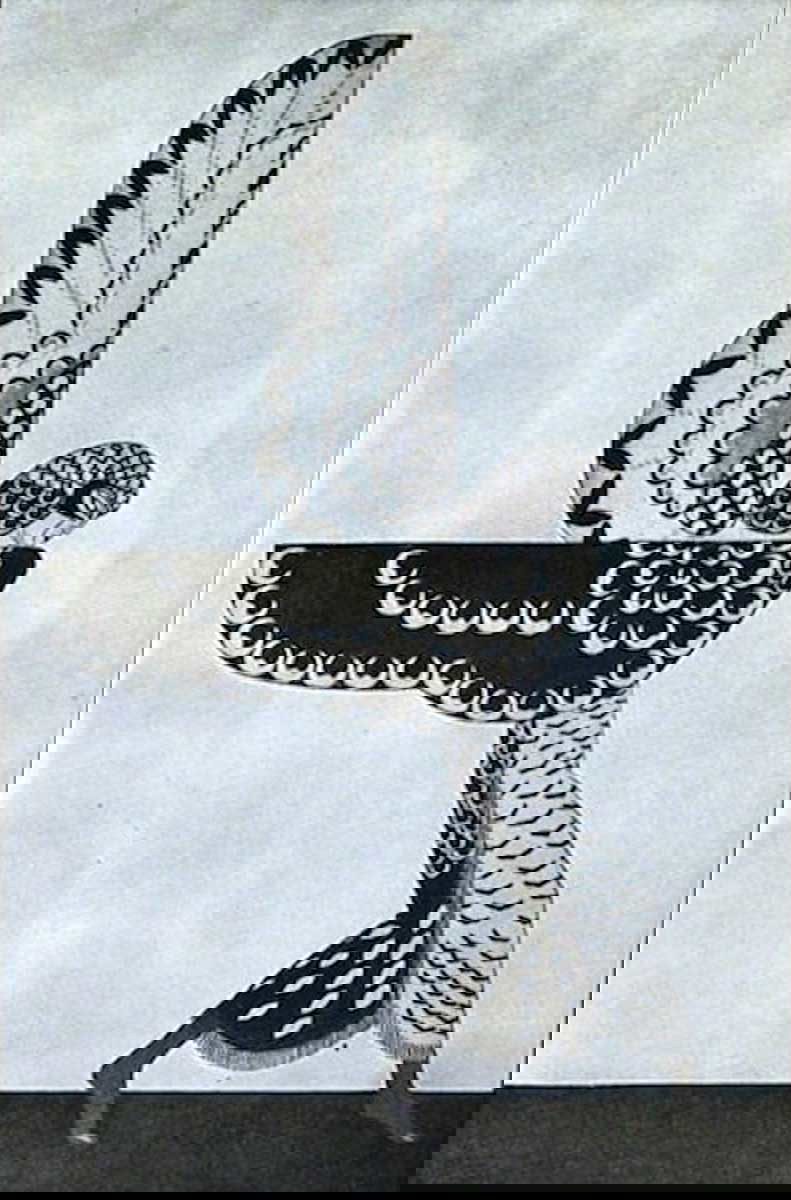
The Only Jealousy of Emer takes place directly after Cuchulain’s fight with the waves in On Baile’s Strand. Here, a spirit occupies Cuchulain’s body and tells his wife, Emer, that she must rescue his spirit from Fan, who now wishes to take him to the underworld. In keeping with Fan’s curse in At the Hawk’s Well, Emer must renounce her love for Cuchulain to rescue him. Yeats’ command of Noh style is clear in this play. A common subgenre of Noh, the Mugen or supernatural plays, commonly featured the Japanese spiritual world mingling with the world of the living. The Only Jealousy of Emer stages this perfectly, as two actors play Cuchulain’s body and spirit, and only once the spirit possessing his body touches Emer can she see the real Cuchulain and Fan. This play marks Yeats’ first dramatization of the supernatural, which would appear more heavily in his second collection of dance plays, the 1934’s Wheels and Butterflies.
Yeats’ most remarkable fusion of Noh form and Celtic myth finds expression in The Dreaming of the Bones. This play is based loosely on Nishikigi, a Mugen Noh play in which two lovers are doomed to spend their afterlives unable to touch each other. Yeats fuses the plot of Nishikigi with the story of Diarmuid and Dervorgilla, two lovers who led the Normans—and English rule by extension—into Ireland in 1170. The play is set directly after the Easter Rising. The protagonist is a young insurgent who encounters the ghosts of Diarmuid and Dervorgilla while evading British persecution.
The ghosts of the lovers beg for the protagonist’s forgiveness, claiming that their suffering would end if “somebody of their race at last would say/ ‘I have forgiven them.’” Though moved by the ghosts’ agonized pleas, the young man looks upon the wreckage left by British forces and refuses to forgive them. As the ancient lovers perform their dance of longing, the young man’s rejection bridges the gap between ancient mistakes and their tangible modern consequences.
Final Years: Mortality and Rebirth in William Butler Yeats’ Theater
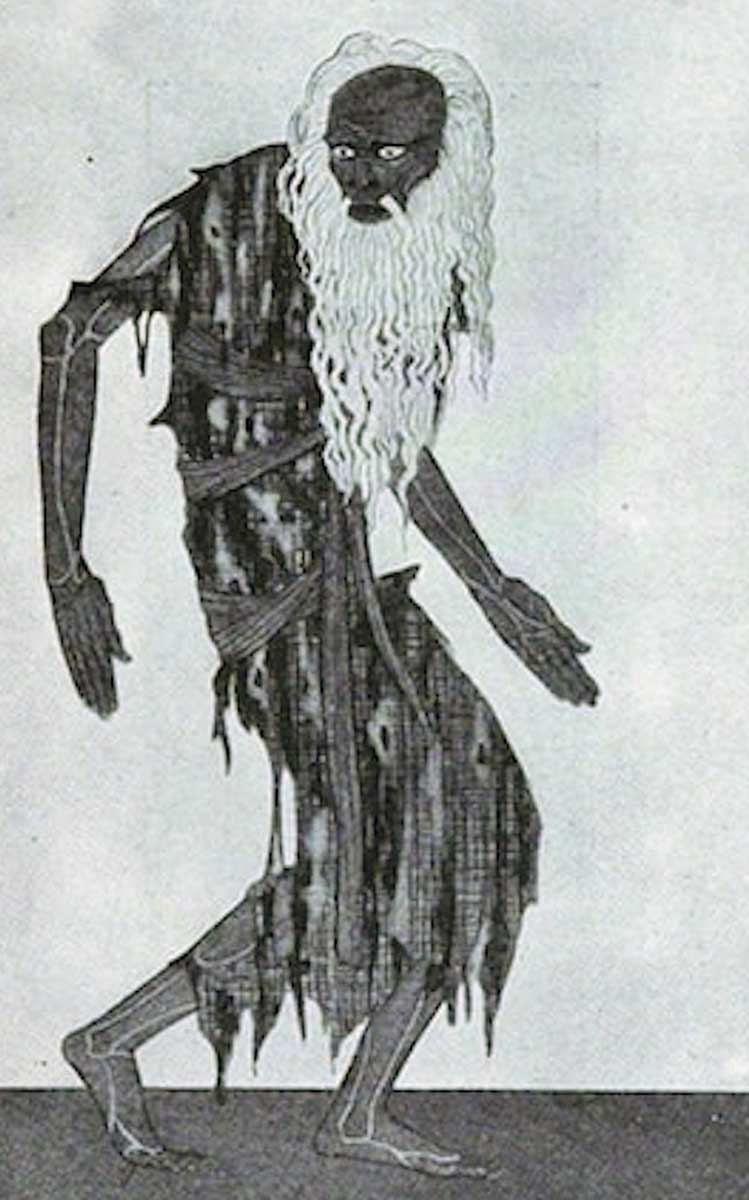
No productions of Yeats’ final plays were staged during his lifetime. He remained as diligent a playwright as his health permitted, but his relationship with Ireland’s modern audience remained hostile. Yeats’ writings about theater in his final decade were equal parts bitter and remorseful. His life-long struggle with modernity reappears in his last plays, whose tones are acerbic and anti-modern.
His haunting 1939 play Purgatory follows an old man who seeks to end the cycle of decay that his mother brought upon her family by marrying below her class position. The play’s inclusion of suffering spirits and redemption in the afterlife is reminiscent of Noh drama, but its themes communicate Yeats’ late interest in eugenics and aristocracy. Thus, when the old man declares it a capital offense to “kill a house/ Where great men grew up, married, died,” Yeats’ voice sounds alarmingly elitist.
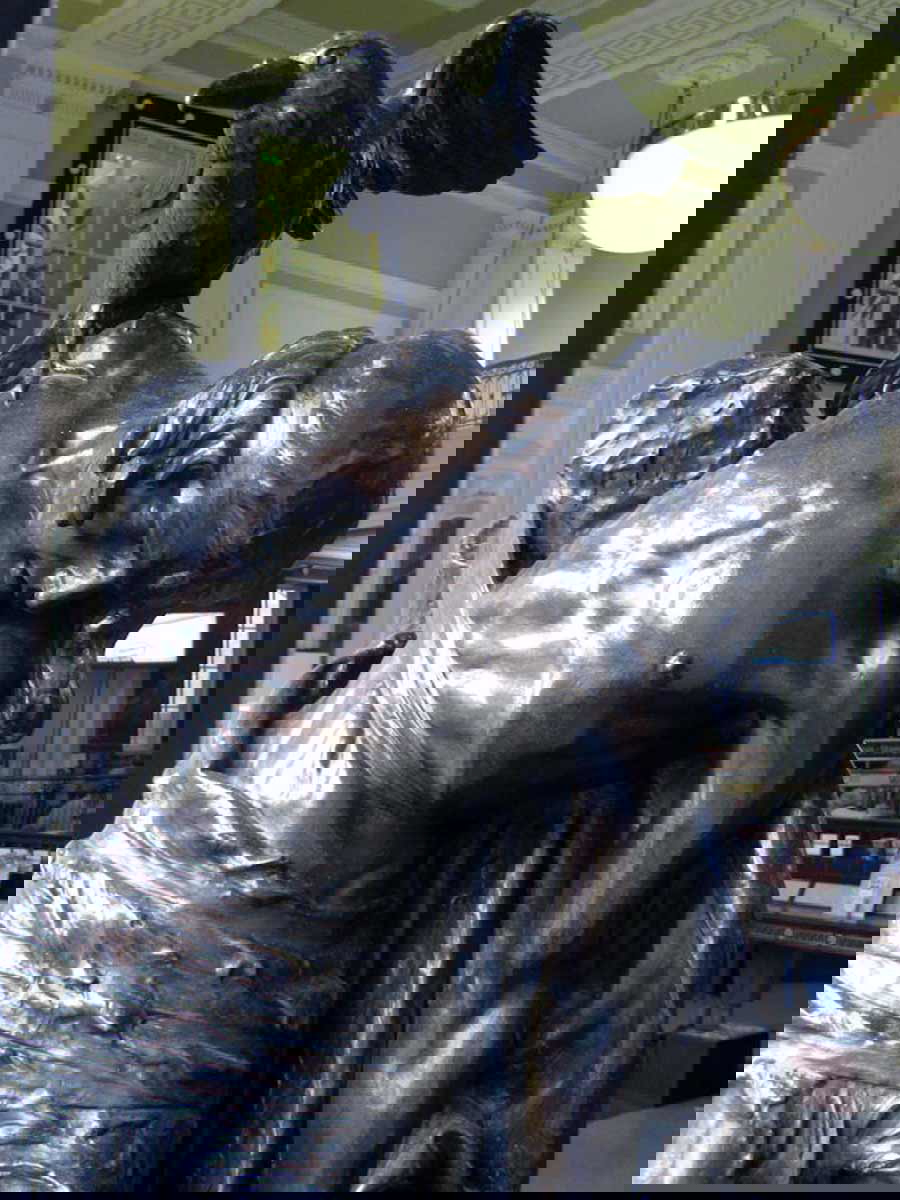
Yeats’ bitterness most explicitly colors the tone of his final play, 1939’s The Death of Cuchulain. He sets the beginning and end frames of this play in the 20th century, where he ponders the efficacy of myth and heroism in post-revolutionary Ireland. The play is introduced by a “very old man looking like something out of mythology,” clearly meant to be a self-insertion. The old man condemns his modern audience and laments his isolation as a play director. The play’s closing song, performed by modern Irish fair singers, commemorates Cuchulain’s legacy by asking if he “stood in the Post Office/ With Pearse and Connolly” in 1916. The song closes with an allusion to Oliver Sheppard’s 1935 statue The Death of Cúchulainn, which stands before the Dublin Post Office to honor those killed in the Easter Rising. Here, as in The Dreaming of the Bones, Yeats puts the mythic and modern in open conversation.
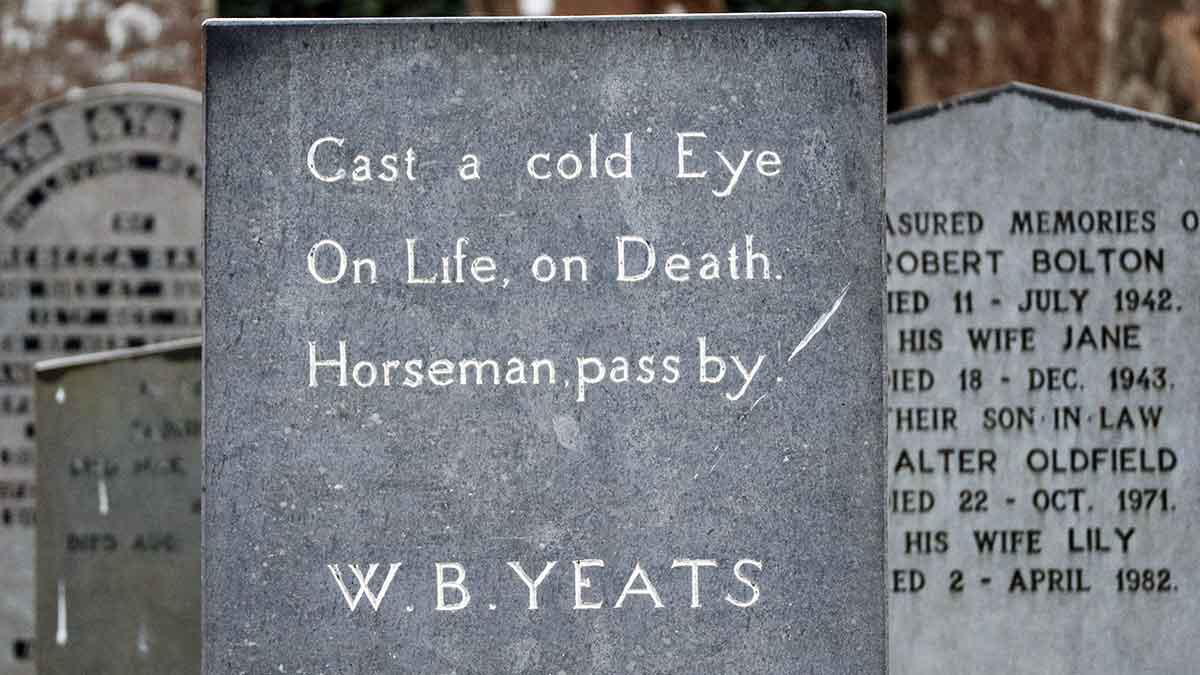
Yeats finished The Death of Cuchulain mere months before his own death. He treats Cuchulain’s death with careful attention to the issues of legacy and rebirth—both of which held newfound existential weight in his final days. His letters explaining this play feature an image of death as the meeting of two cones (or whirls), the apex of each in the other’s base. In death, he believed, the human spirit would take a form opposite to the form it held in life.
Thus, when Cuchulain is killed for pennies by a beggar, he sees the future of his spirit as a soft feathery shape singing a birdsong. Yeats believed that beauty was the result of emotional toil in past lives and that those who suffer will take peace and elegance as their final forms. Bearing witness to so much modern suffering in his lifetime, he must have dedicated Cuchulain’s final birdsong to a far-off future free from the conflict and upheaval he witnessed in the early 20th century.