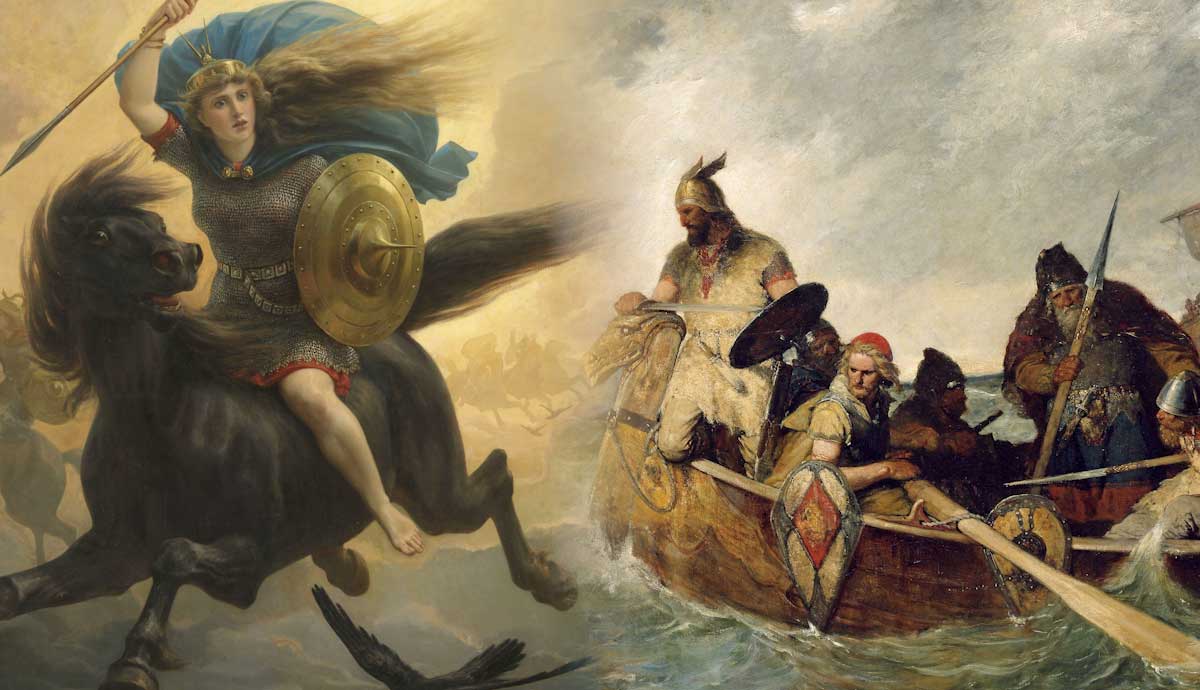
In popular imagination, the idea of Vikings conjures images of violent raiders, sailing the seas and ravaging villages, towns, and monasteries in their quest for blood and gold. It certainly doesn’t generate popular ideas of democracy and women’s rights! The truth is, of course, far more complex and nuanced—and can be quite surprising.
The Vikings had a dynamic culture that was, in fact, progressive for women at the time, and offered freedom that was hard to come by in the rest of Europe and, indeed, the world.
Viking Women and Domestic Roles
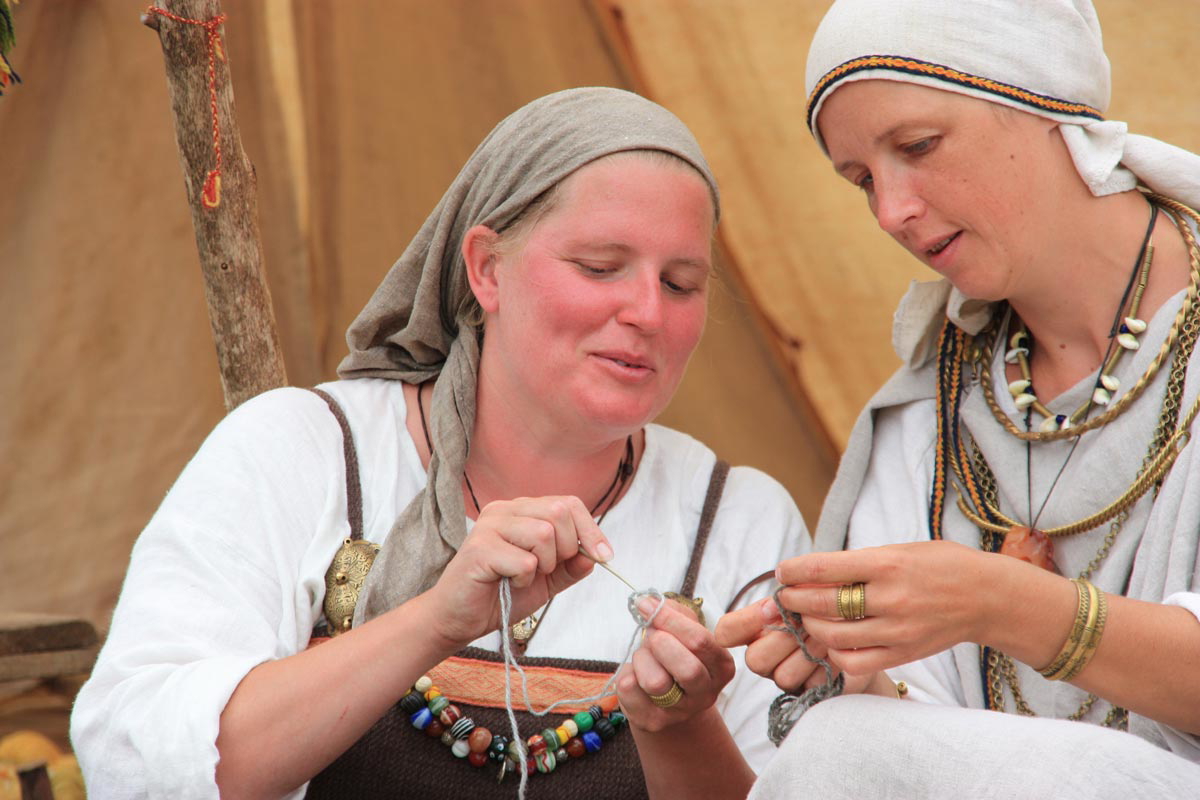
Social roles for women during the Early Medieval Era or “Viking Age” had a common thread, whether they were in Southern Italy, the British Isles, or the icy forests and mountains of Scandinavia. Looking after the home was an important job in any society, and in Viking society, like the rest of Europe, this role generally fell to women. The role of a husfreya (housewife/housemistress) was important and valued. As a symbol of their authority, Viking women wore the keys to their homes on their belts.
Viking women generally had more freedom than their counterparts in the rest of Europe. There were limits, however. Legally, women were still regarded as inferior to men, and the majority of women were expected to look after the home. It was, however, likely that men and children also helped in the daily household tasks. When men were away, women were responsible for the upkeep of the farm. Some properties were extremely large, especially among the nobility, and played host to feasts and banquets that were of vital social and political importance. Women were expected to run the events, and in this context, were similar to business managers today. This included managing the household finances.
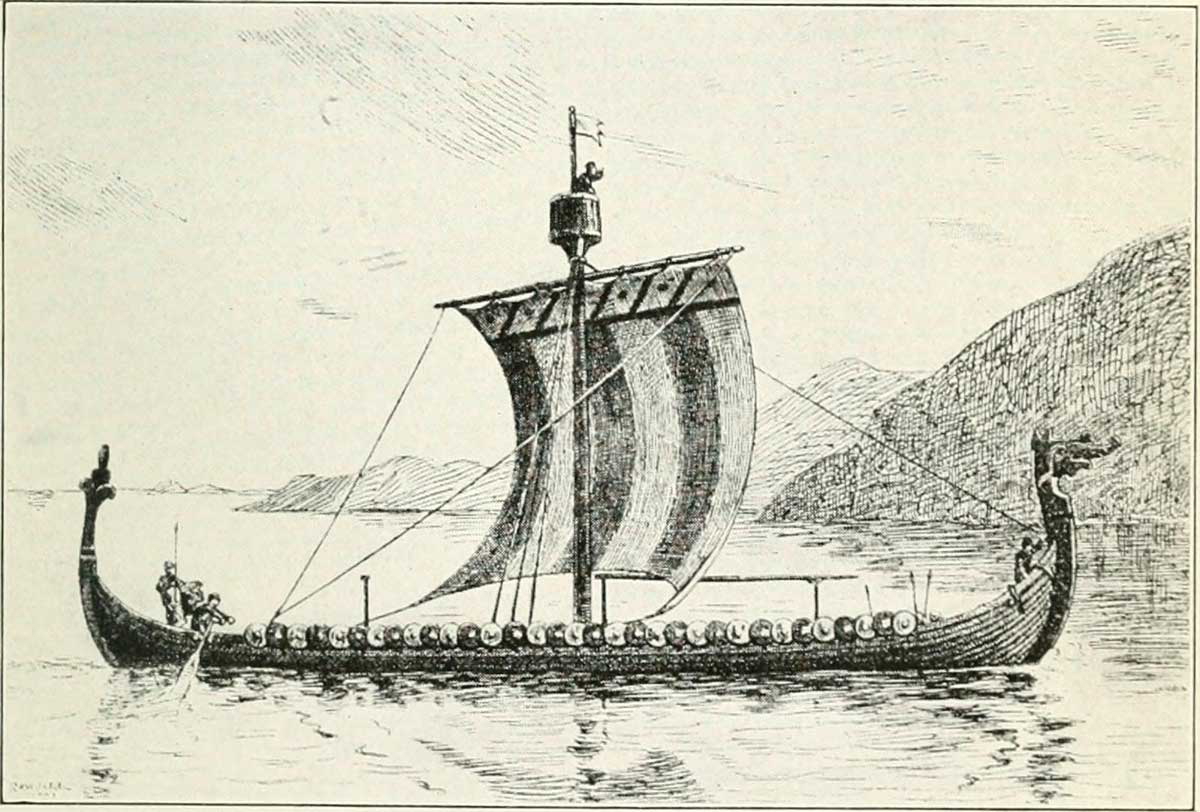
Women also spent time spinning yarn and weaving, as was the case in other European societies of the time. Given their involvement in the production of textiles, they were also involved in its trade, and many Viking women were free to become entrepreneurs and engage in business selling textiles. Weaving was incredibly important in Viking society, not just for making clothes. Making the sails for Viking ships was an immense task that involved a range of complex methods and two types of wool. It fell to women to ensure that the sails were of the highest quality weave and were capable of turning longboats into ships worthy of long-distance voyages around Europe and into the choppy waters of the Atlantic. It required whole communities and years of work just to create a single sail.
Viking Women and Their Legal Standing
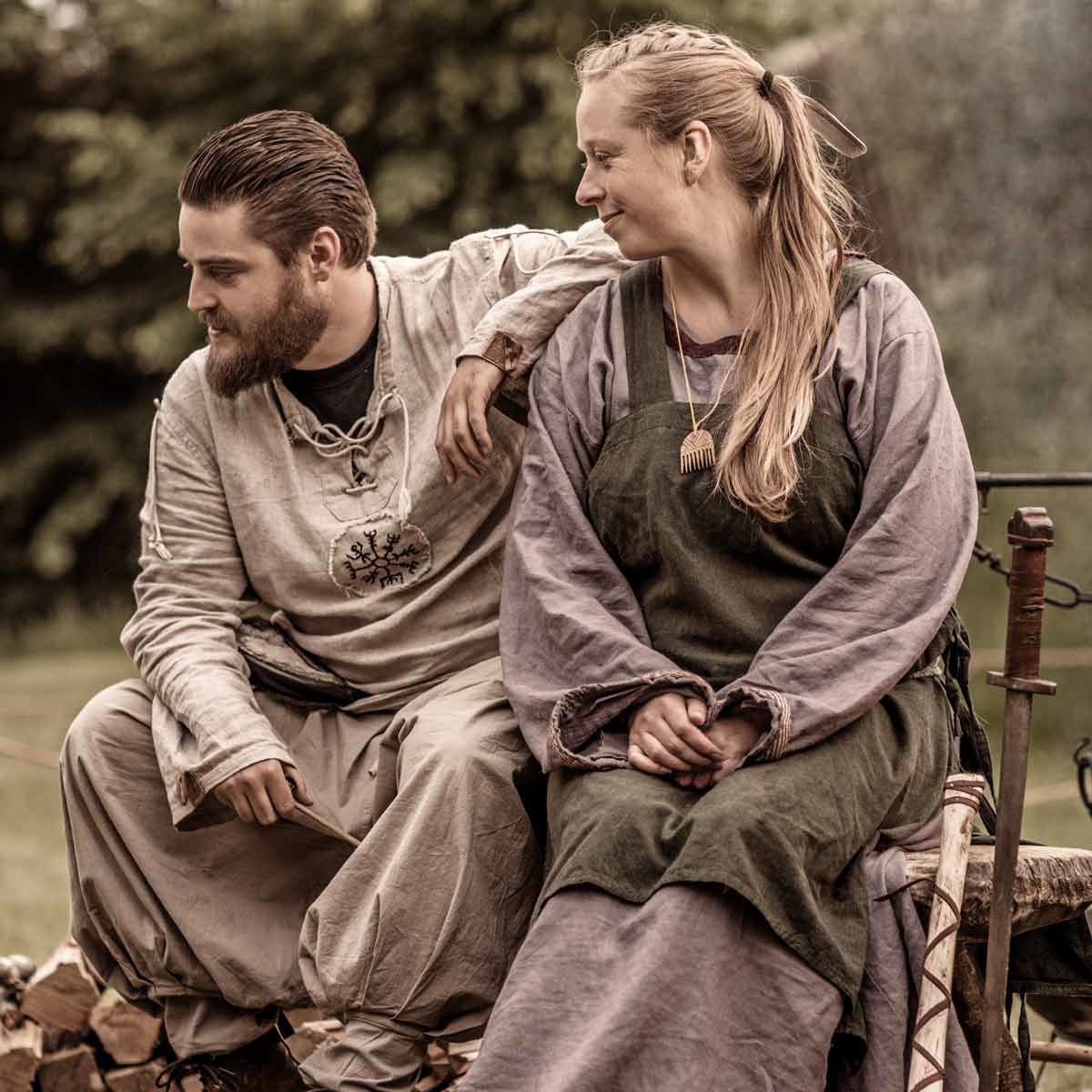
Surprisingly progressive for the era, Viking laws regarding women allowed for freedoms that were rare compared with the laws that bound women in other European societies. Women could inherit and own property. This gave women a certain degree of economic independence that was unusual for the time. Some women accrued considerable power due to their financial and social status.
In matters of marriage, the dynamic was similar to that in the rest of Europe. Marriage was often arranged, and women were expected to be conservative by today’s standards. Women were expected to be virgins upon marrying and to be faithful in marriage. This was not just a cultural practice, but a pragmatic response in part due to the lack of effective birth control. While this is a modern interpretation, it is likely an underlying factor in the Viking dynamic. Illegitimate children brought families into disrepute and economic hardship. Maintaining the purity of the bloodline was crucial to improving social status.
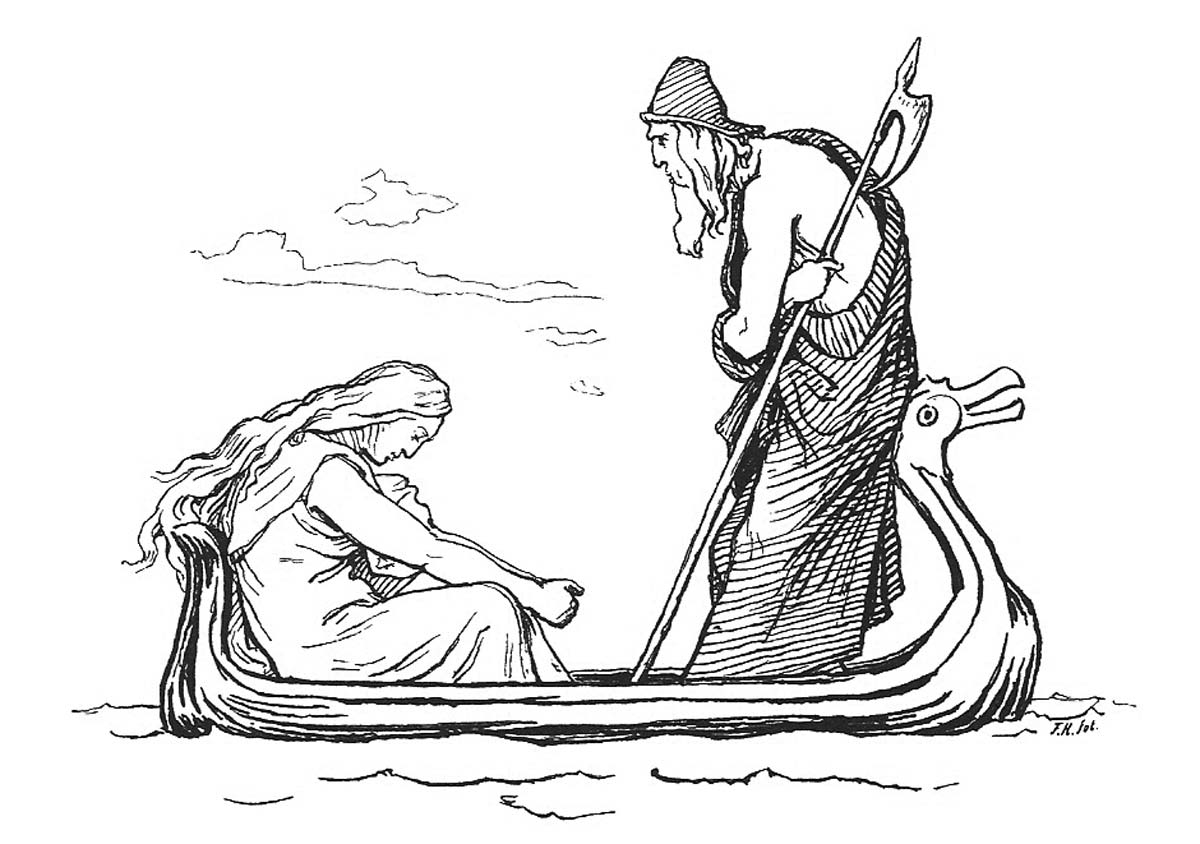
Women could not consent to marriage in the legal sense, but it was good practice to seek their approval. Fathers generally consulted their daughters before marrying them off. This was wise given that in Viking society, women could file for divorce, citing reasons of neglect, abuse, sudden poverty, or inability to provide, or even if the couple simply didn’t get along. Women were entitled to reclaim their dowry and often a share of the property in such a case, while men were entitled to their mundr— the bride-price or collateral they paid to the bride’s family.
Viking women could not vote, but were allowed to take part in political processes. Their concerns were heard in the thing—the council or parliament. Women who were highly respected and had significant social standing were sometimes invited to directly participate in the decision-making process.
Viking Women Beyond Hearth and Home
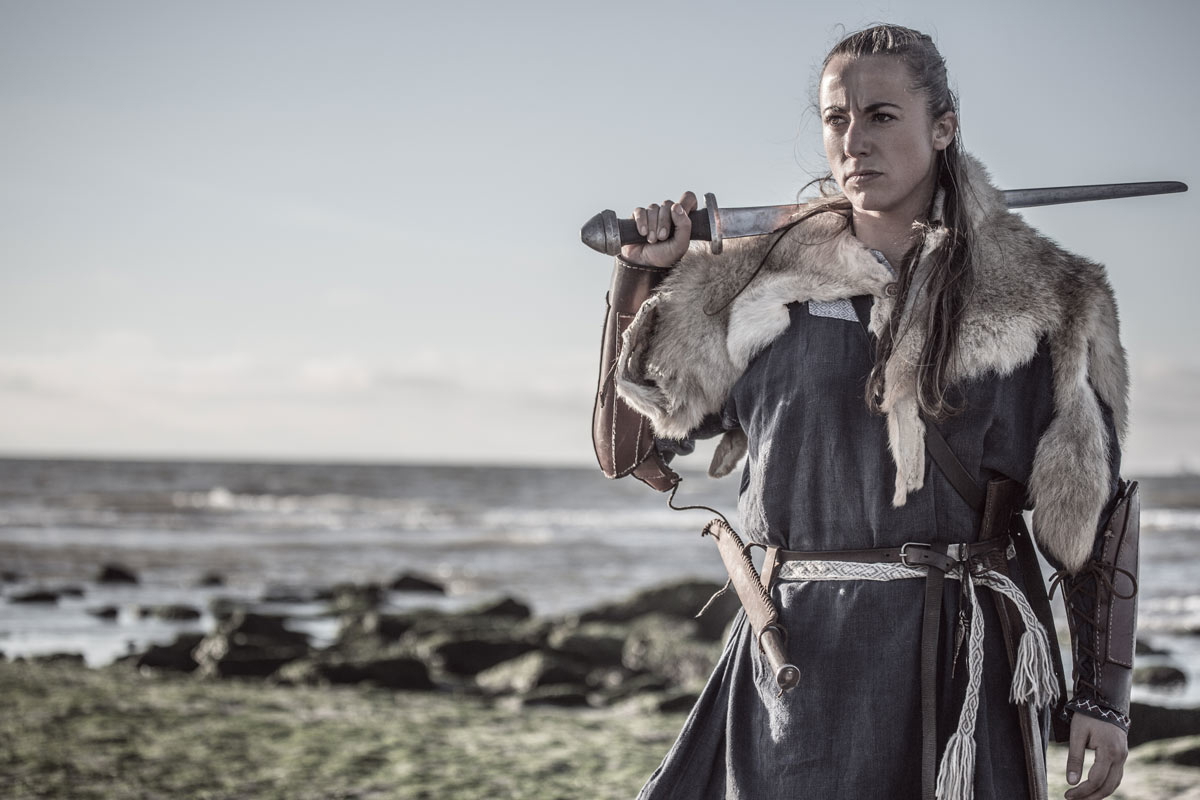
Viking women weren’t always confined to the running of the household. In the legends and the sagas, they were important characters who were seers, witches, heroes, villains, lovers, and warriors of great renown. The distinction between the legends and reality, however, is a hotly debated subject.
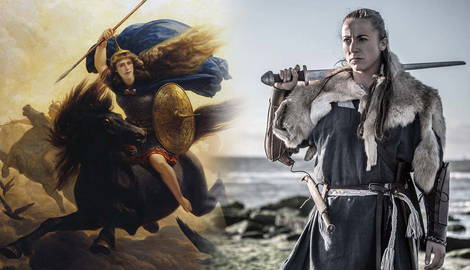
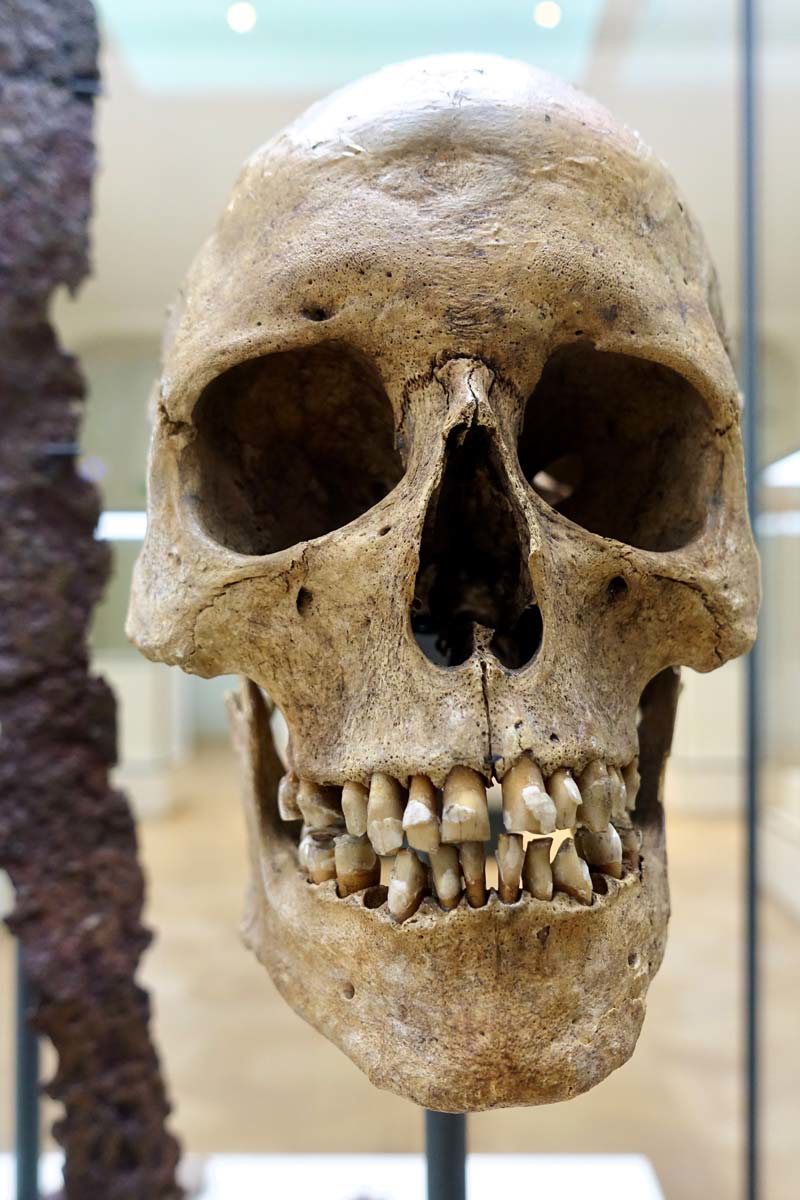
One such example is the existence of “shieldmaidens,” Viking women who became warriors. There is evidence to suggest this was an occurrence. In Solør, Norway, a grave of a Viking was discovered, which included a hoard of weapons. DNA testing later revealed the remains to be those of a woman, and a dent in her skull, as well as the damage to her shield, could suggest she took part in combat. Another grave in Birka, Sweden, was also that of a woman buried with weapons, with some academics suggesting she was a high-ranking warrior. This interpretation, however, is debated, and the goods could indicate that she was a prestigious member of society rather than an actual warrior.
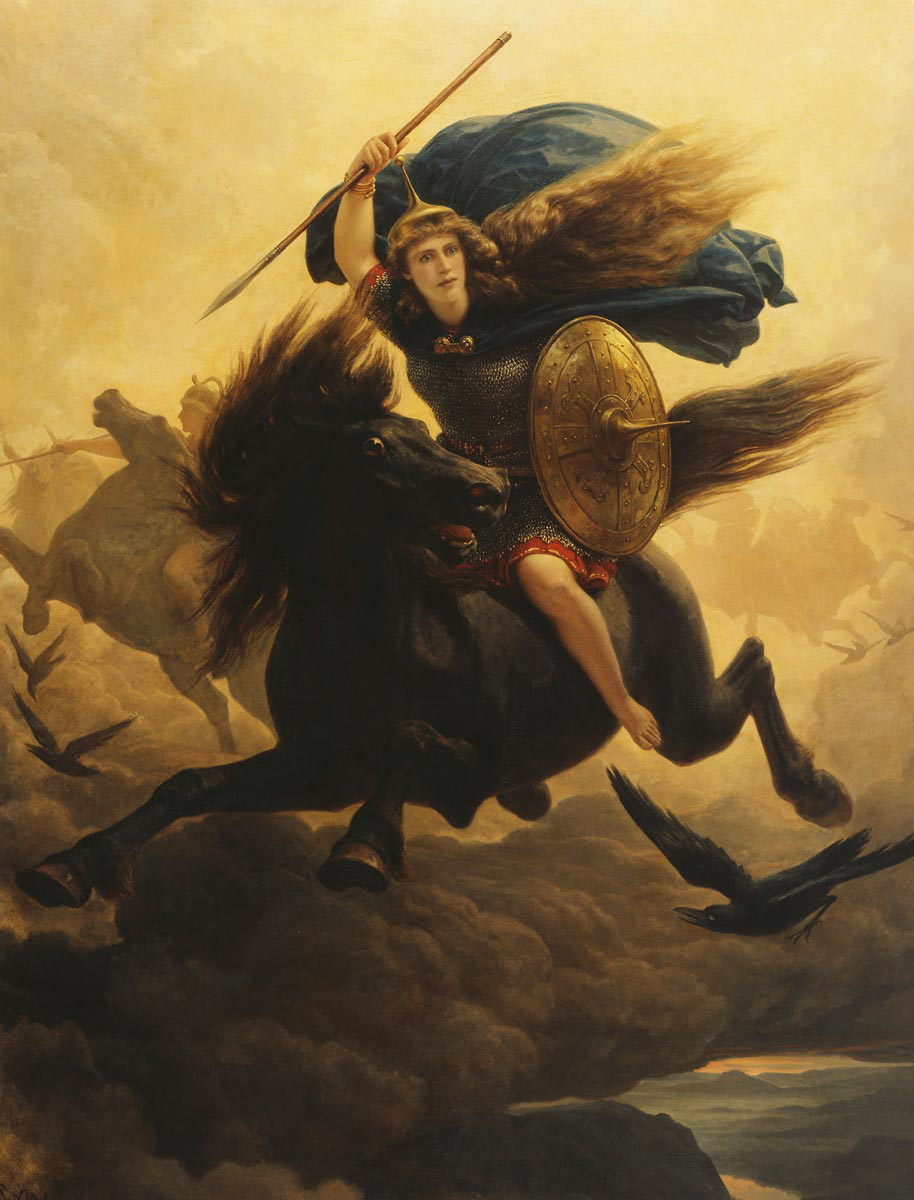
The Norse sagas are also full of stories of shield-maidens, women, and goddesses taking on combative and often violent roles, traditionally associated with men. Of great importance in this dynamic is the depiction of Valkyries as warrior women. There are also historical accounts of women warriors, such as from the 12th and 13th century Danish historian, Saxo Grammaticus, who claimed shieldmaidens took part in the Battle of Brávellir in the year 750.
While some evidence suggests that it was an occurrence, there are academics who argue that there is not enough evidence to suggest it was commonplace, and existed as an exception rather than with enough frequency to be considered the norm. Historical accounts are also believed to be exaggerations based on fiction rather than fact.
Nevertheless, in the Viking world, men were often out on voyages, and the defense of settlements would have been left to the women. Viking kingdoms were not unified, and there were plenty of opportunities for raiding and conquest when the neighbors were out. It is reasonable to assume Viking women had at least some knowledge and skill with weapons.
Viking women also took up positions in more esoteric realms, becoming seeresses, shamanesses, and sorceresses. Such women were known as völvur (sing. völva), mentioned in historical sources and supported by archaeological evidence. They were not so common that every village had one, though.
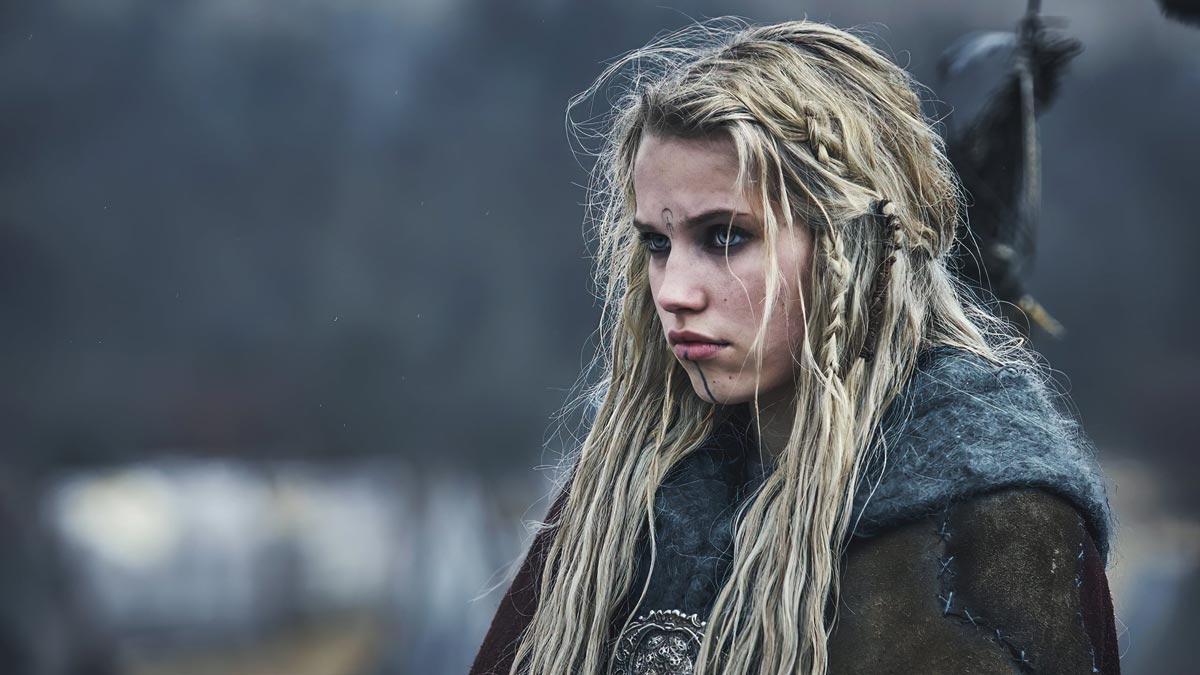
Völvur were highly respected members of society, and they practiced seiðr, the Norse magic that involves divination, prophecy, spells, curses, and other shamanic practices. Although also associated with Odin, the practice of seiðr was seen as an almost exclusively female domain, and men who practiced it were seen as being defined by ergi, a concept that describes men with feminine traits as well as homosexuals. The historian Neil Price argues that it might not have been uncommon for the practice to also include sexual acts.
The goddess Freyja was associated with seiðr, and her association with cats also extended into the mortal realm, with völvur keeping them as pets and familiars.
Beyond these roles, Viking women also engaged in trade and made a large contribution to the economies in the Norse world. While no individuals are known in this regard, archaeological evidence suggests it was a common feature in Viking society. Graves of women were often found with scales, indicating that they were involved in buying and selling goods. Many of these goods were produced by women as well, especially cloth, which was so valuable that it often served as currency in lieu of actual coins.
Viking women were involved in local and regional trade in which they bought and sold farm produce, handicrafts, and resources. They also took the head position in managing the farmstead, an especially pragmatic response due to the fact that Viking men were often away from home on trading or raiding expeditions.
The Realm of the Divine
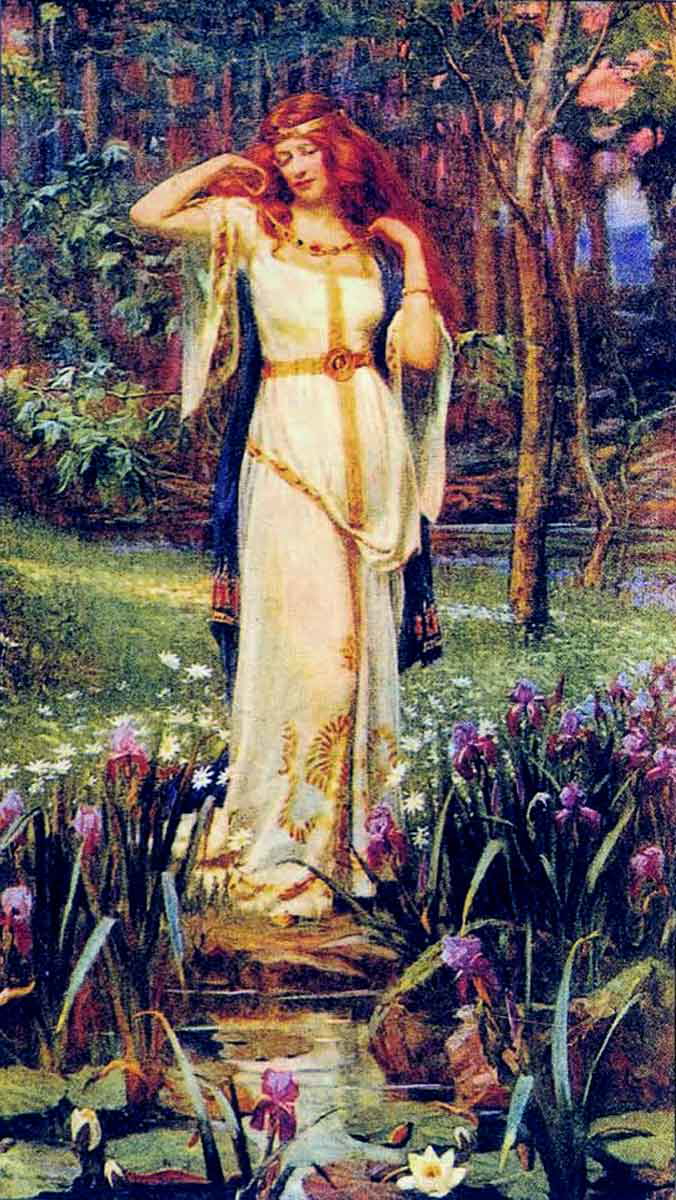
The Norse pantheon is rich with the exploits of its feminine characters. Many of the revered deities were women who held powerful positions of leadership, showing strength and courage. Freyja was associated not only with love, beauty, and fertility, but also with battle—a prominent representation of the duality of women in Viking society. She was also considered the leader of the Valkyries, and thus an extremely important figure on the battlefield, as it was they who were responsible for retrieving the fallen warriors and taking them to Valhalla, or to Freyja’s own meadow of the afterlife, Fólkvangr.
Known for her wisdom, Frigg was the goddess associated with marriage and motherhood and was the wife of Odin. She was also connected with clairvoyance and prophecy, and was the mother of Baldur. The weekday “Friday” is named after Frigg and Freyja, who both share a common etymology.
Idunn was the goddess of Spring and rejuvenation. In her basket, she carried fruit that granted the gods immortality. Skadi was a giantess who was known for her hunting skills. She dwelled high up in the mountains and was a possible source for the name of Scandinavia. Sif, the wife of Thor, had golden hair and was likely associated with plants and the earth, while Hel, a giantess and daughter of Loki, played a vital part in the Norse pantheon as the ruler of the underworld.
The Many Roles of Viking Women
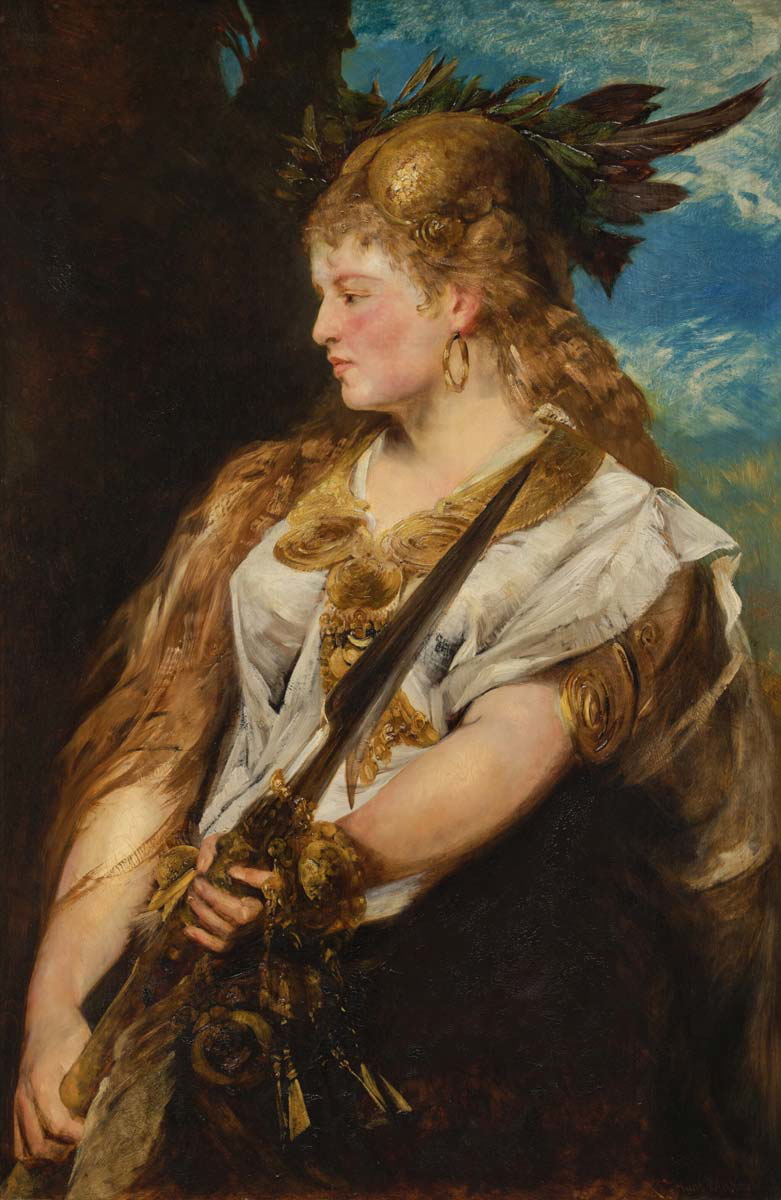
Women in Viking societies were generally more respected than they were in many places in the rest of Europe. While it was common for them to perform the same functions, they often had the freedom to choose lives beyond the societal norm. In this, they were also traders, warriors, religious figures, and highly respected members of society.
In recent years, the idea of shieldmaidens has challenged the common belief of Viking society being completely androcentric. Whether their contribution was significant or not, it is clear, through historical records and archaeological evidence, that Viking women held a wider degree of freedom and independence than was previously assumed.