Summary
- Philosophical Yoga is the cessation of the mind’s fluctuations, aiming to calm restless thoughts for ultimate clarity.
- It distinguishes between pure consciousness (puruṣa) and matter (prakṛti) to explain the root of human suffering.
- Patañjali’s Yoga Sūtras codified Yoga as a formal school of Indian philosophy around the 3rd-4th century AD.
- The Eightfold Path (aṣṭāṅga yoga) is a structured guide from moral discipline and postures to deep meditative absorption.
- Yoga’s view of consciousness parallels modern philosophy’s “hard problem,” exploring how subjective awareness arises in a physical world.
In the West, “yoga” is synonymous with fitness studios, wellness retreats, and mindfulness apps. However, in this article, we will cover Yoga as one of the six classical schools, or darśanas, of Indian philosophy. Closely allied with Sāṃkhya, it shares much of its metaphysical framework while adding a program of practice. Within this darśana, the human mind was seen as restless and constantly spinning with thoughts, until it was calmed through disciplined meditative and physical practice, allowing puruṣa to shine forth in its pure form. Liberation from suffering and the vicious cycle of birth, death, and rebirth is attainable through reflection and self-restraint.
The Invention of Yoga: When, Where, Who?
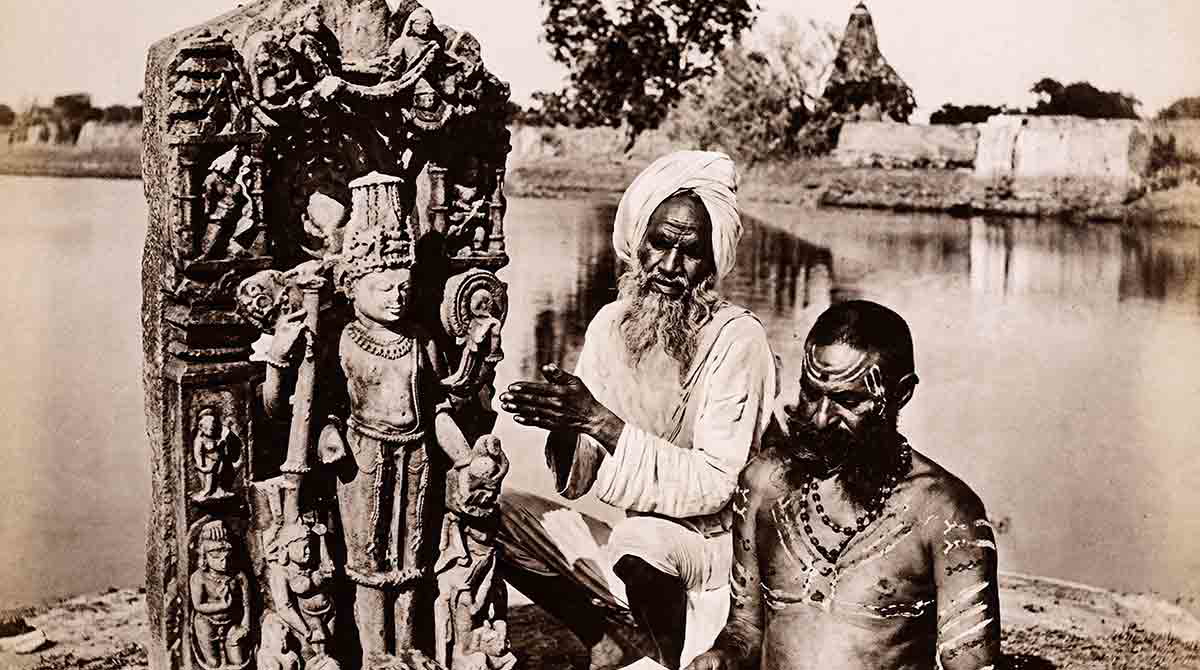
The word yoga stems from the Sanskrit root yuj, meaning “to yoke,” “to unite,” or “to harness.” In its philosophical sense, it signifies the disciplined unification of body, mind, and consciousness. This idea of disciplined union is ancient, predating the formal Yoga school by centuries. Early forms of yogic meditation appear in the Upaniṣads, where ascetic contemplation was presented as a path toward realizing the unity between the individual self (ātman) and ultimate reality (brahman).
Yoga as darśana began to emerge in a period of intense spiritual experimentation in India, roughly between 500 BC and 300 AD. This was a time when ascetic renunciation (saṃnyāsa) movements challenged ritual Vedic orthodoxy, embodied in the highest caste, the Brahmans (priests). While Brahmanical traditions emphasized sacrifice (yajña) and social duty (dharma), new ascetic and philosophical groups sought direct experiential liberation (mokṣa) from the bondages of their earthly existence. During this time, Buddhism, Jainism, and various heterodox sects that hadn’t accepted the authority of the Vedas introduced meditative practices and theories of karma that influenced Yoga’s evolution from a sub-school of Sāṃkhya to an independent darśana.
Yoga became codified and official darśana with Patañjali’s Yoga Sūtras (c. 3rd-4th century AD), a terse collection of nearly two hundred aphorisms that systematized earlier meditative and ethical practices. Divided into four books (pādas), namely Samādhi, Sādhana, Vibhūti, and Kaivalya, the text presents a comprehensive framework for human spiritual transformation grounded in the metaphysical structure of orthodox Sāṃkhya. The second book, Sādhana, outlines the celebrated eightfold path (aṣṭāṅga yoga), guiding the practitioner from moral discipline (yama, niyama) and physical postures (āsana) to concentration (dhāraṇā), meditation (dhyāna), and absorption (samādhi). Patañjali thus reconciled the tension between the ritual and the contemplative, between engagement with the world and withdrawal from it.
The Central Concepts of Yoga
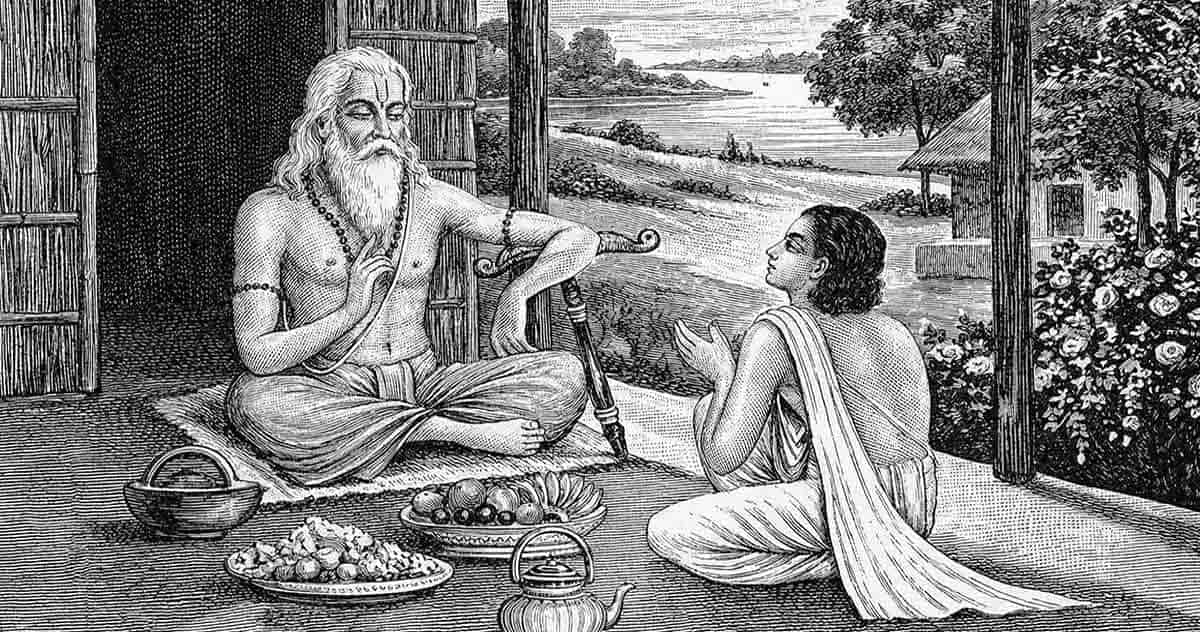
At the heart of Patañjali’s Yoga Sūtras lies a concise yet profound definition: yogaś citta-vṛtti-nirodhaḥ, which translates as “Yoga is the cessation of the fluctuations of the mind.” With this aphorism, Patañjali defines both the ailment and the remedy of human existence. The ailment is citta-vṛtti, the restless oscillation of mental activity. Thoughts, emotions, memories, and sensory impressions constantly spiral in our minds, clouding our awareness. The remedy, nirodha, is not suppression in a crude sense, but the calming of these cognitive processes so that consciousness can recognize its own pure, unconditioned nature. Yoga, then, is a systematic practice aimed at epistemic clarity and ontological disentanglement when it comes to our mind and/or cognition.
Yoga adopts the metaphysical dualism of its sister system, Sāṃkhya, distinguishing between puruṣa (pure consciousness) and prakṛti (primordial matter), but it also provides a method for experientially verifying this dualism. Puruṣa within this conception neither acts nor changes. It merely observes. Prakṛti, on the other hand, is dynamic and composed of the three guṇas, or essential characteristics: aattva (lightness, balance), rajas (motion, restlessness), and tamas (inertia, darkness).
From prakṛti arise all forms of manifestation, the intellect (buddhi), ego (ahaṃkāra), mind (manas), and sensory and motor organs (indriyas). The bondage of the self arises when puruṣa misidentifies with the operations of prakṛti. In other words, we confine ourselves to the suffering earthly existence when consciousness mistakes its reflections in thought for its own nature.
Liberation (kaivalya) is achieved when this misidentification ceases, and puruṣa recognizes itself as distinct from all objects of experience. By grasping the ontological autonomy, all vṛttis, or mental oscillations, cease, yet consciousness does not lapse into blankness. Quite the opposite, it shines as self-evident awareness. The transformation is both epistemic and existential: ignorance (avidyā) is dispelled, and one experiences a spiritual transformation into a free being.
Within this clear soteriological and metaphysical picture, Patañjali’s introduction of Īśvara, a “special puruṣa,” or personal deity, untouched by karmic bondage, seems offbeat. Unlike the omnipotent creator-God of theistic Vedānta, a rivalrous darśana, Īśvara in Yoga is not the cause of the universe but a paradigmatic form of consciousness, eternally liberated and perfectly pure. Devotion to this ideal (Īśvara-praṇidhāna) serves as a powerful aid to concentration, offering a psychological and emotional focal point for practitioners. In this sense, Yoga accommodates personal religiosity without depending on divine grace because, as it seems, Īśvara functions as an existential exemplar rather than an intervening deity.
The Eightfold Path: A Stairway to Heaven
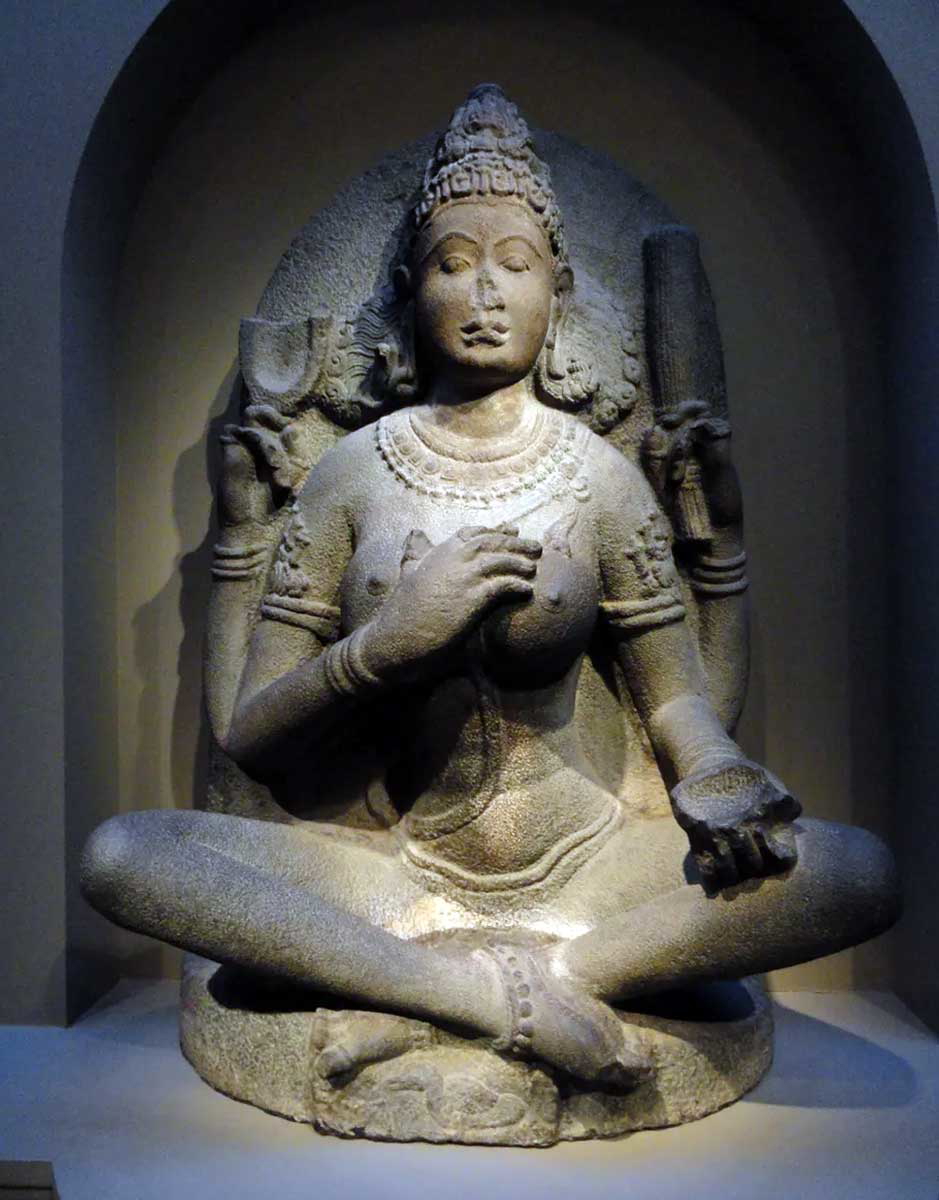
Central to Patañjali’s Yoga is the aṣṭāṅga, or eight-limbed path, articulated in the Sādhana Pāda of the Yoga Sūtras. While often misunderstood in the West as primarily a set of moral guidelines or physical exercises, the eight limbs constitute carefully structured psychological guidelines designed to refine the mind (citta) and facilitate the experiential recognition of pure consciousness (puruṣa). Rather than a linear progression, the path is dialectical. Each limb both presupposes and reinforces the others, creating a mutually supportive system that gradually disentangles awareness from the oscillations of the mind (vṛttis).
The first two limbs, yama and niyama, cultivate ethical and inner discipline. Yama, or moral restraints, governs the practitioner’s outward conduct and relationships with others, emphasizing nonviolence (ahiṃsā), truthfulness (satya), non-stealing (asteya), celibacy or moderation (brahmacarya), and non-possessiveness (aparigraha). Niyama, the inward observances, focuses on personal cultivation through purity (śauca), contentment (santoṣa), austerity (tapas), study (svādhyāya), and devotion or surrender to the divine (īśvara-praṇidhāna).
Devotion to Īśvara (īśvara-praṇidhāna), incorporated within the niyama stage of the Eightfold Path, functions as a psychological and spiritual support: by focusing the mind on this pure exemplar, the practitioner cultivates steadiness, surrender, and trust. Together, these first four practices prepare the mind and body for deeper meditative engagement.
The next three limbs, namely āsana, prāṇāyāma, and pratyahara, stabilize the body and senses. Āsana refers not to acrobatics but to posture: achieving comfort and stability so that bodily restlessness does not disturb meditation. Prāṇāyāma regulates vital energy through breath control, harmonizing physiological and subtle systems. Pratyāhāra, or withdrawal of the senses, redirects attention inward, severing habitual attachments to sensory stimuli and creating the conditions for focused awareness.
Finally, the last three limbs, called dhāraṇā, dhyāna, and samādhi, lead to direct experiential insight. Dhāraṇā is the cultivation of concentrated focus on a single object, while dhyāna allows uninterrupted meditation, a continuous flow of attention free from distraction. Samādhi, the culmination, integrates subject and object in complete absorption, dissolving the duality between perceiver and perceived. In this state, the practitioner witnesses the mind’s modifications without attachment, achieving the clarity necessary for liberation (kaivalya).
By focusing predominantly on physical exercise or superficial wellness, many Western interpretations overlook Yoga’s philosophical rigor and soteriological purpose. Patañjali’s eightfold path does not merely amount to practices for bodily fitness or ethical living.
Yoga and the Problem of Mental Causation
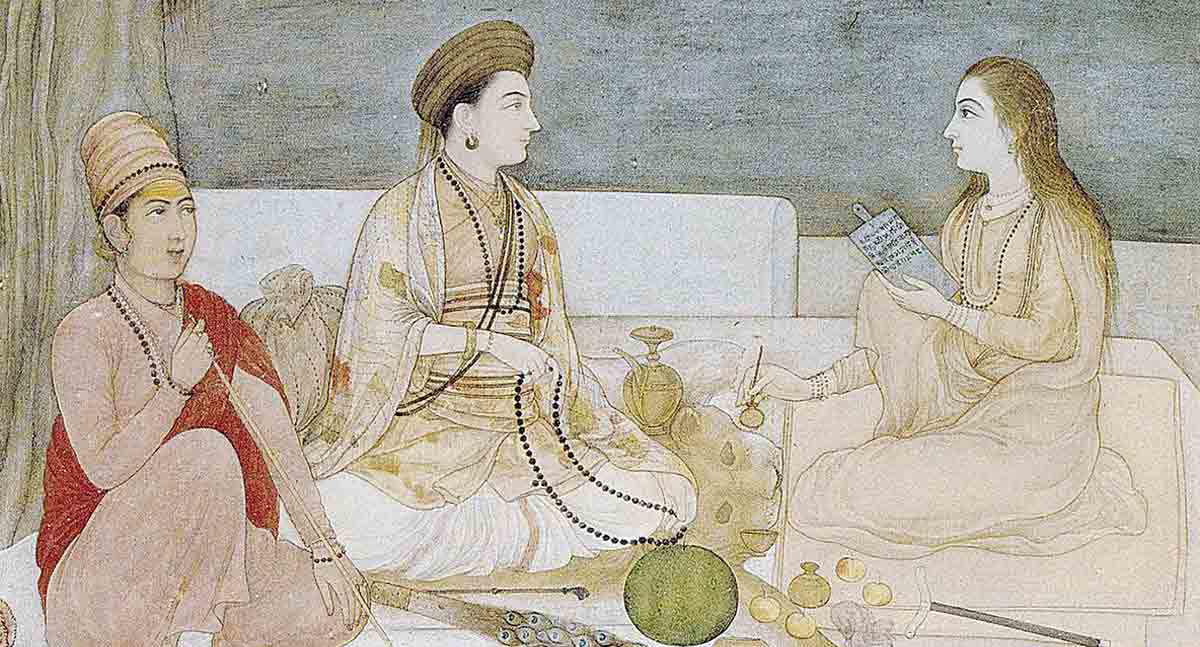
The central problem for the Yoga tradition, as for modern philosophy of mind, is to explain how consciousness, which is immaterial and inert, can appear to participate in the causal order of nature. Patañjali’s solution, inherited from Sāṃkhya to some extent, is to treat consciousness not as a causal force but as a condition for manifestation. Puruṣa does not act upon prakṛti. Instead, prakṛti unfolds and performs through proximity to puruṣa.
This asymmetrical relation sounds a bit like the “hard problem” of consciousness introduced in 1996 by David Chalmers. That is the issue of how subjective awareness arises in a physical world governed by causal laws. The Yoga account resists reductionism by positing that awareness is a distinct ontological principle, irreducible to, and not originating from, the material substrate.
The Yoga conception of puruṣa as pure luminosity, or consciousness without intentional content, finds a close analogue in modern discussions of qualia, the intrinsic “what-it’s-like” character of experience. Thomas Nagel’s (1974) classic argument about the impossibility of knowing “what it is like to be a bat” captures the same insight: that subjective awareness cannot be exhaustively described in objective, third-person terms. By distinguishing between the mutable mental states (vṛttis) and the unchanging witness that illumines them, Patañjali’s system anticipates a proto-phenomenological view of mind, one preoccupied with the first-person perspective and awareness.
Consciousness, for Yoga, is not defined by its functions or outputs. Still, by its very capacity to reveal, it is something akin to the inner light that makes both experience and knowledge possible.