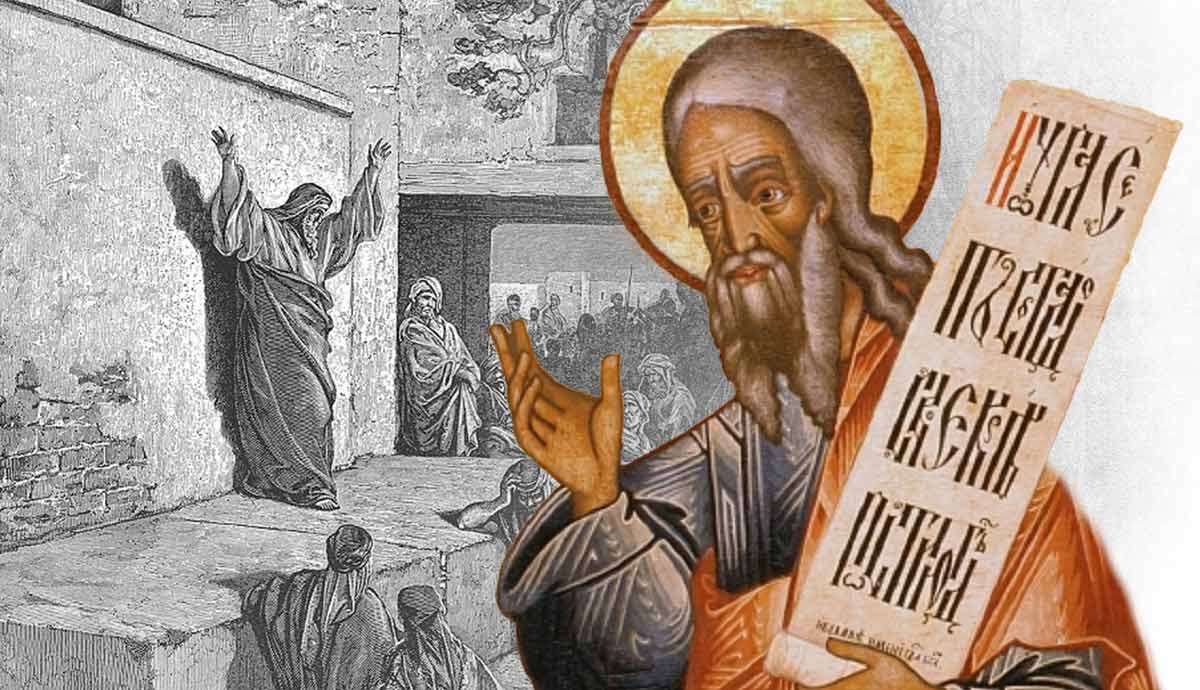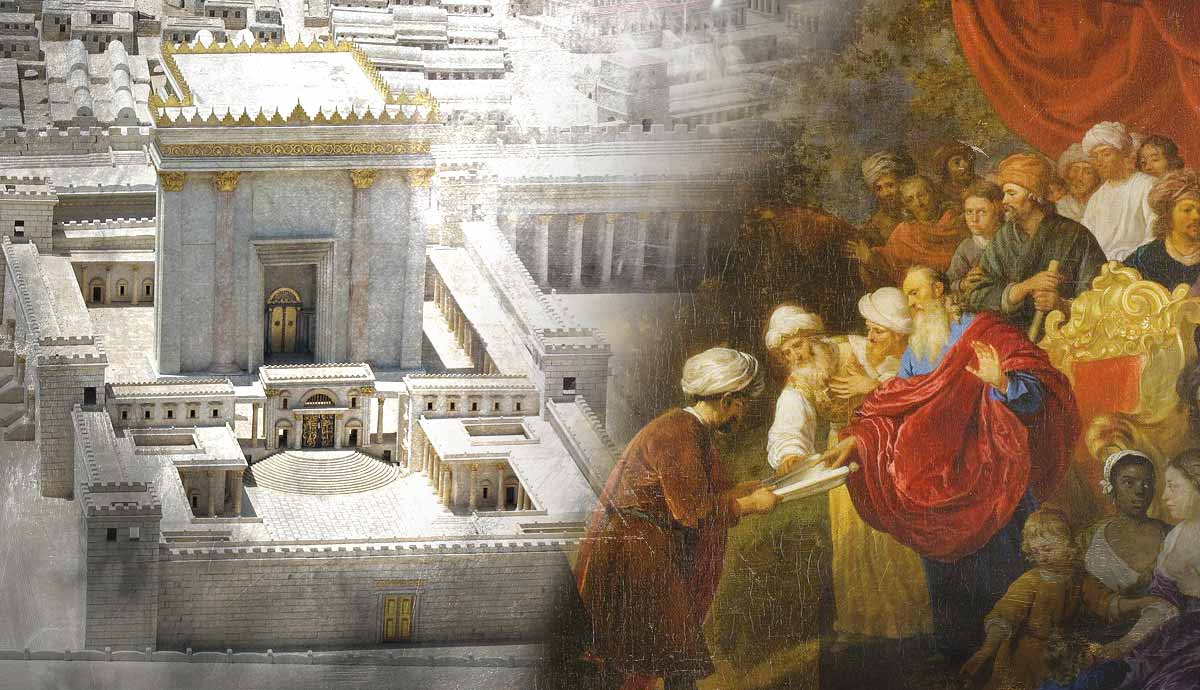
The books Christians know as 1 and 2 Samuel in the Bible are a single volume in the Hebrew Bible or Tanak. The Book of Samuel, along with Joshua, Judges, and 1 and 2 Kings (also a single volume) constitute the Former Prophets. Samuel tells the story of the prophet Samuel from his birth to his ministry during a political transition in Israel. The narrative records the death of Samuel and continues to the death of David, the second king of Israel. Samuel was both a priest and a prophet in Israel.
Authorship and Date
Considering that a large part of Samuel’s volume in scripture narrates events that occurred after his death, Samuel could not have been the author of the whole work. He likely contributed to the first part from 1 Samuel 10:25. Tradition holds that Samuel wrote the first 24 chapters of 1 Samuel, and the prophets Nathan and Gad completed the rest of 1 and 2 Samuel.
Scholars believe editors compiled the Samuel volumes from several sources that date from the 10th to the 6th centuries BC. Many consider 1 and 2 Samuel, along with the two Kings volumes, as part of the Deuteronomic History. The content of 1 and 2 Samuel deals with events that occurred between 1100 BC and 970 BC.
Historical Context
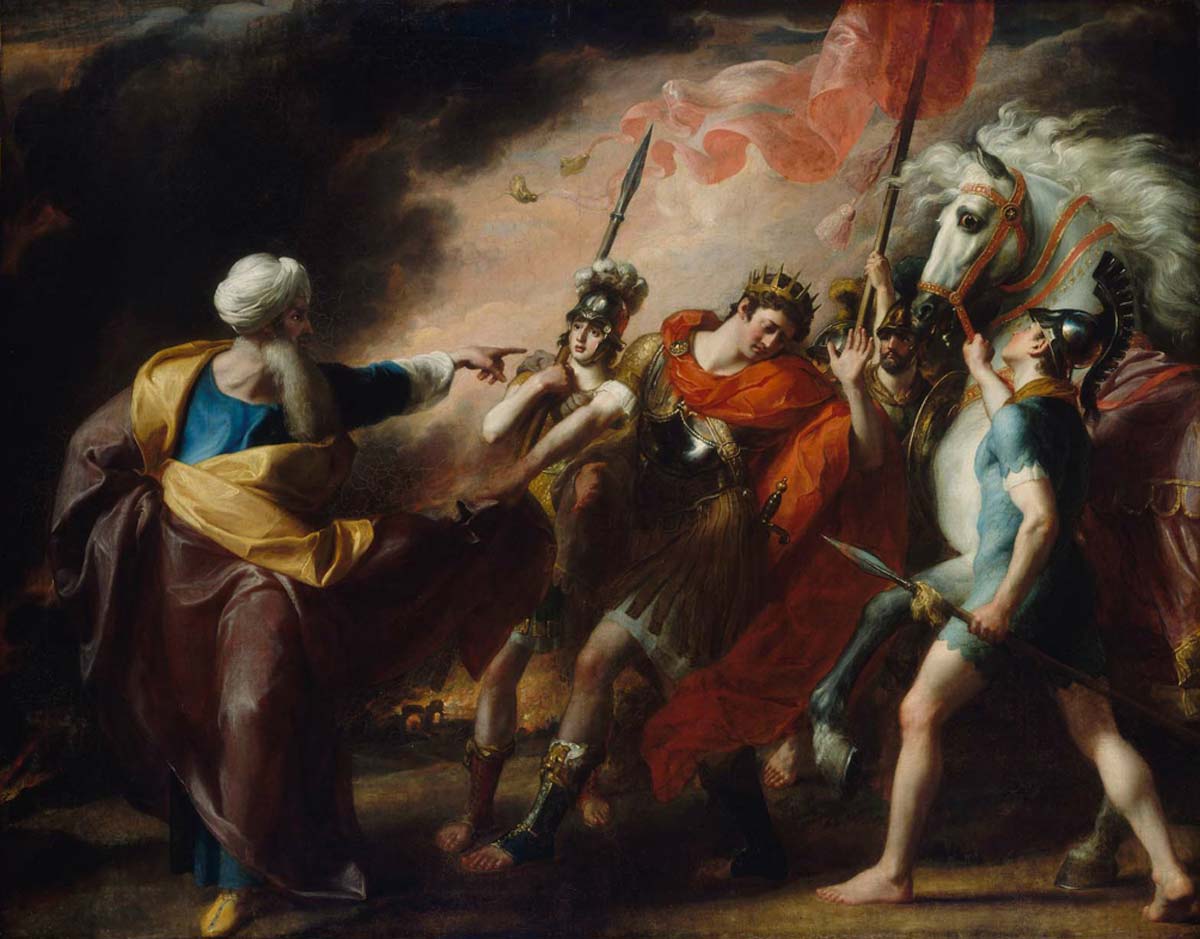
Israel had been in a state of decline since settling into the Promised Land. Though God provided judges to lead his people in times of military struggle and to address apostasy in their midst, the tribes of Israel continued a downward spiral that resulted in civil war and the near destruction of the tribe of Benjamin. The gentile nations that they did not drive out of their lands had a negative influence on them. The Israelites now wanted to be a monarchy like the nations around them. In desiring that system of government, they rejected the theocracy they had.
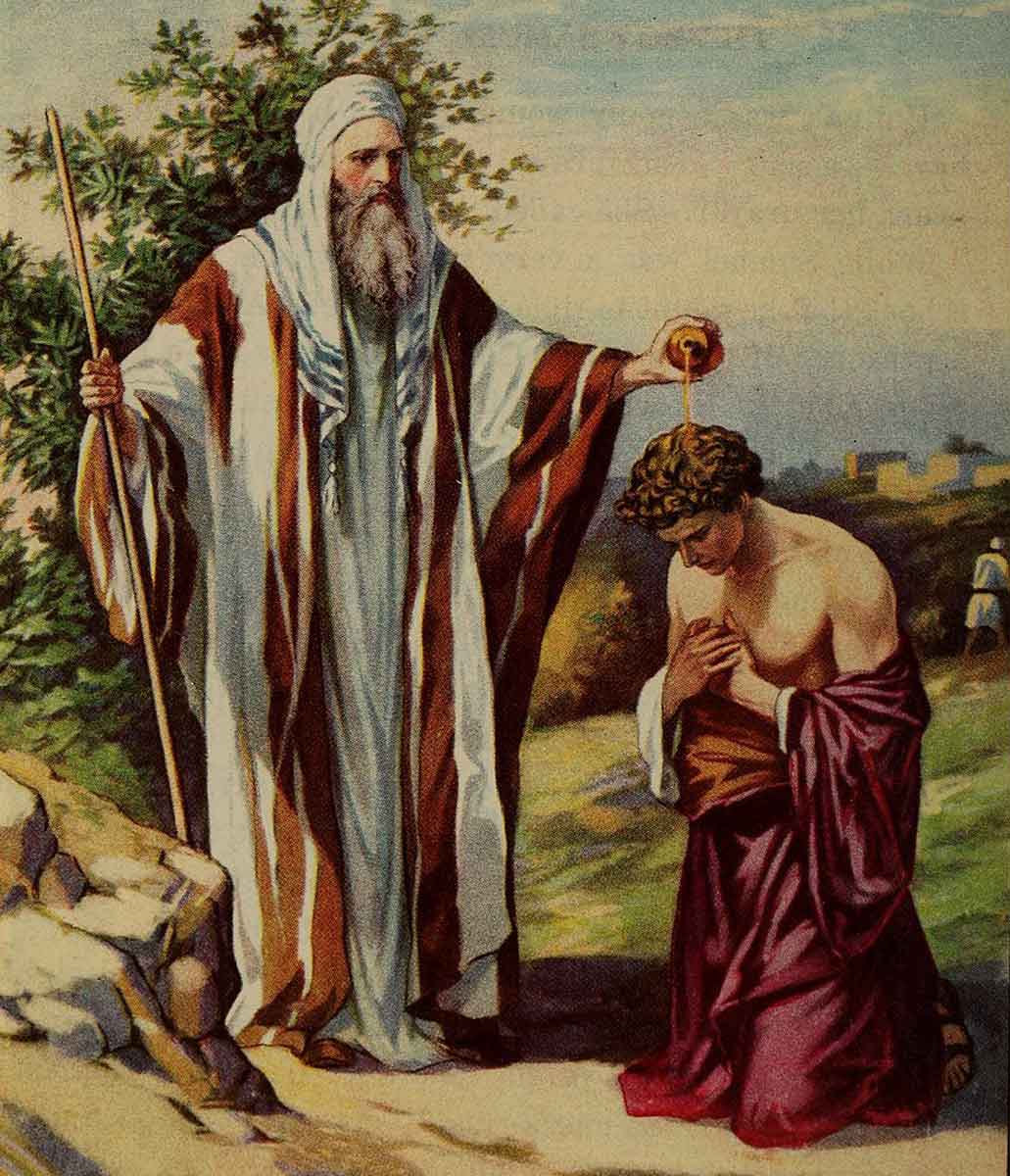
Samuel, who served as a priest, was also a prophet who warned the people of God about the dangers and consequences of becoming a monarchy, but they would not relent. Samuel anointed Saul as the first king of Israel. It became evident soon after that Samuel’s dire warnings would come to fruition.
Saul was jealous of David’s notoriety and bravery. God rejected the kingship of Saul and had Samuel anoint David as king. The rivalry between Saul and David had a detrimental effect on the kingdom and sowed division. Saul attempted to kill David, who had become a folk hero, on several occasions and died in dishonor on the battlefield, taking his own life.
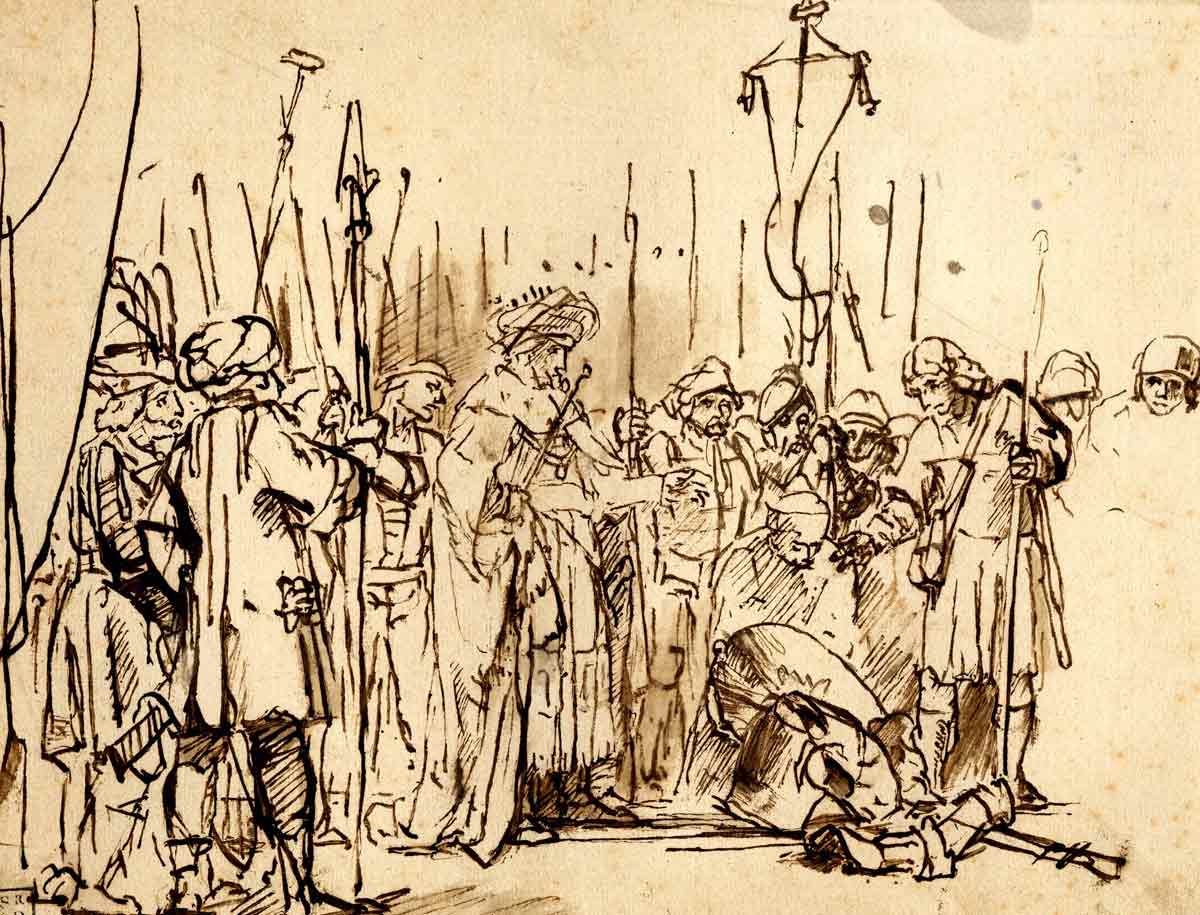
Shortly after becoming king, David sinned by arranging the death of one of his fighting men to hide an illicit affair. Notwithstanding his flaws, the kingdom of Israel flourished under the reign of David, expanding their territory, vanquishing their enemies, and becoming a rich and influential nation.
David made alliances, built friendships with many nations, and acquired the materials needed to build the Temple to replace the Tabernacle. God, however, would not allow David to work on the Temple project. Eventually, David faced challenges to his throne from his son Absalom. The Samuel narrative ends shortly before David’s death.
Structure
1 Samuel is divided neatly into two parts:
The early ministry of Samuel (1 Samuel 1-8)
The story of Samuel starts with his mother, Hannah, falling pregnant after intervention by God. Samuel’s dedication to the Temple brought him into contact with Eli and the sinfulness of his sons. After the death of Eli, the Ark was taken and returned by the Philistines, and the Israelites demanded that Samuel appoint a king to rule over them. This was a rejection of God, not Samuel.
The reign of Saul (1 Samuel 9-31)
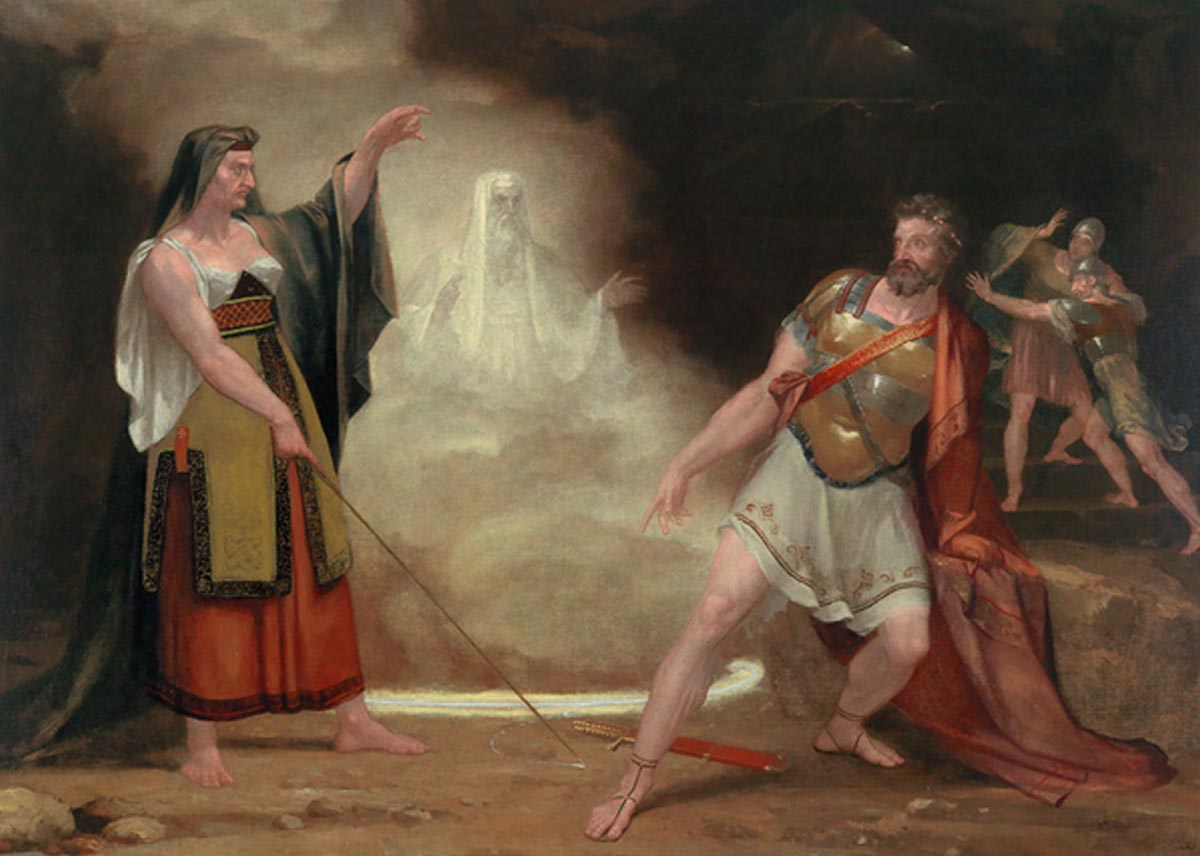
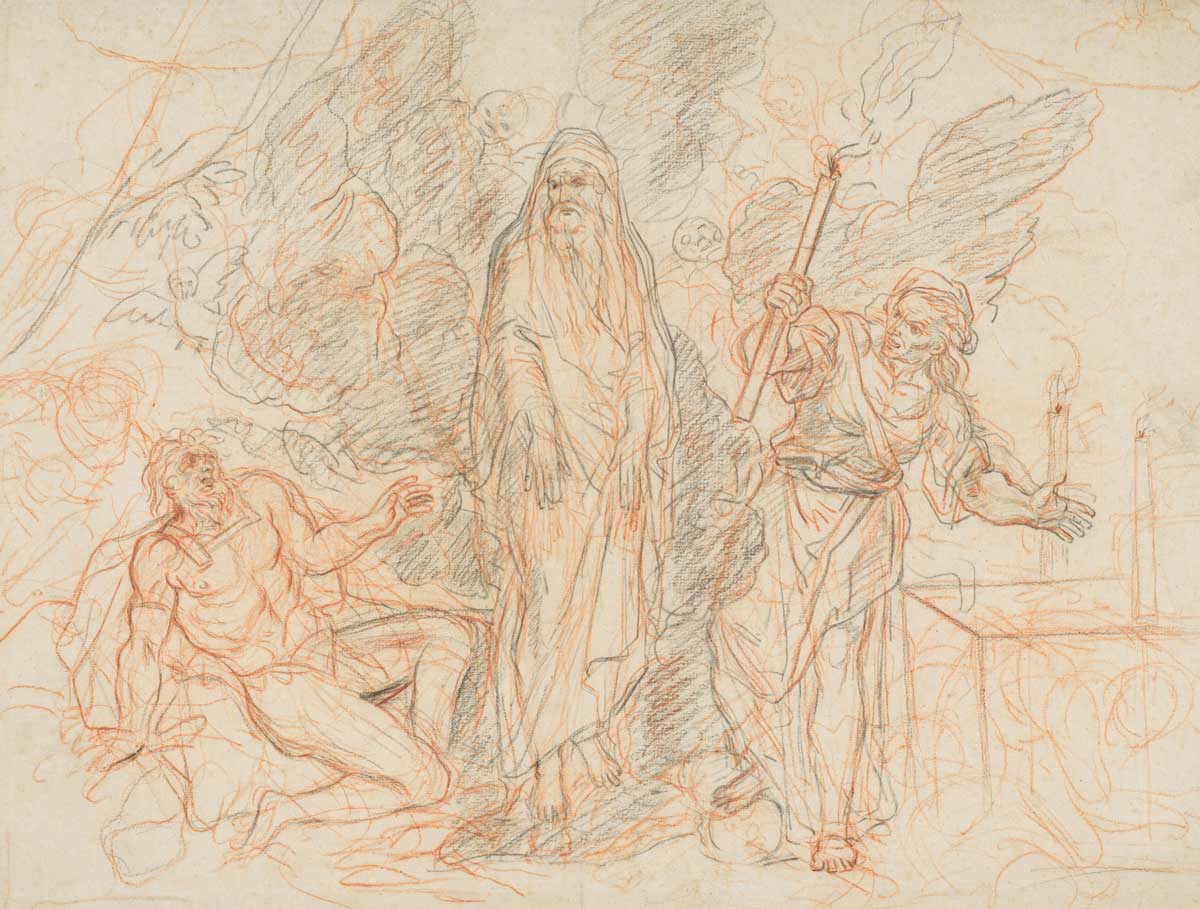
Saul was anointed the first king of Israel. Early on, he was successful on the battlefield but sinned against God soon after. God then had Samuel anoint David as king, though he would only take the office much later in his life. First, David grew in notoriety after defeating Goliath, the champion of the Philistines. Saul became jealous of the young warrior and attempted to kill him. David fled from Saul and found safety with the Philistines for a time. On several occasions, David had the opportunity to kill Saul but never took it. Eventually, Saul consulted a witch after God abandoned him. In the end, Saul died by his own hand on the battlefield.
2 Samuel is divided into two parts:
David’s triumphs (2 Samuel 1-10)
David, who had become a formidable warrior and strategist, mourned the death of Saul, and Jonathan, his best friend. He became king of Judah, and another ruled over Israel. Civil war ensued, but later on Israel and Judah united under David. The king then brought the Ark of the Covenant to Jerusalem, but God would not allow him to build the Temple. David conquered many of the enemies of Israel, among them the Philistines, Moab, Ammonites, and the Syrians.
David’s troubles (2 Samuel 11-24)
David’s trouble started with his adultery and plot to murder. They continued with Amnon, a son of David, committing incest with Tamar, the sister of Absalom. Absalom attempted to usurp his father’s throne and almost succeeded. Absalom then died, causing David much grief. The Gibeonites, who tricked the Israelites into sparing them when Joshua entered Canaan, returned to haunt David for Saul’s actions against them. This section ends with a census of the nation of Israel.
Main Themes
Disobedience and rebellion
Disobedience is a recurring theme in the Samuel volumes. The tribes of Israel rebelled against the kingship of God. Saul was disobedient to God’s instruction to kill man and beast among the Amalekites. David sinned against God and his fellow man. Absalom rebelled against his father, breaking the fifth Commandment. These sins all reflect people placing their desires before God.
Consequences
Their decisions about kingship had serious consequences for the Israelites. Though David was sinful, he wholeheartedly repented and received forgiveness. Forgiveness did not indemnify David from the consequences of his sin. The result of Absalom’s rebellion was fatal.
Key Passages

1 Samuel 8:7
“And the LORD said to Samuel, ‘Obey the voice of the people in all that they say to you, for they have not rejected you, but they have rejected me from being king over them.’”
When Israel expressed their desire to have a king, they rejected theocracy as the system of governance for Israel. They rejected God as king. Samuel warned them of the consequences of having a king like other nations, and they bore the consequences of their decision for generations afterward.
1 Samuel 15:22-23
“And Samuel said, ‘Has the LORD as great delight in burnt offerings and sacrifices, as in obeying the voice of the LORD? Behold, to obey is better than sacrifice, and to listen than the fat of rams. For rebellion is as the sin of divination, and presumption is as iniquity and idolatry. Because you have rejected the word of the LORD, he has also rejected you from being king.’”
The Israelites were disobedient by keeping some of the animals when they were supposed to destroy man and beast among the Amalekites. They then wanted to present some of the animals as a sacrifice to God. The words of God through Samuel implied that by being disobedient, Saul and his men had set themselves as idols before God. It cost Saul his crown.
1 Samuel 16:13-14
“Then Samuel took the horn of oil and anointed him in the midst of his brothers. And the Spirit of the LORD rushed upon David from that day forward. And Samuel rose up and went to Ramah. Now the Spirit of the LORD departed from Saul, and a harmful spirit from the LORD tormented him.”
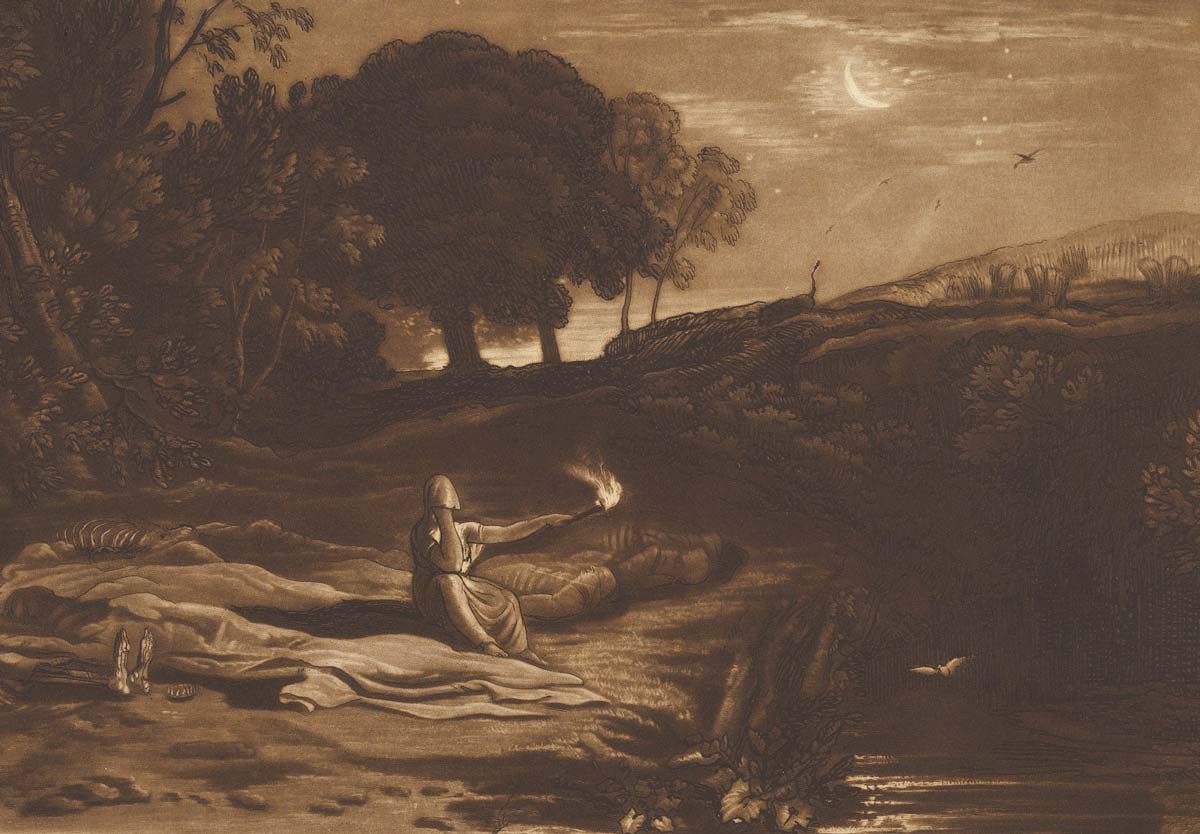
God appointed David as king as a boy, but 1 Samuel does not provide an age. Scholars sometimes suggest an age of 15. David was King of Judah for seven and a half years (2 Samuel 2:11) and became king of Israel when he was 30 years old (2 Samuel 5:4). He must have become king of Judah at age 22, which means seven years passed between his anointing as king and him becoming a king if the suggested age is correct.
1 Samuel 17:45
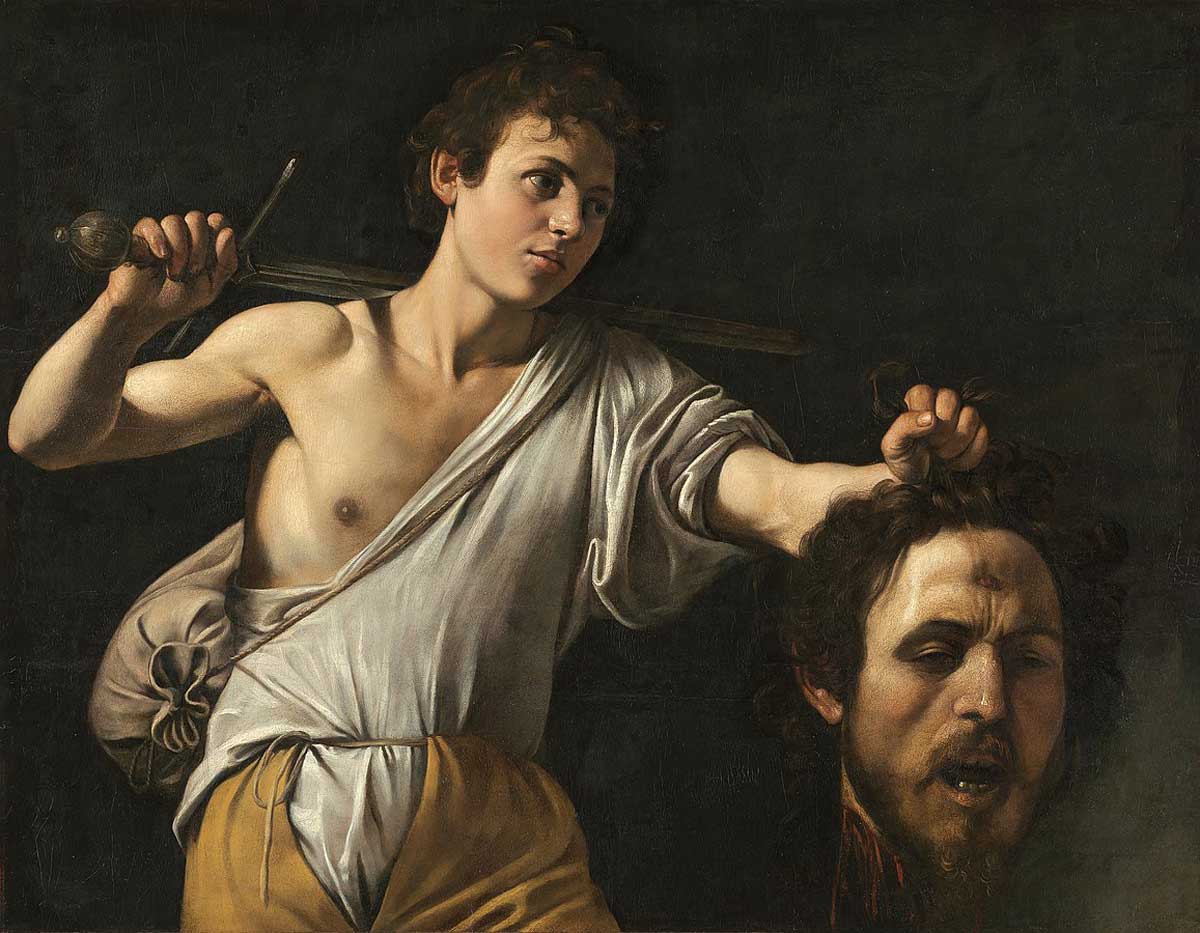
“Then David said to the Philistine, ‘You come to me with a sword and with a spear and with a javelin, but I come to you in the name of the LORD of hosts, the God of the armies of Israel, whom you have defied.’”
David showed remarkable faith and courage when he went into battle against Goliath. It seems he was considerably smaller, thus likely younger than a young adult typically called to serve in battle.
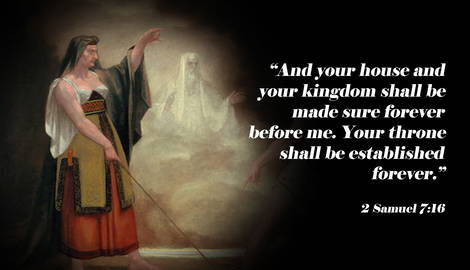
2 Samuel 7:16
“And your house and your kingdom shall be made sure forever before me. Your throne shall be established forever.”
David’s kingdom did not find the fulfillment of this promise in its earthly form. It did, however, in Christ, who was a direct descendant of David.
2 Samuel 12:13-14
“David said to Nathan, ‘I have sinned against the LORD.’ And Nathan said to David, ‘The LORD also has put away your sin; you shall not die. Nevertheless, because by this deed you have utterly scorned the LORD, the child who is born to you shall die.’”
Though David received forgiveness for his misdeeds, there were still serious consequences. The child he had with Bathsheba passed away shortly after his birth (2 Samuel 12:15-23).
Contemporary Relevance
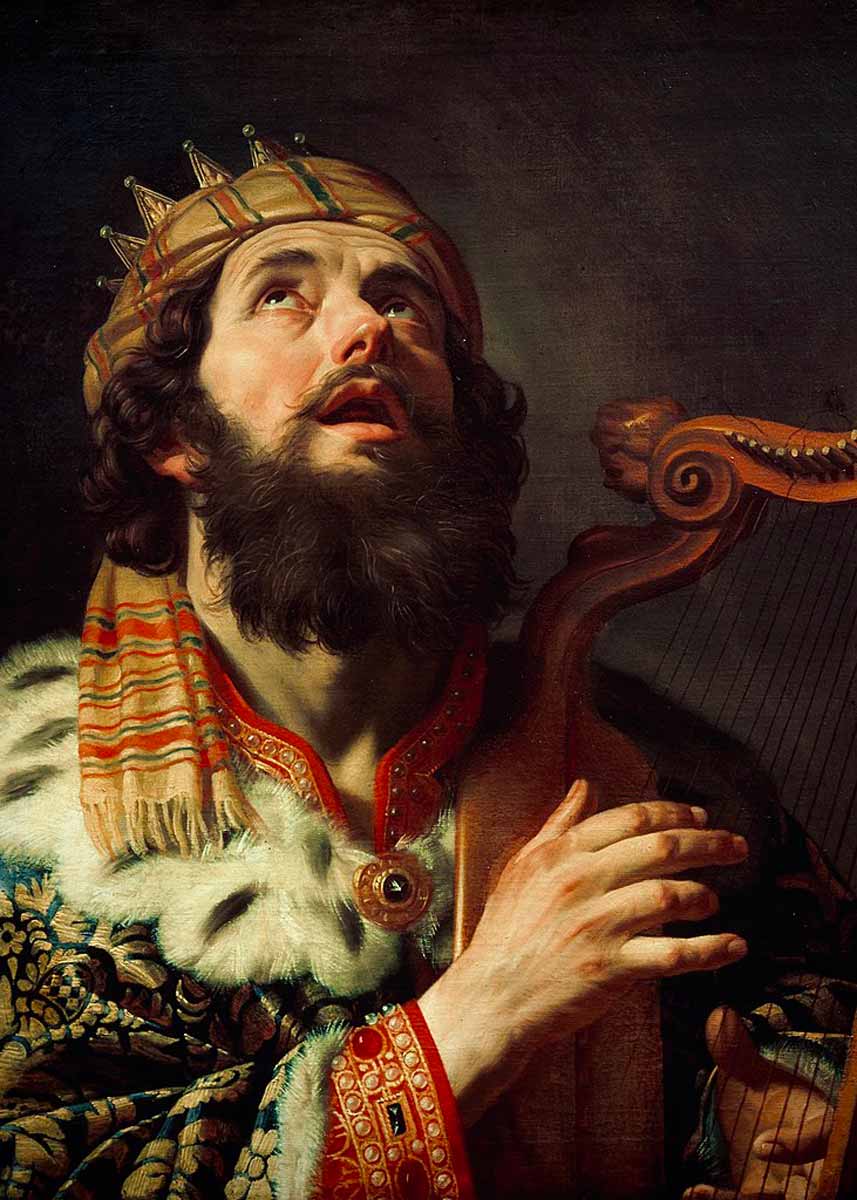
The two Samuel volumes have much to offer the contemporary reader. First and foremost, the problem of disobedience is as old as humankind and remains a problem Christians struggle with. 1 and 2 Samuel have examples of the mercy and forgiveness of God. However, these books show that even though mercy and forgiveness are available, the consequences of sin must still play out.