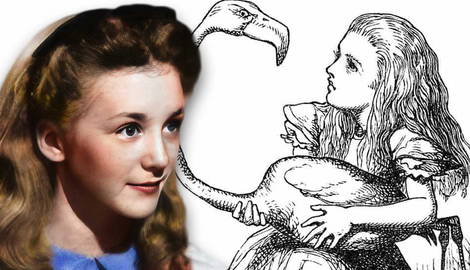
Alice tumbles down a rabbit hole rather than sit politely by the riverbank. Wendy flies out the window for the promise of enchanted Neverland instead of staying in the nursery like an obedient Edwardian daughter. Both are young girls who reject the expectations placed upon them, preferring adventure over predictability—and both were inspired by real-life girls who did much the same. Alice Liddell bullied her chaperone, Lewis Carroll, into writing down his Wonderland stories, while Margaret Henley charmed J.M. Barrie into immortalizing her as Wendy. When Disney brought these headstrong heroines to life, he chose yet another sweetly strong-willed young girl—Kathryn Beaumont—to give them a voice.
Who Was Alice in Wonderland?
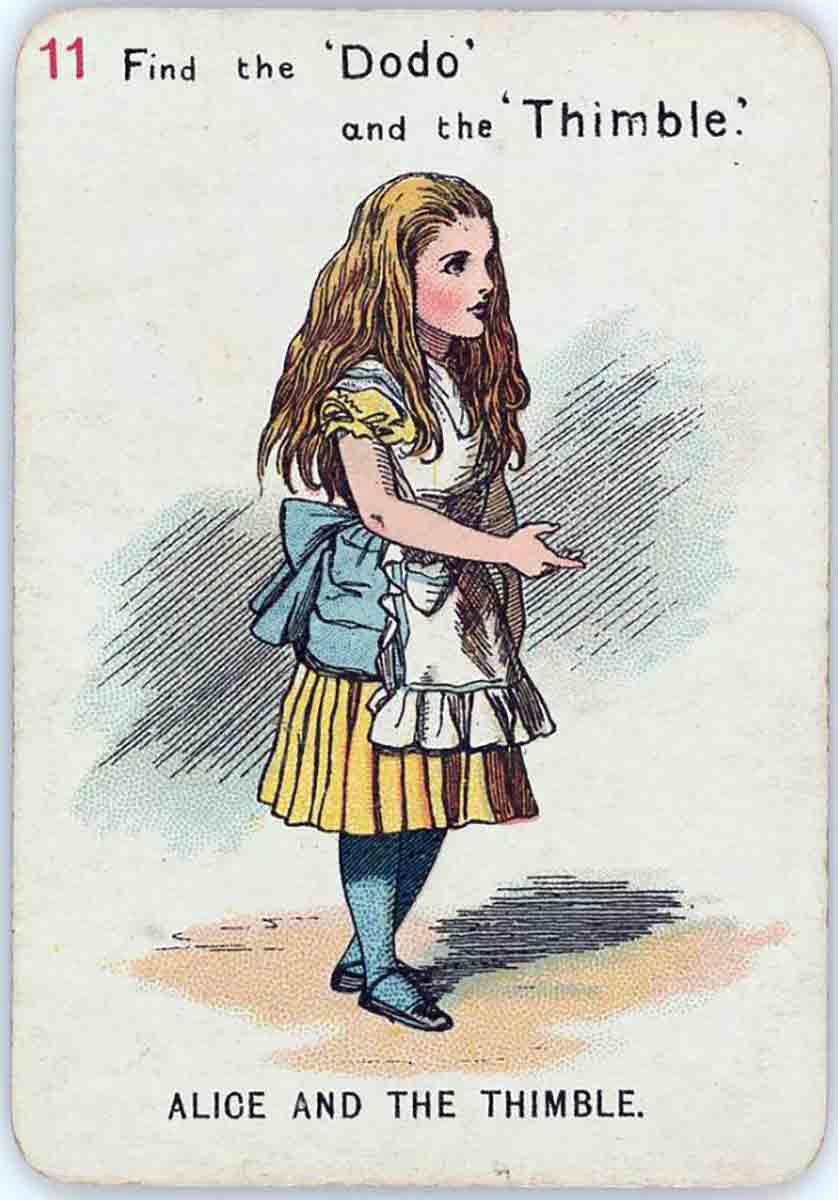
Alice Liddell was the kind of girl who didn’t take no for an answer. If she had been, we might never have had the classic Alice’s Adventures in Wonderland. She was born in 1852, the daughter of the Dean of Christ Church, Oxford, which gave her an unusual childhood filled with boat rides, gardens, and a certain socially awkward mathematics lecturer named Charles Dodgson—better known to history as Lewis Carroll.
Now, Carroll was many things: a mathematician, an amateur photographer, a stammering academic. Most importantly for little Alice Liddell, he was an oddball who liked entertaining children with nonsense tales. Alice was exactly the sort of child who could take advantage of such a combination. On a summer day in 1862, she and her sisters went on a rowing trip with Carroll, and Alice did what any bored child is likely to do—she pestered the adult in charge until she was entertained. She demanded Carroll tell her a story, and not just any story—one about her.
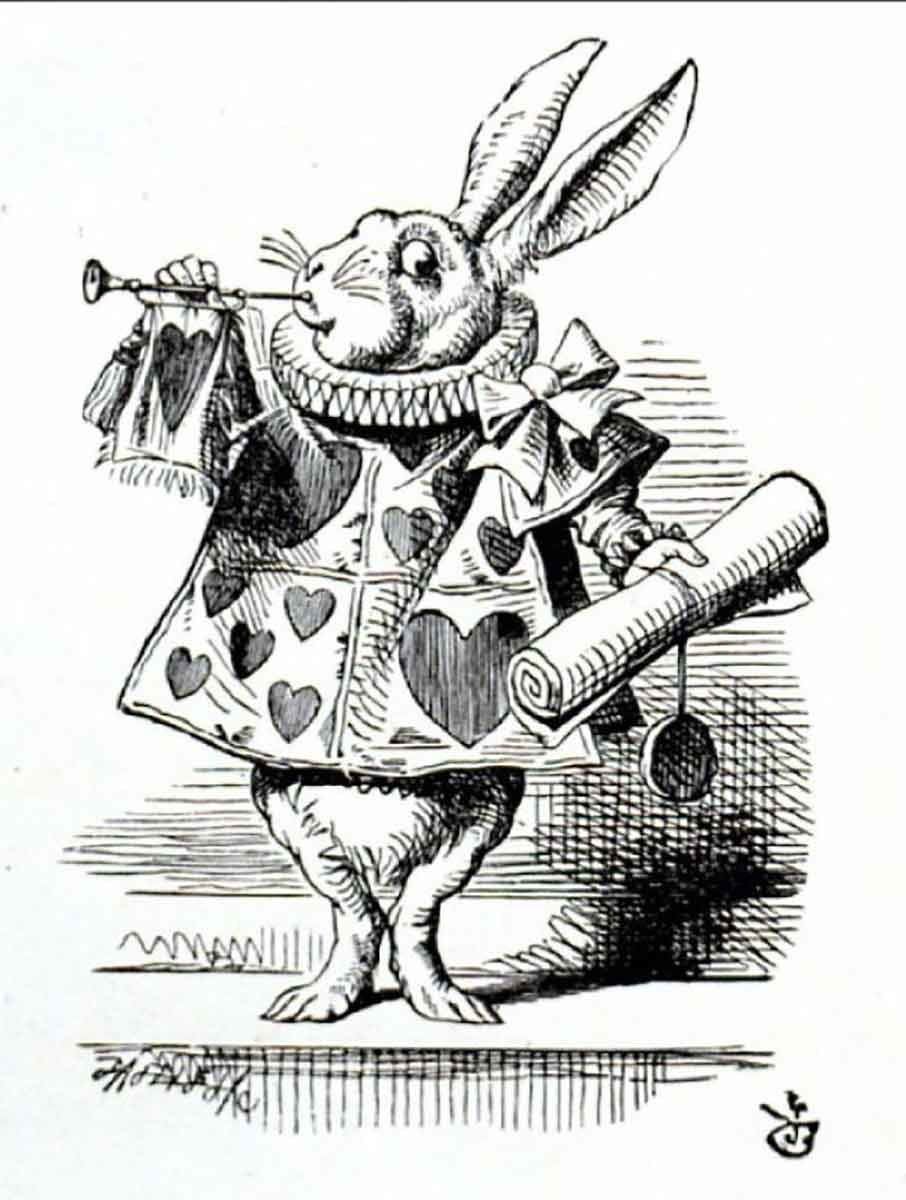
Thus, Alice’s journey down the rabbit hole came to be on a sunny day by the water. Carroll later wrote it down and gifted the manuscript, Alice’s Adventures Under Ground, to the original Alice herself. Later, when he polished it into Alice’s Adventures in Wonderland for widespread distribution in 1865, he made the heroine not Alice Liddell but a fictionalized, stylized version of her, one with her curiosity but not necessarily her dark hair or frank demeanor.
Alice Liddell grew up, as real girls are wont to do. She developed a crush on Prince Leopold (yes, Prince Leopold, Queen Victoria’s son), but she ended up married to a wealthy cricketer instead. Life took its turns, and by 1928, two of her three sons were dead, fighting in the First World War, and she was a widow who needed to support herself. So what did she do? She sold her original, hand-illustrated copy of Alice at auction. It fetched a fortune, proving once and for all that her younger self had been right—this fantasy was a story worth writing down.
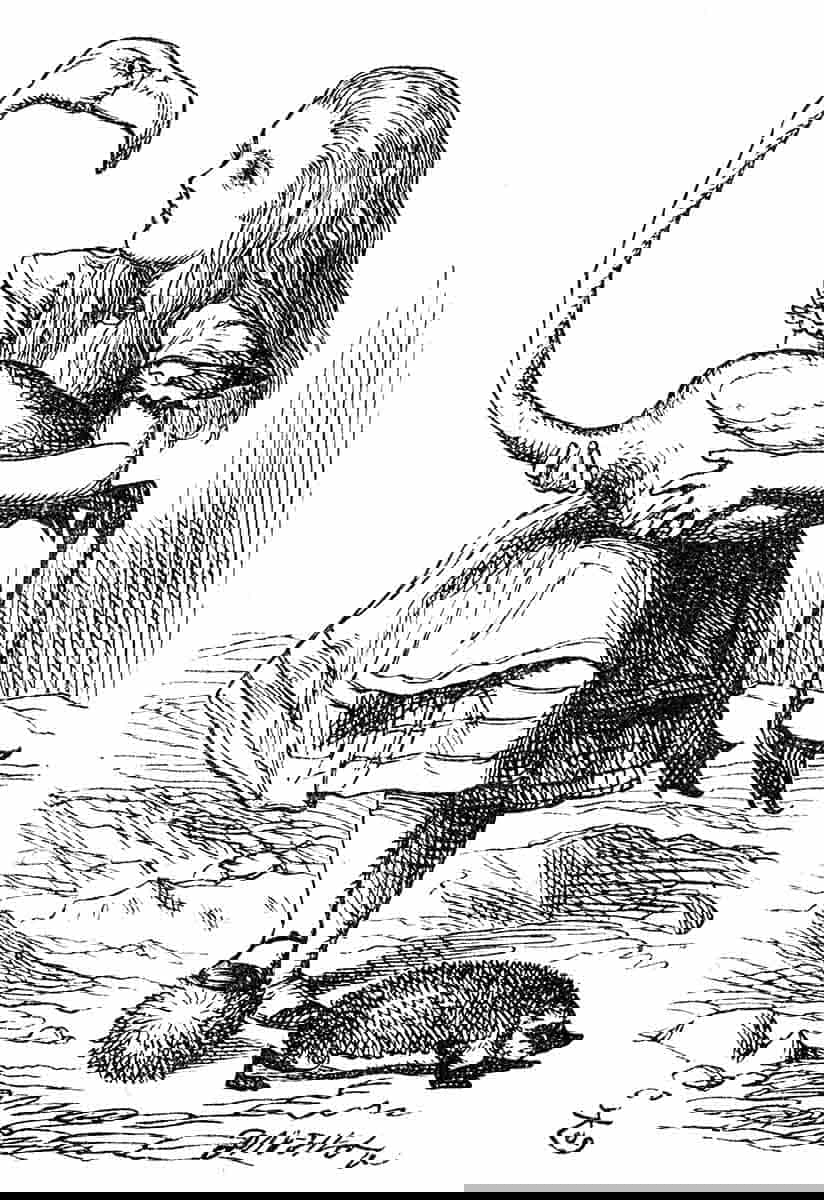
Fast forward to the 1940s, and Walt Disney needed an Alice of his own. He found her in Kathryn Beaumont, a ten-year-old British actress with a voice full of curiosity and pluck. When she auditioned, she had no idea she was about to become the Alice for generations to come. Not only did she voice the role, but Disney had her act out scenes on film so animators could capture her expressions and movements—meaning that the Alice we see on screen is, in many ways, her.
Beaumont later recalled how much fun it was to play Alice, even if it involved running around a soundstage talking to things that weren’t actually there. “It was very much like playing dress-up,” she said, “and I loved that.” Her performance gave Alice a mix of intelligence, stubbornness, and just enough consternation concerning Wonderland’s nonsense to make her an ideal leading lady.
Who Was the Real Wendy Darling?
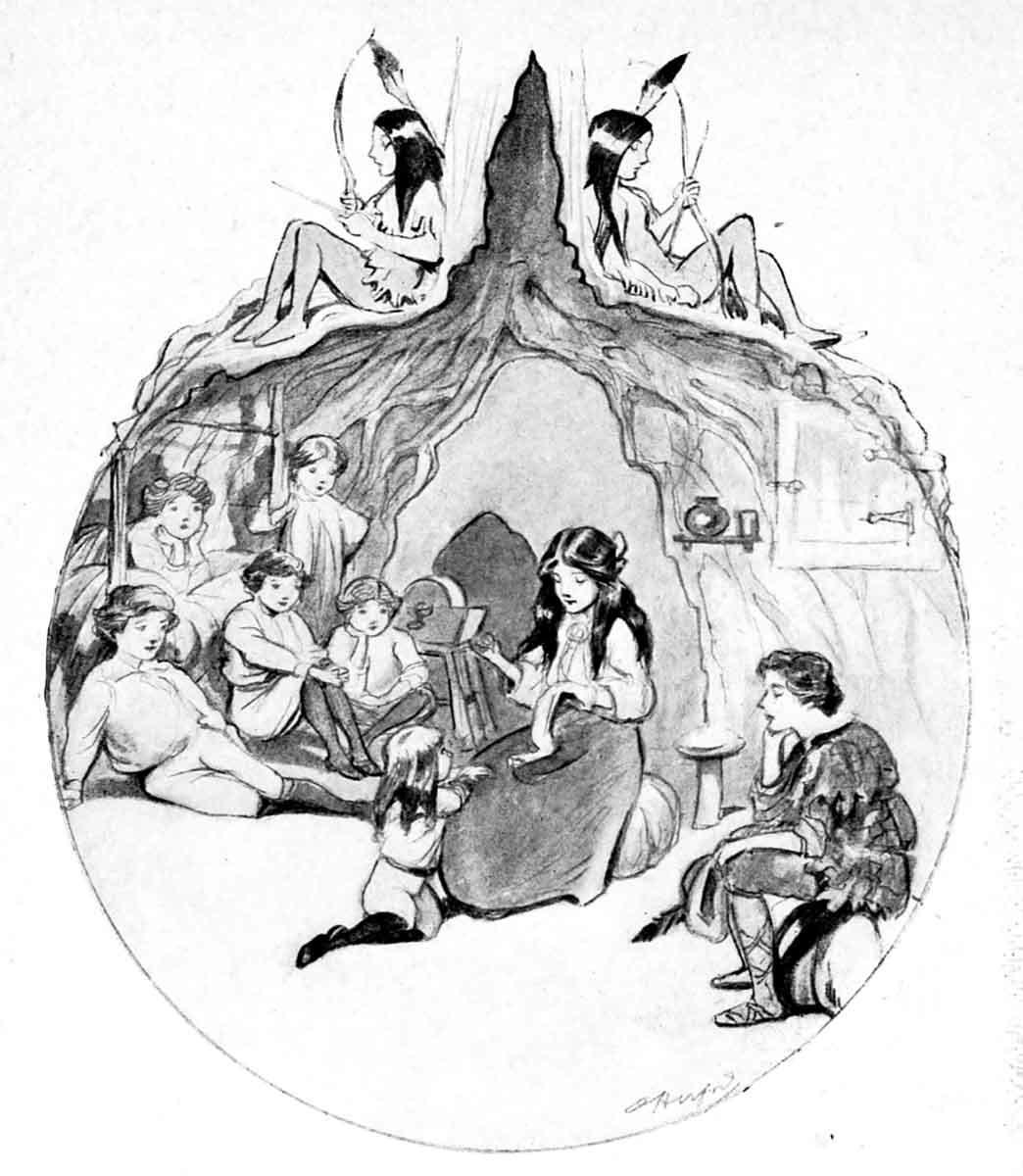
Wendy Darling—the sensible, storytelling, slightly bossy girl who flies off to Neverland—was the invention of J.M. Barrie, but like Alice, she didn’t spring from thin air. In fact, she was stitched together from at least two real girls: one who gave her the “Wendy” moniker and one who gave her the unyielding personality.
The name “Wendy” wasn’t exactly common in 1904, when Peter Pan debuted on stage. That’s because it was a rarity. Barrie got it from a little girl named Margaret Henley, the daughter of poet William Ernest Henley (the guy who wrote Invictus). Margaret called Barrie her “fwiendy,” thanks to a childhood speech impediment, and he found it so charming that he shortened it to “Wendy” and made it immortal with his older sister style character. Unfortunately, Margaret didn’t live to see it—she died at age five from a very nasty bout of cerebral meningitis. In some way, however, her name has been soaring over London rooftops ever since.
As for Wendy’s personality? That came from another source, an unlikely one: the five Llewelyn Davies boys, whom Barrie more or less adopted after their parents, his close friends, died. They were the real inspiration behind Peter Pan and the personality of his gang of lost boys. What is Wendy but a big sister wrangling a pack of adventure-loving boys? Barrie guided these kids as they grew up and infused Wendy with that mix of motherly authority, practicality, and deep, unshakable belief that bedtime stories must be told, even in the wilds of Neverland.
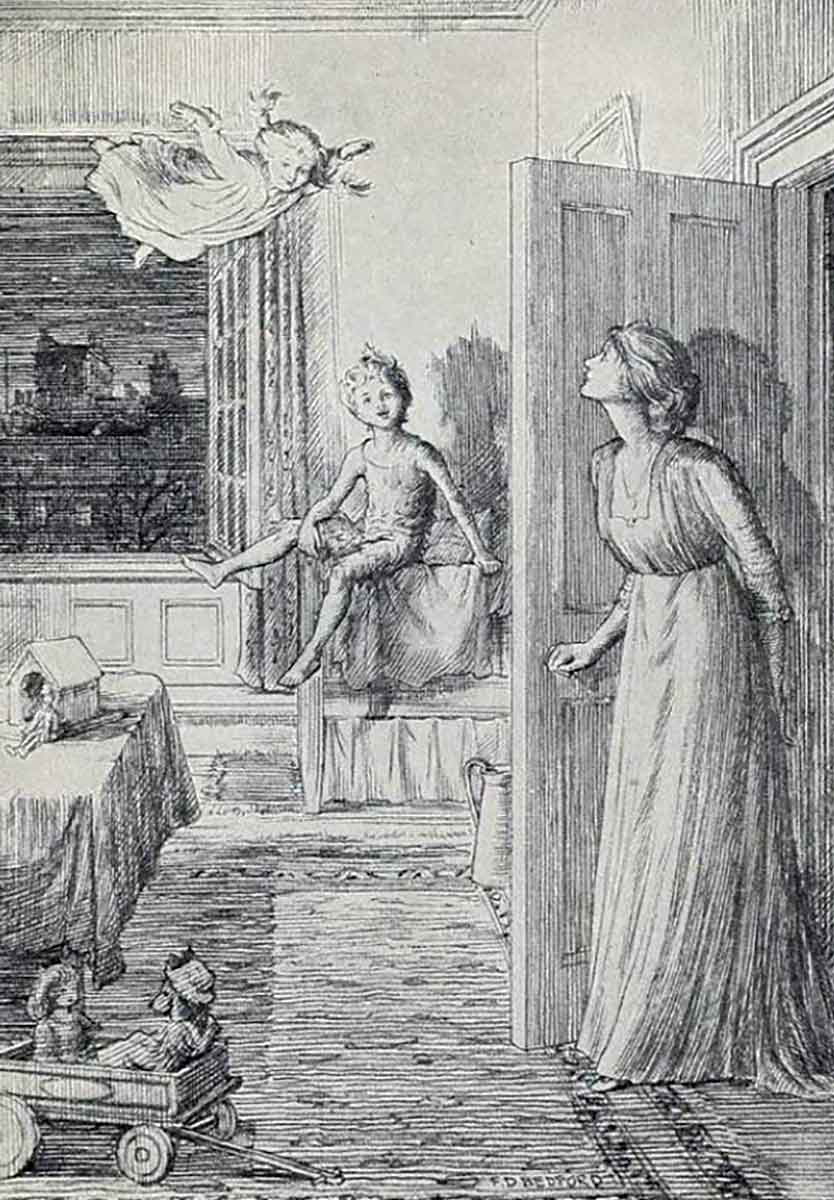
Fast forward to the 1940s, and Disney was on the hunt for his Wendy. He knew he already had the perfect talent for the role: Kathryn Beaumont—yes, the same girl who voiced Alice in Alice in Wonderland. She was just eleven when she landed the role, making her the voice of not one but two of the most famous fictional girls in history. Once again, she not only provided Wendy’s voice but also acted out scenes on stage and on film for the animators to study.
Beaumont later described Wendy as “the kind of girl who had to be the reasonable one,” the one keeping Peter and the boys from total chaos. She brought warmth and intelligence to the role, making Wendy both a dreamer and a girl who knew that real life had to continue beyond Neverland. Staying a child forever was never in her cards. Daring to fly and making her way toward the second star on the right was fun…once.
The Life of Kathryn Beaumont
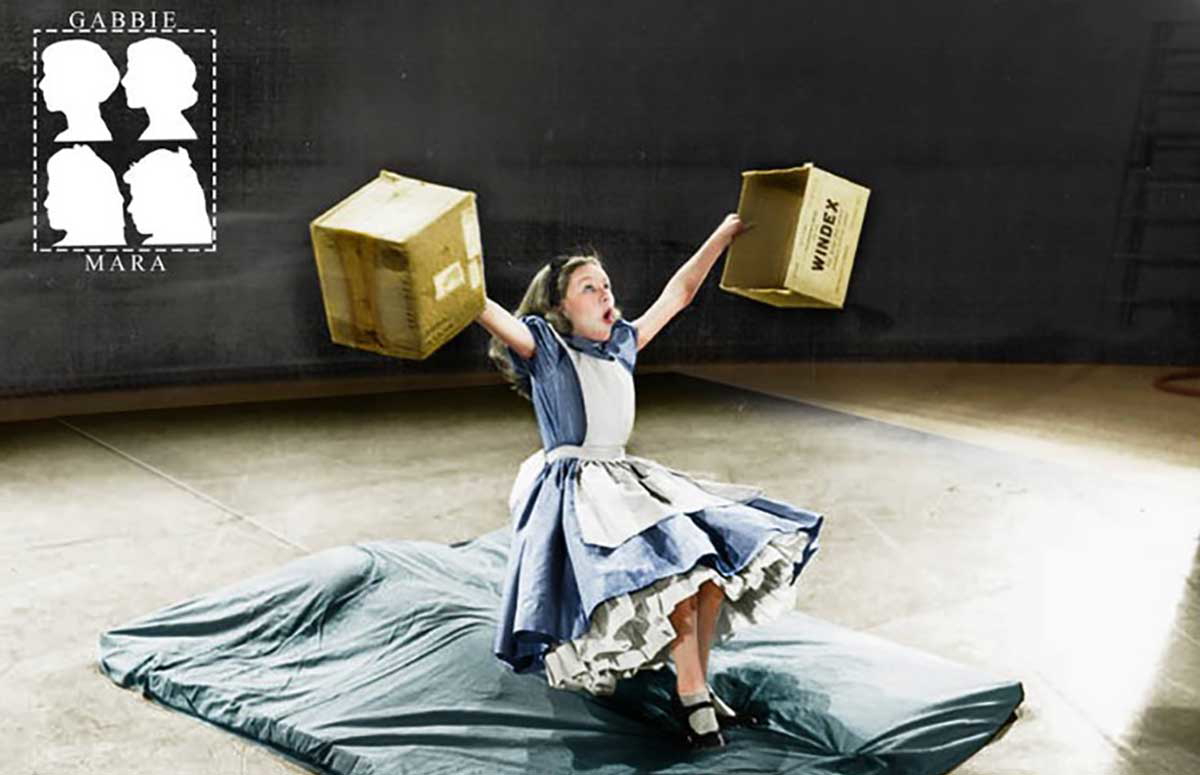
Kathryn Beaumont didn’t just voice Alice and Wendy—she really was them. The British-born actress and singer was a mere ten years old when Walt Disney handpicked her for the role of Alice, won over by her crisp English accent and her ability to bring a certain no-nonsense charm to a girl tumbling like a weed through Wonderland. She is the reason that Alice is a blonde, and it is her mannerisms that are depicted when Alice speaks to the white rabbit, when she confronts the Queen of Hearts, and when she drinks the liquids that shrunk and supersized her. Then, when it came time to cast Wendy Darling, Disney didn’t have to look far. Kathryn’s voice—and her knack for playing girls who could both dream and deliver a good scolding—was a perfect fit.
Her contribution went beyond voice work. Disney’s animators needed more than audio to bring the characters to life, so Kathryn acted out entire scenes in full costume, performing for reference footage. Imagine being barely in the double digits, pretending to fly around a soundstage or reacting to invisible Mad Hatters while a crew of adults studied and recorded your every move. Sounds overwhelming, but Kathryn took it all in stride. Walt Disney himself was reportedly fond of her, treating her like a treasured member of the studio family rather than just another budding starlet.
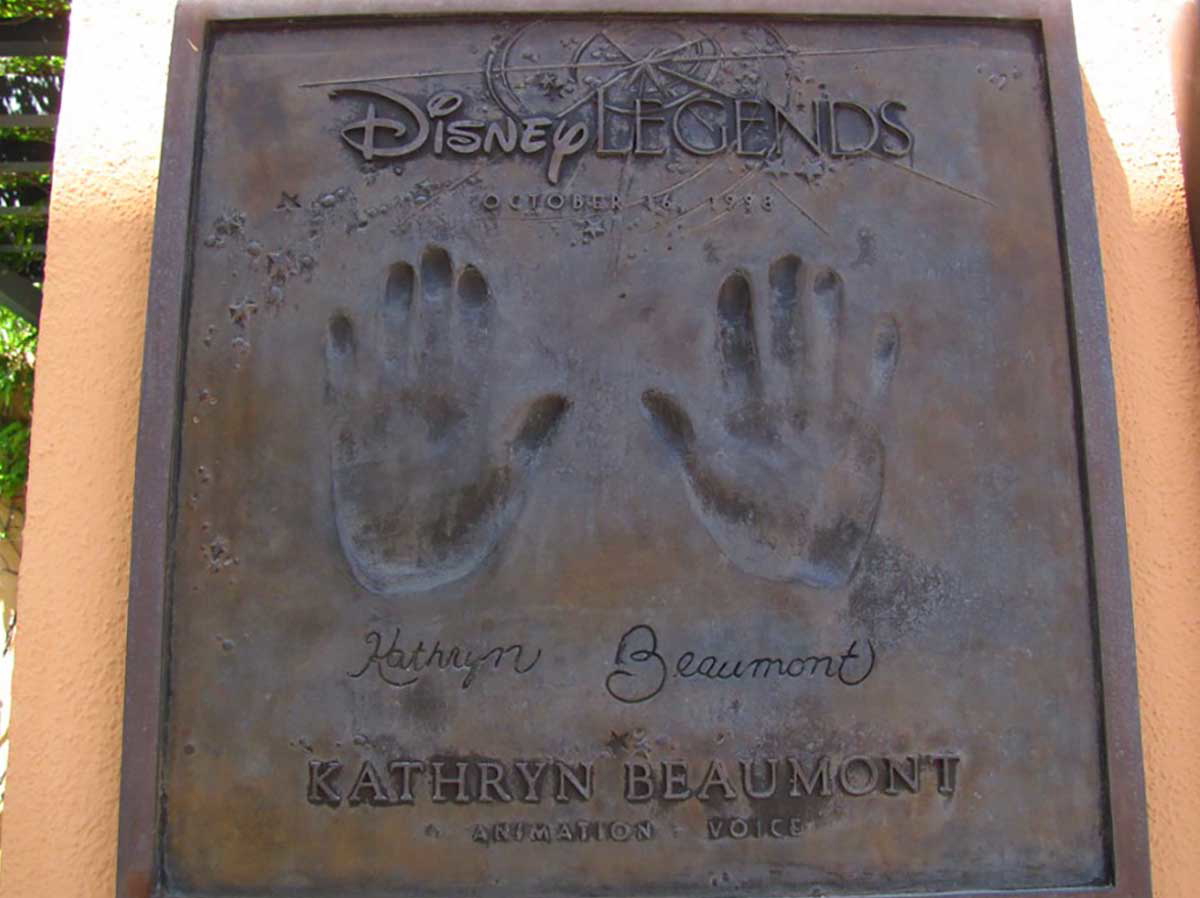
Kathryn’s journey to Hollywood stardom started long before Disney came calling, coming from a family with a penchant for stage work. Born in London in 1938 to a professional dancer mother and a father who worked as a multi-band musician, Kathryn was surrounded by both music and movement—a fitting combination for someone who’d voice two girls known for their imaginative yet sensible personalities. Her family relocated to Los Angeles when she was young, and by the time she auditioned for Alice in Wonderland, she was already a seasoned performer.
Unlike many child actors, Kathryn didn’t stick around for the glitz and glamor or come out with a story soaked in tragedy detailing her formative years in showbiz. After Peter Pan wrapped, she chose to leave Hollywood behind, pursuing an education instead. Later in life, she would clarify that she didn’t feel left behind by the ever-changing movie scene.
Instead, she felt that her interests and goals were what shifted, as they do for so many, as she grew. She earned a degree in education from the University of Southern California and went on to teach elementary school for decades. Her students had no idea their teacher was Disney royalty—unless, of course, they caught wind of her secret and asked her to please say something as Alice (yes, she sometimes obliged).
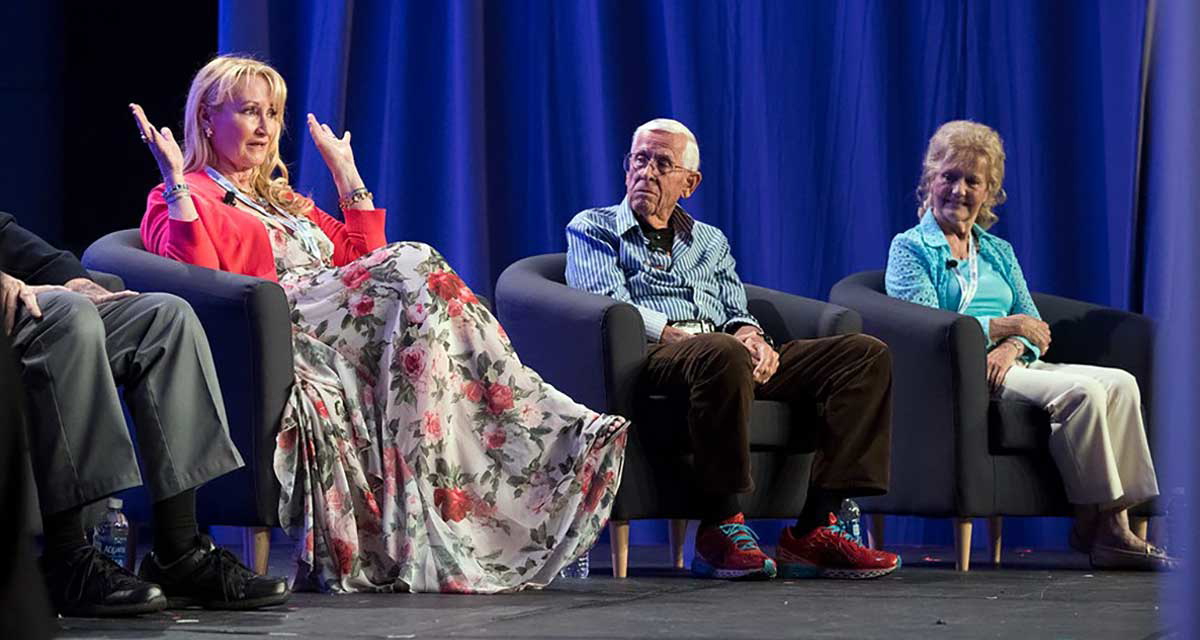
One curious detail? Kathryn never had children of her own, which surprises some people given her rather iconic career voicing legendary girls. After all, who wouldn’t want Wendy Darling or Alice who traversed Wonderland as their mom? But motherhood isn’t the only way to shape young minds—she spent years inspiring kids from the front of a classroom, proving that influence takes many forms.
Even after stepping away from the limelight, Kathryn never distanced herself from her Disney roots. In interviews, she’s called voicing Alice and Wendy “one of the greatest privileges” of her life, a legacy she embraces with both gratitude and humility. Decades later, she’s still celebrated at Disney fan events, where grown adults (and plenty of kids) light up at the chance to meet the voice behind two of the most beloved girls in animation history.
While she may have traded film sets for chalkboards, Kathryn Beaumont remains, at her core, the girl who fell down a rabbit hole and flew off to Neverland—reminding us all that adventure and imagination never truly grow old.
What Carroll and Barrie Taught the World With Girls in Fiction
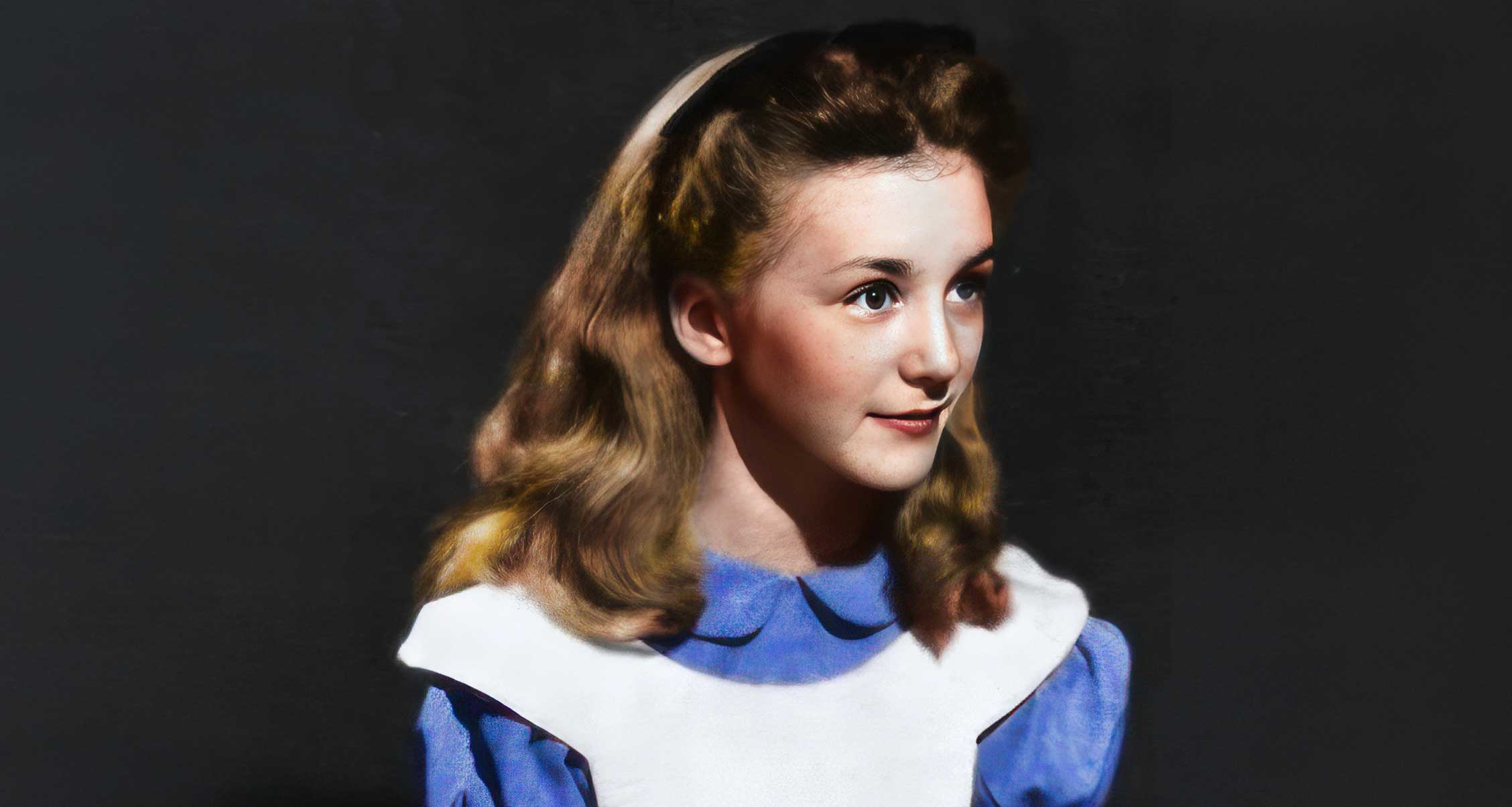
When Lewis Carroll and J.M. Barrie introduced Alice and Wendy to the world, they didn’t just create memorable characters—they crafted girls who refused to quietly fit into the neat little boxes society had built for them. Victorian girlhood literature often served as a moral compass, nudging young readers toward domesticity, obedience, and self-sacrifice. Girls in these stories were expected to embody the “angel in the house”—kind, quiet, and, above all, compliant. Yet, here came Alice and Wendy, tripping through Wonderland and flying off to Neverland, challenging authority, asking inconvenient questions, and—perhaps most shockingly—thinking for themselves.
Take Alice, who, while navigating the topsy-turvy rules of Wonderland, thinks of herself: “she generally gave herself very good advice, (though she very seldom followed it).” Contemporary expectations urged girls to be docile and dutiful, but Alice’s journey is one of constant questioning and challenging.
When she admits, “I–I hardly know, sir, just at present–at least I know who I WAS when I got up this morning, but I think I must have been changed several times since then,” she voices what every growing child (and let’s be honest—adult) has felt: the confusion of identity in a world that wants to define you before you’ve figured out who you are. And while Wonderland’s rules are absurd, Alice isn’t fooled. The quip, “If you drink much from a bottle marked ‘poison,’ it is certain to disagree with you sooner or later,” is a reminder that even in a world that expects and rewards blind compliance, a little skepticism can act as an element of protection.
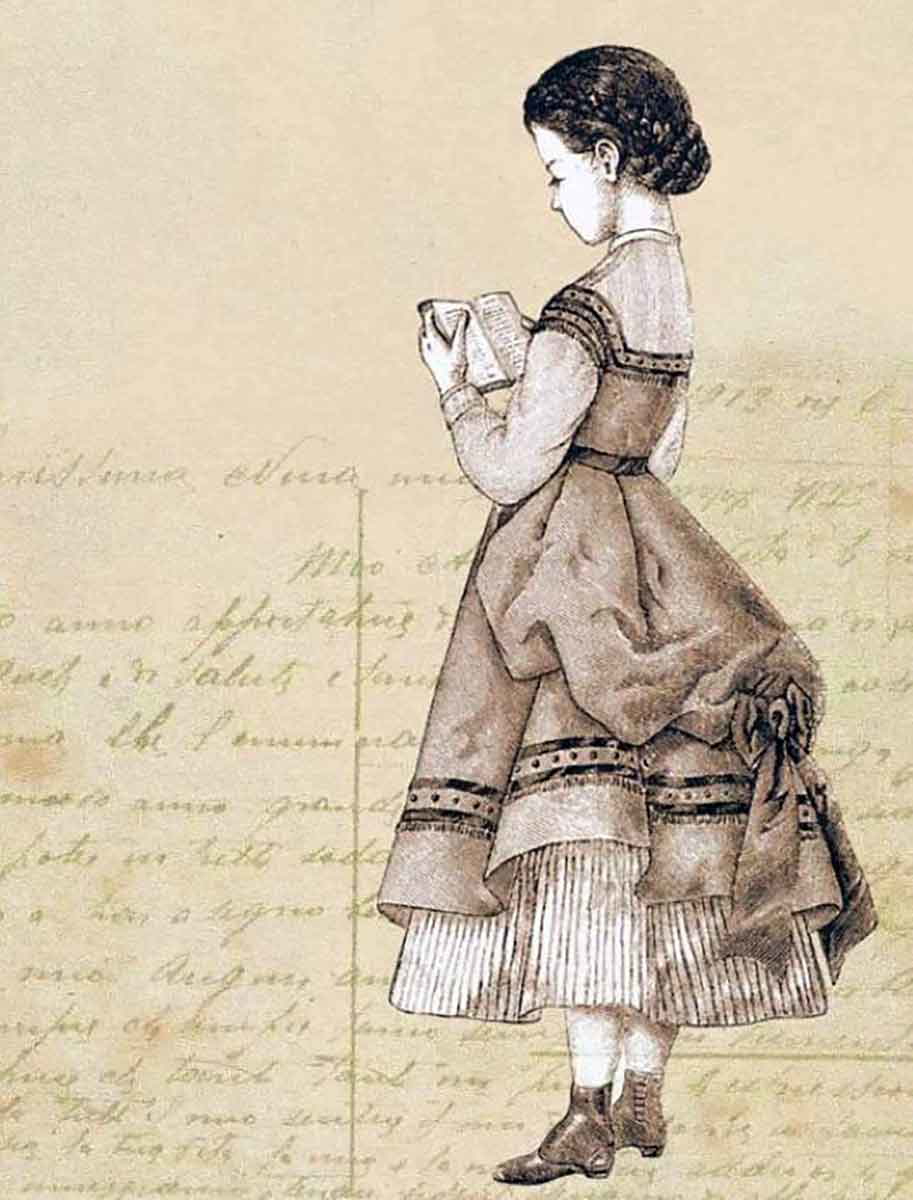
Wendy Darling, on the other hand, embodies a different kind of rebellion. She steps into Neverland ready for adventure but is quickly cast as the “mother” to the Lost Boys—a reflection of how even in fantasy, girls were often pigeonholed into caregiving roles. Yet Barrie offers complexity here. Wendy may tuck the boys in at night, but she also grapples with what bravery means. “There are many different kinds of bravery. There’s the bravery of thinking of others before one’s self,” she informs, acknowledging both the strength in nurturing and the courage in choosing her own path.
By the end, Wendy opts for adulthood—a choice that speaks volumes against the era’s glorification of perpetual girlhood and the childish submission expected of women. In this light, let’s not forget Peter Pan’s reluctant (but telling) admission: “Wendy, one girl is more use than twenty boys.” High praise, even if Peter is too inexperienced to fully grasp why.
These characters emerged at a time when literature was a key tool for shaping young girls into “proper” women. Texts like A Little Princess and The Secret Garden often walked the line between reinforcing traditional roles and hinting at new possibilities for women outside of the domestic sphere. As scholars note, girlhood literature of the period simultaneously questioned and then reinforced the ideal of a compliant woman and warm mother, greatly influencing how young readers saw themselves.
Carroll and Barrie—perhaps unintentionally—pushed back harder than most. Their heroines weren’t just reacting to their worlds; they were reshaping them. They were not ideal, but a realistic depiction of the makeup of little girls: sweet and brassy, brave and bold, obedient and a bit insolent all at once.
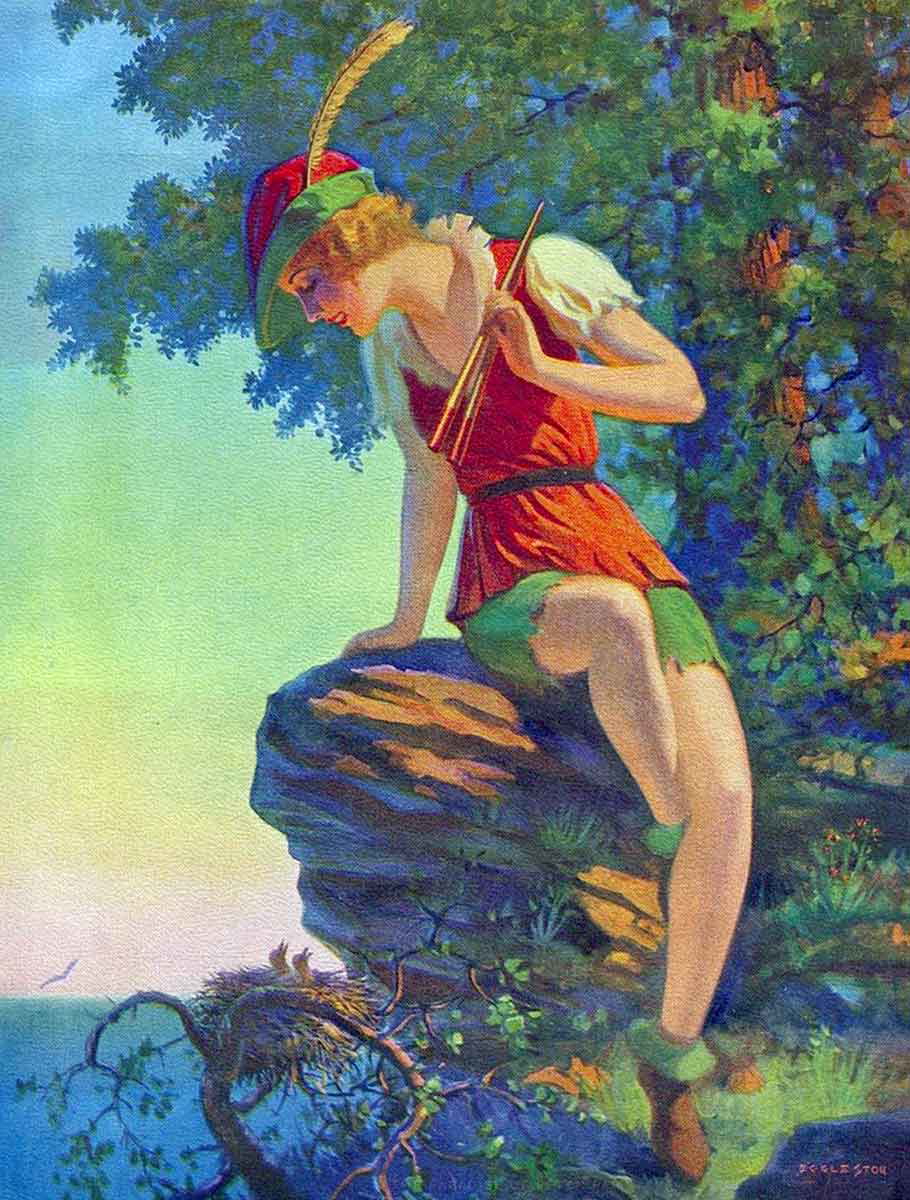
Then, decades later, along came Kathryn Beaumont. With her clear, thoughtful voice, she breathed life into Alice’s curiosity and Wendy’s wisdom, ensuring that these girls’ bold and before-their-time spirits would speak to new generations. Beaumont’s portrayals reminded audiences that, while the worlds of Wonderland and Neverland are fantastical, the challenges their heroines face—figuring out who you are, standing up for yourself, and navigating society’s expectations—are universal and not dependent on gender or age.
In the end, what Carroll and Barrie taught us was simple yet radical: girls are capable of more than just being supporting characters in someone else’s story. Whether drinking from suspicious bottles or flitting off to magical lands, they’re leaders, thinkers, and even protagonists in their own right. Or, to borrow from Peter Pan, “To die will be an awfully big adventure,”—but living boldly? That might just be the biggest adventure of all. And, while thinking about how Margaret Henley’s life ended so early, maybe the written word was a hope that she found her own perfect Neverland.