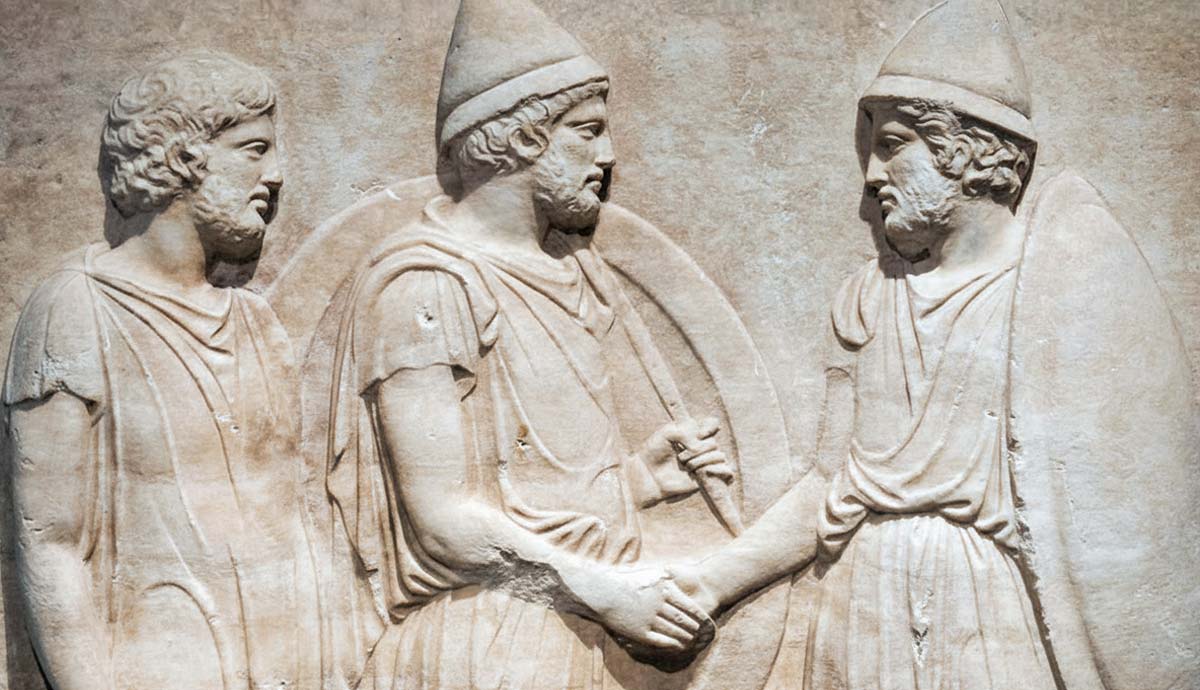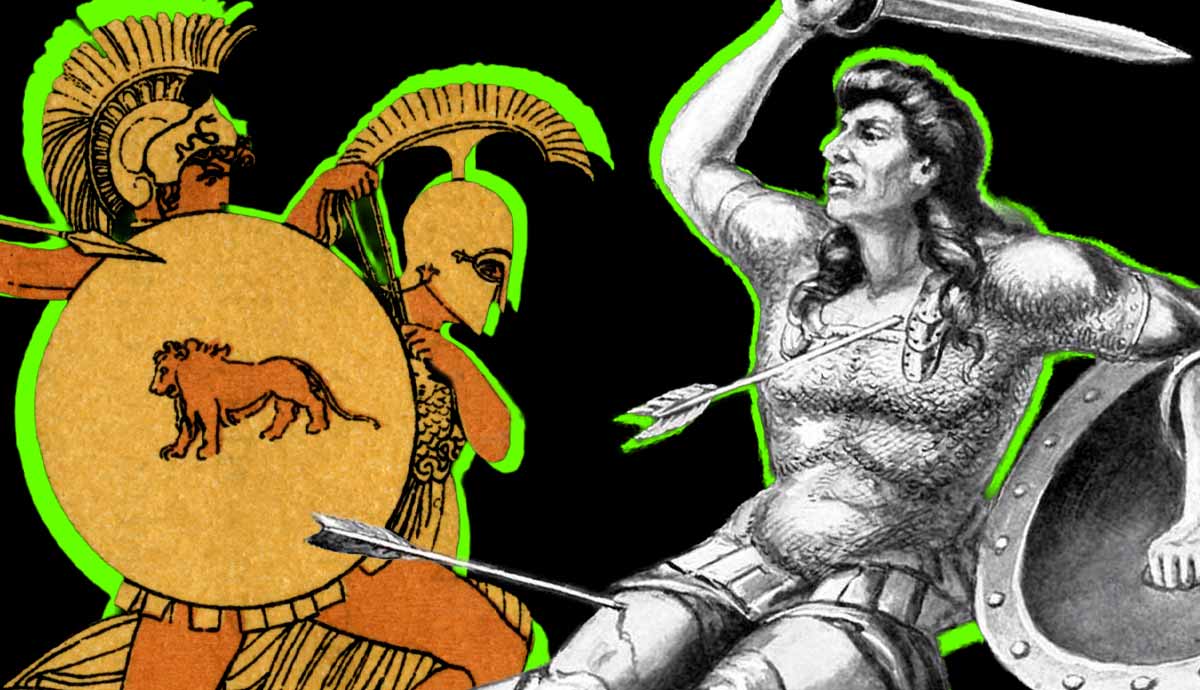
Popular illustrations of ancient Greek fighters portray them as citizen soldiers bound by civic duty. However, as warfare became increasingly complicated, so too did the civic obligations associated with being a warrior. The later 5th-century BCE, in particular, saw the rise of a new class of paid professionals who altered the way war was conducted, and eventually, the way Greek city states operated.
Warfare in Ancient Greek City States

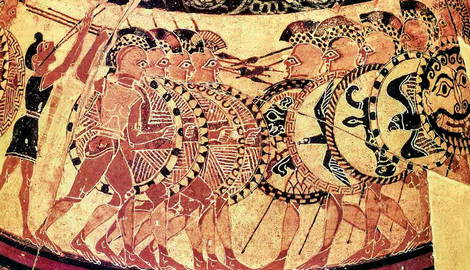
Warfare between city-states in ancient Greece was generally limited and seasonal, usually ending in one decisive battle. Additionally, battles were typically fought using the hoplite phalanx strategy, a tight mass of heavily-armed infantrymen.
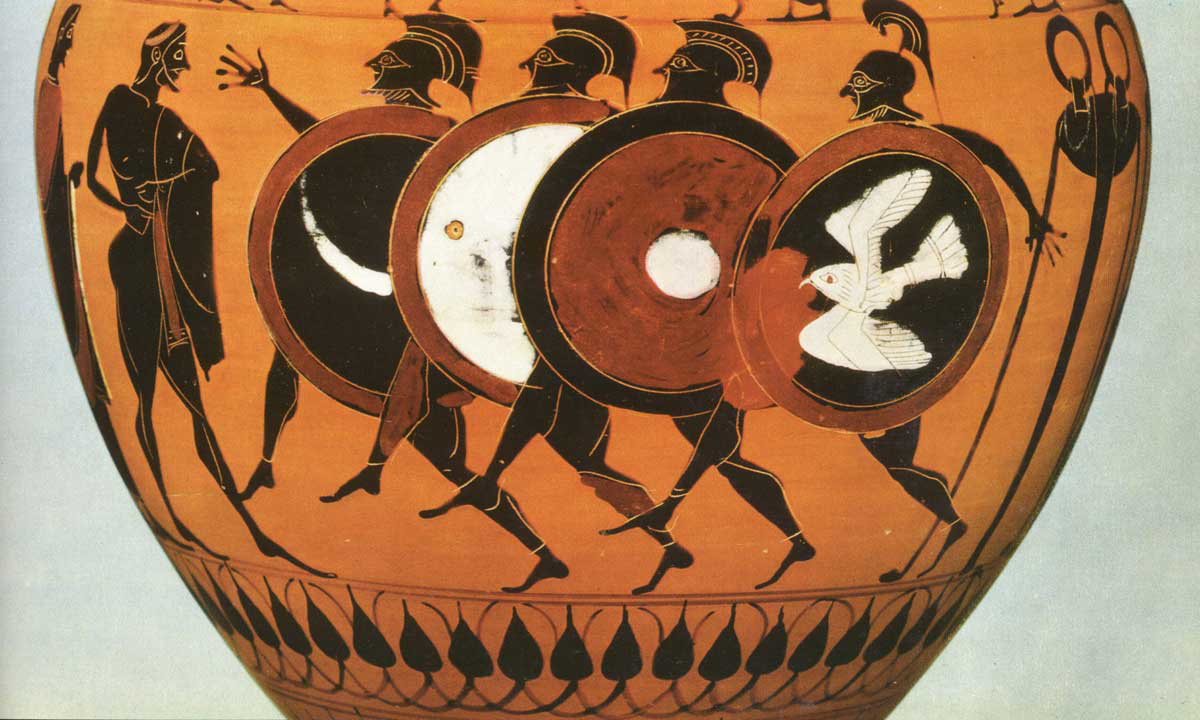
The hoplite phalanx was a tight shoulder-to-shoulder formation of citizen soldiers that formed a shield wall with rows of soldiers of up to eight rows or more. Each soldier in the formation carried a large round hoplon (or aspis) shield on their left arm to protect themselves and the exposed right side of the soldier directly to his left.
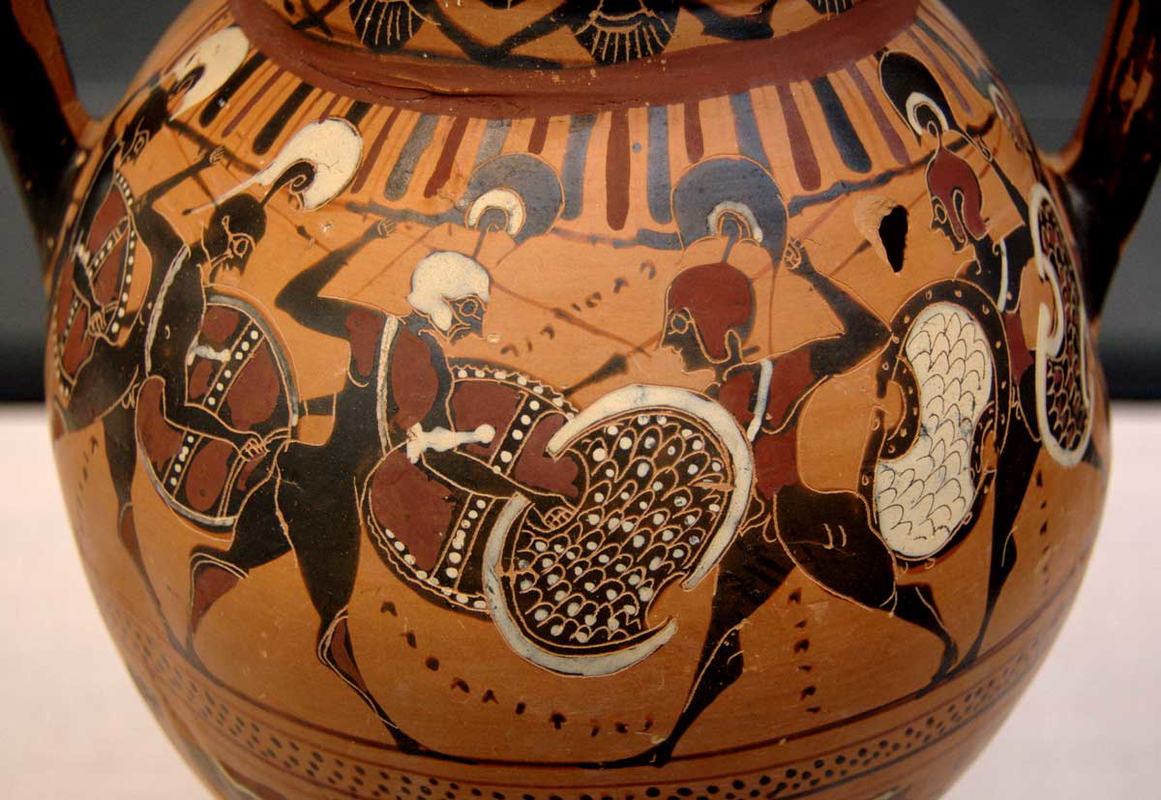
The primary offensive weapon of the hoplite (the heavily armed citizen soldier) was the dory — a long thrusting spear typically seven to ten feet long. In the event that the dory snapped, each soldier had access to a xiphos (short sword) for hand-to-hand combat.
The ability to afford the hoplite equipment was directly related to an individual’s status as a citizen and their participation in governance.
The system, however, had several drawbacks, and one of them was that the campaigns were short. This was due to the need for soldiers to return to their farms for planting and harvesting. As such, hoplites were ill-equipped for prolonged siege warfare.
The Impact of the Peloponnesian War on Fighting Strategies
The extended duration of the Peloponnesian War (431 BCE – 404 BCE), and the repeated invasion of Attica by the Spartans, severely damaged agricultural lands. The ensuing instability caused thousands of people in the affected lands, many of whom had prior military experience, to become unemployed. The situation left the veterans with two main options. One of them was to fight for their exhausted city-states again and the other was to work for foreign powers such as Persia, as mercenaries for a higher wage.
Not only did the war create a large pool of skilled and experienced veterans, it also created the opportunity for city-states to test new military strategies, like the extensive use of peltasts, who were lightly armored infantrymen. Peltasts were successful at disrupting the slow and rigid formation of traditional hoplites and soon became a favorite among mercenary units. One result of this was the eventual decline of the hoplite phalanx.
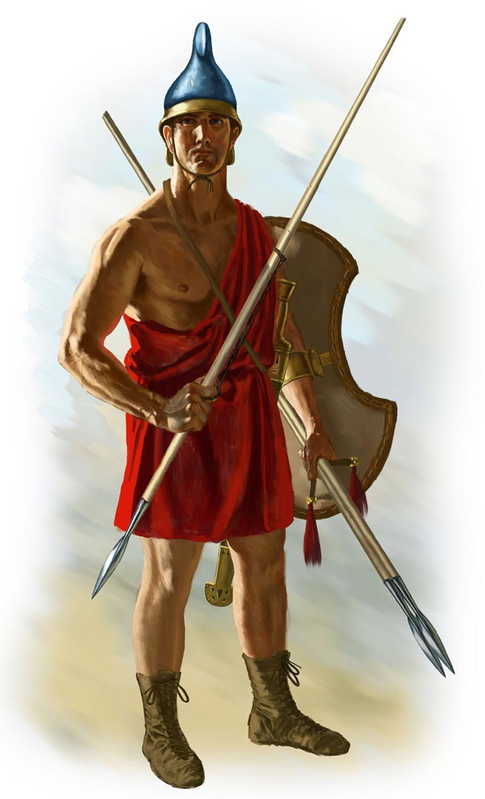
The rise of mercenary units also altered the manner in which battles were fought and won. Unlike citizen-soldiers, who were often constrained by their equipment and home duties, mercenaries were professional soldiers, capable of adapting to dynamic situations on the battlefield, including long sieges.
How the March of the Ten Thousand Influenced Warfare Tactics
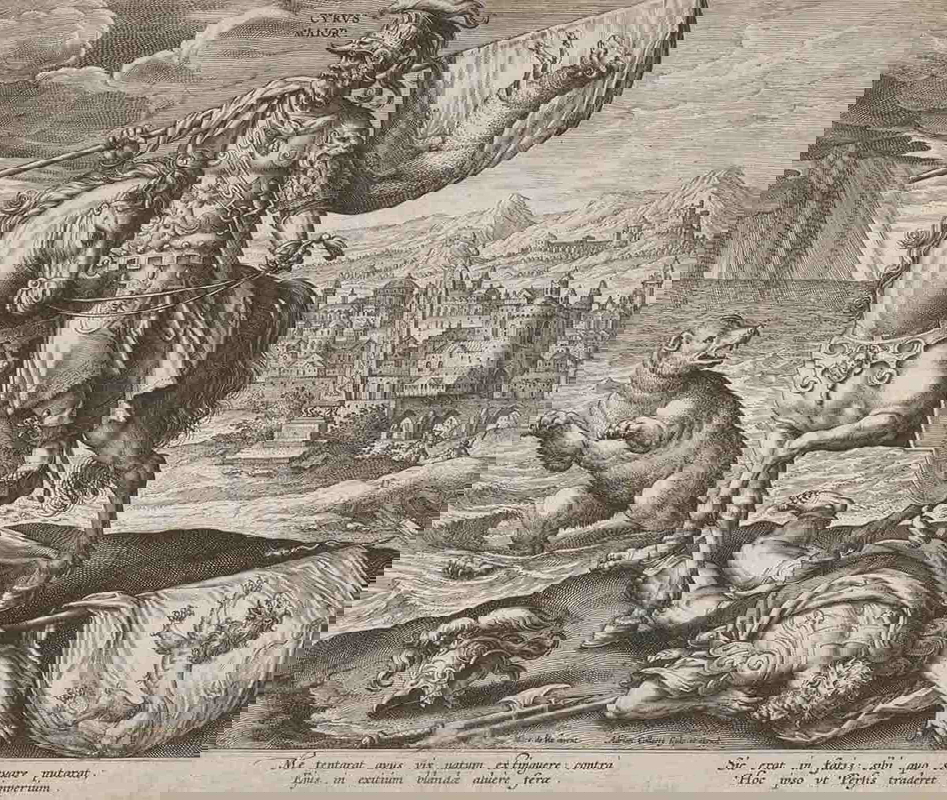
The most detailed account of Greek mercenaries is found in Xenophon’s Anabasis. It detailed the struggles of The Ten Thousand, a force of Greek mercenaries hired by the Persian prince Cyrus to defeat his brother, Artaxerxes II. The Greeks successfully defeated the opposing forces in the Battle of Cunaxa. However, they found themselves stranded in hostile territory, over 1,500 miles from home after Cyrus was killed in battle.
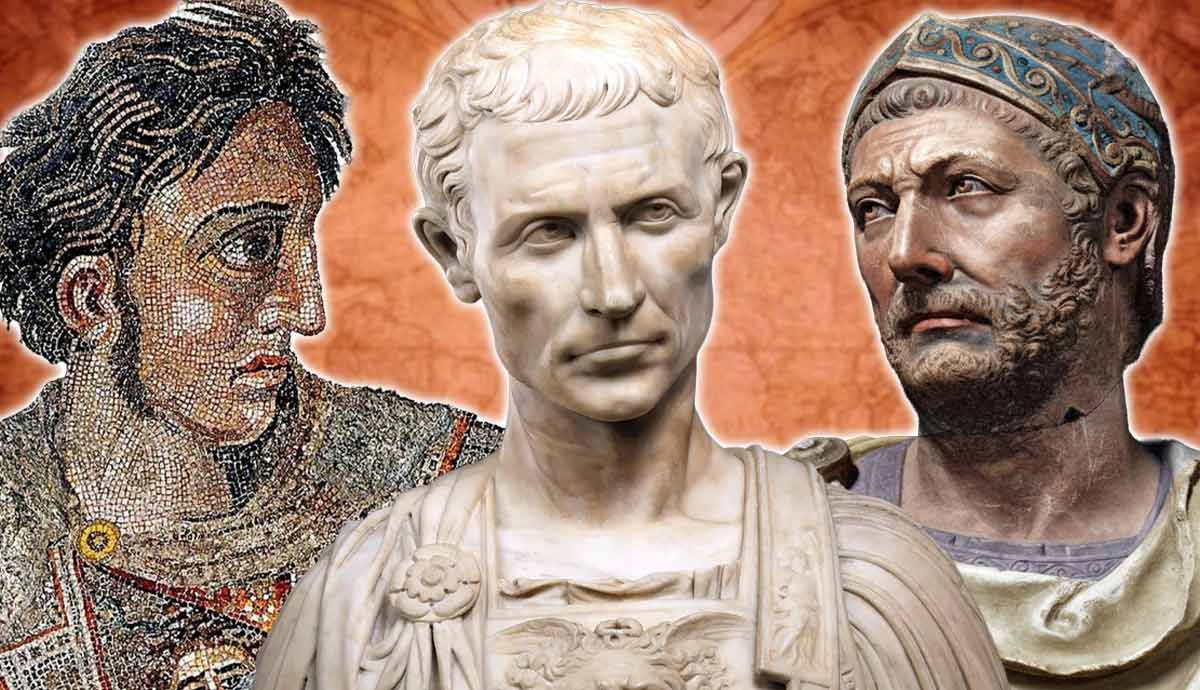
Although they faced numerous dangers and hardships, the mercenaries successfully fought their way back to safety utilizing discipline and innovative tactics. Their success showed the Greek world that even a relatively small, well-disciplined, and organized force could successfully penetrate the interior of the large, distant Persian Empire. The lessons learned from the March of the Ten Thousand would have significant influence on the military strategies employed by future conquerors such as Philip II of Macedon and his son, Alexander the Great.
Greek States and Mercenaries
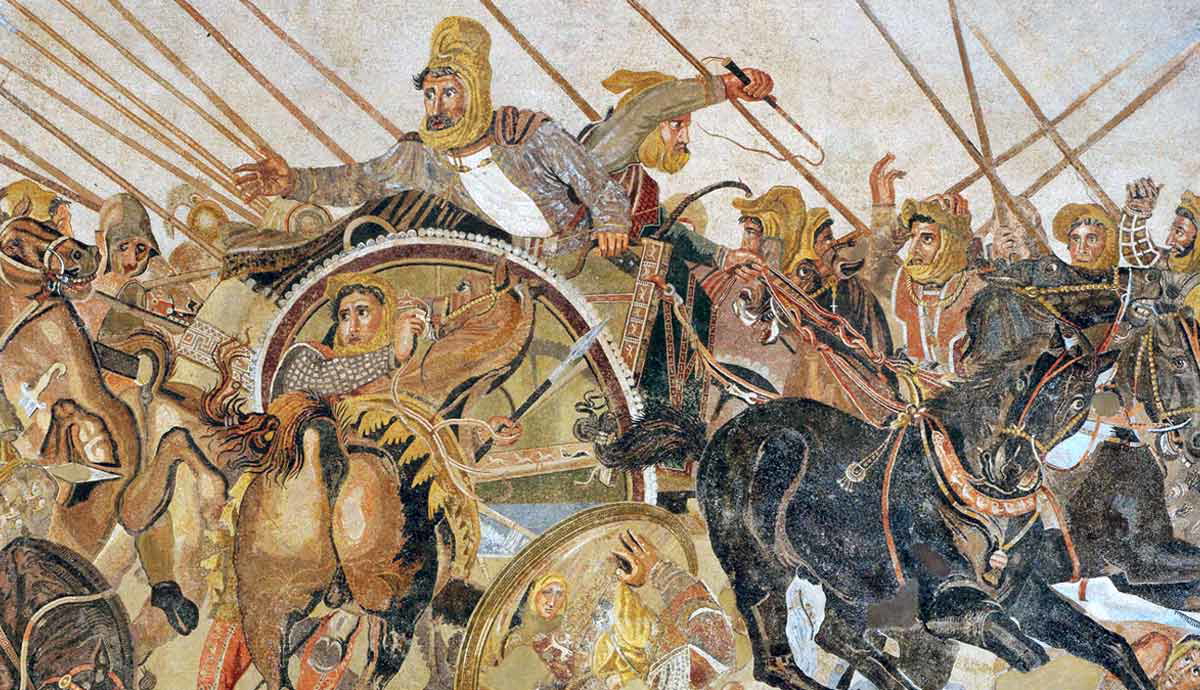
As being a soldier became a modern, full-time profession, the concept of the citizen-soldier disappeared. By the Hellenistic period (323 BCE to 31 BCE), which immediately followed the conquests of Alexander the Great, mercenaries had reached the pinnacle of their power. The enormous kingdoms established by Alexander’s successors were nearly completely reliant on professional, paid armies to enforce their rule and dominance. Today, most governments around the world maintain professional, paid militaries.