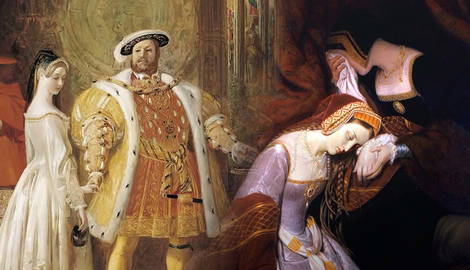
Throughout the centuries since her death, Anne Boleyn has become a subject of fascination to a huge variety of people. Historians, writers, academics, and even television audiences have become obsessed with King Henry VIII’s second queen. It seems that her tragic fate only adds to her appeal as an enchanting figure.
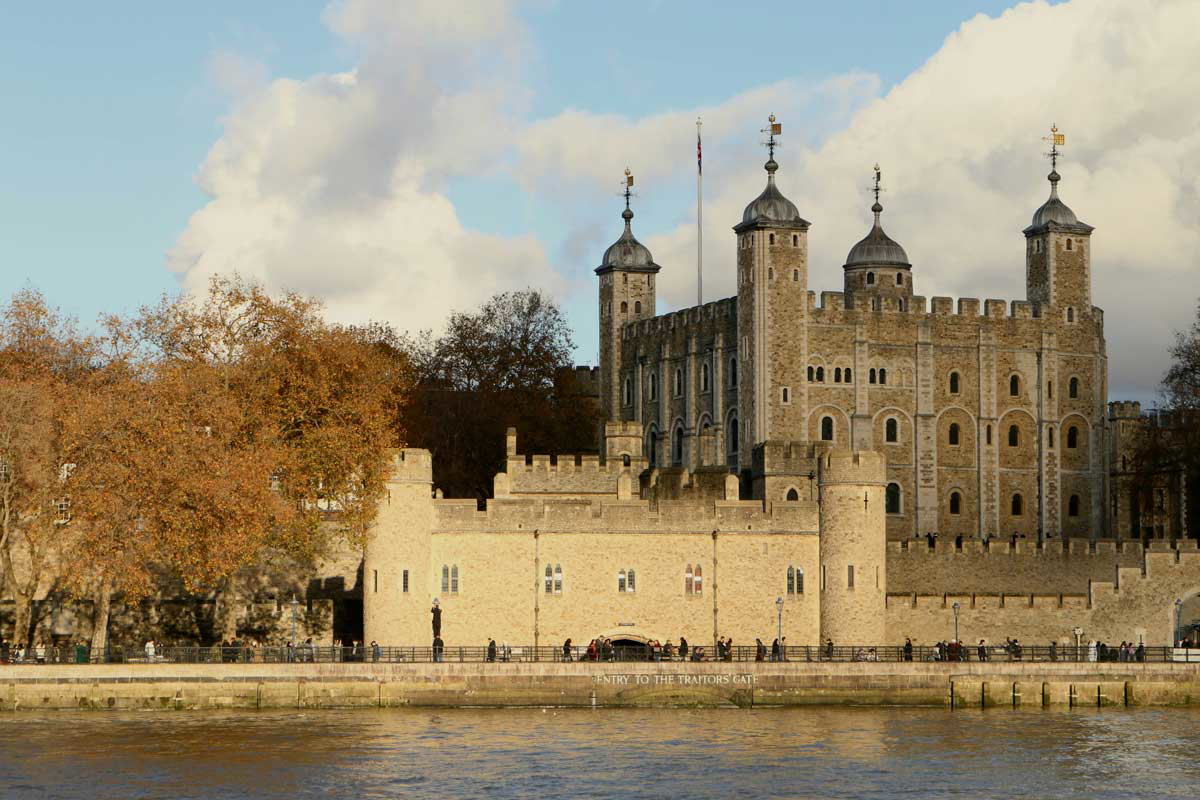
In this article, we will step back into the 16th century and venture straight into the Tower of London. In order to relive the last days of Anne Boleyn, we will attempt to answer one integral question. How did her shocking downfall and untimely death unfold?
A Brief Timeline of Anne Boleyn’s Last Days
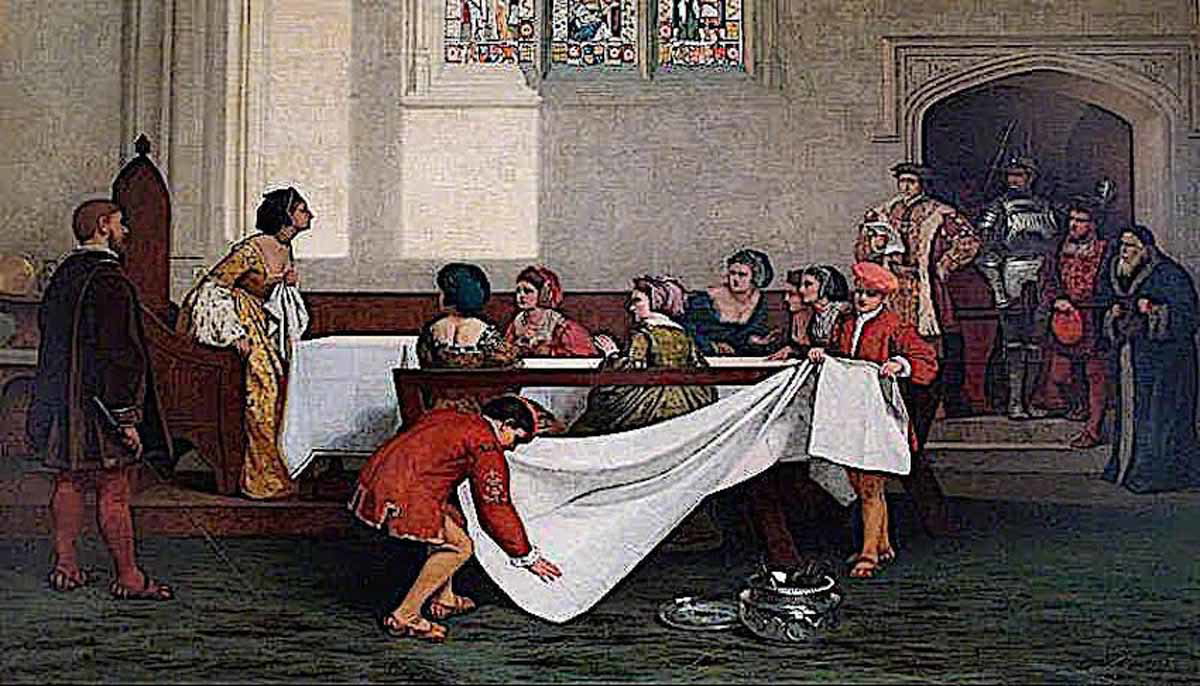
Anne Boleyn’s luck began to decline noticeably in January of 1536, almost exactly three years after her wedding to King Henry. There are several significant events that acted as markers for the beginning of her downfall. These include the death of Catherine of Aragon on January 7th, King Henry’s jousting accident on the 24th, and most notably, Anne Boleyn’s miscarriage on the 29th—contemporaries claimed that she had “Miscarried her savior.” By this point, it is likely that Jane Seymour was beginning to replace Anne Boleyn in King Henry’s affections. From this day onward, throughout the next three months, her story spiralled out of control.
One of the most surprising elements of the story of Anne Boleyn’s downfall is the speed of its progression. The swiftness with which her arrest, trial, and execution were carried out is shocking to behold, even five centuries after their completion. Between her arrest (the first step of her downfall, which would have been obvious to her) to her death (the end of her enduring story), there were only 17 days.
It all began on May 1, when King Henry VIII mysteriously vanished from the annual May Day joust, apparently without so much as waving goodbye to his wife. This was the last time Anne Boleyn would have had any sight of her husband. Less than 24 hours later, on May 2, she was arrested and taken to the Tower of London. After twelve days imprisoned in her lodgings at the Tower, Anne Boleyn and her brother George were both found guilty and sentenced to death.
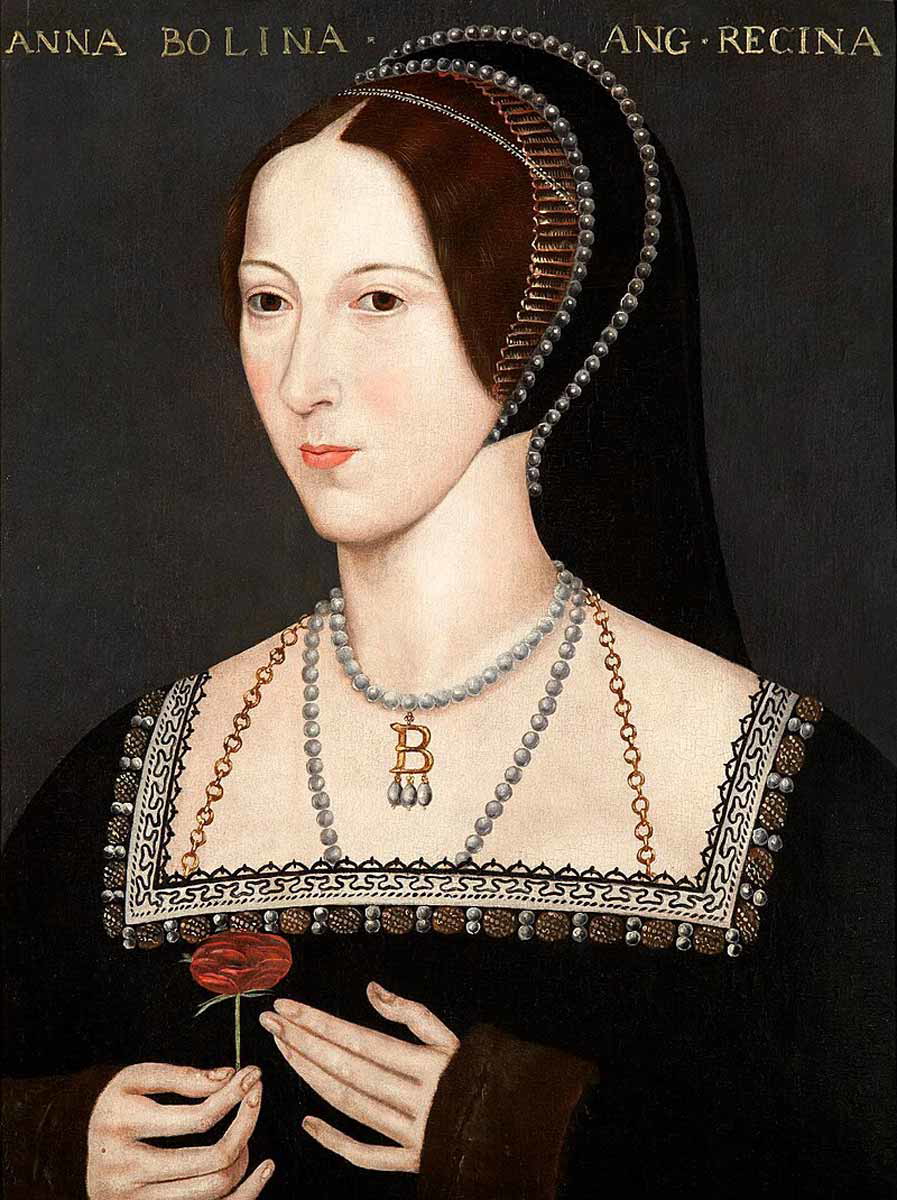
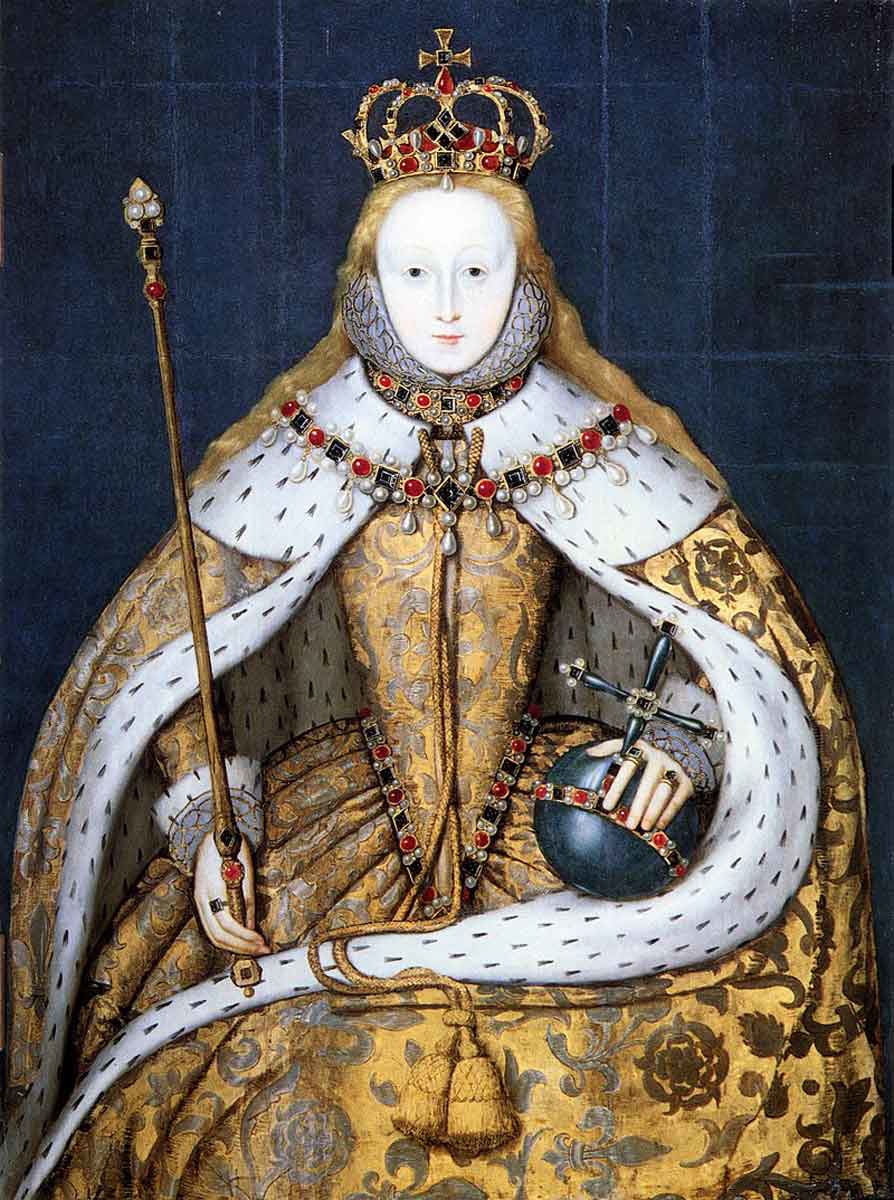
Immediately following these events, the marriage between King Henry VIII and Anne Boleyn was declared null and void by Archbishop Thomas Cranmer. This left their only child, Princess Elizabeth, as unwanted and illegitimate.
Anne Boleyn’s execution was originally scheduled for May 18, but was postponed due to the executioner being delayed on his way from France. On May 19, Anne Boleyn’s story came to an end with her execution inside the walls of the Tower of London.
The following day, King Henry VIII and his third wife, Jane Seymour, were formally betrothed. Ten days later, without a thought to spare for the woman he used to love, King Henry married Jane at Whitehall Palace, and shortly after, she was declared the new Queen of England.
The Arrest of Anne Boleyn
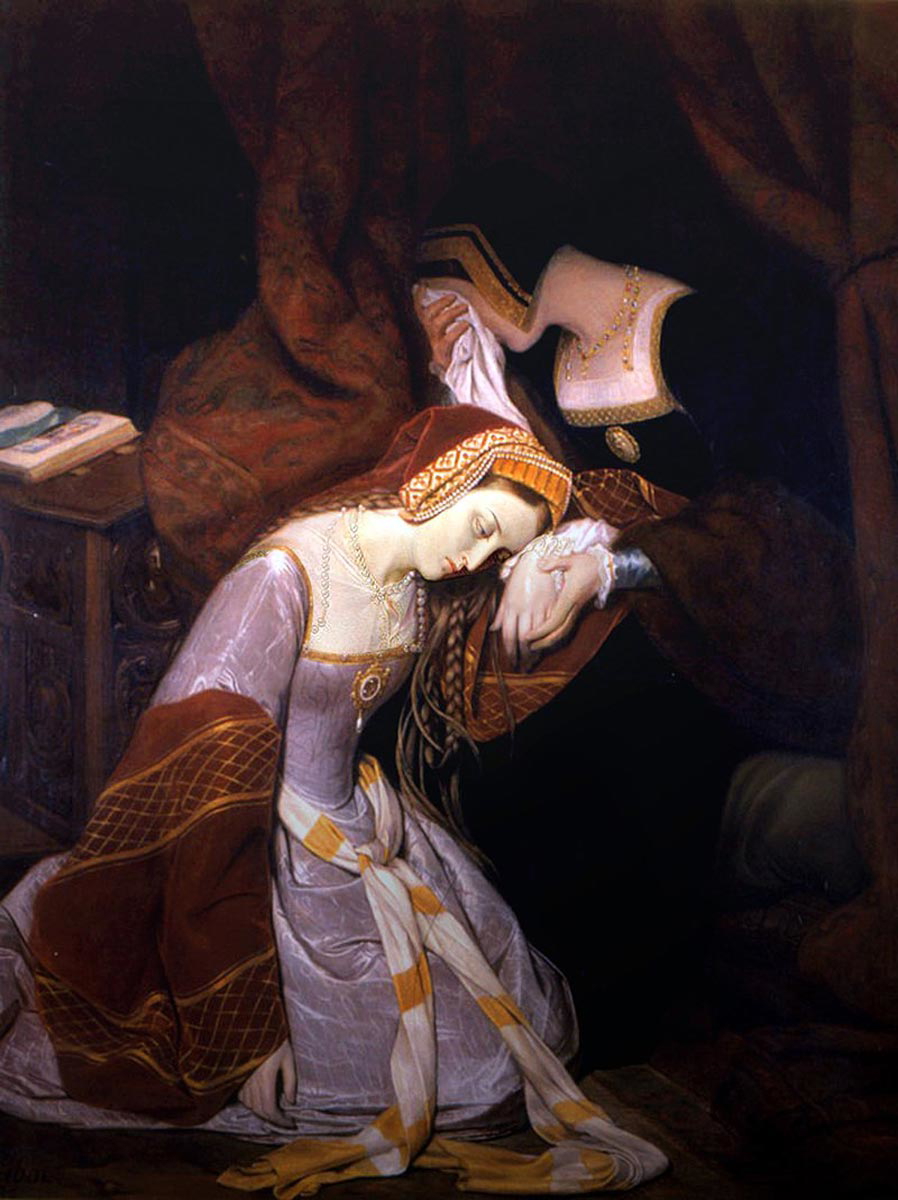
Tradition tells us that Anne Boleyn was watching a game of tennis at Greenwich Palace at the time of her arrest. A messenger arrived at her side and informed her that the King desired her presence before the Privy Council. Doing as she was bid, Anne Boleyn immediately left the game and made her way to the council chamber.
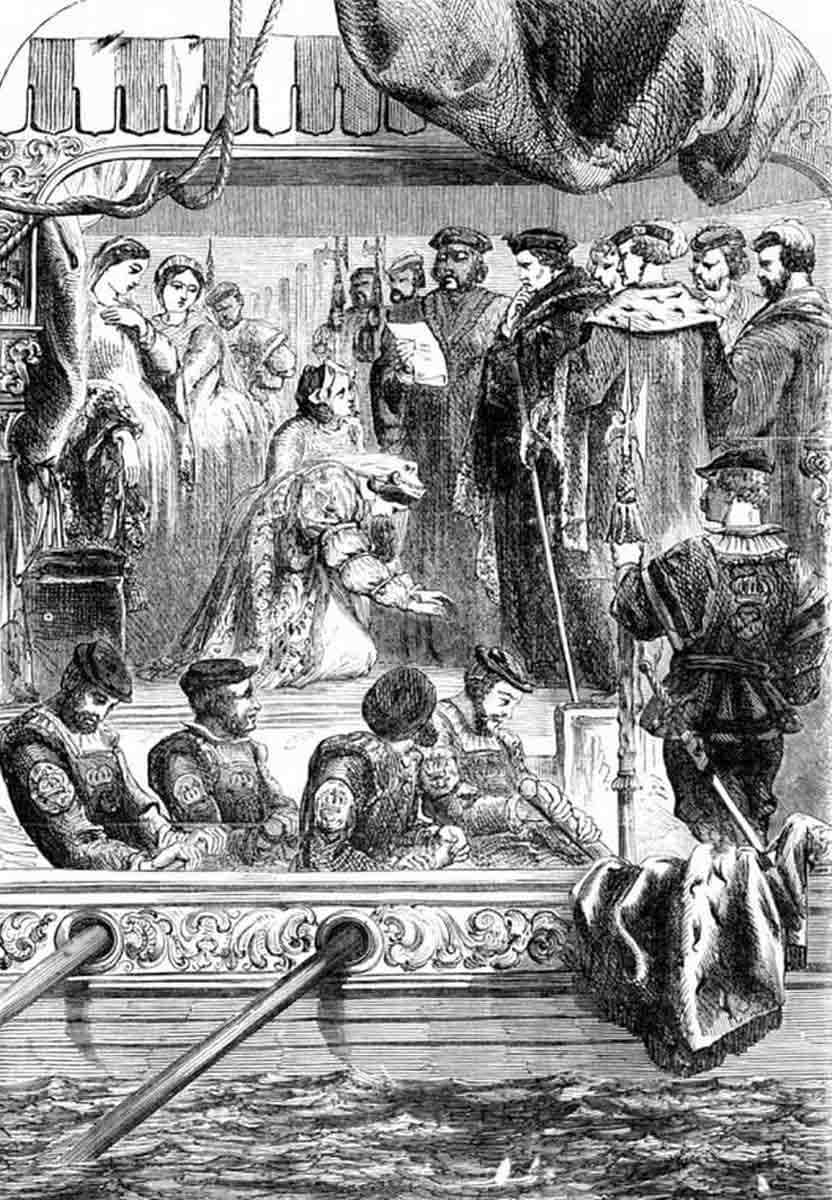
What came next must have been an incredible shock. The council informed her that she was being arrested on charges of adultery with numerous men. After exchanging a selection of heated words with the Duke of Norfolk, Sir William Fitzwilliam, Sir William Paulet, and a few others, she was escorted back to her apartments. She remained there for a few hours, but at around two o’clock in the afternoon, she was placed in a barge, taken down the Thames, through the Tower Gate (rather than Traitor’s Gate), and delivered to the Tower of London.
There, she was met by the constable of the Tower, Sir William Kingston, who was prepared for her arrival. It was Kingston who would be responsible for Anne Boleyn’s safety and well-being for however long she was required to remain at the Tower. This would have been a difficult job. On the one hand, Anne Boleyn was a prisoner awaiting trial. On the other hand, she was still technically Queen of England. The level of her treatment would have been extremely hard to assess, especially with the likes of Thomas Cromwell demanding regular updates on her behavior, her words, or anything else that might incriminate her.
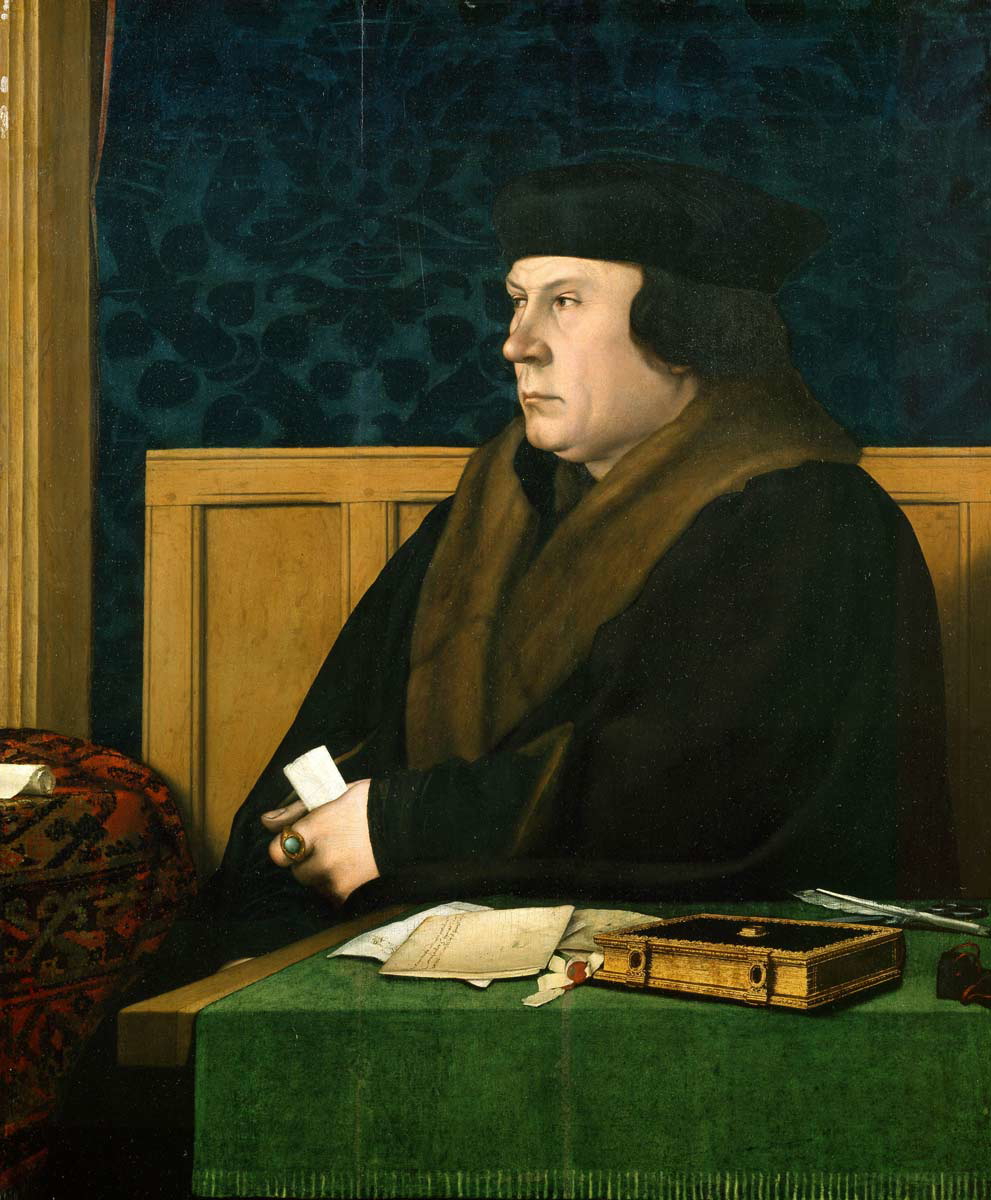
On May 3, William Kingston wrote to Thomas Cromwell to tell him of Anne Boleyn’s reaction to her imprisonment. “I went before the Queen into her lodging,” Kingston explained. “She said unto me, ‘Mr. Kingston, shall I go into a dungeon?’ I said, ‘No, Madam. You shall go into the lodging you lay in at your coronation.” The fact that Anne Boleyn stayed in the queen’s lodgings rather than a dungeon is significant. Kingston continued, “‘It is too good for me,’ she said, ‘Jesus have mercy on me.’ And kneeled down, weeping a good pace, and in the same sorrow fell into a great laughing, as she has done many times since.”
Anne Boleyn was not alone in her imprisonment, but had many ladies to attend to her. However, it is important to remember that these ladies were not her usual companions but had been handpicked by Thomas Cromwell. They were Mistress Coffin (the wife of Anne Boleyn’s Master of the Horse), Lady Boleyn (whose identity has not been confirmed, but who is likely to have been an aunt on her father’s side), and Baroness Elizabeth Stonor (the wife of Walter Stonor). Mary Scrope, the wife of William Kingston, was also present at Anne Boleyn’s side.
A Letter From the Lady in the Tower
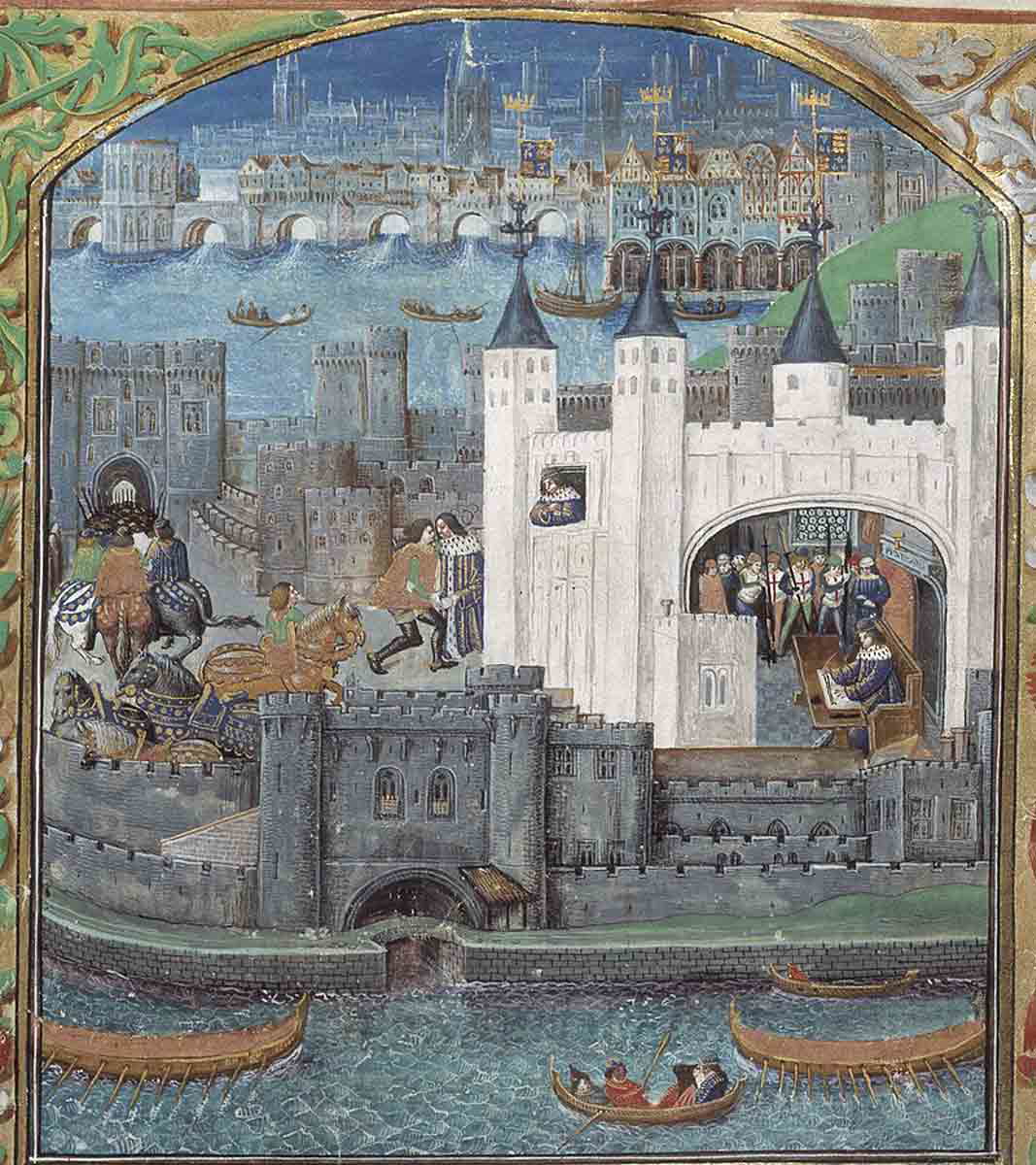
Although Anne Boleyn spent only 17 days imprisoned in her lodgings at the Tower of London, it seems likely that it felt to her an eternity. Throughout this time, it was reported that she grew gradually more anxious and increasingly fretful. Her greatest desire was to meet with the King and to speak with him face-to-face.
There was a good reason Anne Boleyn desperately sought to convene with King Henry. She believed that if they saw each other in the flesh, she would be able to convince him to change his mind; if not about their marriage, then at least about her current situation. Anne Boleyn was well aware of King Henry’s weakness when it came to desperate situations such as these. Some seven years earlier, she herself had forbidden King Henry from having any close contact with Cardinal Wolsey, for fear that he would relent in his presence and forgive him.
The requests to meet King Henry were met with firm and definite replies. The answer was no, without room for negotiation. However, there was an alternative offered. On May 6, Anne Boleyn was finally granted permission by William Kingston to write a letter to the King. This small mercy was not exactly what she had in mind, but it allowed her one last chance to make some form of contact with her husband, insist on her innocence, and even make a plea for forgiveness.
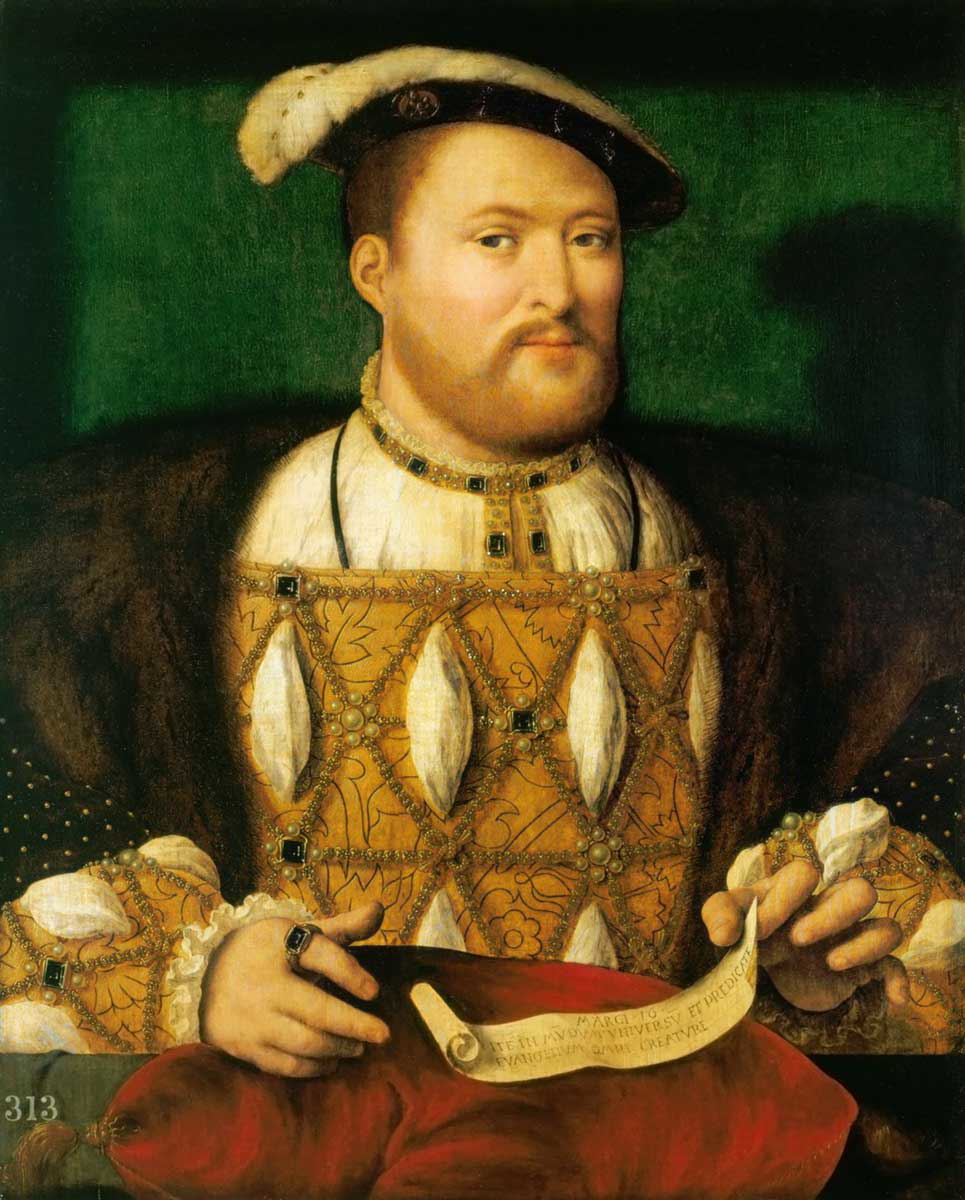
If and when he opened his letter, King Henry would have been greeted with the words “To the King from the Lady in the Tower.” Anne Boleyn began the content of her letter by professing her confusion over her arrest; “Your Grace’s displeasure, and my imprisonment are things so strange to me, as what to write, or what to excuse, I am altogether ignorant.”
Anne Boleyn finished her letter with one final appeal. She implored King Henry that the other men who had been imprisoned should not die for her sake. Her plea is so filled with genuine compassion and desperation that it may bring an air of sadness to any modern-day reader. “If I have ever found favour in your sight,” she began, “if ever the name of Anne Boleyn hath been pleasing to your ears, then let me obtain this request.”
She signed her letter with the words, “Your most loyal and ever faithful wife, Anne Boleyn.” Her final words to the King were, “From my doleful prison, the tower, this sixth of May.”
The letter consisted of nearly 700 words. It also included a plea for a fair trial, reminders that their daughter Elizabeth was innocent of all wrongdoing, assurance of acceptance and obedience if she should be sentenced to death, and prayers that God would forgive him for all his sins against her.
The letter received no reply, and obviously, her requests were wholly ignored.
The Last Night of Anne Boleyn’s Life
There are a few cases in which a person can predict the exact moment of their death. Upcoming execution is one of the exceptions. On the night of May 18, Anne Boleyn knew that she would die at eight o’clock the following morning. The thought of her final night in the Tower of London is chilling, perhaps even haunting.
Anne Boleyn’s final evening is undocumented, and so her actions, behaviors, and emotions remain unknown. We assume that she would not have slept, but would have spent hours before God in prayer. It is likely that she prayed for her soul, her painless death, her safe entry into heaven, and the safety of her daughter.
The Last Moments of Anne Boleyn
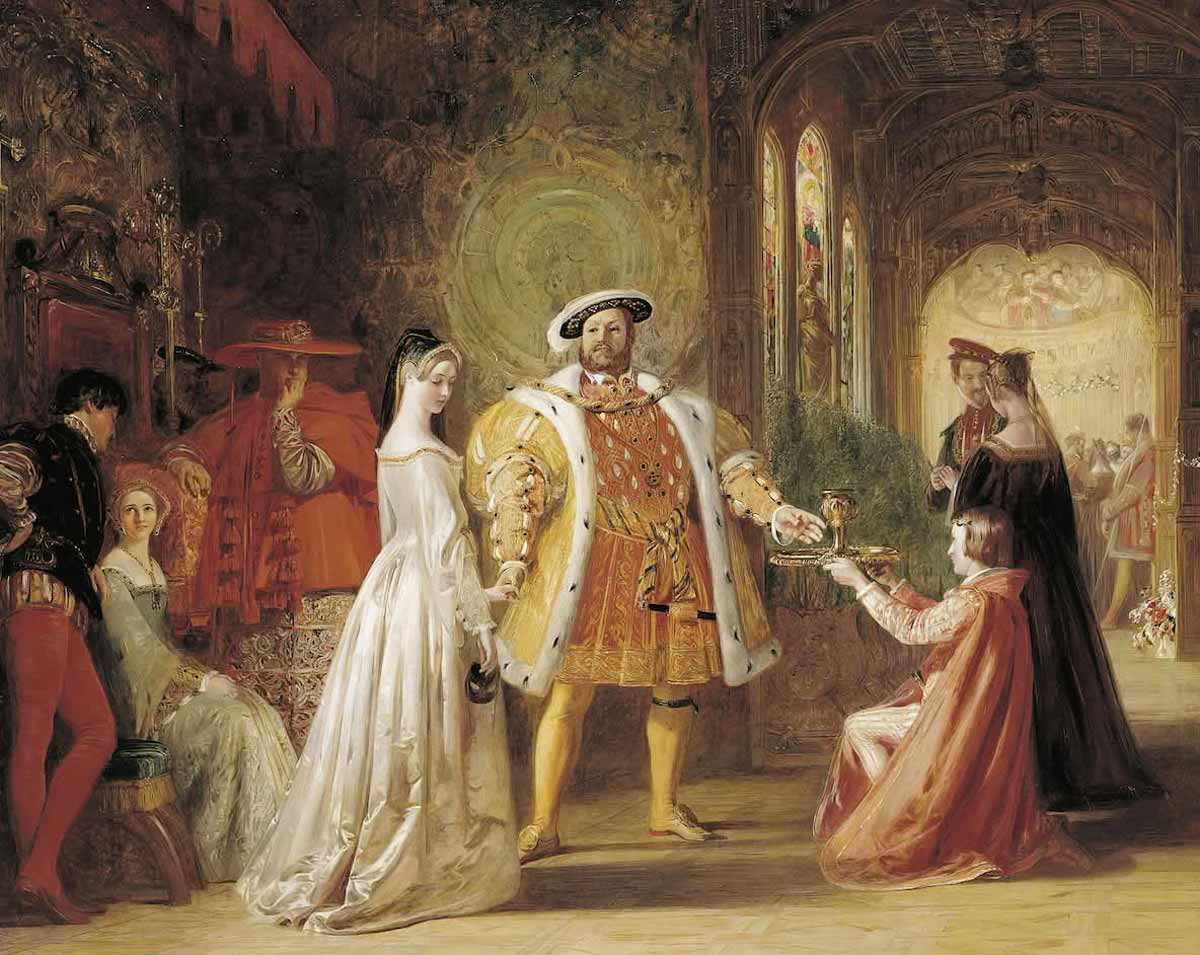
It was May 19, during the year of 1536, that Anne Boleyn was executed at the Tower of London. When she appeared at eight o’clock in the morning, she was said to have been calm, composed, and dignified. One eyewitness account tells us that she “ … went to her death with an untroubled countenance.”
Anne Boleyn had spent the morning with her confessor, John Skip, who had administered to her the last rites. During confession, she supposedly once again confirmed her innocence. Then, less than an hour before her death, she took communion for the last time. The rest of the time, she is likely to have spent standing still, contemplating her former life and her upcoming afterlife, whilst her ladies dressed and readied her.
Anne Boleyn had been carefully prepared by her ladies for her death, and it is unlikely that any of the details on her clothing were placed there by accident. Her ermine trim represented her position as queen. Her kirtle was red, the traditional color of martyrdom. She wore an English hood, rather than the more fashionable French hood, so that she might cover her hair entirely.
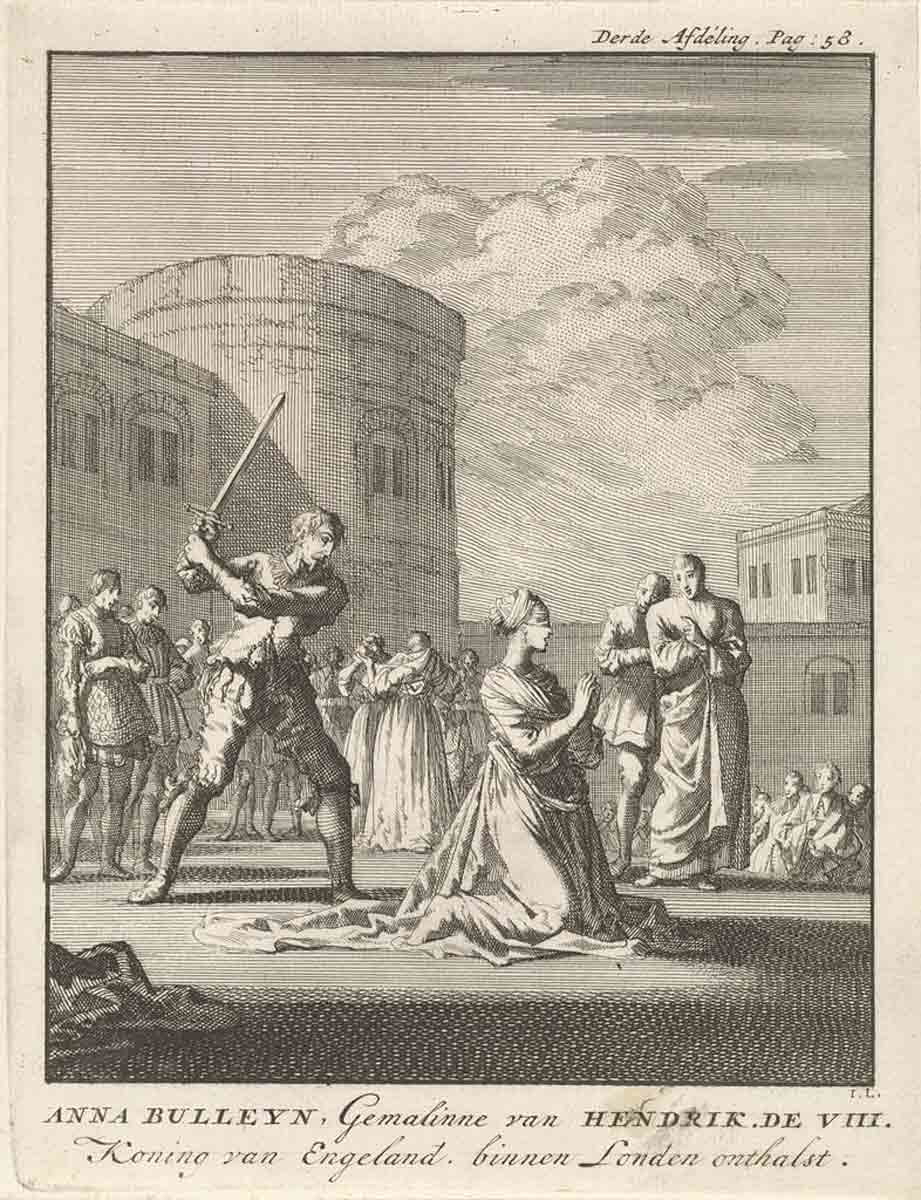
George Boleyn, Sir Henry Norris, Sir Francis Weston, Sir William Brereton, and Mark Smeaton had all been executed on Tower Hill two days previously. They were originally supposed to have been hanged, drawn, and quartered, but in his mercy, King Henry commuted their sentences to beheading. Anne Boleyn received similar merciful treatment; instead of being burned as initially intended, she was killed by the sword. An executioner from Calais, well known for his skill at delivering quick and painless deaths, was specifically selected by the King and Cromwell to perform the task.
Many notable figures gathered to watch the spectacle. Some of the most significant names include Thomas Cromwell, Charles Brandon, Duke of Suffolk, Henry Fitzroy, Sir Ralph Warren, and even the Lord Mayor of London. Also present were aldermen, sheriffs, and representatives from various guilds. Most of King Henry’s Privy Council also had the pleasure of observing the beheading.
It was on the scaffold that Anne Boleyn addressed the crowd gathered before her.
The Last Words of Anne Boleyn
People always want to know the last words of their hero. Whether they be witty and amusing or deep and meaningful, the sentence a person chooses to say with their last breath can reveal so much about their life, their character, and even the nature of their death.
Unfortunately, the truth is that Anne Boleyn’s final words are not overwhelmingly exciting. They have been well documented and are well known to many historians, but have not been carried through history in the same way as many other final declarations. Even Catherine Howard’s famous jibe—“I die a Queen, but I would rather die the wife of Thomas Culpepper”—is significantly better known than anything uttered by Anne Boleyn on the scaffold.
It is Edward Hall, a chronicler of the 15th and 16th centuries, that we have to thank for the longevity of Anne’s final words. It is he who recorded Anne Boleyn’s address to the crowd, which she delivered just moments before her beheading. The last speech of Anne Boleyn, as recorded in full, can be found below…
“Good Christian people, I am come hither to die, for according to the law, and by the law I am judged to die, and therefore I will speak nothing against it. I am come hither to accuse no man, nor to speak anything of that, whereof I am accused and condemned to die, but I pray God save the King and send him long to reign over you, for a gentler nor a more merciful prince was there never: and to me he was ever a good, a gentle and sovereign lord. And if any person will meddle of my cause, I require them to judge the best. And thus I take my leave of the world and of you all, and I heartily desire you all to pray for me.”
That may have been an end to her public address, but it was not an end to her private prayer. After completing this speech, Anne Boleyn knelt on the scaffold in preparation for her death. While on her knees, she continued to speak quietly, to herself and to God. “To Jesus Christ I commend my soul,” she repeated, “Lord Jesus receive my soul.”
This short prayer highlights two things: firstly, her devotion to God, and secondly, her acceptance of her fate.
As Anne Boleyn was repeating her final prayer, she was swiftly and effortlessly dispatched by the French swordsman. The executioner was renowned for his expertise, and so as she knelt and prayed, he was already equipped with his sword. According to many eye-witness accounts, he shouted across the crowds for an imaginary assistant to bring him the sword. As Anne Boleyn instinctively turned her head in the direction of his calls, he caught her off guard and fulfilled his duty.
Anne Boleyn was dead. Her life had come to an end at the age of around 28 to 35 years.
Anne Boleyn: Discovering What Remains
To say that the body of Anne Boleyn was treated poorly after her death would be something of an understatement. Her burial could hardly have been less dignified. Anne Boleyn’s body and head were collected by her attendants, wrapped in linen, and placed in a chest made of elm. That chest was later laid beneath the chancel pavement in the Tower of London’s famous Chapel, that of Saint Peter ad Vincula.
Anne Boleyn’s grave was communal, which meant that a former Queen of England now lay with a selection of criminals who had also been executed at the Tower. There was nothing more to the process of her burial. Her body was concealed without so much as a funeral to commemorate her life.
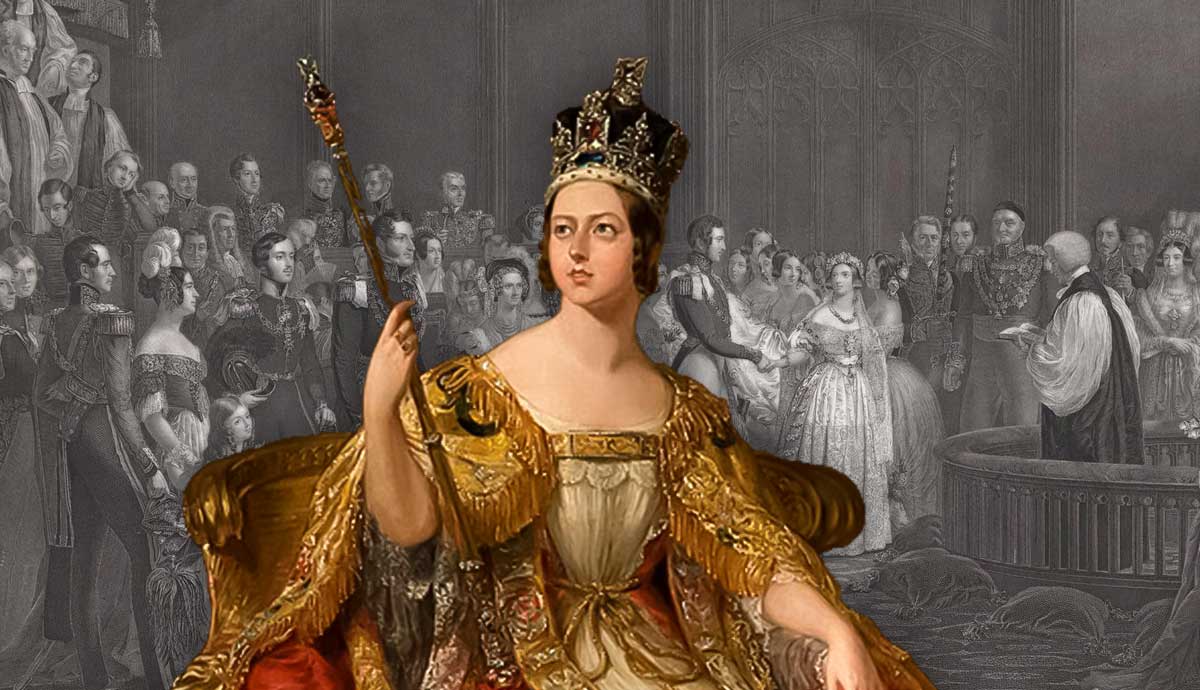
For three centuries, it appeared as if Anne Boleyn had been lost to history. That was, until the year of 1876, when some major renovations were carried out and as a result, equally major discoveries were made. With Queen Victoria’s permission, the construction work in the Chapel was undertaken, and a skeleton of great significance was uncovered. It was taken for observation and identified as belonging to Anne Boleyn.
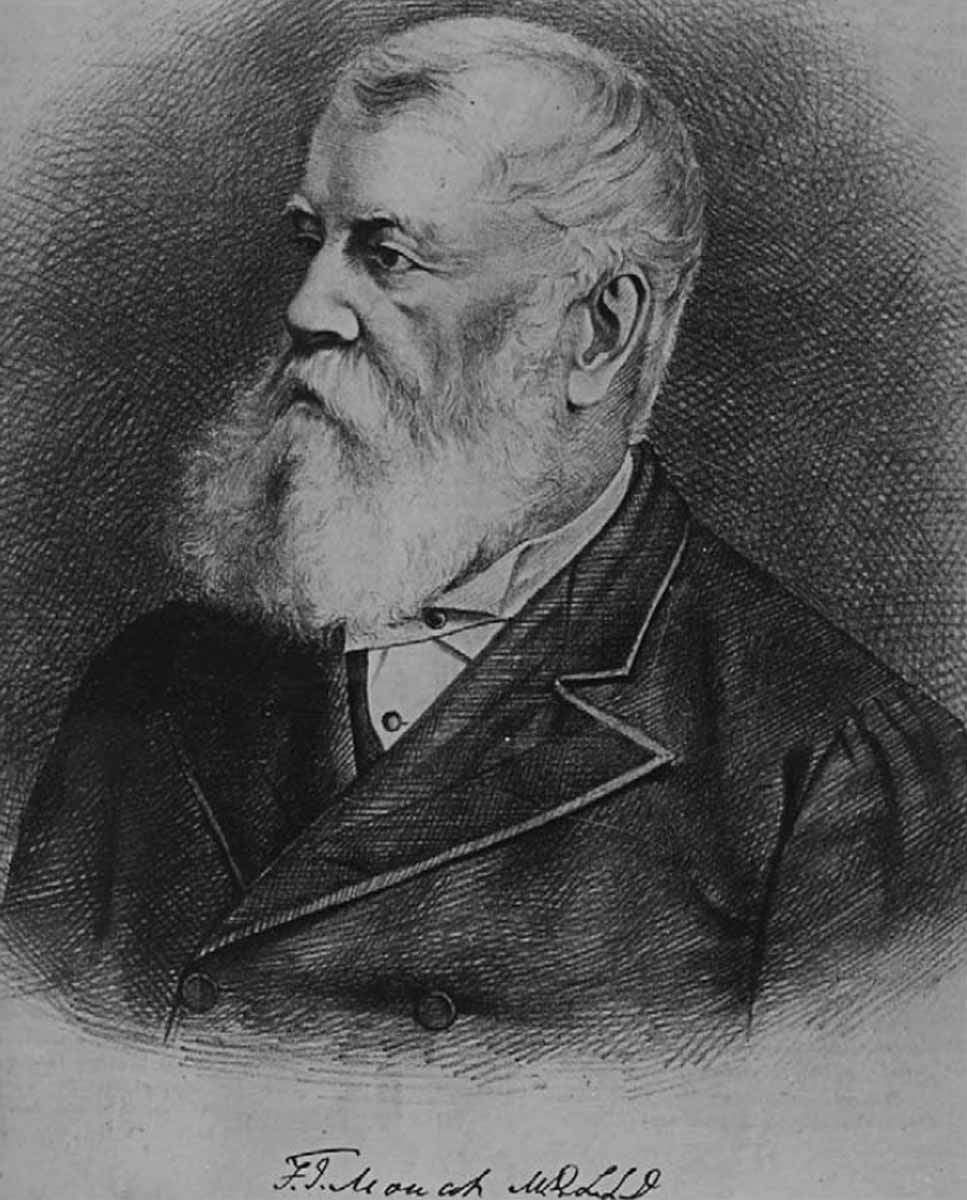
The surgeon presiding over the investigation was named Frederic Mouat. His findings were recorded by Donye Bell. Together, they gathered their evidence and determined that the skeleton belonged to Anne Boleyn.
Mouat and Bell made and published many comments regarding the skeleton. “A female of between twenty-five and thirty years of age, of a delicate frame of body, and who had been of slender and perfect proportions.” He also wrote that “The forehead and lower jaw were especially well formed,” and that “the vertebrae were particularly small.” Later, he continued to describe his findings by stating that the skeleton had “a well formed round skull, an intellectual forehead, straight orbital ridge, large eyes, oval face, and rather square, full chin.”
Although it was decided that these descriptions matched the appearance of Anne Boleyn as she appears in her authenticated portraits, it is important to remember that this is not a definitive finding. Some historians believe that the identified bones could have belonged to another woman executed at the Tower of London. Some even go as far as to suggest that they could have belonged to Anne Boleyn’s similarly fated cousin, Catherine Howard.
Nonetheless, whether Anne Boleyn’s or not, the remains were later reinterred in the same location.
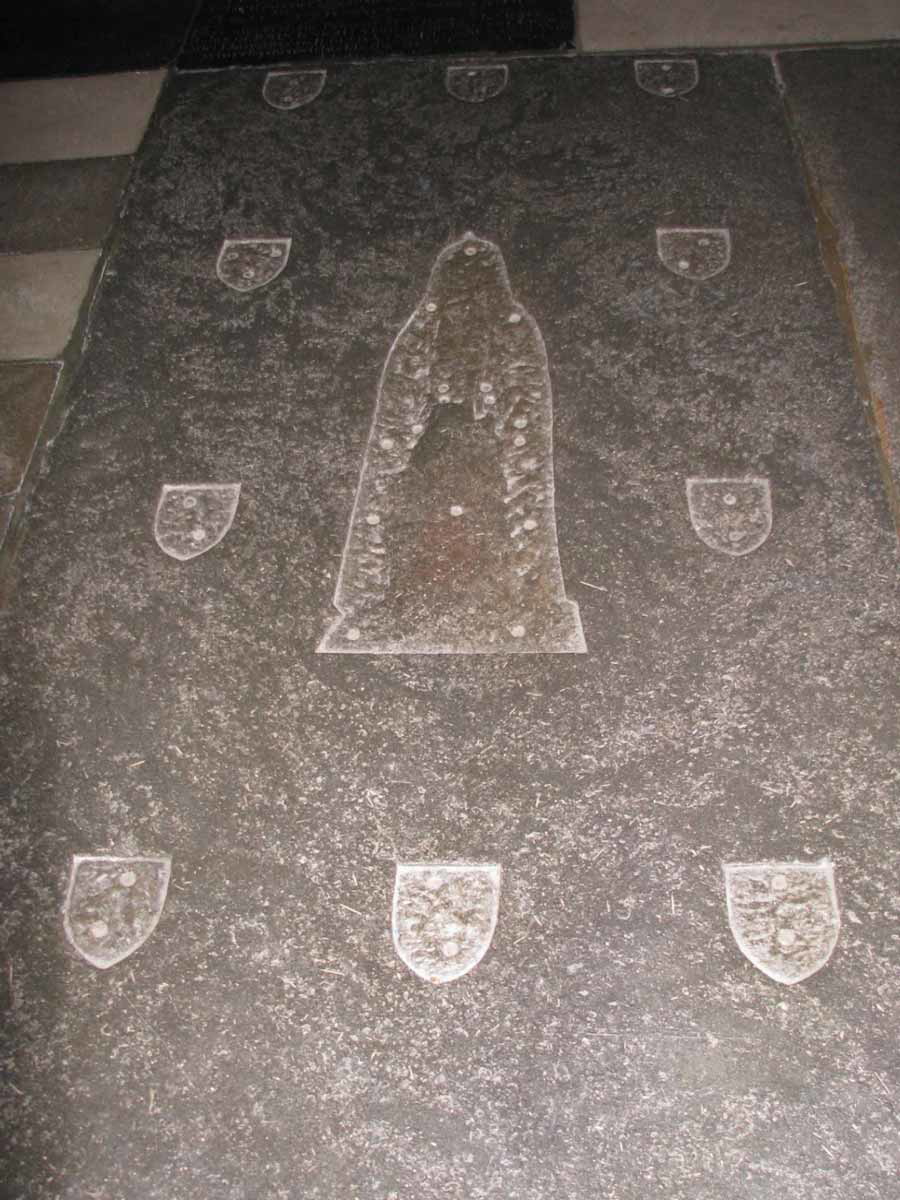
In the 21st century, the grave of Anne Boleyn is prominently marked on the marble floor. Her monument includes a selection of moving words.
“Gentle visitor, pause a whileWhere you stand death cut away the light of many daysHere, jeweled names were broken from the vivid thread of life.May they rest in peace while we walk the generations around their strife and courageUnder these restless skies.”