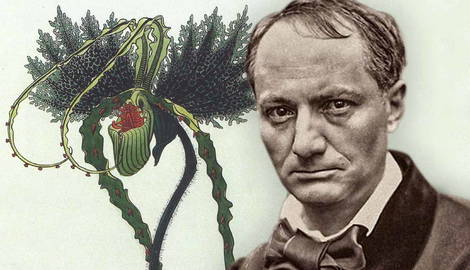
Charles Baudelaire was one of the most influential and scandalous poets in the history of literature. During his life, he published only one collection of poems, Flowers of Evil, which provoked public scandal and almost led to his imprisonment for offending public morals. The Flowers of Evil collection initially contained 100 poems and an introduction before censors banned six poems for obscenity. Baudelaire’s poetry was decadent and rich in symbols and focused on sensuality, modern lifestyle, and moral decay.
Who Was Charles Baudelaire?
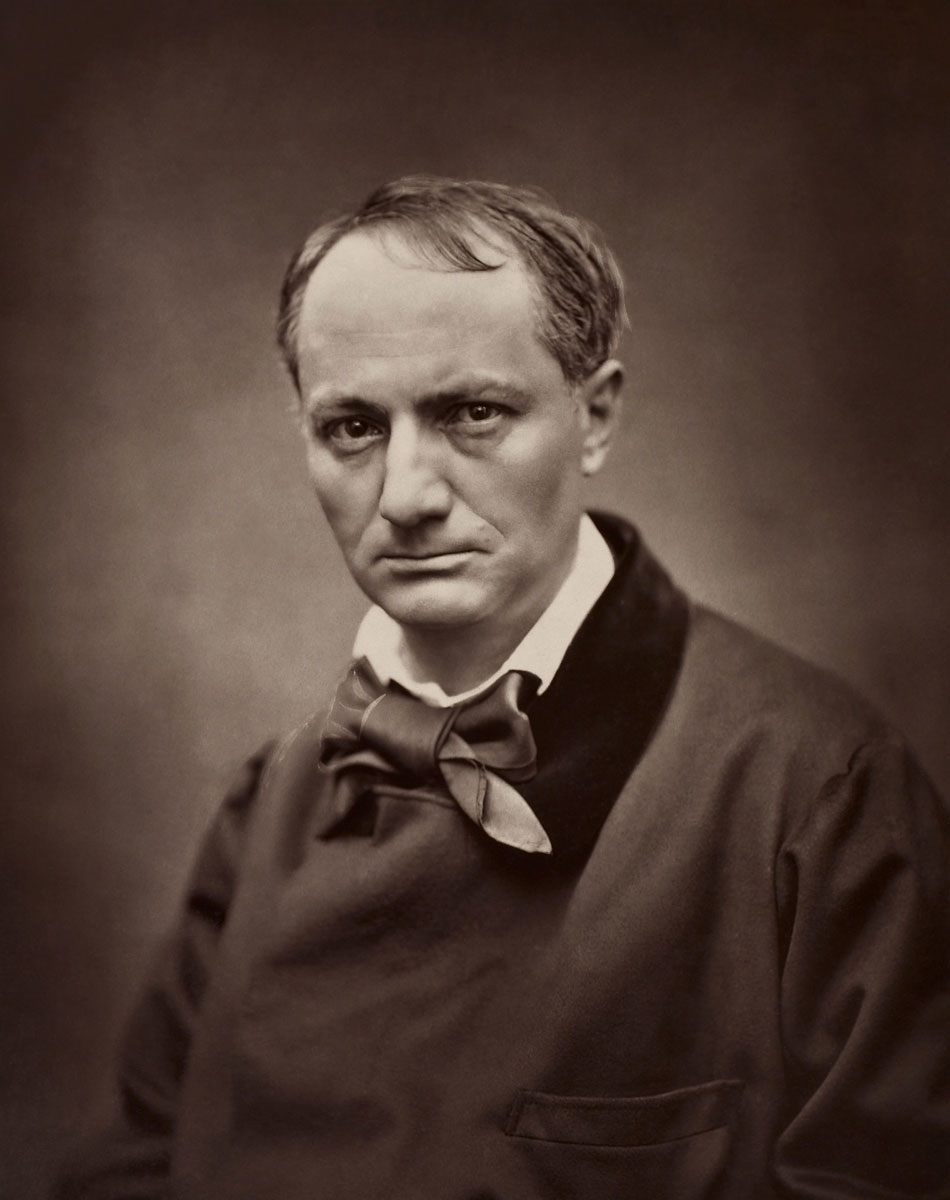
Charles Baudelaire was one of the most influential poets in history and a famous art critic who contributed to the development of the Symbolist movement in art and literature. He was born in 1821 into a well-off family, the son of a high-ranking civil servant. His early childhood was darkened by three consecutive events: the death of his father, the remarriage of his mother, and the decision of his stepfather to send him to a boarding school.
Baudelaire, according to his own account, loved his mother passionately and felt betrayed by these actions. For the rest of his life, he developed an unhealthy relationship with his conservative and controlling yet emotionally unavailable mother. Some Baudelaire experts believe that his entire way of life, including addictions, abusive relationships, and public scandal, were, in fact, attempts to earn his mother’s attention with self-destruction rather than constructive achievements.
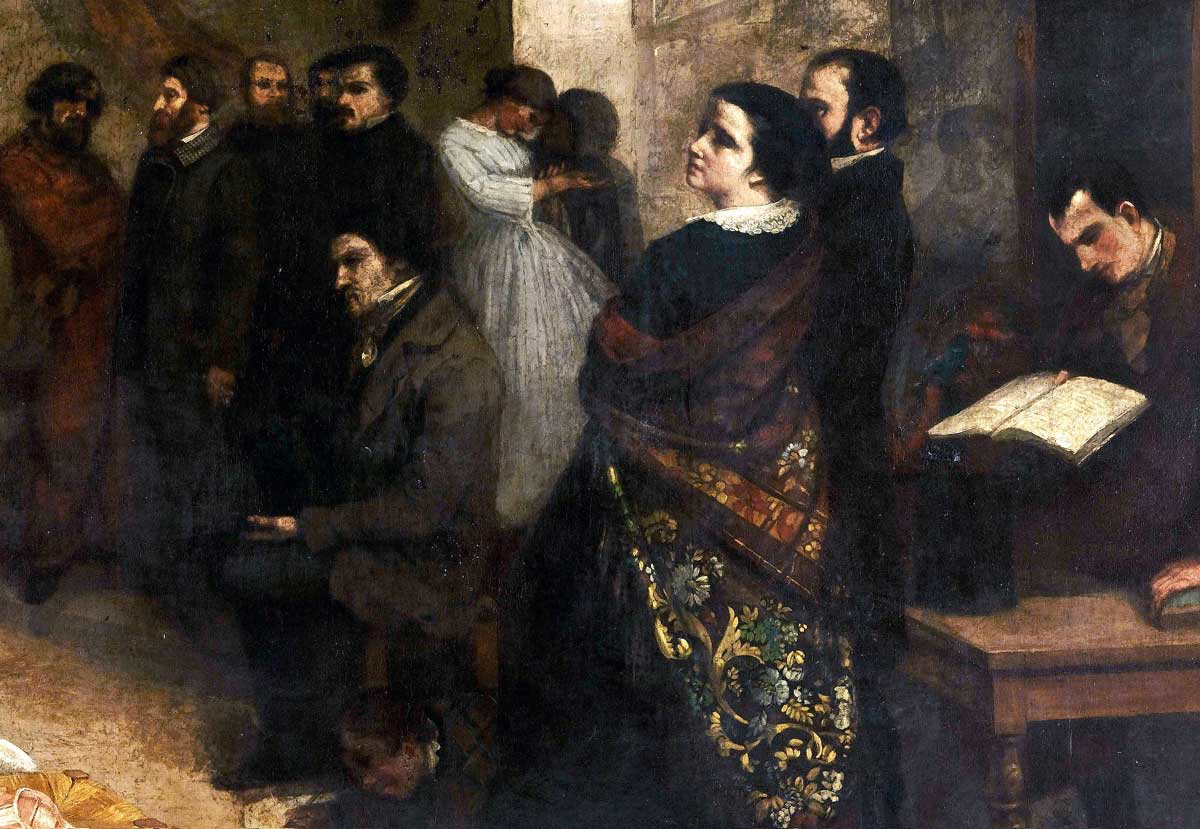
During his lifetime, Baudelaire was mostly famous as a literary critic and a provocative public figure. He experimented with drugs, appeared in public with his hair dyed green, and generally expressed his disdain for conventional morals. He lived either in luxury or in dire poverty, never even attempting to settle somewhere in between. He was also a friend of many important artists of his era, including Gustave Courbet and Edouard Manet.
Baudelaire’s Modernity
Charles Baudelaire was a quintessentially modern writer. In his essays, he advocated for an ultra-modern approach to poetry and art. To remain relevant for his day and age, an artist had to focus their attention on the immediate attributes of the era, like city life, modern fashions, and physical and emotional experiences. Baudelaire condemned the artists’ obsession with Classical or Renaissance influences, stating that true geniuses of these times created works that focused on their own contemporary cultural concerns. The Flowers of Evil, in that sense, was acutely modern, as it focused on urban life and its material and emotional aspects.
Creating “The Flowers of Evil”
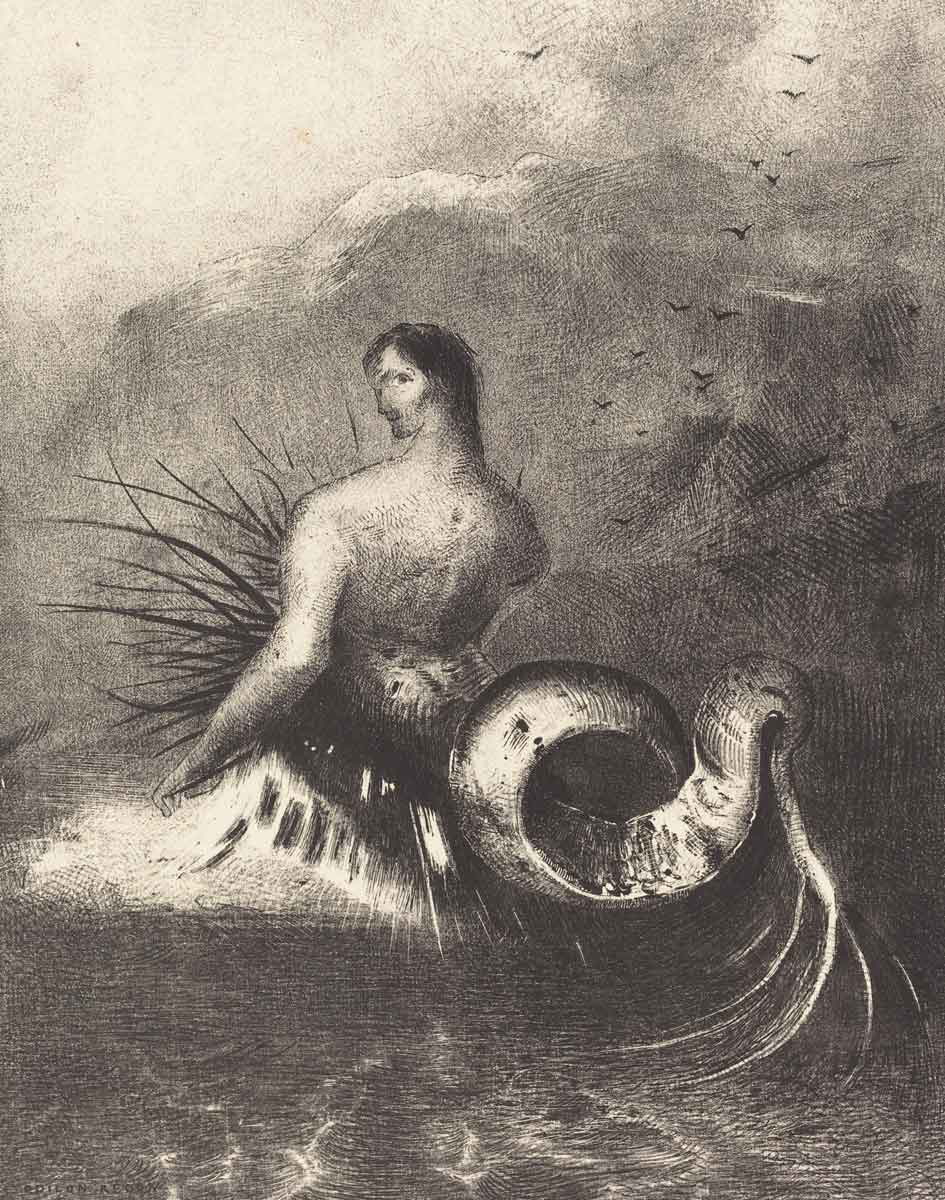
The Flowers of Evil was the only poetic work Baudelaire published during his lifetime. The first edition was published in 1857 and included poems he wrote from 1940 onwards. Later editions, particularly those compiled after the poet died in 1864, contained additional poems that were mostly written after the first publication. The first edition contained 100 poems, and the third, published four years after Baudelaire’s death, 151. Baudelaire’s primary poetic objective was to achieve maximum ambiguity. No element of his poems was meant to have a single, clear interpretation; instead, they were intended to provoke a wide range of speculations.
The Main Themes of “The Flowers of Evil”
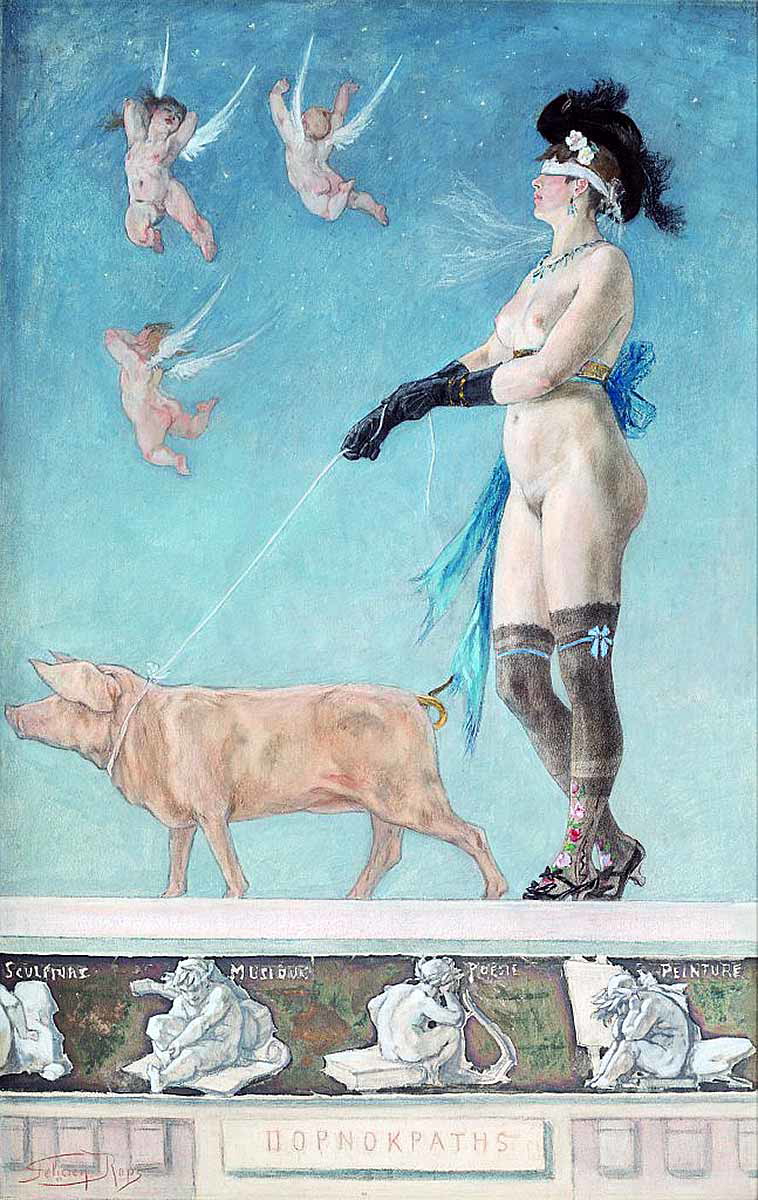
The Flowers of Evil almost instantly became iconic in the Decadent and Symbolist movements. Many young artists of the time faced existential and cultural crises. They believed that growing industrialization and scientific understanding of the world threatened human creativity and true artistic expression. Like them, Baudelaire was preoccupied with the topics of death and decay. Typical of Symbolist writers and artists, his poetry often relied on sensuality, aesthetic excess, and a focus on details rather than actions. Another remarkable aspect of The Flowers of Evil was the identity of the modern poet, whose artistic soul was in deep conflict with a corrupt and cruel society.
What Were the Most Remarkable Poems?
1. The Albatross
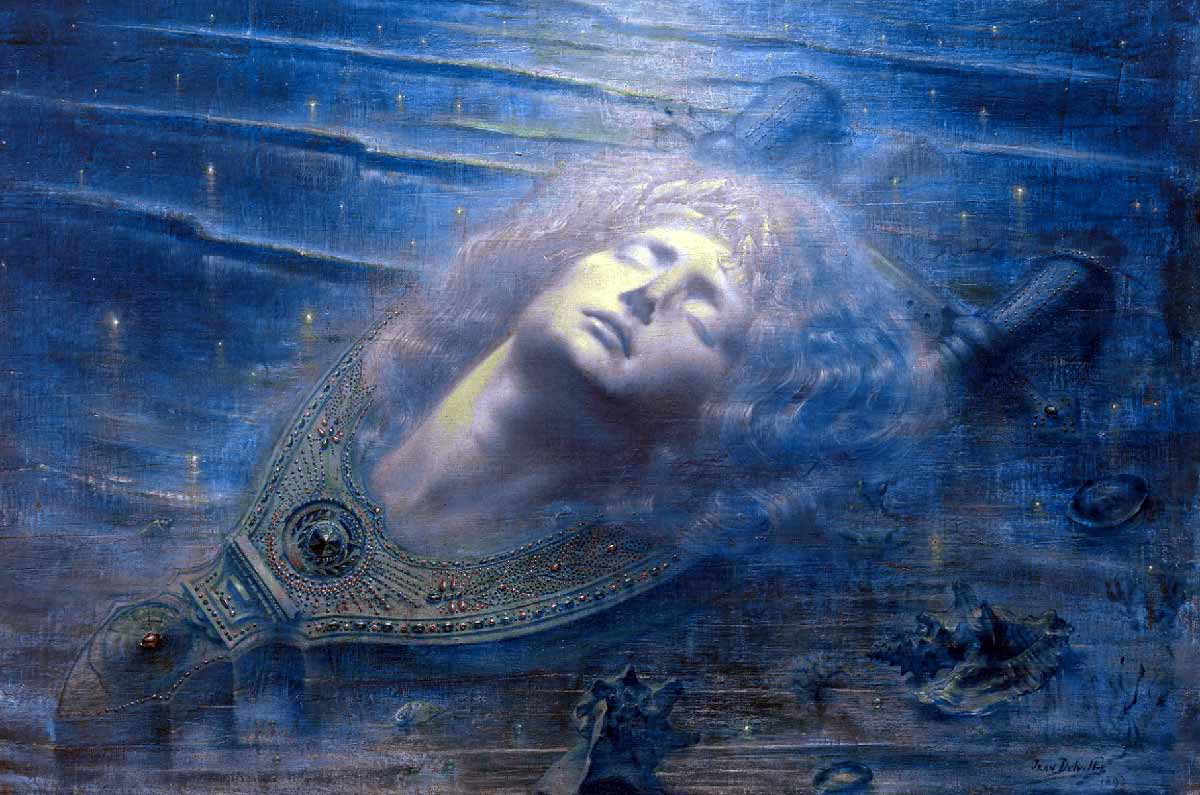
One of the most famous poems from The Flowers of Evil collection originated from the incident in 1841 when Baudelaire traveled to the Bourbon Islands. This was the time when his family, desperately trying to stop him from becoming a poet, sent him to Calcutta. On their journey, the captain shot a giant albatross. The bird was still alive when the sailors began kicking it and threatening it with a burning pipe. Baudelaire was so outraged by their cruelty that he even fought with one of the men. Later, the dead bird was made into a pâté and served for dinner.
Disturbed by the scene, Baudelaire later wrote a poem comparing a poet tormented by the crowd to the mighty albatross caught and tortured for fun.
2. A Carcass
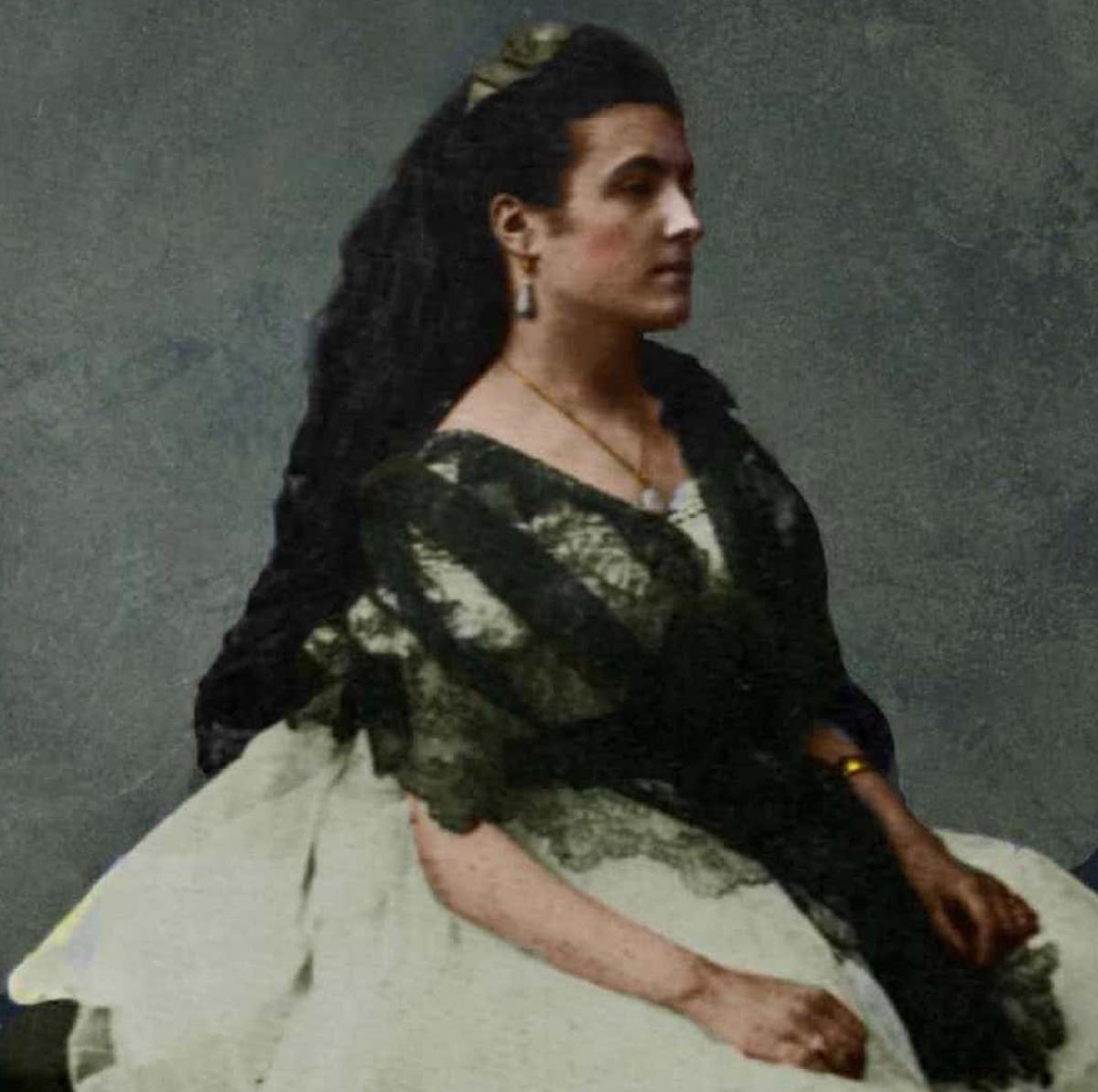
A Carcass was one of the poems Baudelaire wrote inspired by his long-term partner, Jeanne Duval. Duval was born in Haiti and migrated to France as a child. There, she worked as an actress, playing minor roles in Parisian theaters and dancing in cabarets. Duval was a Black woman, and part of her Haitian family was of African origin. For that reason, she was both exoticized and frowned upon in Baudelaire’s social circle. The couple spent two decades in a violent and tumultuous relationship. However, most of the accounts were written by Baudelaire and are not entirely trustworthy.
In Baudelaire’s writings, Duval appeared as the evil, dark-skinned seductress, the vampire, and the tormentor. His literary accounts reveal both an overwhelming sexual desire for her and a deep repulsion toward her character. A Carcass is a perfect illustration of the blend of the erotic and disgusting in his works. Baudelaire’s character, addressing his lover in the line, moves on to describe the rotting carcass of a dead animal to indicate the mortality of the most ideal woman and her inevitable transformation into a worm-eaten piece of flesh.
3. Spleen
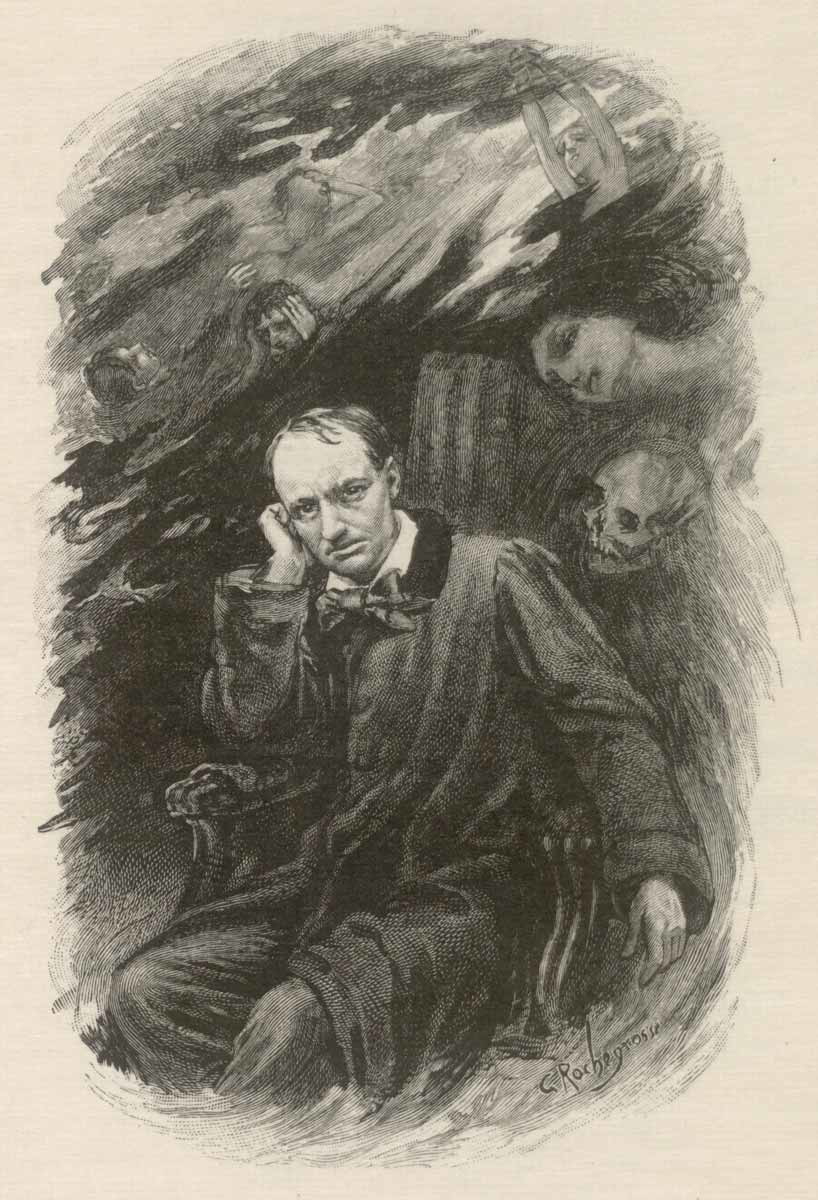
Spleen is one of the most famous poems in the collection. It is also one of the most balanced and traditionally composed works. In a harmonious form, Baudelaire wrote about an artistic soul that suffered from the world’s imperfections and admitted its own flaws.
4. To Her Who is Too Joyful
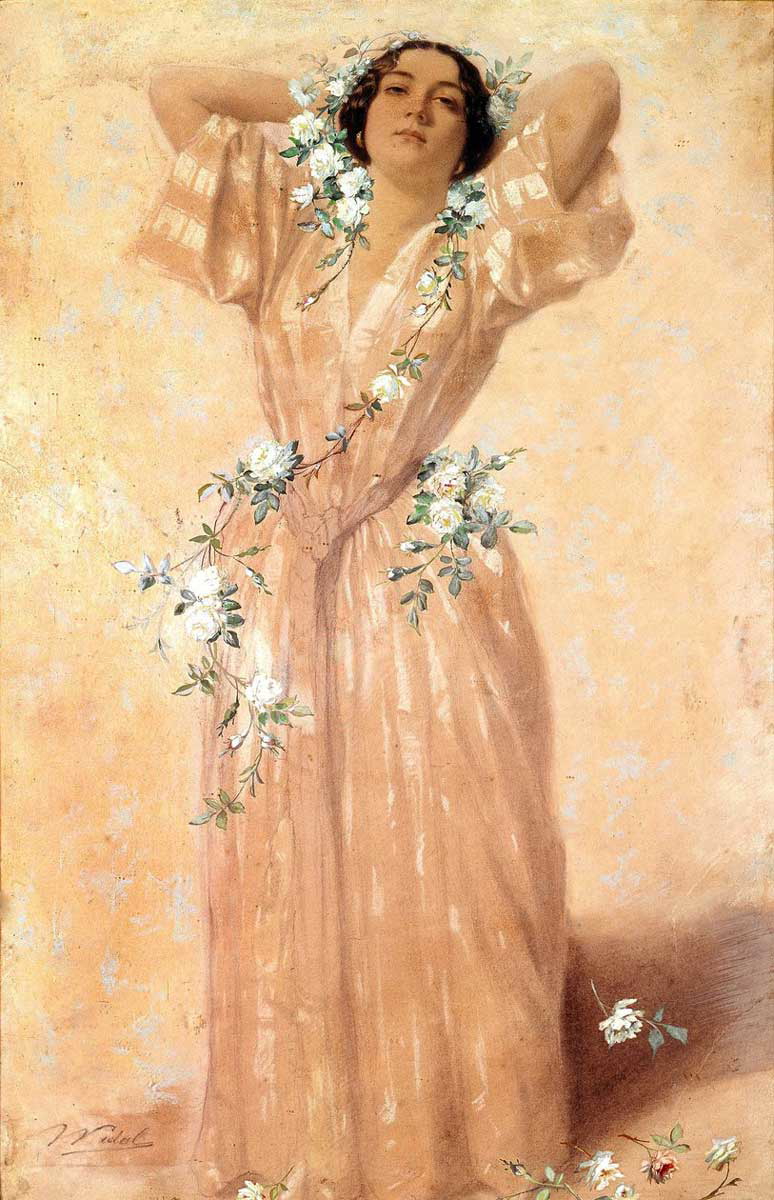
This poem was one of those banned soon after its publication for its erotic content. The Joyful one was not Jeanne Duval, The Black Venus of Baudelaire, but her white opponent: courtesan, socialite, and salon hostess Apollonie Sabatier. Her salon was one of the most popular and talked about in Paris, as it was attended by Victor Hugo, Edouard Manet, Gustave Dore, Theophile Gautier, and many others. Some of these guests also had affairs with the hostess, including Baudelaire. He anonymously sent her the poem in December 1852. Despite her dubious social status, due to her position and ethnic origin, she was more socially acceptable as the poet’s muse than Jeanne Duval.
The content of the poem was deemed immoral and pornographic. In the final verse, Baudelaire exclaims how he would slip his venom into the red lips of his lover. Apart from sexual connotations, literature historians explained this passage with Baudelaire suffering from syphilis and possibly passing it over to his many partners.
The Trial of Charles Baudelaire: “The Flowers of Evil” Banned
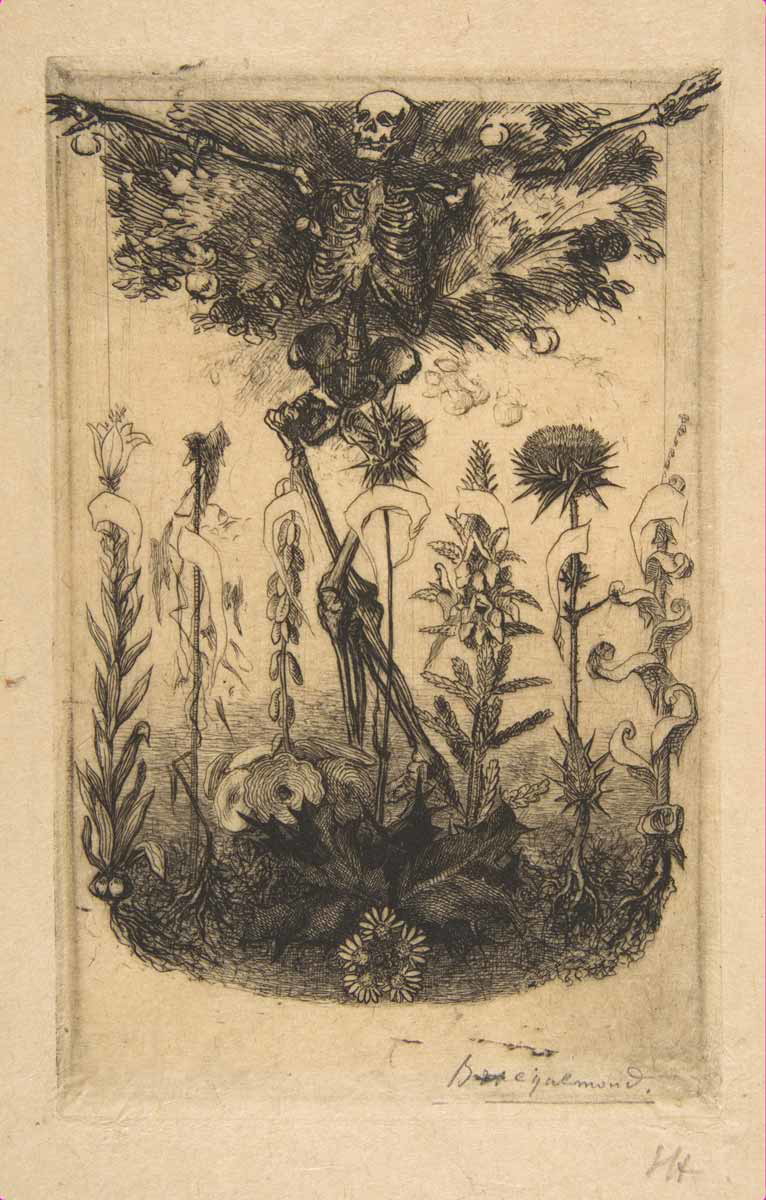
Less than two weeks after the publication of The Flowers of Evil, Baudelaire was put on trial for offending public morals. As a result, six poems, including To Her Who is Too Joyful, were banned. Along with Baudelaire, his printer and publisher were also prosecuted. By a miracle, all of them avoided prison sentences, but Baudelaire had to pay a fine of 300 franks, which was a fortune for the poet, who had already wasted most of his inheritance on drugs, alcohol, and brothels.
He paid his fine with the help of his mother, who was generally appalled by his poetry. Only after Baudelaire’s death did she express hope that, if so many of his friends saw him as a remarkable thinker, he was not as lost as she had believed him to be. Still, despite (and partially thanks to) the prosecution, Baudelaire’s collection of poems soon became immensely influential among other poets and artists. His writings had a decisive influence on Arthur Rimbaud, Paul Verlaine, and Stéphane M