Summary
- The Book of Joshua demonstrates God’s faithfulness in fulfilling His promise to give Israel the Promised Land.
- Israel’s prosperity was conditional on obedience, not guaranteed, highlighting the consequences of faithlessness.
- Cosmic miracles, like the sun standing still, show God’s sovereignty over creation to fulfill His purposes.
- Disobedience, such as the deceptive Gibeonite treaty, resulted in long-term negative consequences for the Israelites.
- Joshua’s famous choice, “as for me and my house,” serves as a powerful model of personal commitment to God.
Joshua is the first book in the historical section of the Old Testament. The book continues the narrative of the Pentateuch. It details the Israelites crossing the Jordan River to take the Promised Land by force. God gave specific instructions on dealing with the nations the Israelites would encounter. By trickery, some of the nations misled the Israelites to spare them, and the consequences would plague the people of God for generations. The Book of Joshua includes a cosmic miracle that allowed the warriors of Israel to annihilate their enemies. By the end of the book, the Israelites had settled in the territory God promised to them.
Authorship and Date
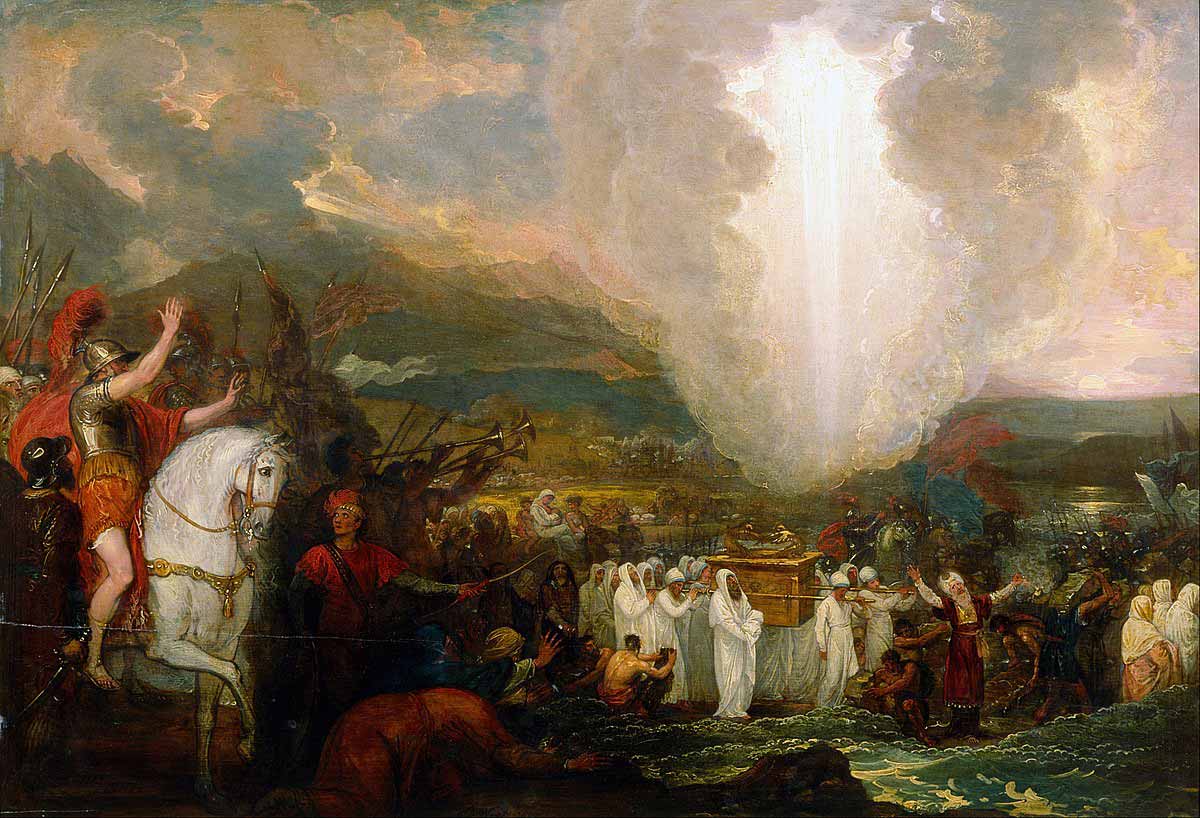
According to tradition, Joshua was the author of the work named after him. The book begins by relating how God spoke to Joshua, the new leader of the Israelites. He took the place of Moses when he died. Contemporary scholars are inclined to date the book to the Babylonian exile for its final compilation. They argue that a redactor/editor compiled the book from fragments of information that were retold or written down and built a coherent narrative from it.
Some parts of the Book of Joshua date to before the exile. Scholars base this conclusion on passages that speak of practices or places from the time of Joshua that are recognized “to this day” (see 4:9; 5:9; 7:26; 8:28-29; 9:27 for some examples). The phrase shows that the author wrote sometime after the events detailed in the book. These pre-exilic references and distance from the time of Joshua cause some academics to date the earliest edition of Joshua, which was later redacted again, to the reign of King Josiah during the 7th century BC.
Context
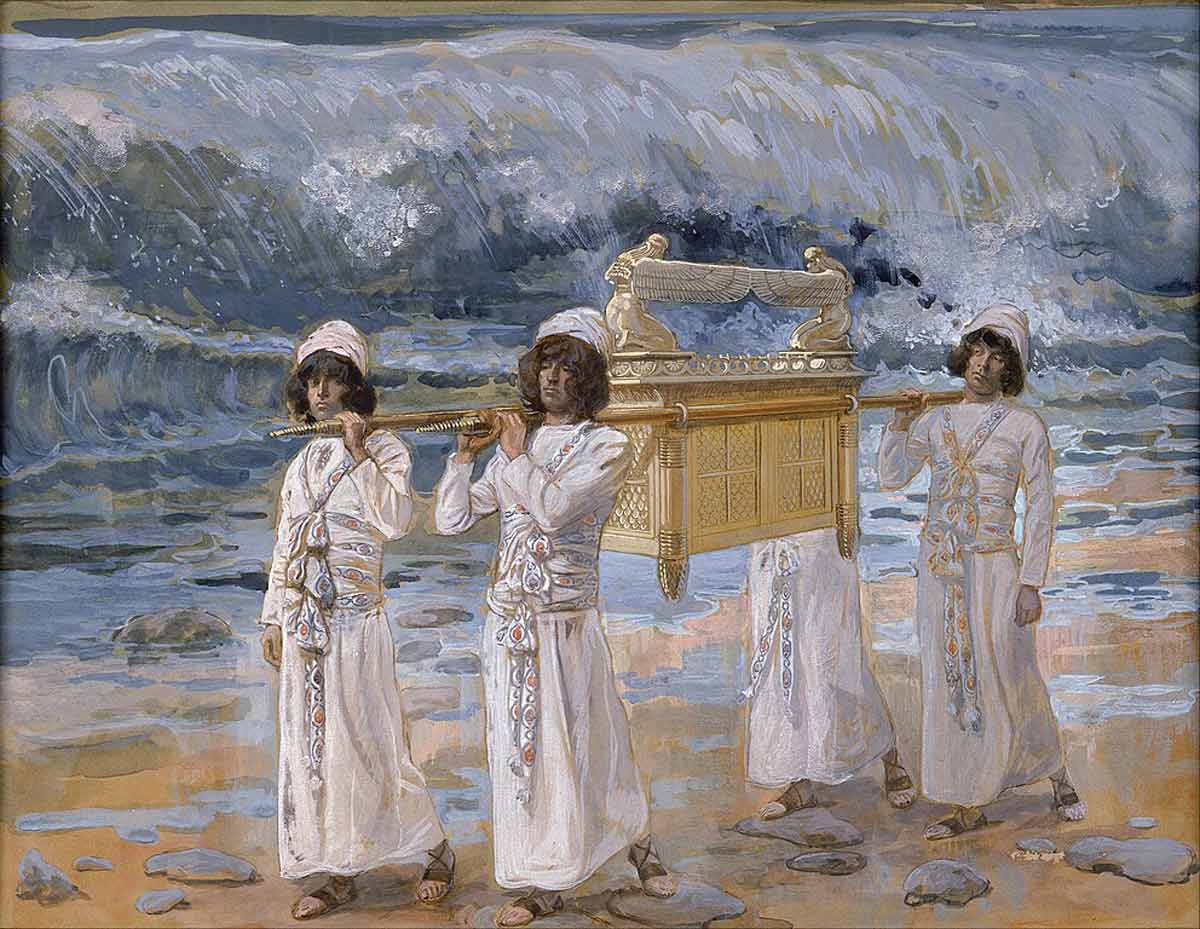
Moses led the Israelites on their sojourn through the desert for 40 years. Due to his disobedience to God, he was not allowed to enter the Promised Land and died shortly before the entry. Joshua was one of two spies who returned from surveying Canaan, believing the Israelites could conquer it. He proved himself a trusted ally to Moses, and God appointed him to lead the Israelites.
At the time, a variety of nations occupied the area God promised to Israel. Among them were the Canaanites, the Amorites, the Hittites, the Jebusites, and the Philistines. Most of these were Semitic in origin, except for the Philistines, who originated somewhere in the Aegean Sea region. They were all gentile nations among whom idolatry flourished. At that time in history, nations were organized into city-states rather than countries.
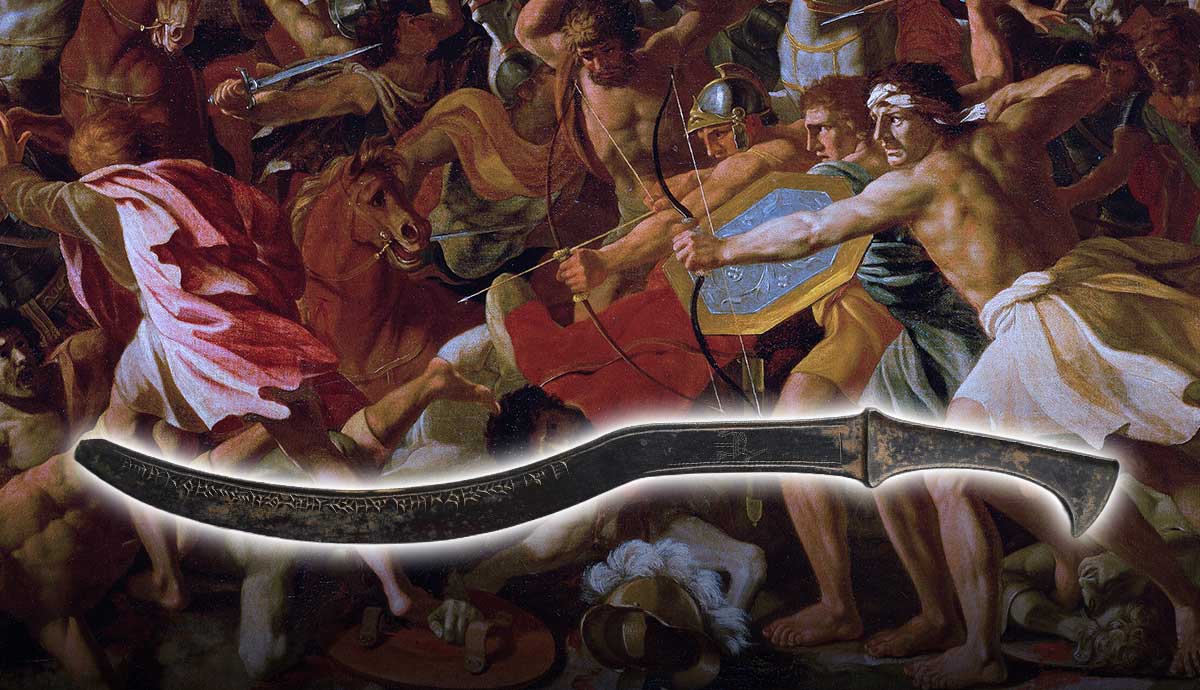
Under Joshua, the Israelites now had to take the Promised Land by force. God expected them to exterminate or displace the tribes that resided in their promised territories. They were not to make alliances with them or allow them to remain among them. The Gibeonites deceived the Israelites into agreeing to a treaty that caused the people of God much trouble afterward.
Structure
A new leader (Joshua 1)
God appointed Joshua as leader after Moses passed away. God made Joshua two promises: he would settle Israel in the Promised Land, and if they remained faithful to God, they would prosper.
Entry into and conquest of Canaan (Joshua 2-12)
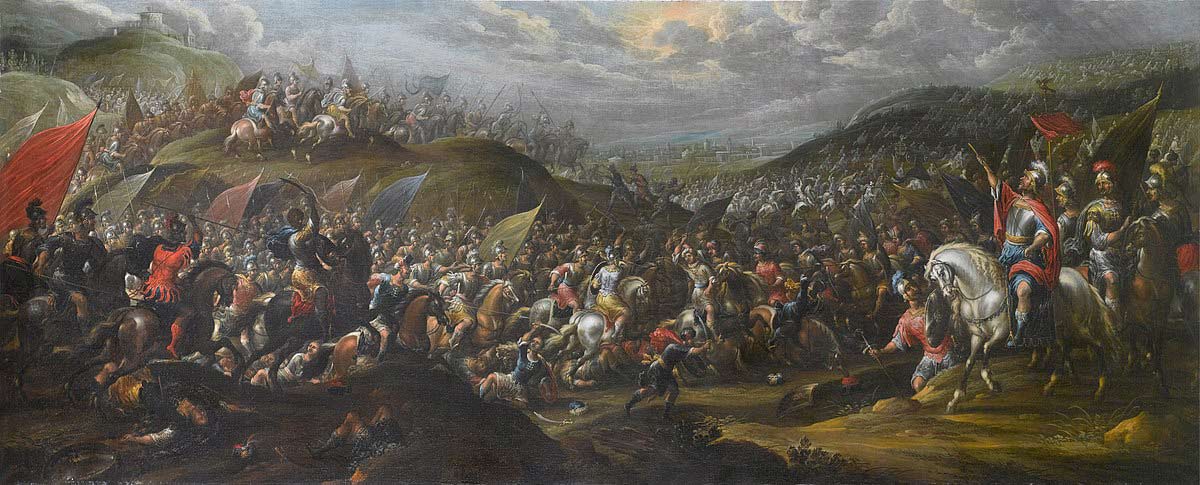
The Israelites crossed the Jordan into the Promised Land. The manna ceased to fall, and Joshua had the Israelites circumcised. They conquered Jericho and Ai, and the Gibeonites deceived them into agreeing to a peace treaty. Chapter 10 records the event where the heavenly bodies stood still for some time so the Israelites could defeat their enemies.
Division of the Promised Land (Joshua 13-22)
Joshua divided the Promised Land among the twelve tribes, though the Levites did not receive territory but instead cities among the other tribes. To make up the twelve, Joseph’s sons, Manasseh and Ephraim, each received a portion of the Promised Land.
Farewell address and death of Joshua (Joshua 23-24)
God fulfilled the first promise to deliver the promised territory to the Israelites. Now, Joshua reminded them of the conditional nature of the second promise, warning them to remain faithful to God. The Israelites recommitted themselves to God, and Joshua passed away.
Main Themes
Faithfulness
God showed his faithfulness by keeping to the promise he made to Abraham, giving the Promised Land to Israel. God also expected the faithfulness of Israel as a condition for their prosperity in the land of milk and honey.
Consequences of disobedience
The Israelites did not obey the instruction God gave them to rid the land of its inhabitants. Instead, they made agreements with some nations, a decision that resulted in the Israelites bearing the consequences for centuries afterward.
God’s presence in and sovereignty over creation
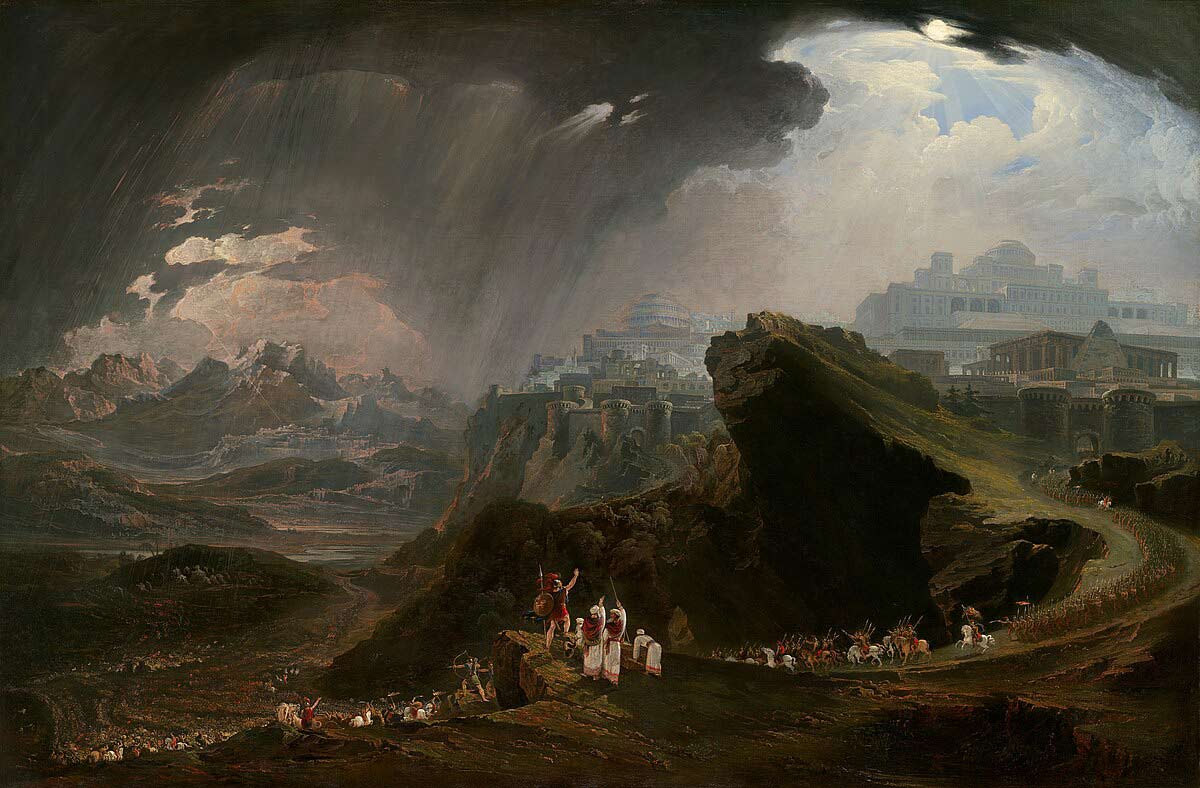
Even more spectacular than the walls of Jericho falling miraculously, Joshua records miracles that show the sovereignty of God and his power over creation. He sent hailstones to destroy the enemies of Israel and halted the motion of the heavenly bodies to allow the Israelites to fulfill the purposes of God. This event and the sun moving back 15 degrees in Isaiah 38:7-8 are the only accounts where God alters the motion of heavenly bodies to intervene in human activities.
Key Passages
Joshua 1:8
“This Book of the Law shall not depart from your mouth, but you shall meditate on it day and night, so that you may be careful to do according to all that is written in it. For then you will make your way prosperous, and then you will have good success.”
Prosperity in the Promised Land was not a given. It was conditional on obedience and faithfulness to God. During the latter years of Israel, enemies took them from the Promised Land because of their faithlessness.
Joshua 5:12
“And the manna ceased the day after they ate of the produce of the land. And there was no longer manna for the people of Israel, but they ate of the fruit of the land of Canaan that year.”
God provided manna to the Israelites for their 40-year journey through the desert. Once they ate of the fruit of the Promised Land, the manna ceased to fall. God was faithful in providing for his people during their difficult journey.
Joshua 10:11-14
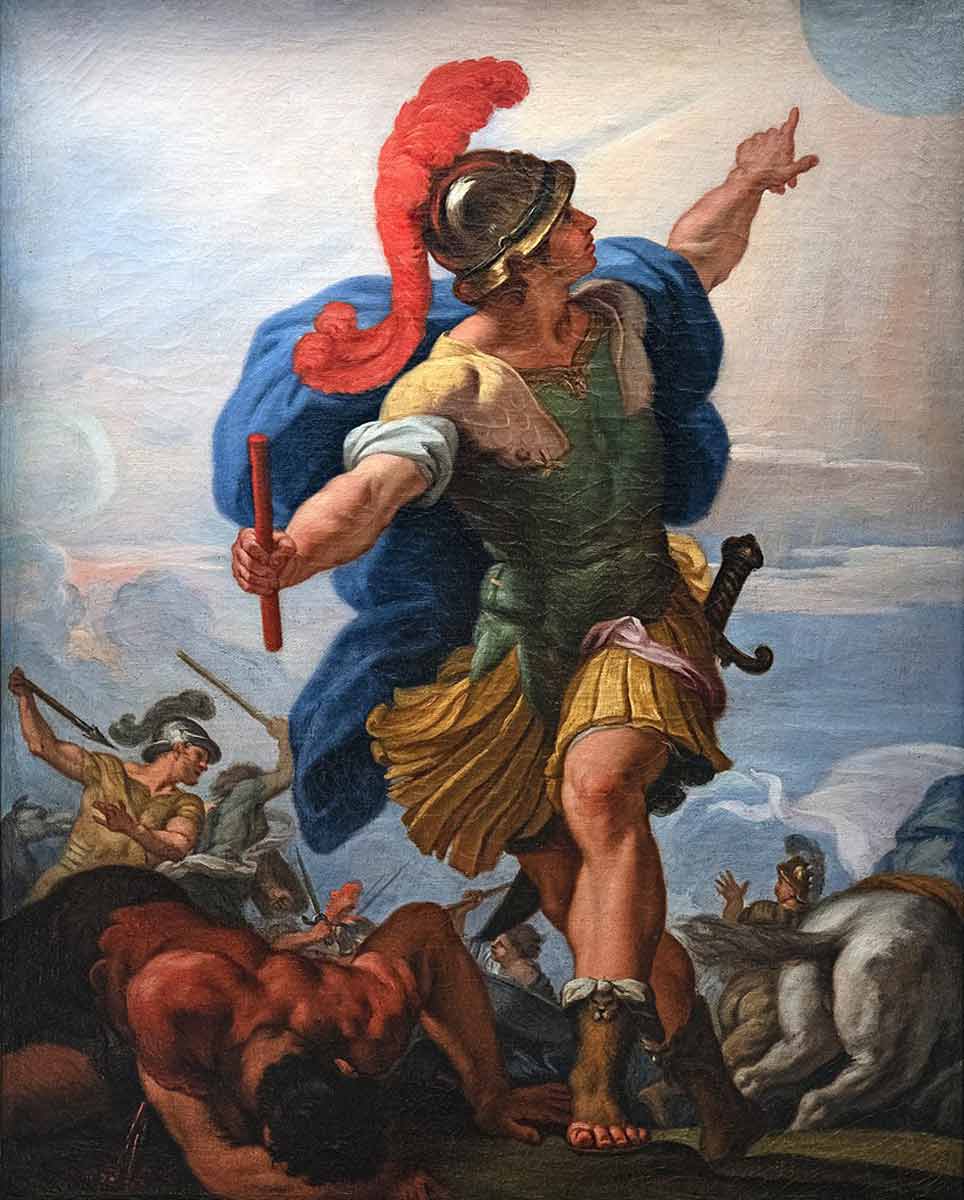
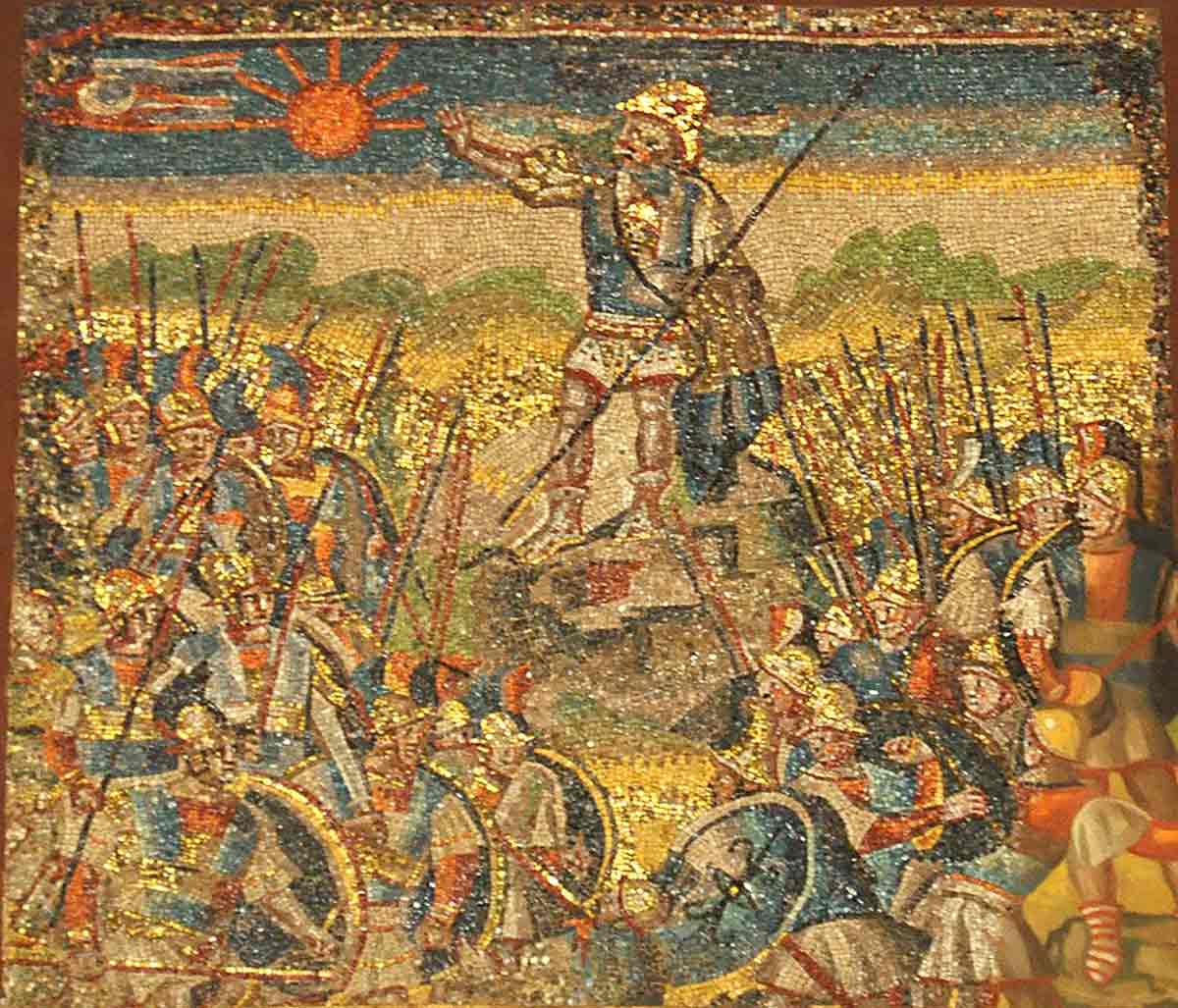
“And as they fled before Israel, while they were going down the ascent of Beth-horon, the LORD threw down large stones from heaven on them as far as Azekah, and they died. There were more who died because of the hailstones than the sons of Israel killed with the sword. At that time, Joshua spoke to the LORD in the day when the LORD gave the Amorites over to the sons of Israel, and he said in the sight of Israel, “Sun, stand still at Gibeon, and moon, in the Valley of Aijalon.” And the sun stood still, and the moon stopped until the nation took vengeance on their enemies. Is this not written in the Book of Jashar? The sun stopped in the midst of heaven and did not hurry to set for about a whole day. There has been no day like it before or since, when the LORD heeded the voice of a man, for the LORD fought for Israel.”
In this miraculous account, God used the forces of nature to destroy the enemies of Israel. Large hailstones killed most of the enemy combatants. Then the narrative records how the heavenly bodies stood still, so the Israelites could vanquish them.
Joshua 24:15
“And if it is evil in your eyes to serve the LORD, choose this day whom you will serve, whether the gods your fathers served in the region beyond the River, or the gods of the Amorites in whose land you dwell. But as for me and my house, we will serve the LORD.”
Joshua set a choice before the Israelites: choose God or the gods of the Amorites. He made his decision clear: He and his household would remain faithful to God.
Contemporary Relevance
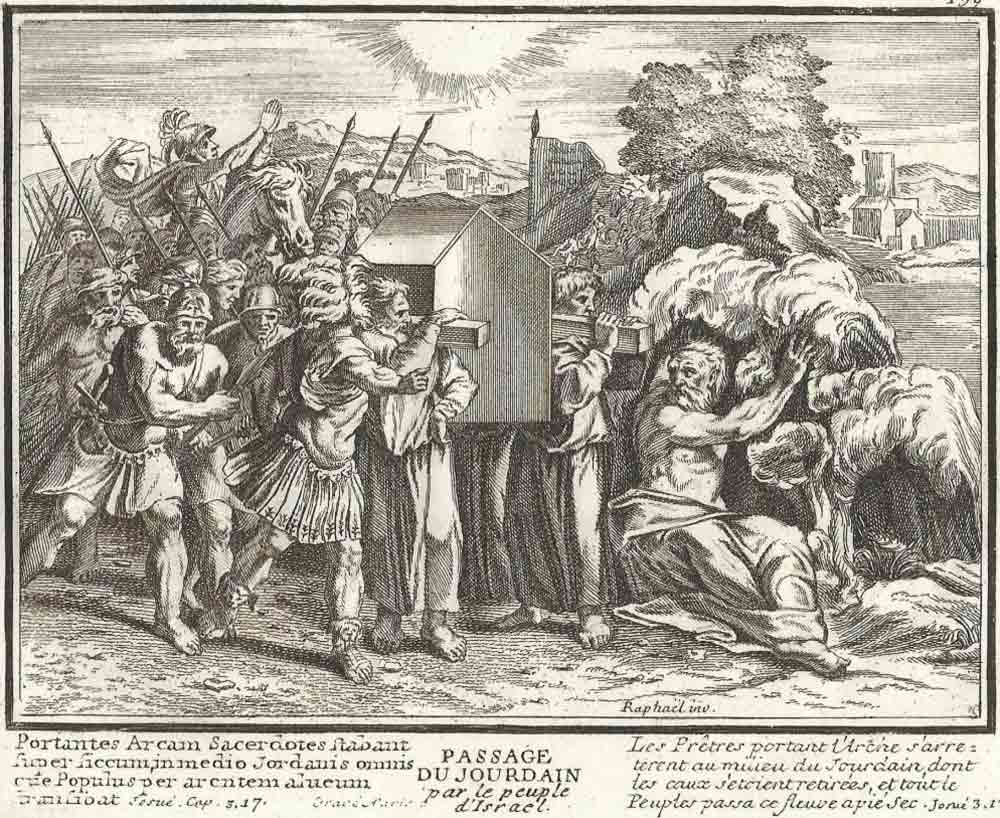
The reader of Joshua will see the faithfulness of God, who fulfilled his promise to provide his people with the land he had promised them. He also provided for them until such a time as the supernatural provision of manna was no longer required.
The faith of Joshua is an inspiration to the contemporary reader. He trusted God to intervene in miraculous ways. Today, Christians often seem hesitant to trust in God to that level. Because of his continued faith in God and the evidence that God always provided when he was faithful, Joshua had an easy choice to make for himself and his family.