Summary
- The story highlights steadfast love (Chesed) through Ruth’s unwavering loyalty to her mother-in-law, Naomi.
- The kinsman-redeemer system preserves family lineage and serves as a powerful symbol of Christ’s redemptive work.
- God breaks racial and cultural barriers, including Ruth, a Moabite woman, in the lineage of King David.
- A key theme is the reversal of fortunes, showing God’s provision for those who are faithful in distress.
The Book of Ruth is about familial love and commitment. It relates the story of a Moabite woman whose husband passed away. She remained steadfast in her love and commitment to her mother-in-law to the extent that she chose to reside in a land foreign to her and away from her family rather than abandon her. The same theme of care and commitment shows in the actions of Boaz, who ensured that he provided for the needs of Ruth and Naomi. Later, he engaged with family members on their behalf to take up the levirate responsibility and marry Ruth.
Authorship and Date
Tradition holds that Samuel wrote the Book of Ruth. Based on the mention of David, however, this is unlikely. The language used in the book indicates that the author most likely wrote during the monarchy while Israel was still united. Alternative suggestions are that a village elder, a priest, a teacher, or a wise man authored the book, but these are all speculative proposals.
The events described date to the time of the judges as the first verse of Ruth 1 states. Ruth, therefore, dates to between the late 14th century BC to the early 11th century BC.
Historical Context
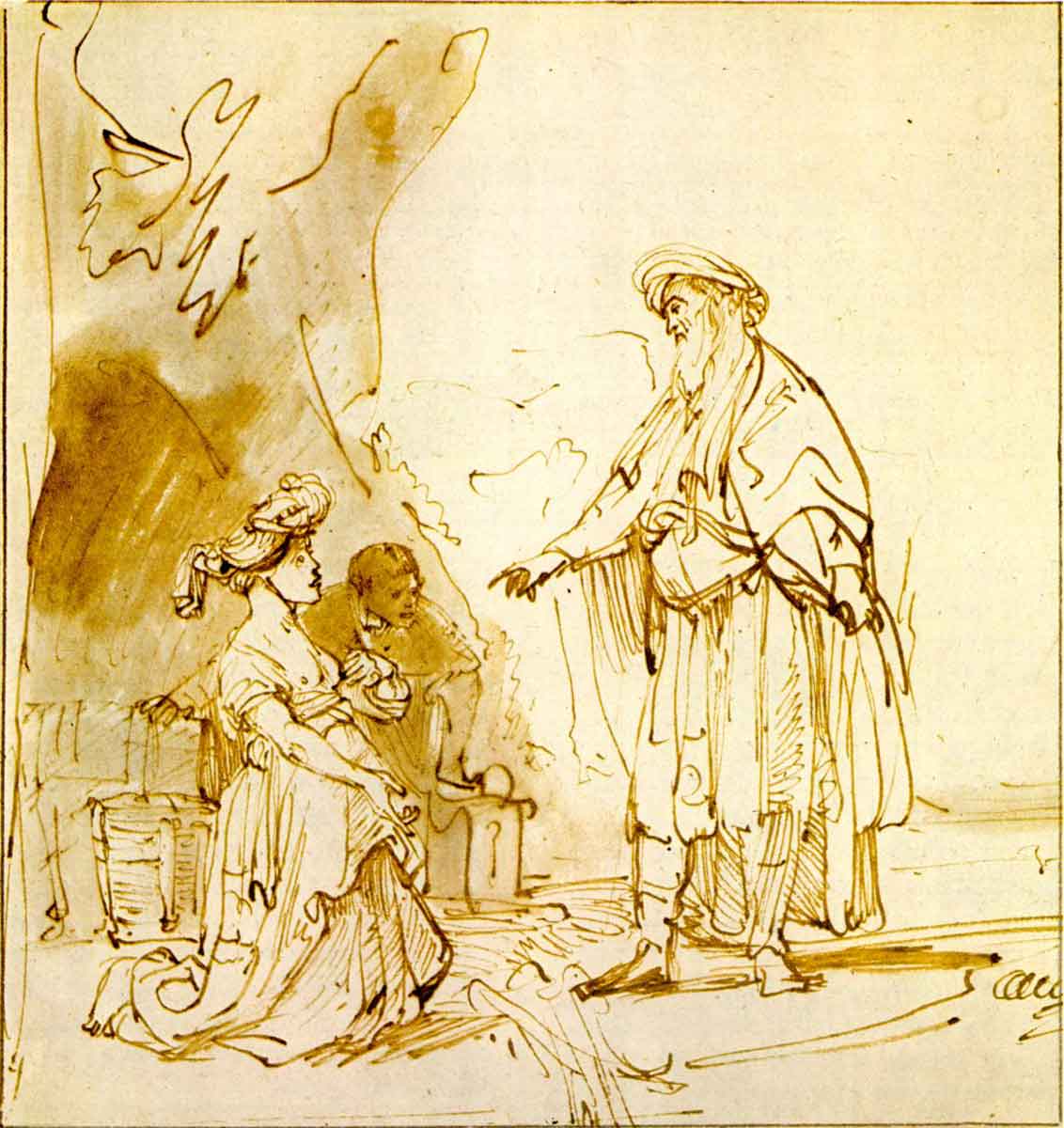
Ruth was a Moabite. The Moabites were descendants of Lot, who later became enemies of the Israelites. At that time, the Moabites and Israelites were not enemies as they had been before and were after. The marriage between Ruth and the son of Naomi would be frowned upon as an intermarriage that opposed God’s will for his people. Their marriage, however, was an exception to the rule because Ruth converted from her pagan roots. She did not bring Moabite pagan practices with her but accepted the God of Naomi (Ruth 1:16). She became the great-grandmother of one of the most notable kings of Israel, David, and is in the lineage of Jesus.
According to Levitical law, a kinsman-redeemer must redeem a relative in distress or need to preserve family lineage, property, and welfare. If a family member was in danger of losing property, the kinsman-redeemer had to buy back the property. If a husband died without a male heir, the brother or a close relative had to enter into a levirate marriage with the widow to produce a male heir for the deceased person. The system ensured the name and lineage of the family continued, and the son could inherit the family assets.
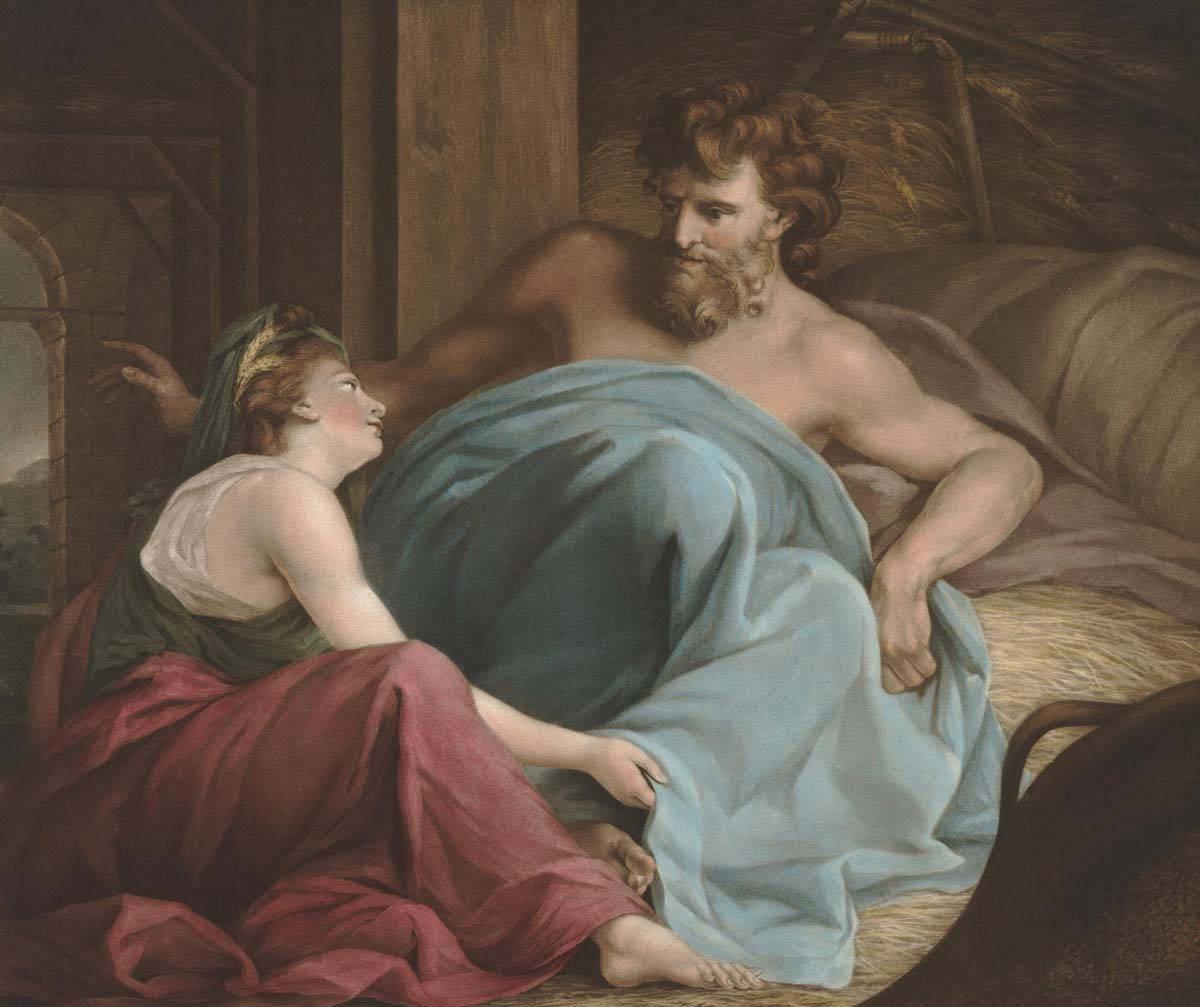
The system was strictly regulated, and there was a sequence by which relatives were in line to redeem such a person. The closest person in line, the guardian-redeemer, could seed their place in line to the next if buying the property would endanger their own inheritance.
That is what happened in the case of Ruth and Boaz. Naomi had to sell the land of her deceased husband, Elimelech, and the guardian-redeemer seeded the first rights to Boaz because he would have to marry Ruth, and his inheritance would have been at stake. Boaz bought the land and married Ruth. They had a son named Obed, who had a son, Jesse, whose youngest son was David, who became the second king of Israel.
Structure
The back story of Ruth (Ruth 1)
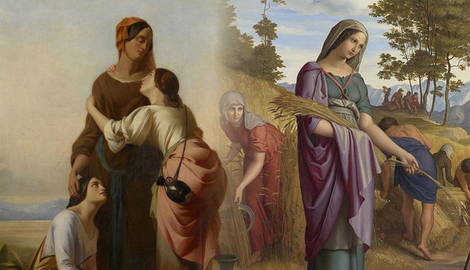
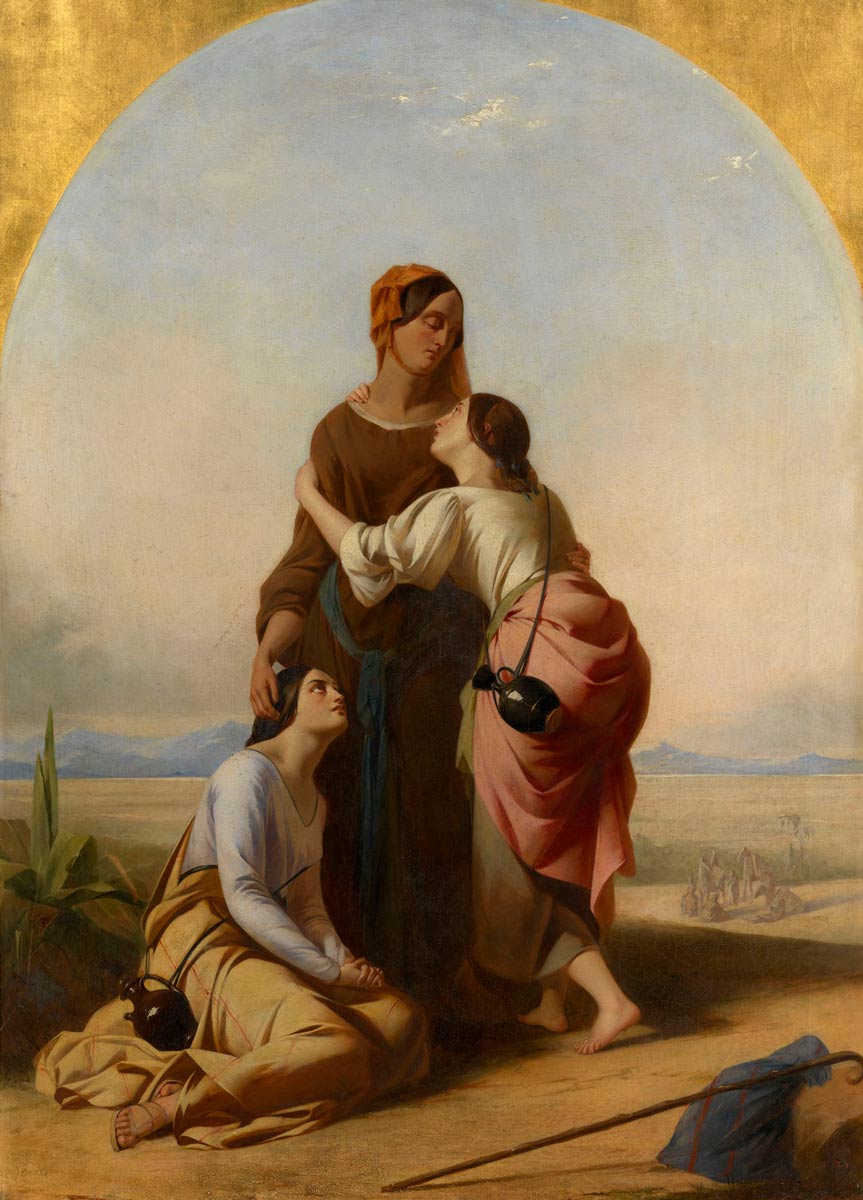
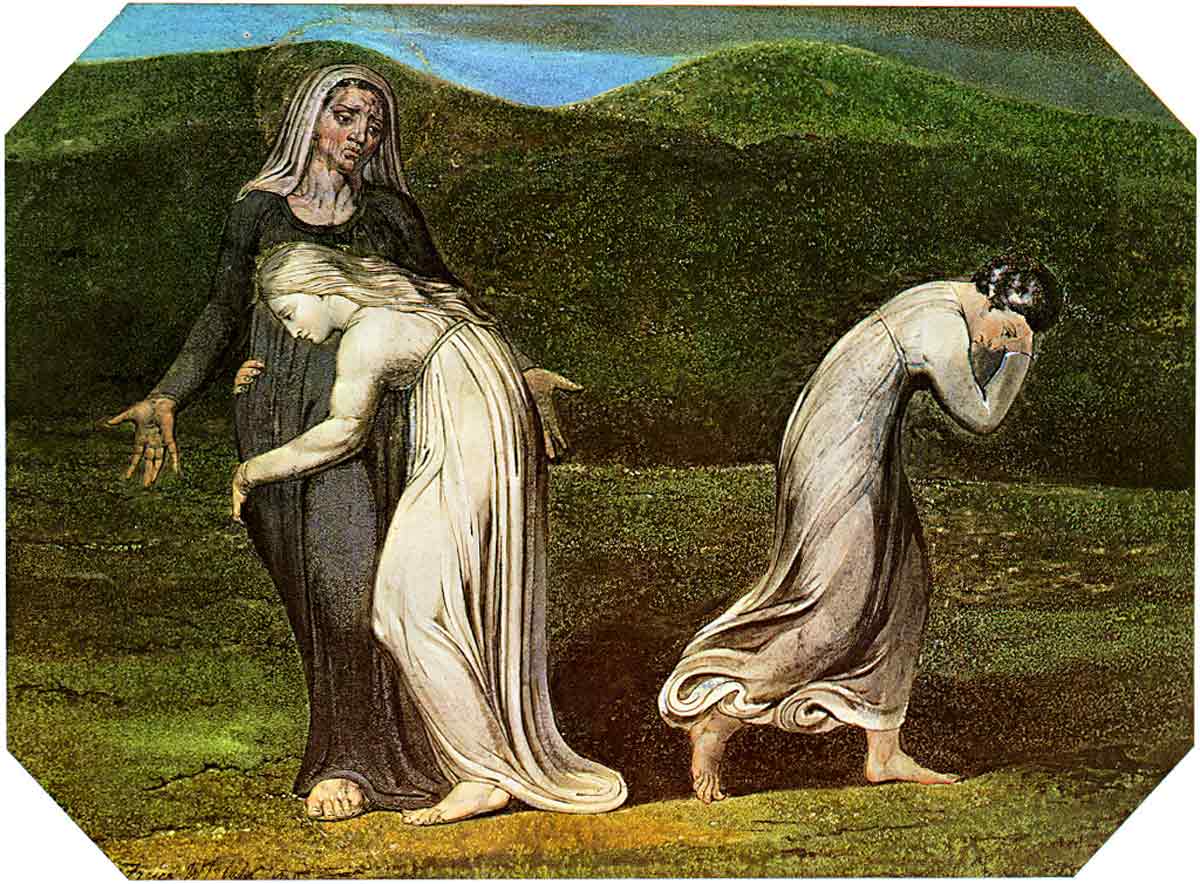
When Bethlehem suffered famine, Elimelech and his wife moved to Moab. Elimelech passed away, leaving Naomi with her two sons, who each married a Moabite woman. When the sons die, Naomi decides to return to Bethlehem. One daughter-in-law, Orpah, returned to her family, but the other, Ruth, refused to leave her mother-in-law. She returned with Naomi.
Ruth and Boaz (Ruth 2-3)
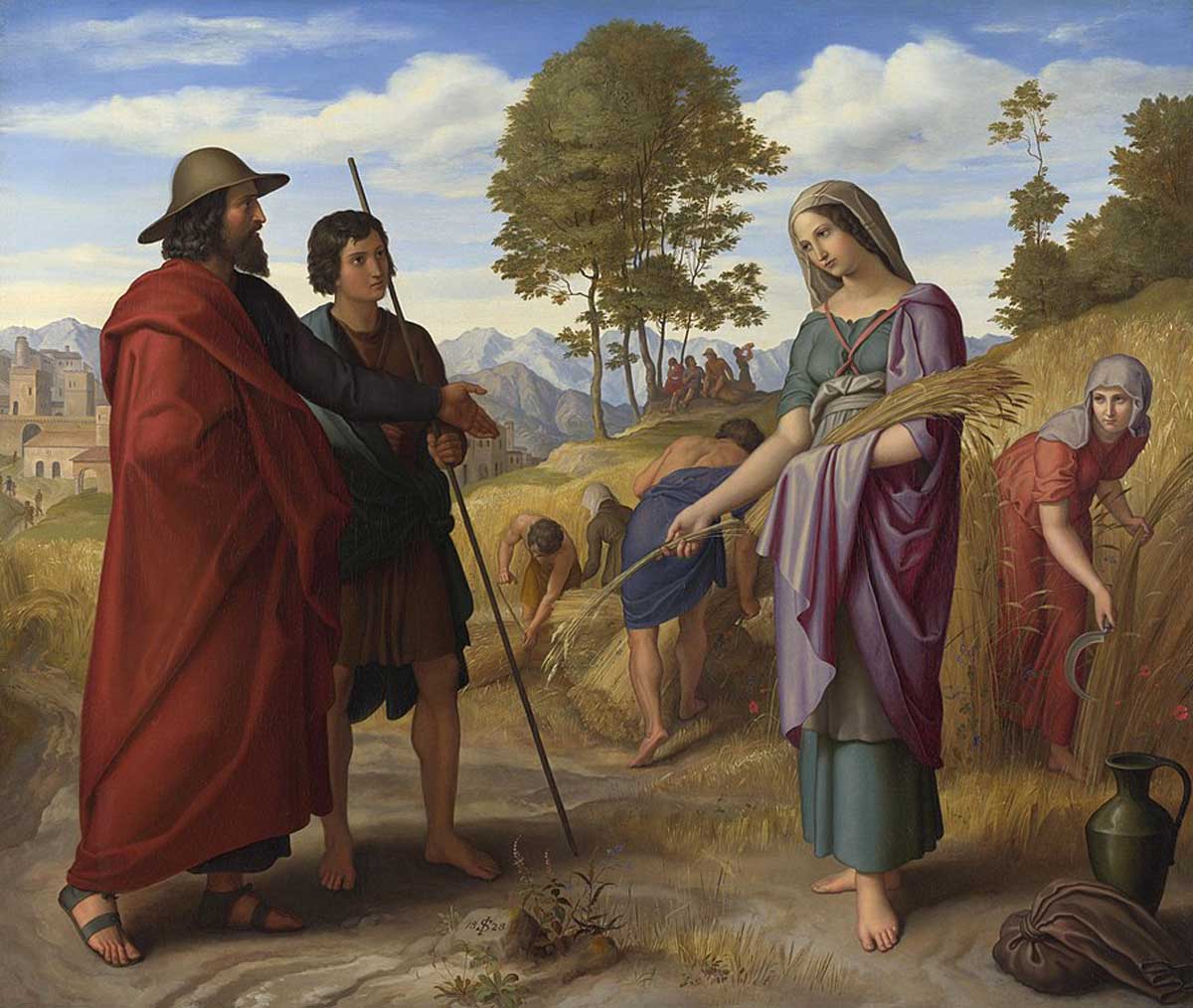
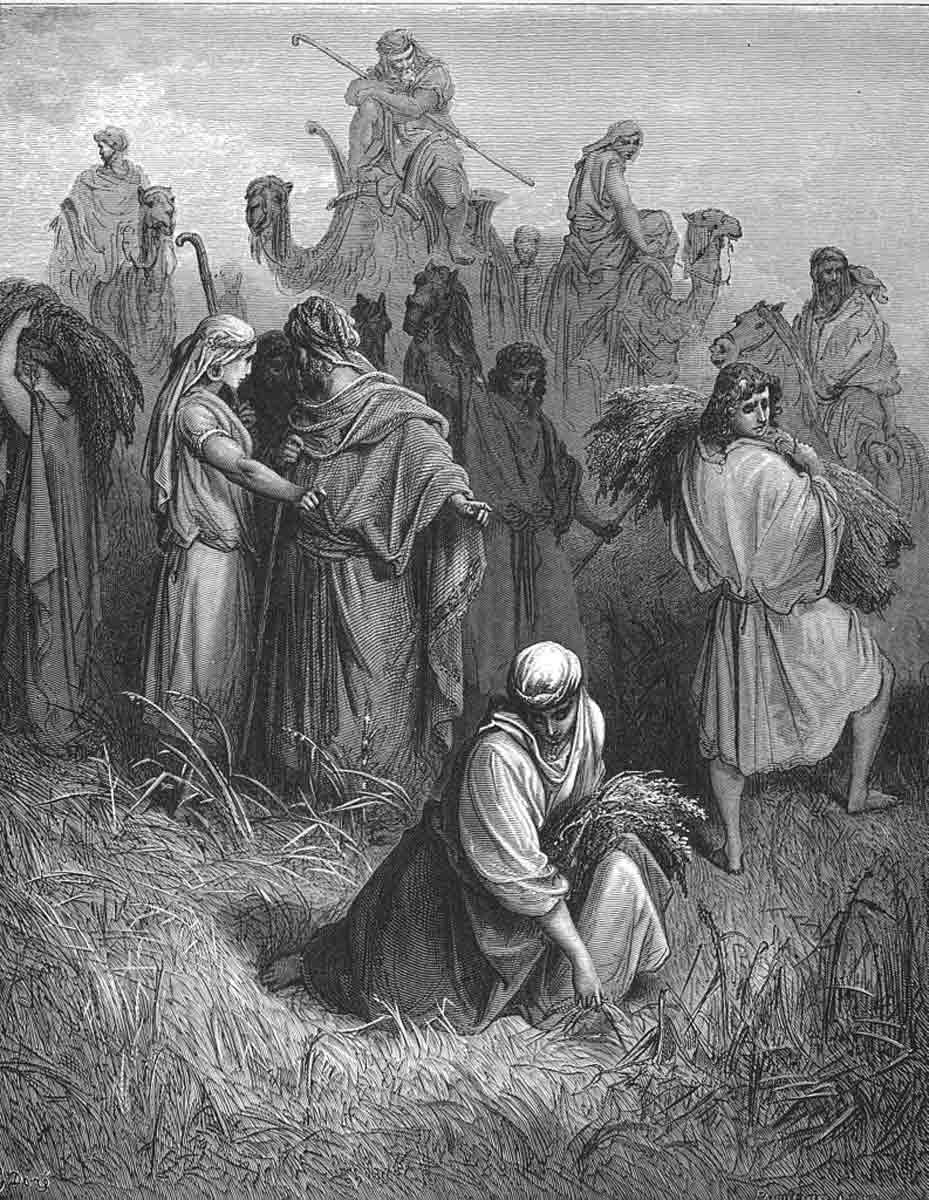
Ruth met Boaz as she gathered grain because of the need she and Naomi found themselves in. Boaz provided for Ruth without her being aware of it. Naomi plotted a way for Ruth to ask Boaz boldly to take kinsman-redeemer responsibility for her. Boaz explained that he first must deal with a close relative who had the first option on redemption. Ruth returns to Naomi with provisions that Boaz supplied.
Boaz redeems Naomi and Ruth (Ruth 4)
Boaz bought the property of Naomi’s deceased husband and entered a Levirate marriage with Ruth, according to the Levitical law. To do so, he had to engage with an unnamed family member who had first rights to both transactions. Boaz and Ruth had a son whom they called Obed. The Book of Ruth ends with a lineage showing Ruth as the great-grandmother of King David.
Main Themes
Chesed
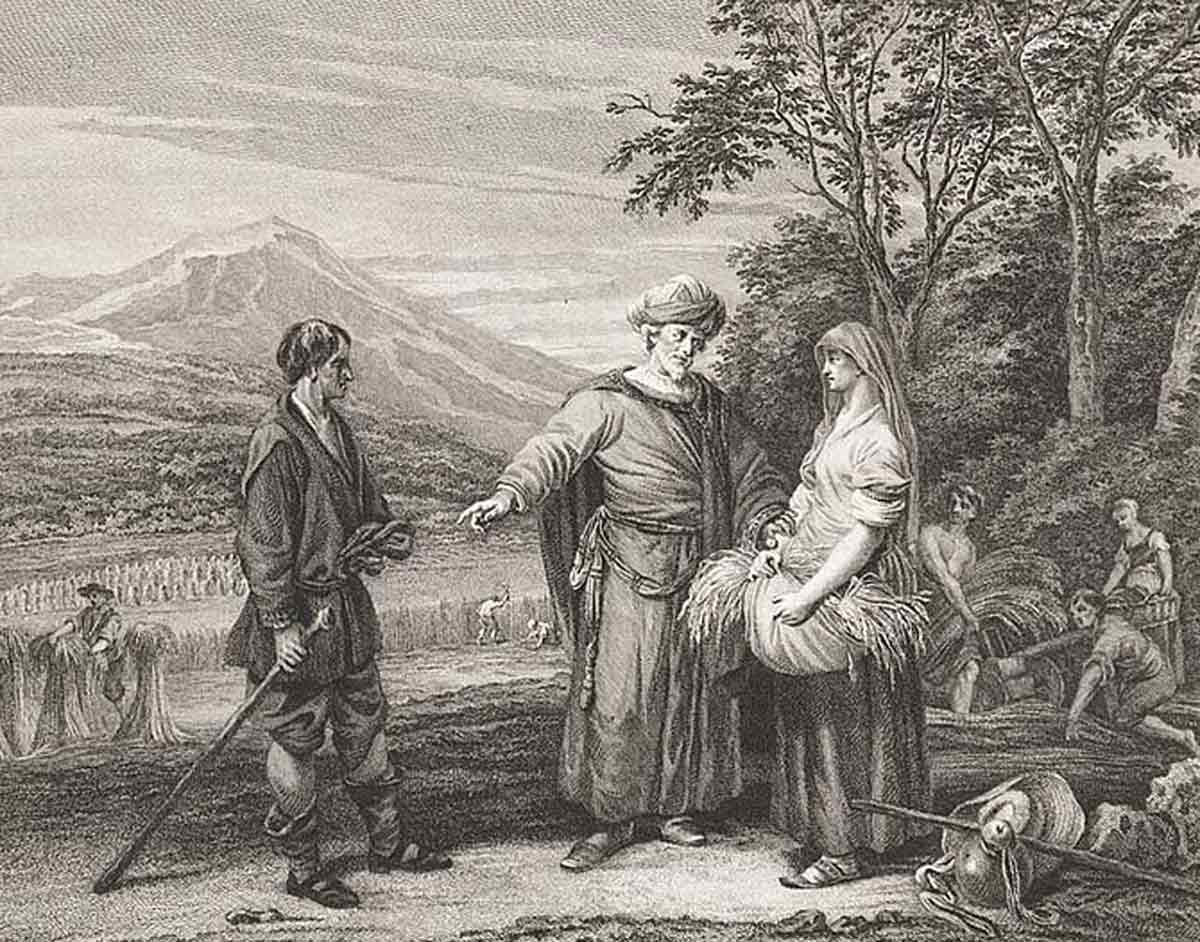
Chesed (חסד) is a Hebrew word that means “loving-kindness,” “loyalty,” “compassion,” or “steadfast love.” It describes covenantal love, which reflects faithfulness to God and devotion to neighbors. The theme is evident in the love between Ruth and Naomi, and Ruth and Boaz.
Kindness and generosity
Ruth shows kindness and generosity to Naomi and receives kindness and generosity from Boaz. These actions are characteristic of those who live their lives according to the principles of God.
Reversal of fortunes
The provision of God is evident in the reversal of fortunes for Naomi and Ruth. Typically, Israelites would despise a foreign woman like Ruth, but Ruth found favor with God, and he blessed her after she suffered much earlier in life.
Key Passages
Ruth 1:1
“In the days when the judges ruled, there was a famine in the land, and a man of Bethlehem in Judah went to sojourn in the country of Moab, he and his wife and his two sons.”
The first verse of the Book of Ruth supplies information on the date and setting of the content. It sets the stage for several ways that the story will reveal changes of fortune for the main characters.
Ruth 1:16-17
“But Ruth said, ‘Do not urge me to leave you or to return from following you. For where you go I will go, and where you lodge I will lodge. Your people shall be my people, and your God my God. Where you die I will die, and there will I be buried. May the LORD do so to me and more also if anything but death parts me from you.’”
The closeness of the relationship between Naomi and Ruth says much about both women. Ruth converted to the God of Naomi and committed to going with Naomi wherever she would go. Her dedication to her mother-in-law was unwavering.
Ruth 2:12
“The LORD repay you for what you have done, and a full reward be given you by the LORD, the God of Israel, under whose wings you have come to take refuge!”
Boaz was impressed by the character of Ruth and her care and dedication to Naomi. He could see the principles expected of the people of God, which they often did not display, in this Moabite woman.
Ruth 3:9-10
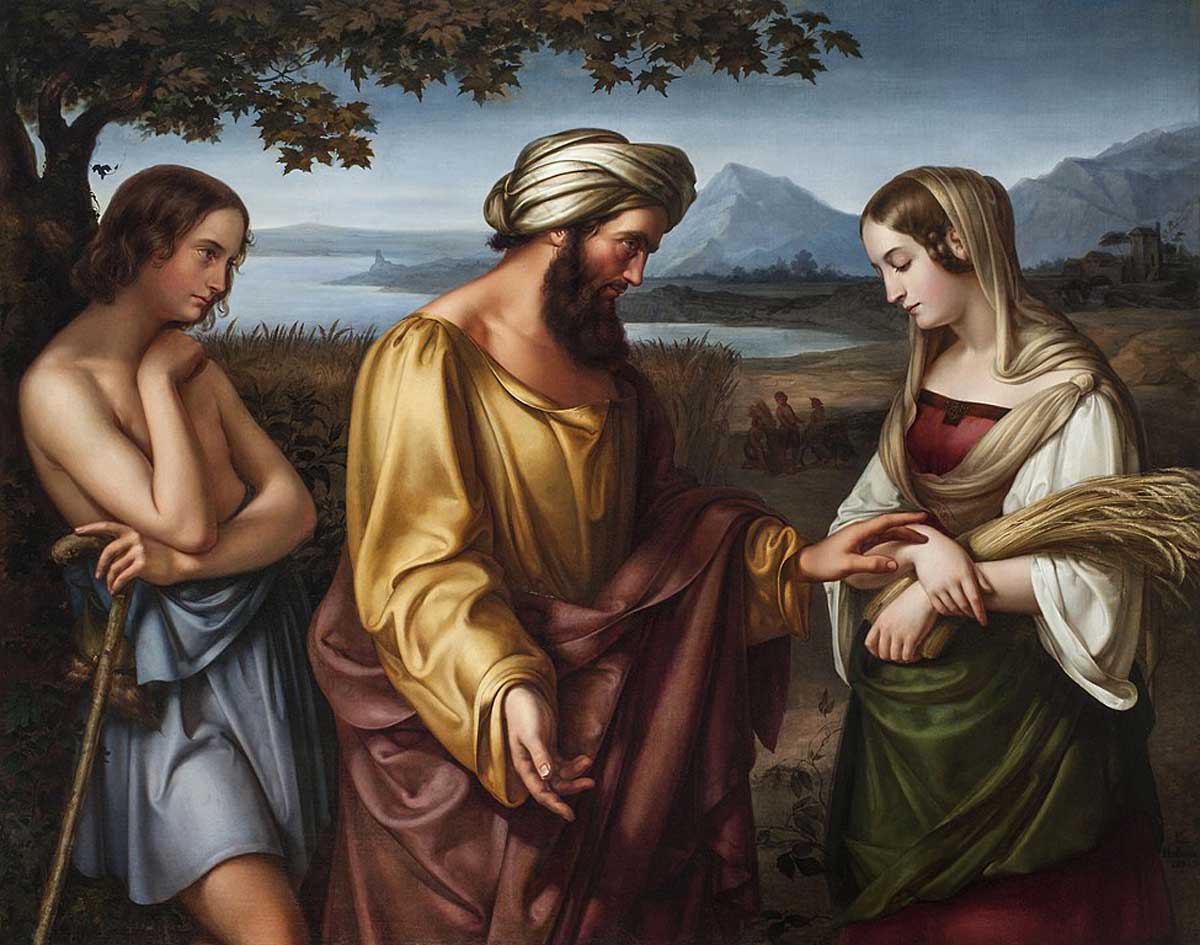
“He said, “Who are you?” And she answered, ‘I am Ruth, your servant. Spread your wings over your servant, for you are a redeemer.’ And he said, ‘May you be blessed by the LORD, my daughter. You have made this last kindness greater than the first in that you have not gone after young men, whether poor or rich.’”
Ruth put the plan Naomi devised into action and approached Boaz at night. She boldly asked him to be the kinsman-redeemer she needed.
Ruth 4:14-17
“Then the women said to Naomi, ‘Blessed be the LORD, who has not left you this day without a redeemer, and may his name be renowned in Israel! He shall be to you a restorer of life and a nourisher of your old age, for your daughter-in-law who loves you, who is more to you than seven sons, has given birth to him.’ Then Naomi took the child and laid him on her lap and became his nurse. And the women of the neighborhood gave him a name, saying, ‘A son has been born to Naomi.’ They named him Obed. He was the father of Jesse, the father of David.”
The remarkable story of Ruth shows that the lineage of Christ has people in it that one might not have expected. They were included because of their character and despite their history or nationality. Another example of such a woman is Rahab in the Book of Judges.
Contemporary Relevance
The contemporary reader will notice that the Book of Ruth hardly mentions God, yet his hand is evident in what occurs. It shows evidence of the provision of God for those he loves. The love between the characters in the Book of Ruth also exemplifies the care and commitment believers should have for one another.
The theme of redemption runs through the Book of Ruth and serves as a symbol of the redemptive work of Christ. Just as Ruth remained loyal and true to Naomi during difficult circumstances and times of trouble, Christ goes with the believer through tough times. With perseverance, there is hope for a bright future, just as Ruth and Naomi experienced.
The Book of Ruth is an example of how racial, ethnic, and cultural barriers result in prejudices that God does not subscribe to. God allowed Ruth, a Moabite woman, to be in the lineage of Christ. Contemporary believers should not allow such human constructs to exclude anyone from the salvation Christ made available to everyone who believes in him.