In 1868, Japan stood at a crossroads. The East Asian nation was, at the time, ruled by a military government that had held power for nearly seven centuries. This changed when Japan was forced to interact with the Western world after being isolated for over two centuries.
The arrival of formidable foreign military powers made the Japanese people realize that their country was technologically behind and at risk of being conquered. Soon, the Tokugawa Shogunate, which ruled the nation, faced opposition from many groups that disagreed on how to handle foreign relations. The differences in opinion soon escalated into a civil war called the Boshin War.
How Four Foreign Warships Ignited Japan’s Deadliest Samurai Civil War
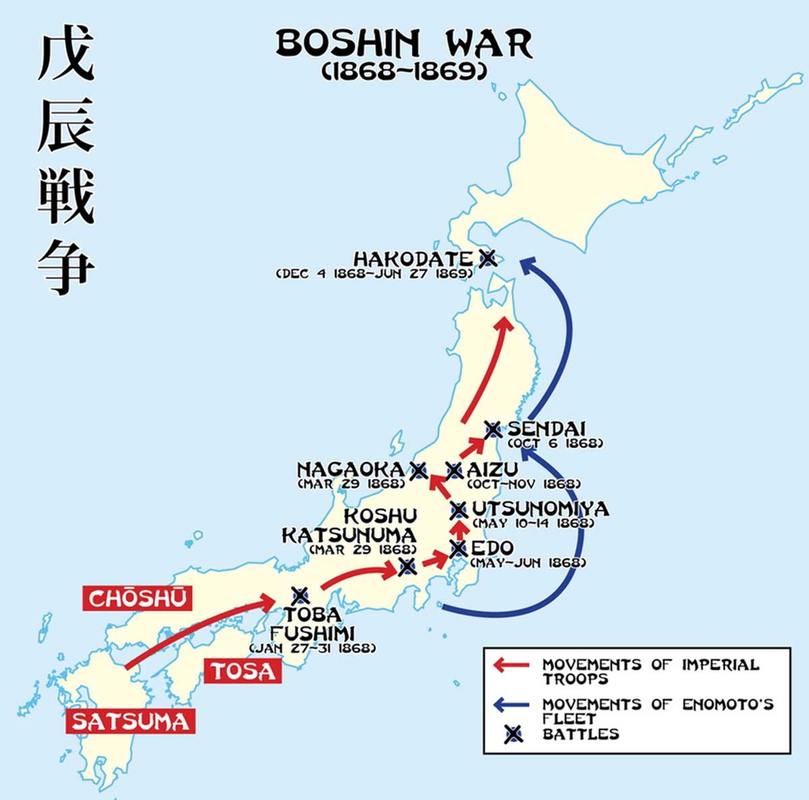
During the 1630s, Japan shut itself off from the outside world under a policy of national seclusion called sakoku. The situation changed dramatically when US Commodore Matthew Perry sailed four steam-powered warships into the Uraga Channel in July 1853. Soon, Japan signed a treaty called the Convention of Kanagawa in 1854 after being threatened by Perry’s military force. The treaty forced Japan to trade with the US and triggered the rise of a movement to overthrow the military government. This movement grew because of anti-shogunate feelings among low-ranking samurai in the western and southwestern regions of Satsuma and Choshu.
The men rallied behind the popular slogan, Sonno Joi, which means “Revere the Emperor, Expel the Barbarians.” At the time, many samurai believed the Shogunate had failed to protect Japan from foreign invasion. Things changed on January 3, 1868, when the 15-year-old Emperor Meiji was convinced by members of the Satsuma-Choshu coalition to issue an imperial order officially ending the Shogunate in favor of imperial rule. In response, Tokugawa Yoshinobu, the last shogun, gathered 15,000 troops and headed toward the imperial capital of Kyoto to take back political control.
How Industrial Firepower Crushed a Samurai Army of 15,000
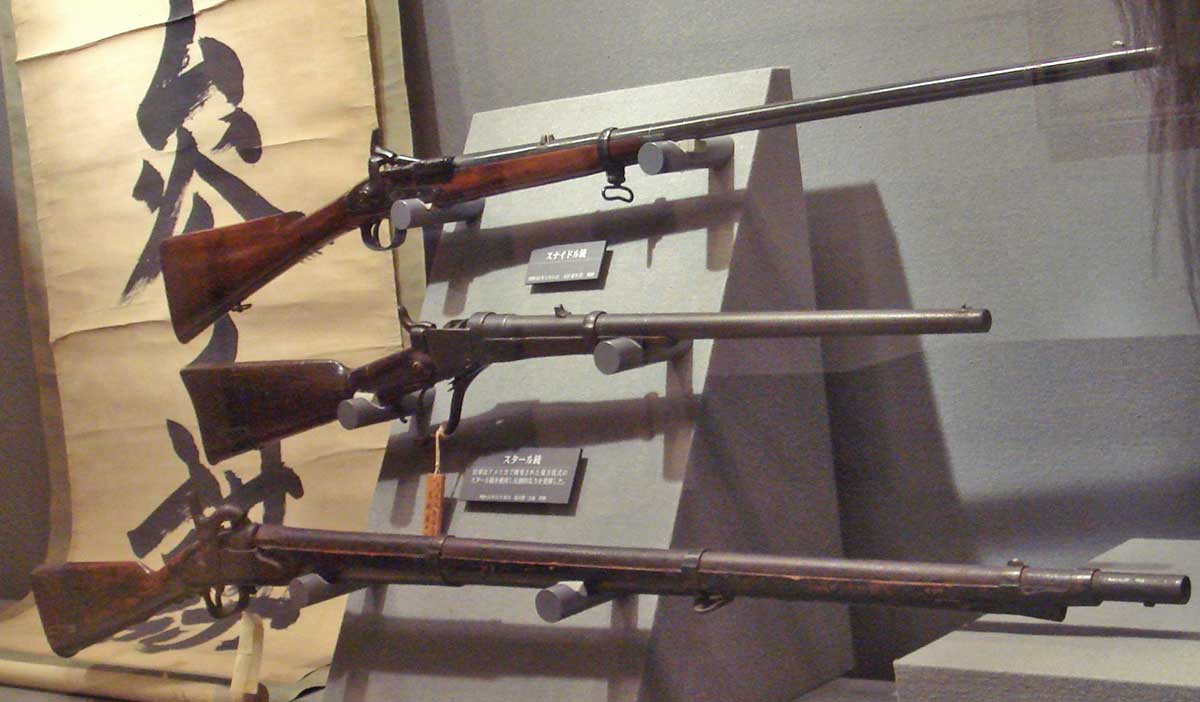
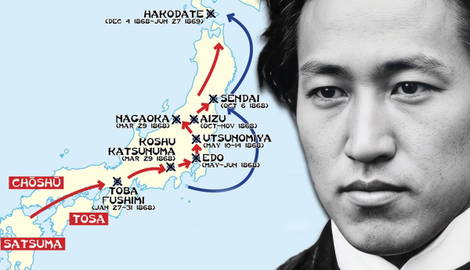
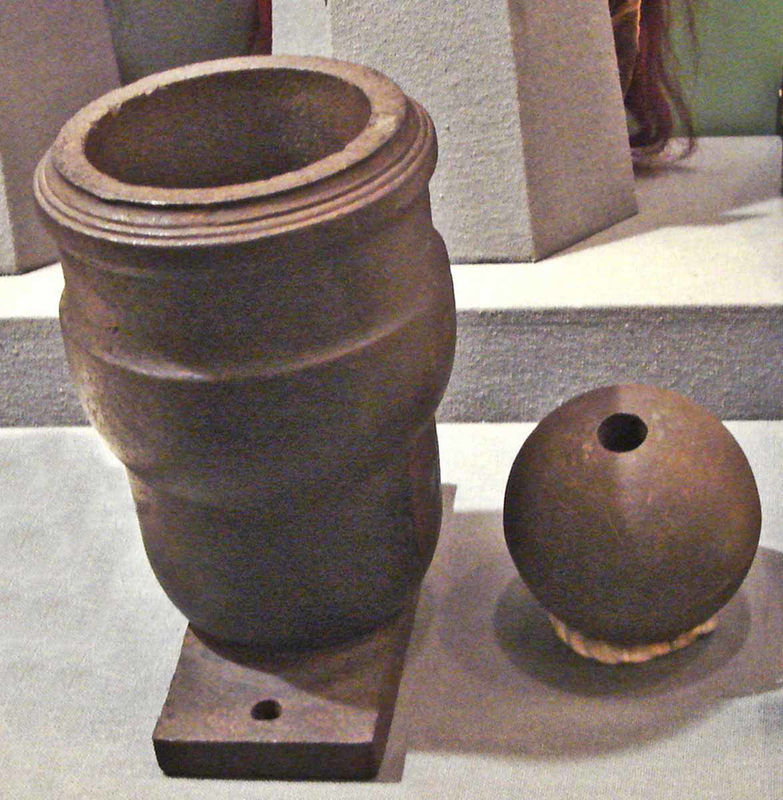
The Boshin War officially began on January 27, 1868, at the Battle of Toba-Fushimi. The battle proved that traditional samurai power was over because an Imperial Army of about 3,500 to 5,000 troops defeated the much larger Shogunate force. Even though they had more men, many Shogunate soldiers still used traditional spears and old matchlock muskets. These weapons could not compete with the modern equipment used by the imperial forces. The imperial troops had modern training and used Enfield and Snider-Enfield rifles, Armstrong howitzers, and even rapid-fire Gatling guns.
Morale among Shogunate samurai also dropped after they were declared enemies of the throne. This happened when the Imperial Brocade Banner displaying the golden sun and silver moon was raised, a sacred symbol of the Emperor’s authority. As a result, entire units threw down their weapons and ran away while others joined the Imperial side. During the four days of battle, the Shogunate had hundreds of casualties while the Imperial side suffered significantly fewer. The battle proved that skilled swordsmen could not beat industrial-age guns.
The Secret Deal and Heavy Siege That Ended 700 Years of Shogun Rule
Following the Battle of Toba-Fushimi, the fighting moved north to the Shogunate capital city of Edo, which is now Tokyo. In April 1868, Imperial general Saigō Takamori met with the Shogunate’s Army Minister, Katsu Kaishū, to arrange the peaceful surrender of Edo Castle. The meeting prevented a massive fight that would have burned the city and killed thousands of civilians. The agreement marked the end of Tokugawa rule in Japan.
While the Shogun peacefully gave up his office and went into house arrest, some extremists called the Shogitai refused to go quietly. On July 4, 1868, 2,000 Shogunate loyalists tried to defend Kaneiji Temple, their base, in the Battle of Ueno. The Imperial Army quickly defeated the outnumbered loyalists in a single day by hitting the temple with heavy artillery fire. After securing central Japan, the new government renamed Edo to Tokyo in September of that year.
The Rogue Rebel Republic and the Final Clash That Erased the Samurai Class
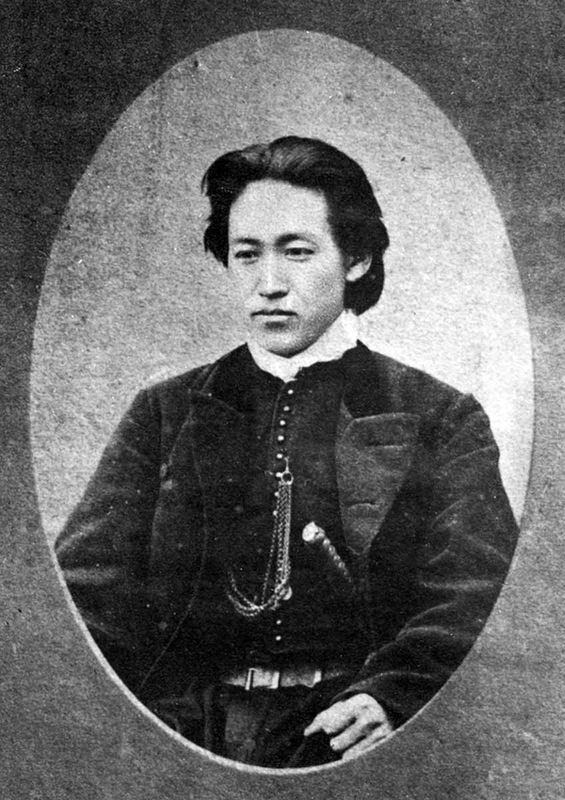
The final resistance of the Boshin War came from the Republic of Ezo, which was declared in December 1868. Ezo was an early attempt to establish a government with elected leaders in Japan. Rebel forces were led by Admiral Enomoto Takeaki with help from French military advisors like Jules Brunet. On June 27, 1869, the Battle of Hakodate ended when the fortress called Goryokaku fell and Hijikata Toshizo, the commander of the Shinsengumi, was killed by gunfire. After Enomoto surrendered, the Meiji government took full control of Japan.
Victory in the war led to reforms that eventually removed the samurai as a social class. Because they needed a modern military, the Meiji leaders passed a law in 1873 called the Conscription Ordinance. This law ended the samurai monopoly on fighting by declaring that all male citizens had to serve in the military regardless of their social rank. Owning and using weapons became a duty of all citizens rather than a special right for the warrior class. As modernization arrived, the samurai class became a thing of the past.