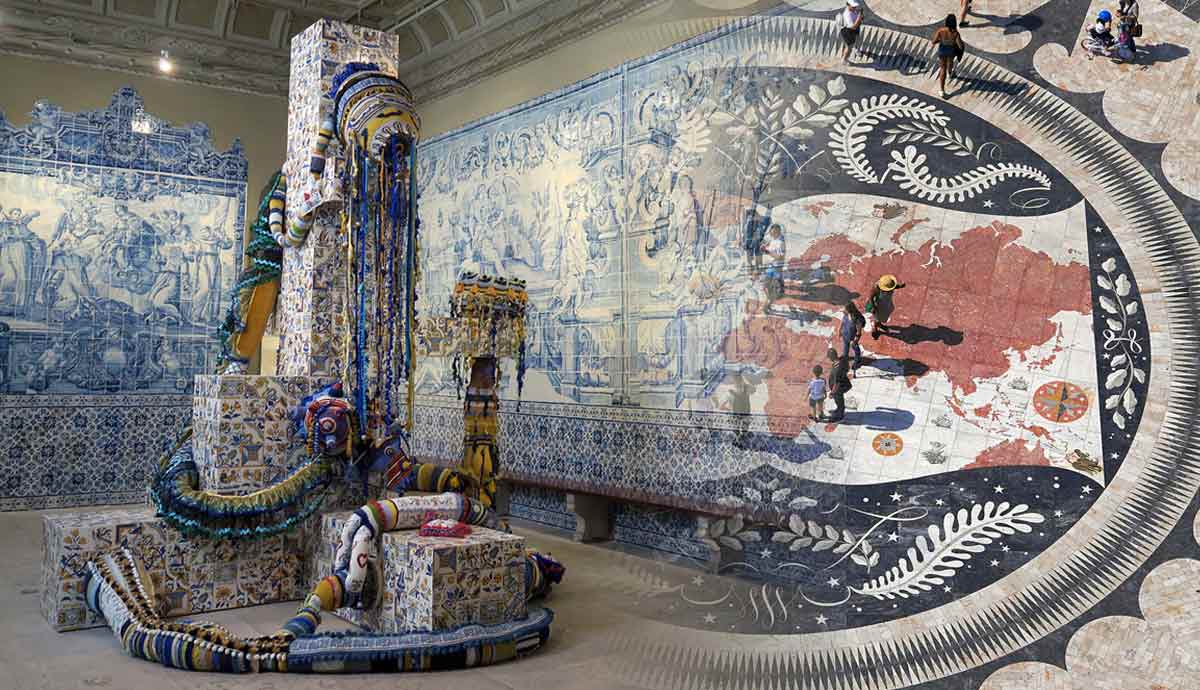

On All Saints’ Day, November 1, 1755, at approximately 9:40 am, the Portuguese capital of Lisbon experienced a triple disaster of an earthquake, tsunami, and fire that would change the way Europeans understood nature. What began as a massive seismic shift quickly escalated into a nightmare of biblical proportions. Because it was a major holy day, thousands of candles were lit in the city’s many cathedrals, and so when the tremors struck, many of the candles toppled, igniting fires that would rage for nearly a week.
When a Holy Day Turned into a Crisis of Faith
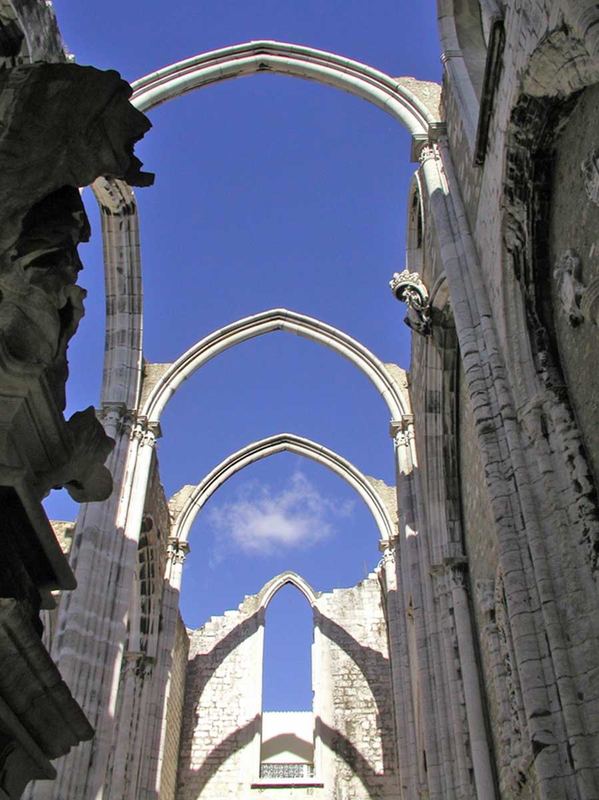
The disaster was the result of a submarine earthquake estimated at a magnitude of 7.7 to 9.0, originating in the Azores-Gibraltar Transform Fault. As enormous churches tumbled on their congregations inside, survivors ran toward the banks of the Tagus to escape falling rubble and rising flames. There, they saw the water recede, revealing a riverbed littered with sunken ships and abandoned cargo. About 40 minutes later, a towering tsunami slammed into the city, sweeping over those who had fled to the waterfront.
Digging through the ruins of what was one of Europe’s largest and richest cities, survivors slowly began to comprehend the magnitude of the destruction. Estimates ranged from about 40,000 to 50,000 fatalities. As they tried to make sense of the destruction around them, they wondered how God could have watched this happen to His people in His own churches, especially on a day when all saints were celebrating together, and His followers were kneeling in prayer. The disaster ignited fierce debates over theodicy (the attempt to vindicate divine goodness in the face of evil and suffering).
How the Ruins of Lisbon Shattered European Optimism
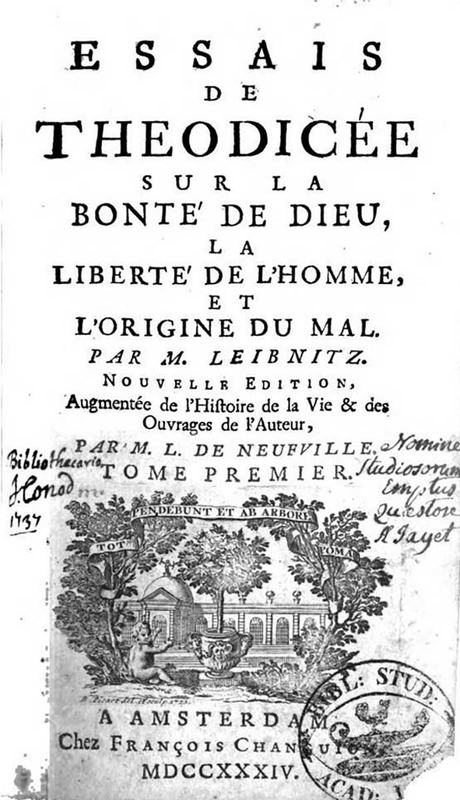
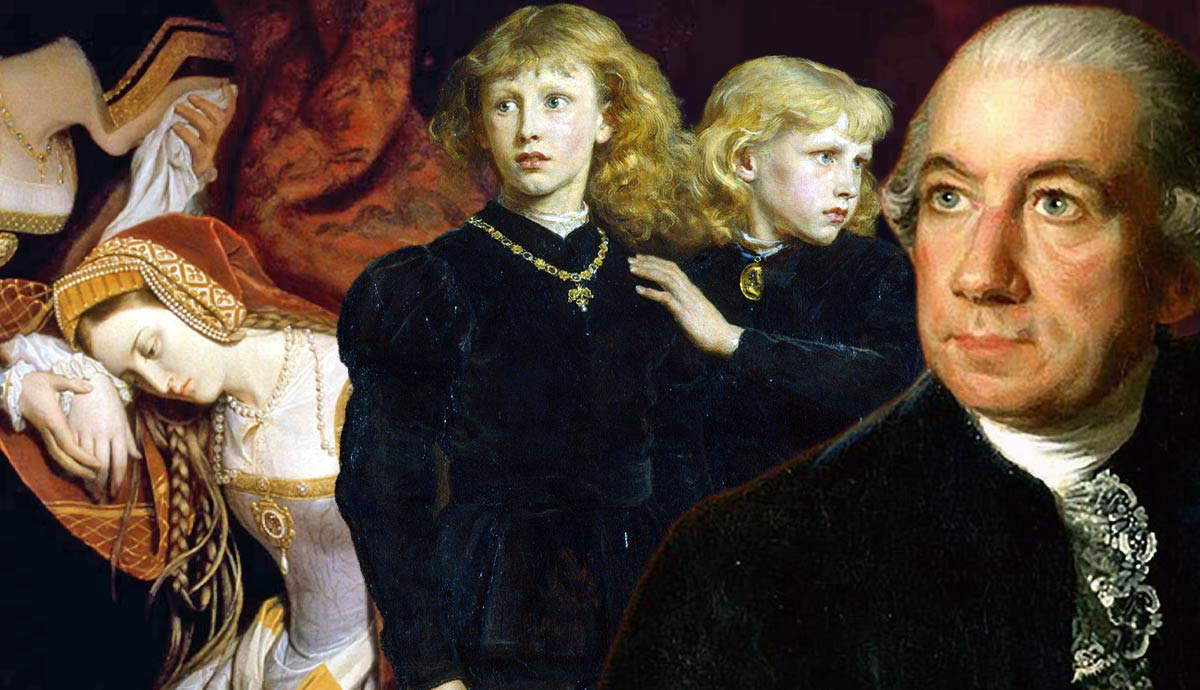
Before the disaster, many educated Europeans subscribed to the philosophy of Optimism. Advocated by Gottfried Wilhelm Leibniz in his work Theodicy in 1710 and popularized by Alexander Pope’s Essay on Man. The philosophy held that since God is omnipotent and omnibenevolent, He could not have chosen anything but the “best of all possible worlds,” when it came to worldly matters. According to the theory, what humans perceived as evil was merely a necessity required for a greater, cosmic good that humans simply lacked the perspective to understand.
The earthquake shattered this worldview for many. The sheer death toll and the collapse of churches while the city’s brothels in the Alfama district largely remained standing due to their more stable, rocky ground made the “best of all possible worlds” argument seem increasingly absurd.
How Voltaire and Rousseau Clashed Over the Cause of the Tragedy
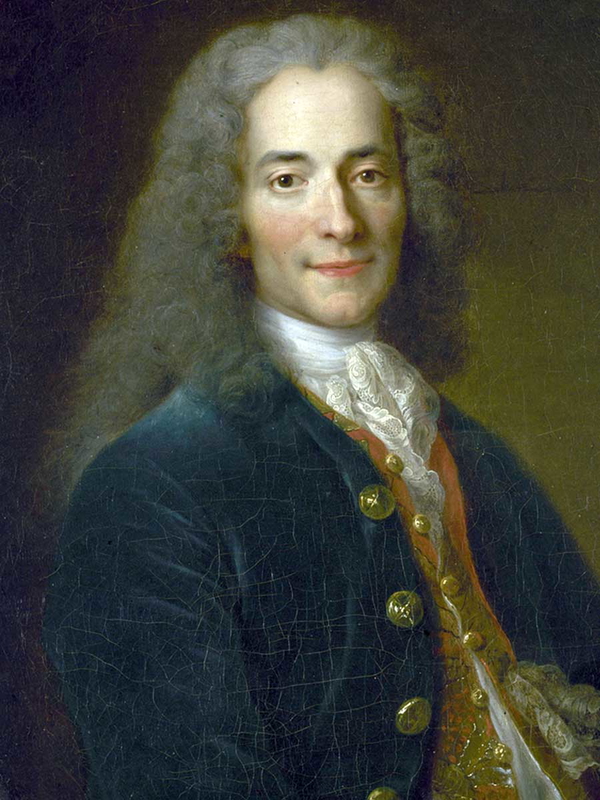
Voltaire led the intellectual assault on Optimism. In 1756, he published Poème sur le désastre de Lisbonne, a scathing critique of Leibnizian logic. He asked pointedly why innocent infants were left to writhe in pain if a merciful God was in control. Voltaire later cemented this critique in his 1759 masterpiece, Candide, where the character Dr. Pangloss parodies the “Optimist” view by insisting that everything is for the best even as he and the protagonist endure horrific tragedies.
However, the debate was not one-sided. Jean-Jacques Rousseau responded to Voltaire by shifting the blame from God to humanity. Rousseau argued that the earthquake was not a divine act of cruelty, but a consequence of human urbanization. He noted that if 20,000 houses of six or seven stories had not been crowded together in a seismic zone, the damage would have been negligible. This marked a pivotal moment in Western thought, moving the focus away from divine punishment and toward human responsibility and urban planning.
How Pombal and Kant Shifted Disaster from Religion to Science
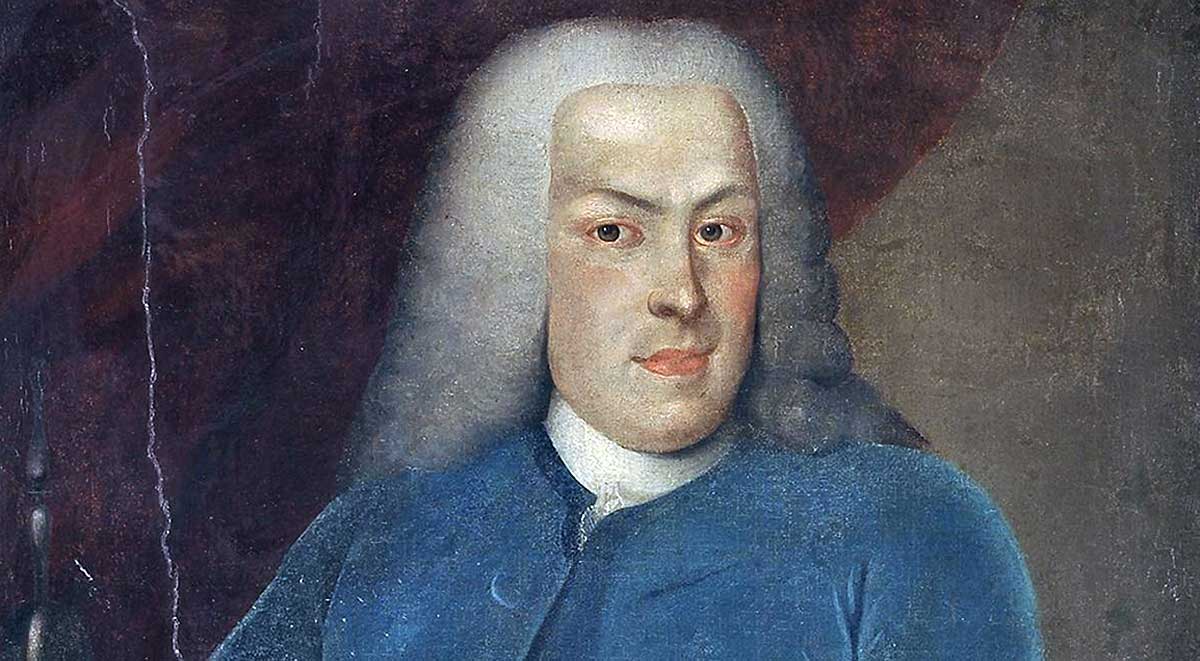
While philosophers debated, the Secretary of State for Foreign Affairs, Sebastião José de Carvalho e Melo (later known as the Marquis of Pombal), kickstarted the nation’s recovery process on behalf of the overwhelmed King Joseph I. He sidelined religious leaders who preached divine wrath to launch a remarkably organized, secular disaster relief effort. He also began rebuilding Lisbon with earthquake-resistant structures. The new buildings featured a cross-braced wooden frame called a Pombaline cage. The feature allowed the houses to sway during a quake rather than snap.
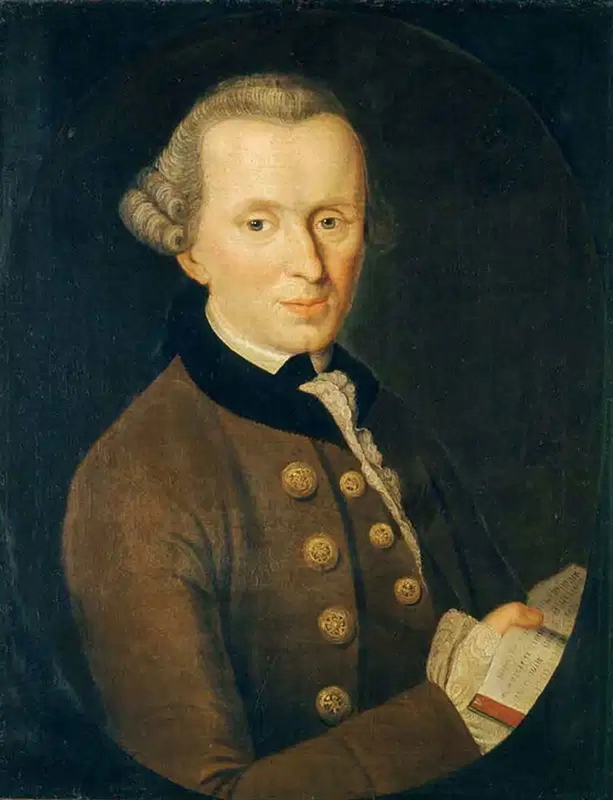
At the same time, in East Prussia, a young academic named Immanuel Kant became fascinated with identifying the cause of the earthquake. He compiled reports of the earthquake’s movements and wrote three scientific papers about it in 1756. Kant described the quake as caused by subterranean gases igniting inside underground caves, instead of a punishment from God sent upon sinners. While Kant’s theory about gases was wrong, his ideas inspired others to search for natural causes behind earthquakes instead of relying on religion. The shift in thinking helped pave the way for the later study of seismology.
By shaking traditional religious belief systems, the 1755 Lisbon earthquake marked the start of a more secular and scientific way of understanding the world, laying the groundwork for the Enlightenment, otherwise known as the Age of Reason.