
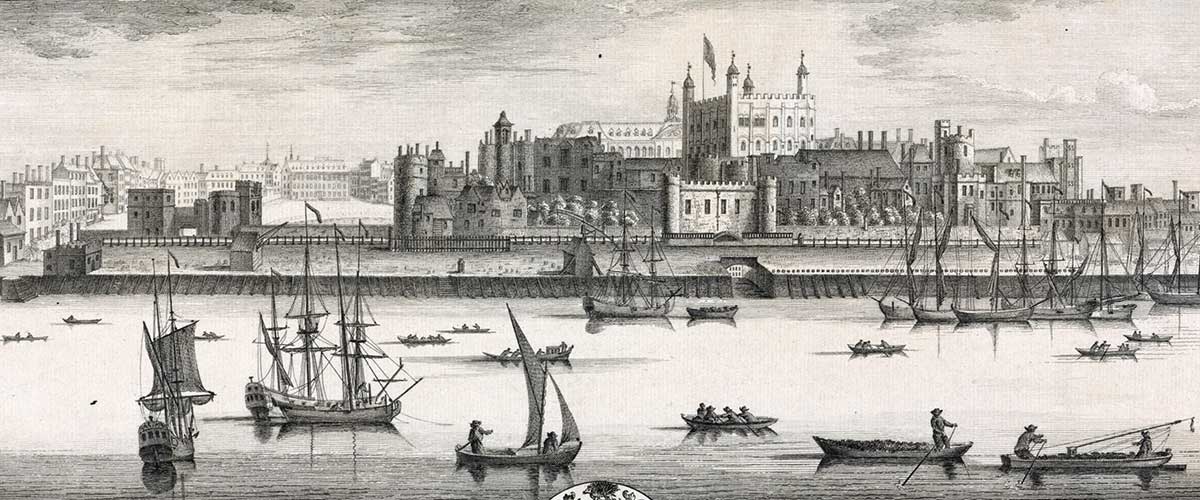
Built by William the Conqueror shortly after his coronation, the Tower of London initially served as a fortress to control access to the city through the river. The Norman king’s successors expanded the building, erecting a palace within its walls. In the Middle Ages, however, the Tower became more renowned as a prison than for its luxurious royal apartments. By the Tudor period, it had become the biggest state prison in England, where rulers imprisoned political enemies. Explore the rich history of the Tower of London through nine of its most famous prisoners, from Anne Boleyn to Guy Fawkes.
1. Anne Boleyn
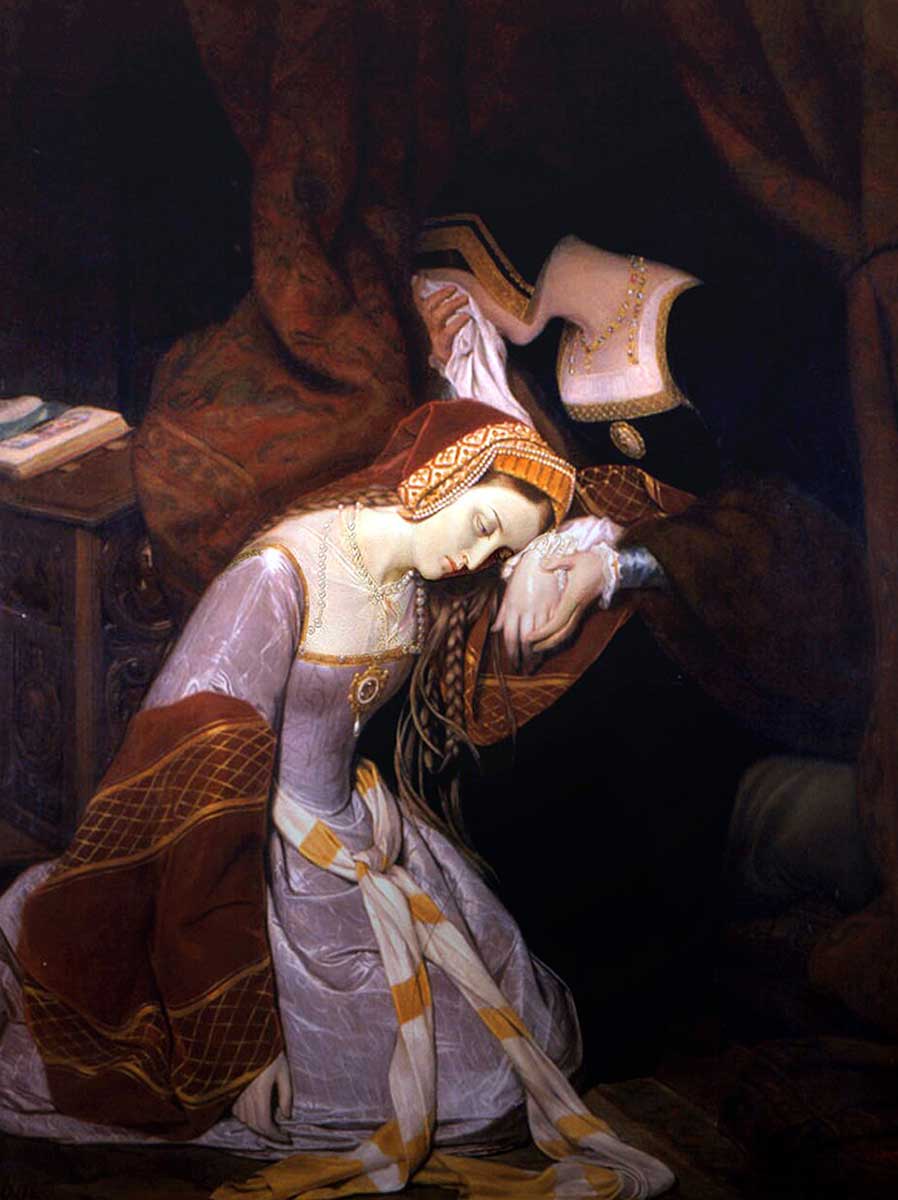
Among all of the prisoners, Anne Boleyn is perhaps the most notorious. Her marriage to Henry VIII in 1533 famously led the English monarch to break with the Roman Catholic Church, bringing about the English Reformation.
The young Anne first met the Tudor king when he was still married to his first wife, Catherine of Aragon. Desperate to secure the line of succession to the throne through a male heir, Henry VIII sought to obtain an annulment of his marriage to the aging Catherine. Pope Clement VII, however, refused to grant the English monarch permission to divorce. Growing increasingly frustrated with the interminable effort to solve his “Great Matter,” the king married Anne in secret in January 1533. Their union was announced on Easter of the same year.
Anne knew how to get through Henry VIII and his volatile moods, exerting no small influence on England’s policies, especially regarding the Reformation. Her behavior, often perceived as arrogant, however, made her unpopular at court. When her pregnancies did not result in the birth of the desired son (she gave birth to the future Elizabeth I in 1533), Henry grew impatient and engaged in affairs with other women.
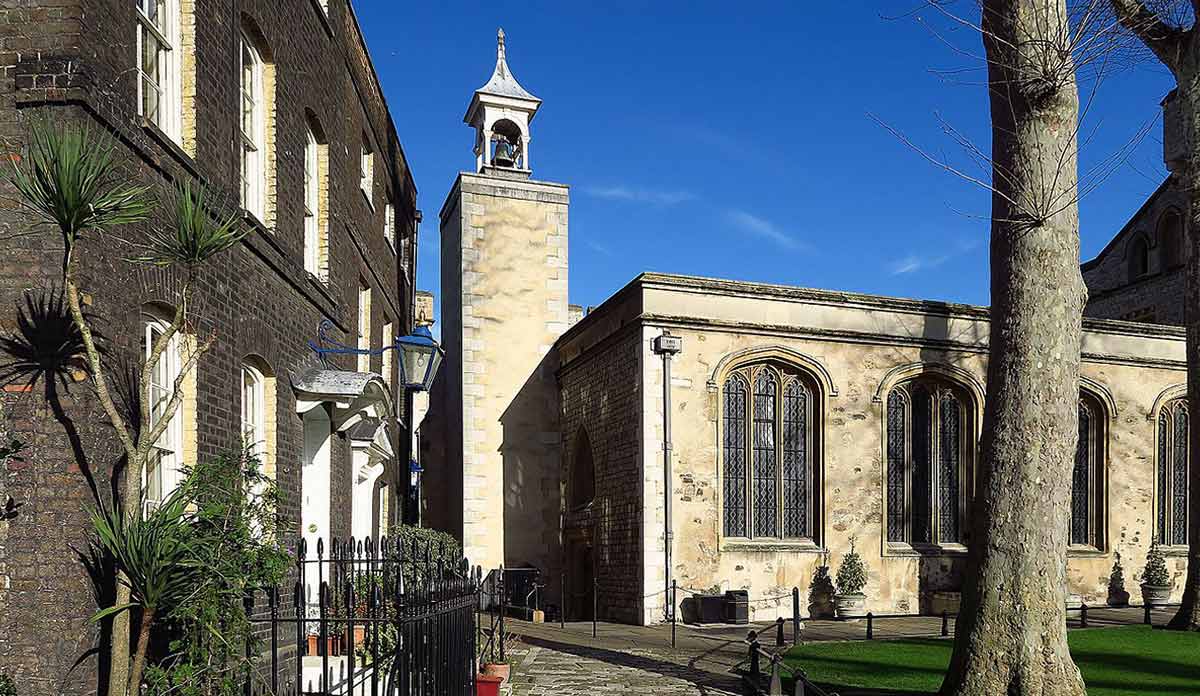
On May 2, 1536, Henry had Anne committed to the Tower of London on charges of adultery and even incest. It is possible that Thomas Cromwell, one of her most powerful adversaries, contributed to fabricating the evidence against her. She was tried and unanimously convicted shortly after. Upon learning that she was to be beheaded, she apparently joked: “I heard the executioner was very good, and I have a little neck.”
She was executed on May 19 on Tower Green and buried in the Chapel of St. Peter ad Vincula in the Tower of London. Eleven days after her death, Henry married his third wife, Jane Seymour.
2. Lady Jane Grey
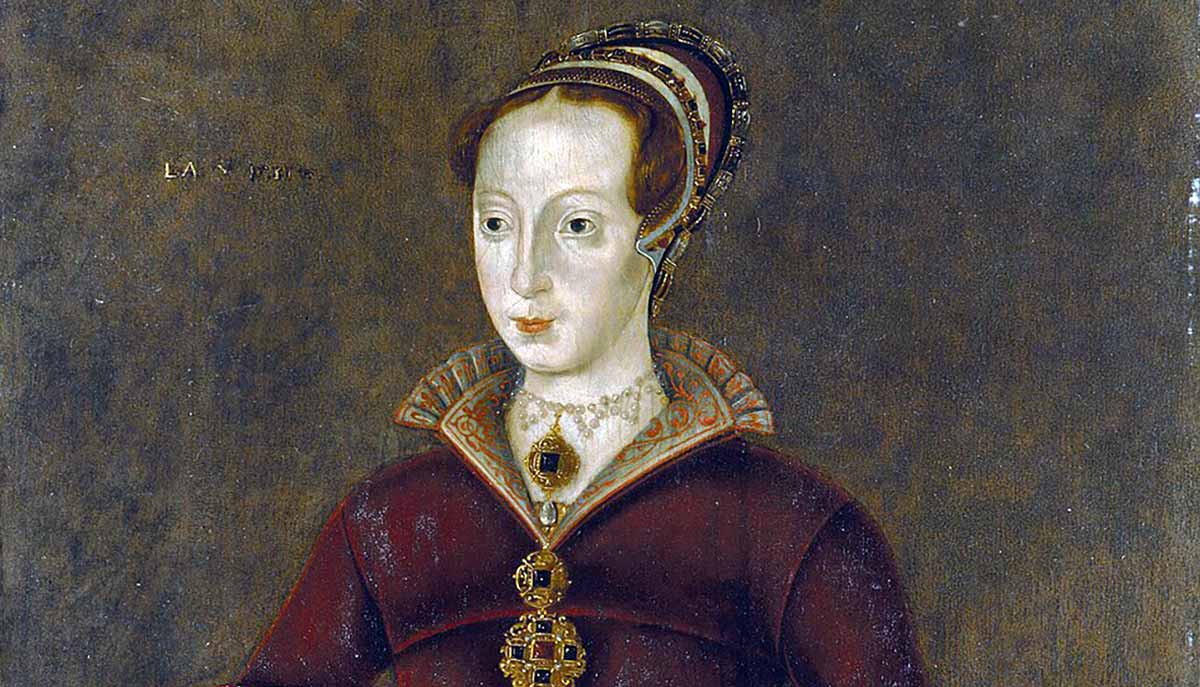
In 1547, Henry VIII was succeeded by his only male heir, Edward VI, who was only nine years old. Edward’s reign lasted only 6 years. According to the Acts of Succession Henry VIII passed before his death, his half-sister Mary, a devoted Catholic, was next in line for the English throne.
However, Edward, a staunch supporter of the Reformation, wanted to keep England firmly within the Protestant sphere of influence. Following the advice of John Dudley, duke of Northumberland, at the time the most powerful man in the kingdom, the dying Edward overturned the line of succession, naming Lady Jane Grey as his successor.
The daughter of Lady Frances Brandon and Henry Grey, duke of Suffolk, Jane was the grand-niece of Henry VIII. Young Jane spent her childhood in the household of Catherine Parr (Henry VIII’s sixth and last wife). In 1553, she then married Lord Guildford Dudley, John’s son.
On July 10, 1553, a day after young Edward VI’s death, she was named queen. The following day, 15-year-old Jane entered the Tower of London to prepare for her coronation. Mary Tudor, however, the heir to the throne according to Henry VIII’s will, immediately rejected this new line of succession. Popular among the English Catholics, she soon managed to amass considerable support.
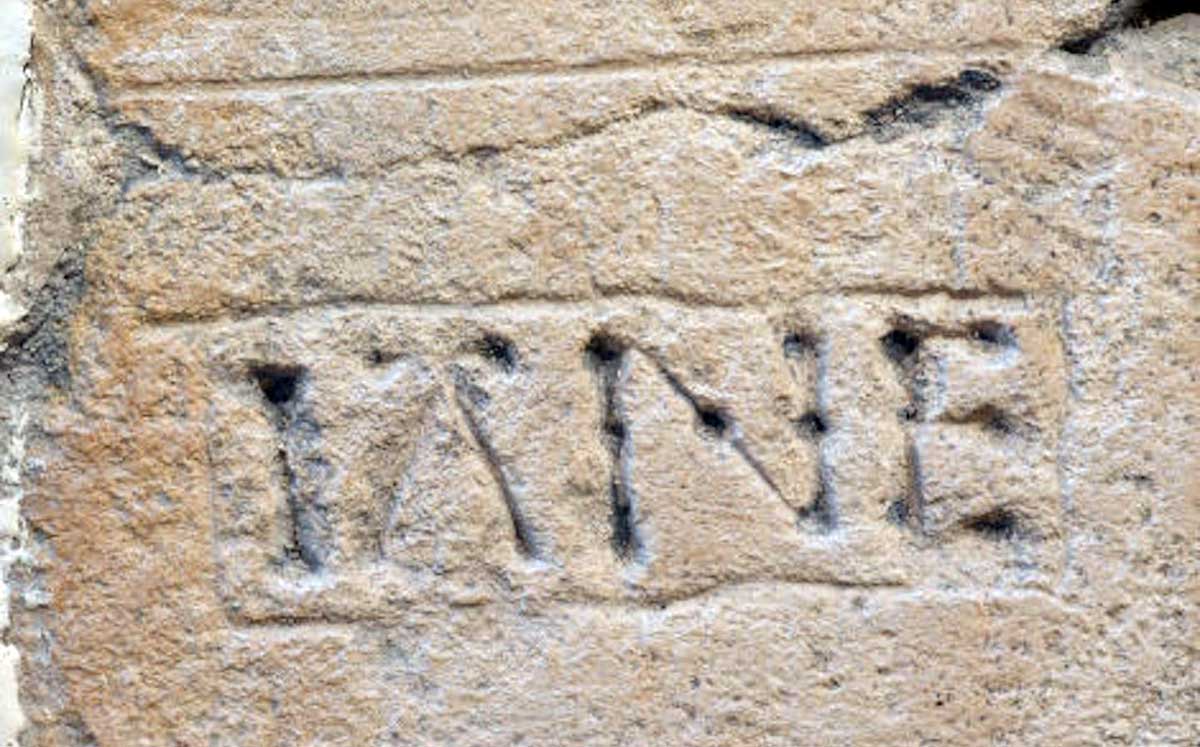
As Lady Jane Grey’s supporters melted away, even her father abandoned her side, proclaiming Mary queen on July 19 in a desperate attempt to save his position. The Tower of London was now her prison. She was sentenced to death for treason alongside her husband on November 14, 1553. While Mary initially suspended her sentence, her father’s participation in Thomas Wyatt’s Protestant rebellion in February 1554 sealed her fate. Jane and her husband were beheaded on February 12, 1554. She was 17 years old.
Traces of Lady Jane Grey, a victim of the political and religious conflict of her time, can still be found on the Tower of London. A graffiti in the wall of the Beauchamp Tower, for example, reads “IANE,” or Jane. Her husband carved his family’s coat of arms near the fireplace.
3. Thomas More
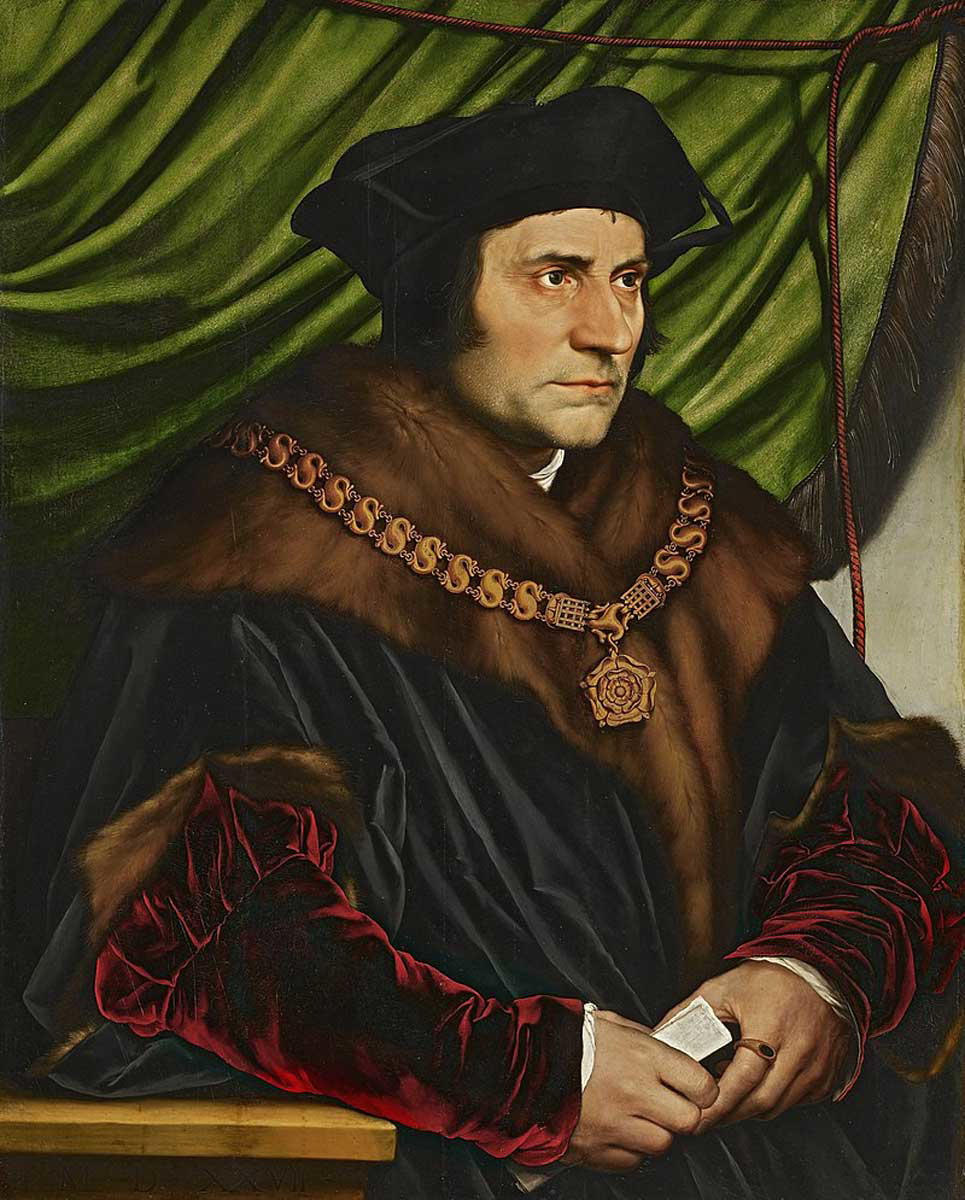
English humanist Thomas More became Lord Chancellor of England in October 1529, when his predecessor, Cardinal Wolsey, lost the influential position due to the failure of his foreign policy and attempt to secure the annulment of Henry VIII’s marriage to Catherine of Aragon.
A devout Catholic and opponent of Lutheranism, Thomas More resigned as Lord Chancellor in May 1532, when the clergy agreed not to “execute any new canons or constitutions provincial without the royal assent and authority.”
More also refused to assent under oath to the 1534 Act of Succession, a reform that acknowledged Anne Boleyn’s children as the rightful heirs to the throne and, most importantly, rejected the idea of papal supremacy. More had previously opted not to attend the king’s marriage to Anne Boleyn. These decisions marked him out for vengeance. He was soon arrested in the Tower of London.
In November of the same year, the Act of Treasons made More’s offense, referred to as a “malicious” refusal to accept royal supremacy, punishable by death. During his imprisonment in the Tower, More stood firm in his refusal to acknowledge the king’s religious supremacy, stating, as he wrote in a 1535 letter to his daughter, Margaret Roper, that he was now dedicated to “study upon the passion of Christ” and his own “passage out of his world.”
Condemned to death on July 1, 1535, Thomas More was beheaded five days later on Tower Hill. On the day of his execution, he blindfolded himself and, in his final words, he told the onlookers that he was “the King’s good servant but God’s first.”
4. Catherine Howard
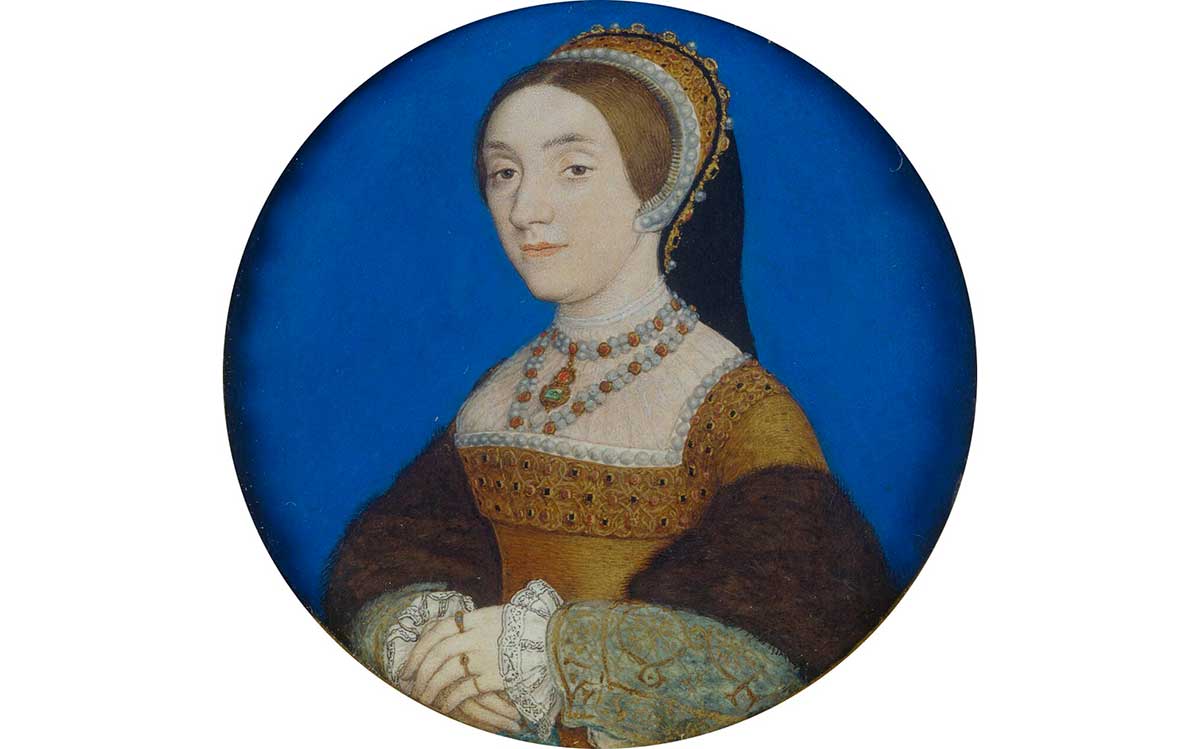
The fourth wife of Henry VIII, Catherine Howard, entered the household of Anne of Cleves, who was about to become the Tudor monarch’s fourth wife, in 1539. About a year later, in July 1540, young Catherine (the first cousin of Anne Boleyn) married Henry after his second divorce. The wedding took place on the same day that Thomas Cromwell, the king’s influential minister, was executed.
Initially taken in by the lively temperament of his young wife, the king became incensed upon learning of Catherine’s supposed affairs before their marriage. It is also probable that the new queen committed adultery with Thomas Culpepper, a courtier close to the king.
Furious, Henry had Catherine imprisoned in the Tower of London. She was beheaded on February 13, 1542. Two days earlier, Parliament passed a bill declaring it treason for an “unchaste” woman to marry the monarch. Catherine may have been only 18 years old at the time of her death. Her supposed lovers, Thomas Culpepper and Francis Dereham, were condemned to death shortly before her.
5. Guy Fawkes
Born in 1570 in a Protestant family, Guy Fawkes later converted to Roman Catholicism. In his 20s, he fought alongside the Spanish forces in the Netherlands, where he came into contact with other English Catholics.
By the early years of the 17th century, he had joined what became known as the Gunpowder Plot, a scheme aiming to blow up Parliament and kill King James I and his family. Angered by the increasing oppression of English Catholics, Guy Fawkes and his co-conspirators hoped their coup would allow them to seize power and bring England back to Catholicism.
As the planned attack would take place on November 5, when the king was set to attend the state opening of Parliament at Westminster, Guy Fawkes hid about 36 barrels of gunpowder (hence the name of the plot) in the cellar of the building.
On October 26, however, an anonymous letter led to the discovery of the coup. During a search in Westminster’s cellar, the police discovered Fawkes alongside the explosives, a box of matches, and a fuse. Immediately arrested, Guy Fawkes was imprisoned in the Tower of London and tortured. The other conspirators managed to flee from London, but they were caught a few days later.
Tried and found guilty of treason, Guy Fawkes was set to be “hanged, drawn, and quartered.” On the day of his execution in 1606, however, he avoided his gruesome fate by jumping (or falling) off the gallows. Parliament later declared November 5 a yearly celebration of the plot’s failure.
6. Sir Walter Raleigh
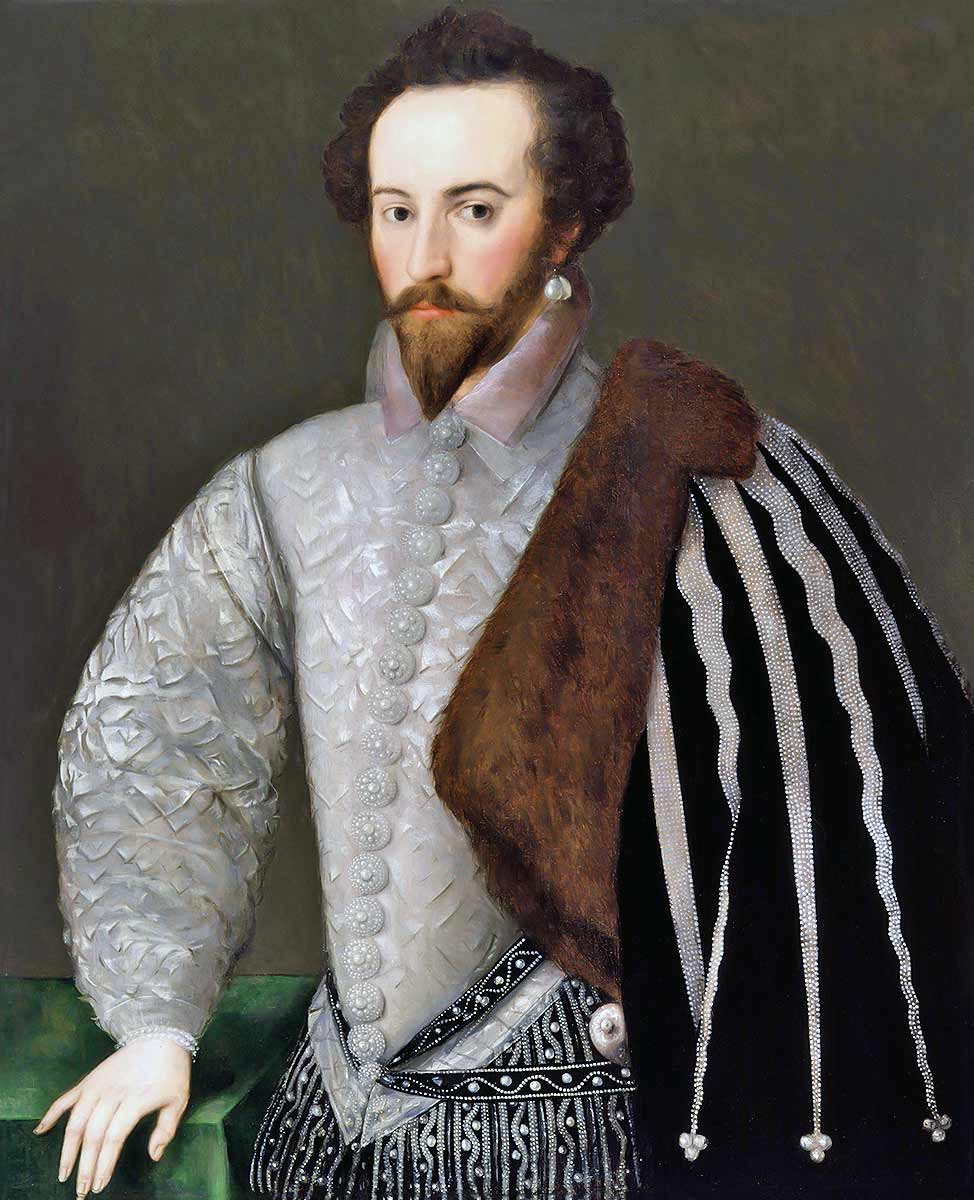
One of the most colorful members of Elizabeth I’s court, Sir Walter Raleigh became the queen’s favorite, a position that brought him considerable wealth. Knighted in 1585, he became captain of the queen’s guard two years later.
His influence allowed Sir Walter Raleigh to set into motion his idea of establishing English colonies in North America to challenge Spain’s monopoly in the “New World.” Between 1584 and 1589, his efforts led to the creation of a colony, named Virginia, in honor of the queen. In 1595, he then led an expedition in South America.
By then, however, his position at court had been weakened. Indeed, the queen, furious upon discovering his marriage to Elizabeth Throckmorton, a decision that Elizabeth I perceived as a betrayal, sent the couple to the Tower of London. While he somewhat managed to regain the monarch’s favor (he was even named governor of the Isle of Jersey), his influence was damaged.
After Queen Elizabeth’s death, Raleigh’s aggressive stance toward Spain was not well received by the new monarch, King James I. Accused of plotting against James, he was again imprisoned in the Tower of London. Initially sentenced to death, the king then reduced the sentence to life imprisonment.
He was released thirteen years later, in 1616, after he convinced King James I to let him organize a gold-finding expedition to South America. The venture, however, was unsuccessful. Not only did Sir Walter Raleigh’s son die in action, but the adventurer’s attempt to capture some Spanish ships laden with precious metal also angered the English monarch.
Imprisoned for a third time in the Tower, Sir Walter Raleigh was executed on October 29, 1618.
7. The Princes in the Tower
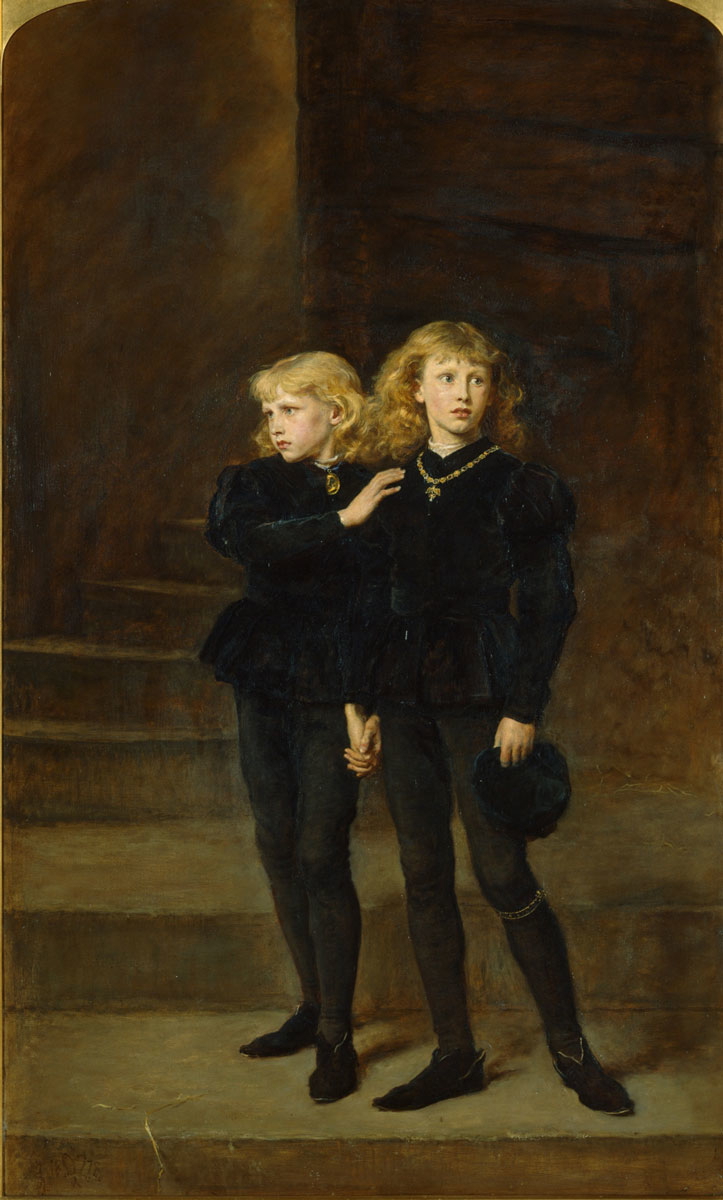
The case of the so-called “princes in the Tower” is one of the most mysterious tales surrounding the Tower of London. Edward and Richard, the sons of King Edward IV and Elizabeth Woodville, were born during the Wars of the Roses, a series of civil wars between two rival noble houses that led to political turmoil in 15th-century England. Indeed, the dynastic struggle saw seven monarchs ascend to the throne over a period of 30 years.
The 12-year-old Edward became king following the death of his father, King Edward IV, in April 1483. The dying king’s brother, Richard, Duke of Gloucester, became Lord Protector of his young nephew. Upon learning of his brother’s passing, Richard rushed to meet young Edward on his journey to London and immediately took charge of the situation.
Upon reaching the city, Richard sent his nephew to the Tower of London “for protection.” His younger brother Richard, duke of York, joined him shortly after. As it was tradition for the new monarch to stay in the Tower until the coronation, the move did not immediately raise suspicion. Young Edward’s coronation, however, was initially postponed and then canceled. Indeed, on June 26, 1483, Parliament declared the princes illegitimate, claiming that their father’s marriage to Elizabeth Woodville was invalid.
On July 6, it was the brother’s uncle, Richard, who became king. Shortly after King Richard III’s ascent to the throne, the young princes disappeared from the Tower of London, never to be seen again. While it is possible that they were murdered on Richard’s order, the mystery surrounding their disappearance remains unsolved.
8. William Wallace
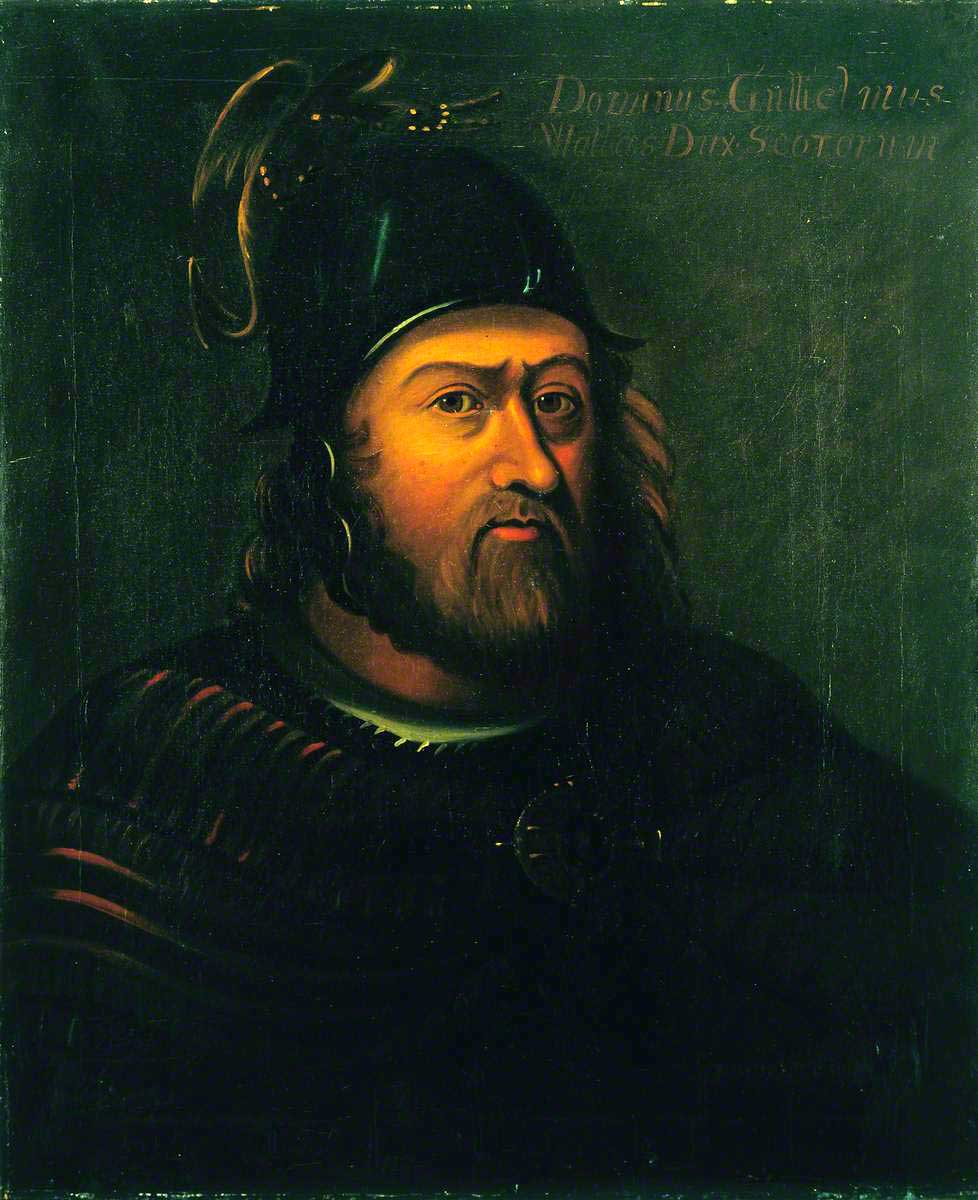
William Wallace’s imprisonment in the Tower of London may have been brief, but he undoubtedly made his mark on British history as the chief inspiration for Scotland’s resistance against King Edward I of England.
The second son of Sir Malcolm Wallace of Elderslie in Renfrewshire, William Wallace became involved in the succession crisis following the death of Alexander III, king of Scotland, in 1286. In 1296, King Edward I of England deposed John de Balliol, the Scottish monarch, and assumed direct control over Scotland as its lord paramount, a move that angered the Scots. Joining the resistance against the English king, William Wallace and his band burned the town of Lanark, killing the local sheriff.
While the rebels’ army suffered a defeat, Wallace continued the fight, and in September 1297, he scored a decisive victory at the Battle of Stirling. In a Scotland now almost free of English control, Wallace was knighted and gained the title of guardian of the kingdom. In 1298, however, he suffered a heavy defeat against the forces of Edward I, losing his prestige as military commander.
Arrested near Glasgow in August 1305, he was imprisoned in the Tower of London and condemned to death. On August 23 of the same year, he was hanged, disemboweled, beheaded, and quartered. Despite his horrible fate, his legacy makes him one of Scotland’s greatest national figures, gaining international fame through the 1995 movie Braveheart.
9. Henry Laurens
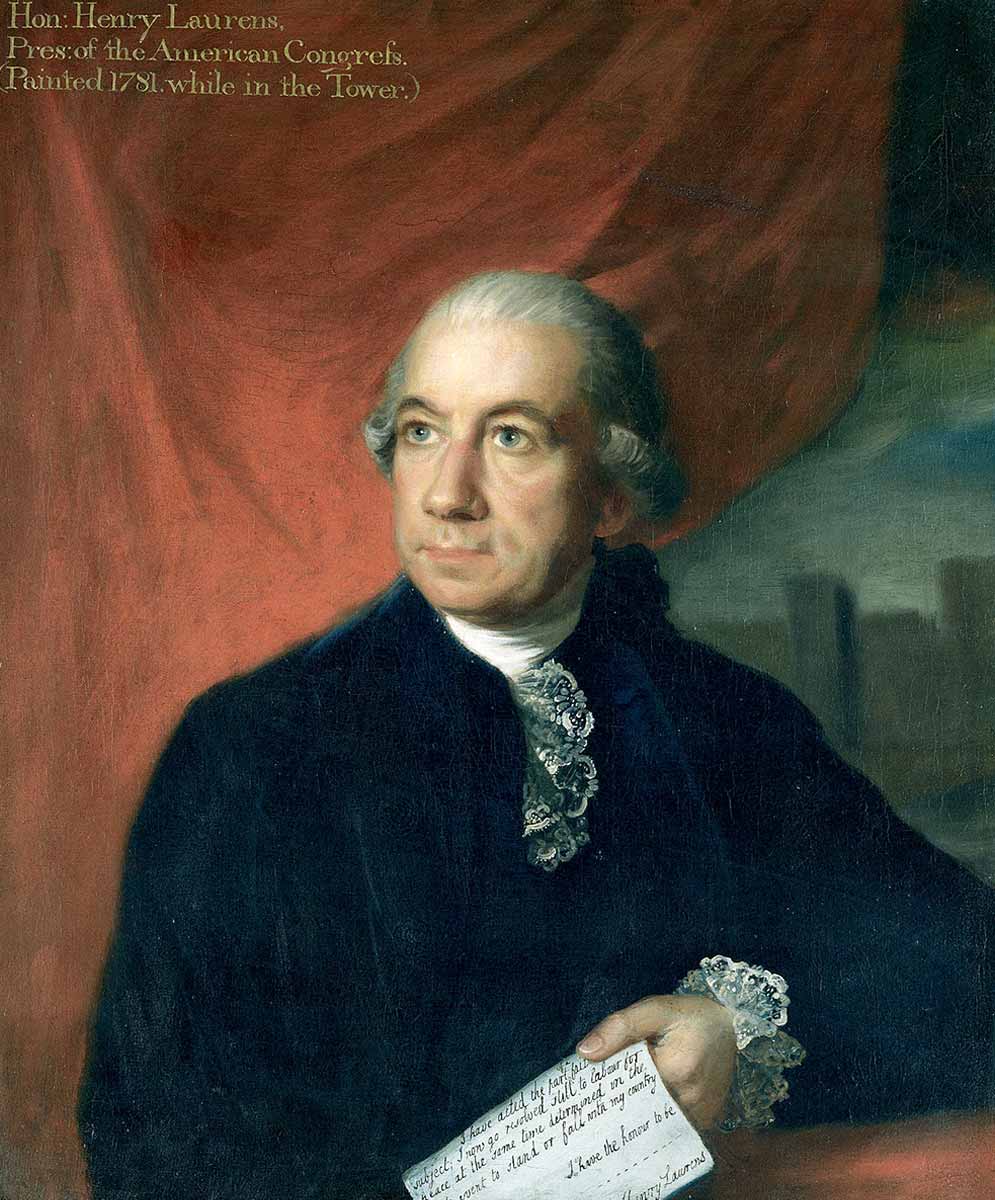
The only American Tower of London prisoner, Henry Laurens, was the chief officer of the Continental Congress when, in August 1780, he traveled to Europe to secure a loan from Holland to fund the American Revolutionary War. At the beginning of September, however, a British frigate intercepted Laurens’ ship. As his attempt to hide his identity by throwing his letters overboard failed, Laurens was arrested and imprisoned in the Tower of London in October.
According to his memory, during his first day of imprisonment, “The tune of Yankee doodle played I suppose in derision of me filled my mind with a sublime contempt & rather made me cheerful.” When he was in the Tower, the British authorities also tried to convince him to support the proposal of a peace that did not include America’s independence. In exchange, he was offered better living conditions. However, Laurens refused.
His imprisonment lasted until the end of December 1781, when, following Great Britain’s surrender at Yorktown, Virginia, he was released in a prisoner exchange.
“Correction (August 10, 2026): An earlier version of this article incorrectly referred to England surrendering at Yorktown. It has been updated to reflect that Great Britain surrendered. We regret the error.”