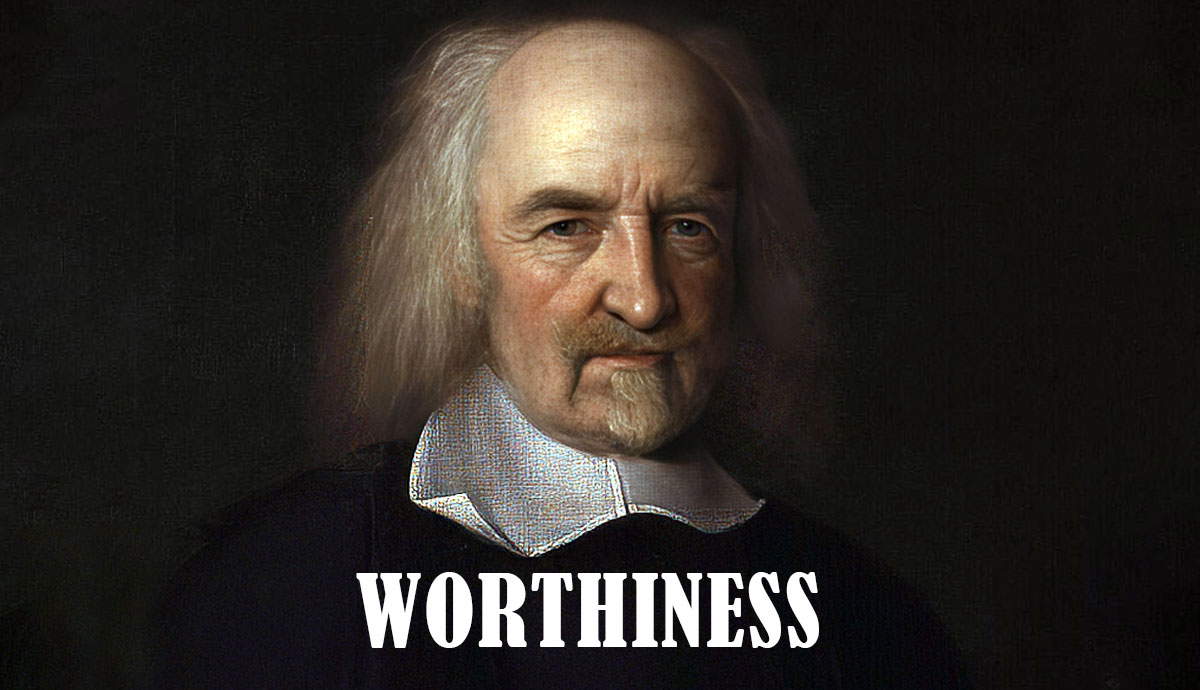
The ending of Camus’s story, The Adulterous Woman, has puzzled many readers. During a trip neither of the pair is enjoying, Janine, Marcel’s middle-aged wife, sneaks away one night from their hotel room. Climbing on the roof of an Algerian fort, she enters into a mystical and erotic encounter with the universe. Afterward, she returns to her room and slips back beside her sleeping husband. Here, we look at why Camus considers this solitary act “adultery” and how it relates to French-Arab tensions in 1950s Algeria.
The Adulterous Woman and Exile and the Kingdom
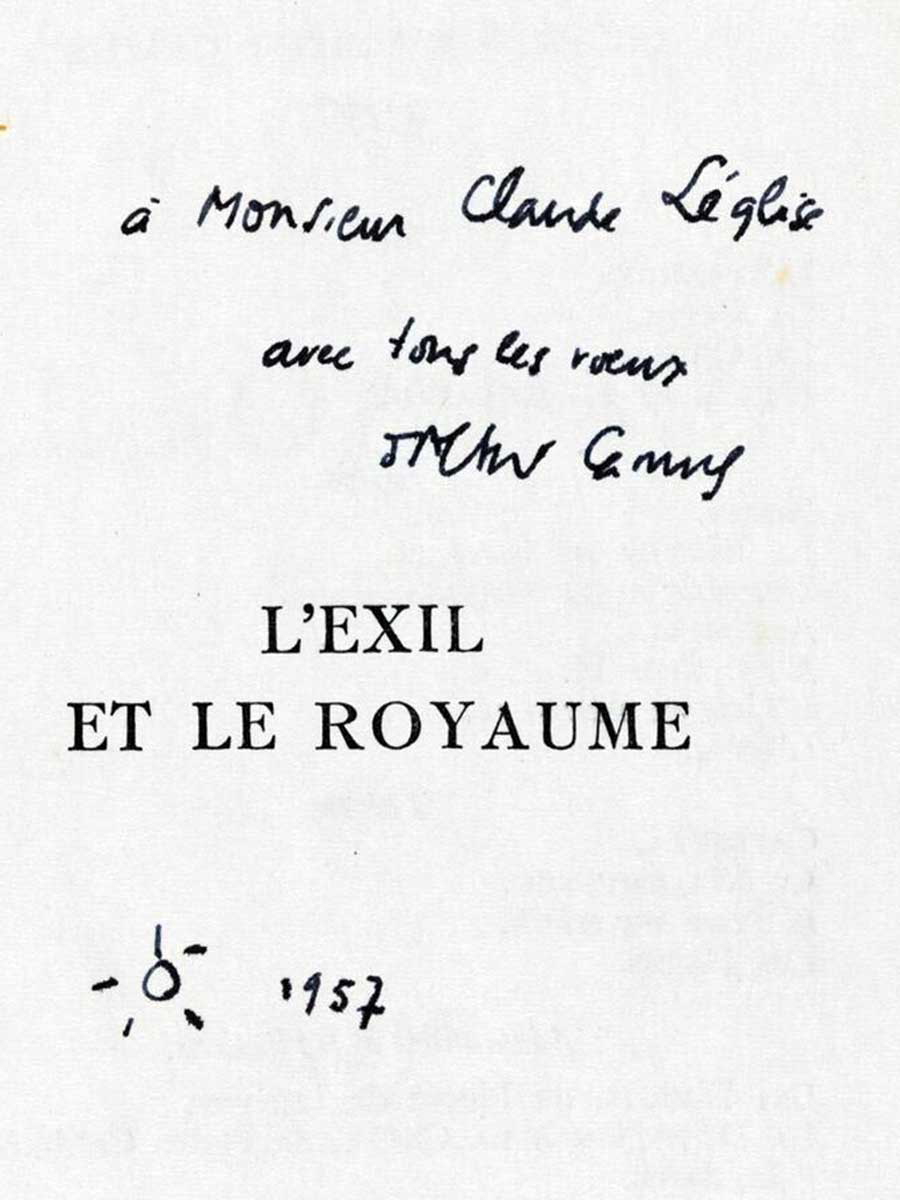
The Adulterous Woman is a short story published by Albert Camus in 1957. It is the first story in a collection titled Exile and the Kingdom. These stories were written after Camus went through a period of intense personal turmoil. Earlier in the decade, he published The Rebel, a book-length essay on the history and development of rebellion in the West. At the time, Camus was considered a key player in the intellectual left-wing of France. However, within the pages of his essay, he was extremely critical of Marxism and the Soviet Union. The reaction from his former friends and colleagues was extremely harsh.
Most of the attacks he was subjected to were aimed more at him as a person than at his ideas. Camus had anticipated a hostile response but, perhaps naively, thought the criticisms would be fair and directed at the work. Hurt by the response, especially the attacks on him personally, Camus looked at himself and wondered how he had previously seen himself before the furor over The Rebel.
The works he produced during this period were the short stories found in Exile and the Kingdom and his masterpiece The Fall. The latter was originally intended to be included in the short story collection but took on a life of its own. Camus chose to publish it as a standalone work. However, the text includes many of the themes found in the other short stories. Let us turn now to The Adulterous Woman and explore these themes. We begin with the two main characters.
Main Characters: Janine and Marcel

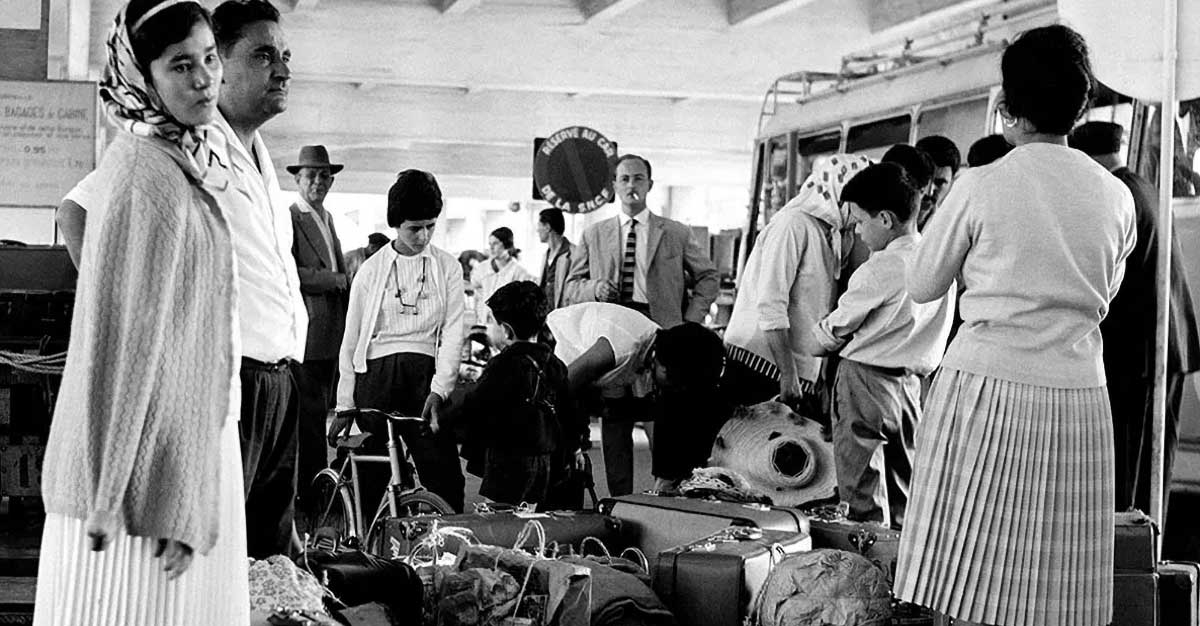
The story begins with a middle-aged French pied-noir couple, Janine and Marcel, traveling across the deserts of Algeria on a bus. Most of the other passengers are Arabs. Pied-noirs were ethnically French settlers born in Algeria during French colonial rule. Albert Camus himself was born into a poor pied-noir family.
The origin of the nickname “pied-noir” or “black foot” is obscure, but some have theorized it derives from French sailors who worked in the coal rooms of ships in bare feet. These sailors were not infrequently of Algerian origin. Others have claimed that the nickname stems from the French settlers wearing black boots rather than going around barefoot like the Arab population of Algeria. Regardless of the origin, the term “pied-noir” came to refer to the French colonizers of Algeria.
The fact that the middle-aged couple in The Adulterous Woman are pied-noirs is important to the story. Camus was writing in the late 1950s during a time of great tension between the French colonists and the Arab population of Algeria.
The Algerian War of Independence took place between 1954 and 1962. Before gaining independence in 1962, many thousands of people on both sides died in the acrimonious and bloody dispute. The Left in mainland France sympathized with the Arab population and supported their uprising. For Camus, the situation was more complicated. He had been born in Algeria and considered it his home.
Having grown up in desperate poverty and having been a champion of Arab rights in his early years, Camus found it impossible to reconcile the image of everyday pied-noirs as oppressors. He died in a car accident in 1960 before seeing the conflict resolved but spent much time during his final years fighting for a peaceful solution in Algeria. Ultimately, he ended up being despised by both sides.
Discomfort and Alienation
The Algeria that previously appears in Camus’s fictional and lyrical works is typically scorchingly hot. However, the weather in The Adulterous Woman is very cold. Similarly, in another story from the same collection, The Guest, there is snow on the Algerian mountains.
Janine and Marcel are cold throughout most of the story. However, the couple is not only uncomfortable due to the weather. There is a constant sense that they do not fit in, physically, with their environment. This is in contrast to the Arab population around them. Their middle age is also an important part of the story. They are not the virile young couple they once were. As such, their bodies are something of a hindrance to them.
For example, at the story’s beginning, Janine and Marcel take a long bus journey through the desert. The pied-noir couple struggles on their seats and cannot get comfortable, whereas the Arab passengers are unencumbered by their burnooses or any baggage. Janine and Marcel do not fit in.
Marcel is described as squat and balding with a paunch. Camus tells us that Janine is not quite heavy but tall, full, and still desirable. Still desirable is a key point. Janine is very sensitive to the fact that as she ages, she gets less attention from other men. In a later scene, Marcel is upset that the Arabs around him do not treat him with the respect he thinks he deserves. His wife is more concerned that the men around her do not notice her.
The idea of this older, pied-noir couple not fitting in and failing to impress the Arab population around them is a significant statement on the political situation in Algeria at the time. Janine’s desire to be noticed by other men plays into the story’s title.
The Woman Caught in Adultery
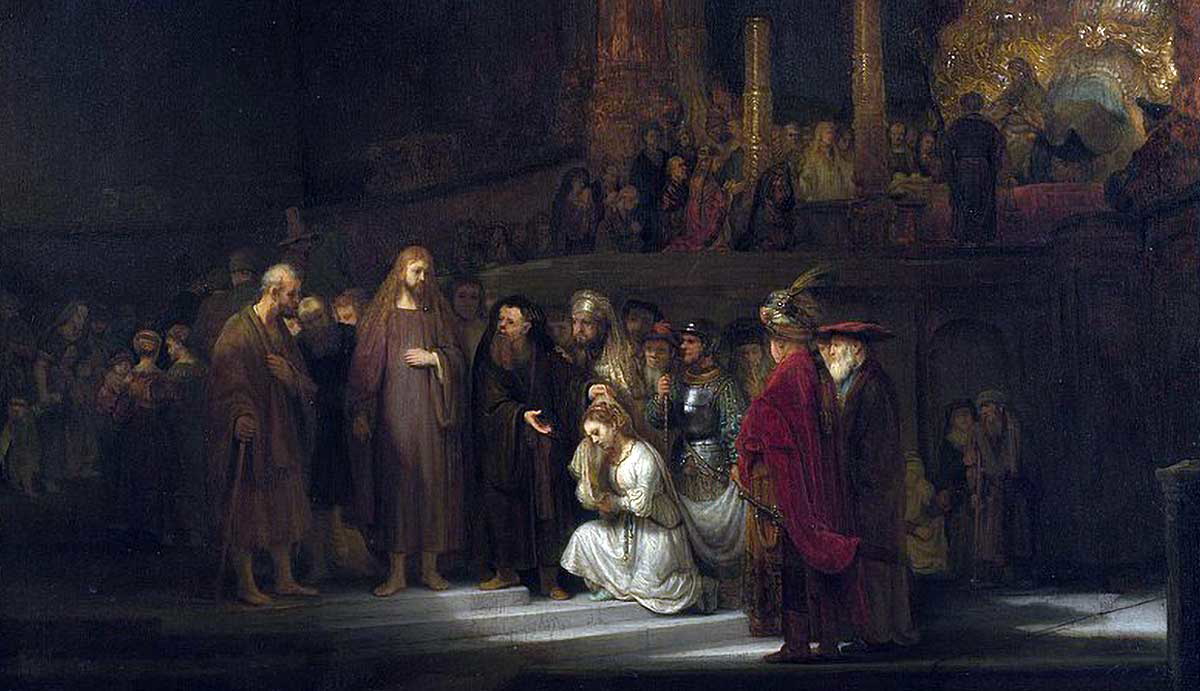
In the Gospel of John, 7:53-8:11, we are introduced to the adulterous woman. Jesus went to the Temple and drew a crowd who wanted to hear his teachings. Some scribes and Pharisees turn up with a woman. She has been caught in the act of committing adultery. The Pharisees ask Jesus what should be done with her. John tells us that this was a test and that they intended to trap Jesus somehow.
However, Jesus does not take the bait. Instead, he says anyone without sin can cast the first stone against her. Hearing Jesus’s words, the crowd turns away one by one until only the woman and Jesus are left. Jesus asks her if anyone has condemned her, to which she replies, “No.” To this, he says, “Neither do I condemn you.”
Camus’s adulterous woman is almost exactly opposite to the woman found in John’s Gospel. Firstly, Janine does not commit adultery in any real way. The “woman caught in adultery” in the Bible is caught in the act. Secondly, she is brought before a large crowd and singled out. Janine commits her act in complete privacy, and nobody finds out, not even her husband, Marcel.
Finally, Jesus judges the woman caught in adultery. She stands before him, and he does not condemn her. That is his judgment. In Camus’s story, no one judges Janine. There is no judge who can pronounce her actions.
Camus often reversed well-known Biblical stories and ideas. The title of this story is taken from the passage in John, just discussed. The collection title, Exile and the Kingdom, evokes the idea of separating human beings from God. Here, this reflects Camus’s lifelong interest in the philosophical concept of the Absurd, a concern about the search for meaning in a godless universe.
Janine’s Act of Adultery
Before looking at Janine’s act of “adultery,” it will be worth looking at the state of her marriage. Her husband was once a keen young law student. However, he abandoned his studies to take over his family’s fabric business. The business became increasingly important to him, and life for the couple became routine. They do not have any children.
The business suffered during the war, and now Marcel must build back up what he once had. He cut out the middlemen to restore his fortunes and traded directly with the Arabs. This is why he and Janine are traveling around Algeria. He is trying to source business contacts and make deals. At first, Janine does not understand why Marcel wants her to accompany him on the trip. As we have already seen, the journey is hard, and neither enjoys themselves very much.
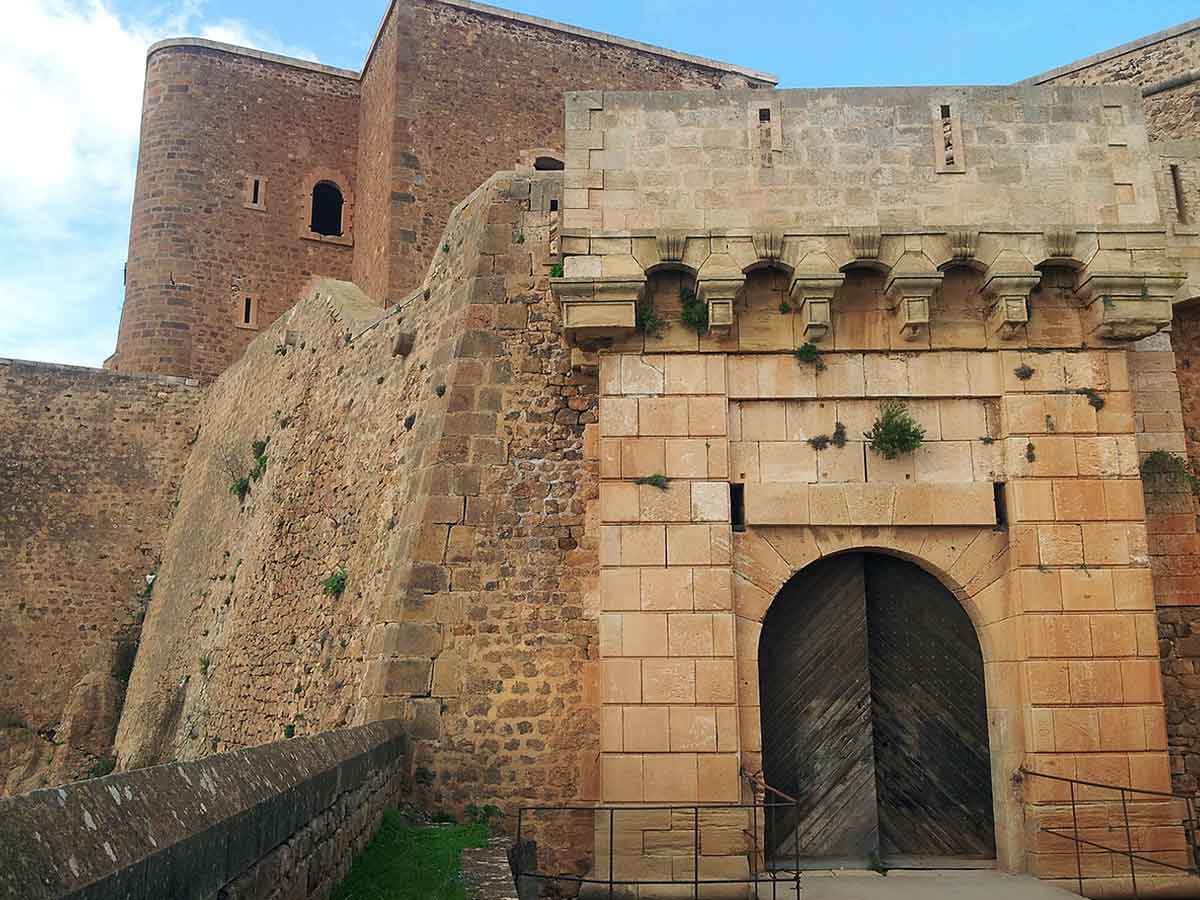
Marcel is not a passionate lover. Janine suspects that he does not even love her. However, dismissing him as an entirely uncaring husband would be unfair. He is preoccupied with the business, but it is in trouble. He wants to provide for Janine and is worried about the future. When Janine sees an old fort and wants to climb to the top to see out over the desert, Marcel agrees to accompany her despite feeling tired and wanting to sleep. She is profoundly taken by the beauty of what she sees. Marcel, however, is insensitive to the experience.
Later that night, after the two go to bed and Marcel sleeps, Janine creeps out of their hotel room and returns to the fort. Pressing herself against the parapet, she has a mystical, erotic experience. Janine ends up on her back, feeling the unbearable sweetness of the night overflowing through her body and out of her mouth.
The Ending of The Adulterous Woman Explained

After Janine’s orgasmic experience on the roof of the fort, she returns to her hotel room where her unsuspecting husband lies sleeping. She creeps back into the room and climbs into bed. As she settles next to him, Marcel awakes and, still half-asleep, says something incomprehensible. He gets up to fetch himself a glass of water. When he returns to the bed, he finds, to his bewilderment, that his wife is in tears. When he asks what is wrong, Janine replies, “It’s nothing, darling. It’s nothing.”
What will happen now? Will her experience forever change Janine, or will she quickly forget? What is clear is that Janine, who was previously “out of place” and uncomfortable in her skin, experiences a mystical and erotic union with the universe.
Rather than being a stranger and unwanted guest, she found herself in the right place, at the right time, and was “loved,” albeit in a mysterious way. This was something that she did not share with her husband. Indeed, it was something she could not share with her husband. This is how Janine is an “adulterous wife.”
Is Camus making a commentary on the love between pied-noirs and Algeria? The way Janine speaks of the environment seen from the fort ramparts is very reminiscent of how Camus would speak about the natural environment. His early accounts of his experiences in Algeria are fuelled with the same erotic tension as that found in his description of Janine’s encounter.
However, by referring to this love between a pied-noir and the land as “adulterous,” Camus could suggest something illegitimate about this love. Here, the Biblical reference shines through the story. For those quick to condemn the legitimacy of a pied-noir’s love for Algeria, Camus says, “Let those without sin cast the first stone.”