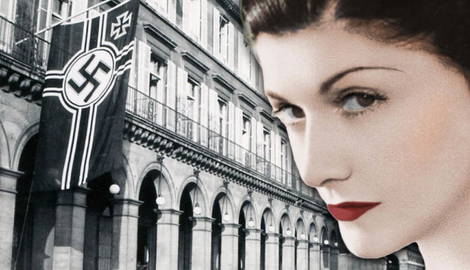
Coco Chanel is known for many iconic creations: the Little Black Dress, Chanel No. 5, and her world-famous fashion house. Lesser known is the fact that Chanel also worked with the Nazis during World War II. Smart, connected, and entrepreneurial, Chanel offered to broker a separate peace between Great Britain and Germany, a move that would have changed the course of the conflict. But what influenced Chanel’s decision to associate with the Abwehr? Here’s how one of France’s most famous figures ended up as a Nazi agent.
The Chanel Connection
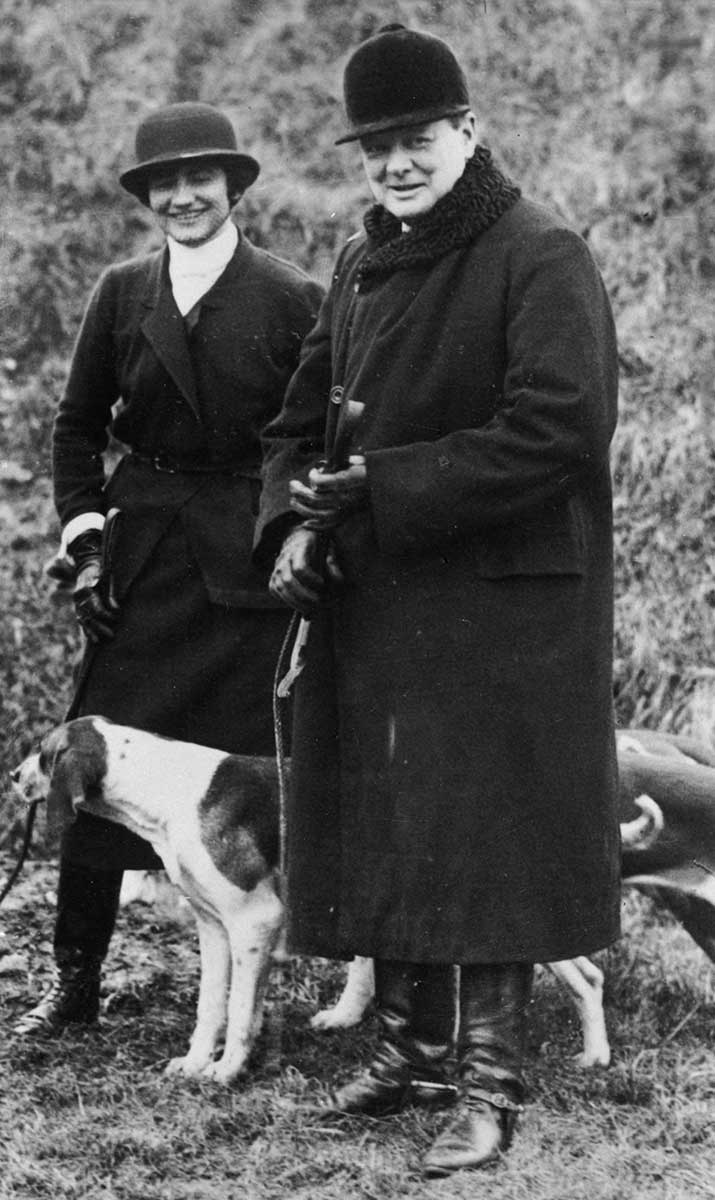
Coco Chanel is one of the most famous names in fashion. During the 20th century, she revolutionized women’s style, helping liberate women from corsets and introducing the Little Black Dress. At the height of her fame, she lived a lavish lifestyle and counted powerful people, such as Sir Winston Churchill, among her friends.
But Chanel also had a secret. During one of history’s darkest chapters, the style maven started down a path that led her to become a Nazi agent.
Born in 1883, Gabrielle “Coco” Chanel fought her way out of poverty with a combination of wit, opportunity, and strategic relationships. She also grew up in a time of widespread anti-Semitism. The high-profile 1894 trial of Captain Alfred Dreyfus, an innocent Jewish officer accused of espionage, generated a propaganda campaign that polarized French society and may have influenced Chanel’s perspectives.
By twenty, Chanel worked as a seamstress by day and a cabaret singer at night. Legend suggests officers nicknamed her “Coco” after the French word cocotte (kept woman), though Chanel maintained the name derived from popular cabaret songs she performed. She kept the nickname for the rest of her life.
While Chanel fought her way to the top of French couture through skill and business acumen, Chanel also leveraged her personal relationships to climb social ladders and fund her business ventures. By the time she developed connections with a Russian grand duke and the English Duke of Westminster, and formed a close friendship with Sir Winston Churchill, Chanel had founded her own fashion house.
A Nazi Lover
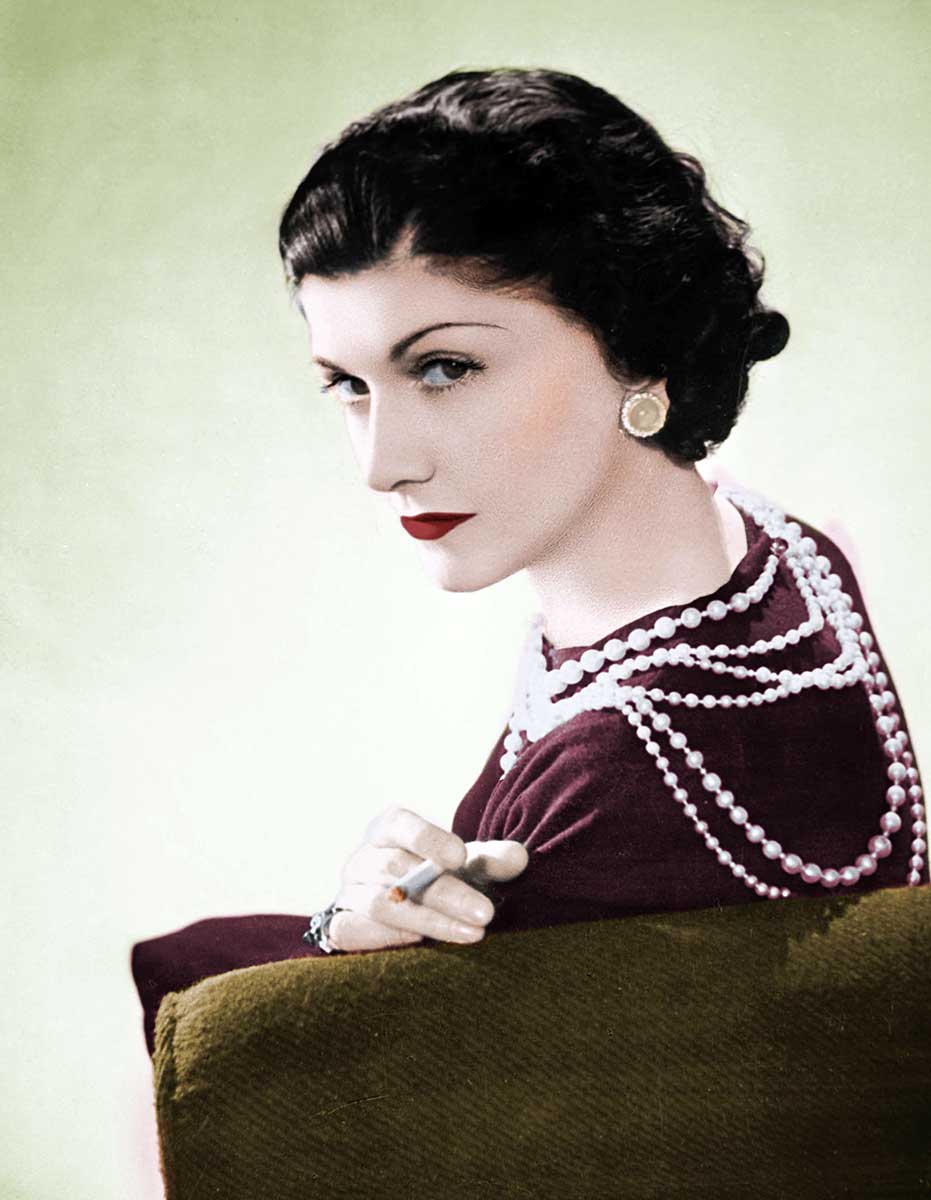
The fall of France to German forces in June 1940 led to the establishment of the collaborationist Vichy government. Meanwhile, Charles de Gaulle led the Free France government in exile, and the French Resistance launched an underground struggle against the Nazis.
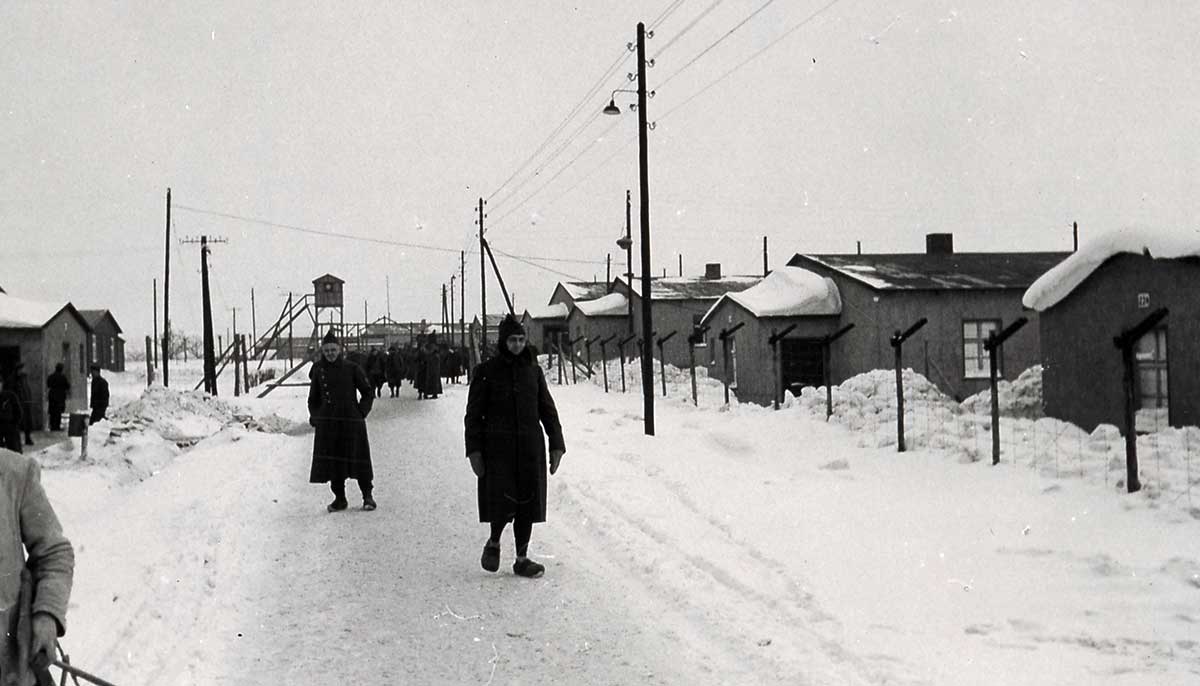
When the Germans first entered Paris, Chanel did not welcome them with open arms. Instead, she fled to Corbère, in the south, where she took refuge with the family of her nephew, André Palasse. Later, she learned André’s fate. He had been captured while defending the Maginot Line during the German invasion and taken to a POW Stalag camp deep inside Germany. After learning André was still alive, Chanel returned to Paris. Within a short time, she began a new liaison with a German master spy named Baron Hans Günther von Dincklage.
Thirteen years Chanel’s junior and with ties to both the Gestapo and the SS, Dincklage already had a track record for operating as a Nazi spy in Paris. What he didn’t know was that the French Resistance already suspected him. Rather than risk an unknown replacement arriving, they tracked Dincklage’s movements and allowed him to continue his activities, unaware that he had blown his cover.
Everyday life in wartime France was complex and dangerous. While the French Resistance risked their lives to resist the Nazis and to save Jewish lives, Chanel took a room at the Hotel Ritz. Occupied by swarms of German officers, this luxury spot also became her rendezvous site with her new Nazi lover.
At 57, Chanel was smart, glamorous, and well-connected, three things that made her an attractive asset to the Abwehr, the German military intelligence agency. They hoped to exploit Chanel’s first-class social and political connections with elites in Paris, London, and Madrid.
Chanel had strong personal motivations for associating with high-ranking Nazi officers. She leveraged her proximity to power to secure her nephew’s release from the prison camp. When the Abwehr learned of this, they offered to release André if Chanel acted as their agent.
After Chanel struck a deal with the Germans, the Nazis gave her the agent number F-7124. She also received the codename Westminster, a reference to her 1920s affair with the Duke of Westminster. Evidence suggests that Chanel may also have recruited other agents for the Third Reich, in addition to the conveyance of information.
Operation Modelhut
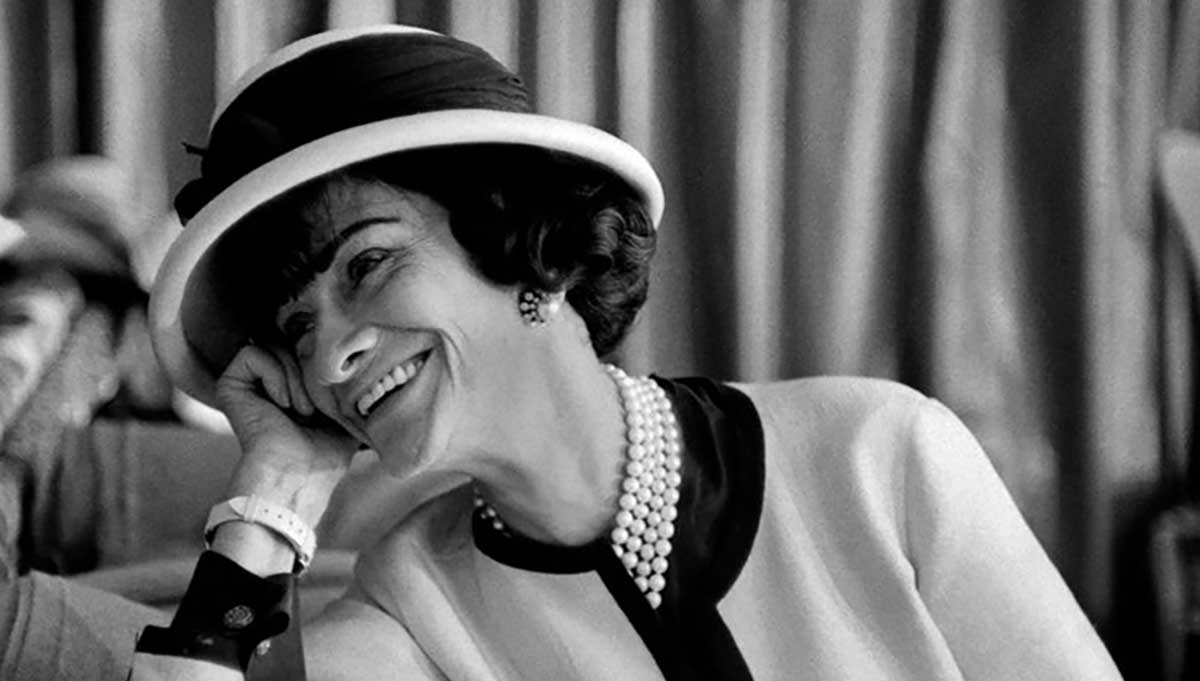
During the winter of 1943, as Allied forces began to push Hitler back in Eastern Europe and North Africa, Resistance leaders in Paris initiated a surge of violent resistance against their German occupiers. As the situation intensified, Nazi leadership advised Dincklage to escape the city. Chanel not only decided to go with him, but also devised a plan to stay useful to the occupation forces.
The Nazis wanted to seal a separate peace with the British, cut the Soviets and Americans out of the picture, and release the suffocating pressure that Britain’s naval blockade exerted on Germany.
Capitalizing on Chanel’s prewar friendship with Churchill, the Germans recruited her for Operation Modelhut, or Model Hat, and tasked her with delivering a personal message to the British prime minister to negotiate a peace deal favorable to Germany.
Dincklage headed to Germany to confer with Adolf Hitler, while Chanel made two trips to Berlin in April 1943 to meet with the head of SS intelligence, General Walter Friedrich Schellenberg. After receiving her instructions, Chanel recruited her friend, Vera Bate Lombardi, another close Churchill associate, to act as her emissary. Bate would convey an offer to the Allies by traveling through Spain, a neutral country, to England. Upon landing in Madrid, Bate went straight to the British Embassy with Chanel’s letter to Churchill in hand.
Instead of conveying the secret message about a separate peace, Bate broke down and confessed her role in the plot, implicating Chanel as a Nazi spy.
The mission was dead in the water.
Collaboration
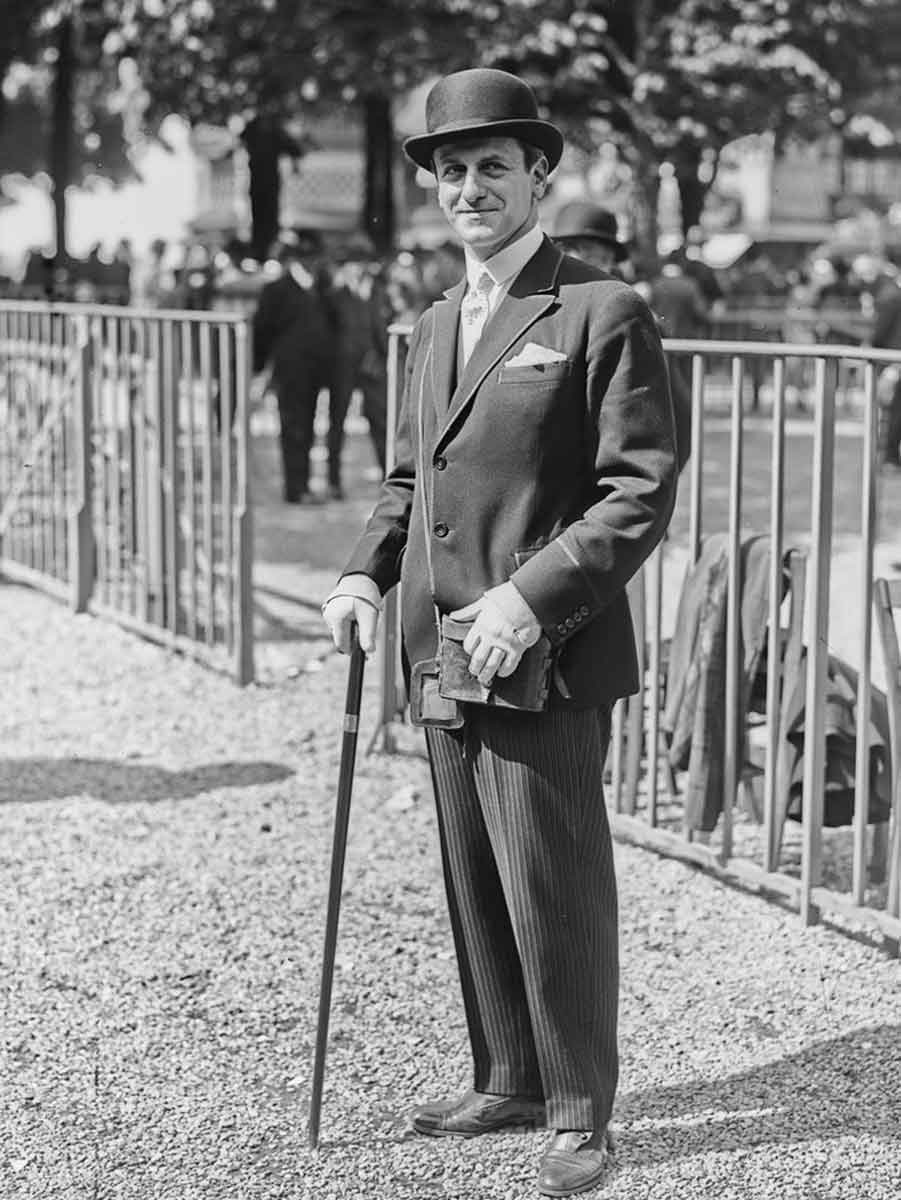
By the winter of 1944, Chanel learned that the Germans had kept their promise. They released André. Chanel had held up her end of the bargain despite the mission’s collapse.
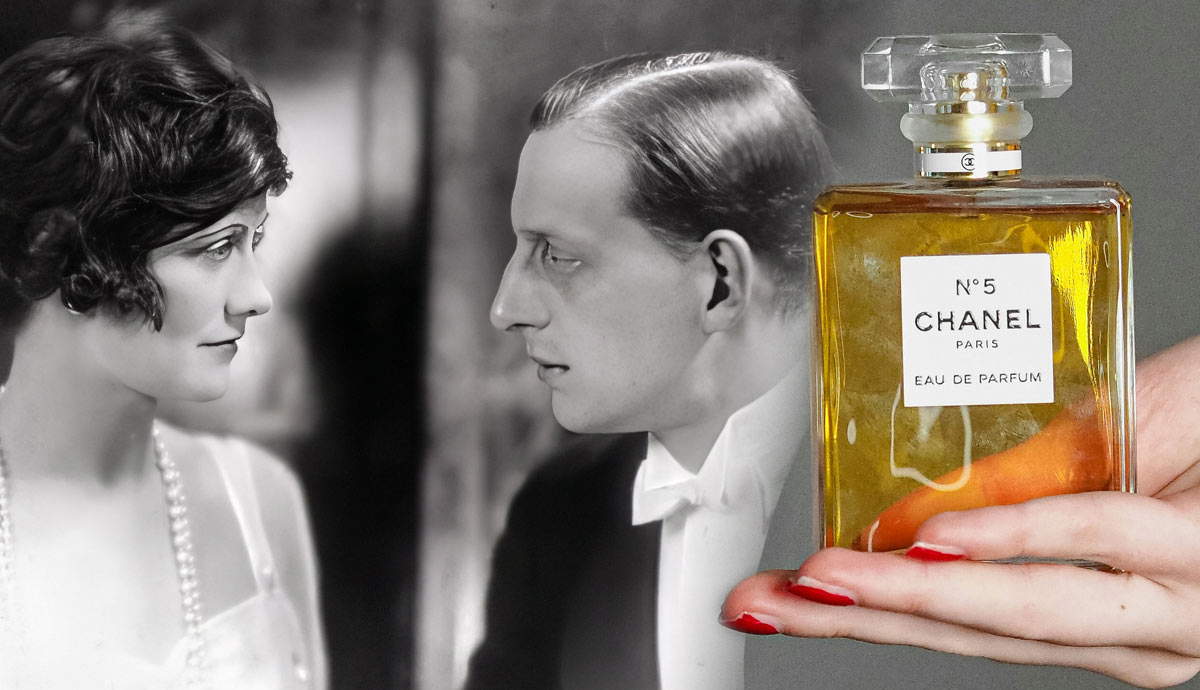
Even after the Nazis released her nephew, Chanel continued to associate with the Germans. Although Chanel shuttered her famous studio on Rue Cambon when the Nazis occupied Paris, her perfume boutique enjoyed a bustling trade as German soldiers bought bottles of Chanel No. 5 for their wives and girlfriends back home. Chanel had a new goal. She attempted to use the Nazi Aryanization laws against her Jewish business partners, the Wertheimer family, to regain control of her perfume company.
In 1924, the Jewish Wertheimer family partnered with Chanel to finance her perfume business in return for a 70% share in the company. At the time, Chanel agreed. But now, with perfume sales thriving, Chanel wanted a bigger slice of the pie. At a time when denunciations had real-world consequences, and an estimated 77,000 French Jews perished in detention and killing centers like Buchenwald and Auschwitz, Chanel used her influence to exploit Aryan laws to gain full control of the business.
In a chilling pivot, Chanel denounced the Wertheimers to the Nazis. But the Wertheimers had already outmaneuvered her. Before fleeing to the United States, the family legally turned over Les Chanel Parfums to a French businessman named Félix Amiot. The Nazi authorities refused to get involved. With the company officially out of Jewish hands, Chanel’s plan to regain control collapsed. After the war, Amiot returned the booming brand to the Wertheimers.
Arrest
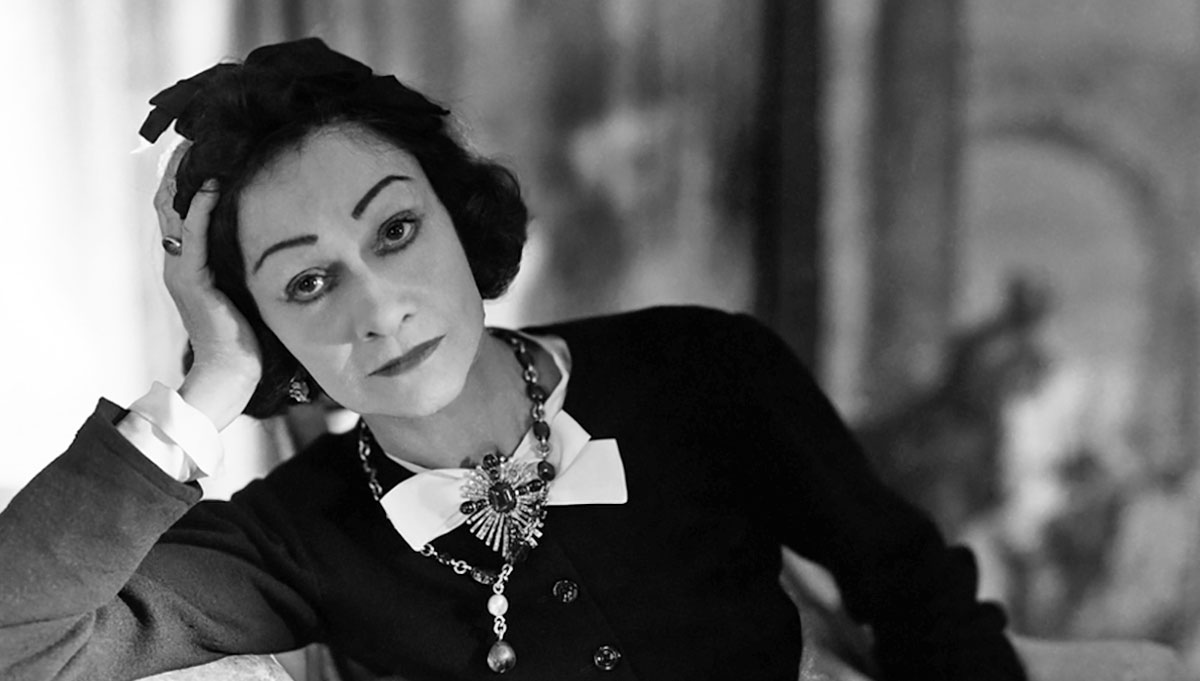
Following the liberation of Paris in 1944, Free French officials detained Chanel at the Ritz. French intelligence had gathered files on public figures they suspected of collaborating with the Germans. After interrogation, the authorities released her due to insufficient evidence.
Some historians believe that Churchill may have played a role in her release, although no concrete evidence for this exists. One theory suggests that Chanel, a former lover of the Duke of Westminster, may have known that Churchill violated the 1939 Trading with the Enemy Act by secretly paying the Nazis protection money to safeguard the ex-king’s property in Paris.
Whatever the real reason for her release, Chanel avoided the severe consequences experienced by many French women accused of being “horizontal collaborators.” By the time the Allies liberated Paris, Chanel started handing out free bottles of Chanel No. 5 again, this time to Allied soldiers to take home as gifts.
In 1944, Dincklage escaped to Switzerland, where Chanel joined him in 1945. There, the couple lived in a luxury hotel for the next decade, funding their lifestyle with the royalties from her perfume business.
Chanel’s collaboration remained a secret for decades until the French government declassified the files in 2014. For a decade, Chanel stayed in the shadows, but by the 1950s, she returned to the spotlight. Her relationship with a German spy and her collaboration with the Nazis was never exposed during her lifetime. Only a hint of wartime scandal clung to Chanel, who publicly spent the war in a luxury hotel with a German lover.
The Verdict
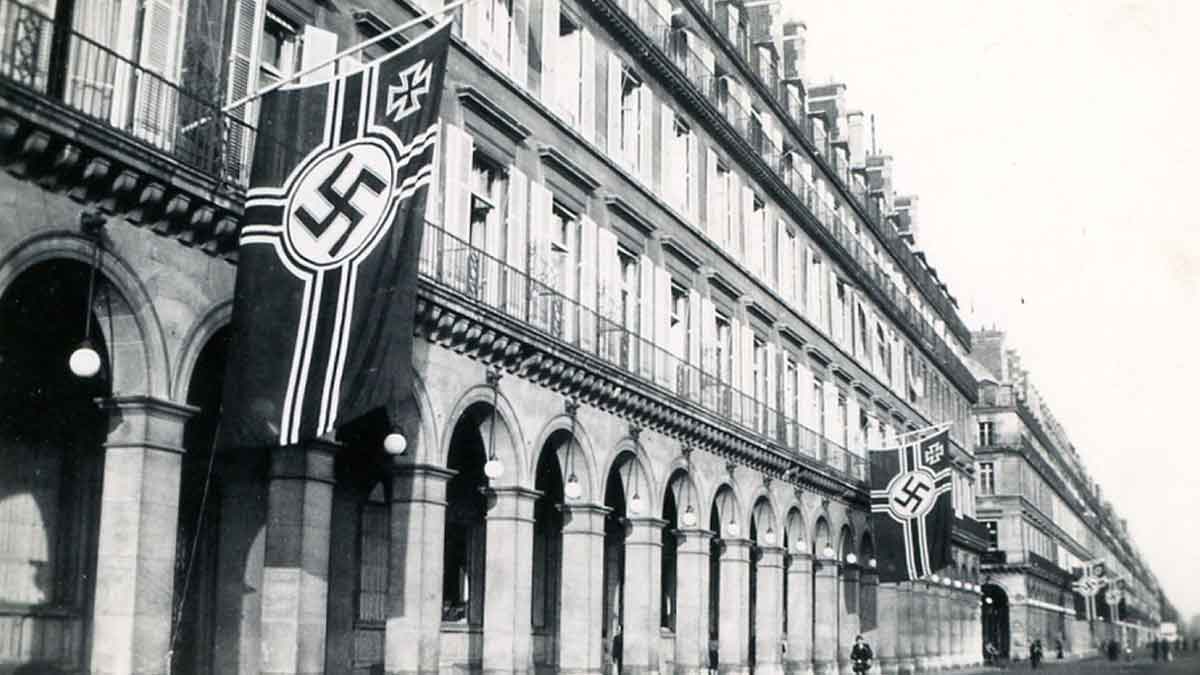
Chanel survived the war with her fashion house intact by solidifying her place in the world of the Vichy regime. She also initially became involved in the murky world of Nazi espionage to release her nephew from a German Stalag. Confusingly, some French sources suggest that Chanel may have also worked for the French Resistance in 1943, turning her into a collaborator, Nazi agent, or double spy.
After the war, Chanel failed to distance herself from her Nazi ties and maintained her romantic relationship with Dincklage. The extent of her wartime espionage remains unclear. What is known is that while Chanel may not have swallowed Nazi ideology whole, she weaponized her connections, the court system, and Nazi propaganda to disenfranchise her Jewish partners and position her brand exactly where she wanted it.
Toward the end of her life, Chanel summed up her success in a single crisp sentence: “I was there, an opportunity beckoned, and I took it.” Perhaps that is the best way to consider Chanel’s wartime actions, as the acts of an opportunist who did what it took to ensure that her career survived the war at any cost.