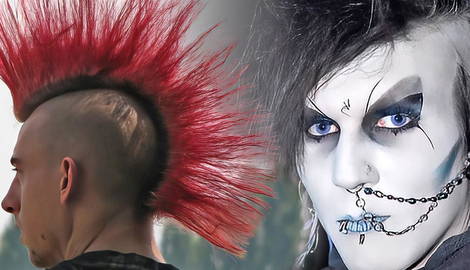
Punk and goth are often seen as related, but they have distinct origins, ideologies, and styles. Both genres evolved as counter-culture movements in the late 1970s and became prominent in the 1980s. Both originated in the United Kingdom, and both styles shocked the conservative establishment and have been treated with suspicion and disdain ever since.
So, what is it that makes punk and goth different? Let’s break down their key differences.
How Punk and Goth Evolved in the 1970s: Origins of Rebellion
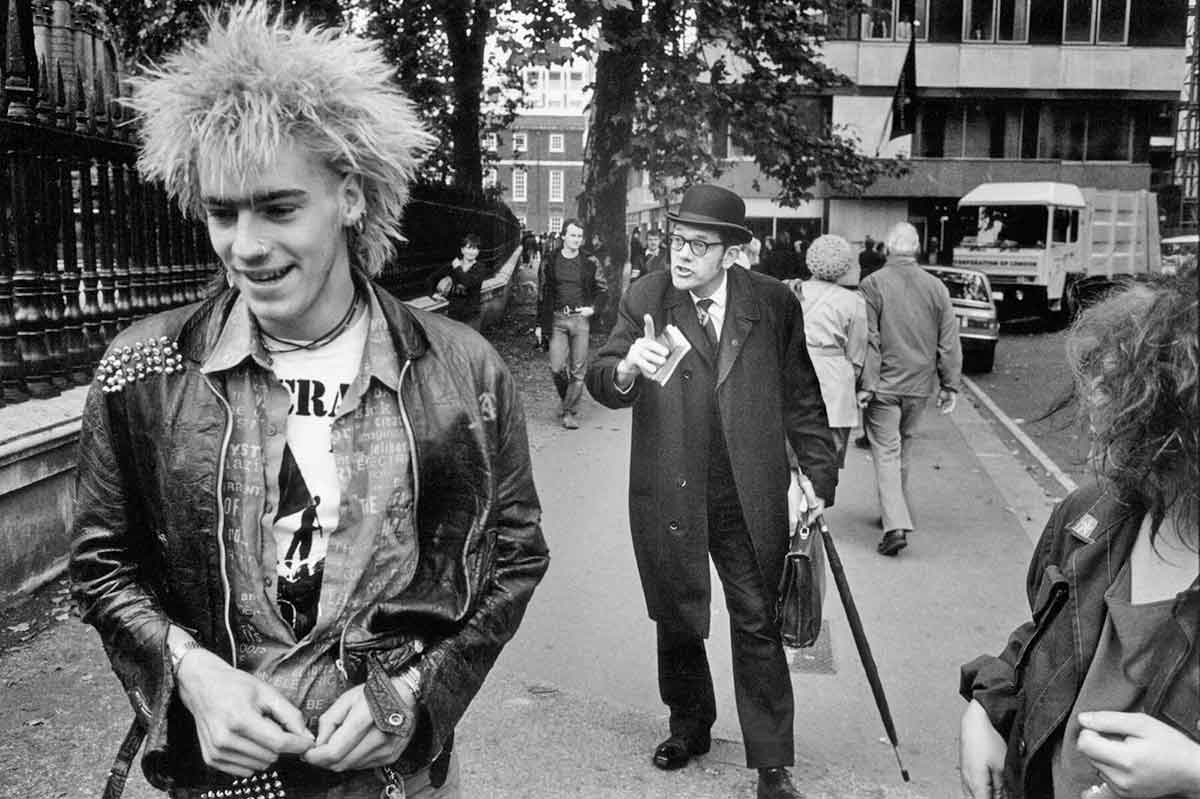
The 1970s in the UK saw economic strife and social unrest, setting the stage for the emergence of punk as a rebellious response to authority. A troubled economy and political dissatisfaction led to the rise of punk, which rejected authority and embraced anti-establishment ideals.
It was in this dark age of despair that the punk movement emerged. It was aggressive and angry at the establishment for leading England into economic crisis. The working classes struggled while the rich still lived lavish lives. While the hippie movement rebelled with positivity and love, punks rejected the unrealistic utopian beliefs of the hippies and saw the world in a realistic, dystopian light (or darkness).
These beliefs were perfectly summed up in the popular punk slogan, “No Future.” The remedy for this was anarchy. Strongly individualistic, punks voiced their displeasure with authoritarianism, capitalism, and racism. And they did this most vigorously through music.
The Birth of Punk: Sex Pistols and the First Wave
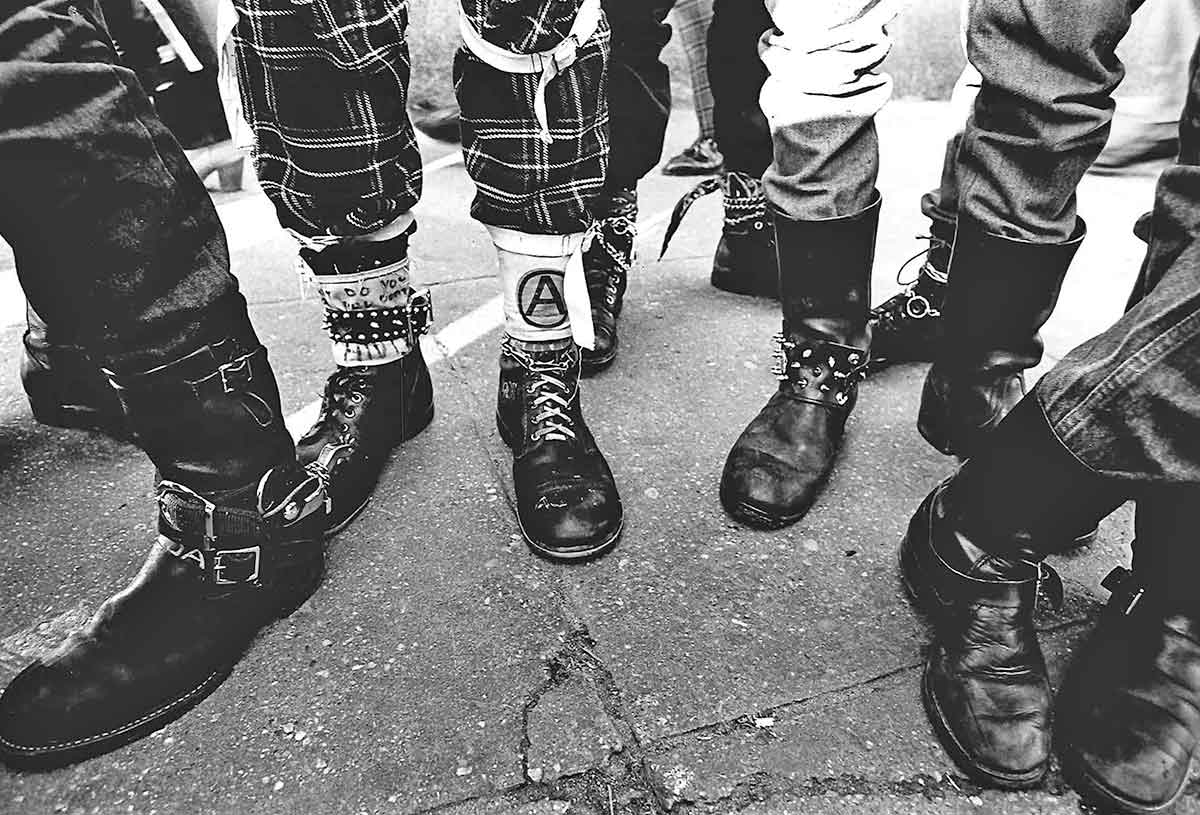
Formed in 1975, the band Sex Pistols formed the foundation of the punk rock scene. Their no-holds-barred style saw them swearing on live television and declaring the monarchy a fascist regime. Along with their single “God Save the Queen,” which was critical of the monarchy and highly offensive, the Sex Pistols garnered much derision and hate from the upper classes and the establishment, while the band was seen as heroic to the working classes who had suffered through the 1970s.
In January 1978, the Sex Pistols announced their breakup, but not before they had influenced another wave of punk bands that took their place in what became known as the Second Wave of punk. The scene was too young and widespread to have such a quick demise. It did, however, have a very restrictive sound that was raw and simple. Many musicians adapted and experimented with new forms of music, creating the post-punk era (despite the fact that punk was very much still there).
Gothic Rock: The Rise of Bauhaus and the Birth of a Genre
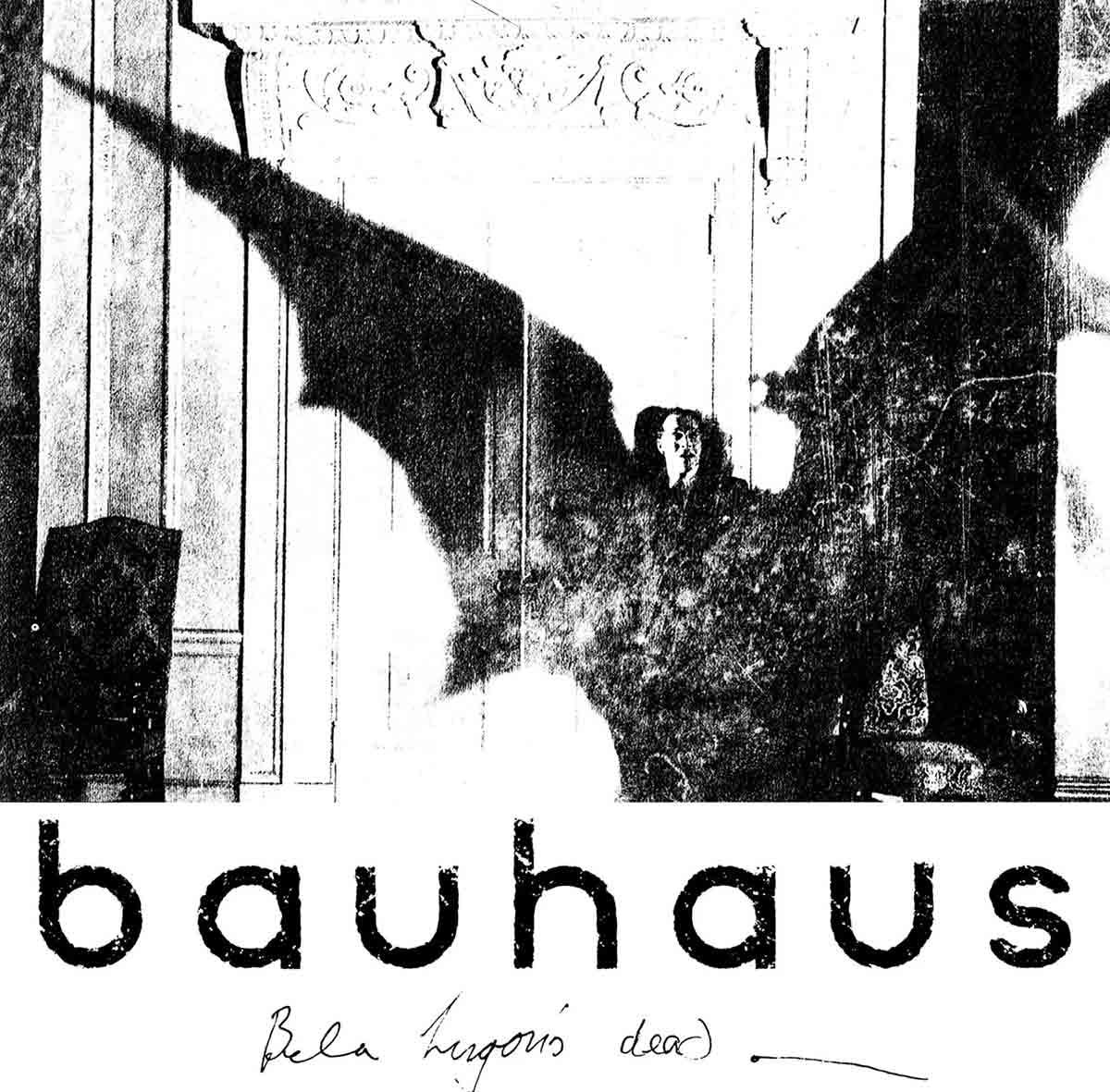
Post-punk bands like Siouxsie and the Banshees and Bauhaus were crucial in shaping the sound of gothic rock, leading to the rise of goth. The huge variety of music that was born or developed at this time included industrial music, neo-psychedelia, and, of course, gothic rock.
In August 1979, Bauhaus released their first single, “Bela Lugosi’s Dead,” which many consider the first goth rock song. Bassist David J wrote the song after watching a number of vampire films on television. The song’s theme was vampiric in nature, being about Bela Lugosi, who played the eponymous character in the 1931 film version of Dracula. The following year, Bauhaus released their debut album, In the Flat Field, which is regarded to be the first gothic rock album.
From this beginning, other acts followed throughout the 1980s, defining the gothic rock genre and influencing the culture that would grow around the music. Of particular note are bands such as Sisters of Mercy, The Cult, and Fields of the Nephilim.
During the 1980s, punk and goth subcultures spread to the United States and Europe, where it found solid roots. From Los Angeles to New York to Berlin, the cultures branched out, creating evolutionary offshoots of the culture as time passed and styles changed.
Punk vs. Goth: Key Differences in Music, Fashion, and Ideology

Although goth technically evolved from punk, the styles of music and the cultures they produced were markedly different. Often existing in the same societal spaces, however, from an outsider’s perspective, goths and punks were seen together, and discerning the two was not a particularly interesting exercise, especially from the conservative viewpoint. Even today, goths and punks frequent the same venues.
Many of the foundational elements are the same in each subculture, such as non-conformity, individualism, and the creative spirit. Thus, the two subcultures share a strong affinity for each other and have little problem coexisting in each other’s presence.
Punk Fashion: Rebellion, Shock Value, and Anti-Establishment Style
Fashion has evolved throughout the decades, particularly within the punk and goth genres. Initial trends in both music and clothing produced subcultures of goth and punk that were clearly different and part of an eclectic group rather than a single instance of individuality.
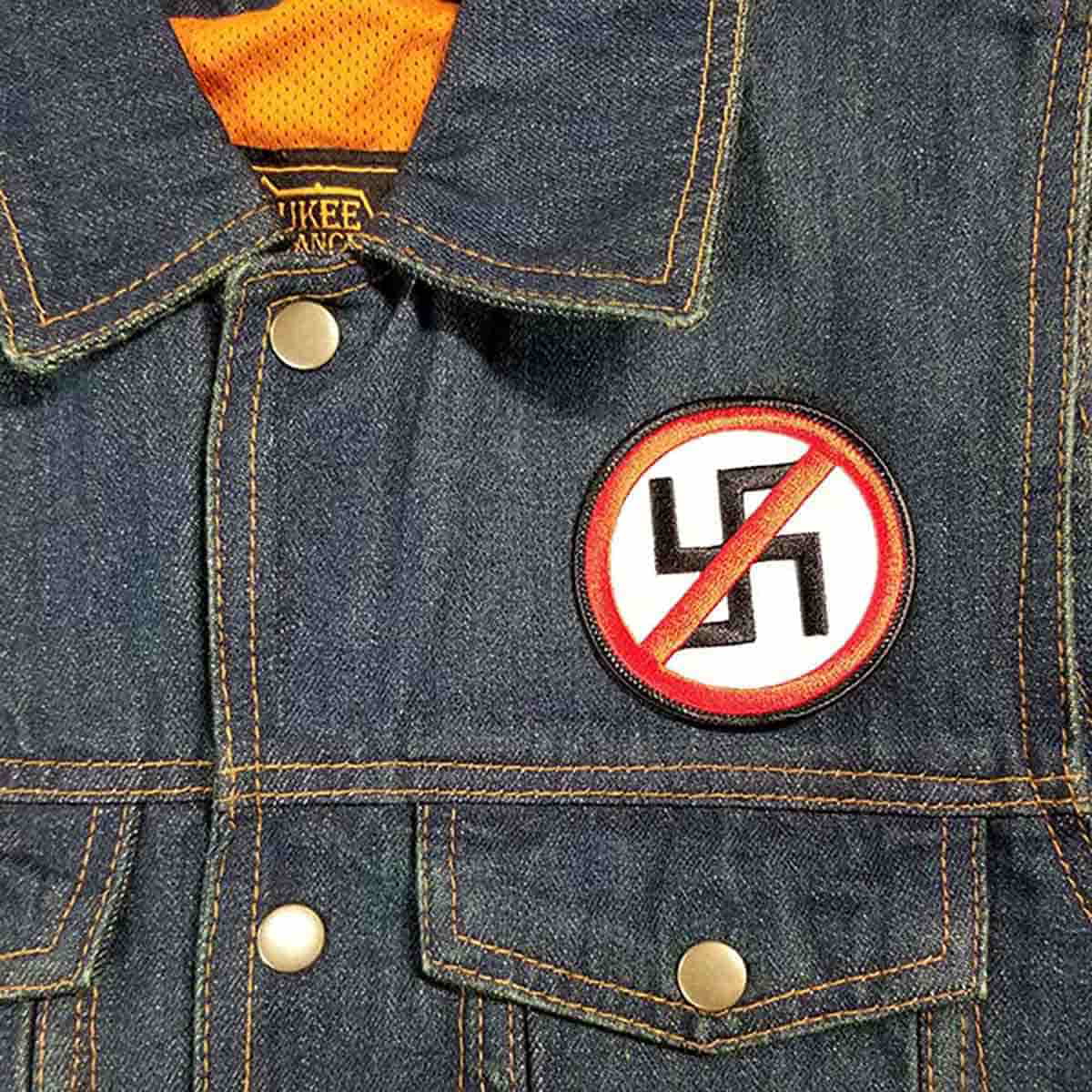
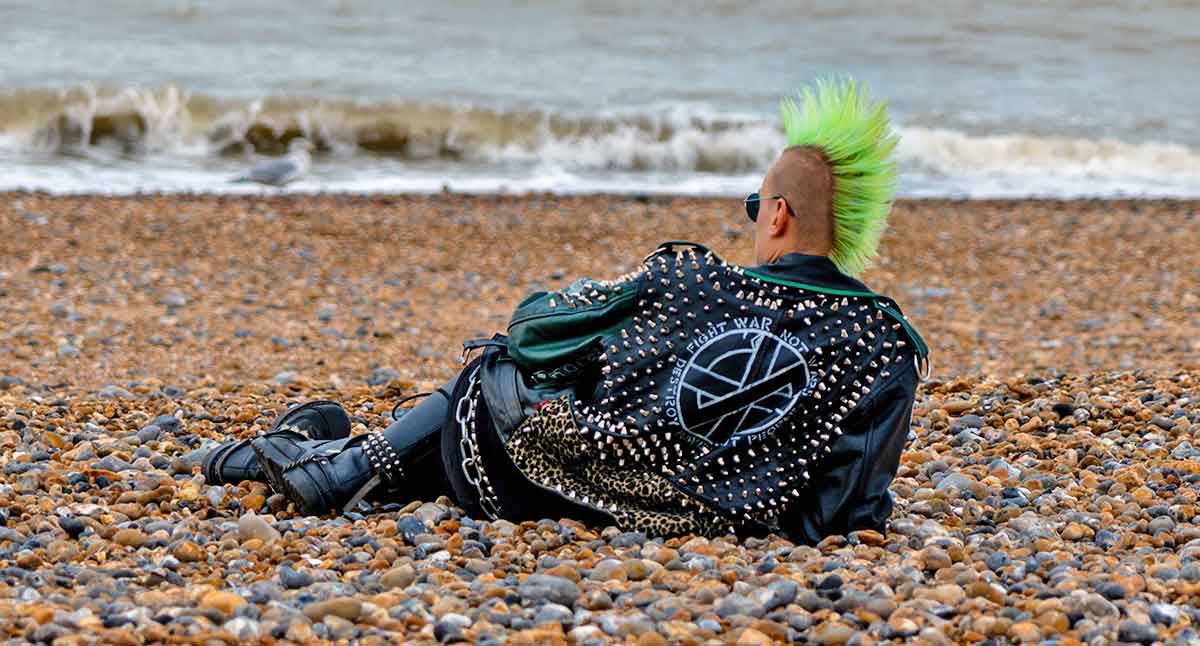
Punk fashion was designed to elicit shock from the middle class, incorporating vulgarity, sexual innuendo, and offensive imagery. Swastikas, often used for shock value, were a common feature in early punk fashion—not out of any adherence to the Nazi values but purely as a symbol used for shock value. While effective, it led some punks to adopt them unironically, causing the trend to quickly fall out of favor. Today, a crossed-out swastika is common in punk imagery, aligning with the anti-Nazi ideals of the movement.
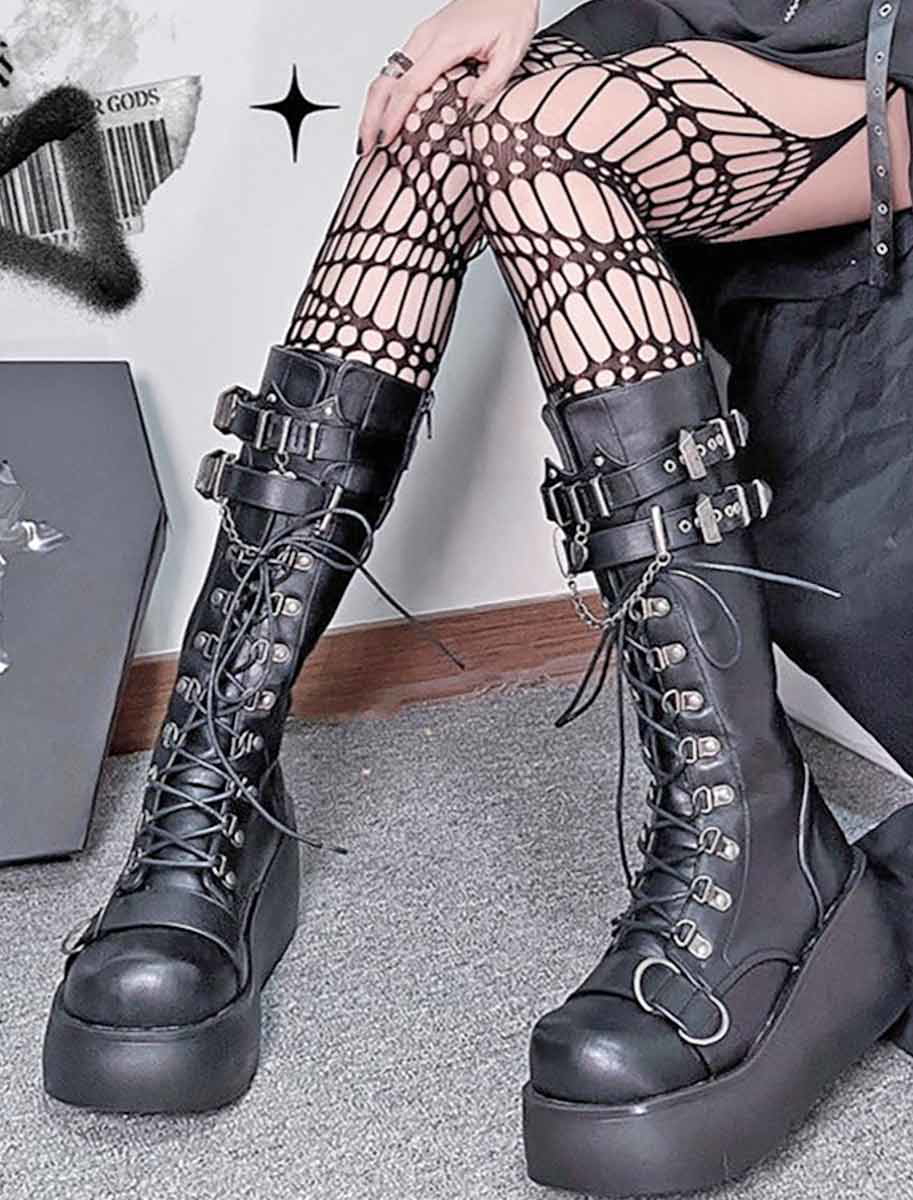
Punk fashion also challenges society’s desire for neatness and acceptability. Ripped clothing—whether jackets, t-shirts, pants, or tights—became a staple feature of the trend.
Gender norms are often attacked in punk fashion. Punk women combine feminine clothing with traditionally masculine styles to mock societal expectations. Ballet tutus and pink clothing are paired with leather, camouflage, and army boots, influencing goth fashion, where bigger boots and darker colors prevail.
A thread common in both punk and goth fashion is the adornment of metal spikes on clothing, accompanied by a lot of other jewelry. Punk imagery in this regard is characterized by items such as razor blades and safety pins. Skulls, bats, crosses, ankhs, and other dark imagery are used in goth fashion.
Goth Fashion: Darkness, Gender Fluidity, and the Evolution of Style
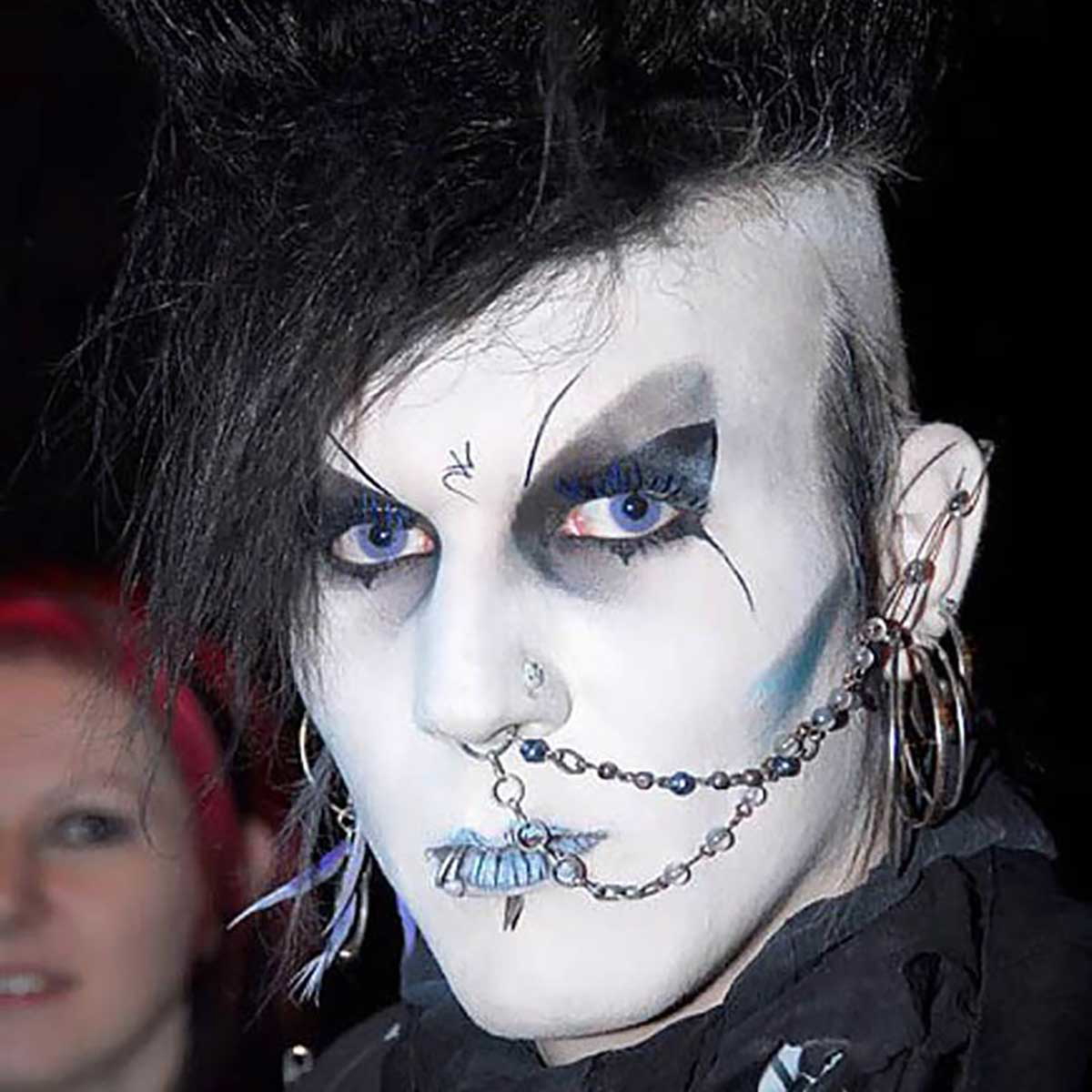
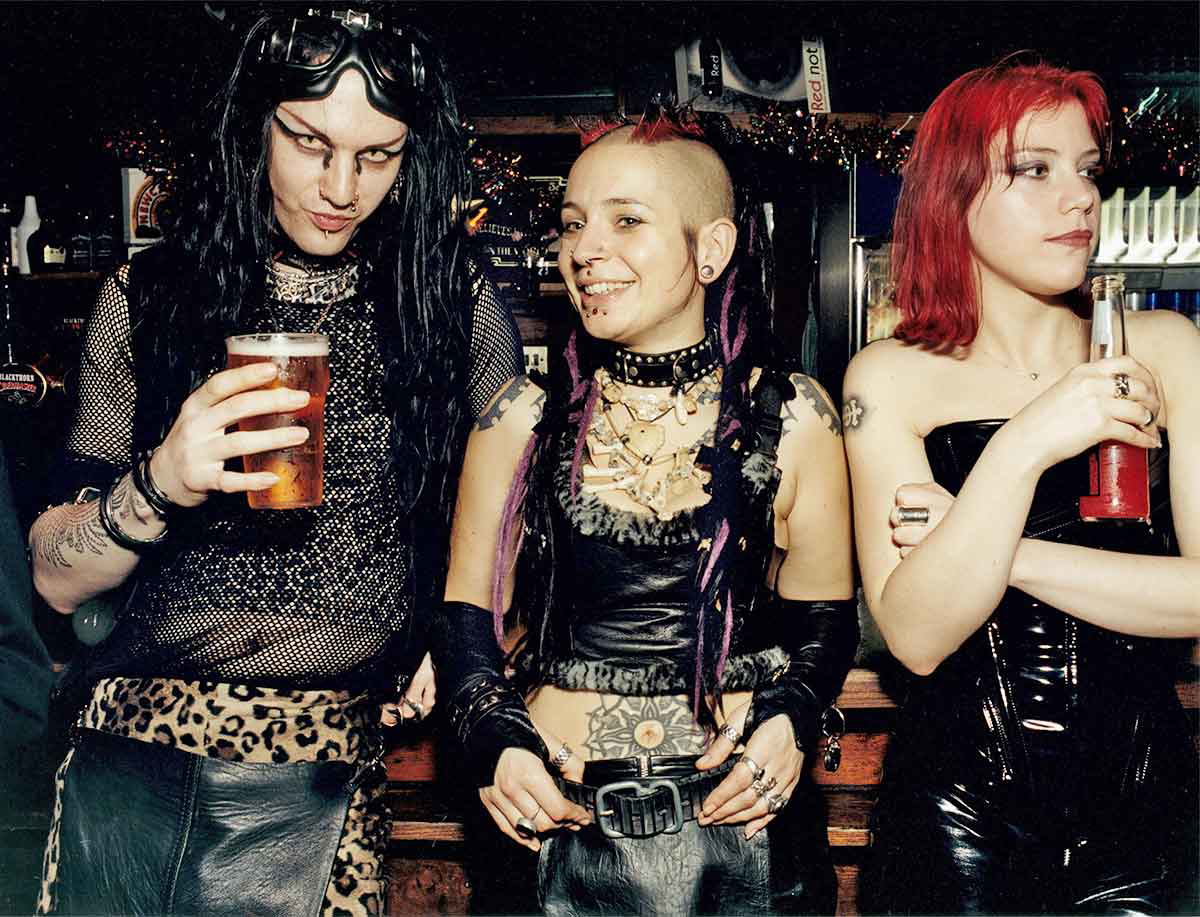
In the realm of goth fashion, men often challenge gendered stereotypes associated with fashion, wearing fishnet sleeves and corsets. Both men and women in goth fashion often wear conspicuous makeup, including white face powder, black lipstick, heavy eyeliner, and drawn-on eyebrows. Indeed, goth fashion has served as a vehicle for exploring gender identity for many decades.
Arguably, the biggest difference between goth and punk fashion is that while punks attract attention with bright colors, including intense neon designs, goths wear black. Black is a hallmark of goth fashion, and other colors, if used, are only there to accentuate the black clothing.
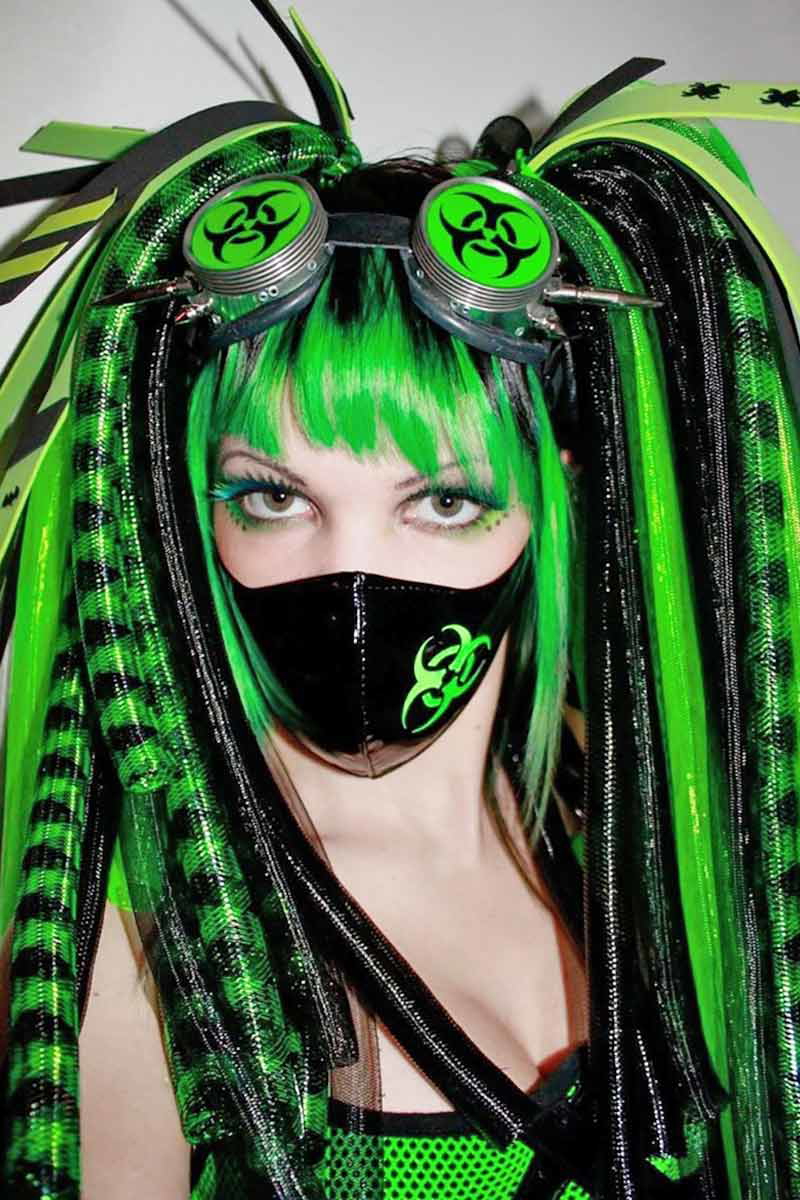
Nevertheless, certain subgenres of goth have incorporated neon colors in their fashion. Of particular note is the cybergoth genre, which can include liberal doses of colors from green and yellow to purple and blue. Cybergoths also commonly wear bright or white contact lenses and goggles, respirators, or breathing masks. Biohazard warning signs are popular.
Punk and Goth in Popular Culture: Perceptions and Stereotypes
In terms of cultural influence, punk and goth are distinctly different. Punk draws its influence from an anti-establishment political and societal base of the working class, while goth, although stemming from punk originally, looks further back to genres of literature, poetry, and film that explore themes of mythology and horror.
With an aggressive style that is intentionally crude, anarchy, pop art, and raw power have typified the punk outlook. In contrast, romantic literature, poetry, and erotic expression have typified the goth vision, adopting styles from the Victorian era to modern concepts of futuristic aesthetics.
Punk rejects norms through action, while goth expresses dark, introspective themes, often drawn from literature and horror.

From an outside perspective, punks are seen as aggressive and violent, while goths are seen as miserable and depressed. The extent to which these stereotypes are true is a matter of great debate.
Outside perceptions of the two cultures have been a problematic dynamic, with goths bearing the brunt of hatred and nonsensical beliefs. This is particularly true in the US and the UK.
Goth and punk subcultures have faced misconceptions and stigmas, often misunderstood as violent or depressive. In fact, the opposite is often true. In the United Kingdom in 2007, a goth couple was attacked by a group of teenagers. One of the victims, Sophie Lancaster, died as a result of the attack. Two of the attackers were given life sentences, and the judge declared the incident a hate crime against goths, calling goths “perfectly peaceful, law-abiding people who pose no threat to anybody.”
The Rise of Subgenres: From Pop Punk to Deathrock
One of the most powerful and popular offshoots of punk was pop punk, which emerged in the late 1990s and took off in the early 2000s. Incorporating pop sounds into their songs, Bands like Blink-182 and Sum 41 began to redefine punk. The movement attracted a young demographic of teenagers and people in their early 20s and became so popular that some would argue that it almost completely overtook punk rock.
Emerging as a musical genre from post-punk in the mid-1980s, emo is a rock music genre that has its roots in hardcore punk. Evolving throughout the decades with elements of pop punk, alternative rock, and indie rock, emo music generated a powerful subculture in the early 2000s, especially linked to bands such as My Chemical Romance and Fall Out Boy, among many others. This subculture became known as “scene.” Skinny jeans, wristbands, and studs are integral to the fashion, but the most noticeable feature is the hairstyles, which feature spiky or choppy textures with bangs covering one side of the upper face.
Over the decades, goth fashion has evolved into various subgenres, from deathrock to cybergoth, each with its distinct aesthetic. Deathrock combines punk and goth styles, with mohawks being popular and creating an aesthetic that resembles a much darker version of punk fashion. Here, we find an overlap where, at least in terms of fashion, confusion between what’s goth and what’s punk is visible.
From Cybergoth to Lolita and Beyond
The term “cybergoth” was coined by Games Workshop in 1988 for their role-playing game “Dark Future,” but it was only in the next decade that the fashion took off. This form of goth fashion borrows elements from rave culture, including fluffy boots and colorful hair accessories. Music in this scene is dominated by various forms that include heavy electronic beats.
Popular in Japan, goth lolita fashion emphasizes cuteness and combines doll-like clothing with spooky themes. Victorian goth draws from fashion themes popular during the Victorian era, whereas romantic goth focuses on the Romantic period.
Despite the differences in musical, artistic, fashion, and emotional expressions, if one thing unites the punk and the goth subgenres, it’s the feeling of being an outcast and rejecting mainstream societal norms. In this, the subgenres are not just relatives but cultural allies.