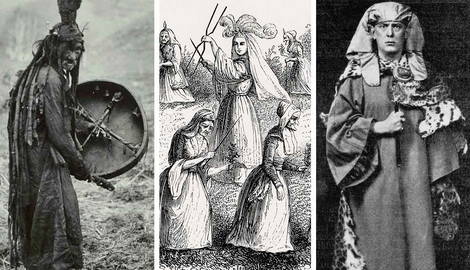
Our pagan ancestors believed in magic and the supernatural, but as much of the world converted to Christianity, these beliefs became nefariously known as witchcraft. Practitioners were generally treated with reverent suspicion, until the eruption of the witch trials that saw folk magic practitioners and many others targeted, and the art associated with the Devil. But since the late 18th century and the rise of romanticism there has been a renewed interest in paganism and magic, which has led to a witchcraft revival and practitioners reclaiming the word as their own. Below are brief introductions to eight types of witchcraft that you might encounter in the 21st century.
1. Wicca
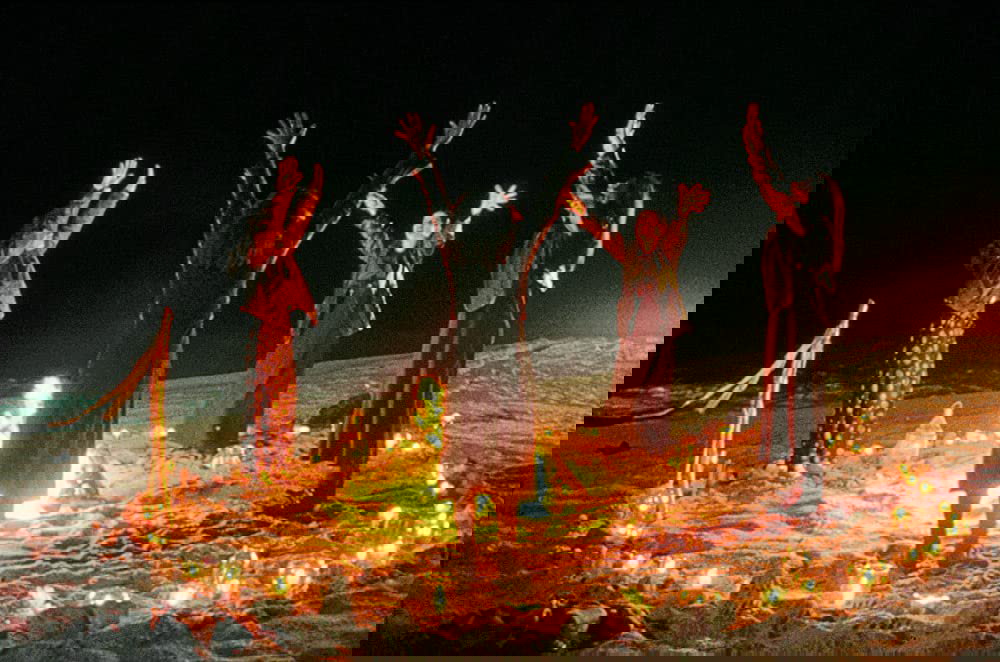
Wicca is probably the best-known modern form of pagan witchcraft, emerging as an alternative religion in England in the early 1900s under the leadership of anthropologist and occultist Gerald Gardner, the “Father of Wicca.” Wicca is inspired by the pre-Christian folk beliefs of pagan Britain and Celtic traditions, though Gardner was criticized for cherry-picking previously unconnected folk beliefs. He also spuriously claimed that it was a continuation of traditional practices that had existed continuously from ancient times, and that many practitioners were genuine pagans persecuted for witchcraft in the early modern era.
Gardner’s original Wicca, largely duotheistic, focused on the worship of the Horned God and the Mother Goddess. Over time, this has become more symbolic, with the deities representing fundamental concepts of nature rather than specific gods. Fundamental to Wicca is reverence for the Earth and its cycles, with celebrations according to the Wheel of the Year, with holidays on important days such as solstices and equinoxes. Gardner’s Wicca included magical rituals, conducted by covens led by a high priest or priestess, which he recorded in his Book of Shadows. Today there are various offshoots of the original Gardnerian Wicca.
2. Neopaganism
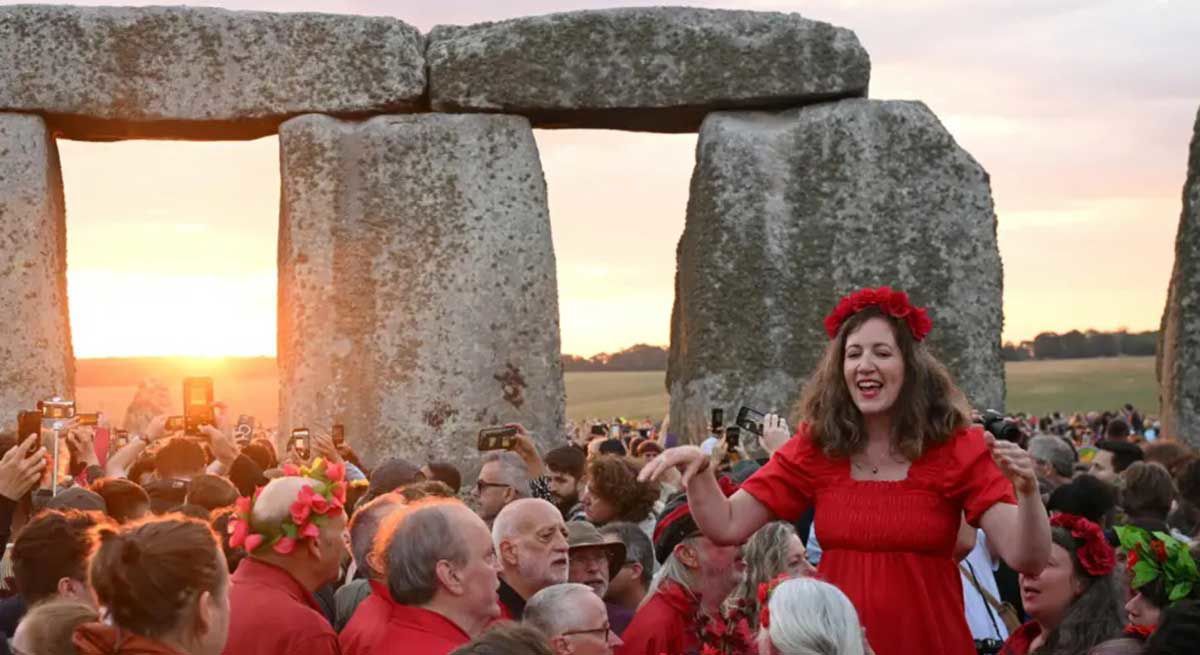
Wicca is considered one of several neopagan religions, revivalist movements that aim to recreate ancient pagan religions. These are called “neopagan” because they are new religions inspired by the past, and have not been practiced continuously since ancient times, unlike religions such as Zoroastrianism. Wicca is a form of British neopaganism, while Heathenry is a Norse neopaganism that revives worship of the old Norse gods. While many neopagans are also interested in witchcraft, not all neopagans would consider themselves witches.
3. Folk Magic & Cunning Folk
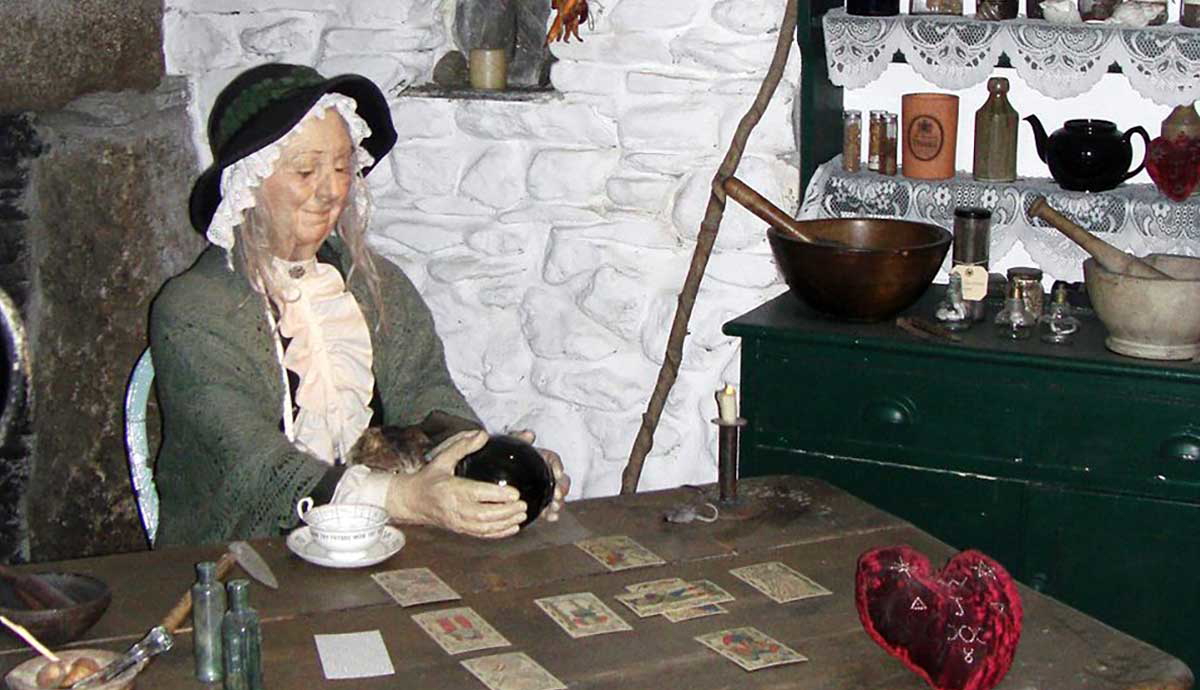
Folk magic is generally used to refer to traditional cultural beliefs, often with a practical element, such as herbal remedies for illnesses and ensuring good fortune. Specific practices depend on local customs and will utilize local native plants and common household objects. The practitioners are often called wisemen, or more commonly wisewomen, or cunning folk. While they were among the people targeted during the witch trials, most cunning folk fervently opposed witchcraft and were often called on to block malevolent forces.
4. Shamanism
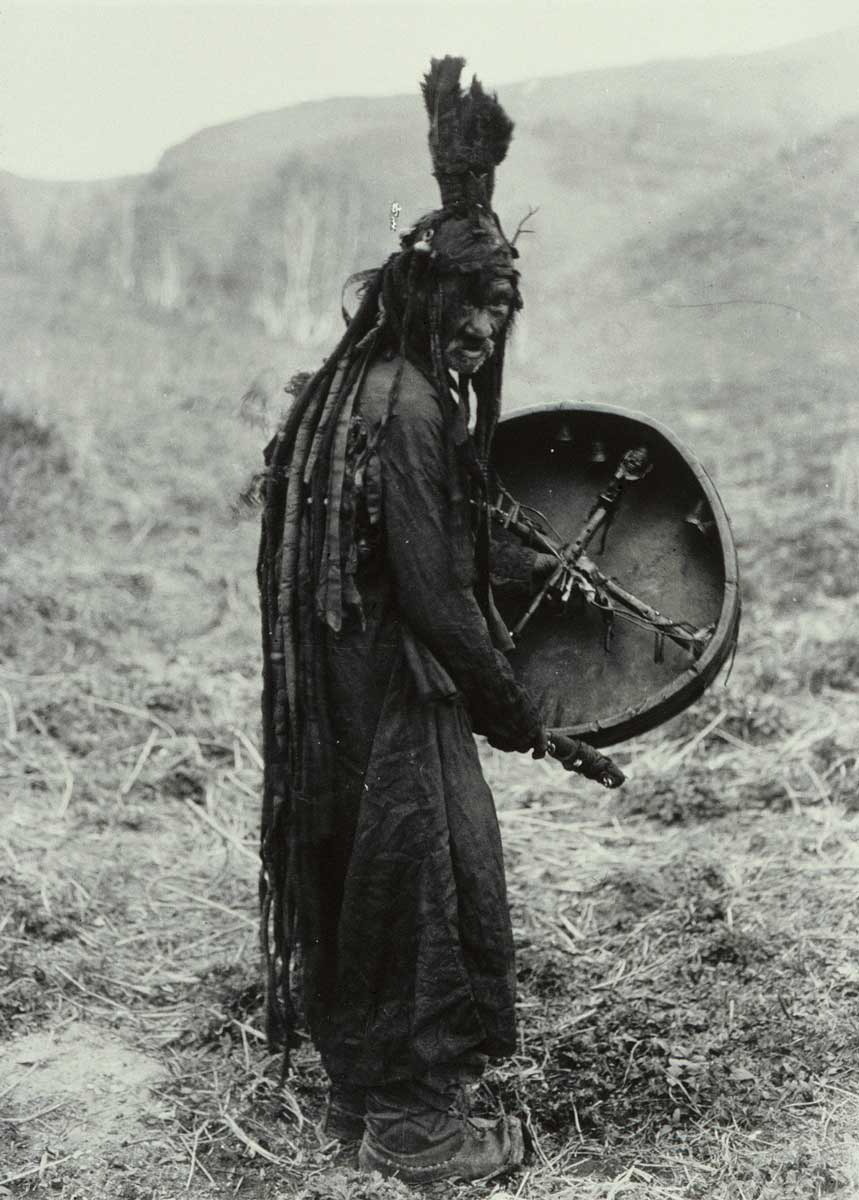
Shamanism is a type of folk magic, employing practices such as herbal healing, but with shamans also specifically acting as intercessors between the mortal and spirit realms. Shamans customarily use altered states of consciousness to access the supernatural domain and then act as a conduit for messages. Shamanism is most often associated with indigenous cultures throughout the Americas, Siberia, Australia, and parts of Africa.
5. Hedge Witchery
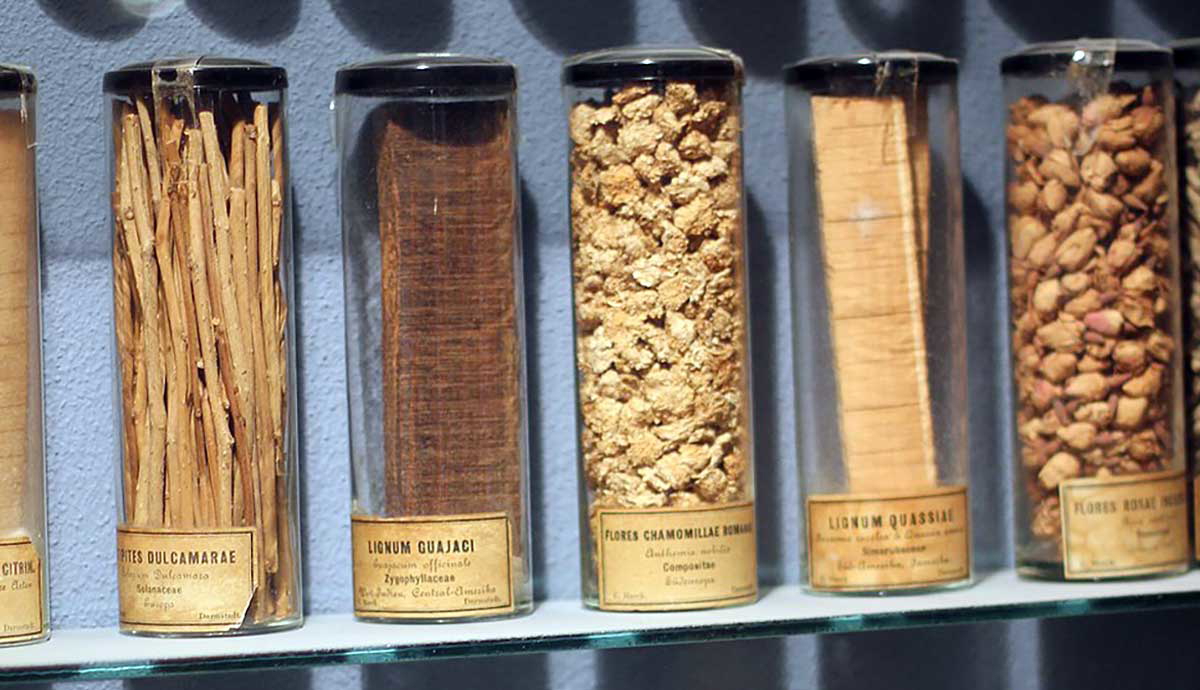
The phrase “Hedge witch” was coined by Rae Beth in her 1990 book, “Hedge Witch: A Guide to Solitary Witchcraft.” As the title suggests, a notable component of Hedge witchery is that it is an individual craft, unlike the covens of Wicca. Hedge witches also use altered states to interact with spirits, with the name deriving from the Anglo-Saxon hedge riders, who rode between the mortal and spiritual worlds. Today, journeying through meditation is a common practice, in search of insight and clarity.
6. Green Witchcraft
Green witchcraft serves as a type of blanket term for witches who base their practice on the power, magic, and spirituality of nature. There are multiple sub-genres like sea-witchcraft, forest-witchcraft, or garden-witchcraft. Central to all is the harmony and peace found within nature. Herbalism and plant magic are the cornerstones of the practice to create charms, spells, and potions.
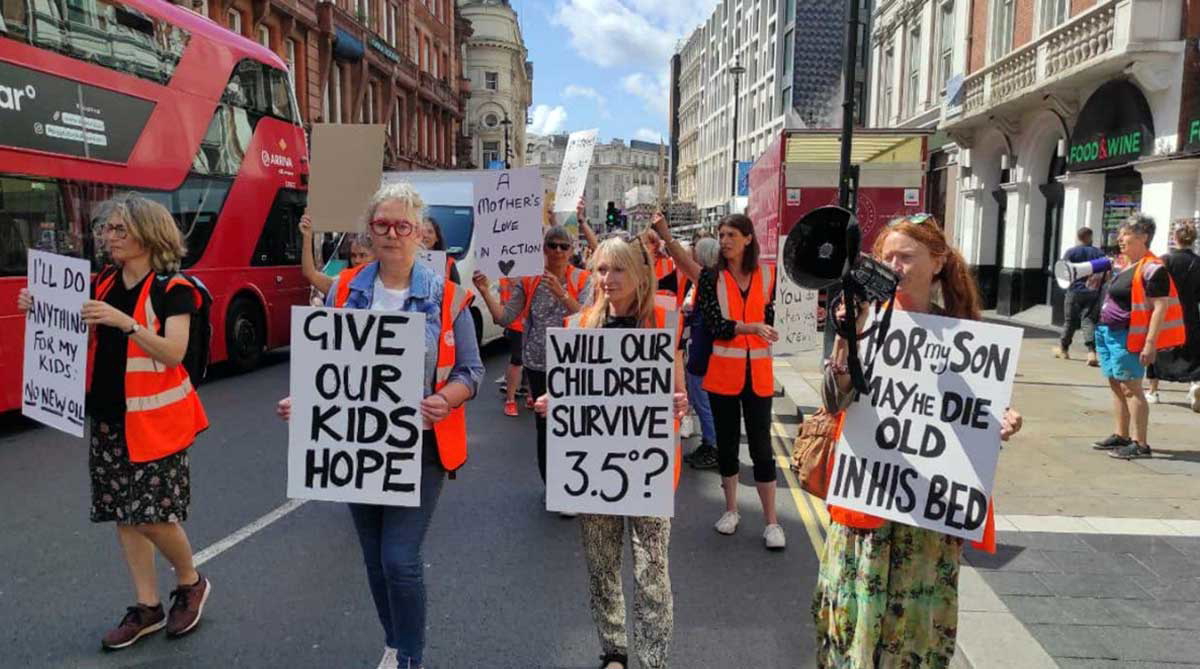
Today, green witchcraft is often explicitly political, advocating for environmentalism and sustainable living. Green witches are often strong proponents of conservation, biodiversity, and managing climate change.
7. Kitchen Witchcraft
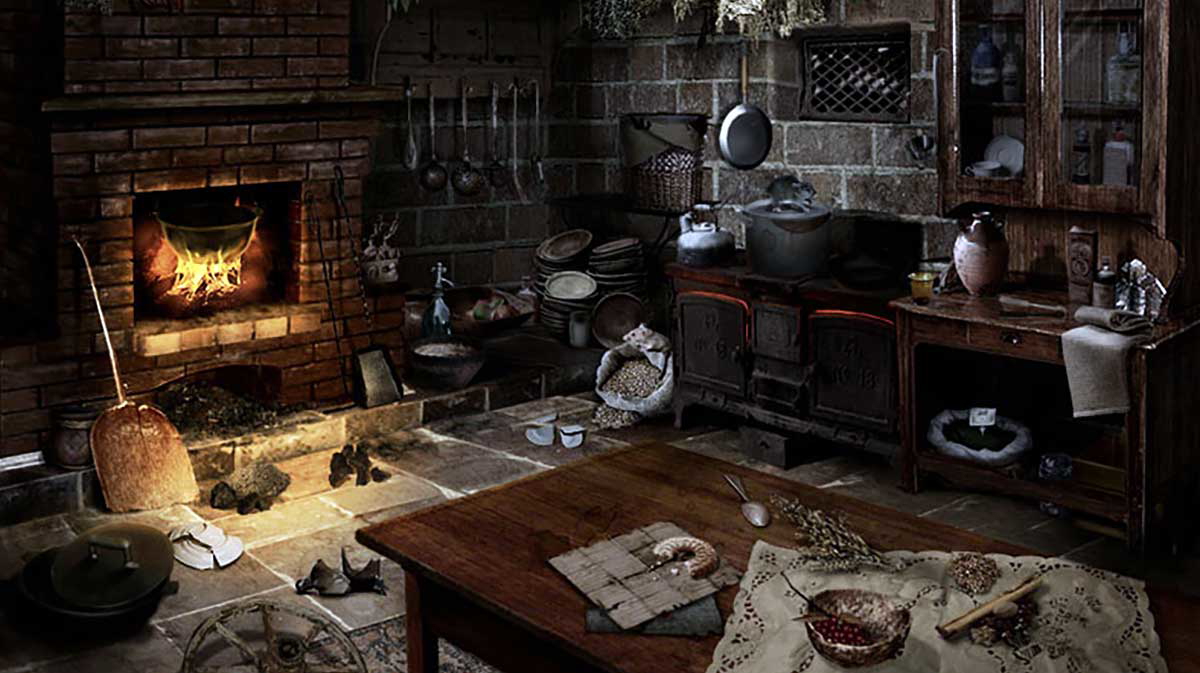
Kitchen or cottage witchcraft has become extremely popular in recent years thanks to social media. Originally, a kitchen witch was a homemade doll or poppet kept in the kitchen as a symbol of good luck and a magical entity to protect the home and its residents. However, as people seek to live more authentically in a quickly modernizing world, the “cottagecore” aesthetic has promoted the popularity of kitchen magic. Today, kitchen magic tends to be simple things you can do at home to connect with nature, such as brewing mystic teas and planting herbs for protection and good fortune.
8. Ceremonial Magic
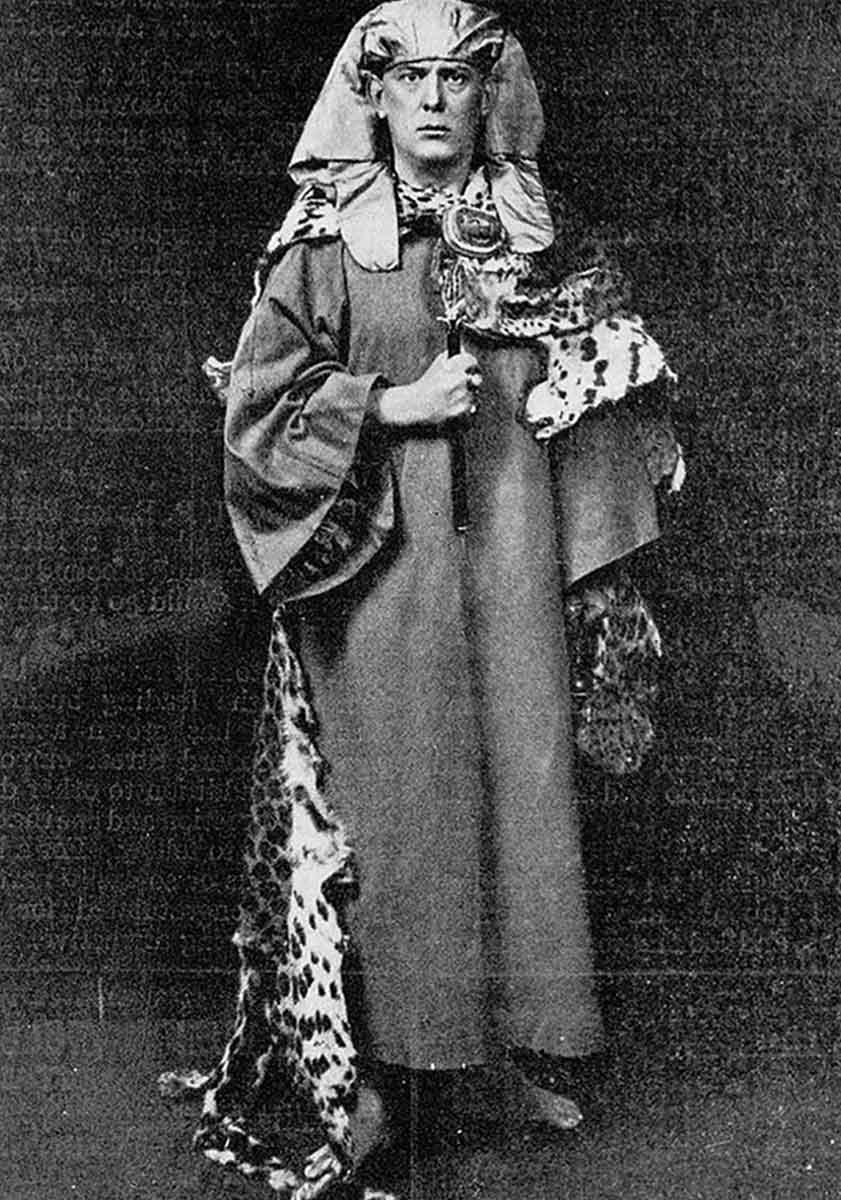
In the late 19th and early 20th centuries as interest in the occult was on the rise, many magical societies, secret societies modelled on groups such as the Freemasons, emerged. Probably the most famous of these groups were the Hermetic Order of the Golden Dawn and Thelema, created by the wizard Aleister Crowley, known as the “wickedest man alive,” after being kicked out of the Golden Dawn.
Thelema is based on revelations reportedly shared with Crowley by a mystical being called Aiwass while in Egypt, but is also clearly based on earlier ceremonial magic practices. Its core principle is that a person should find their true calling, called their “True Will,” and follow it to find fulfillment. It is also about experimenting with different practices to find your own spiritual power and connections.
Thelema has unjustly become associated with demons and devils due to Crowley himself, because of his personal sexual preferences and lifestyle, which he was open about, but is not central to the practice of Thelema. This is not unlike how folk magic practices became associated with Satanic pacts and Devil worship during the witch trials.