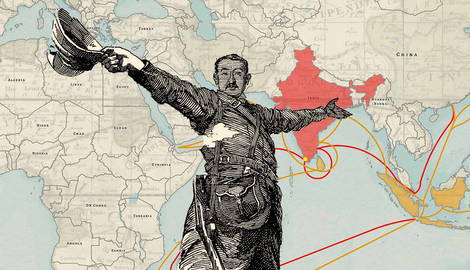
In 1492, Italian explorer Christopher Columbus, sailing for Spain, discovered that a new land mass lay across the Atlantic Ocean between Europe and India. Within a few decades, Spain and Portugal were rapidly colonizing the “New World.” Britain and France, as well as the Netherlands, quickly joined them by focusing on North America. Why did these European powers send thousands of men and shiploads of weapons and supplies across the oceans? Not surprisingly, they got back far more than they invested in terms of natural resources and native labor. For over 400 years, nations engaged in imperialism to access the natural resources and cheap labor of other lands.
Setting the Stage: Empires of the Old World
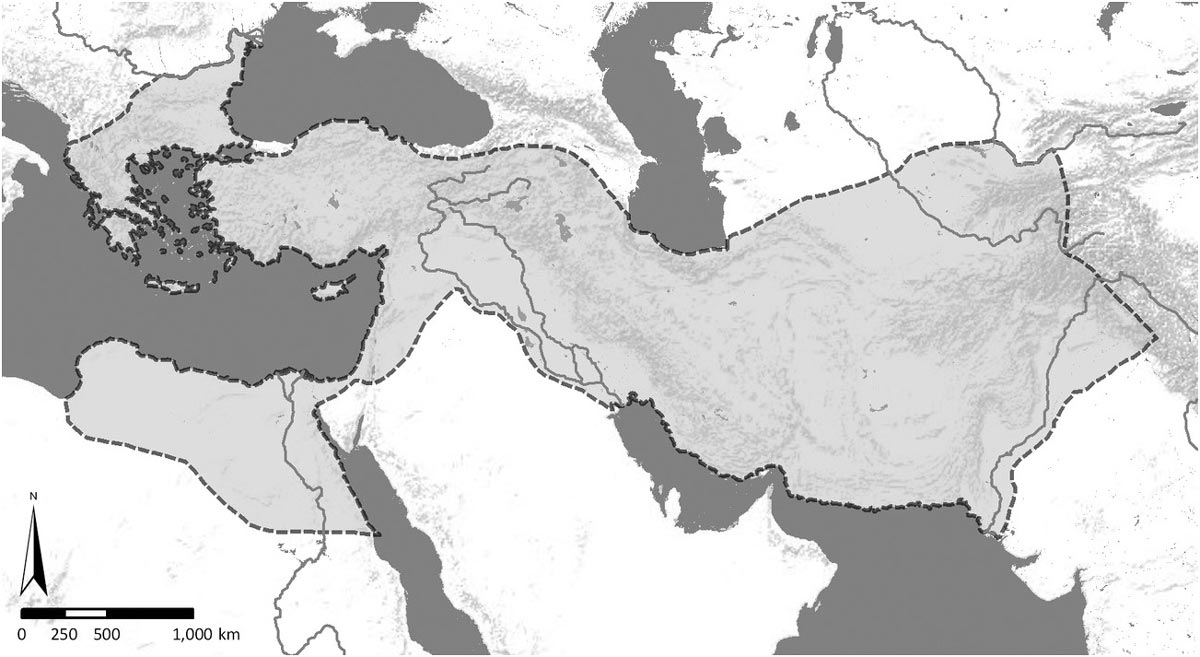
For as long as there have been organized societies, there have been attempts to seize desired resources from neighboring societies. Initially, this meant arable farmland, sections of coastlines suitable for ports, and geographic features that made good natural defenses. Around 100 AD, the Roman Empire had expanded beyond the Italian peninsula in search of arable land and vast resources to fuel its growth and enrich its people. At its peak, the population of the empire may have reached one million people, a significant number during that time. While the Roman Empire is probably the best-known early empire to most observers, it was certainly not the first.
The first empires, where a local ruler engaged in conquest to take control of other territories, likely began in ancient Egypt. From the Egyptians to the Romans, the goal was to access desirable resources. These efforts required significant organization and infrastructure, including roads and irrigation. The Greeks, Romans, Persians, and the Han Empire in China created professional militaries and government bureaucracies to help organize the resources needed to conquer vast territories, as well as plan and manage the resources and goods being shipped back home.
1492-1700s: European Colonization of the Western Hemisphere

Empires and nation-states in the Old World (Europe, the Middle East, and Asia) traded with one another using overland trade routes. This was time-consuming and expensive, and some Europeans began looking for an oversea route to access India and Asia. They believed that sailing west across the Atlantic Ocean would eventually allow them to reach the Asian continent. In 1492, Christopher Columbus, an Italian sailing for Spain, set out to do just that and instead ended up discovering land masses in the Caribbean. Quickly, Spain and Portugal began settling the Western Hemisphere, beginning with Central and South America. The Treaty of Tordesillas in 1494 was intended to bisect South America and prevent Spain and Portugal from warring over the continent.
Britain, France, and the Netherlands got involved in New World exploration as well and began settling North America. The French arrived first, exploring the Mississippi River from south to north, while the British arrived along the eastern coast of North America at modern-day Virginia. To the north, the Dutch arrived shortly afterward. All European powers quickly discovered new peoples and crops, while the Spanish discovered gold and silver mined by advanced societies in Central and South America. Early explorers brought European crops with them, hoping that they would grow well in the warm and well-watered lands of the New World.
Columbian Exchange and Triangular Trade
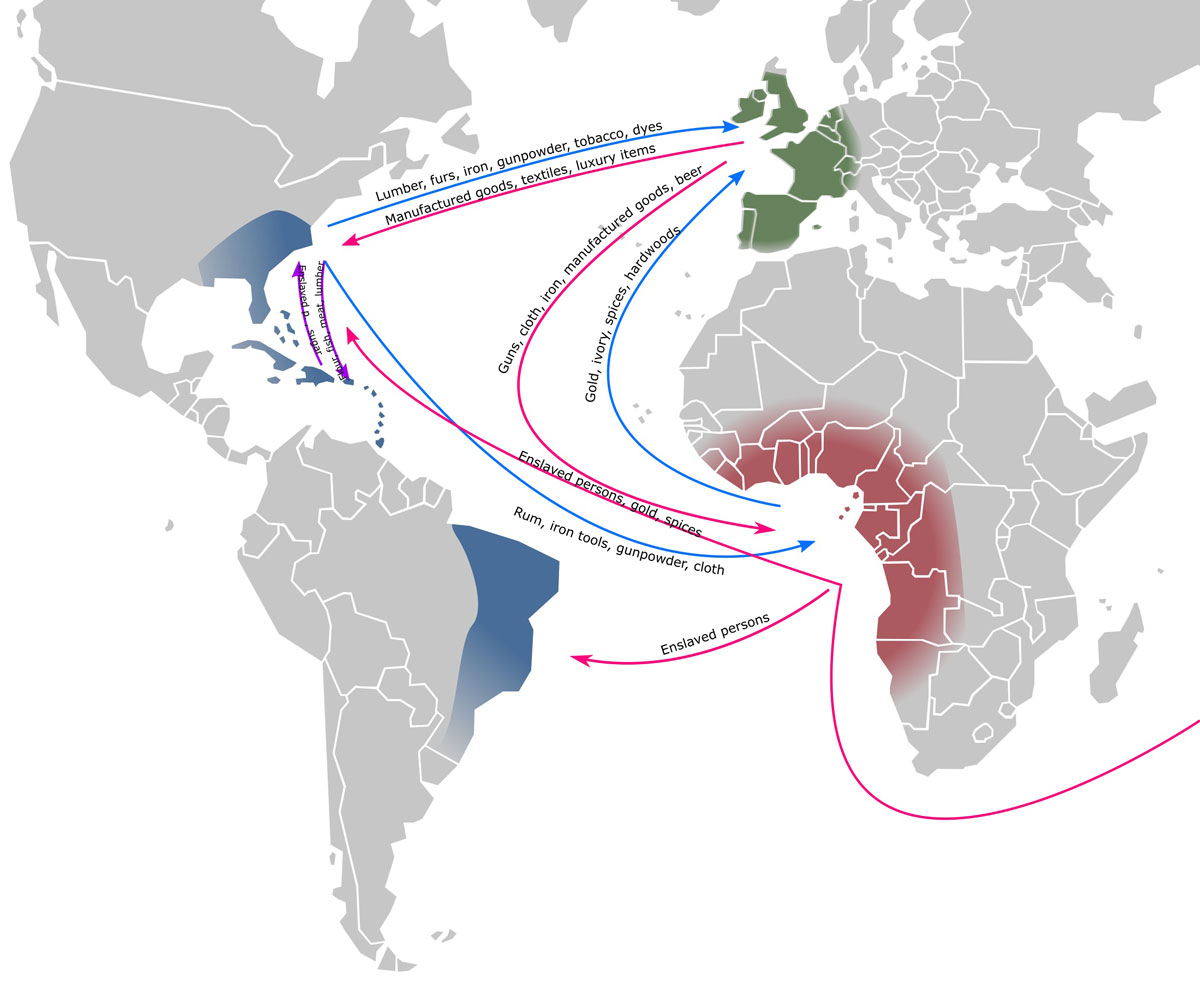
Europeans quickly sent crops they discovered in the New World back home, establishing the Columbian Exchange. Both Europe and the Western Hemisphere were introduced to crops and animals from the other. Cattle and horses arrived in the New World from Europe, and many crops, including potatoes, beans, peppers, and tobacco, were sent back to Europe. Both Native Americans and Europeans quickly adapted to the foodstuffs introduced by the others, with Europeans becoming dependent on crops from the Americas and Native Americans adopting the use of horses and pigs.
Unfortunately, Europeans arriving in the New World demanded low-cost labor to assist with economic development. Native Americans had no natural immunity to smallpox, brought by Europeans, and many perished from disease. Therefore, Europeans brought slaves from Africa to the New World. Europeans traded with Africans for slaves, sent the slaves to the New World, and shipped goods and foodstuffs made by slave labor back to Europe, creating the infamous Triangular Trade system. Slave labor allowed Europeans to expand their empires in the New World, especially in North America.
1600s-1800s: Trade Monopolies
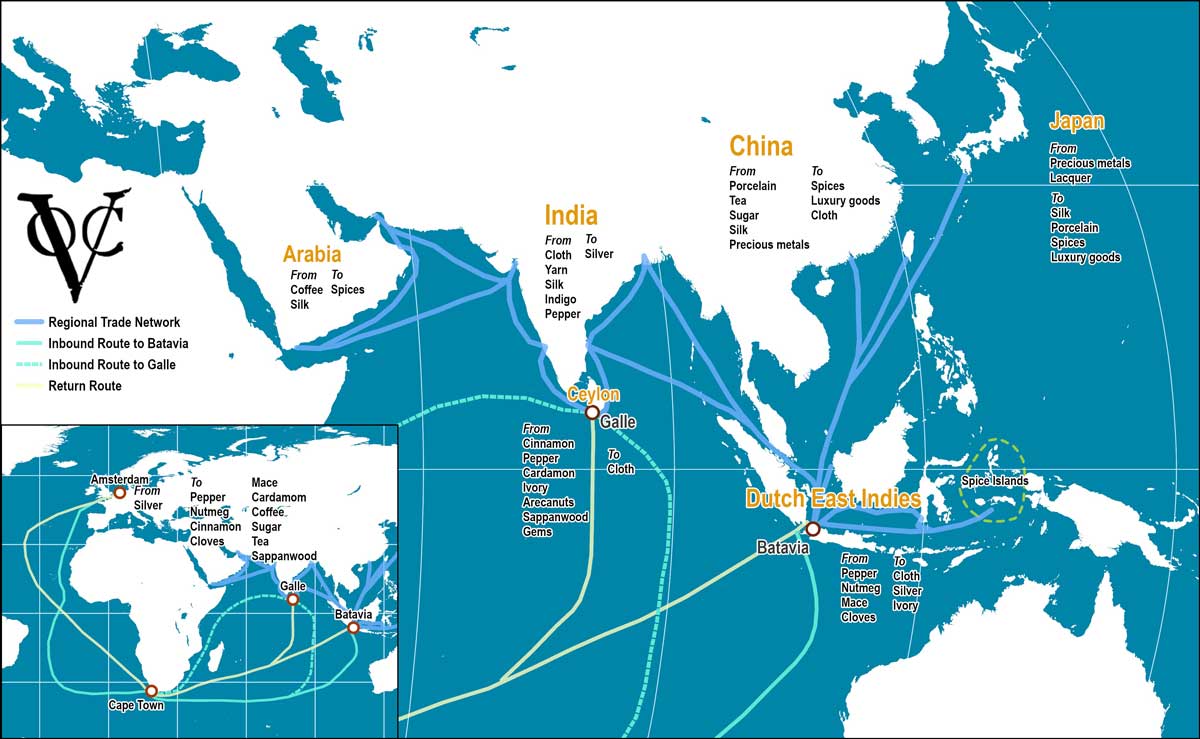
Colonies in the New World desired manufactured goods from Europe, and governments granted charters (formal approvals) to trading companies to have monopolies on cross-oceanic trade. The first of these joint-stock companies was the Dutch East India Company, established in 1602. These massive companies even developed their own armies and navies, with some even manning forts along trade routes to protect against pirates, thieves, or angry natives. They vastly expanded European nations’ reach into territories in North America, Africa, and Asia between 1602 and the mid-1800s in pursuit of profit.
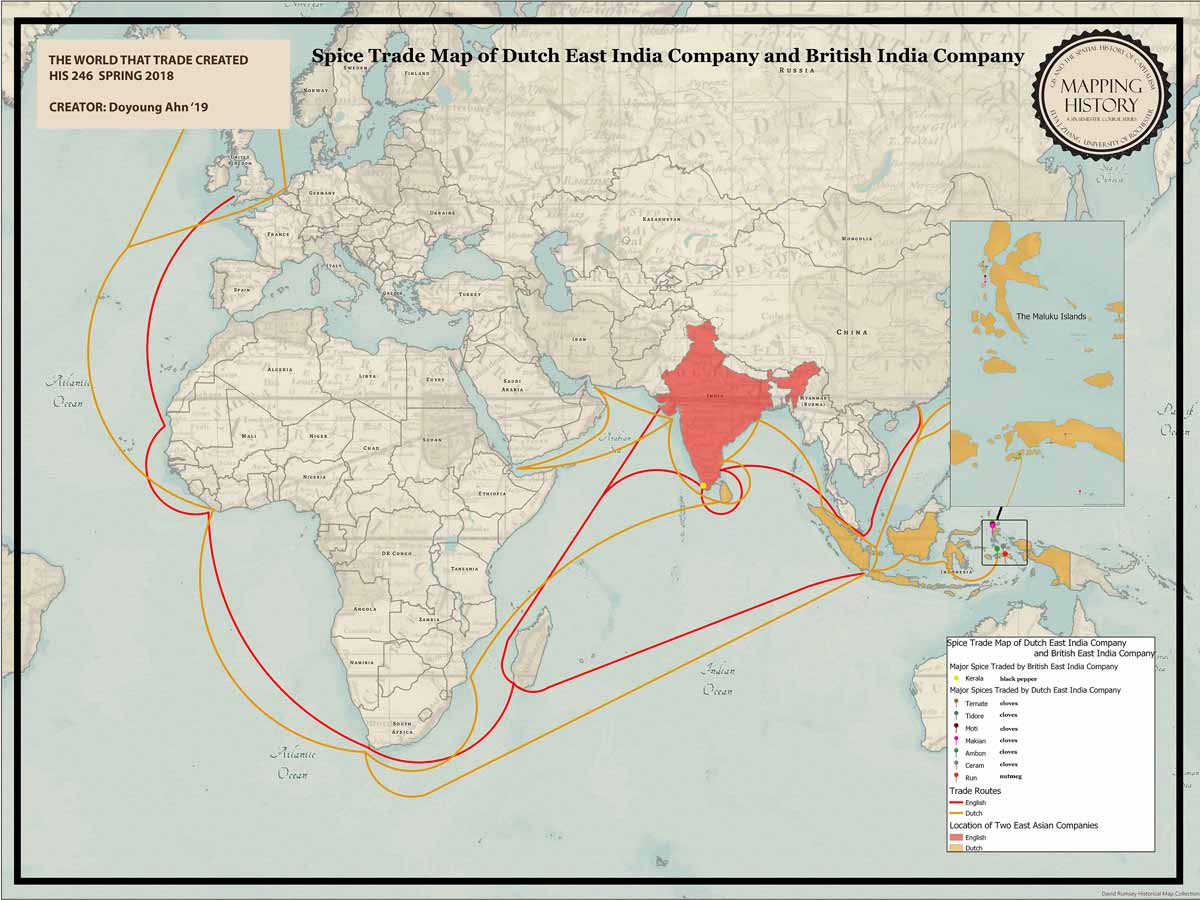
Trading companies’ ability to pursue profit through the use of armed force was highly unethical but benefited the governments that chartered them. Governments often received significant taxes, loans, and some financial kickbacks from company owners and could use the well-armed companies as supplemental assistance in fighting off rival powers in colonized areas. Until the 1800s, monopoly trading companies were also seen as beneficial to merchants in the home countries by limiting competition. This kept prices for consumers higher but prevented trade wars. By 1800, however, trading monopolies fell out of favor due to political instability that erased many political connections and the growing power of producers in the colonial territories.
Mid 1800s: European Imperialism Shifts to Asia and Africa
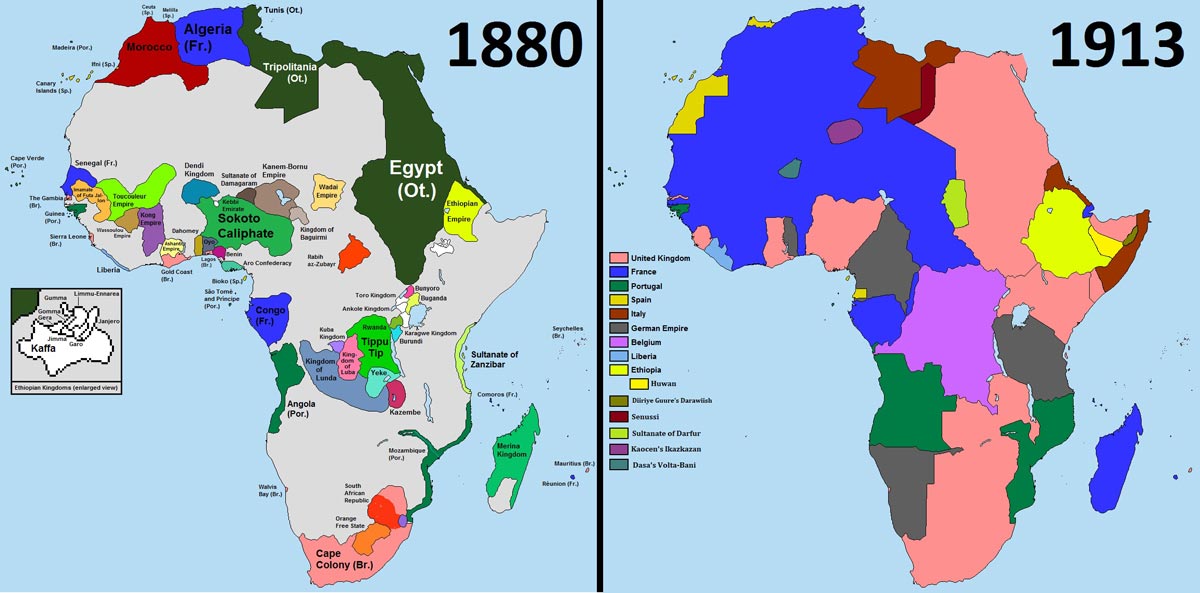
Between 1781 and 1820, the imperial powers of Britain, France, and Spain lost control of most of their Western Hemisphere territories, beginning with the American Revolutionary War. This was followed by France’s economically-forced sale of Louisiana to the new United States in 1804, which was needed to give a bankrupt France money for Napoleon Bonaparte’s planned conquests in Europe. Finally, New Spain broke from Spain in a series of revolutions, beginning with Mexico. However, European powers could all turn to Asia and Africa for new sources of cheap labor and natural resources.
With Britain forced from the Thirteen Colonies, the British focused their attention on China, from where they had begun to import popular tea and silk. Trade with China was highly profitable, but many in China came to resent and distrust the growing power of European merchants. Much of the anger came from Britain’s exportation of opium from its Indian colonies to China. The Opium Wars resulted when China attempted to prohibit British smuggling of opium into China to pay for tea, silk, and other exotic goods. Two Opium Wars resulted in increases in British power in China, including British control of Hong Kong. Meanwhile, France focused on expanding its foothold in Indochina (south of China; southeast Asia), creating French Indochina.
1898: The Spanish-American War Creates an American Empire
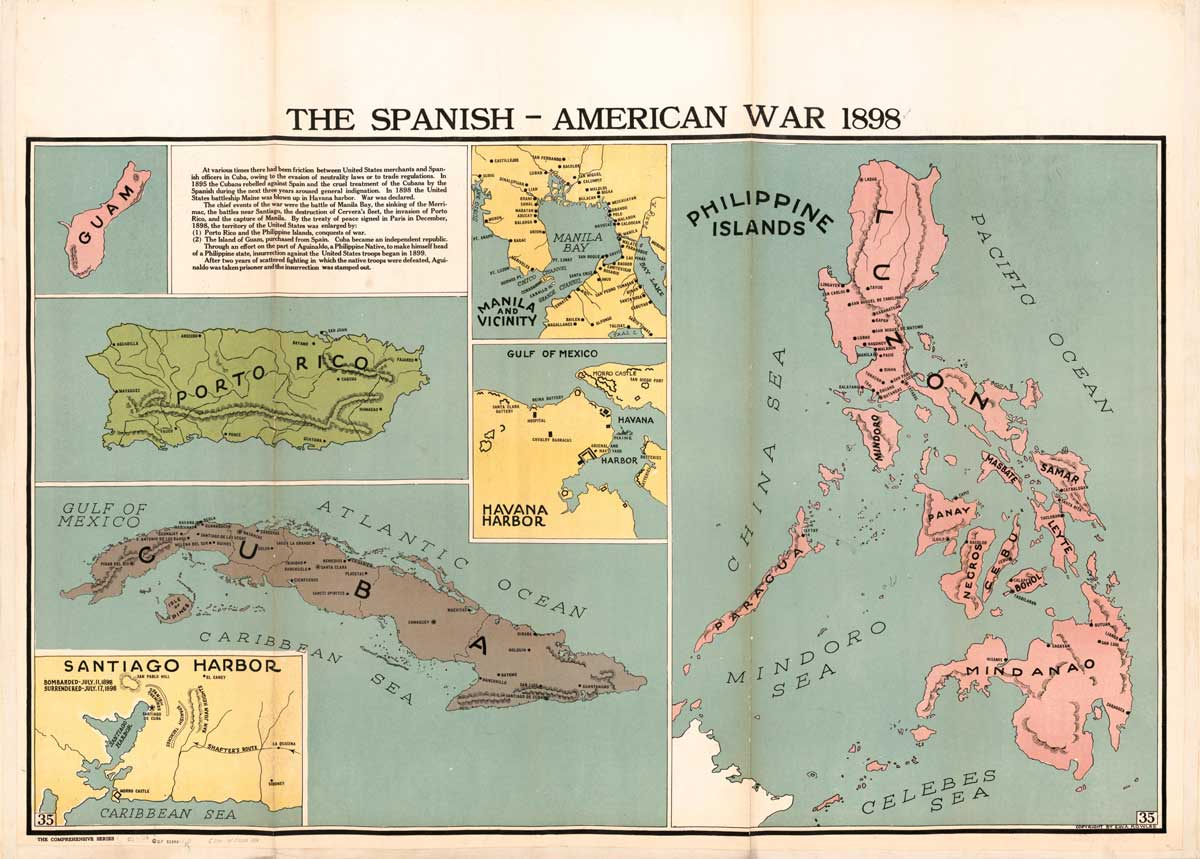
The United States emerged as a growing industrial power after the American Civil War, purchasing Alaska from Russia and settling the West. By the 1890s, it was looking to make inroads into the Pacific Region for profitable trade. It wanted access to the same markets in Asia enjoyed by Britain and France, and viewed islands in the Pacific as good bases to support merchant ships. Many members of the US government also wanted to put military bases on those islands to help assert dominance over the region. The Spanish-American War, which erupted in February 1898, provided an opportunity to take such islands.
The war itself erupted over Cuba, still a colony of Spain, which was a valuable source of sugarcane for American markets. After an American warship exploded in the harbor of Havana, Cuba, the US quickly blamed Spain. The war was a rapid success, and Spain lost its remaining colonies. Cuba, Puerto Rico, Guam, and the Philippines were ceded to the United States. It also gave the US the pretext to complete the annexation of Hawaii, in which the monarchy had been overthrown by American businessmen in 1893. With Spain’s former Pacific colonies and Hawaii, the United States had the infrastructure to enter Asian trade markets with force.
Boxer Rebellion in China: Japan Becomes First Non-European Imperial Power
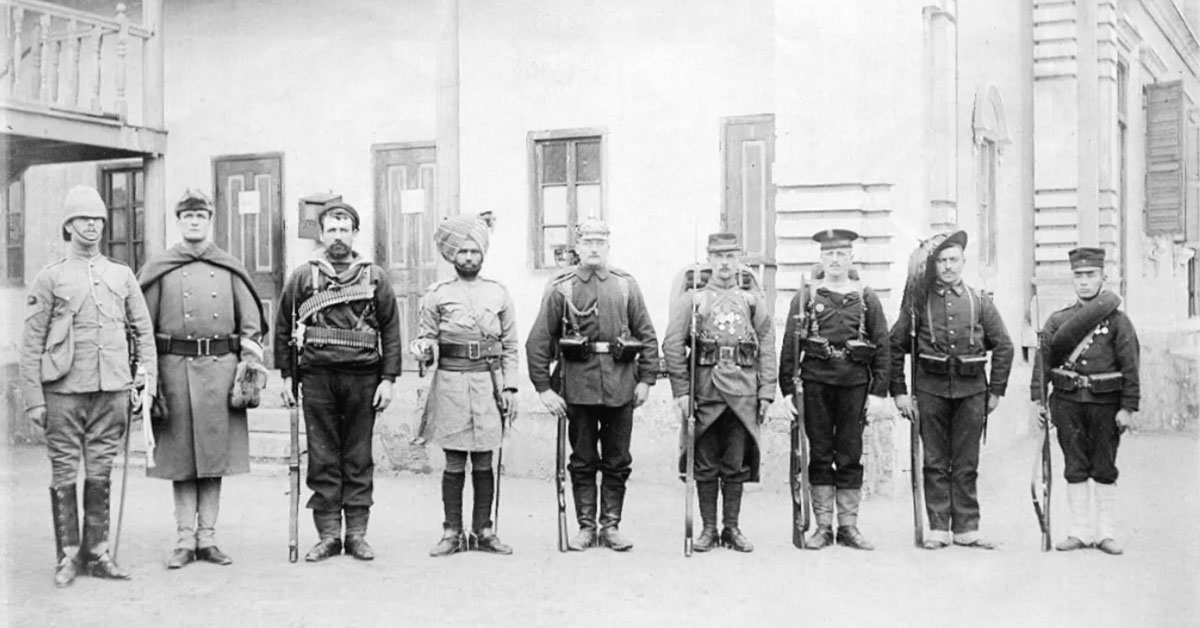
For economic reasons, Britain continued to make exploitative trade inroads in China while France took control of southeast Asia. The Netherlands, which had long exited North America, controlled the East Indies in and around Indonesia. Other European powers and the United States also wanted access to these markets, and their presence rapidly increased during the 1890s. Resentment often ran high in these Asian countries at Western domination, which took advantage of cheap labor and mocked local customs. In late 1899, a growing group of Chinese peasants began attacking Western enclaves in China, which were seen as destroying Chinese culture and society.
As China’s new empress chose not to act, the Boxers besieged Western embassies in June 1900. Britain and France, along with the United States, four other European powers, and Japan, sent troops to relieve the besieged Western enclave in Peking (present-day Beijing). They swiftly defeated the Boxers and increased Western economic and political domination over China, continuing China’s century of humiliation (1840s through World War II). Shortly after the Boxer Rebellion and the Russo-Japanese War over control of Manchuria (northeastern China), Japan seized control of the Korean Peninsula from China.
World War II: Axis Powers Seek Empires for Resources
After World War I, a defeated Germany was stripped of its colonies in Africa, which it had been allotted during the 1880s. 15 years later, however, Germany was resurgent under the Nazi regime, and Italy, under Mussolini, had colonial ambitions. Italy struck first, seizing the only independent nation in North Africa, Ethiopia, in the 1935-36 Second Italo-Abyssinian War. 40 years earlier, Ethiopia, also known as Abyssinia, had humiliated Italy by defeating a first attempt to colonize the country. Both Germany and Italy thought seizing other colonies in Africa and the Middle East would supply them with valuable resources, especially oil. The desire for oil led Germany to invade the Soviet Union in 1941, a move also designed to seize lebensraum, or living space, for its people.
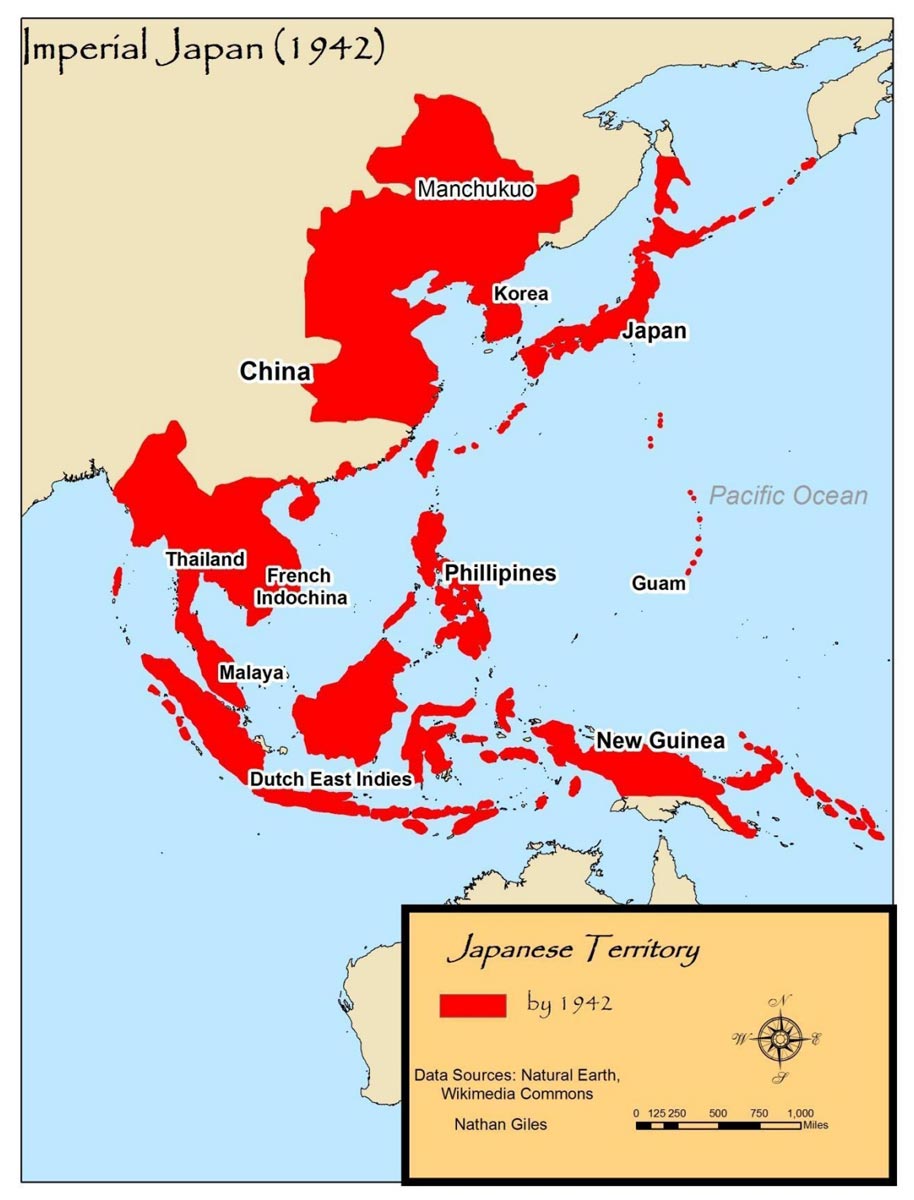
In Asia, Japan similarly sought more colonies for economic purposes. In 1931 and 1937, it seized more territory in economically valuable Manchuria. The second invasion sparked the Second Sino-Japanese War, which became one of the major theaters of World War II. This growing war increased Japan’s demand for resources, including oil. To obtain it, Japan planned a major offensive across the South Pacific, aimed at the oil fields of the Dutch East Indies and expanding its Greater East Asia Co-Prosperity Sphere. To prevent the US Navy from interfering, Japan attacked the naval base at Pearl Harbor, Hawaii on December 7, 1941. Ironically, the attempts to take oil fields by force led to the eventual defeat of both Germany and Japan.
Post-War Controversy: Did Exploitative Trade Replace Imperialism?
The defeat of the Axis Powers by 1945 ended the era of imperialism aimed specifically at seizing resources. A new economic era of free trade began. Most nations agreed after 1945 that free trade was a better way to obtain resources and sell goods than creating captive markets. Between 1945 and 1960, most remaining colonies were granted independence, opening them up to trade with the world. The United States, virtually the only world power not economically exhausted from World War II, saw these new markets as great sources of revenue.
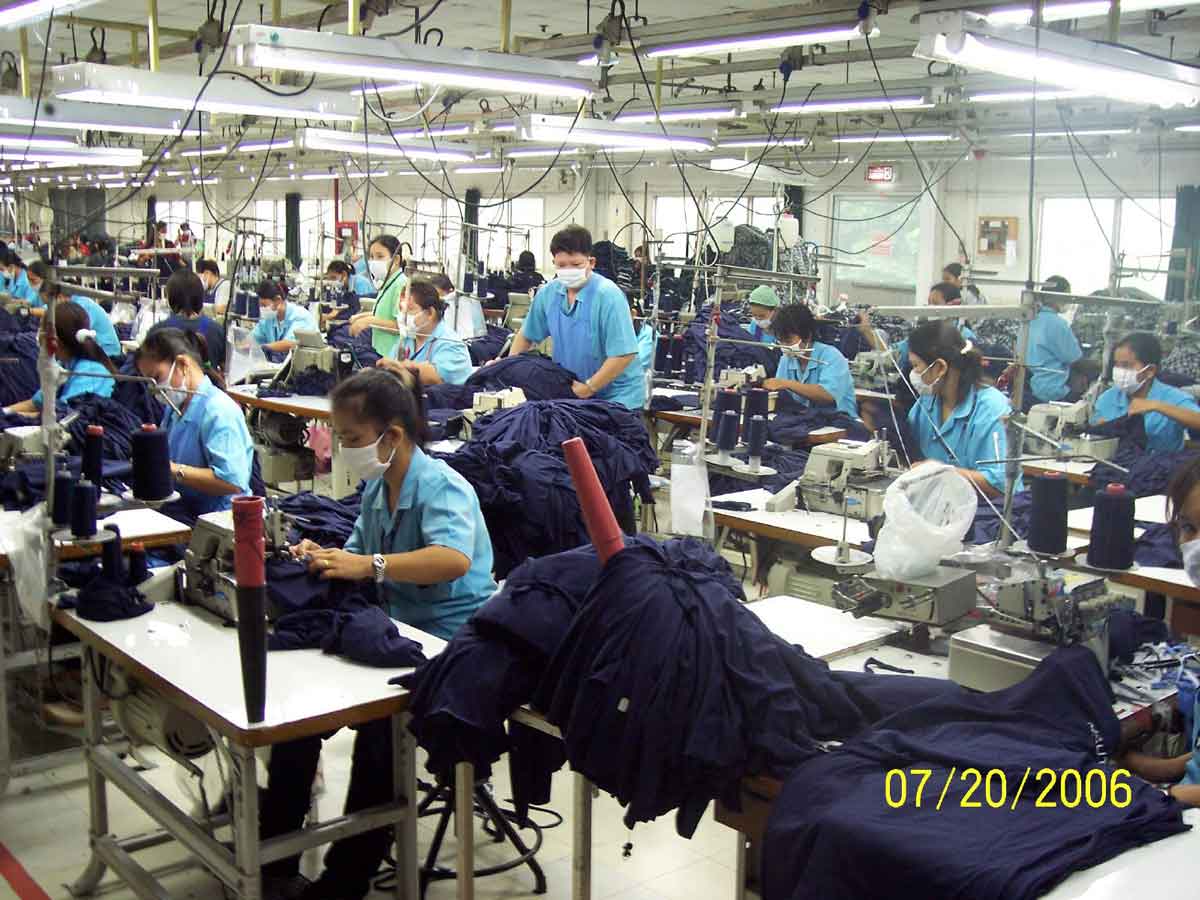
By the 1960s, many Western countries were again building factories in former colonies, taking advantage of cheap labor and lack of environmental and worker protections. This became known as “neocolonialism,” with wealthy nations able to use their economic, political, and military power to maintain advantageous trade and labor situations over former colonies. Instead of applying direct pressure, Western powers can use financial debt instruments and conditional guarantees of security to allegedly manipulate the governments of these former colonies to let Western companies maintain desired policies.
The Global South and Economic Imperialism
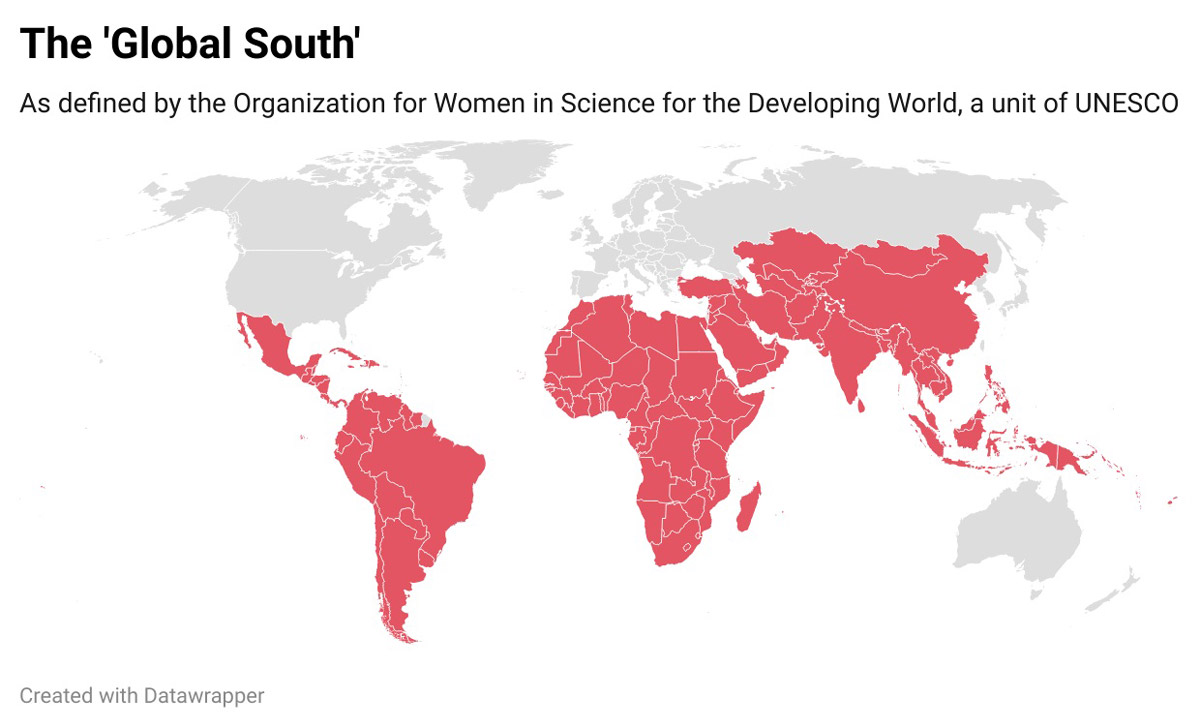
Critics of colonialism and neocolonialism argue that this exploitation has become entrenched, creating a permanent situation of economic underdevelopment in the “global south,” a term for nations, mostly south of the equator, that were once colonies. Many people argue that these nations have been taken advantage of by their wealthier neighbors to the north. In recent years, they have begun advocating for more international political consideration, such as at the United Nations, for the needs of these countries. They also want more economic consideration, with some researchers declaring that trillions of dollars in resource wealth have been drained from the global south from unequal trade deals.
One problem perpetuated by colonialism and neocolonialism is capital flight, where the wealth generated in developing countries, many in the “global south,” is immediately sent to wealthy countries to be invested (after being converted into those countries’ currencies). This is common when the owners of factories and productive resources are well-connected to colonial powers and have easy access to foreign investments. Unfortunately, this means a lack of domestic investment in the former colonies, leaving them continually reliant on foreign-owned jobs and infrastructure.