No ancient culture has seen its cultural heritage dispersed to such an extent as Pharaonic Egypt. Today, ancient Egyptian antiquities are ubiquitous in museums in the West. Few national museums in Europe or the Americas lack a sizable collection. But how did this come about? A considerable proportion of these antiquities ended up outside of Egypt because of a colonial-era practice known as “partage.” This article traces the origins of the system and how it worked in practice.
The Challenge to Egyptian Archaeology in the 19th Century
In the late 1870s, Egypt’s heritage faced a deeply uncertain future. The Egyptian economy was in the midst of a downturn. An economic boom during the American Civil War, fueled by cotton exports, ended after the conflict ceased. Costs associated with building the Suez Canal resulted in a high debt burden, meaning correspondingly less money for the antiquities service.
To make matters worse, the Egyptian government and the antiquities service, led by the Frenchman Auguste Mariette, seriously fell out after Mariette refused to allow a collection of historically priceless Pharaonic-era jewellery to be presented to France as a diplomatic gift. To top it all off, the Cairo Museum was flooded in 1878. This perfect storm of events meant that the overstretched antiquities service was unable to protect the country’s historic sites from looting (Thompson, 2015). Consequently, there was a prospect that fragments of Egypt’s history would be lost before archaeologists could study them.
Western Egyptologists
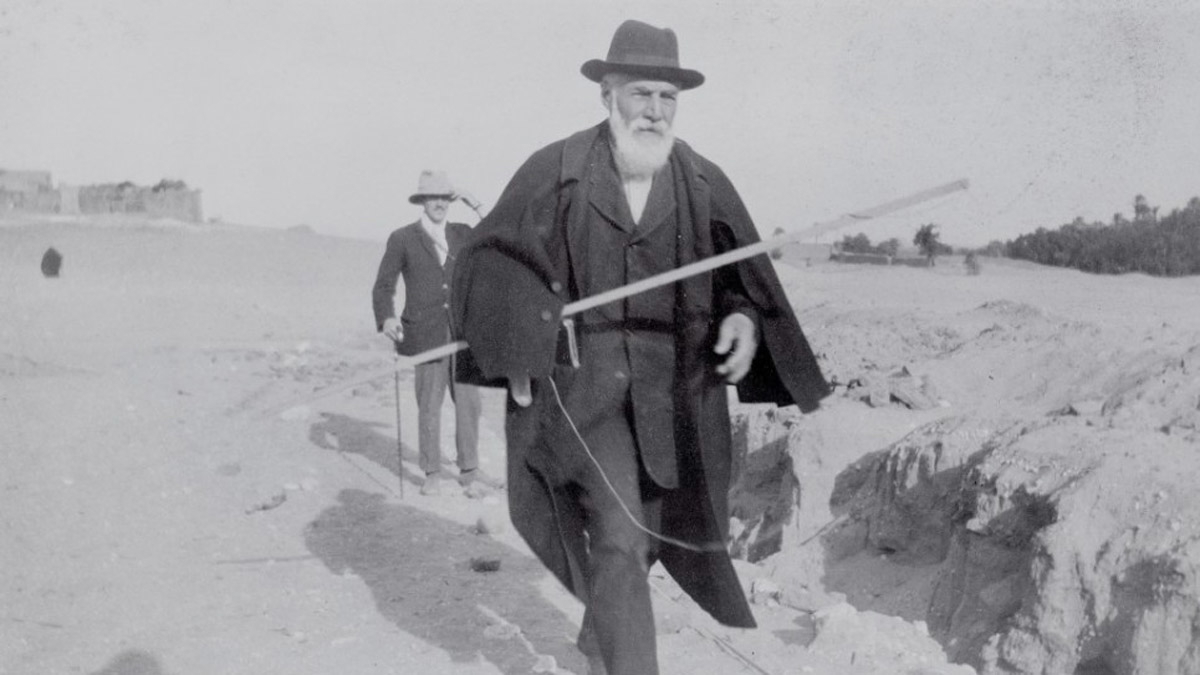
The solution came from the entry of foreign excavators, predominantly European and American. Among the most notable active in the 1880s were the Englishman William Matthew Flinders Petrie and the Swiss Edouard Naville. The two men had very different working methods. Naville, a gifted linguist, set his Egyptian workforce to excavating for new hieroglyphic inscriptions in an effort to expand the source base of ancient texts. Petrie, a younger man far less skilled in reading hieroglyphs, made the most of what he could from non-textual items. It was through such finds that Petrie succeeded in reconstructing domestic living conditions at Naukratis, an ancient Greek colony in the Nile Delta. In time, Petrie would develop a technique known as seriation, which, at its best, allowed him to date a site based on a single piece of pottery (James, 1982).
Petrie paid his men on a piecework basis, depending on how many cubic feet of material they excavated, which discouraged working conscientiously. Methods used by other Egyptologists were worse still. A low point was reached in the mid-century when the Egyptian antiquities service used forced and unpaid labor to excavate. Later Egyptologists, including Petrie, suspected that those dragooned into this way of work were not always honest in handing over finds (Petrie, 1930).
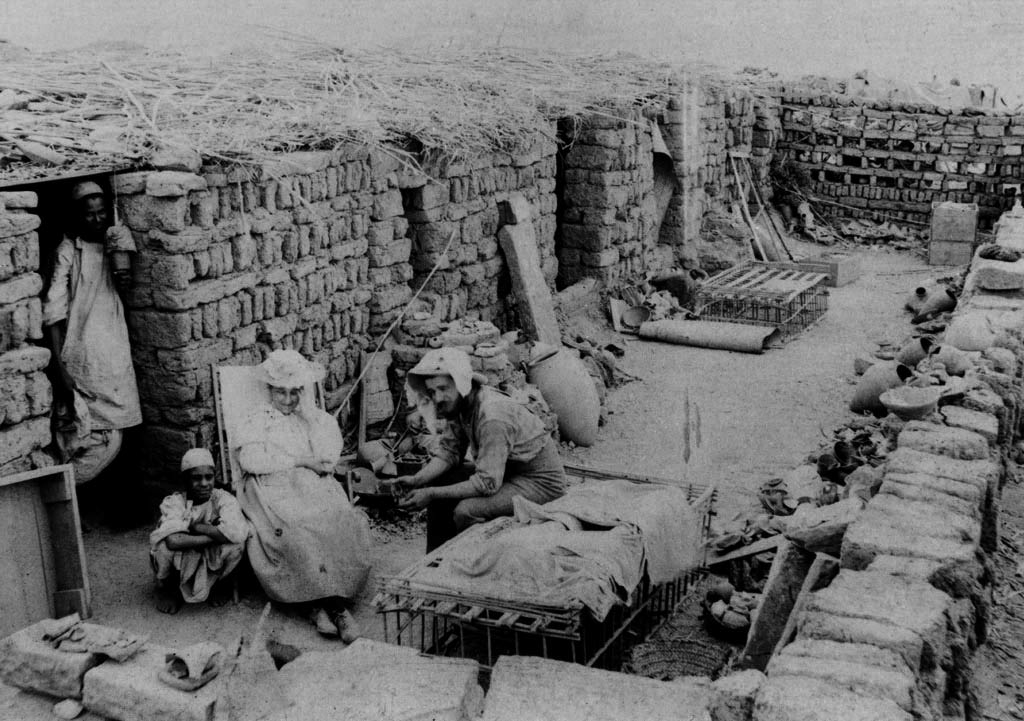
Petrie hit upon a better solution, whereby baksheesh, or top-up payments, were paid to workers responsible for finds, especially those composed of precious metals that might otherwise go astray if found by a dishonest individual. Typically, the finder received market rates, at least once Petrie had scraped off all of the mud and deducted a percentage for oxidised metal. Paying competitively was important, as Petrie often found antiquity dealers on-site pressing his workers to sell finds to them.
Egyptian peasants unconnected with Petrie’s excavations were often found digging excavation sites for fertilizer, and Petrie offered rewards to them (Petrie, 1883-1884). The presence of non-archaeologists on an excavation is an absolutely unthinkable occurrence today, but it was a regular obstacle that archaeologists such as Petrie simply learnt to put up with and manage as best they could.
The Origins of Partage
There was a snag in Petrie’s approach. Paying daily wages and rewards for the small finds was expensive. In a conversation with the new French director of the Egyptian antiquities service, Gaston Maspero, in November 1883, Petrie pointed out that he was effectively paying his workers twice: once to dig for items, then again to secure them. Even with funding from the newly established Egypt Exploration Fund (EEF), the method was not financially sustainable. Aged in his early 30s and in precarious employment, Petrie’s negotiating stance was weak. Nevertheless, Maspero’s solution was to allow Petrie to keep some finds (Stevenson, 2019).
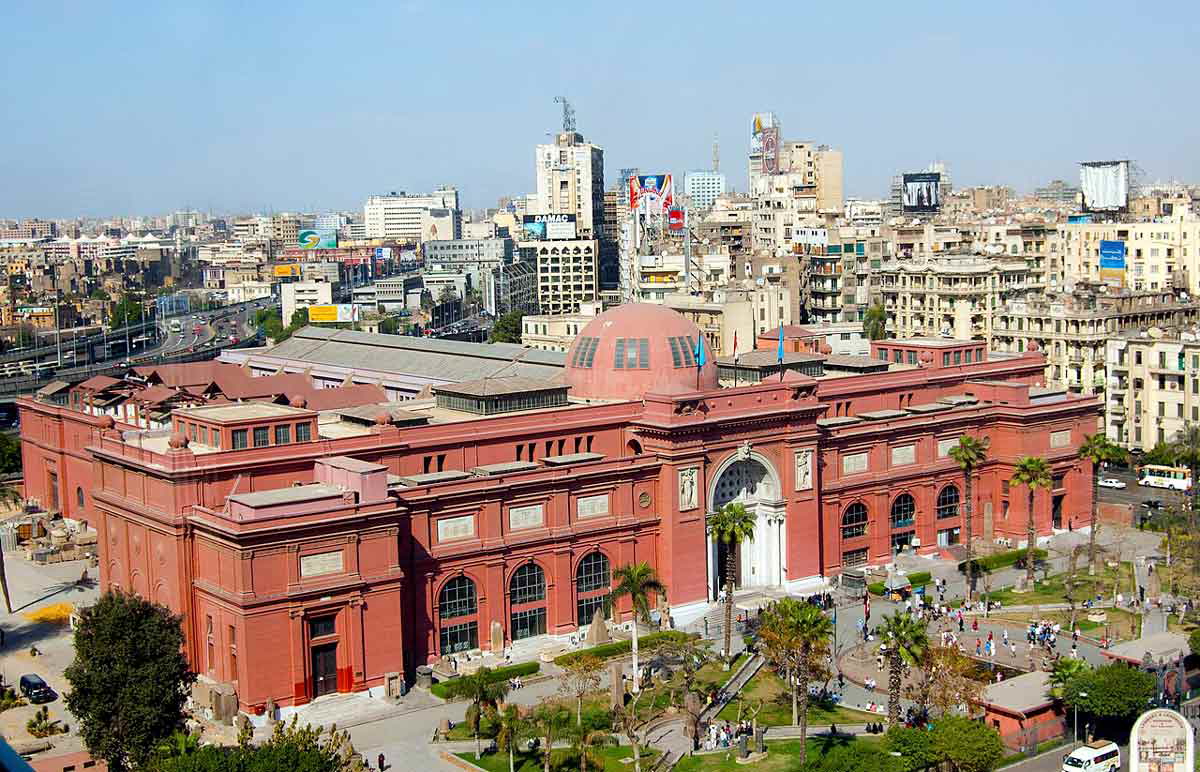
Conceivably, it was possible that an endorsement of the Petrie method could result in more material flowing into Egypt’s National Museum if more finds were being secured. This is precisely what happened. The Egyptian Museum outgrew its home in Bulak and was moved to a purpose-built home in Tahrir Square, Cairo. Within four decades of opening, the new museum had become sufficiently crammed with antiquities that another even larger museum was considered, though nothing came of this at the time. It is impossible to say how much of this would have been dispersed and smuggled to Europe or the Americas had partage not been implemented (Abt, 1996).
Partage in Practice
Partage evolved over the course of the first four decades in which it was in force. At the end of each season, excavators were legally obliged to show finds to the director of antiquities or a deputy at the Cairo Museum. Here, the finds were split on a 50-50 basis, with the Egyptian antiquities service taking the first pick. Unique finds were reserved for Cairo. Royal finds were barred from leaving the country.
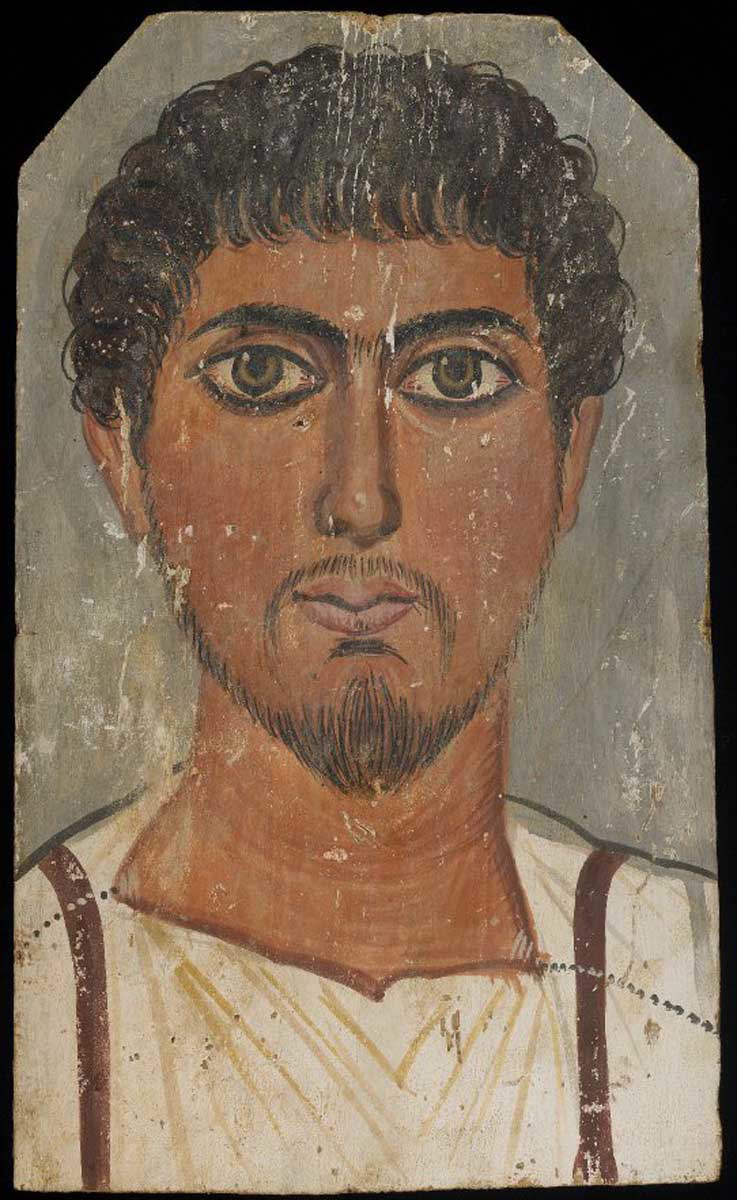
Petrie and others usually took home “duplicates” of finds. For instance, Petrie was permitted to export several hundred shabtis from excavations at Hawara under the agreement. Yet in other cases, he was forced to give up finds, including the best quality Fayum mummy portraits. These depicted Greek and Roman-era Egyptians with what (at first sight) seemed striking realism. Nevertheless, Western museums possess an impressive collection of these portraits, and the Petrie Museum in London has a particularly notable collection (Drower, 1985).
Other institutions received large quantities of artifacts. Although the more prestigious national and regional museums took the lion’s share, all those who sponsored a Petrie excavation were technically eligible, and generally received divisions proportionate to the funding provided. In this way, many small provincial towns in Britain received collections of trinkets. Museums in the Americas, Australia, New Zealand, South Africa, and Japan also took part, and received items. In an odd quirk of history, a postwar dark age of funding cuts in Britain’s museums saw deaccessioning of items. Some returned to Africa, though the destination was not necessarily Egypt. A collection of predynastic-era items excavated by Petrie ultimately ended up in the National Museum of Ghana.
More Antiquities in Cairo
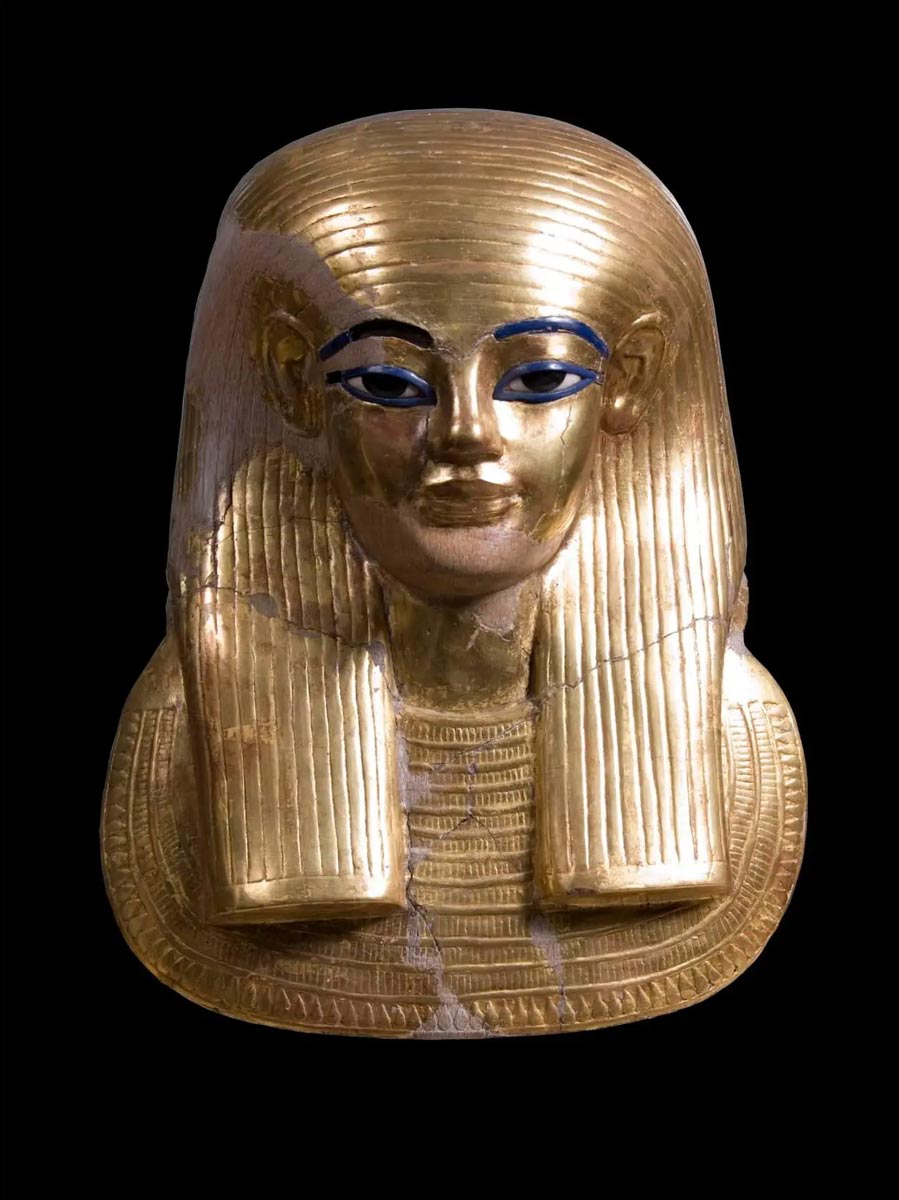
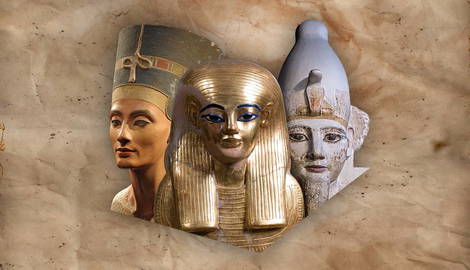
Not all excavators insisted on taking a cut. The American businessman and amateur archaeologist Theodore Davis forwent any finds from the intact tomb of the nobles Yuya and Thuya, found in the Valley of the Kings in 1905. Before the discovery of Tutankhamun, a probable great-grandson, the near-intact tomb was the most spectacular to be discovered, and its golden mummy created a media sensation upon their discovery (Adams, 2013).
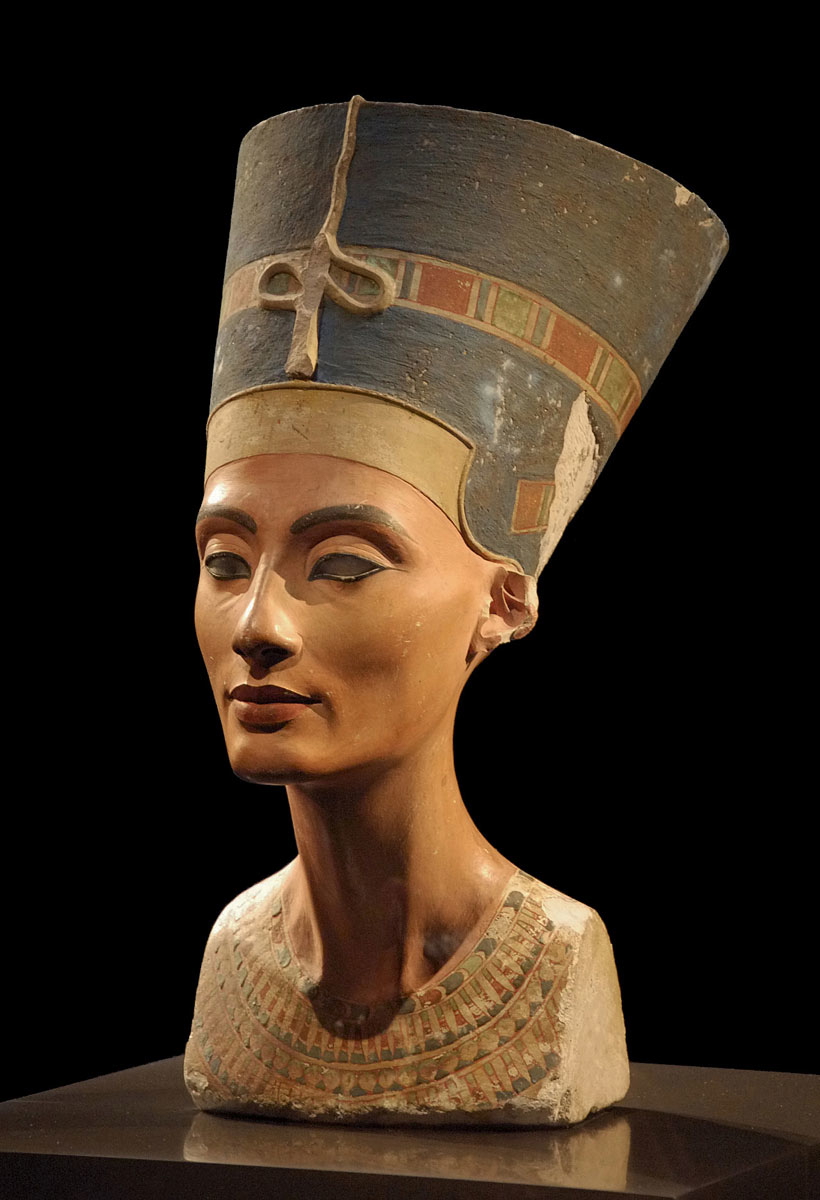
Inevitably, some decisions raised eyebrows. In 1912, the German Egyptologist Ludwig Borchardt was granted a bust of a woman, still bearing its original colors, but marred somewhat by a missing eye. When the bust was revealed in Berlin, a storm ensued. The woman turned out to (most probably) be Nefertiti, one of ancient Egypt’s most iconic figures.
There have been accusations of foul play ever since. According to one line of speculation, Borchardt may have coated the bust in mud to hide its beauty. It is possible that the antiquities service failed to anticipate the bust’s rise to rock star status, and instead went for a series of impressive relief scenes at the finds division (Wilson, 1964). It was neither the first nor the last time that an artifact, once moved from Egypt, accumulated an entirely new set of meanings beyond those it possessed in ancient times.
Tutankhamun and the End of Partage
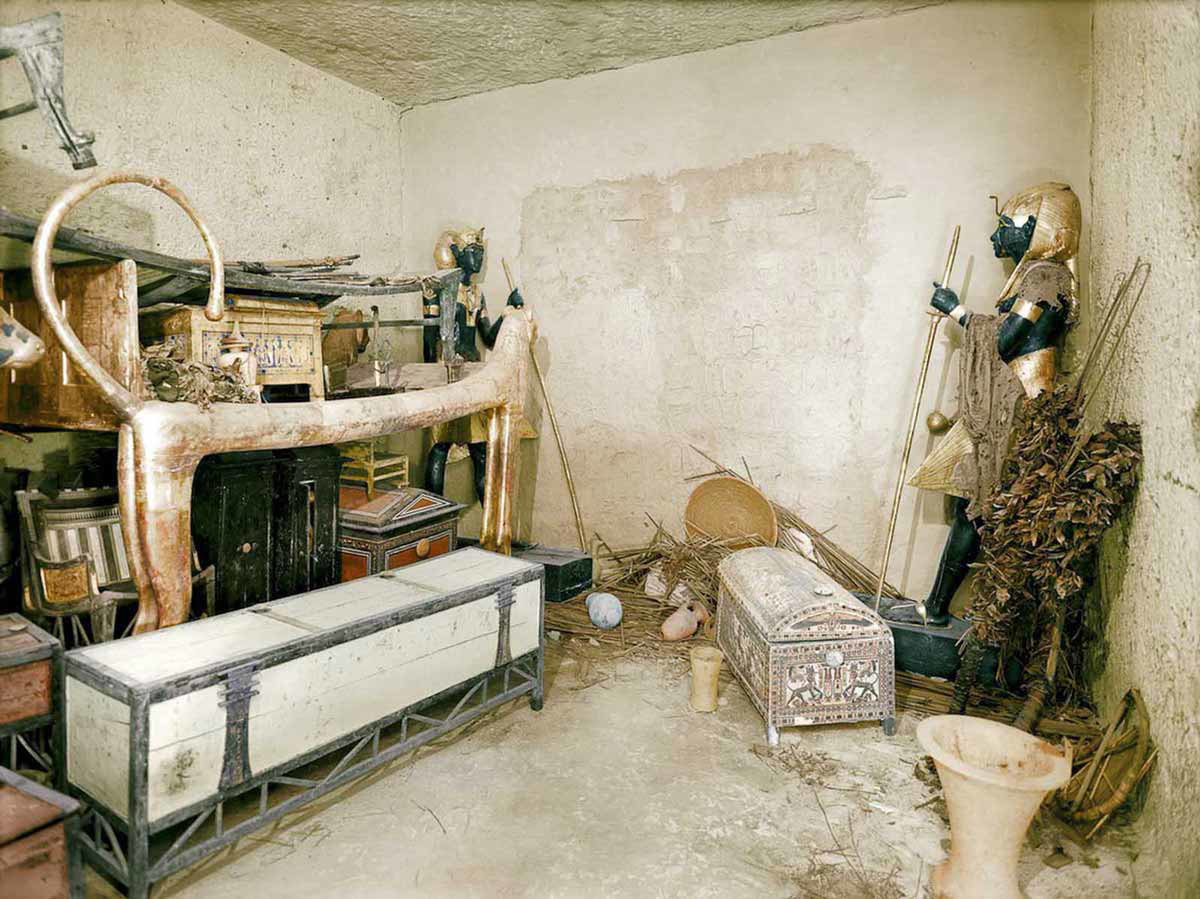
The end of partage in its traditional form came with Egyptian independence in the early 1920s. In 1922, Howard Carter found the tomb of Tutankhamun. Carter’s patron, Lord Carnarvon, was arguably eligible for a share of the finds. By 1924, such a prospect was unacceptable to Egypt’s government, headed by the Wafd nationalist Saad Zaghloul. A little-known episode of the greatest archaeological discovery in history is that Carter, caught up in a political storm, went on strike and was locked out of working on the tomb for several months. When he returned, it was made clear that the old system of partage was no more (James, 1992; Reid, 2015).
German Egyptologists fared worse still. When their government refused King Fuad’s demand for Nefertiti’s bust, they were banned until 1929. By that time, many foreign archaeological missions, dependent on museums hopeful for finds to exhibit, pulled out of Egypt altogether. As a result, the 1930s and 1940s were relatively quiet ones as far as archaeology was concerned, with the notable exception of intact tombs at Tanis.
Partage Revived
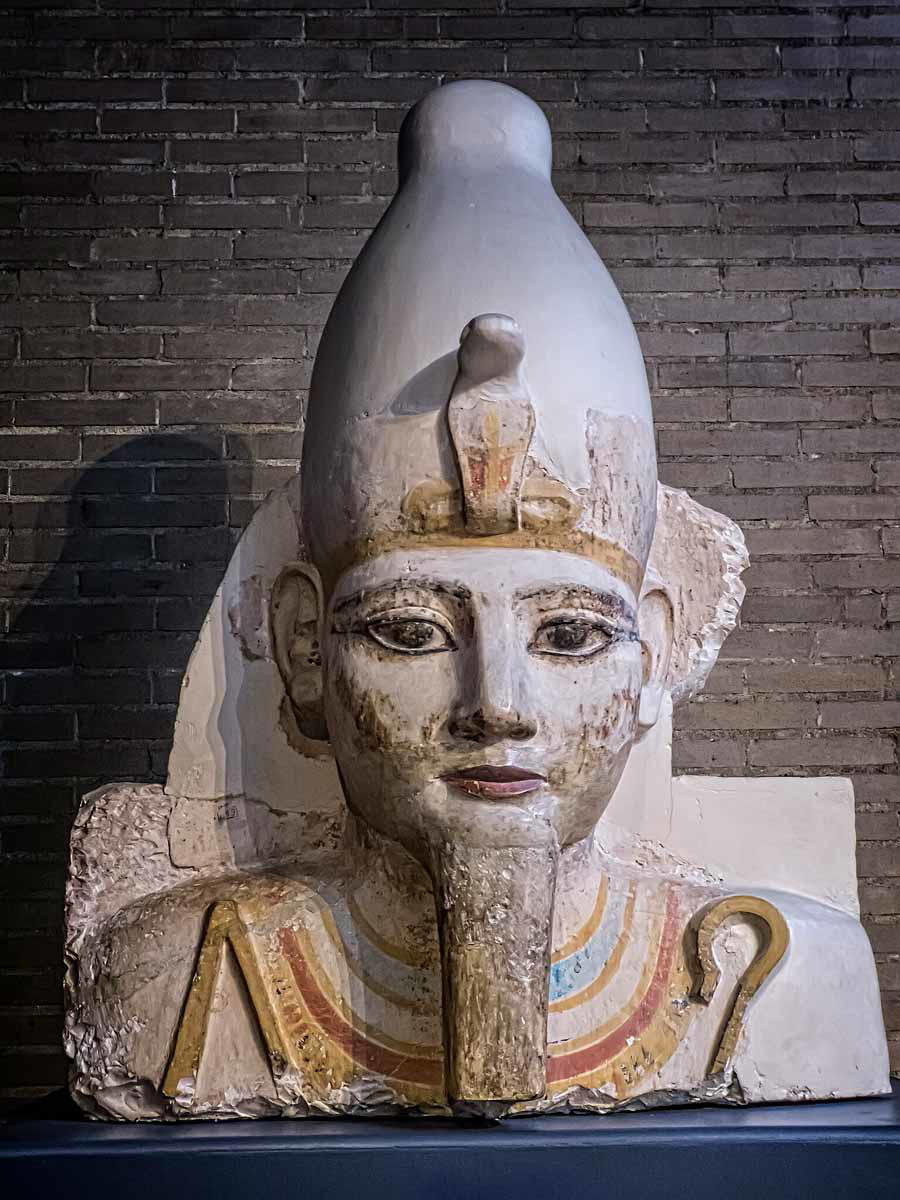
Curiously, partage had a brief afterlife following the Egyptian Revolution in 1952. In an effort to raise living standards, Egypt’s President Nasser announced plans to build a new mega-dam at Aswan. The dam would provide flood protection and secure food supplies. The cost was that thousands of square kilometers would be inundated, along with important Nile-side temples, including Abu Simbel.
A rescue program, predominantly backed by Western governments, raised millions to move the most important Egyptian monuments to higher ground. The Egyptian government parted with some of its cultural capital in exchange. It promised concessions for Western excavators and resumed the practice of partage, promising to allow the export of at least 50% of finds.
As a result of the flooding caused by the dam project, four entire temples, of Dendur, Debod, Taffeh, and Elleysia, were gifted to the United States, Spain, the Netherlands, and Italy, where they remain to this day (Fletcher-Jones, 2020).
Select Bibliography
Abt, J. (1996). “The Breasted-Rockefeller Egyptian Museum Project: Philanthropy, Cultural Imperialism and National Resistance.” Art History, 19, 4, 551-572.
Adams, J. (2013). The Millionaire and the Mummies. St. Martin’s Press: New York.
Drower, M. (1985). Flinders Petrie: A Life in Archaeology. The University of Wisconsin Press.
Fletcher-Jones, N. (2020). Abu Simbel and the Nubian Temples. The American University in Cairo Press
James, T.G.H. (1982). Excavating in Egypt: The Egypt Exploration Society, 1882-1982.
James, T.G.H. (1992). Howard Carter: The Path to Tutankhamun. Tauris: London.
Petrie, T. (1883-1884). Journal, pp. 104, 123, 176. Griffith Institute, Oxford.
Petrie, F. (1931). Seventy Years in Archaeology. Sampson Low.
Reid, D.M. (2015). Contesting Antiquity in Egypt. The American University in Cairo Press.
Stevenson, A. (2019). Scattered Finds: Archaeology, Egyptology, and Museums. UCL Press.
Thompson, J. (2015). Wonderful Things: A History of Egyptology vol. 2.
Wilson, J. (1964). Signs and Wonders upon Pharaoh. The University of Chicago Press.