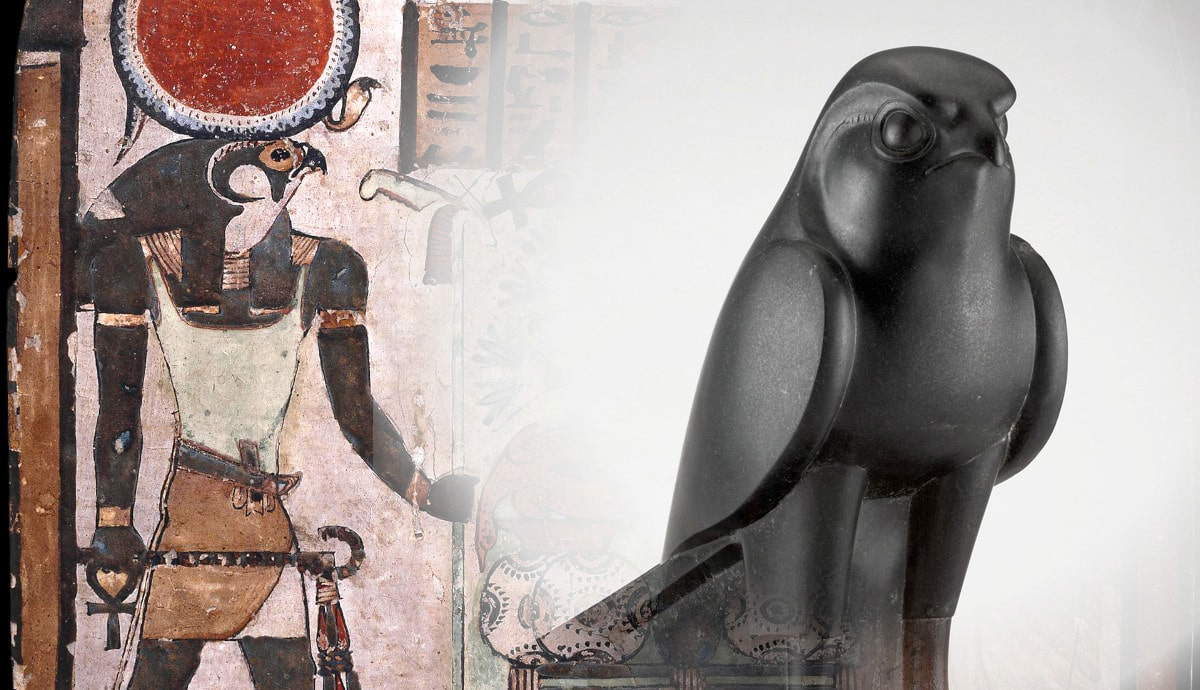
The pharaoh ruled the Egyptian state as the incarnation of the divine on earth. But within a culture deeply rooted in religion, the priesthoods of the most important Egyptian gods were also incredibly powerful and wealthy, with far-reaching political influence. Their roles extended well beyond spiritual rituals, encompassing the management of temple wealth, regional power dynamics, and holding specialized knowledge. From the pre-eminent priesthoods for Amun and Ptah, to the regionally significant priests of Khnum and Sobek, and the specialized functions of the priests of Thoth, Osiris, and Anubis, these priesthoods shaped Egyptian society. Their rise, dominance, and eventual decline reveal the profound interplay between divine authority and politics.
Divine Foundation: How Egyptian Priests Became Power Brokers
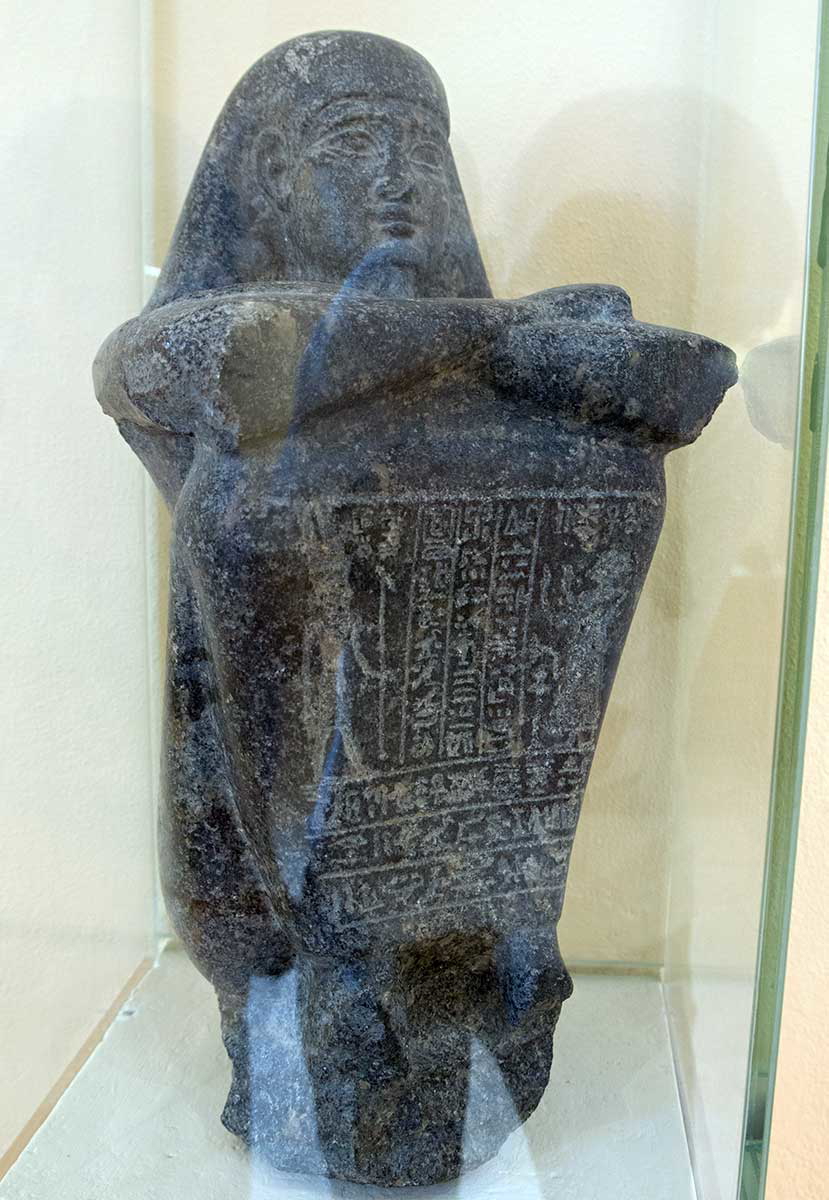
In ancient Egypt, the universal concept of Ma’at, the cosmic order of balance and justice, was the religious foundation of society. According to early myths, Ma’at was established by the gods and governed every aspect of life, from the forces of nature to everyday human behavior.
The pharaoh, as the living embodiment of the god Horus and the son of Ra, was supposed to manage and maintain this delicate balance on earth. However, as the domain of the pharaohs grew with territorial acquisition, the expanding scale of this responsibility required increasing delegation to other officials.
As such, priests became the pharaoh’s intermediaries, entrusted with sacred rituals and the management of temples to maintain Ma’at. However, their role was not limited to religious duties, as they were also administrators, scholars, and politicians.
Their oversight therefore extended well beyond spiritual functions, encompassing political and administrative responsibilities. Even lower-ranking priests contributed to the temple economy, which controlled vast resources, including land, labor, and trade.
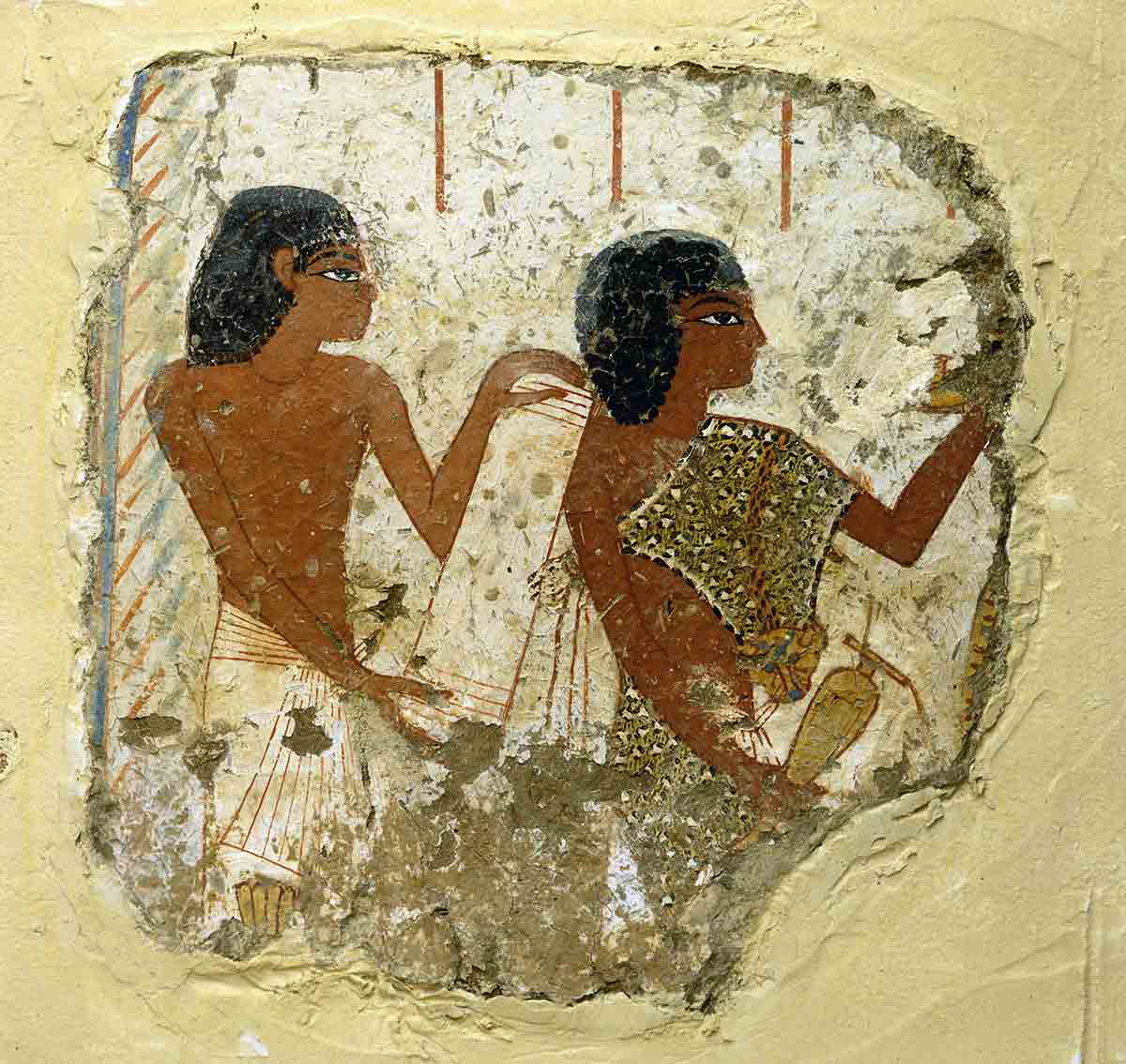
As a result, the priests of ancient Egypt in many ways constituted its early aristocracy, functioning as a distinct class at the top of Egyptian society. This was cemented by the fact that a number of priestly positions became increasingly hereditary, passing down through generations of the elite.
As Herodotus notes in Book 2 of his Histories, the priesthood’s influence was further reinforced by their disciplined lifestyle, and their reputation as keepers of secret knowledge. Later, Diodorus Siculus in Book 1 of his Library of History states, “they are exempt from all public burdens and enjoy great honors. They are entrusted with the care of temples and the performance of sacrifices.”
This combination of spiritual authority, economic power, and moral discipline made the priesthood a cornerstone of Egyptian society. In fact, over time their influence grew to rival and disrupt that of the pharaohs, setting the stage for their pivotal role in Egypt’s history.
Temple Economy: The Seat of Priestly Power
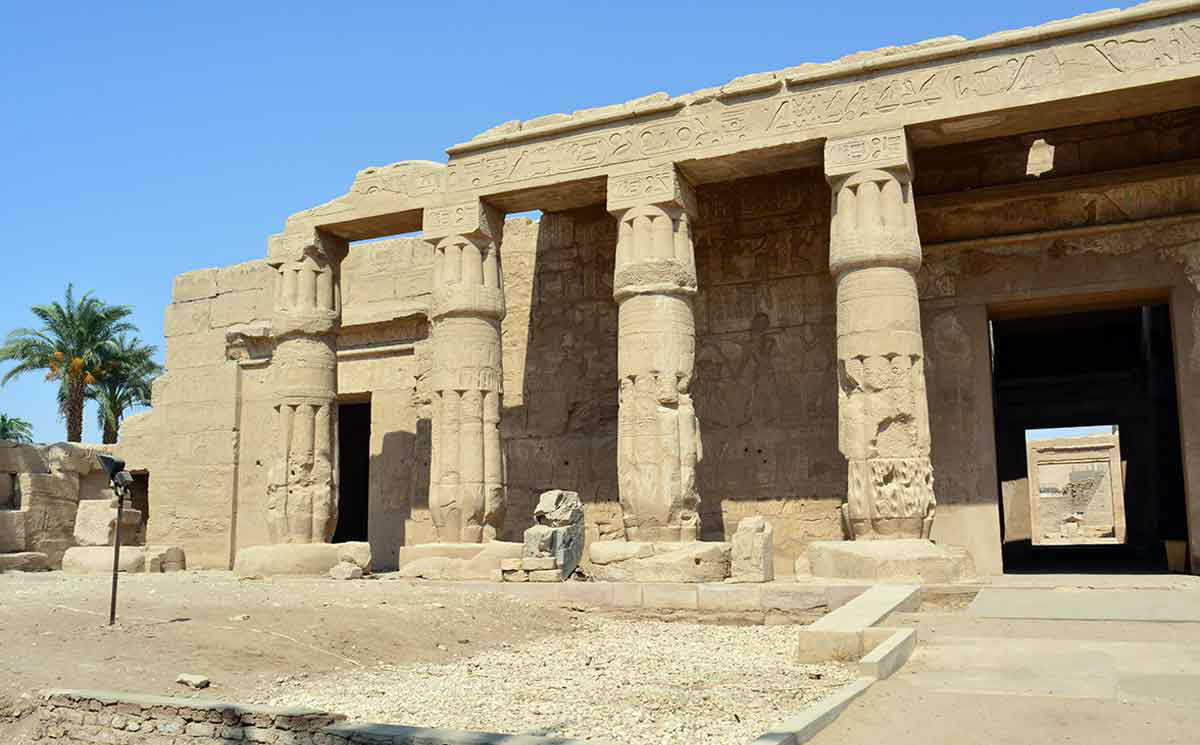
Temples were the epicenters of this priestly system, serving as both religious sanctuaries and economic hubs. While some temples were very localized, with scarce resources to propitiate smaller deities, others could have much broader regional resources and importance.
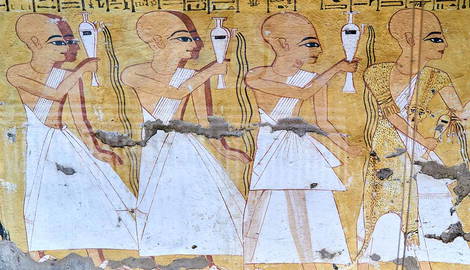
Central to the temple’s religious operations were the daily rituals carried out by the priests and their staff. These mainly involved washing and cleaning the temples and their statues, as well as a carefully coordinated system of offerings in which food, drink, and goods were offered to the gods, sometimes in very exclusive parts of the temples.
From the earliest dynasties, temples also managed vast estates, collected taxes, and facilitated trade, making them integral nodes of the civilisation’s economy. By the New Kingdom (1550–1070 BC), they had evolved into sprawling institutions that controlled significant portions of Egypt’s arable land. The priesthood, as the stewards of these temples, therefore, were influential across Egyptian society, wielding immense economic and political power.
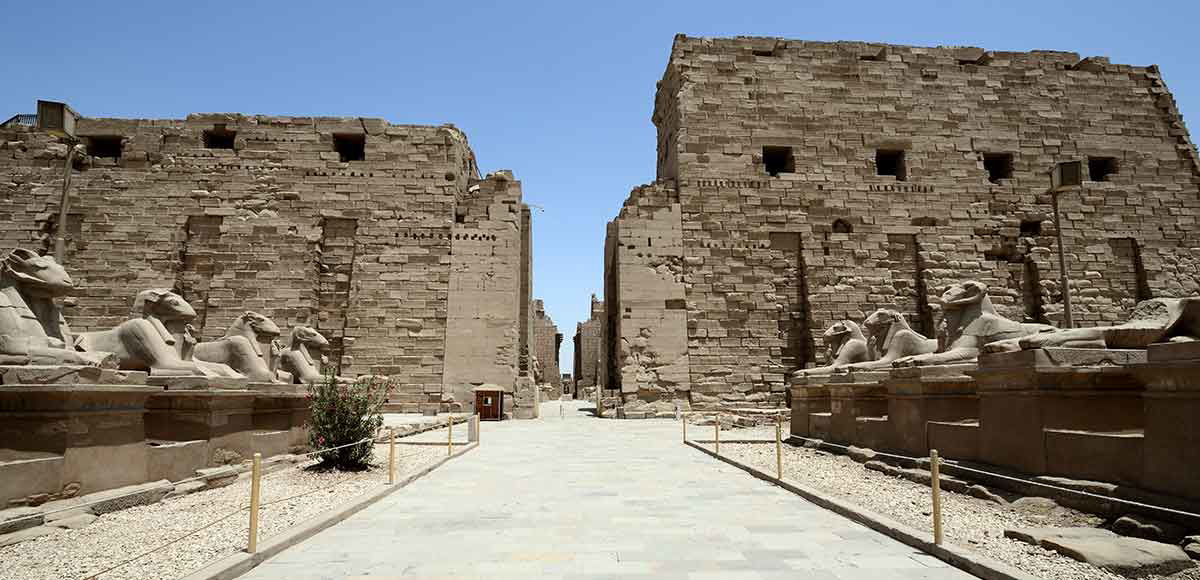
Due to the scale and variety of these responsibilities, priestly hierarchies were also meticulously organized to manage their resources. High priests, often drawn from elite families, oversaw temple estates and coordinated with the state, whilst lower priests fulfilled more of the mundane administration and care of the temples.
As part of the long-term enrichment of the temple economy, temples like Karnak and the Ptah temple at Memphis amassed extraordinary wealth. The temples of Amun alone controlled nearly a third of Egypt’s cultivated land at their peak during the late New Kingdom. This wealth translated into pre-eminent political influence, enabling priests to act as kingmakers and, eventually, as rulers as well.
Beyond economic functions, temples were also the centers of sacred and specialized knowledge. Amongst other things, this encompassed mummification and funerary practices, reinforcing their authority over life and death in a society that was obsessed with the afterlife.
Supreme Priesthoods: Amun and Ptah
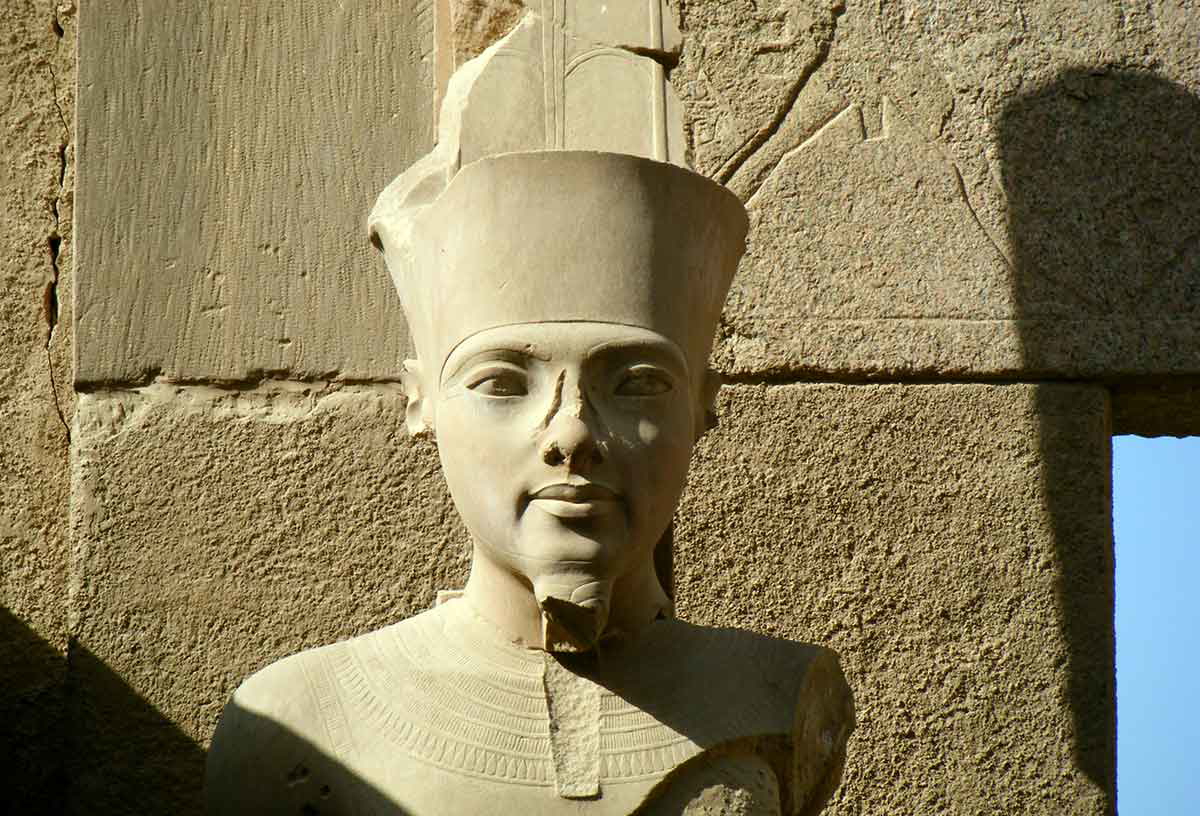
Among ancient Egypt’s many priesthoods, the Priesthood of Amun at Thebes was considered the most powerful. Emerging during the New Kingdom (1550–1070 BC), this priesthood rose to prominence through the patronage of rulers like Hatshepsut and Thutmose III, who elevated Amun to the king of the gods, equating him closely with the pharaohs themselves.
Amun originated as part of the Ogdoad, a group of eight primordial deities worshiped in Hermopolis, representing the fundamental elements of creation. The Ogdoad consisted of four male-female pairs symbolizing abstract concepts like darkness, water, infinity, and hiddenness, with Amun and Amaunet embodying the unseen forces, such as air or the hidden aspects of existence.
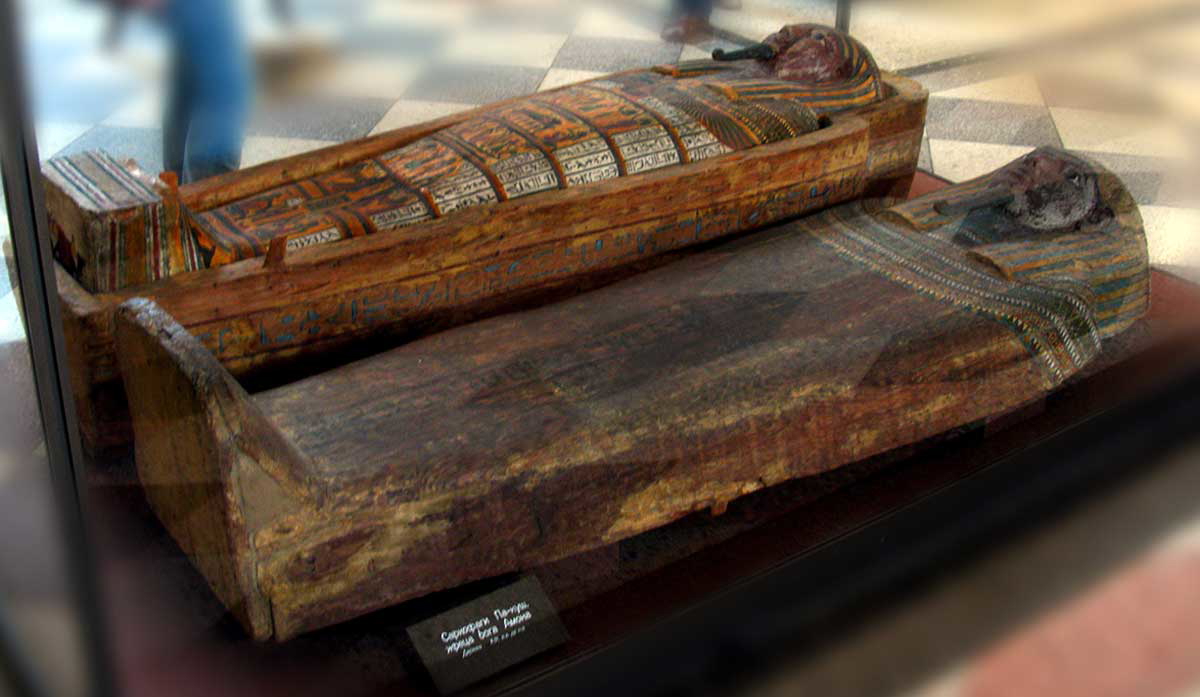
Amun’s worship grew in Thebes, where he became linked to kingship and later merged with Ra to form Amun-Ra, the supreme god of creation, kingship, and cosmic order, central to New Kingdom religion.
The priests of Amun controlled the vast temple complexes at Karnak and Luxor, amassing wealth and influence that eventually rivalled the pharaohs. Some of their high priests, such as Herihor and Pinedjem I, even became Pharaohs during the 21st dynasty.
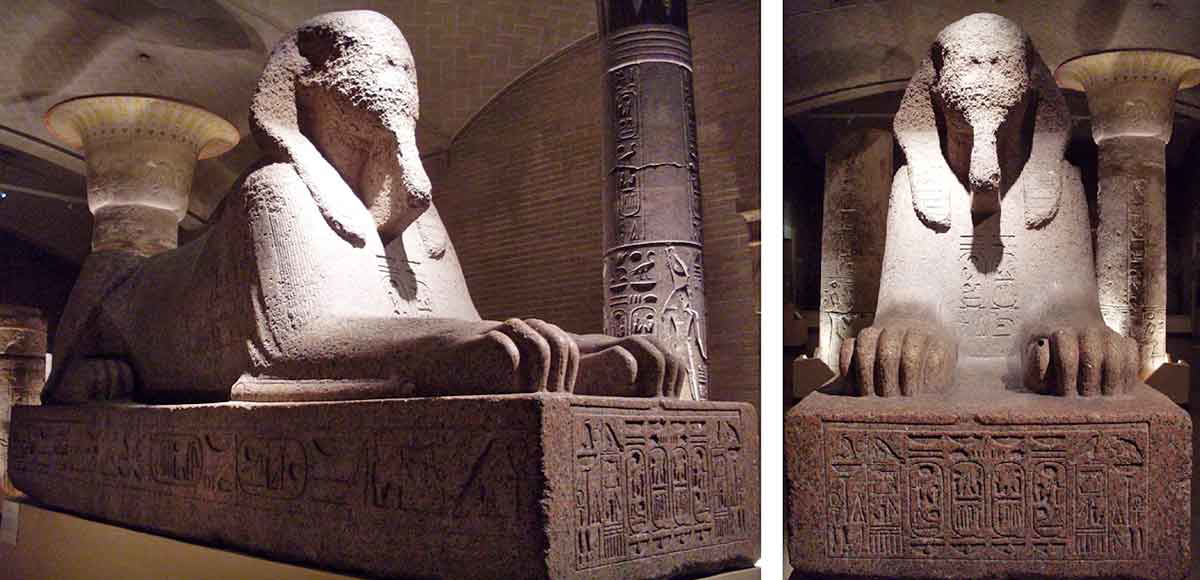
The Priesthood of Ptah at Memphis, though less politically dominant than Amun’s, held immense prestige in ancient Egyptian society as well. Serving the creator god Ptah, the High Priests bore the title “Greatest of Craftsmen,” reflecting their deep connection to artisanship, creation, and divine craftsmanship.
Ptah, the patron deity of craftsmen, builders, and architects, was believed to have created the world through thought and speech, embodying the intellectual and creative forces of the universe. This association extended to kingship, as Ptah was considered the divine craftsman who shaped the pharaoh’s ka (spiritual essence), reinforcing the ruler’s divine legitimacy.
The priesthood’s influence expanded beyond religious rituals, as they played a significant role in state ceremonies, particularly royal coronations, where their involvement underscored the divine approval of kingship. Ptah’s prominence in Memphis, which was a major cultural and political center, further elevated the status of his priesthood.
Regional Powerhouse Priesthoods: Khnum, Min, Sobek, and Neith
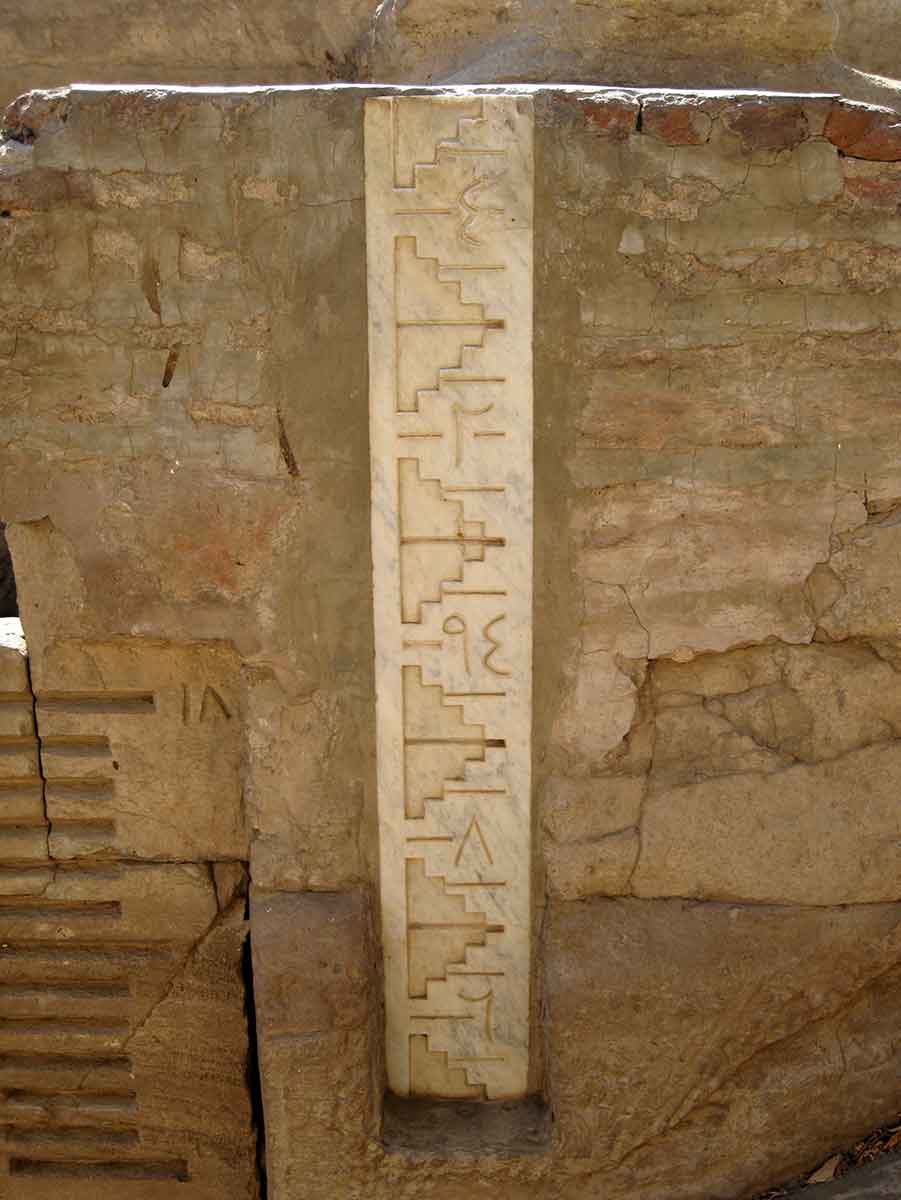
Regional priesthoods were vital to managing Egypt’s vast territories, with deities and their associated priesthood playing a critical role in local governance, economy, and religion.
The Priesthood of Khnum at Elephantine, for instance, held immense influence due to their control over the Nile’s First Cataract, a key region for trade with Nubia (to the south) and the source of the Nile’s life-giving inundation. Khnum, worshiped as a creator god and the “Potter of Mankind,” was believed to control the floodgates of the Nile, ensuring the annual inundation that sustained Egypt’s agriculture.
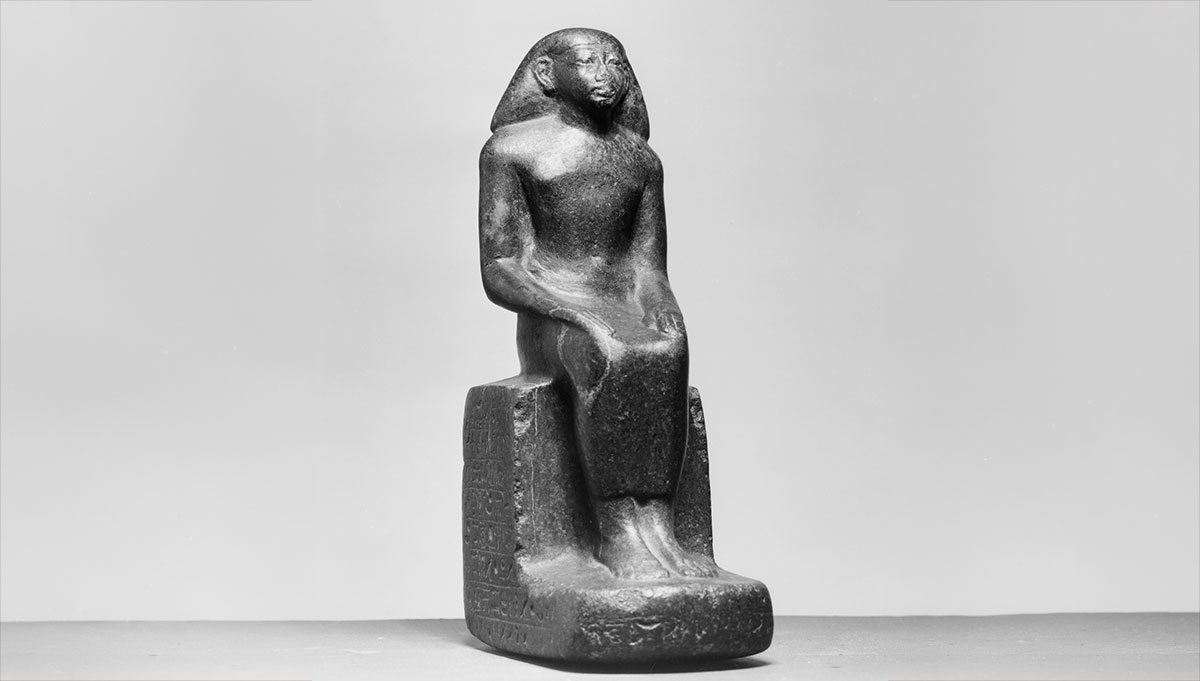
His priests monitored the Nile’s water levels using a Nilometer and were responsible for placating Khnum to secure a balanced flood. Their economic power was further bolstered by their management of granite quarries and their association with the “Famine Stela” legend, which linked Khnum to the end of a devastating drought during the pharaoh Djoser’s reign.
The Priesthood of Min at Coptos dominated desert trade routes, overseeing expeditions to Punt and the eastern desert mines. Min, a fertility and harvest god, was also associated with the wealth generated from these trade monopolies, particularly during the Middle Kingdom. His priesthood’s control over these lucrative routes made them a significant economic force in the region.
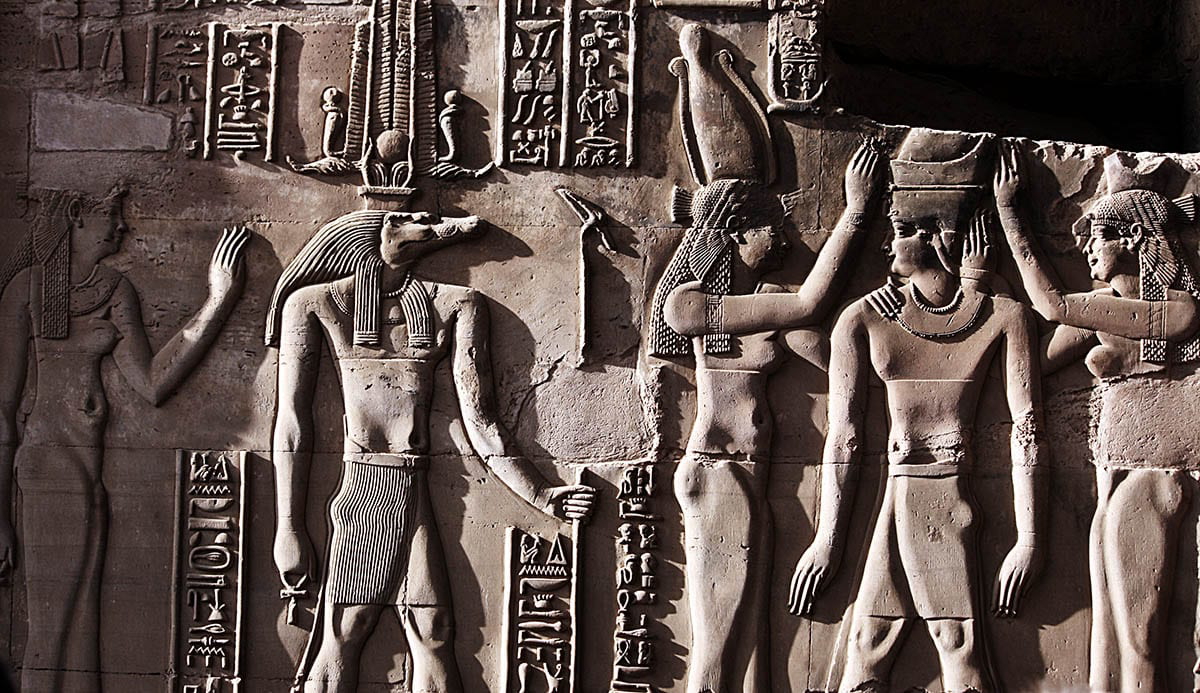
The Priesthood of Sobek in the Fayyum region managed the fertile lands of this territory and its crocodile cults, reflecting Sobek’s dual role as a protector and a symbol of the Nile’s might. Sobek’s priests were therefore instrumental in maintaining agricultural prosperity and local stability.
Meanwhile, the Priesthood of Neith at Sais rose to prominence during the Saite Period, rivalling even the Theban Amun priesthood at one time. Neith, a goddess of war and weaving, was revered as a creator deity and a protector of the state, with her priesthood playing a key role in the political and cultural revival of the 26th dynasty (664-525 BC).
These regional priesthoods not only ensured the stability and prosperity of their respective areas but also contributed to the broader patchwork of the Egyptian state, balancing local autonomy with centralized governance.
Specialized Power Centers: Thoth, Anubis, and Osiris
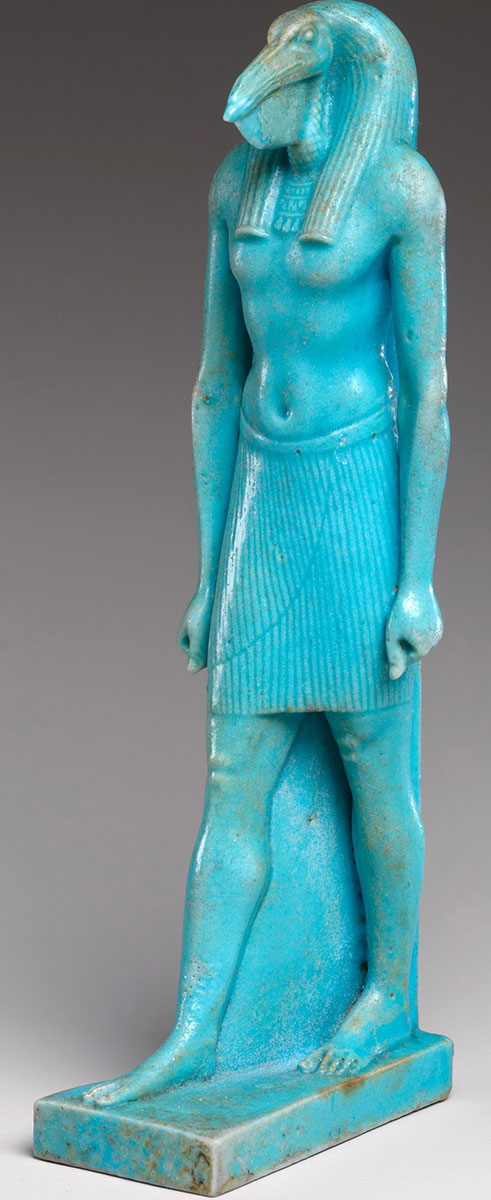
Specialized priesthoods also played a crucial role in Egyptian society by focusing on specific aspects of religion, culture, and administration. The Priesthood of Thoth at Hermopolis, for example, was a hub of intellectual and magical knowledge, overseeing scribal education, legal traditions, and the preservation of sacred texts.
Thoth, the god of wisdom, writing, and the moon, was central to Egyptian cosmology, and his priests were instrumental in maintaining the administrative and intellectual framework of the state. Their association with the sacred ibis and baboon cults further emphasized their unique cultural significance, as these animals symbolized Thoth’s attributes of knowledge and divine order.
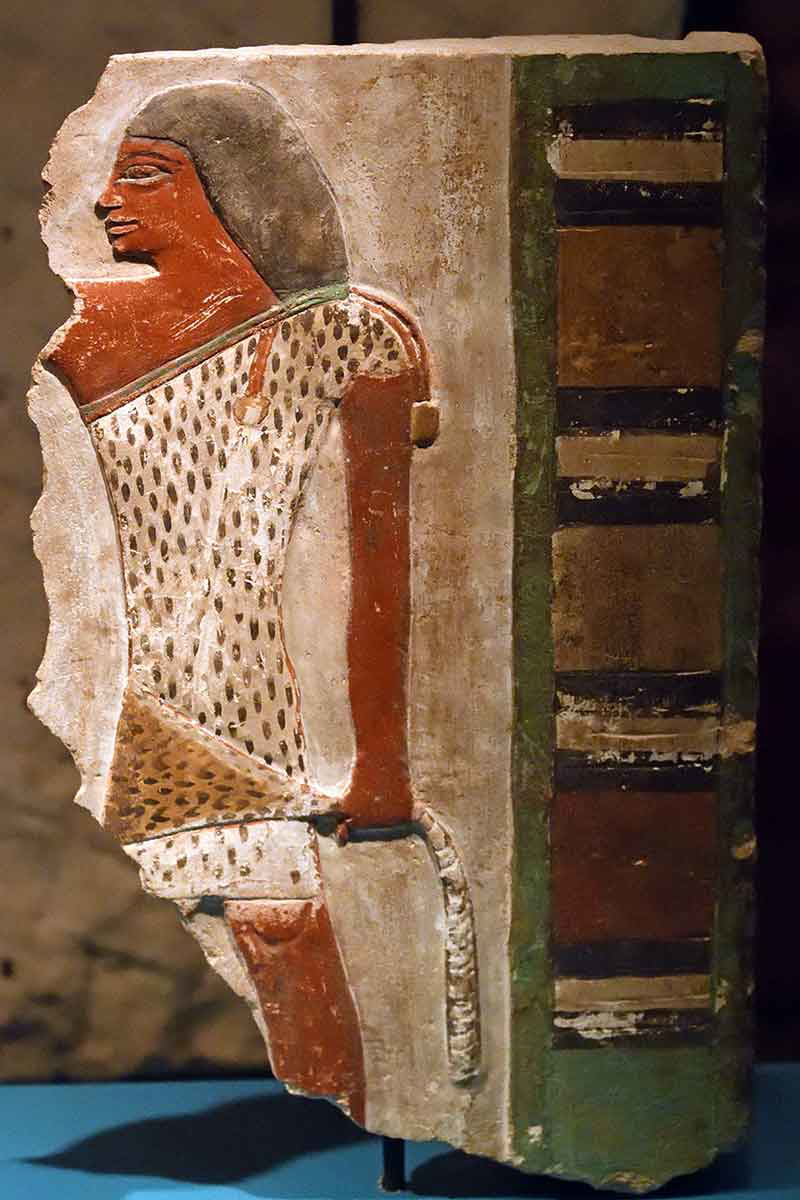
Mortuary priesthoods, such as those of Osiris and Anubis, held enduring influence over Egyptian spiritual life as well. The Priesthood of Osiris at Abydos managed Egypt’s most sacred burial ground, which was central to afterlife beliefs.
Abydos became a major pilgrimage site, and the priests controlled the associated economy, reinforcing Osiris’s role as the god of the dead and resurrection. Their rituals ensured the deceased’s safe passage to the afterlife, making them indispensable to Egyptian society.
The Priesthood of Anubis, present in every major city and necropolis, specialized in mummification and funeral rites. Anubis, the jackal-headed god of embalming and protector of graves, was therefore vital to maintaining Ma’at through proper burial practices.
Collectively, these priests controlled the mortuary industry, ensuring the preservation of bodies and the performance of essential rituals, which reinforced their authority and spiritual importance.
Decline and Legacy: When Divine Power Met Foreign Rule
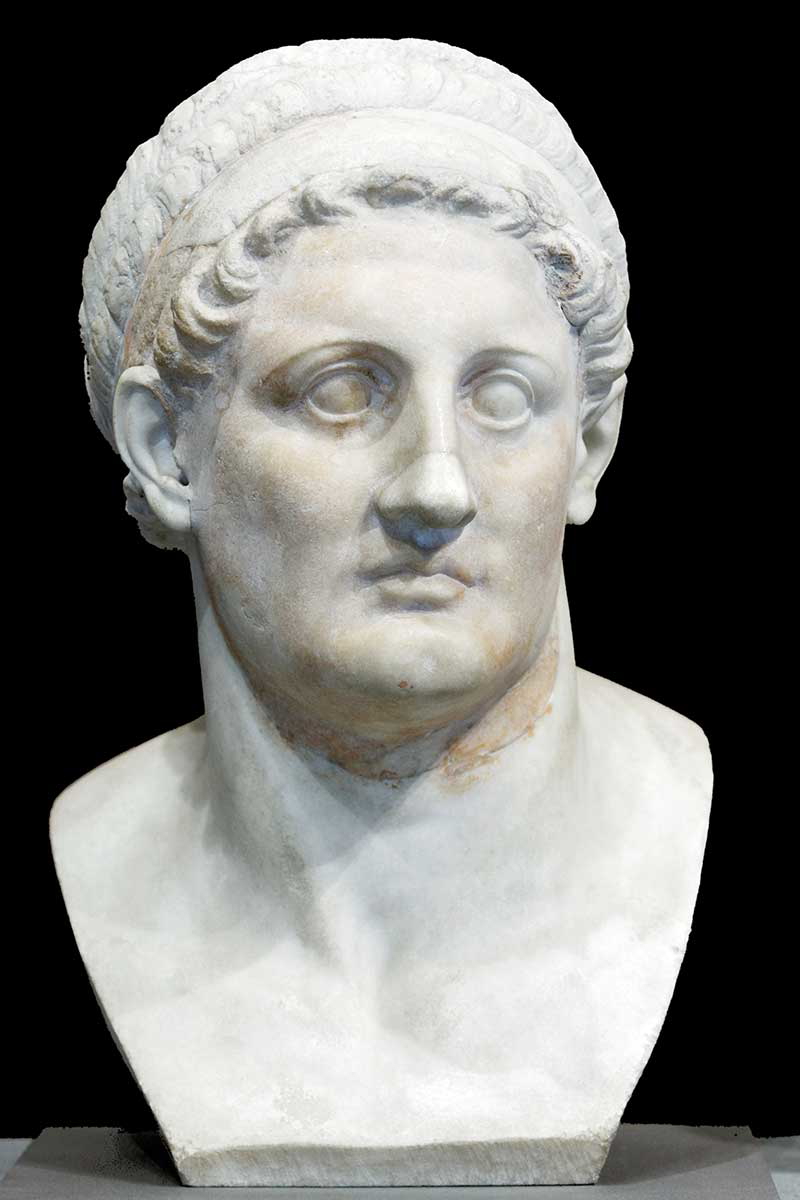
As the Egyptian civilization began to falter, the power of its priesthoods began to decline under foreign domination. Conquering Persian, Greek, and Roman rulers, wary of the priesthoods’ overarching influence, sought to curtail their autonomy.
Whilst the Persians and Ptolemies co-opted the priesthoods by integrating them into the state apparatus, the Romans imposed stricter controls. Despite these efforts, the priesthoods still retained some influence, particularly in rural areas, where traditional practices persisted.
However, the advent of Christianity marked a more conclusive turning point. As the new religion spread, Egyptian temples were repurposed or abandoned, and the priesthoods’ role in society diminished. However, their legacy endured, especially through their intellectual traditions, influencing early Christian theology as well as more “occult” movements, such as Hermeticism. Similarly, the architectural and artistic achievements of the priesthoods and their temples continued to inspire subsequent civilizations.
The story of Egypt’s priesthoods is thus a fascinating case study of the interplay of religion and power in ancient societies. By controlling access to the divine and managing the state’s resources, the priests were pivotal in shaping the course of Egyptian history. More broadly, their rise and fall serve as a testament to the enduring impact of religious institutions on human civilization.