summary
-
Archaeologists in Spain discovered an elephant foot bone dating to the Second Punic War, providing rare physical evidence of Carthaginian war elephants in Iberia.
-
The find could support historical accounts of Hannibal’s sophisticated logistics, possibly confirming Carthage transported African elephants to Spain for his legendary 218 BCE military campaign.
Archaeologists working at an Iron Age site near Corduba in southern Spain have uncovered what experts describe as an “exceptionally rare” discovery: an elephant’s foot bone was buried beneath a collapsed wall. The bone is exciting historians because it provides unique scientific evidence of Carthaginian war elephants in Iberia, and may be linked to one of antiquity’s most famous campaigns.
Hannibal’s Epic March
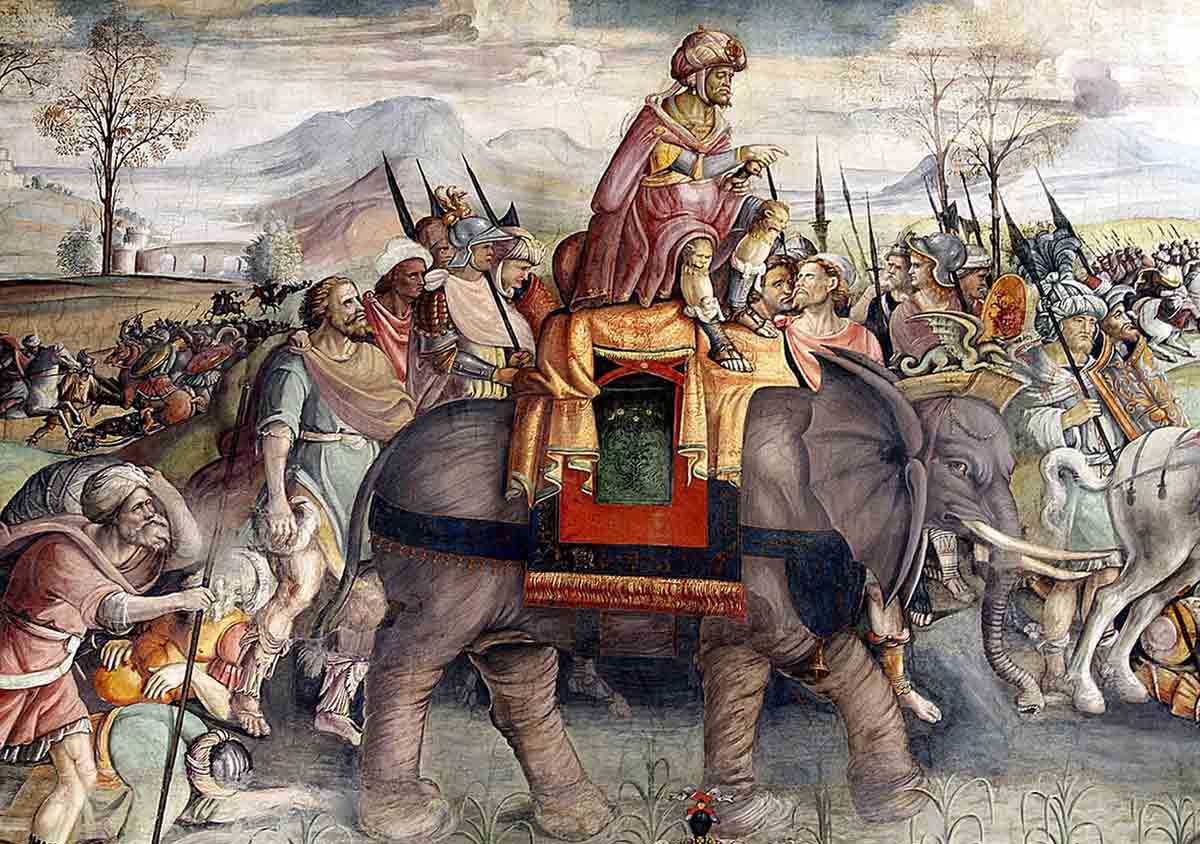
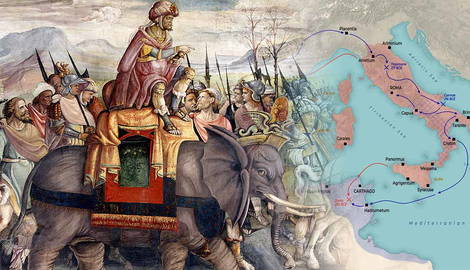
If you know your history, you’ll remember that one of the most epic military events of the ancient world took place in 218 BC. This was when the genius commander Hannibal led a major Carthaginian army from (Celto-Iberian) Spain across Provence in southern France. The march went straight over the formidable Alpine mountains to blindside the Romans and fight them in their own backyard.
The audacity, scale, and sheer logistical challenge of that march were exceptional. It delivered one of the great “oh sh*t” moments of history, severely denting Rome’s sense of domestic security.
What made this military gamble even more remarkable was that Hannibal was reported to have brought war elephants with his army, 37 animals according to the historian Polybius. The Carthaginians came from a North African power base (modern Tunisia), where the elephants would have been gathered.
Elephants were completely unknown in Europe. Although many were thought to have died during the punishing march, the psychological and cultural impact of these strange, almost mythical creatures arriving in Italy would have been enormous, deeply shocking to Rome and its armies.
New Archaeological Evidence
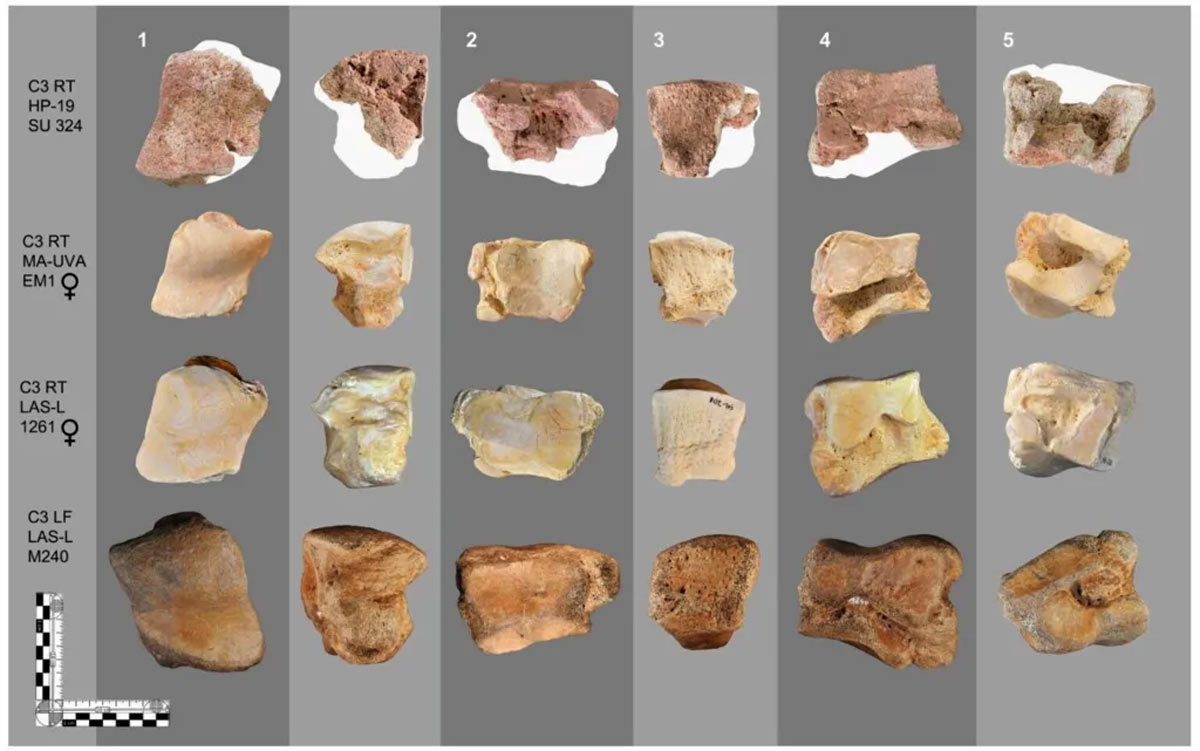
In literature, Hannibal’s exploits have long been accepted by historians. Archaeological evidence, however, has been far harder to pin down. That may now be changing with the discovery of an elephant’s foot bone near Corduba in southern Spain, which was a well-known Carthaginian stronghold. Could this be the first physical trace of Hannibal’s epic march?
Published in the Journal of Archaeological Science, a team led by Professor Rafael M. Martínez Sánchez of the University of Cordoba has caused a stir. The bone was found beneath a collapsed wall at a site called Colina de los Quemados. Carbon dating suggests it could belong to the period of the Second Punic War, the conflict sparked by Hannibal’s march on Rome.
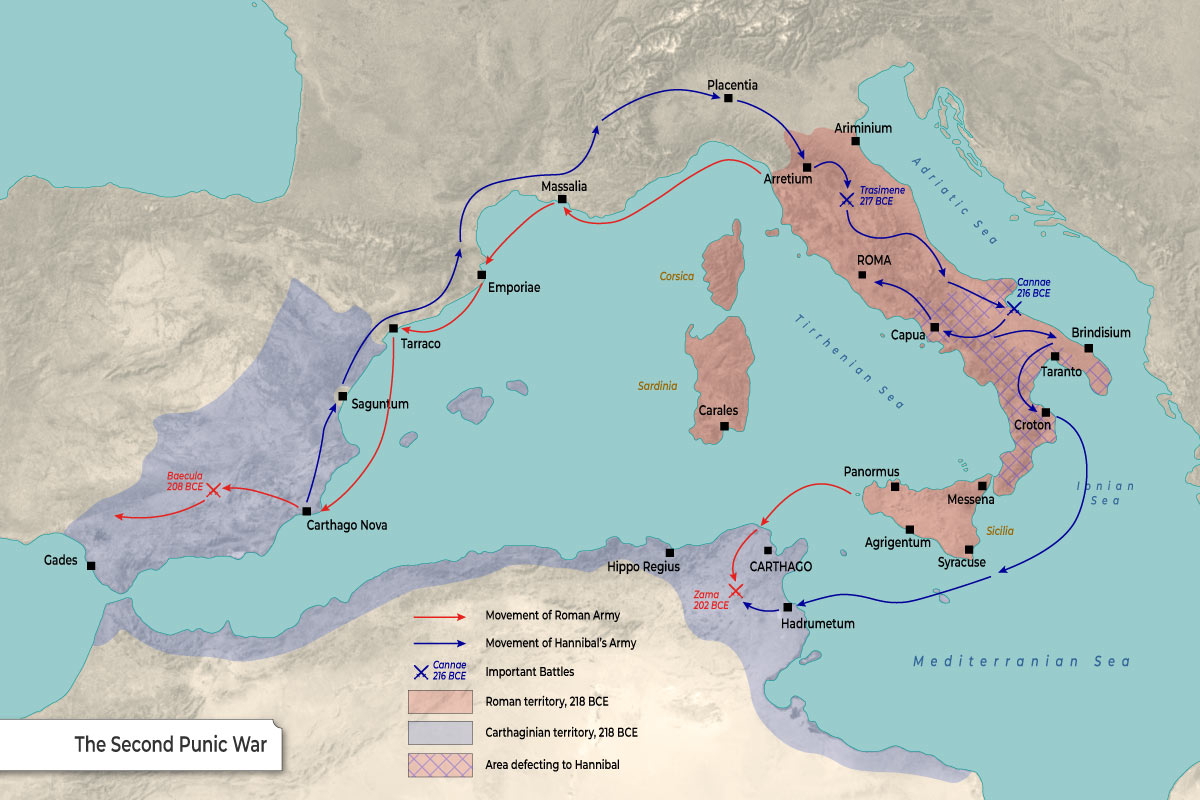
Researchers consider it unlikely that the bone was transported there after the animal’s death. Instead, they argue it strengthens the case that Carthage transported war elephants into its Spanish province, a sophisticated logistical feat in the third century BC, especially given the challenges of ancient ship-borne travel.
Whether this particular animal formed part of Hannibal’s Alpine campaign remains uncertain. If it did, the elephant would have died after being brought from Africa but before the army crossed into Italy.
Whatever the exact story behind this single bone, discoveries like this are a reminder that ancient history is not just legend and text. Periodically, science confirms what the ancient sources have long told us.
Sources
- Rafael M. Martínez Sánchez, et al. (2026) The elephant in the oppidum. Preliminary analysis of a carpal bone from a Punic context at the archaeological site of Colina de los Quemados (Córdoba, Spain), Journal of Archaeological Science: Reports, Volume 69. https://doi.org/10.1016/j.jasrep.2026.105577
- https://www.bbc.com/news/articles/cdr2xl1e41eo
- https://www.sciencealert.com/first-solid-evidence-of-hannibals-infamous-war-
elephants-discovered-in-spain - https://www.earth.com/news/archaeologists-uncover-2200-year-old-war-elephant-in-
spain/