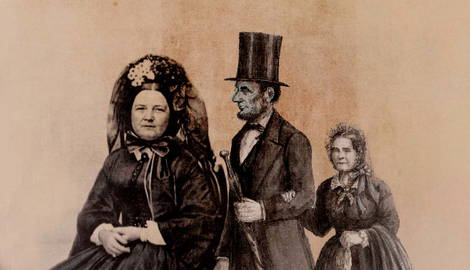

Mary Todd was born into privilege in 1818 in Kentucky. Her father was an active businessman in the area, and she had many siblings. Well-educated, Mary became part of the social scene at a young age, a status that would be further bolstered when she married up-and-coming politician Abraham Lincoln just before his aspirations proved fruitful. Despite a life that was often on the front page of the newspaper, Mary suffered at times. Grief became her constant companion, and she endured health issues. Still, she remained involved in political and social causes, raised a family, and remained a dedicated wife even long after Lincoln’s demise.
1. Mary Was Known for Her Quick Temper
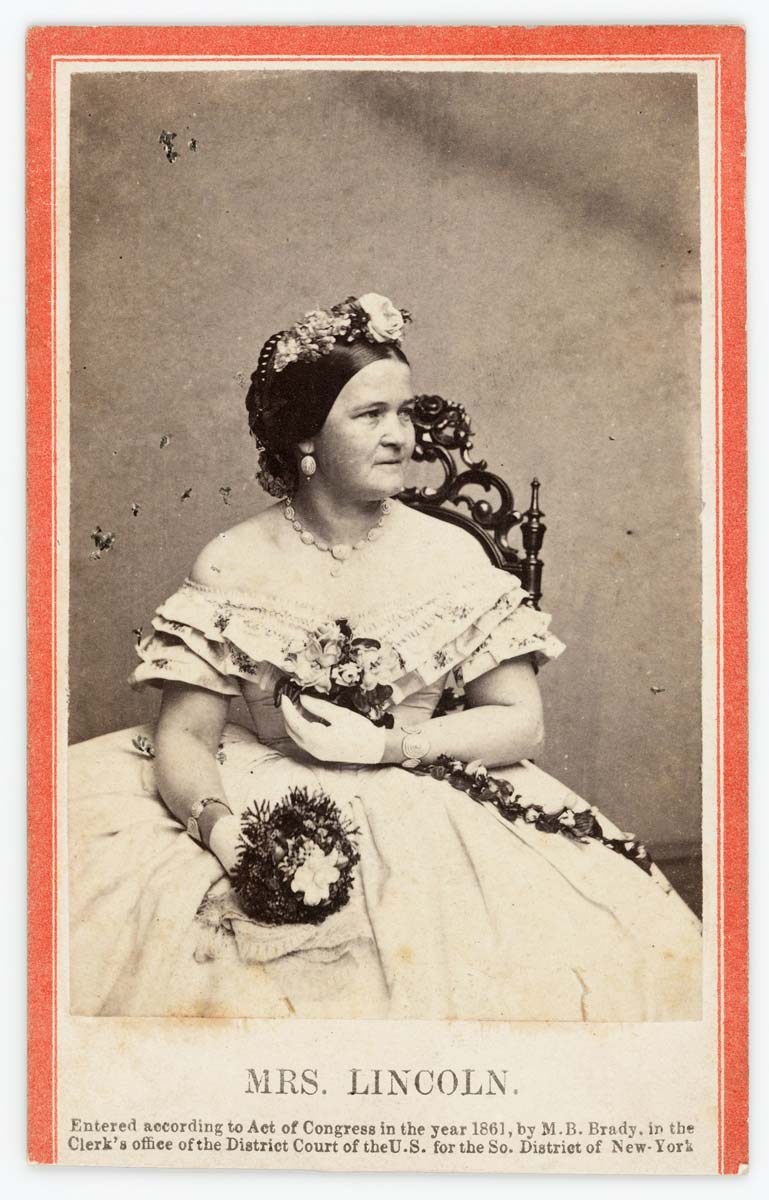
While Mary Todd Lincoln was described as possessing a “natural kindness of heart,” she was well known for her fiery temper. In fact, her husband’s private White House secretary referred to her as “the hellcat.” She was noted to often clash with hired help, even before the White House days. Her husband wasn’t immune to her outbursts, and she occasionally let loose on him with public tantrums. Some historians argue that Mary’s angry outbursts were related to medical issues, and she has been suspected of having a myriad of illnesses, including Lyme disease, “cerebral disease,” anemia, and diabetes. However, without DNA support, these diagnoses rely only on historical descriptions and cannot be proven to be factual.
2. Mary & Her Husband Were Both Motherless at an Early Age
Mary was the daughter of Robert Smith Todd and Eliza Ann Parker Todd of Lexington, Kentucky. The couple had six children in total, with Mary being the third. Their last child, George, was born in 1825, and his delivery was hard on Eliza. She died, likely from childbed fever or another complication related to George’s birth, despite the efforts of three doctors. Mary was only six at the time and devastated by the loss of her mother. Only six months later, her father remarried and went on to have several more children with his new wife. Mary’s relationship with her stepmother was tenuous, with her father’s new wife referring to Mary as “Satan’s limb.”
Early life without a mother was an experience with which Mary and her husband Abraham could relate. Lincoln’s mother, Nancy, died on October 5, 1818, at the age of 34. She is suspected to have perished from an illness known as “milk sickness.” This occurs when a cow consumes the white snakeroot plant, and toxins from the vegetation infect the animal’s milk and meat. At just nine years of age, Abraham had to help his father construct a coffin for his mother. Unlike in Mary’s experience, when Lincoln’s father remarried, he was blessed with a loving stepmother, Sarah. He described her as “a good and kind mother” who valued education.
3. She Was Fluent in French
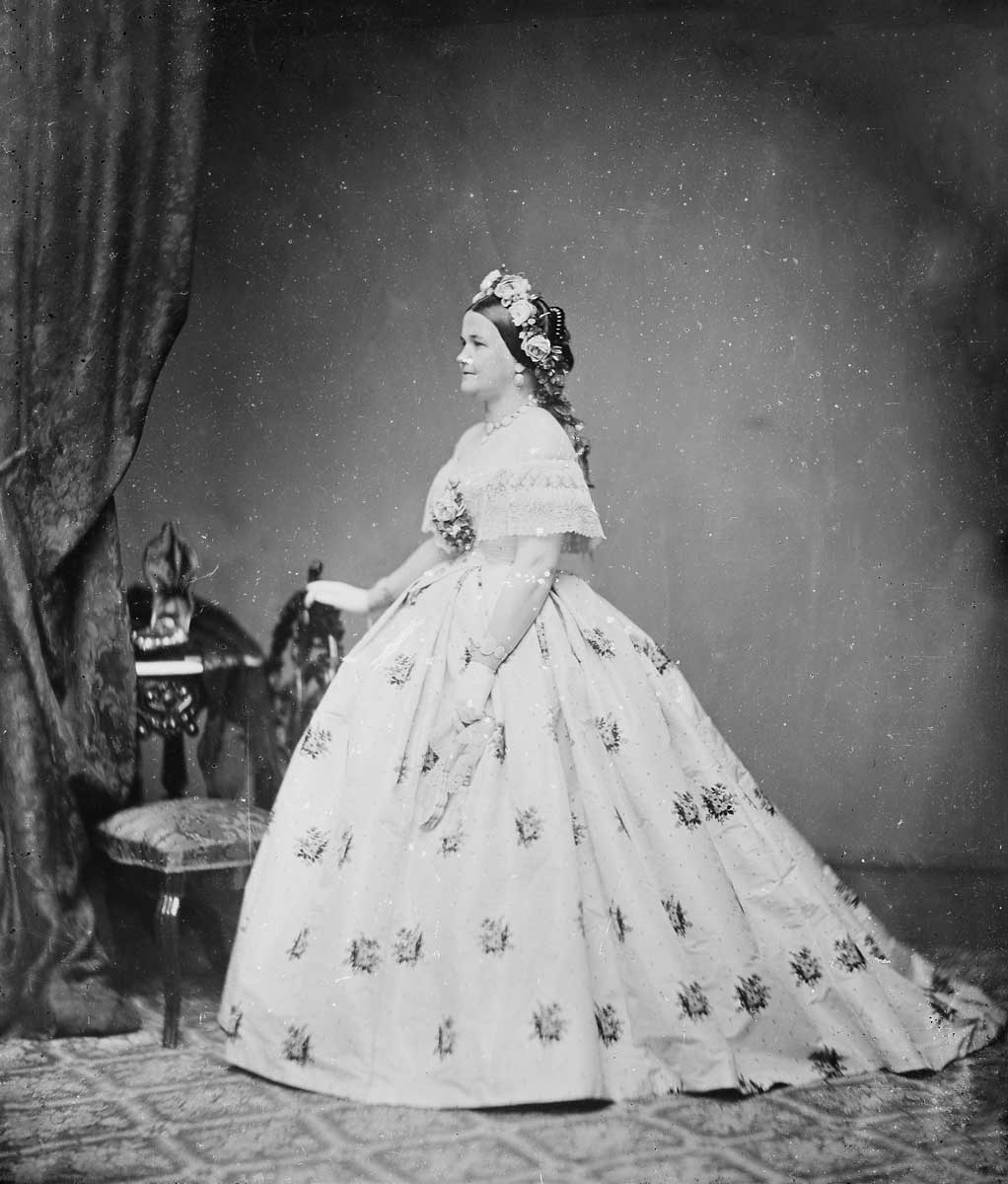
Mary Todd Lincoln was one of the best-educated women of her generation. She spent time at two boarding schools in Lexington, and her father paid extra tuition for French lessons. In addition to French, she received learning opportunities in language arts, mathematics, history, natural sciences, religion, and geography. She also participated in dances, performances, and other extracurriculars during her time at school. Her nine years of education may seem basic today, but in her day, it was extensive schooling, especially for a woman. Mary excelled in her studies and became fluent in French, even performing in plays speaking the language. In her later years, Mary spent time living in Pau, France.
4. She and Abe Were Lenient Parents
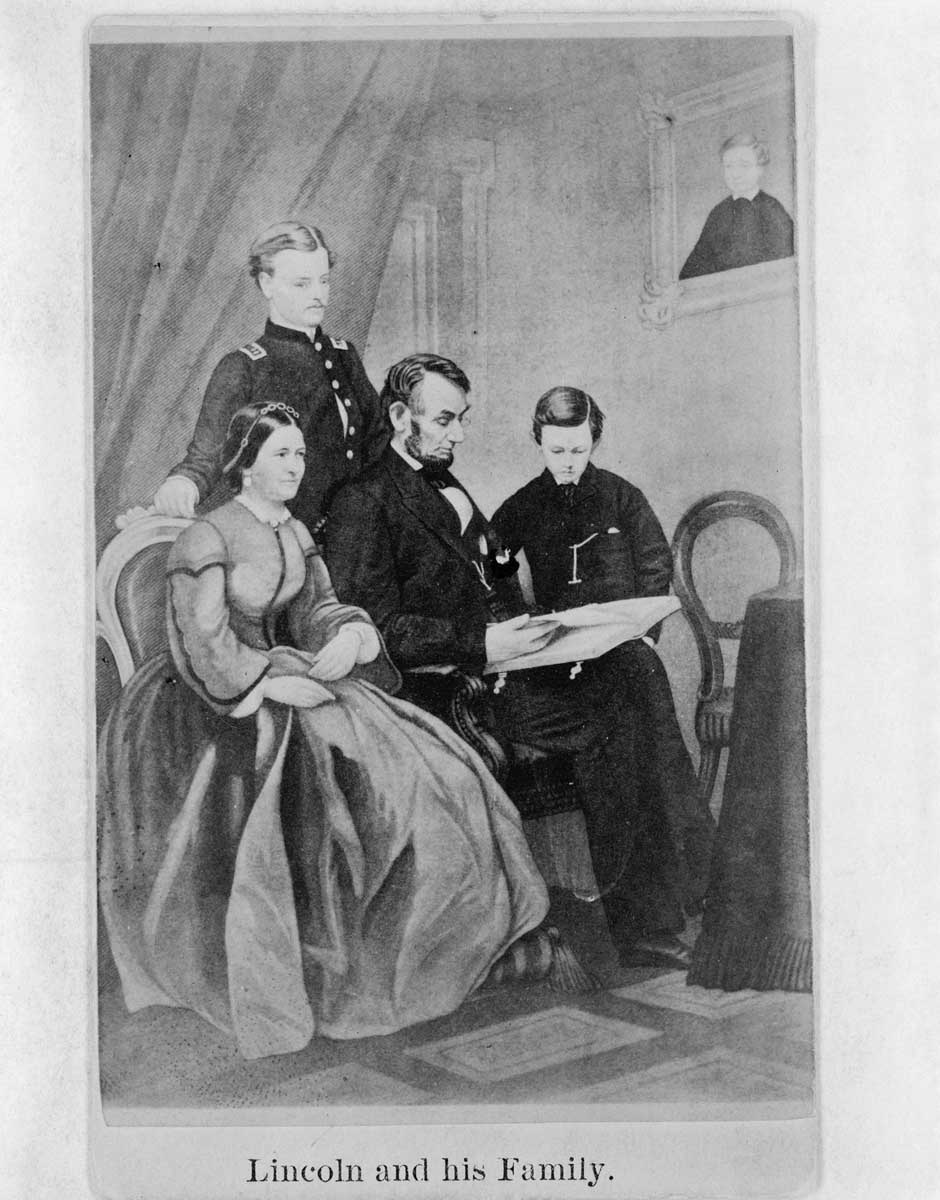
Mary and Abraham had four sons: Robert Todd, Edward Baker, William Wallace, and Thomas. Edward died as an infant, and Willie at age 11. However, until Willie’s death, the younger two sons were particularly close. All three boys enjoyed pranks, especially the younger two, who were described by Lincoln’s law partner as “hellions.” The boys were spoiled, with expensive toys, lavish birthday parties, and lenient parents. In an era where children were “seen and not heard,” the Lincolns were often criticized for letting their sons interrupt conversations and engage in rowdy behavior. Neither of the parents was a tough disciplinarian, and they admitted such. Willie and Todd were even rumored to have been caught smoking cigars behind the sheriff’s barn on one occasion.
5. Mary’s Life Was Rife With Grief
Grief was a common theme in Mary’s life, from the age of six when she lost her mother until her own death in 1882. Her father died in 1849 after suffering from a bout of cholera. Less than a year later, her son Edward, “Eddie,” aged only three, passed away from tuberculosis after a sickly infancy. In 1862, her son Willie followed his brother to the grave after a brief illness. Mary never again entered the rooms in the White House where Willie had died or been laid out for mourning. She removed all items of Willie’s from the home and was bedridden for weeks.
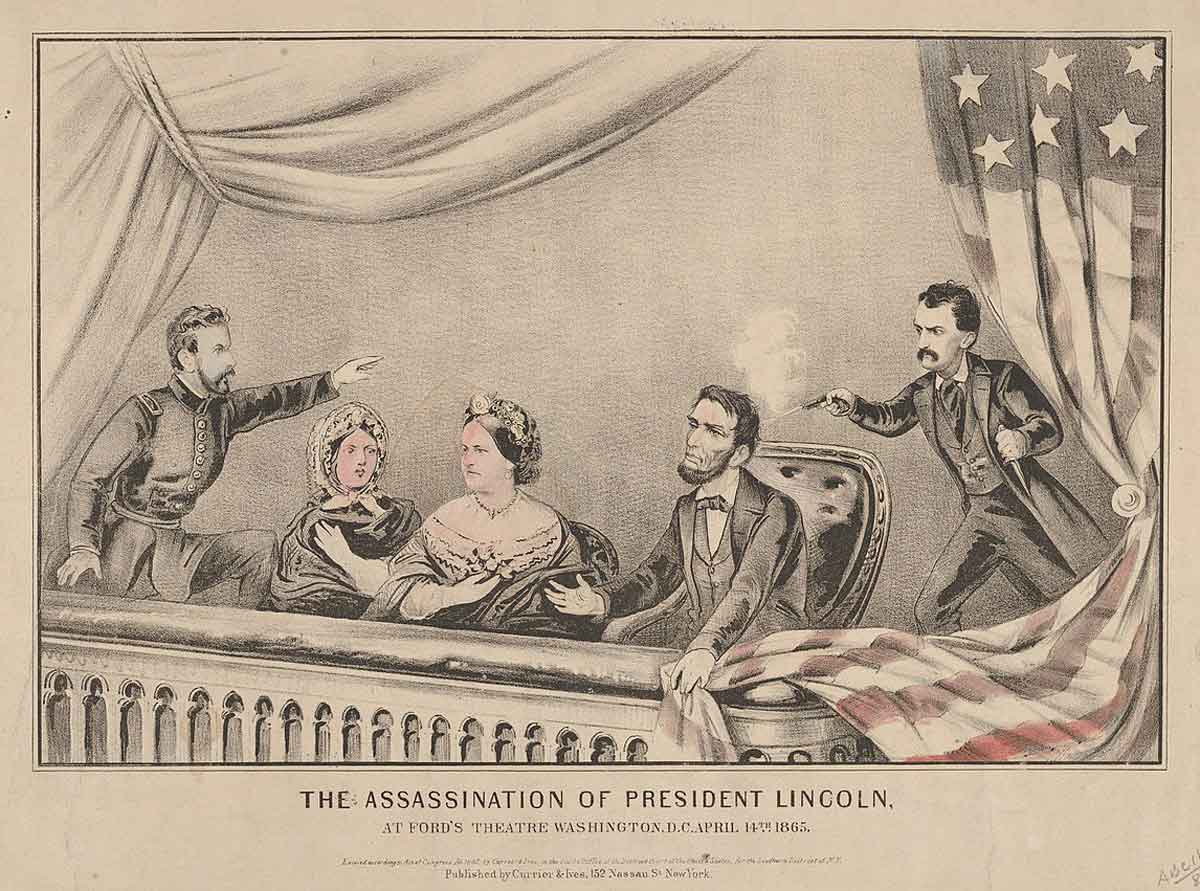
Compounding her lifetime of grief was the loss of her husband in 1865. Abraham Lincoln was assassinated by John Wilkes Booth, a Confederate sympathizer who was angry about Lincoln’s actions in regard to the Civil War. Mary was holding her husband’s hand, watching a play when he was shot. As he was carried to a nearby house, where he soon died, Mary was forcibly removed from her husband’s bedside in hysterics.
Once again, she was bedridden after the loss, refusing callers and avoiding her husband’s funeral services. The final blow came in 1871 with the loss of a third son. Tad became ill with what seemed like a minor cold after returning from some time abroad with his mother. His illness escalated, likely becoming pneumonia, and he died on July 15, 1871, aged just 18. Suffering the loss of both parents, her husband, and three of her four children resulted in bouts of depression and a strained relationship with her surviving son, Robert.
6. She Was Criticized for Her Spending
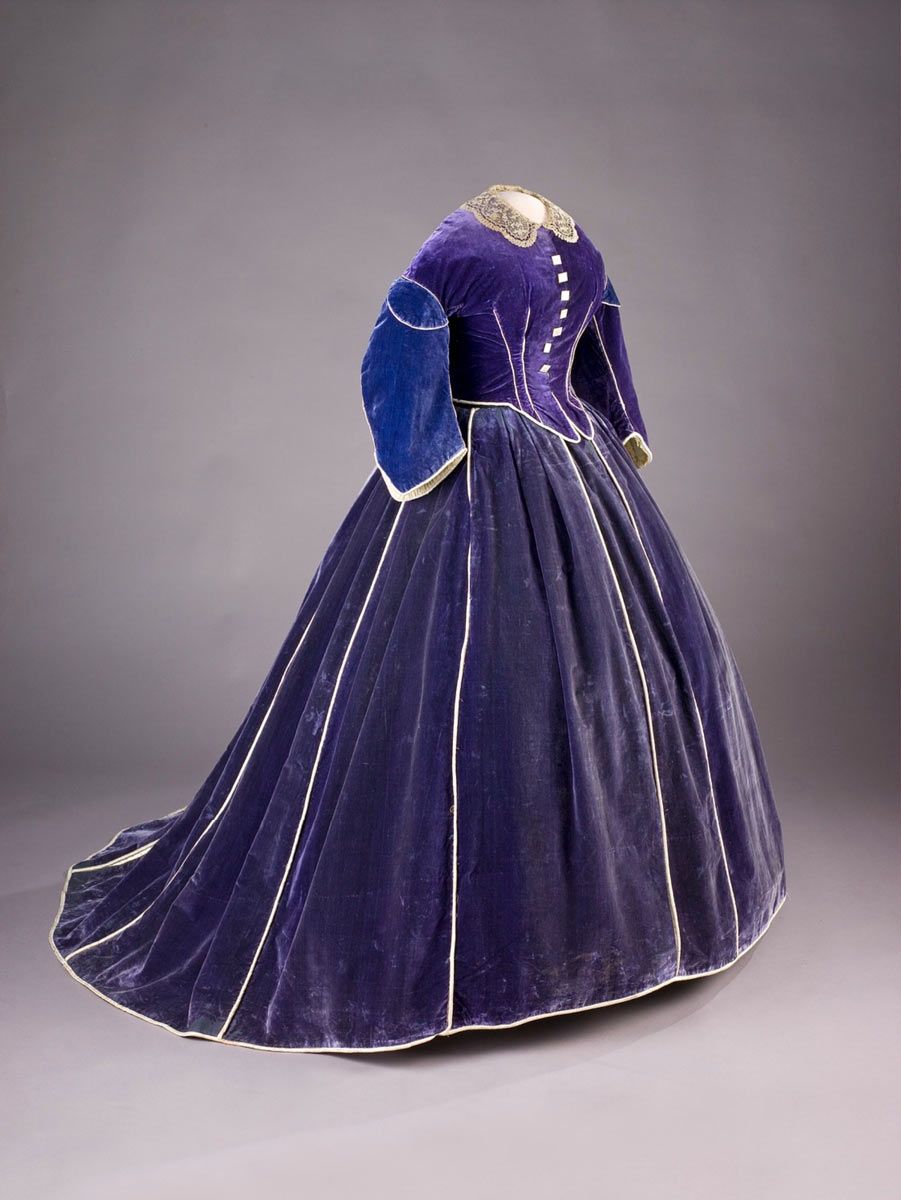
Like most public figures, the press enjoyed vilifying Mary Todd Lincoln when they found the opportunity. One of the contentious issues in Mary’s public life was her spending. Shopping was one way she managed her grief, and she also felt obligated to look the part of the political elite. She redecorated the White House, spending a four-year budget in just a few months, and was known for having a lavish wardrobe. This was especially offensive to the American public that was suffering during wartime, financially and otherwise. Her spendthrift ways did cause some arguments between her and Abraham, especially when it showed up in the headlines.
7. Mrs. Lincoln Was the First to Invite African Americans to the White House
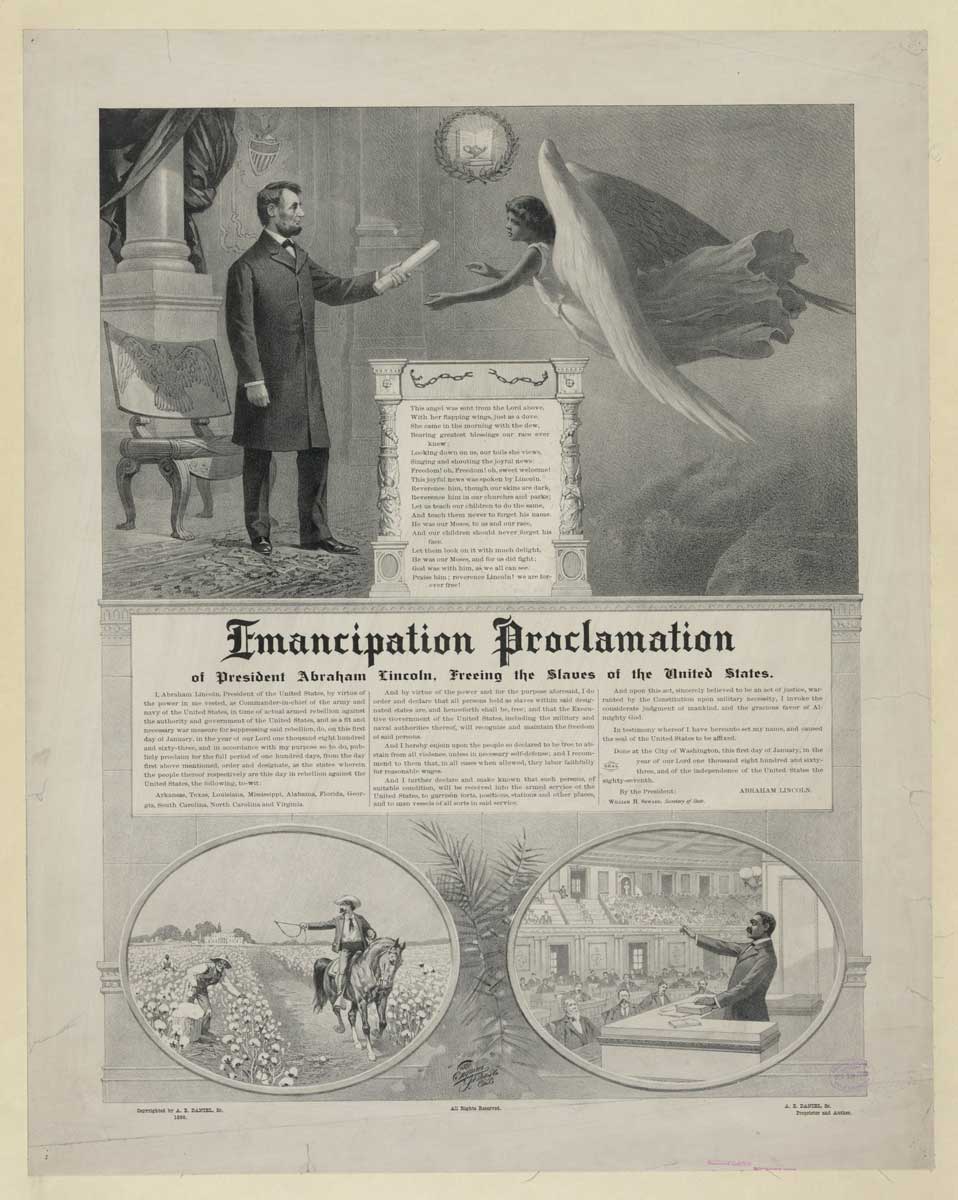
Though she did grow up in a household that owned slaves, from a young age, Mary Todd Lincoln was a firm believer in abolition. Her grandmother had operated a safe house for the Underground Railroad, and Mary had assisted her in this endeavor as a young lady. She supported causes such as the Contraband Relief Association, which provided aid to former slaves fleeing the South during the Civil War.
Mrs. Lincoln was also the first First Lady to invite African Americans to the White House as guests. One of her closest friends was Elizabeth Keckley, a seamstress and former slave. Keckley was Lincoln’s personal seamstress, and the two grew closer after both lost sons around the same time. Keckley’s son died in the Civil War six months before Willie’s demise. She was also instrumental in connecting the Lincolns with key abolitionist figures and causes.
8. Her Son Requested a Hearing to Have Her Declared Insane
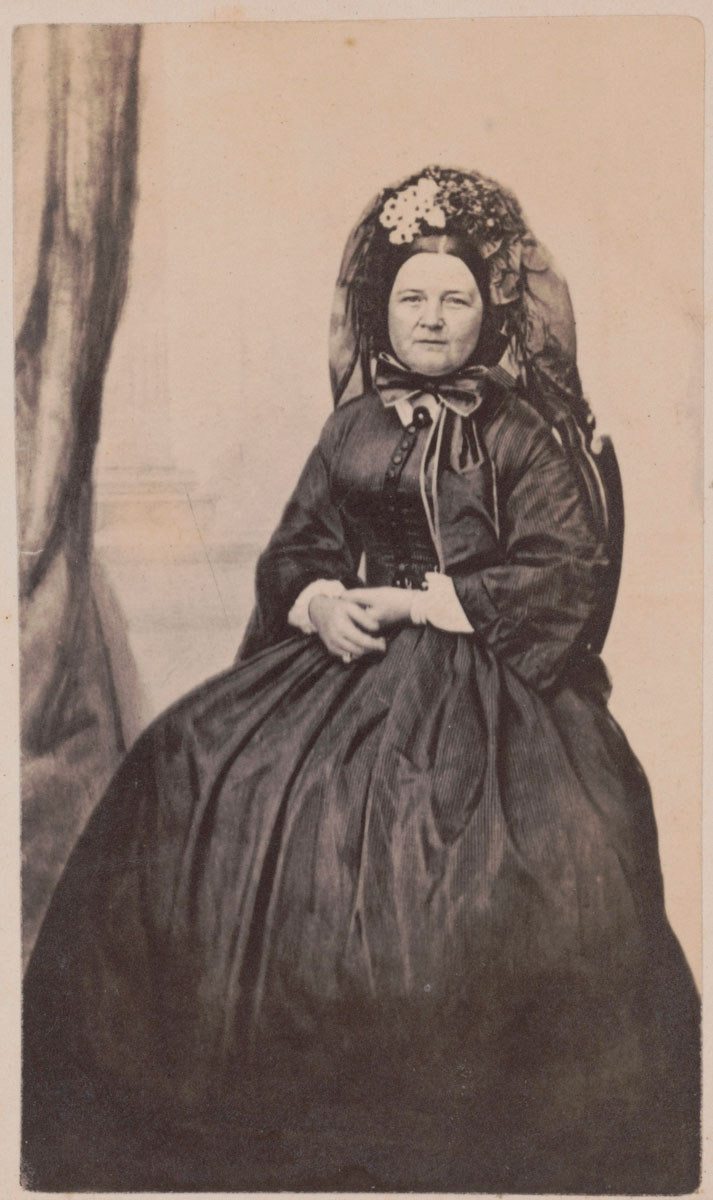
After Tad’s death, Robert claimed to be concerned about his mother’s erratic behavior. Four years after Tad’s loss, Robert arranged an insanity trial of which his mother was the subject. At the time, Illinois law required a jury trial for involuntary commitment to an institution, which seemed to be Robert’s goal. He said that multiple doctors had recommended the proceedings take place, and on May 19, 1875, they commenced. Mary was unaware of what was happening when she was forcibly taken to the courthouse. 17 witnesses testified about Mary’s mental health, including Robert, who stated, “I have no doubt my mother is insane. She has long been a source of great anxiety to me.”
It was decided that Mary was legally insane, and she was committed to Bellevue Place, about 90 minutes by train from Chicago. Her confinement lasted only a few months before she recruited lawyers to contest her commitment. Nine months later, a Chicago court declared her sane. Mary and Robert continued to have a tense relationship, arguing over control of money and other aspects of Abraham and Mary’s estates.