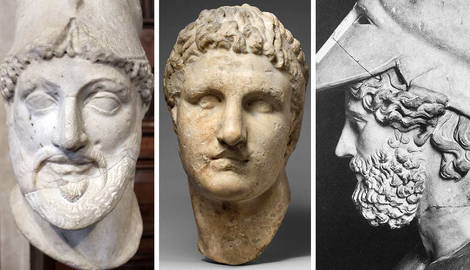
Ancient Greece is known for its architecture, philosophy, and cultural achievements. But the many independent Greek city-states were almost constantly at war with one another or facing threats such as Persia and Macedon. This constant warfare meant that they needed competent commanders, who often led their men to victory against overwhelming odds. But who were ancient Greece’s most famous and effective generals? Meet five Greek generals who made their mark before the rise of Philip II and Alexander the Great.
| General & City-State | Primary Battle | Strategic Innovation & Outcome |
| Miltiades (Athens) | Battle of Marathon (490 BCE) against Persia. | The Flanking Charge: He thinned his center and reinforced his wings to trap the Persians; he ordered a final sprint to close the distance and neutralize Persian archers. |
| Leonidas (Sparta) | Battle of Thermopylae (480 BCE) against Persia. | Terrain as a Force Multiplier: He funneled the massive Persian army into a narrow pass (“The Hot Gates”) where their numbers were useless against the heavy Greek phalanx. |
| Themistocles (Athens) | Battle of Salamis (480 BCE) against Persia. | The Strategic Ruse: He tricked the Persian King Xerxes into entering narrow straits by sending a fake message of surrender, causing the massive Persian fleet to collide and self-destruct. |
| Gylippus (Sparta) | Siege of Syracuse (414–413 BCE) against Athens. | Counter-Siege Warfare: He organized the Syracusan defenders to build counter-walls that rendered the Athenian siege useless, eventually trapping and destroying the Athenian army. |
| Epaminondas (Thebes) | Battle of Leuctra (371 BCE) against Sparta. | The Oblique Order: He broke tradition by creating a massive 50-rank deep phalanx and attacking at a diagonal angle, specifically targeting and crushing the elite Spartan right wing. |
1. Miltiades: Athenian Commander at Marathon (490 BCE)
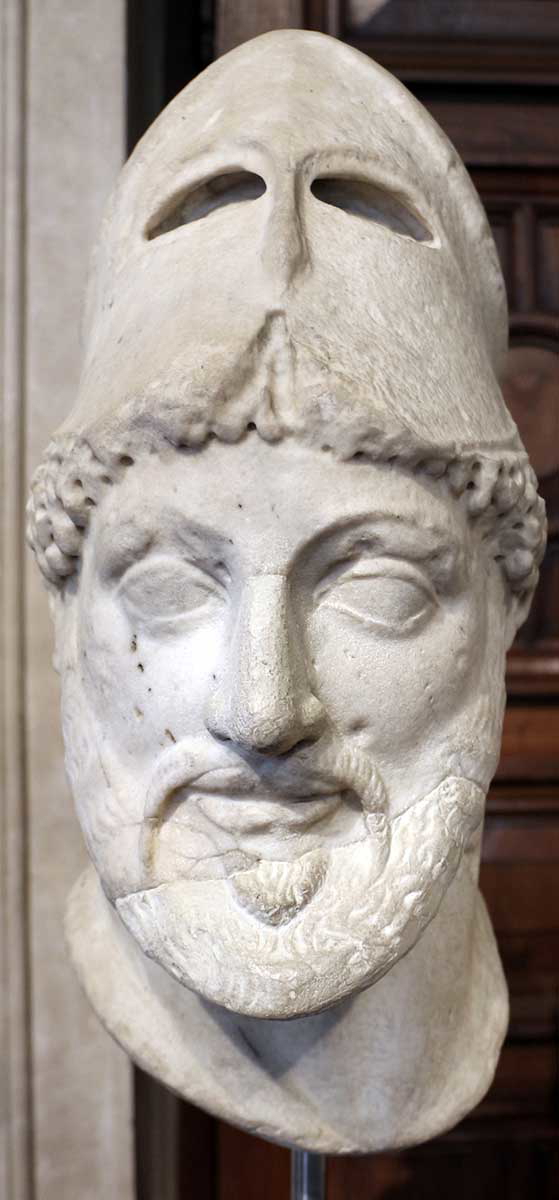
When Persia invaded Greece for the first time in vengeance for Greek support of the Ionian Revolt, the massive Persian army landed near Marathon (490 BCE). The Athenians sent an army of 10,000 men, joined by about 1,000 Plataeans, facing about 15,000 Persians. The Athenians, always democratic, were commanded by ten generals who rotated command daily. They were evenly split between wanting to attack or wait, with Miltiades favoring a more aggressive policy. Four of the generals then ceded their authority to Miltiades, giving him effective command over the army.
He knew the Persian cavalry would cause havoc among the Greeks, and waited for the horsemen to be occupied elsewhere. Once they were not a factor, Miltiades arranged the Greek hoplites into formation for an assault on the Persian camp. He strengthened the army’s wings, spreading the center thin; a calculated risk. Ordering his men to attack, the general led the Greek army across the roughly mile-wide field to the Persian camp. Tradition states that the Greeks ran the distance at a full sprint to minimize the time under threat by Persian archers. Modern scholarship holds that this is a misinterpretation of the sources and that they ran only the last few hundred yards, since running in full hoplite gear for a mile would have left the Greeks exhausted before the lines collided.
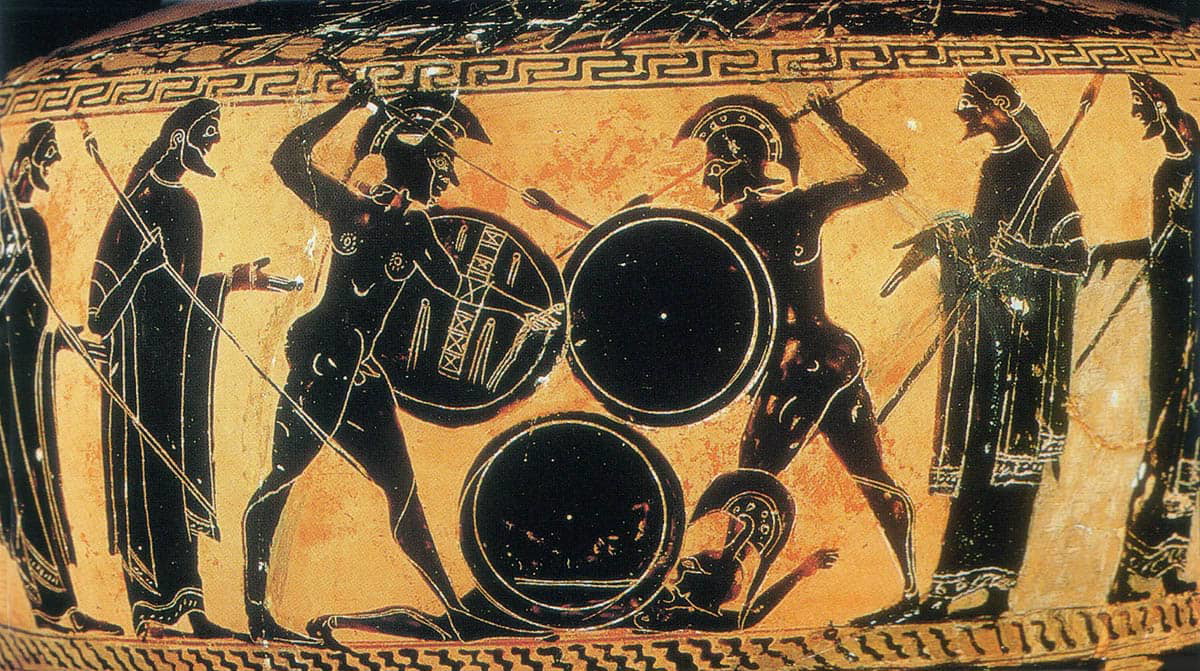
Either way, the Persians pushed into the Greek center, which faltered, but the reinforced wings drove back the Persian infantry. The Greeks, more heavily armored and with longer spears, were able to hold their ground while the wings pushed inwards, causing the Persian flanks to collapse. The Persians turned and ran to their ships. The Greeks pursued, killing over 6,000 and capturing seven ships. Thanks to Miltiades’ bold and innovative strategy, Greece was safe from Persian domination, for the time being.
2. Leonidas: Spartan Hero of Thermopylae (480 BCE)
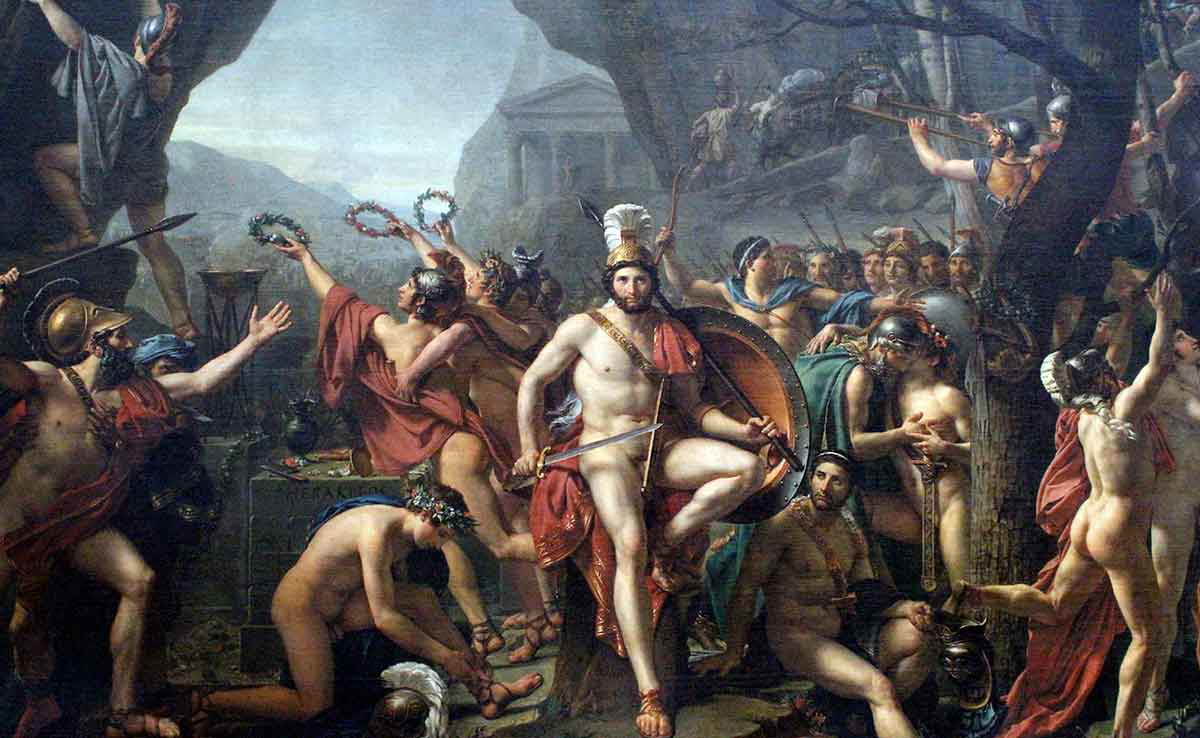
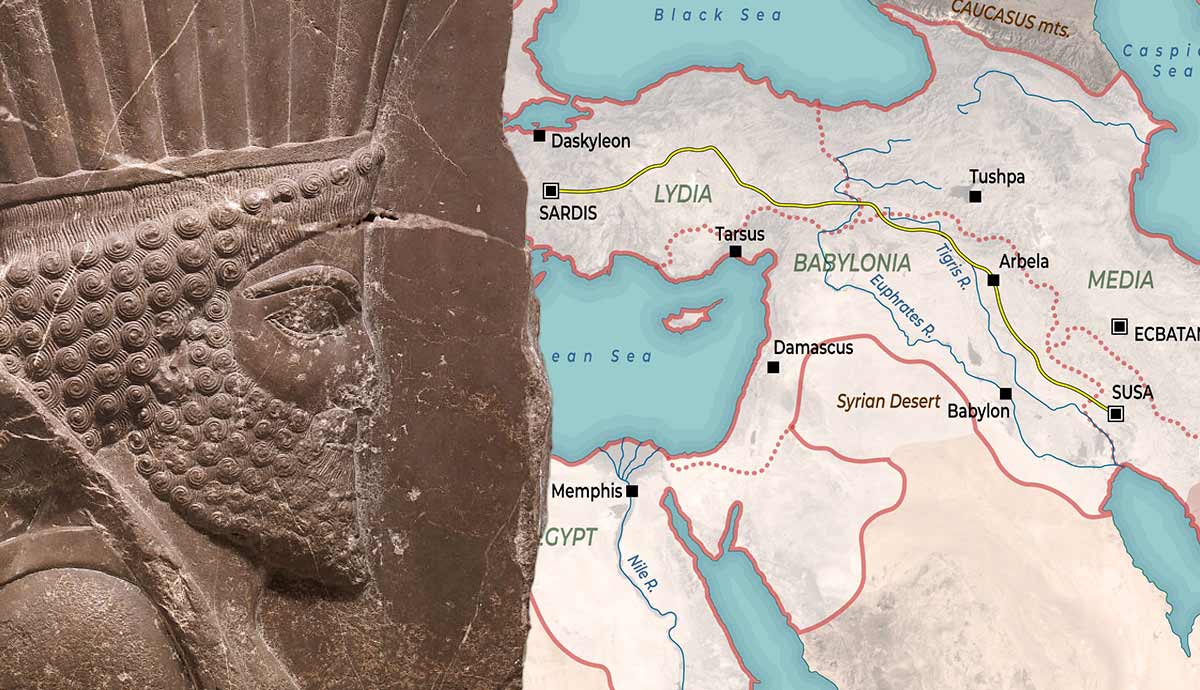
Undeterred by this setback, the Persian king Darius swore revenge and vowed to crush the Greeks. Unfortunately, he would die before he could set his plan into motion, and the task fell to his son Xerxes. He organized a titanic invasion force that, according to ancient sources, was over a million men. Though modern sources suggest the army was more like 100,000, it still dwarfed anything the Greeks could muster. With the Persian army descending from the north, a ragtag coalition of Greek city-states tried to stem the enemy’s advance. It was agreed that a blocking force would be sent to Thermopylae (the Hot Gates) whose task was to stall the Persians as long as possible.
Leading this expedition was the Spartan king Leonidas, who led 300 fellow Spartans and a force of around 7,000 Greeks. Leonidas knew that the Persian numbers could simply overwhelm the Greek army, so he used the terrain of Greece to his advantage. The Persian army would be channeled into the Hot Gates, where their numbers would count for nothing. There, the heavier armor and longer weapons of the Greek hoplites could hold the much larger Persian army at bay.
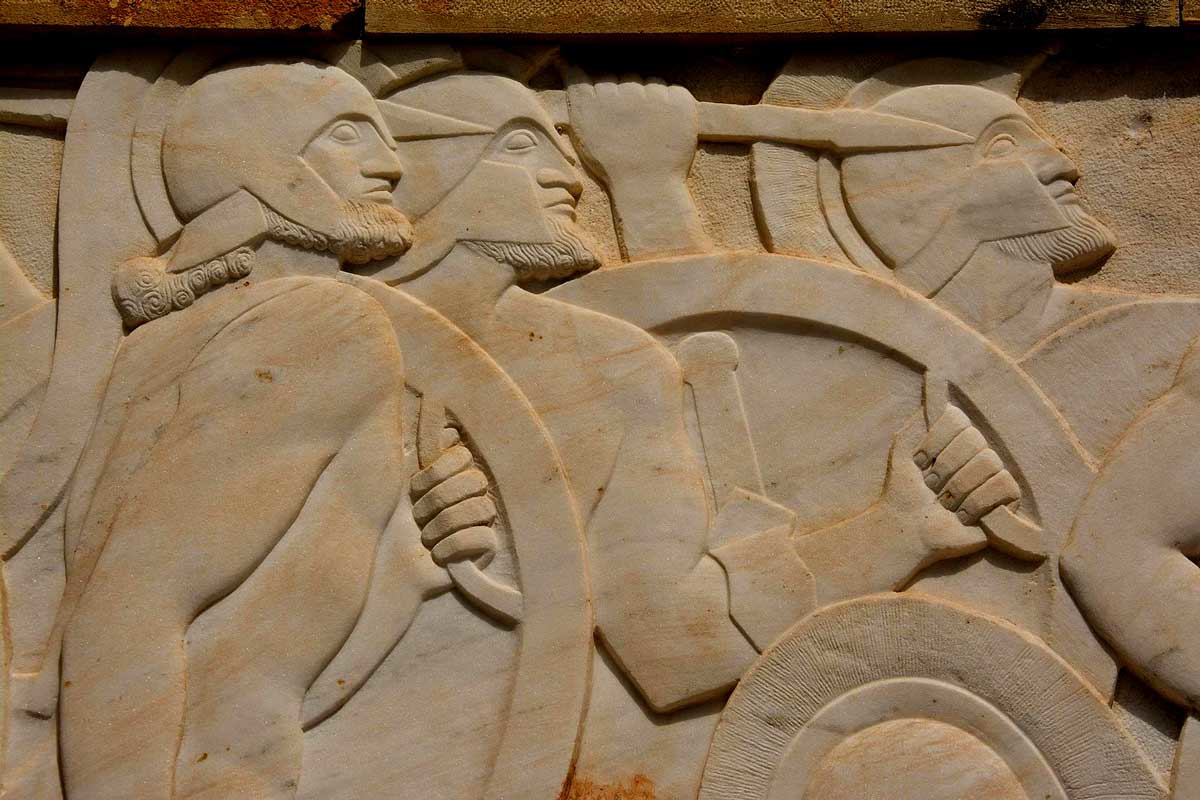
Rebuilding a Phocian wall, the Greeks dug in their heels and prepared to make their stand. For three days, the vastly outnumbered Greek forces stopped the Persian advance. Then Ephialtes, a Greek traitor, told the Persians about a secret pathway around the defenders. Knowing they were being surrounded, Leonidas ordered the bulk of the Greeks to withdraw. Leonidas, the remaining 300 Spartans, as well as around 700 Thespians, 400 Thebans, and possibly a number of Helot slaves, made a final stand, acting as a rear guard while the rest of the army retreated.
Leonidas was killed early in the fighting on the third day, and the Spartans fought fiercely for his body. Surrounded, the survivors made their way to a small hill where they were eventually overwhelmed by Persian arrows. All 300 Spartans and 700 Thespians fought to the death, though many of the Thebans surrendered. Though a defeat, Leonidas and the men he led have gone down in history as one of the most famous last stands in military history.
3. Themistocles: Athenian Naval Commander at Salamis (480 BCE)
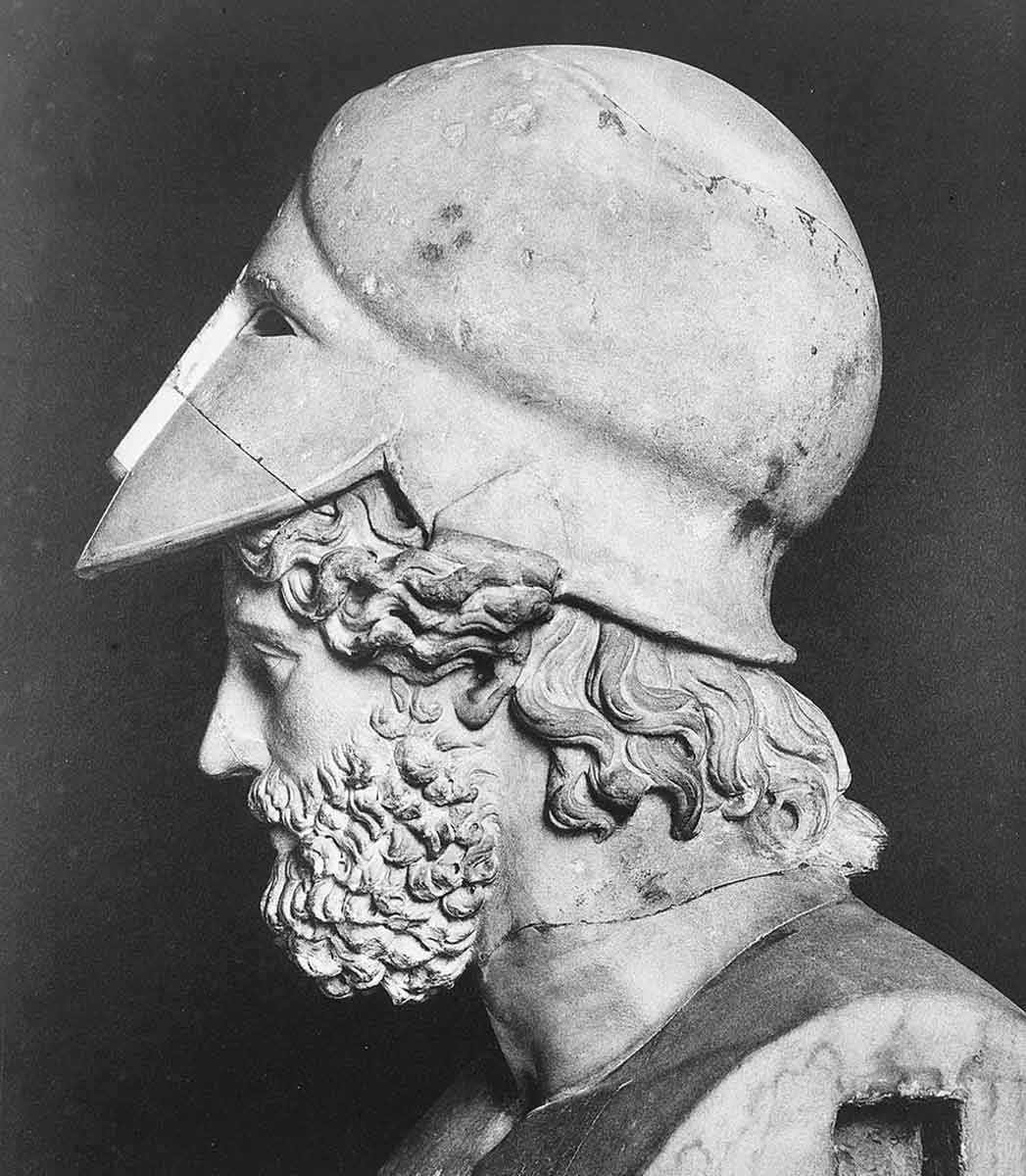
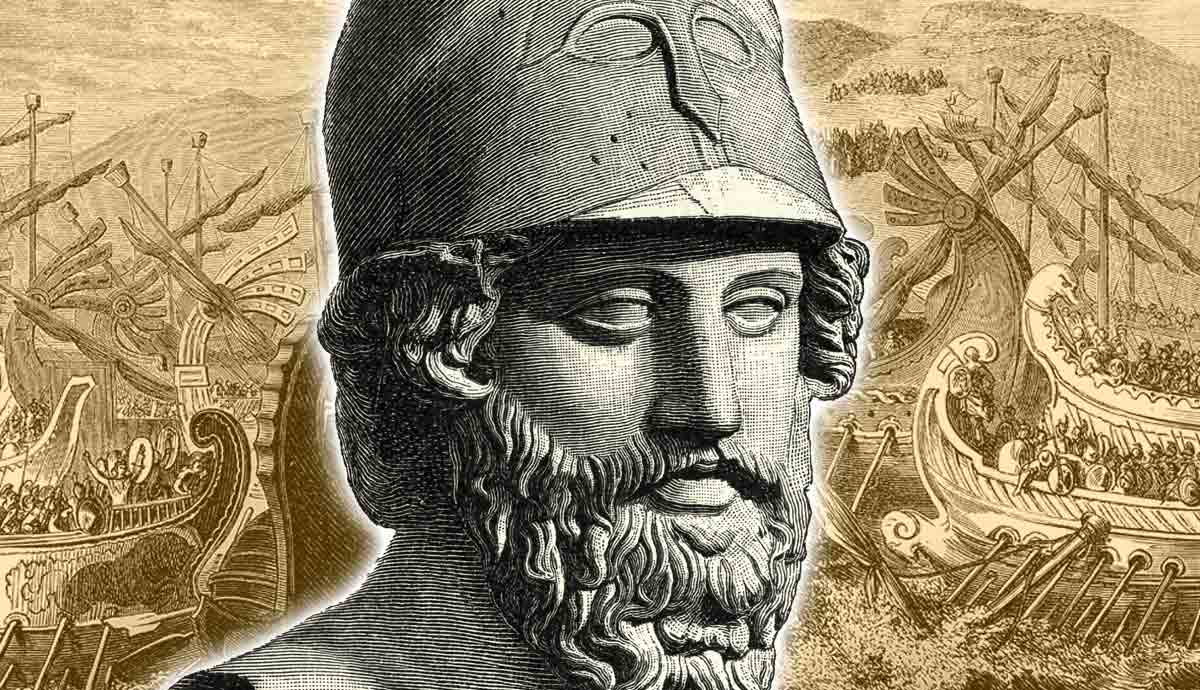
While Leonidas and his men were fighting tooth and nail at Thermopylae, the Persian navy was engaged with the Athenian fleet at the Strait of Artemisium. This naval battle was indecisive, but it was a precursor to another battle, led by another giant of ancient Greek military history. The fleet was led by Athenian statesman Themistocles, who, in the years prior to the Persian invasion, convinced the Athenians to invest in a large navy. Now that the Persians were bearing down on their homeland, his foresight would save Greece and Western civilization. After withdrawing from Artemisium, the fleet redeployed to Salamis. At the same time, Athens was abandoned and eventually burned by the victorious Persians. It was here that Themistocles’ genius revealed itself.
While the other Greeks argued about what to do, Themistocles sent a slave to Xerxes with a message. He had seen the futility of resistance and wanted to join the Persian cause. To sweeten the offer, he gave the Persians information about the Greek dispositions at Salamis, stating that they were preparing to flee. Taking the bait, Xerxes ordered his fleet to surround the Greeks by bottling them up in the narrow passageway of Salamis. He had expected the Greeks to be in disorder, preparing to flee, and surprised by the Persian advance. What they found was something different.
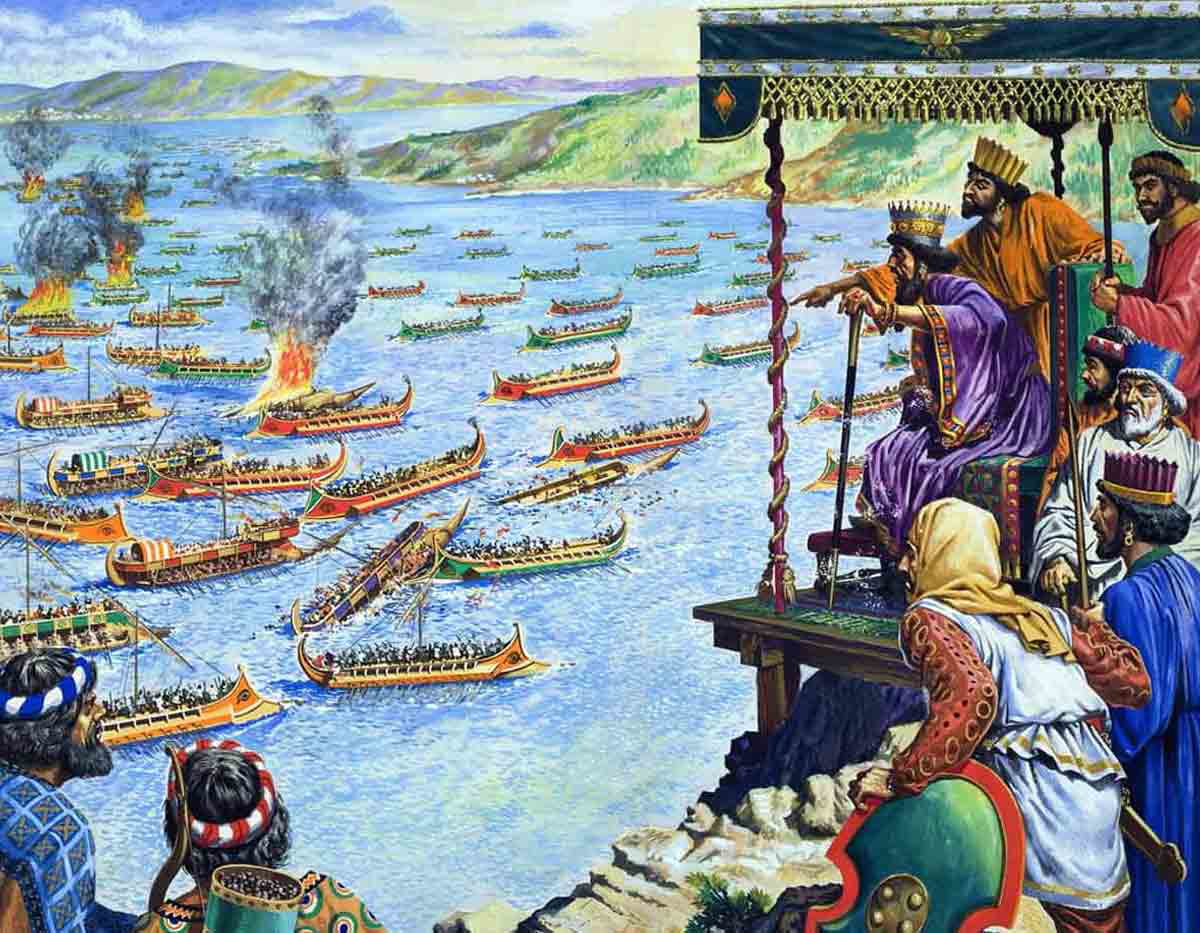
As the Persian fleet sailed into the channel, they were met by the Greek navy, fully prepared and in battle array. Unfamiliar with the treacherous waters, the Persians became disorganized. Seizing the opportunity, the Greeks struck, ramming their prows into the vulnerable Persian vessels. Many of their ships tried to backpedal, but the Persians’ massive numbers became a liability as ships collided, adding to the confusion. The first rank smashed into the second, which slammed into the third, and soon, the entire operation had turned into a fiasco.
Xerxes, watching from a nearby mountain, became enraged, but there was little the King of Kings could do as his navy was crippled. Thanks to Themistocles’ foresight and leadership, the Persians were forced to withdraw, lest they become trapped in Europe. The remaining force was defeated the following year at Plataea. Through his actions, Themistocles delivered the decisive blow that halted Persian westward expansion.
4. Gylippus: The Spartan Savior at Syracuse (414-413 BCE)
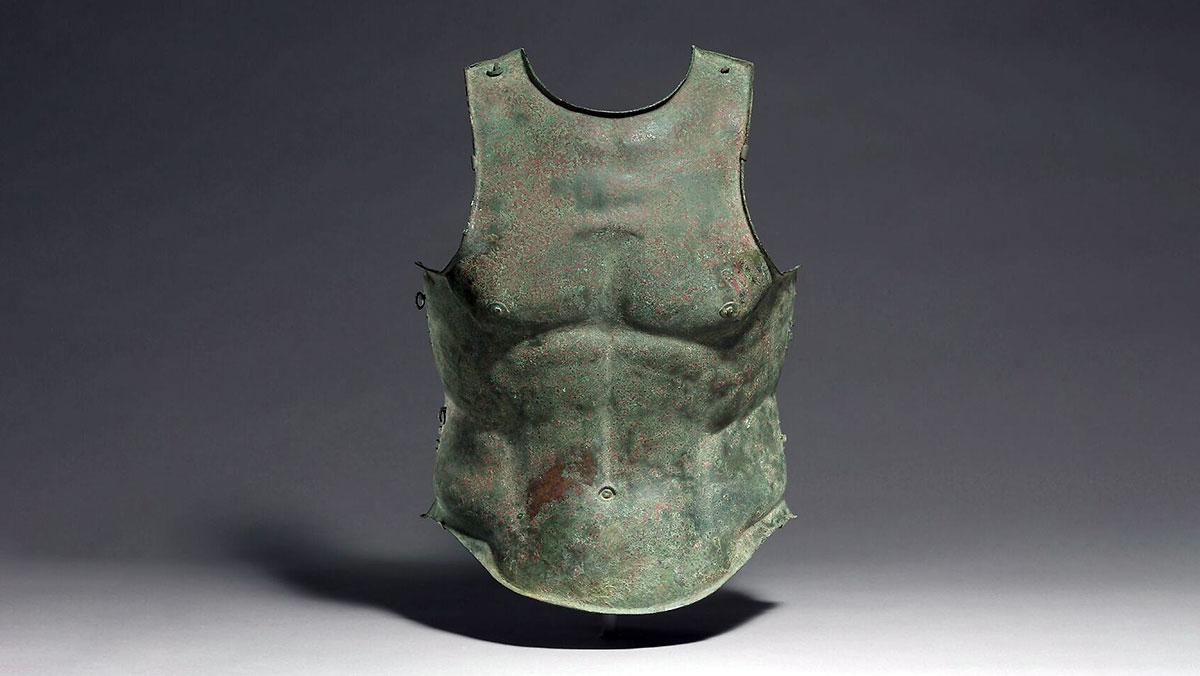
The Peloponnesian War raged for three decades, with the Athenian and Spartan power blocs vying for supremacy of the Greek world. In 415 BCE, the Athenians sent a massive fleet and army to Sicily, hoping to capture Syracuse, a nominal Spartan ally but still incredibly wealthy. The Athenians landed and, after an unsuccessful attempt to capture the city, settled in for a siege, building a wall to surround Syracuse. The Syracusans tried to stop the besiegers, but their attempt failed, and every day the surrounding wall grew closer to completion. The defenders tried to build their own wall to cut off the Athenians but this also failed.
In response, the Spartans sent a relief force under the command of the general Gylippus, a Spartan rumored to be half-helot; an odd choice for such an important mission. Once he arrived on the scene, he took charge of the defenses and, after an initial defeat, managed to drive back the Athenians. This allowed the Syracusians to complete their counter-wall, making the Athenian siege efforts worthless. He then coordinated a simultaneous land and sea assault. Though the Spartan and allied navy failed to dislodge the Athenian fleet, Gylippus was more successful on land and captured Athenian forts. Athenian reinforcements arrived later, and the next several months saw them battle relentlessly against the outnumbered Syracusian defenders in a series of indecisive clashes.
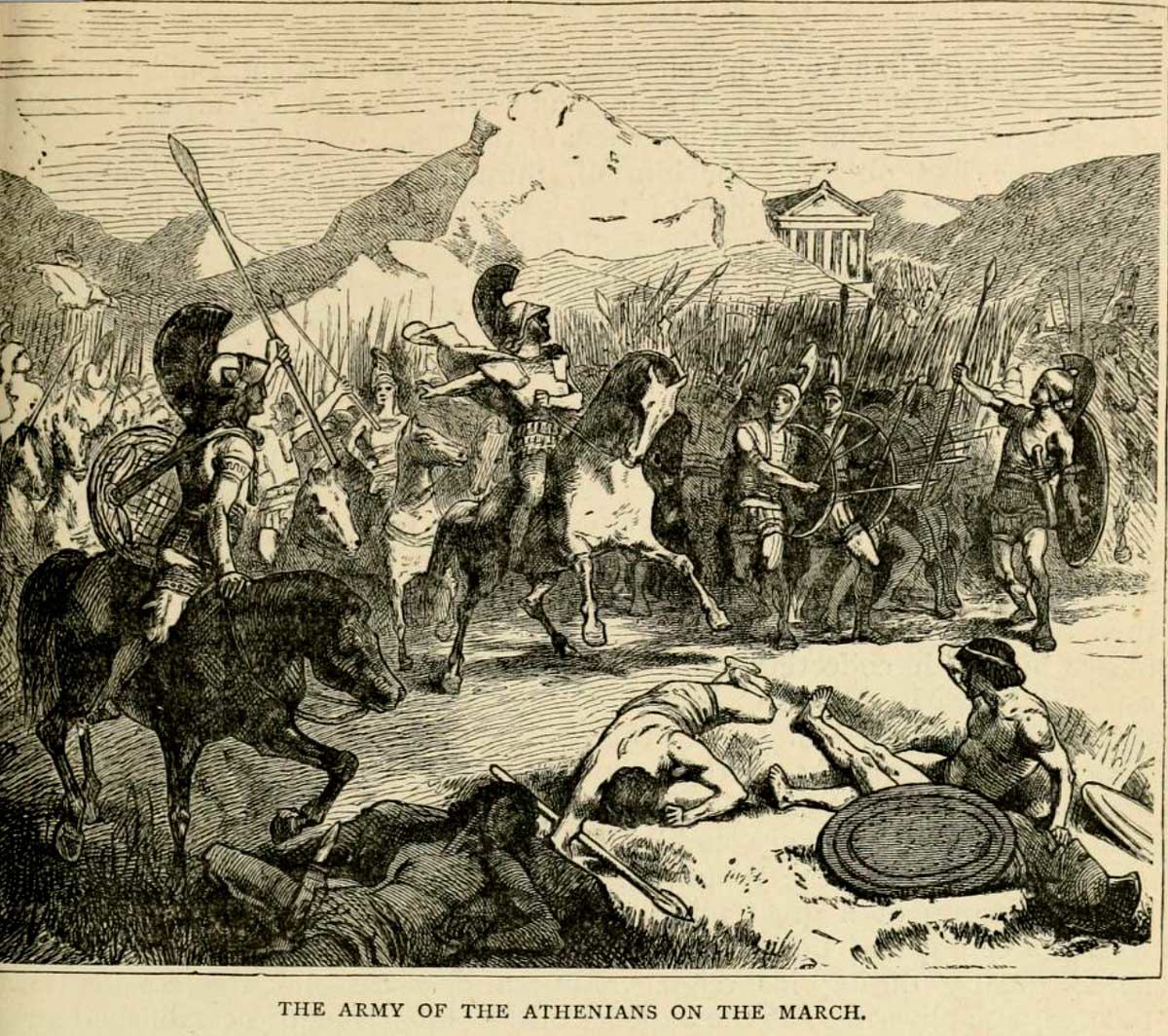
Finally, the Athenians were trapped in Syracuse harbor, and they were smashed. With hope rapidly fading, the Athenians tried to withdraw. This was a disaster, and the Athenians were relentlessly pursued by the Syracusians, Spartans, and other allies. Over 7,000 Athenians, including Nicias, the commander, were forced to surrender. Many were sold into slavery, while others were left in a stone quarry to starve to death. Nicias was executed against Gylippus’ orders. The Athenian invasion of Sicily, which had a promising start, ended in a strategic disaster from which they could not recover. This was all thanks to the timely arrival of Gylippus, who organized the defenders and took the fight to the besiegers, marking a major turning point in the course of the Peloponnesian War.
5. Epaminondas: Theban Visionary at Leuctra (371 BCE)
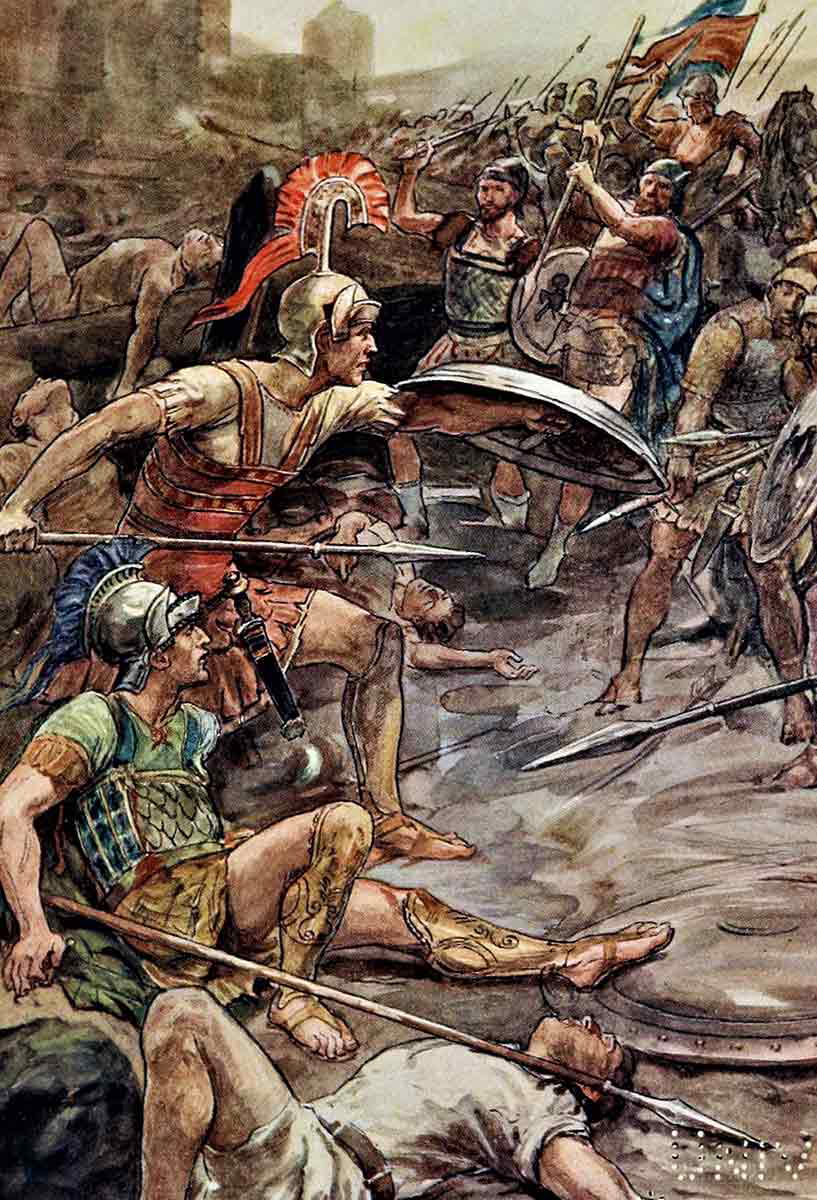
After the Peloponnesian War, Sparta reigned supreme as the hegemon of Greece, able to exert its will over the other Greek city-states. Sparta was nothing if not ruthless in its foreign policy, and the Greeks became dissatisfied with their overlords. In response, a coalition led by Thebes launched a campaign against Spartan domination. The head of the Theban military was a visionary general named Epaminondas.
One factor in Epaminondas’ favor was Sparta’s conservative nature. Despite their military prowess, they refused to change, seeing progress as a form of corruption. In each battle, they fought the same way: a densely packed phalanx of hoplites eight ranks deep. The Spartans would also always position themselves on the right of the battle line, their allies to the left. Enemies knew this and would position their best troops on their right to avoid confronting the superior Spartans. This was the case in battle after battle.
In response, Epaminondas upended this system. He would place his own Thebans directly across the battlefield from the elite Spartans, which came as a popular relief to his allies, who didn’t have to face the best troops in the Greek world. More importantly, he reorganized the phalanx. Instead of eight to ten ranks deep, the standard, he built a massive 50-rank deep phalanx designed to simply overpower the Spartans. To do this, he had to thin out the rest of his line, making them vulnerable. To compensate, he arranged his line in echelon, which meant the battle line was not straight, but diagonal. This meant that the super-phalanx would smash into the enemy lines, overpower it, and then roll up the enemy flank while keeping the rest of his line out of harm’s way. He also placed a greater emphasis on skirmishers, light troops armed with slings, bows, and javelins, who advanced ahead of the main line to harass and break up the lines.
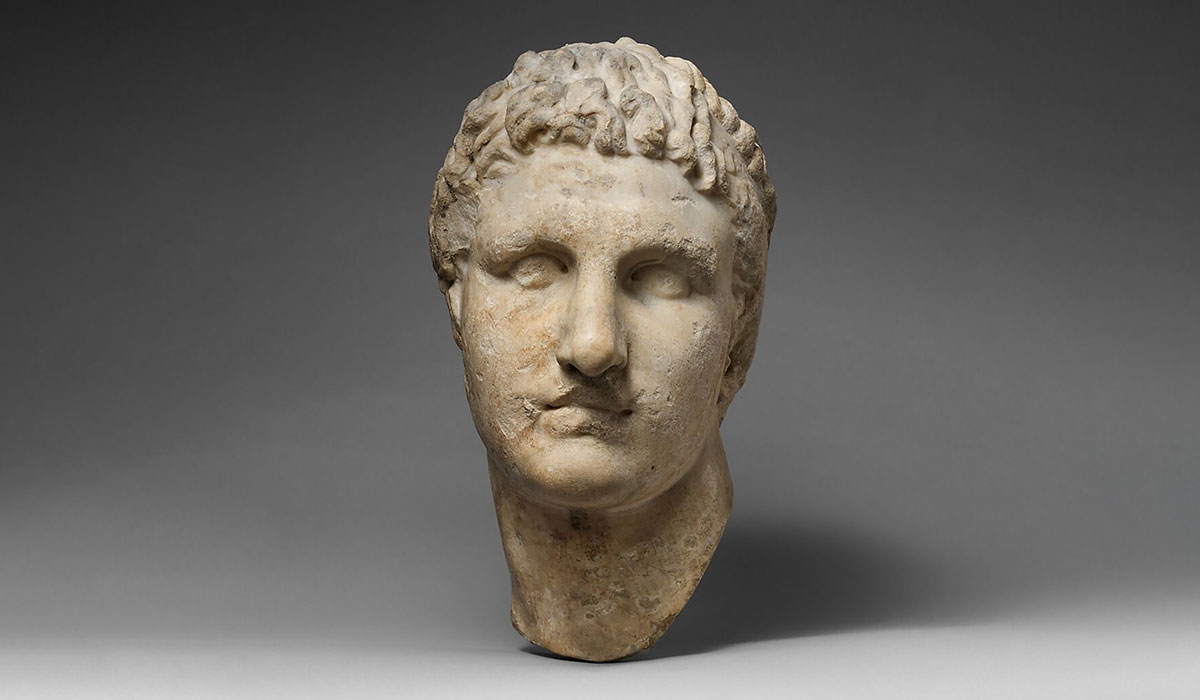
These tactics were put to the test at Leuctra in 371 BCE. During the battle, the massive weighted phalanx of the Thebans made short work of Sparta’s best troops and were able to roll up their flank, sending Sparta and her allies fleeing before the remainder of the Theban allies even had a chance to engage.
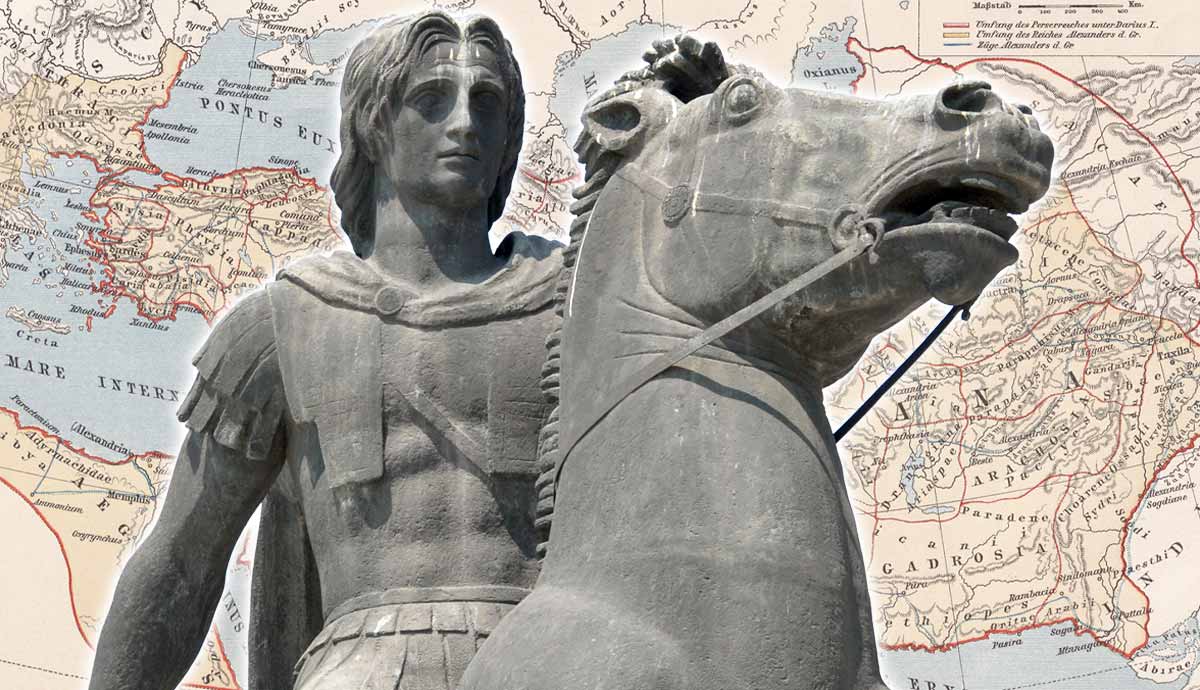
With this victory, Thebes was able to liberate large portions of Messinia, the source of the helots; the agricultural slaves that underpinned Spartan society. Sparta fell from the hegemon of Greece to a third-rate power almost overnight, never to return to prominence. The use of combined arms, as well as the weighted flank, called oblique order, was later copied by Philip of Macedon, who was a hostage in Thebes. He used this strategy to conquer Greece. His son, Alexander the Great, would use the same tactics during his meteoric career. These tactics Epaminondas created have been used throughout history, even into the modern age.