For a long time, the discipline of art history welcomed only one linear vision, a progression of art styles and movements that were mostly conceived, practiced, and promoted by white male Westerners. However, in recent decades, art historians have moved to a more inclusive approach, recognizing famous Black and other non-white painters of the past and present. While some of them created politically charged works, others avoided activist connotations and focused on other artistic expressions like abstract art. Read on to learn about eight famous Black painters.
1. Horace Pippin (1888–1946)
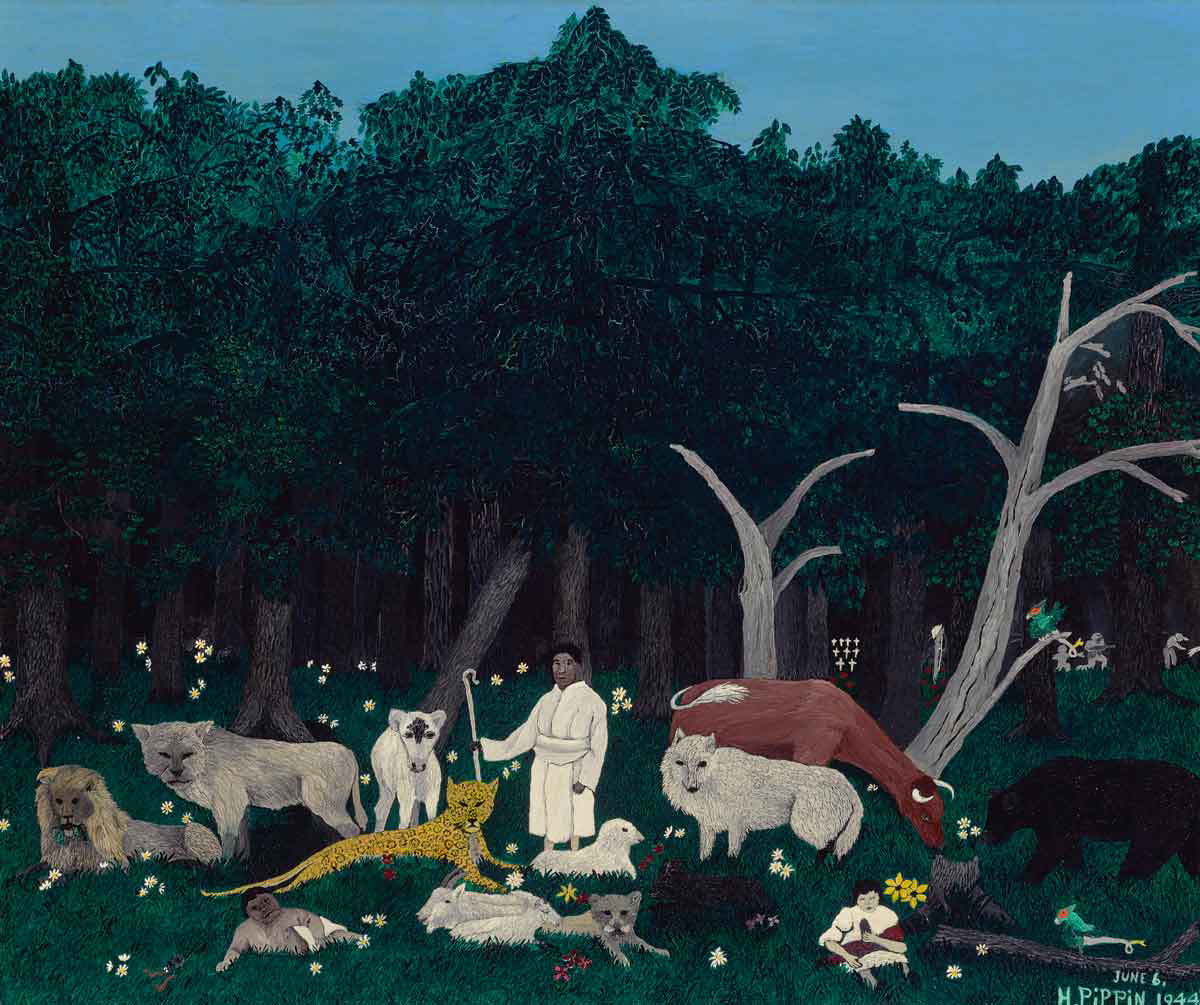
As a child, Horace Pippin loved to watch horse races and draw horses in his notebook. After winning a local newspaper advertisement contest, he won his first box of crayons and a set of watercolor paints. He never studied art professionally and did not consider himself an artist before he left his native USA to serve in World War I. There, Pippin was shot in the arm, resulting in a lifelong disability.
After returning home, Pippin began to paint, partially to train his injured right arm and to let go of his traumatic wartime memories. He soon moved to painting domestic and even religious scenes. Pippin’s paintings represented a blend of folk art and social realism, expressive although simple in composition. In 1938, Pippin’s works were included in a traveling exhibition of popular art arranged by MoMA, and this event marked his rise as a nationally famous artist.
2. Faith Ringgold (1930–2024)
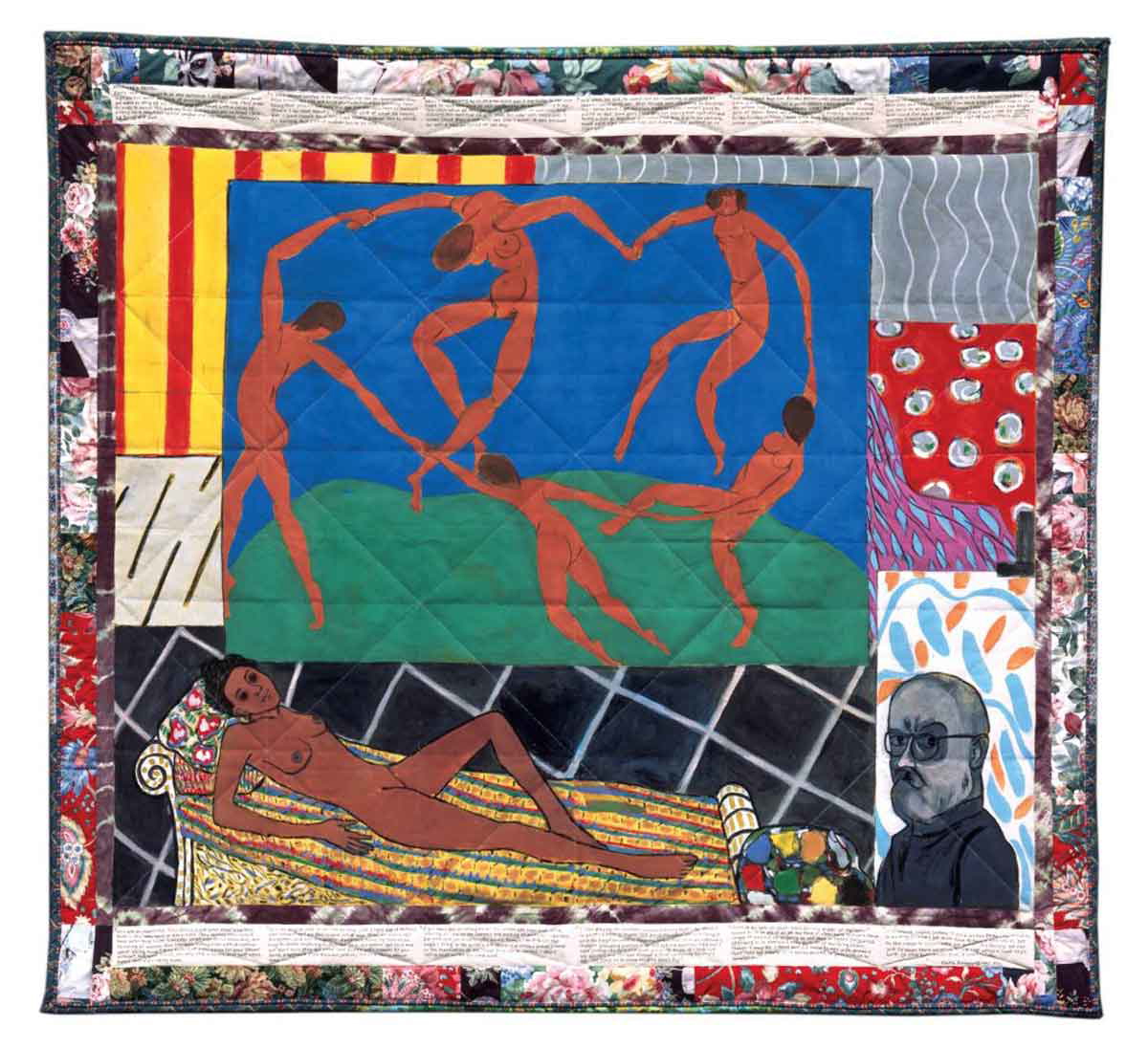
Faith Ringgold, one of the most famous activist artists of modern America, was born in Harlem into a working-class family. Although she wanted to study art professionally, the only option available to her as a woman was a program in art education that would make her a public school teacher. While working as a teacher, she also launched a professional painting career. However, she initially struggled to achieve success due to the direct and uncompromising political stance expressed in her works.
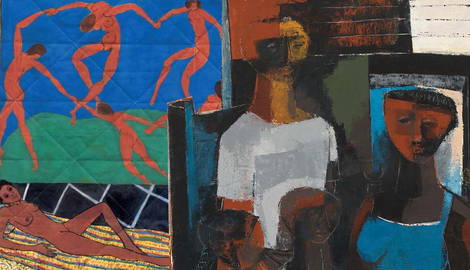
Most of Faith Ringgold’s works were politically charged and dealt with race and gender-based violence, injustice, and prejudice. In the 1980s, Ringgold began working with quilts, maintaining the African-American folk tradition that her grandmother taught her. These quilts were Ringgold’s way to deconstruct the history of art and introduce new elements into it, both in terms of medium and racially and culturally charged subject matter. Her most famous series of quilts The French Collection told a fictitious story of a young African American woman who traveled to Paris in the 1920s and became part of the Modernist art scene, posing for Henri Matisse and dining with Gertrude Stein.
3. Edmonia Lewis (Wildfire) (1844–1907)
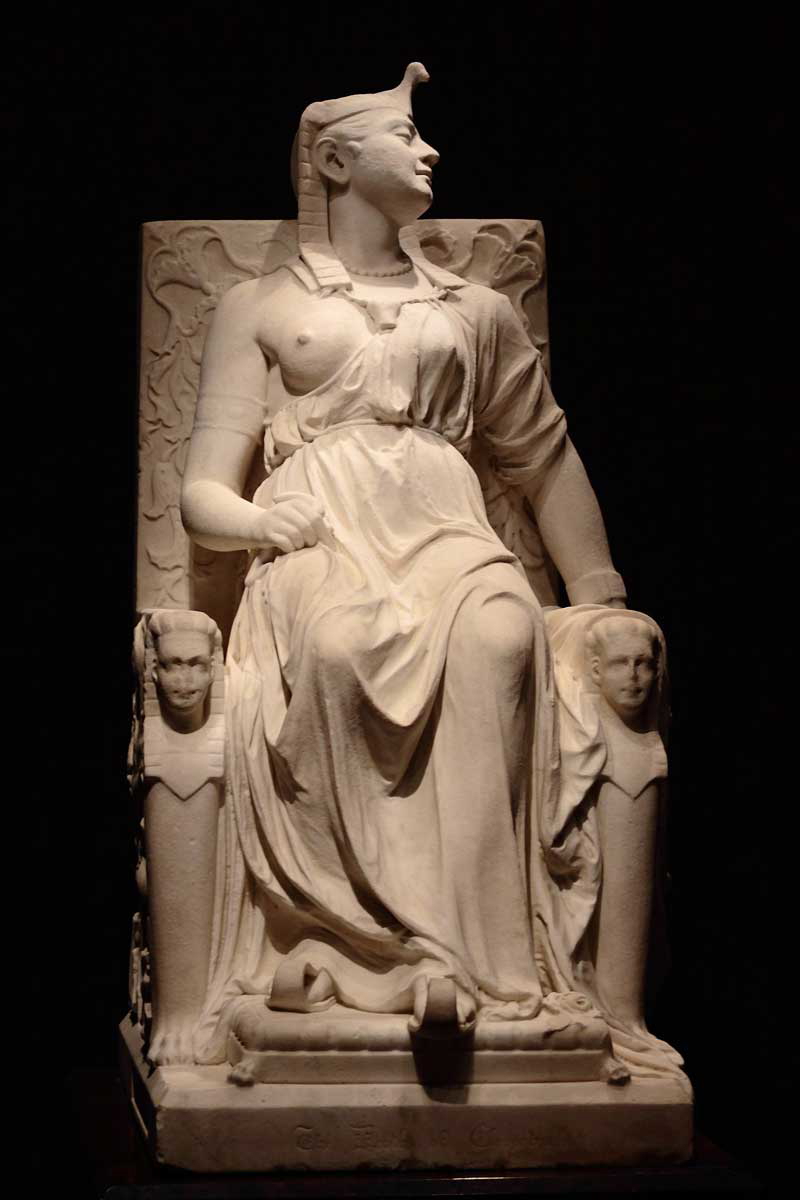
Edmonia Lewis was a sculptor of both African and Native American heritage. She lost both of her parents at an early age and was cared for by her older brother Samuel. During the California Gold Rush, Samuel managed to earn a fortune and paid for his sister’s education in one of the few institutions that accepted non-white students. However, after a series of racially motivated yet unbiased accusations from white students (Lewis was accused of poisoning one student and stealing art materials from others), she quit college before graduation.
The rise of Lewis’ artistic career happened after she moved to Boston. There, she expressed the desire to study sculpture and found herself a mentor through the network of abolitionist artists. Less than a year after beginning her studies, she already held her first exhibition. Soon, she earned enough money by working on commissions to move to Italy and settle in Rome, where she experienced significantly less racial prejudice. There, she became famous for her Neoclassical sculptures, mostly depicting African or Native American people.
4. Jacob Lawrence (1917–2000)
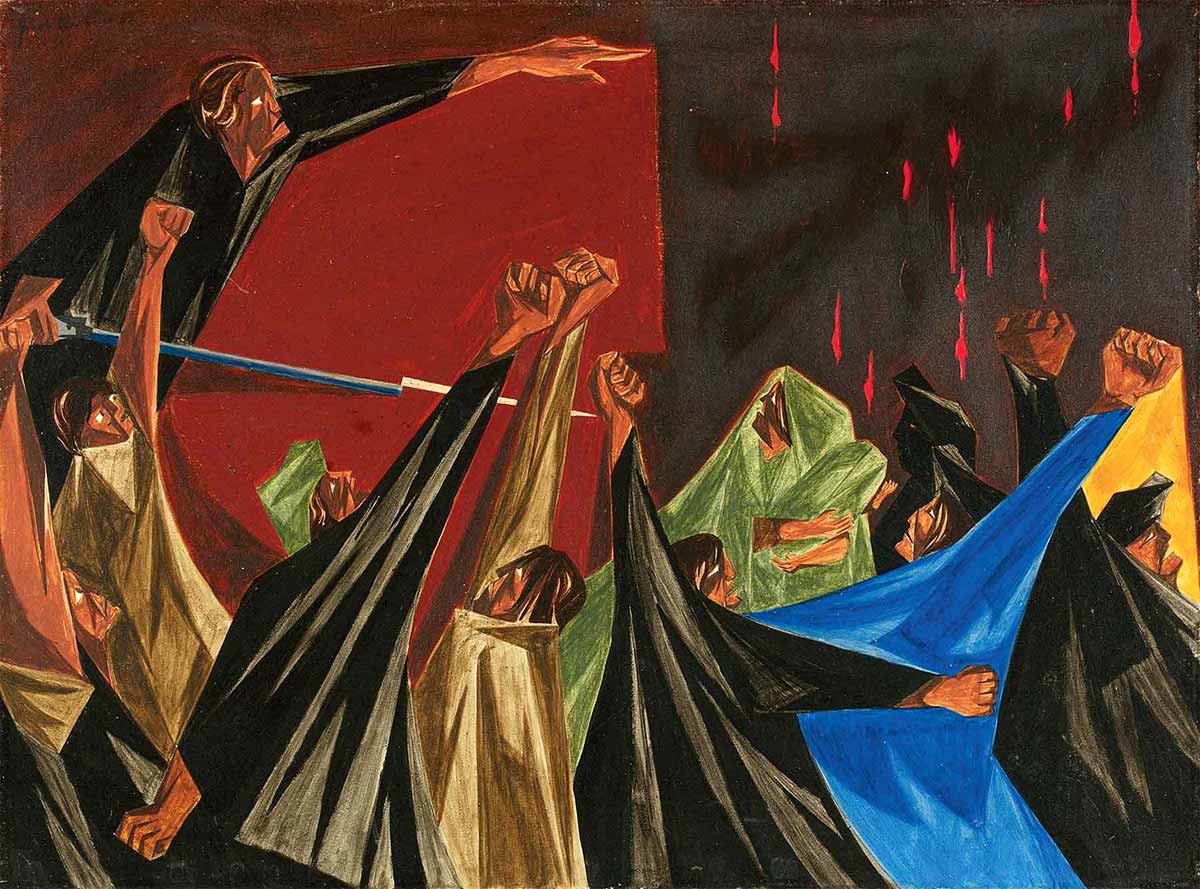
New Jersey-born Jacob Lawrence had his first encounter with art in the homes of his family members and their friends. Later, he remembered that people of his mother’s generation decorated his homes brightly and vividly, as if reminiscent of Henri Matisse’s paintings. As a child, Lawrence liked to draw patterns and often copied the designs of his mother’s carpets with crayons. As a working teenager, he attended art classes, where he was noticed by prominent Black artists. The famous Harlem sculptor Augusta Savage promoted Lawrence’s work and even helped him get a job as a public art painter.
Jacob Lawrence’s artworks usually depicted scenes from African American history, famous abolitionists, and activists. He even illustrated several children’s books, including those on the Great Migration and the life of Harriet Tubman. What made Lawrence’s art most prominent was his unique painting style that blended the influences of Cubism, Meso-American art, and folk art.
5. Charles Alston (1907–1977)
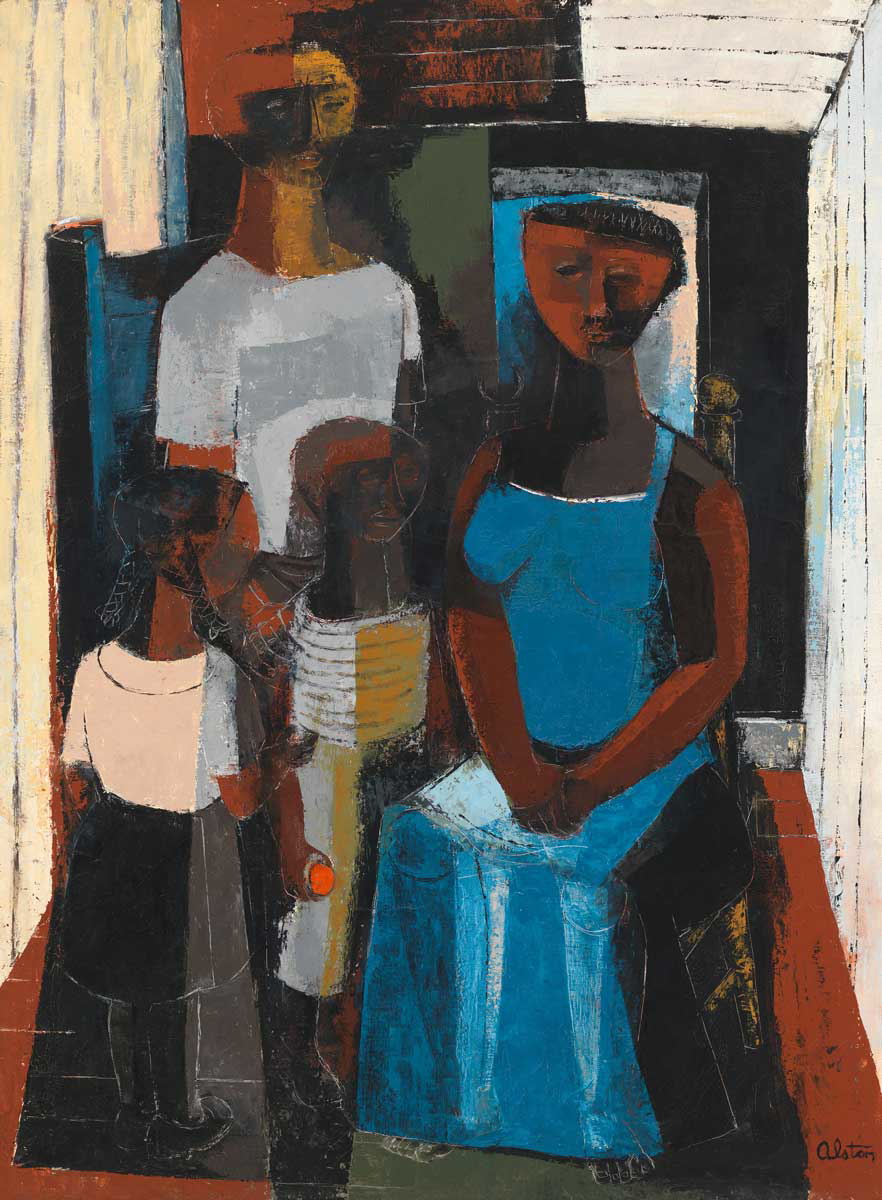
Charles Alston began his artistic exploration by copying the drawings of his older brother and playing with clay he found in the streets of Charlotte, North Carolina. During his years in a public school, he was tasked with painting school posters, already applying his talent to public work. During his fine art studies at Columbia University, he worked as a cartoonist and moved to mural projects after graduation. Alston was inspired by the works of Mexican Muralists and European artists like Modigliani and Picasso.
Today, Alston is mostly known for his teaching and activist work. He was the first African American to become a supervisor of the Federal Art Project, which supported artists during the Great Depression by providing them with public art commissions. Charles Alston was also the mentor of Jacob Lawrence, who recognized his talent early.
6. Kehinde Wiley (1977– )
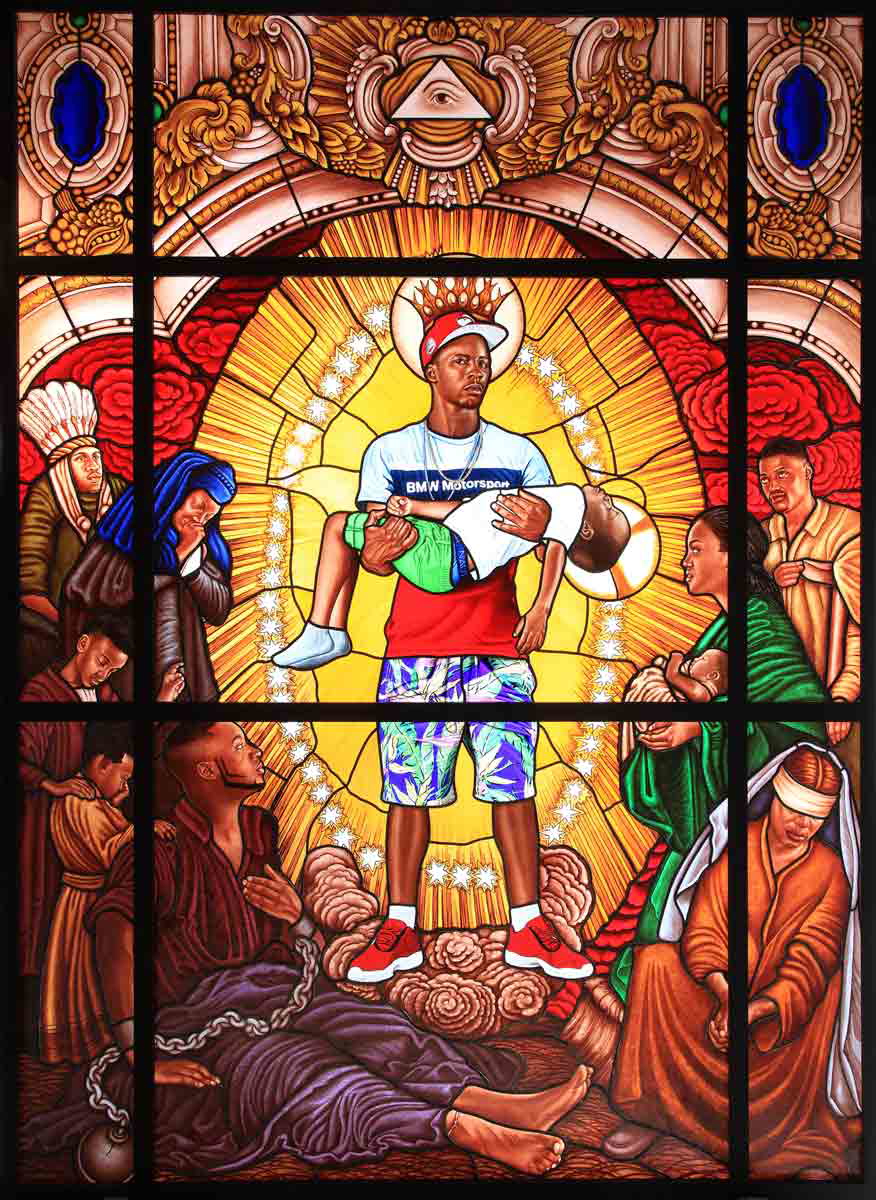
Kehinde Wiley was born in California and has Nigerian roots. Wiley’s mother initially enrolled him in an art class to keep him busy and avoid the possible negative influence of street gang culture. As a gifted student, he was accepted into a group of American children sent to study art in St. Petersburg, Russia. As a former capital of the Russian Empire, St. Petersburg still holds a remarkable collection of Russian and Western art created for the Imperial elites. There, Wiley developed an interest in official portraits, their language of power and affluence.
Kehinde Wiley’s most famous works are paintings that use the language of court portraits, religious stained glass compositions, Old Master works, or other images associated with privilege, influence, and power and feature Black men and women as their main characters. In this way, Wiley reverses the process of empowerment through art and questions the rules of visual representation.
7. Sam Gilliam (1933–2022)
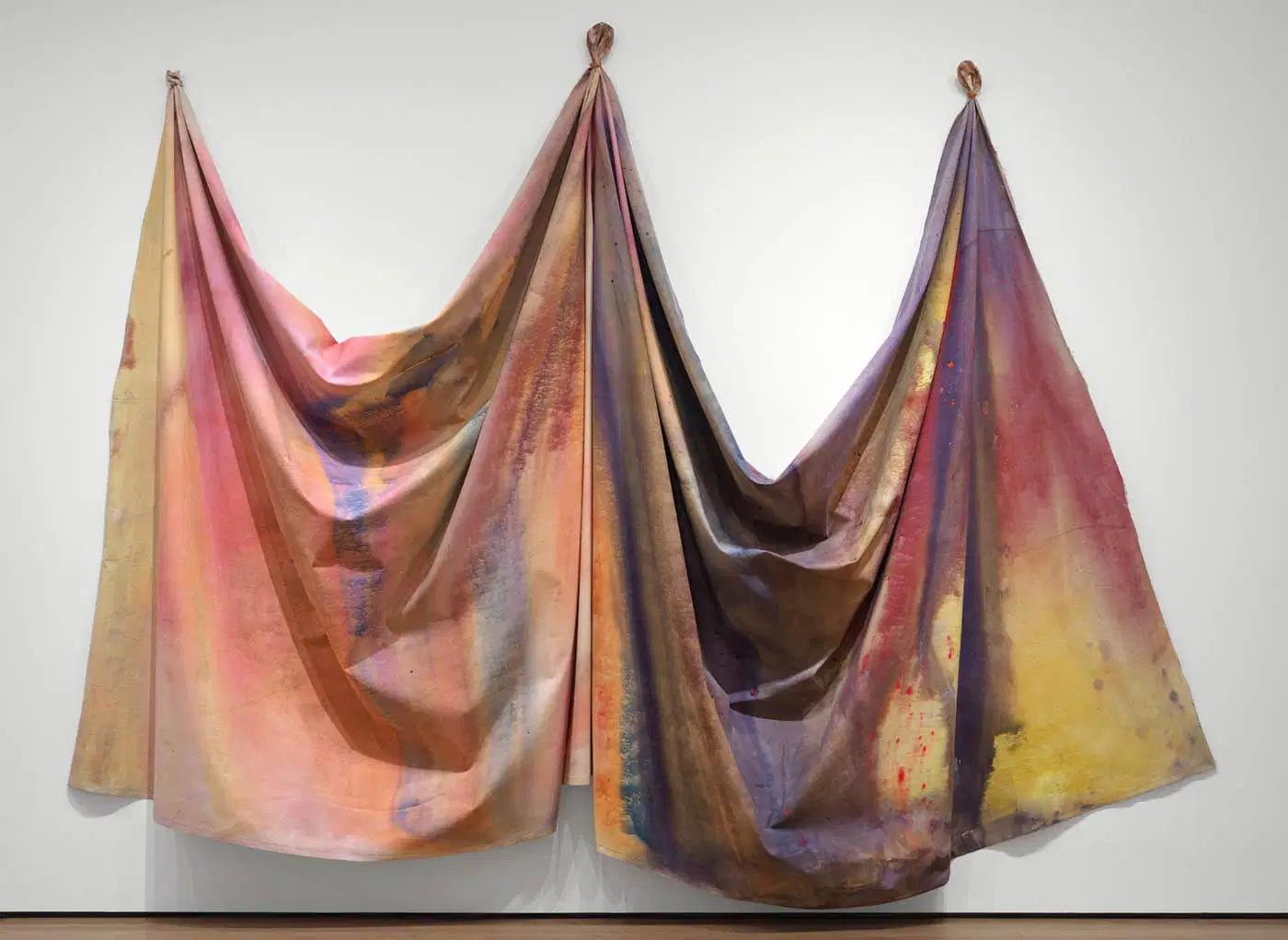
Born in Tupelo, Mississippi, and raised in a large family in Kentucky, Sam Gilliam aspired to become a newspaper cartoonist. His family encouraged creativity and practiced various arts and crafts, thus, they were supportive of their son’s inclinations. After obtaining a degree in painting, Gilliam became an assistant to German-American painter Ulfert Wilke. Wilke had a significant collection of African art and woodblock prints, which sparked Gilliam’s interest. Through Wilke, he was also introduced to German Expressionist painting and the art and philosophy of Paul Klee. However, the decisive influence came from the works of Yves Klein, which Gilliam saw in Tokyo during his army service in the late 1950s.
In the 1960s, Gilliam as an artist, was at odds with the rest of the Black artistic community. At the time of the Civil Rights Movement, artists like Gilliam were expected to make direct, politically charged work. Instead, the artist dived deeper and deeper into the domain of abstraction. Gilliam’s most famous works were his Drapes, which crossed the boundary between painting and sculpture. Gilliam soaked canvases in thinned acrylic paint, crumpled and folded, and left them to dry. Later, he would arrange hooks and wires to suspend the draped structures.
8. Jean-Michel Basquiat (1960–1988)
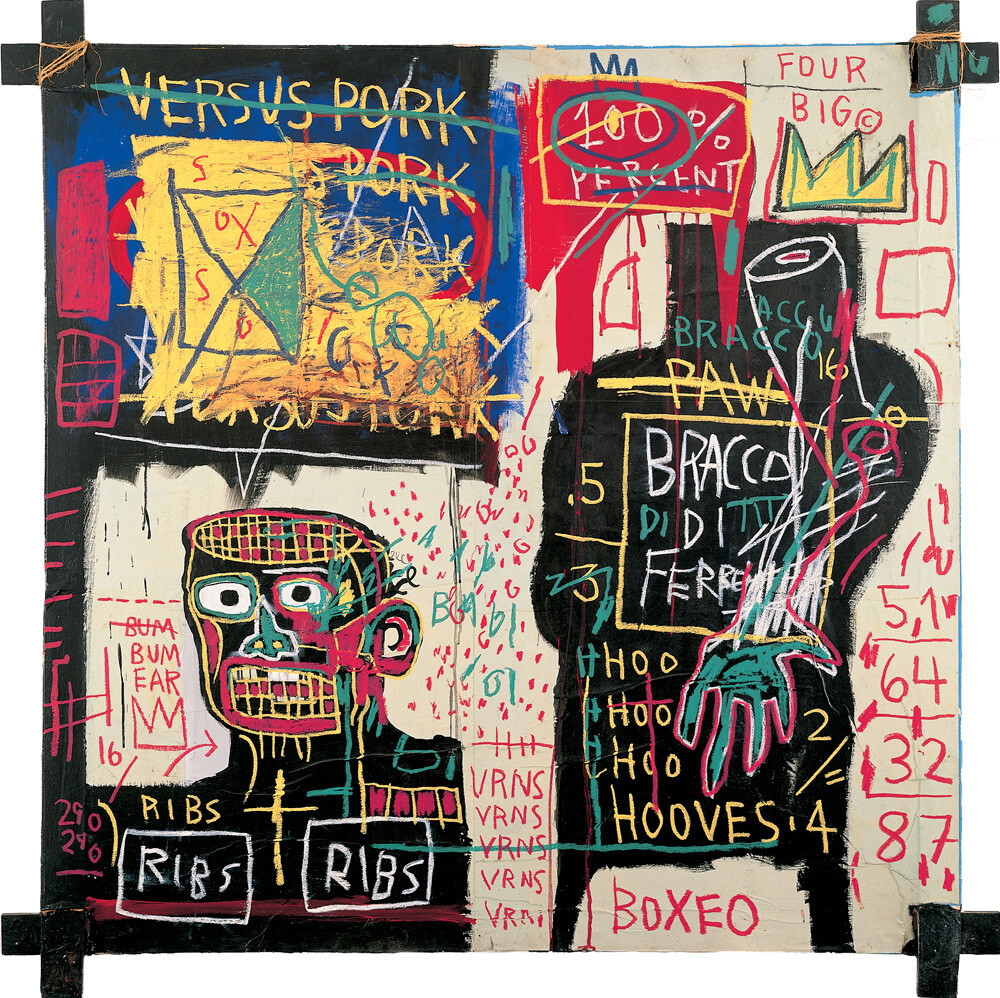
Perhaps one of the most influential Black artists in the history of modern art, Jean-Michel Basquiat transformed the entire contemporary scene, introducing street art to the elitist domain of galleries and museums. He was half-Haitian and half Puerto-Rican, spoke three languages, and was an avid reader with a keen interest in poetry and history. At the age of 17, Basquiat and his friend Al Diaz started the SAMO project, spray-painting strange slogans and comments on the streets of New York. Due to their satirical and interpretative nature, the anonymous SAMO messages soon attracted media attention.
Starting from the 1980s, Basquiat moved on to painting on panels and canvases, creating compositions from text, images, and found objects. Basquiat’s style was a unique blend of graffiti, abstract art, and poetry, with complex and multi-layered references to the history of art and symbols.