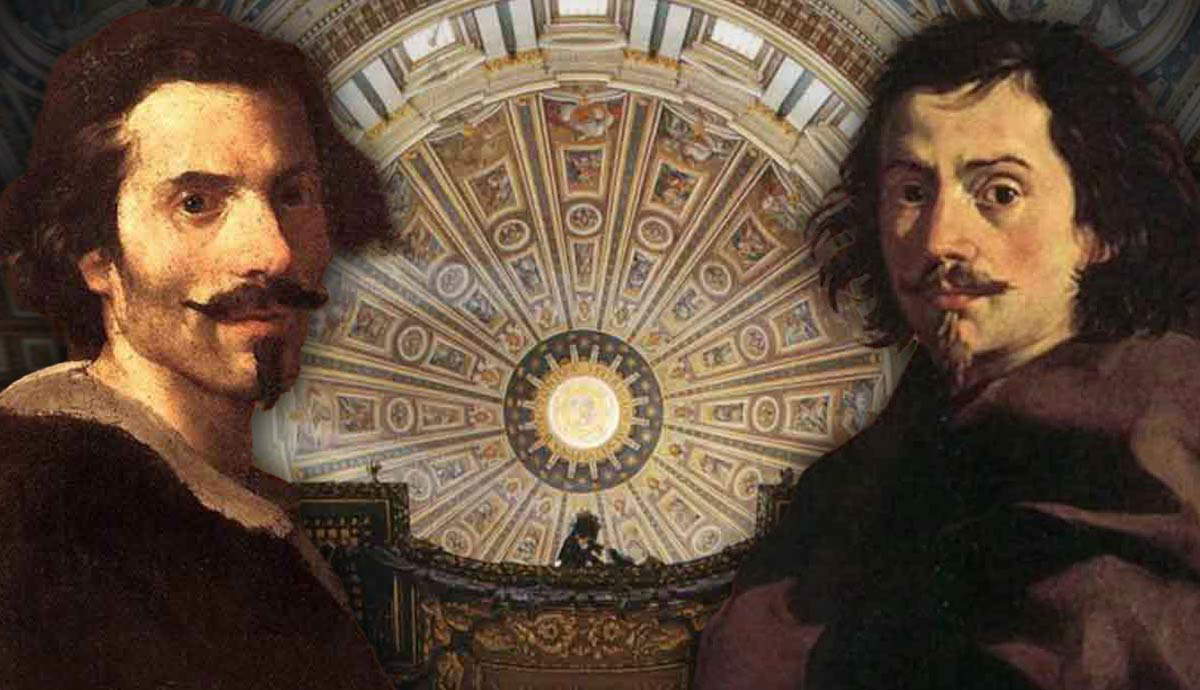
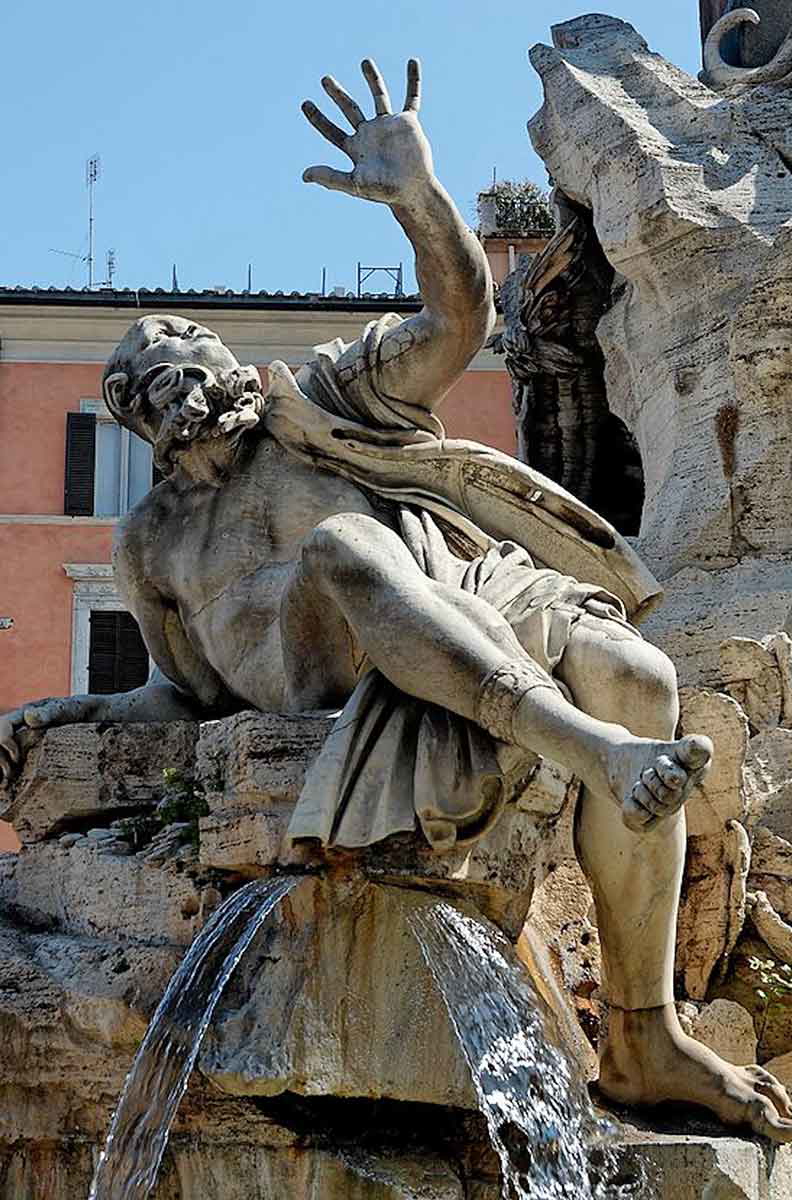
Francesco Borromini (1599-1667) is often remembered for his professional relationship with Gian Lorenzo Bernini (1598-1680), which grew more as they worked together on projects across Rome, such as New St. Peter’s Basilica and the Barberini Palace. Their long-lasting conflict, laden with contrasting artistic philosophies, has been elaborated into a saga enriched by local anecdotes, such as claiming that Bernini’s personification of the Río de la Plata on the Four River Fountain is protecting itself from the imminent collapse of the adjacent church of St. Agnes designed by Borromini.
Francesco Borromini’s Rome
This rivalry, however, has also cast a shadow over Borromini’s contribution to the re-designing of the city and his innovative approach to architectural design, which is often imbued with symbolic significance. Let’s explore Borromini’s life, some of his most remarkable designs, and his mastery of geometry as a tool to capture the essence of abstract concepts such as divine creation, wisdom, and harmony, translated into inventive architectural microcosms.
Born Francesco Castelli on September 25, 1599, in Bissone, a small village on Lake Lugano in modern-day Switzerland, Borromini came from a family of stonemasons, which laid the foundation for his career in architecture. After basic training in stonework, he moved to Milan, where he honed his craft and developed a strong foundation in architectural principles.
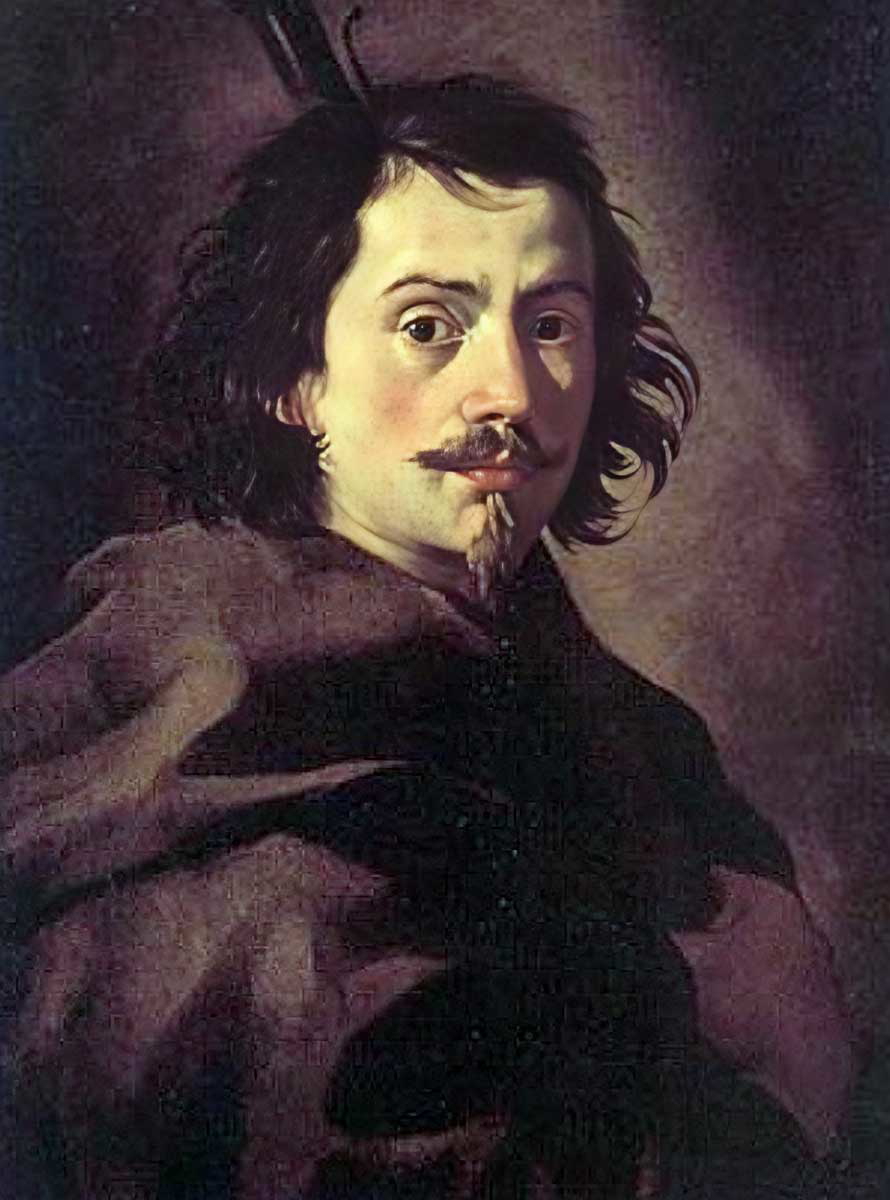
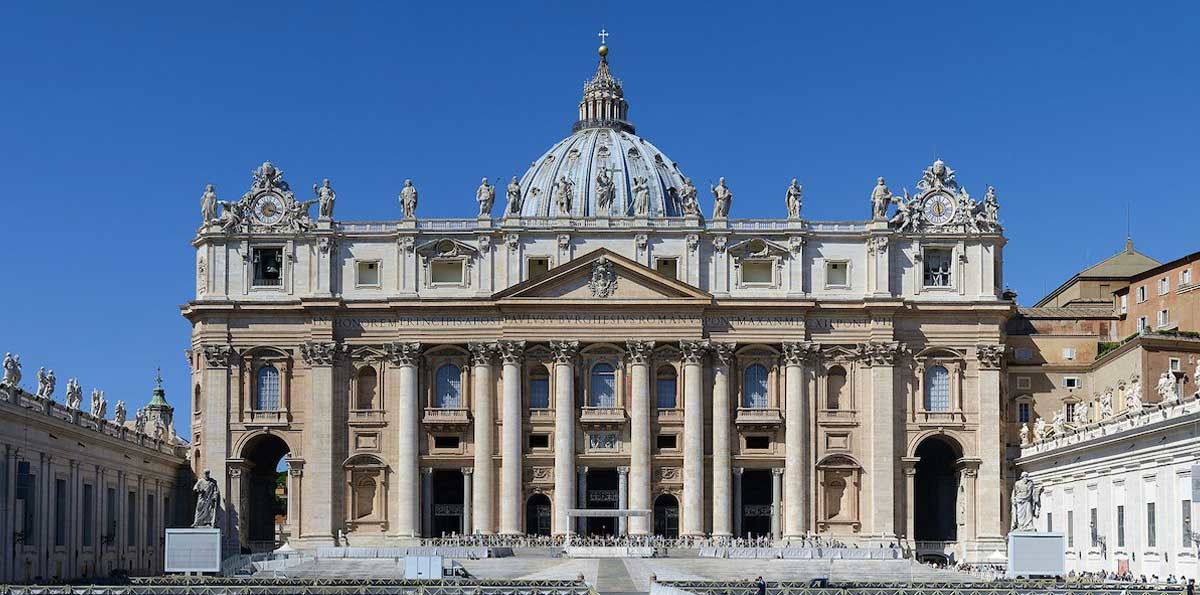
In 1619, he relocated to Rome to work under the guidance of Carlo Maderno, a relative of his and the chief architect of New St. Peter’s Basilica. Following Maderno’s death in 1629, Borromini briefly continued to work at the Fabric of St Peter’s alongside Gian Lorenzo Bernini until tensions between the two led him to abandon the project. Borromini set out to seek independent commissions where he could freely create architectural spaces based on his strong knowledge of traditions but simultaneously on his visionary approach to transforming those very rules in bold and unconventional ways.
While his contemporaries often employed grandiose ornamentation and lavish materials, Borromini’s designs focused on dynamic geometrical forms, fluid lines, and a profound interplay of light and shadow. One of Borromini’s signature techniques was the use of elliptical and curvilinear geometries for his floor plans, which created a sense of movement and energy in his structures. He also paid meticulous attention to the relationships between spaces, designing interiors that felt at once harmonious and dynamic.
San Carlo Alle Quattro Fontane (1638-1641)
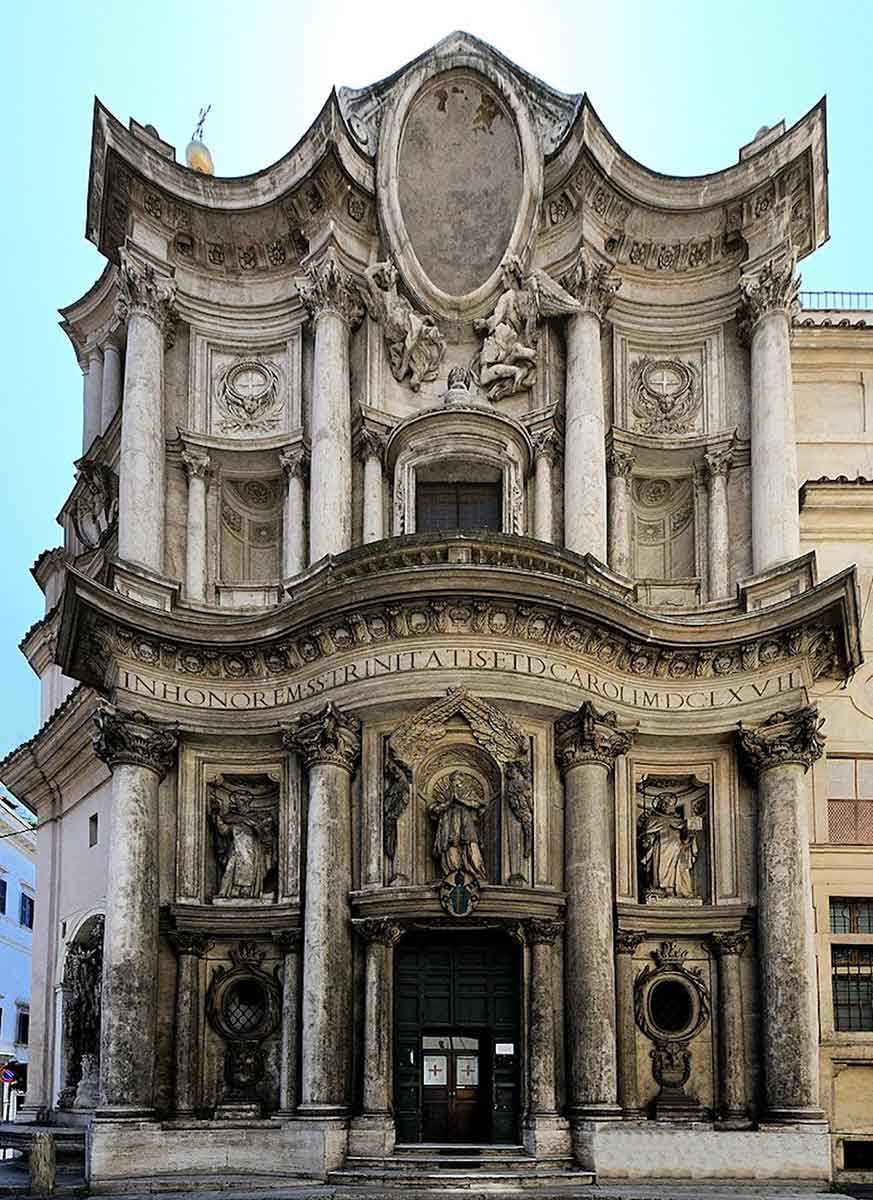
San Carlo alle Quattro Fontane, also known as San Carlino, marked Borromini’s first independent commission following his departure from St. Peter’s Basilica. Entrusted to him by the Trinitarian Order, this project proved serendipitous: Borromini was eager to demonstrate his creative prowess to potential commissioners, while the Trinitarians, new to the city themselves, needed a church to receive papal approval for their religious order but lacked the financial means for an elaborate structure. The modest budget did not prevent Borromini from utilizing his ingenuity to the fullest, resulting in a space that achieved monumental impact and structural complexity within the constraints of both limited funding and a cramped site.
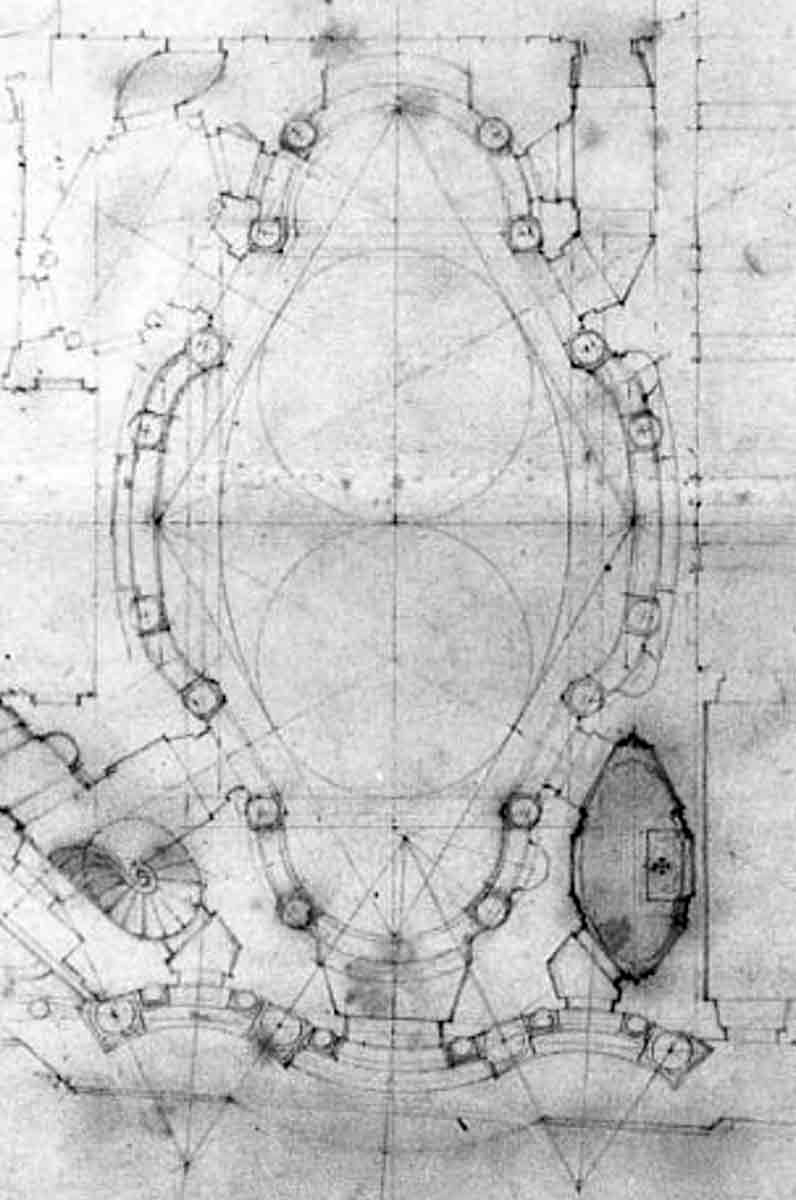
The church’s design, indeed, is a testament to Borromini’s mastery of complex geometry. Alternating concave and convex forms, the undulating façade already suggests the rhythmic dynamism and intricacy that will be found inside, while the pure and light simplicity of the stucco interior décor is left as a pleasing surprise. The floor plan begins as an intricate interplay of interlocking ovals, triangles, and circles, creating a dynamic and seemingly disorientating foundation.
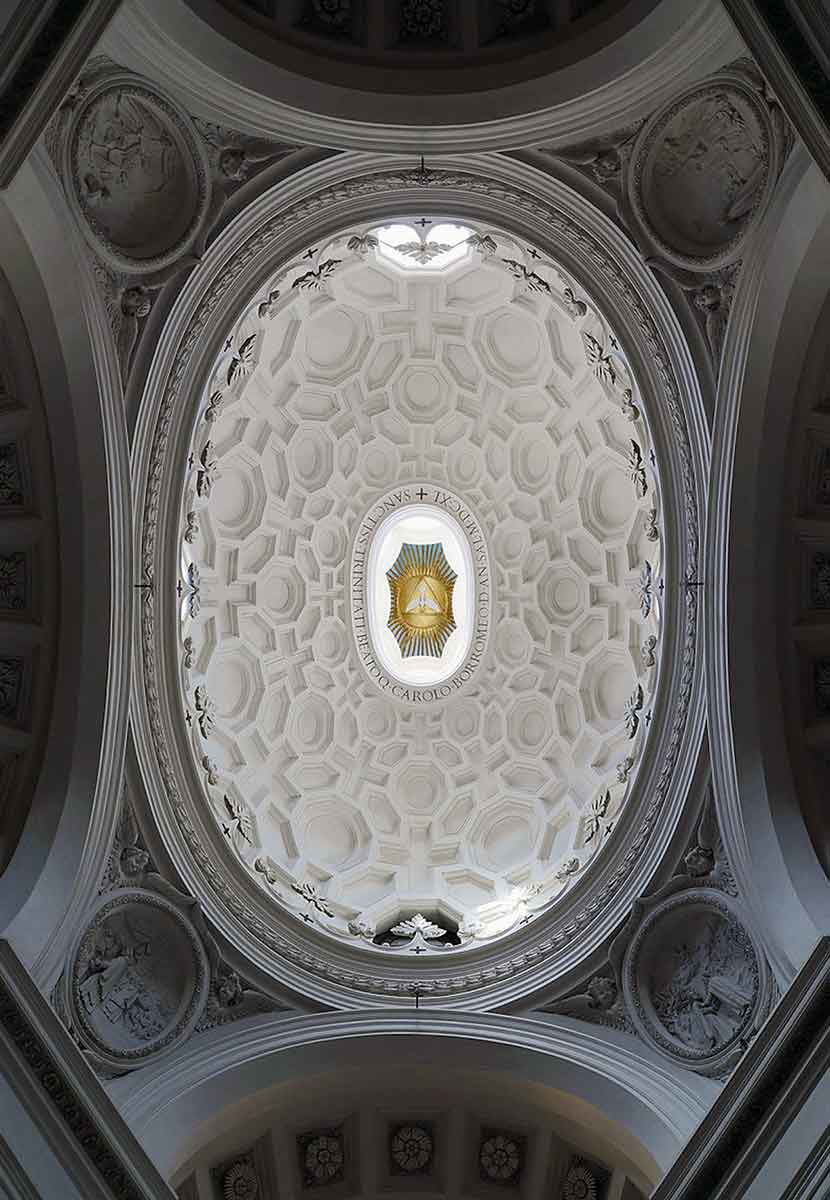
However, as one ascends toward the dome, the geometry gradually resolves into clearer, harmonious forms, symbolizing the soul’s journey toward the heavens. The elliptical dome, with its interlocking coffering and luminous apex, creates an ethereal sense of transcendence, drawing the viewer’s gaze heavenward and reinforcing the spiritual symbolism embedded in the architecture.
Sant’Ivo Alla Sapienza (1642-1660)
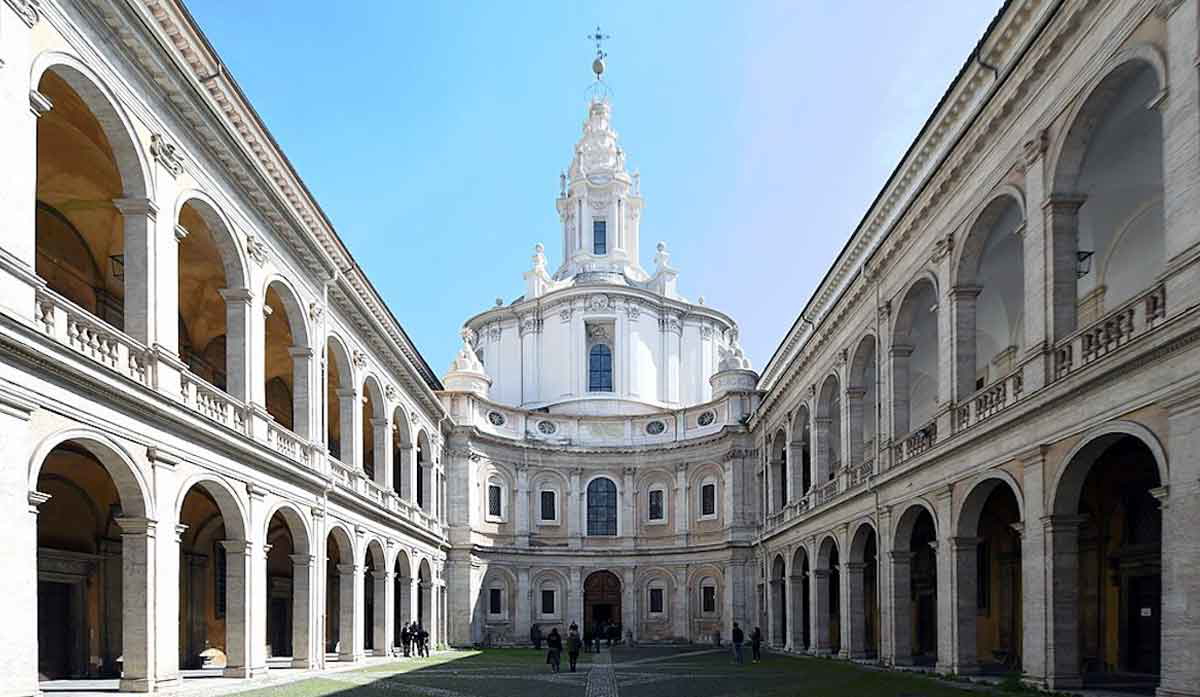
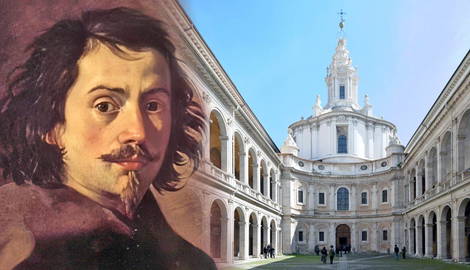
Sant’Ivo alla Sapienza, located within the courtyard of La Sapienza, Rome’s oldest university, is another iconic work by Borromini. Commissioned by Urban VIII as the university’s chapel, it symbolizes the divine origin of knowledge and the pursuit of wisdom. As for San Carlino, Borromini’s design of Sant’Ivo succeeds in translating this abstract theme into geometrical forms and celestial symbolism.
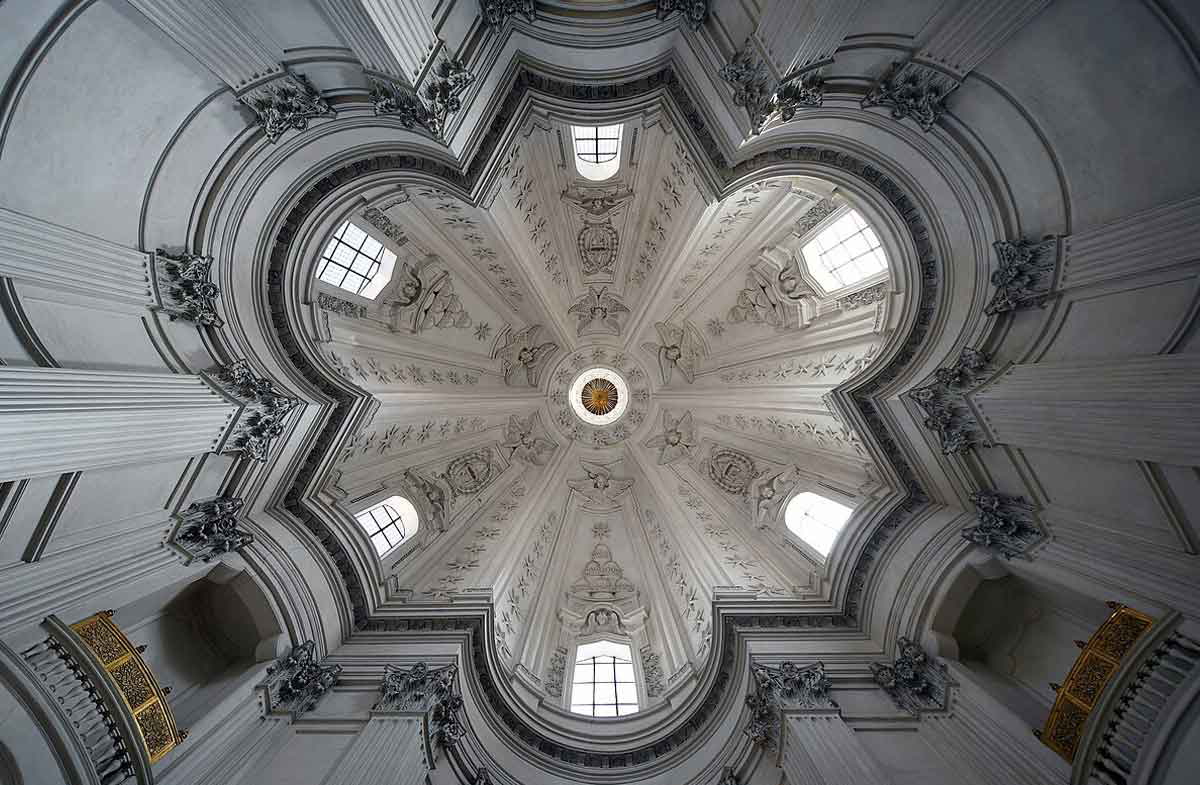
The plan of Sant’Ivo is based on a complex yet harmonious configuration of triangles and circles, which interweave to form a star-shaped layout. This geometric intricacy serves as a metaphor for the pursuit of knowledge, an endeavor that begins with a fragmented understanding of reality but gradually resolves into clarity and enlightenment, as guided by divine inspiration. The interior’s interplay of light and shadow further enhances the sense of progressive divine enlightenment, with sunlight filtering through carefully positioned windows to highlight the chapel’s harmonious proportions.
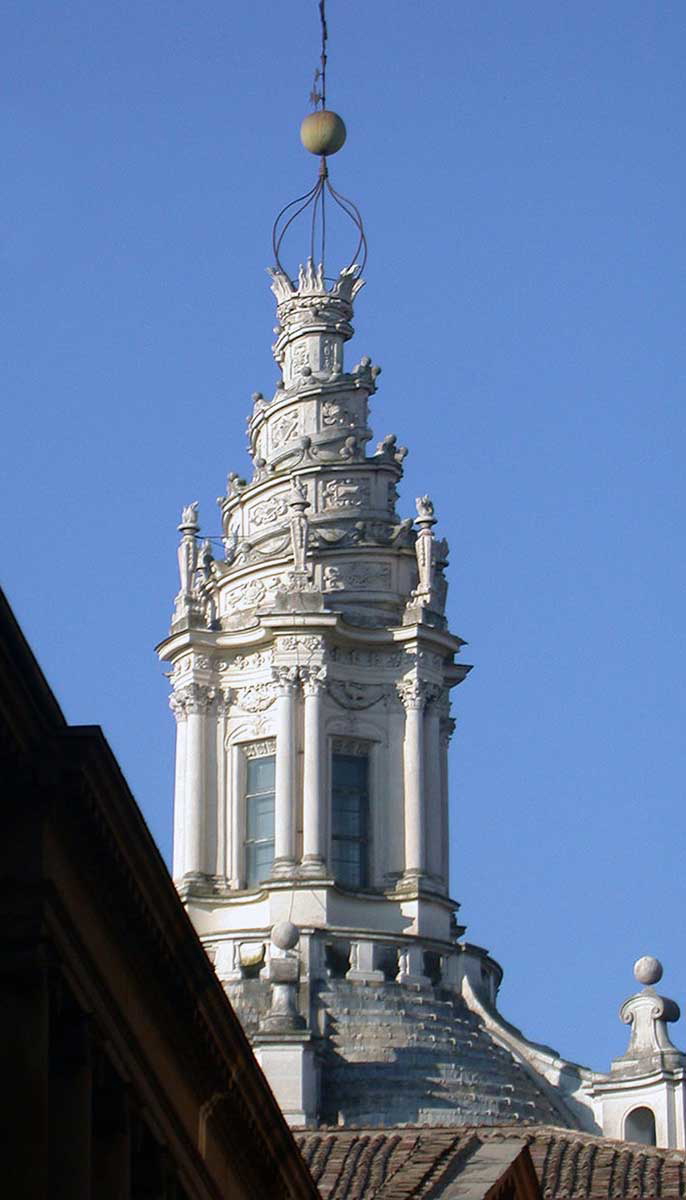
The transition from the intricate floor plan to the luminous dome allows us to visualize and experience this intellectual and spiritual journey. The dome itself, crowned by a corkscrew-shaped lantern that spirals upward towards Heaven, symbolizes the ascent of the human mind towards divine wisdom. The lantern is, therefore, both a visual focal point where the whole structure culminates and a profound representation of enlightenment. It stands as a testament to Borromini’s belief that architecture could transcend its physical function to embody the higher aspirations of the human mind and soul.
Oratory of Saint Philip Neri (1637-1650)
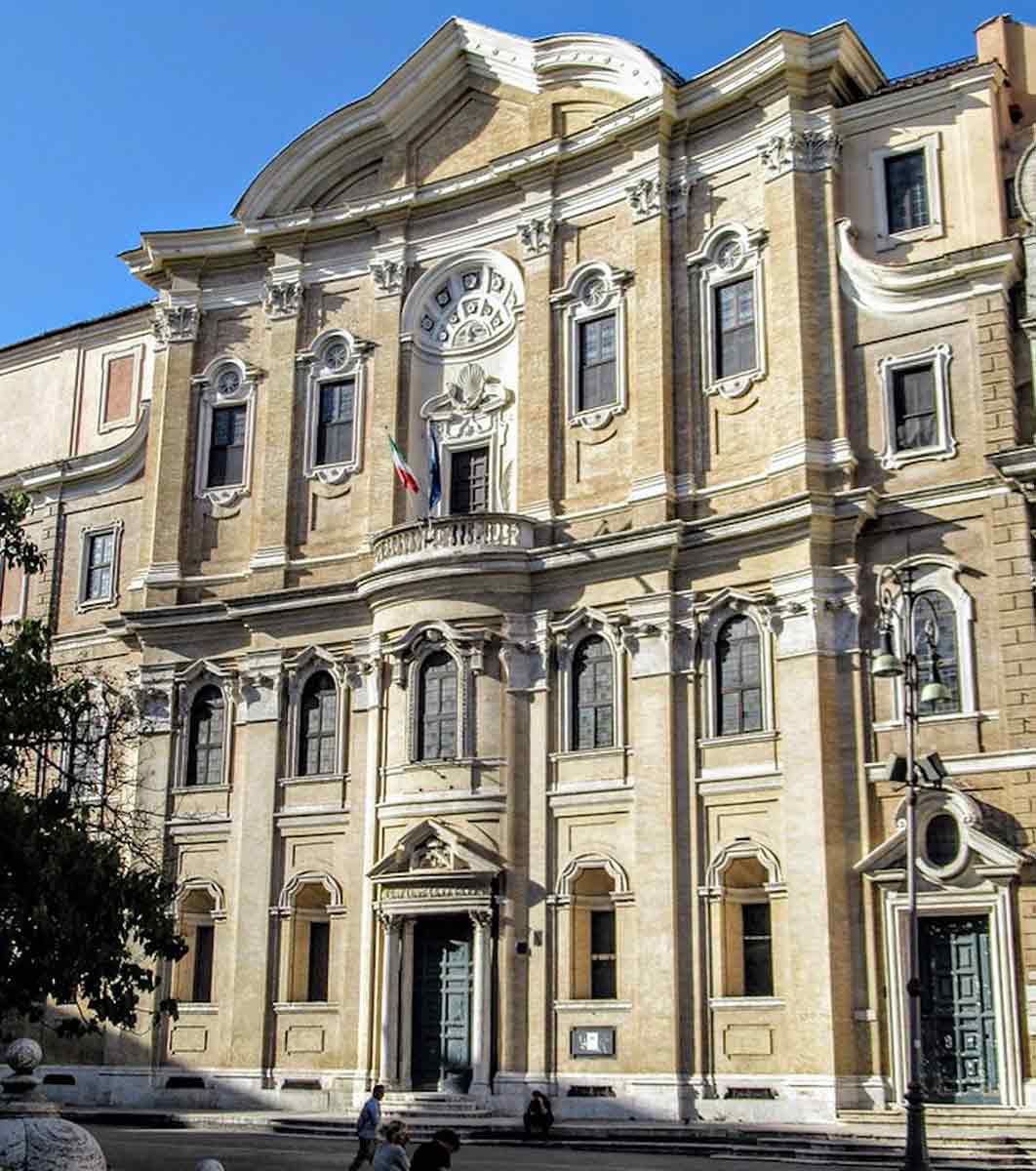
Adjacent to the Chiesa Nuova in Rome, the Oratory of Saint Philip Neri is yet another powerful expression of Borromini’s ability to translate spiritual ideas into architectural form. Commissioned as a space for prayer and community gatherings, the Oratory embodies the values of the Congregation for which it was built—simplicity, humility, and devotion—while elevating them through an innovative design.
The façade achieves striking elegance through its gentle curving and rhythmic interplay of concave and convex forms and ornaments, some drawn from previous architectural traditions, whilst others invented anew. For instance, the curved gable, framed by pilasters and adorned with subtle ornamental details, invites contemplation and symbolizes the uplifting nature of prayer. The overall undulating design reflects Borromini’s belief in the power of architecture to inspire harmony and unity.
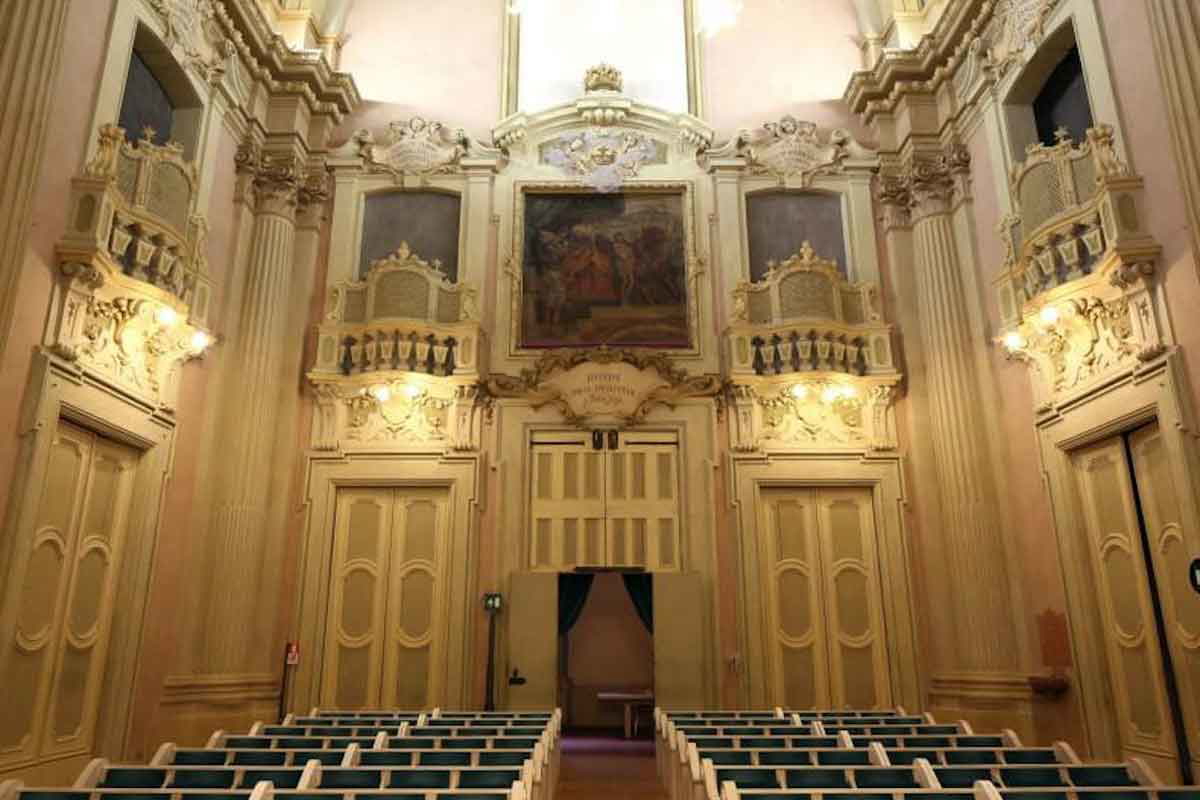
Inside, the Oratory’s spatial arrangement fosters an intimate and serene atmosphere. Borromini’s careful orchestration of proportions creates a sense of balance and cohesion, ensuring that every element contributes to the whole. At its core, the Oratory appears as a celebration of spiritual harmony. Borromini’s design once again transcends mere functionality, transforming the building into a space where architectural form and spiritual purpose converge.
Palazzo Spada (1643-1647)
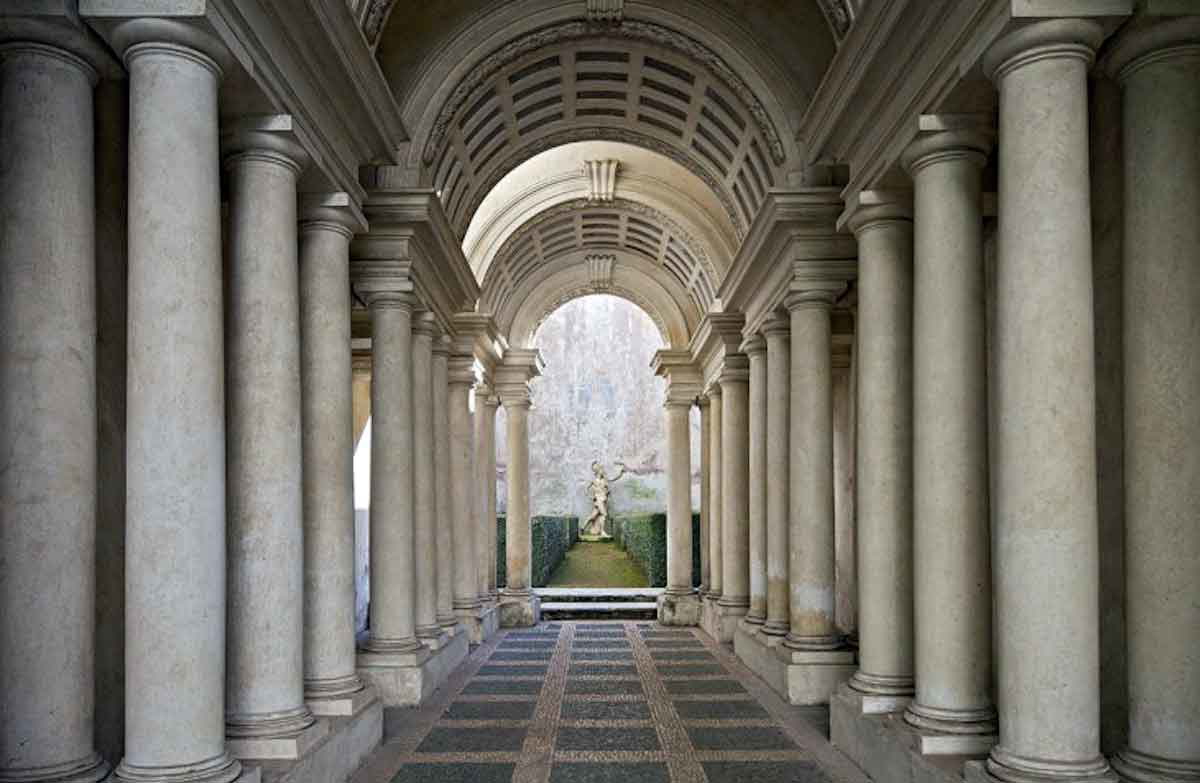
One of Borromini’s most ingenious creations can be found in Palazzo Spada, where a forced-perspective gallery was added to the courtyard, proving the architect’s mastery of geometrical rules. At first glance, the colonnade seems to extend far into the distance, but this illusion is the product of Borromini’s brilliant manipulation of perception by means of accurate calculations and proportions. The gradual diminution of column sizes, the narrowing of the floor, and the ceiling’s calculated slope compress space in a way that deceives the eye into perceiving a much greater depth than the actual length of the gallery.
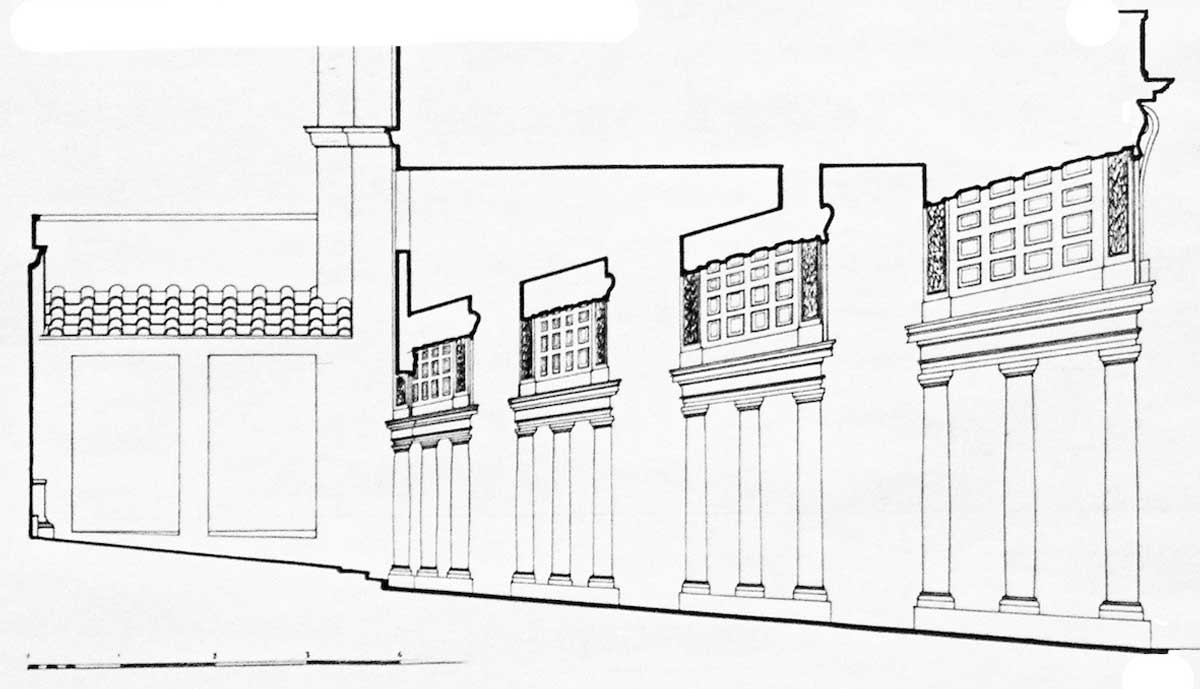
This work is more than a mere playful trick; it embodies Borromini’s ability to make a concept tangible. Perspective—an intellectual and mathematical principle—is translated into a physical and experiential reality. Visitors walking through the gallery are not merely observing an illusion; they are rather engaging with a crafted experience that transforms an idea into a tactile, inhabitable space. The forced-perspective gallery reflects Borromini’s ability in turning the theoretical into the concrete, making the intangible concept of infinite space a reality within the finite confines of a palace.
Francesco Borromini’s Personal Struggles and Tragic End
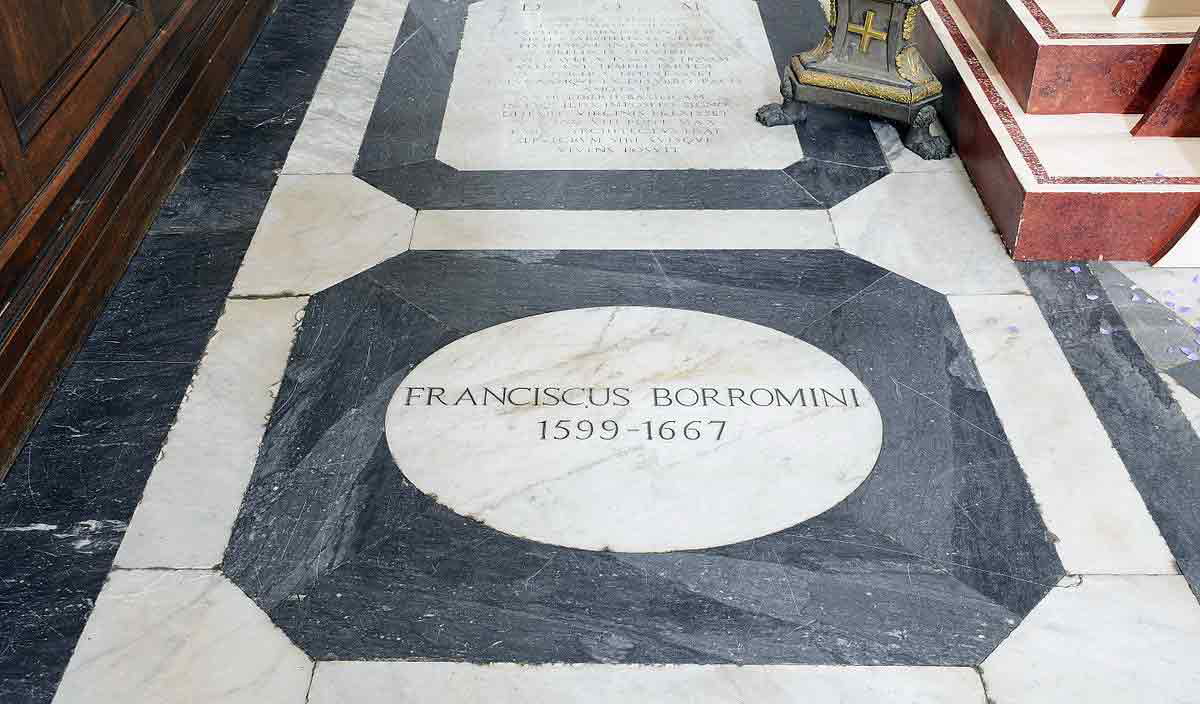
Despite his architectural achievements and innovative contributions, Borromini’s personal life was marked by inner turmoil. He was known for his intense and solitary nature, and his perfectionism and uncompromising standards sometimes alienated him from those he worked with. These factors, combined with his rivalry with Bernini and the uneven recognition of his work, deepened his sense of inadequacy. Borromini’s mental health further deteriorated in his later years until, on August 2, 1667, he tragically took his own life, leaving behind a legacy of brilliance tempered by personal suffering. His death marked the loss of one of the most innovative minds of early modern Rome.
Francesco Borromini was a visionary whose contributions to architecture transcended the boundaries of his time and re-invented knowledge to produce dynamic forms and profound symbolism. Despite the challenges he faced, Borromini redefined the possibilities of Baroque architecture, and his work remains a source of fascination and inspiration. The timeless elegance and complexity of his buildings epitomizes the Baroque aesthetic but also stands apart thanks to its originality and daring experimentation.