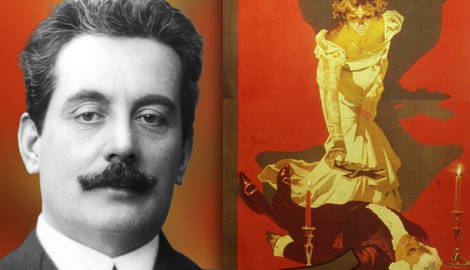
In the 20th century, Giacomo Puccini was the most prominent Italian opera composer. Born in 1858 in Tuscany, Puccini quickly rose to fame, moving Italian (and international) audiences with his rich melodies and penchant for conveying raw emotions. His lavish lifestyle and turbulent love life cemented his reputation as a celebrity in the musical landscape of the fin de siécle. Today, his most famous arias are not only sung in opera houses across the globe but also regularly featured in films, testifying to Puccini’s ability to portray universal emotions.
Giacomo Puccini’s Early Years
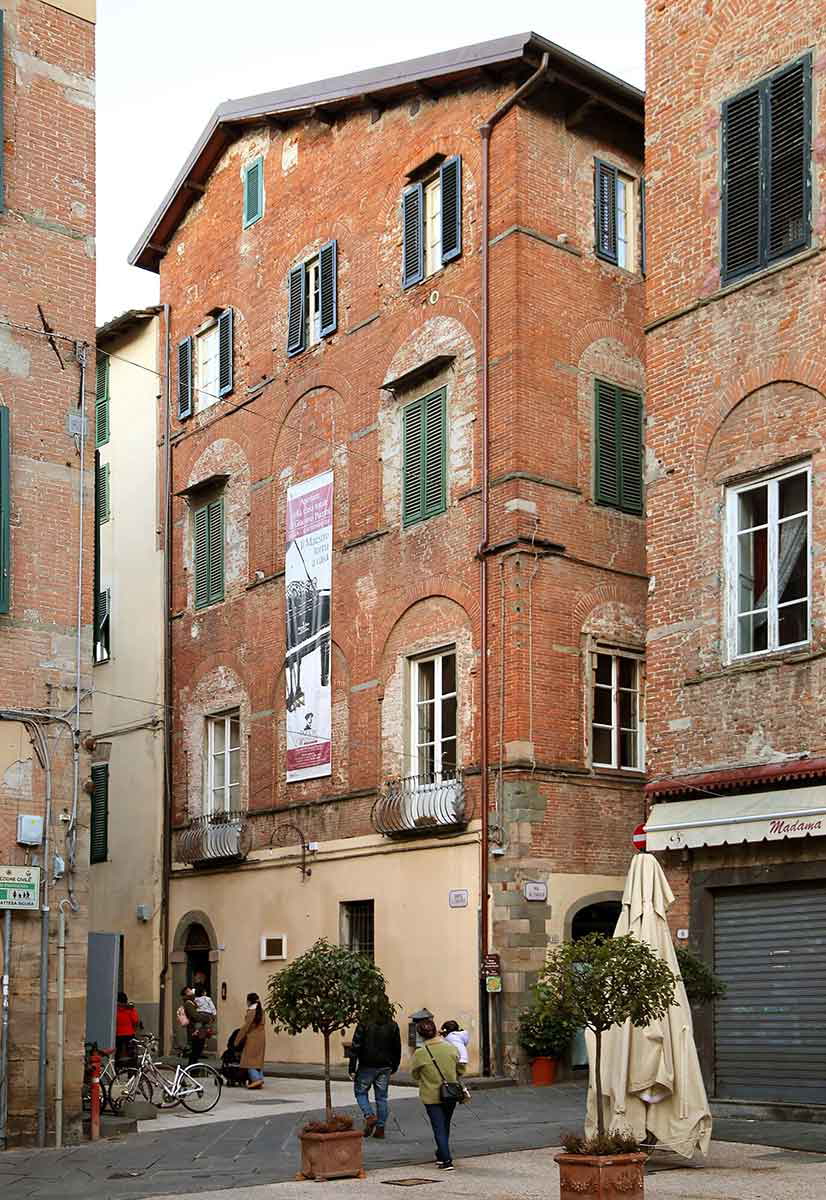
Giacomo Puccini was born on December 22, 1858, in the Tuscan city of Lucca. His father, Michele, belonged to a dynasty of musicians who had dominated the town’s musical life for about two centuries. Puccini’s great-grandfather (also named Giacomo) had held the prestigious position of maestro di cappella (Choirmaster) at the Cathedral of San Martino and, since 1799, his ancestors had worked at the renowned Cappella Palatina in the Republic of Lucca. At his baptism, Giacomo’s parents named him after all the Puccini family’s musicians: Giacomo Antonio Domenico Michele.
The young Giacomo, the sixth of nine children, spent his early years at the family home in Corte San Lorenzo, where he received his first music lessons from his father, a professor of composition at the prestigious “G. Pacini” Institute of Music in Lucca. Michele Puccini, however, died when Giacomo was only five years old.
After his death, the municipality assisted his widow, Albina Magi, who struggled to support her large family, by granting her a small pension. Giacomo continued his musical education with his maternal uncle, Fortunato Magi, who succeeded Michele as Choirmaster. According to a special provision, Fortunato would have to step down from his position “as soon as Signor Giacomo be able to discharge such duties.”
In 1868, Giacomo enrolled at the “G. Pacini” Institute of Music, where he attended the violin class. Soon after, the teenager began playing the organ at services and creating his first compositions. In 1876, when he was 18 years old, young Giacomo attended a performance of Giuseppe Verdi’s Aida in Lucca. Puccini was struck by Verdi’s work and later described the experience as the moment when he discovered his true vocation: opera. “When I heard Aida in Pisa, I felt that a musical window had opened for me,” remarked Puccini.
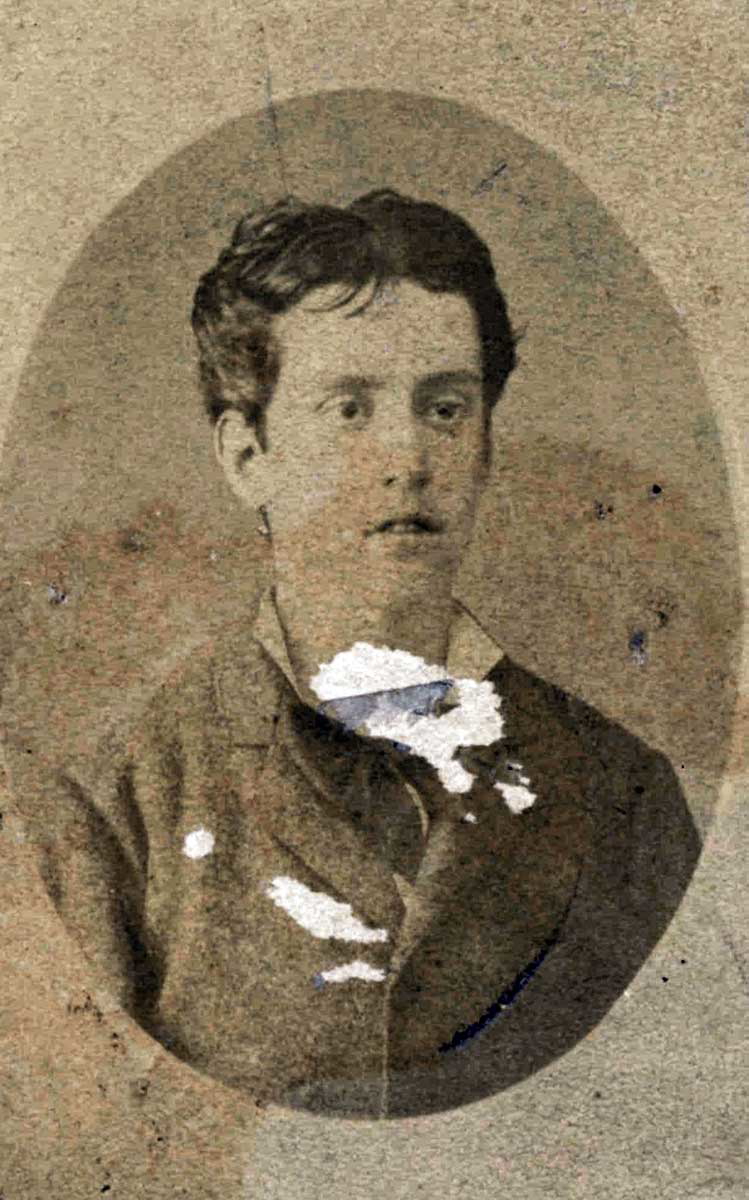
In 1880, thanks to a grant from Queen Margherita of Savoy, Puccini managed to achieve his dream of continuing his studies at the renowned Milan Conservatory, where he studied under Antonio Bazzini, a composer of chamber music, and Amilcare Ponchielli, at the time a popular Italian opera composer. In Milan, Puccini also met Pietro Mascagni, who would later become one of the leading exponents of Italian Verismo (more on that later). The two became friends and roommates until Mascagni dropped out of the conservatory.
After three years of studies, Puccini graduated in July 1883. His graduation composition, Capriccio sinfonico, received praises from his teachers and was performed at the student concert held in his final year at the conservatory. The instrumental piece also attracted the attention of music critics in Milan.
The First Operas
Upon graduating in 1883, Giacomo Puccini immediately began pursuing a career as an opera composer, submitting his first work, Le Villi, in a competition for one-act operas organized by the renowned music producer Sonzogno. While Puccini’s entry did not win the competition, some of his friends managed to raise funds to stage a first performance of Le Villi, an opera-ballet based on the Slavic legend of the Vila (a fairy).
The premiere, held at Verme Theater in Milan in 1884, was a success, and Puccini’s dramatic power impressed Giulio Ricordi, the most influential music publisher in Italy. Ricordi acquired the copyright of Le Villi, commissioned the up-and-coming composer a new opera, and granted him a monthly income.
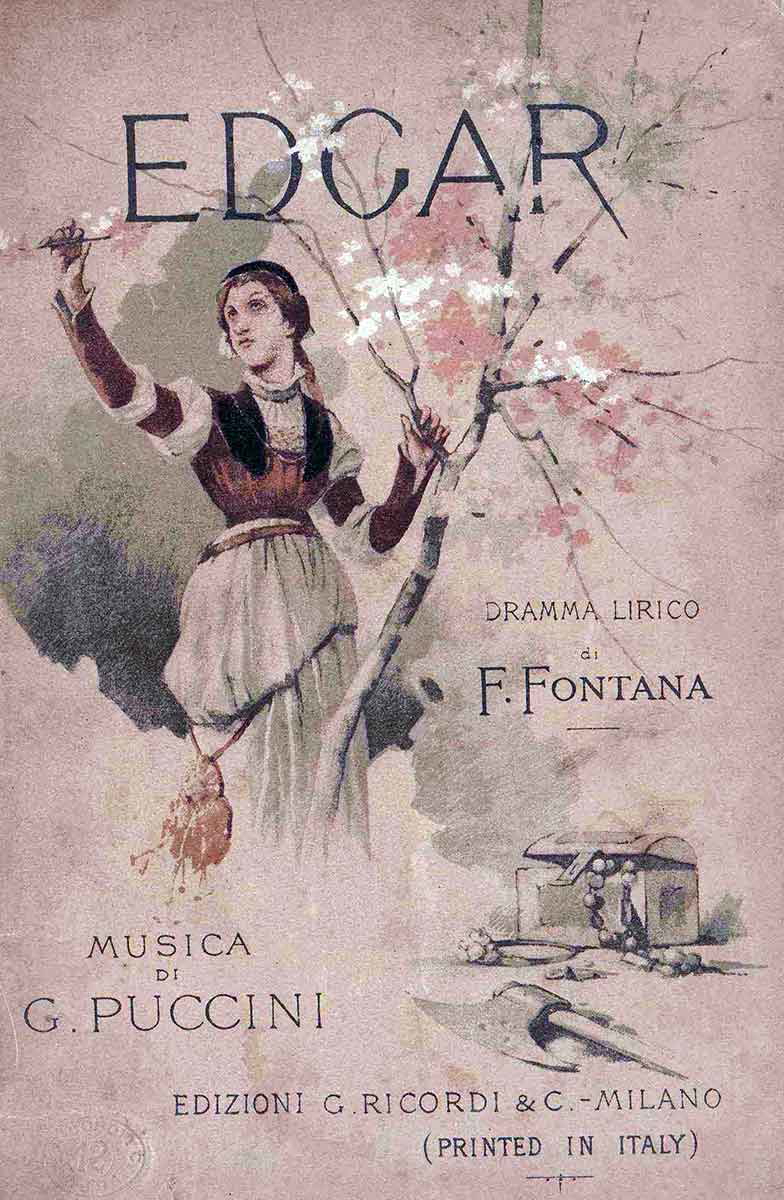
In the early stages of his career, Ricordi became Puccini’s mentor and continued to support him even after the composer’s second opera, Edgar, failed to impress the audience and music critics in 1889. The composition process for Edgar was very long and difficult, especially considering that, while working at the opera, Puccini embarked on a relationship with a married woman, Elvira Germigani, creating an enormous scandal. The couple was able to legally marry only in 1904, after Elvira’s first husband, Narciso, died.
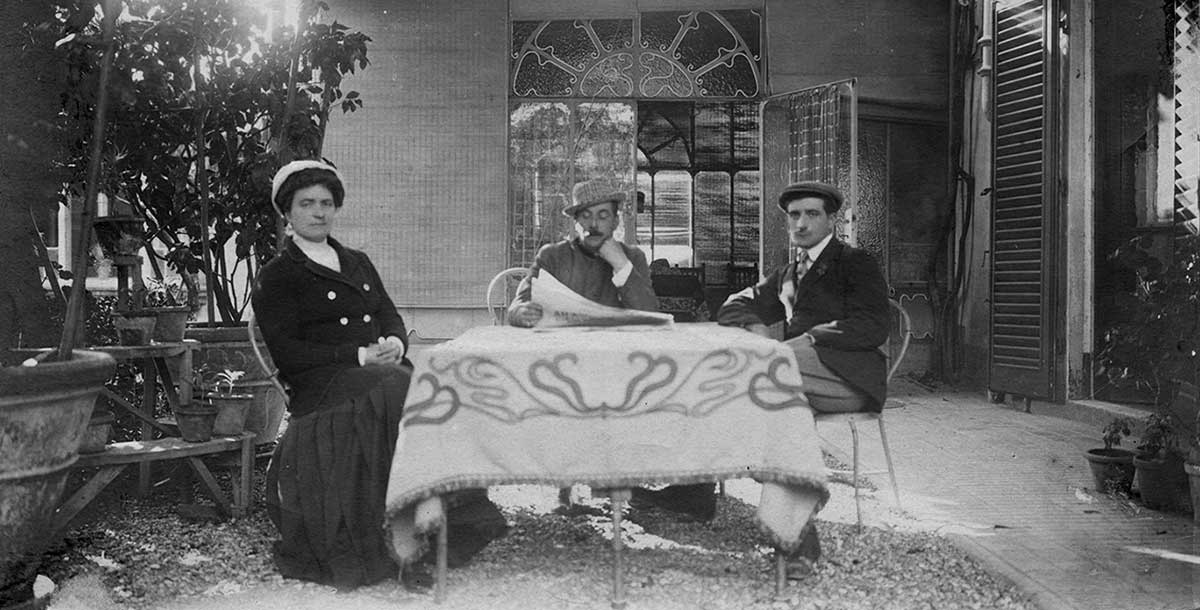
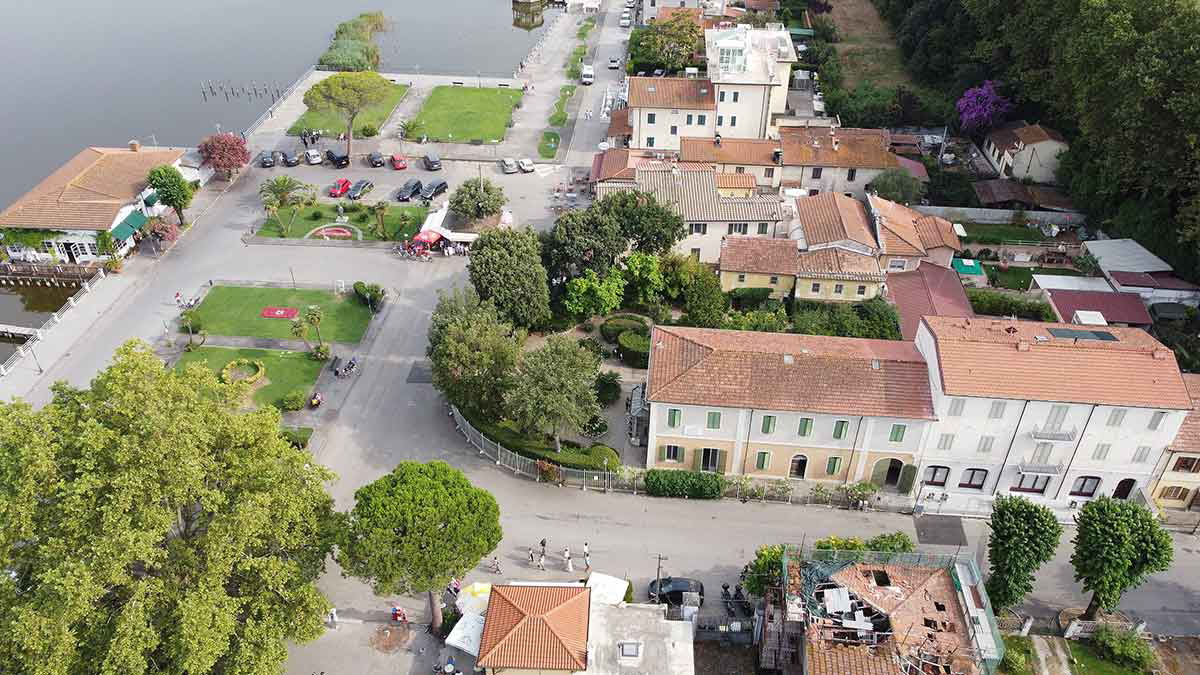
The couple initially struggled financially. After fleeing to Monza, they often resorted to living separately as guests at their relatives’ houses. In 1891, the couple returned to Tuscany and settled in Torre del Lago, a small town on Lake Massaciuccoli near Viareggio, which became Puccini’s refuge from the world. In 1893, after the success of his third opera, Manon Lescaut, the composer was finally able to secure financial stability for himself and his family (he and Elvira had a son, Antonio, in 1886).
Based on the 18th-century novel by the Abbé Prévost, Manon Lescaut featured several elements of his mature operas: dramatic power, a tragic love story, and a passionate but unlucky heroine. The opera revolves around the misadventures of young Manon, a lively but fickle young woman who elopes with Renato Des Grieux, a young man who falls in love with her.
Like the heroines of Puccini’s future works, Manon is portrayed as a strong-willed and passionate woman who is ultimately destroyed by her love. Puccini’s orchestration, alternating action with moments of lyricism, masterfully emphasizes the tragedy developing on stage, urging the audience to identify with the characters and their turmoils.
What Are Puccini’s Most Famous Operas?
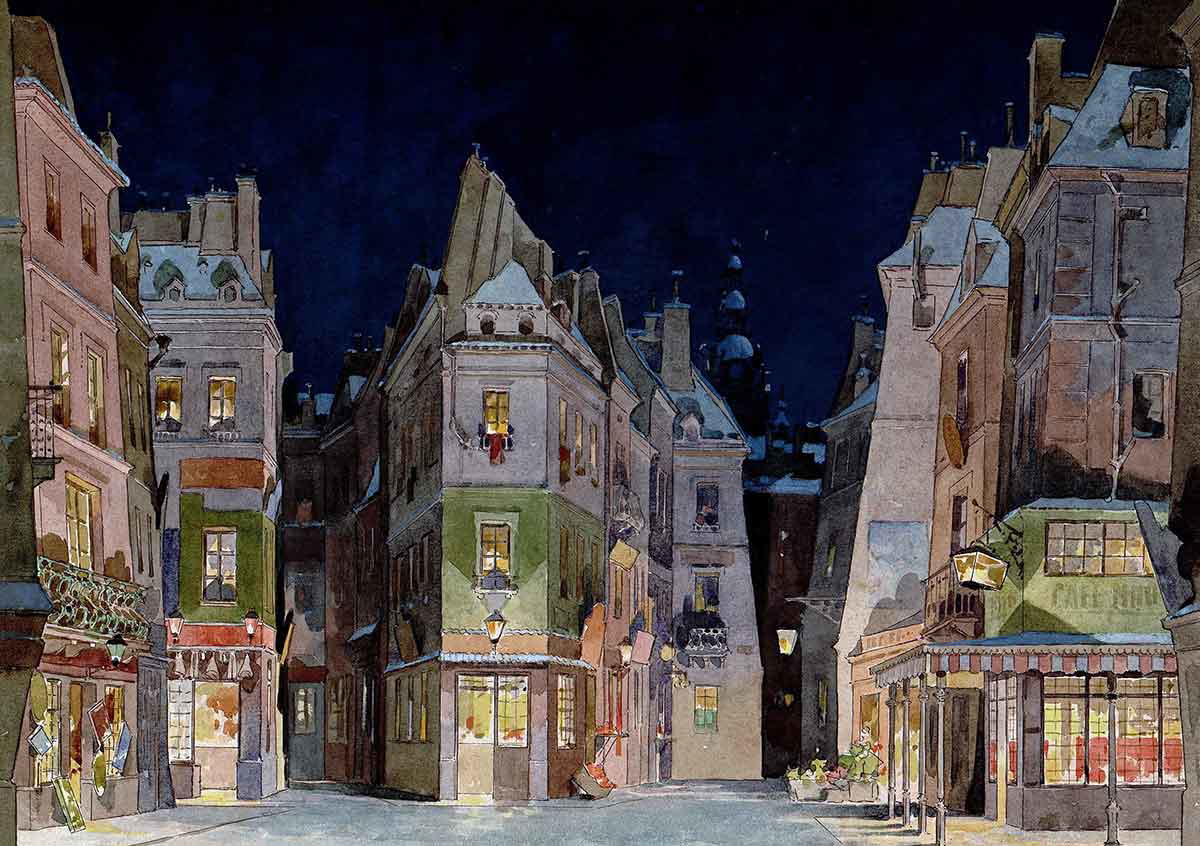
Between the 1890s and the beginning of the 20th century, Giacomo Puccini composed most of his mature works. In 1894, La Bohème, perhaps his most famous opera, premiered at the Teatro Regio in Turin. Set in the 1830s in Paris, the opera tells the love story between Mimì, a seamstress, and Rodolfo, a writer, set against a backdrop of the plights and struggles of the so-called Bohemians. Puccini and his librettists, Luigi Illica and Giuseppe Giacosa, worked for almost three years on the opera. The composer based the story on Scenes of Bohemian Life by French writer Henri Murger and his own experience as a struggling artist in the 1880s.
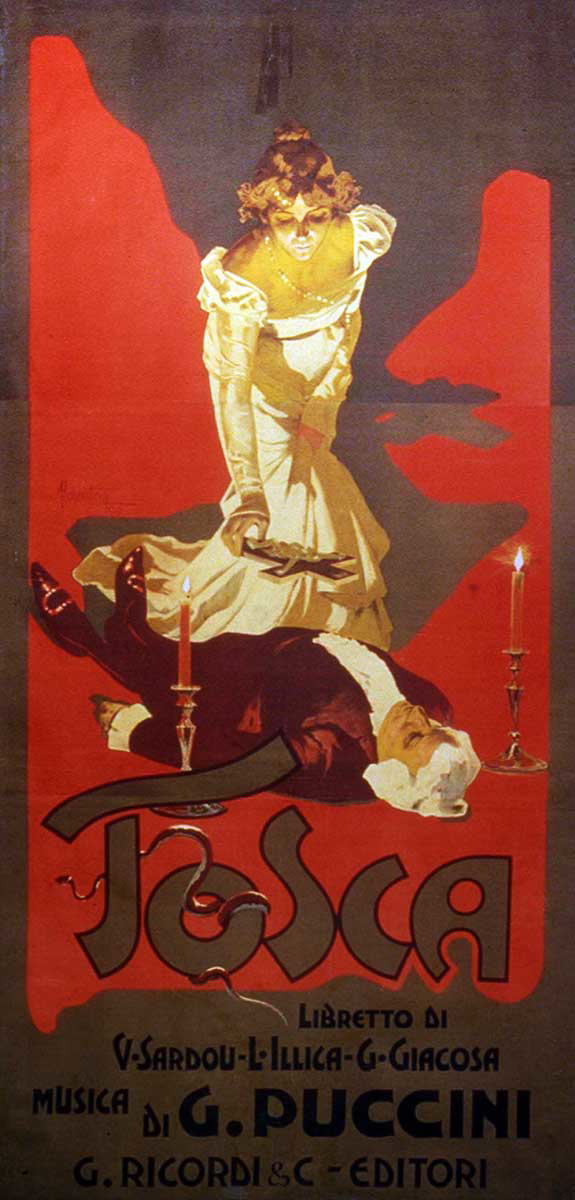
The first performance of La Bohème was an undisputed success, and Puccini and his two librettists went on to collaborate on two more operas: Tosca and Madama Butterfly. Set in Rome during the Napoleonic Wars, Tosca is based on the play by French playwright Victorien Sardou, La Tosca.
A story of passion, revolution, and intrigue, Tosca revolves around another strong-willed heroine (Tosca) and his lover, Cavaradossi, an artist who falls prey to the sadistic chief of police, Scarpia, in 1800 Rome. The premiere, held in Rome in 1900, was a success with the audience, with many moved by the music’s strong emotional appeal. In the 20th century, American-Greek soprano Maria Callas brought new depth to the role of Tosca with her singing and acting prowess.
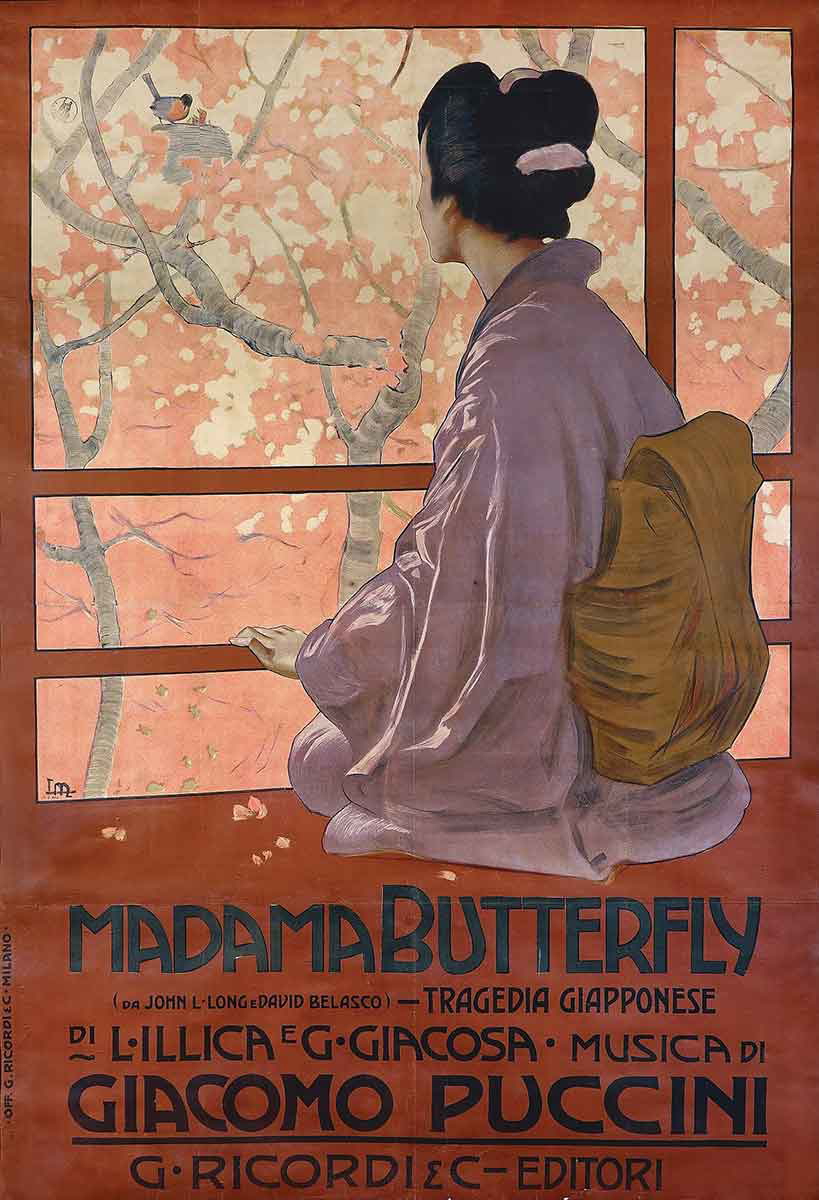
However, Puccini’s next opera, Madama Butterfly, the tragic story of a Japanese girl who falls in love with an unscrupulous American sailor, was a fiasco. The audience openly booed and jeered throughout the 1904 premiere at the prestigious La Scala Theater in Milan. Puccini, who had researched Japanese music during the composition process, was stunned but not discouraged. After withdrawing the opera, he made several revisions and re-opened it in Brescia with great success. The fiasco in Milan was probably due to the rivalry between the music publishers Ricordi and Sonzogno rather than the opera itself.
In 1910, Puccini’s fame reached the “New World” with the premiere of La fanciulla del West (The Girl of the Golden West) at the Metropolitan Opera House in New York City. The opening night’s cast included Italian tenor Enrico Caruso, a star of the operatic world at the time, and it was conducted by Arturo Toscanini.
Eight years later, in 1918, when World War I was still ravaging Europe, the Met staged the first production of Il Trittico (tryptic). Puccini, however, was unable to attend due to the ongoing hostilities. The Trittico comprised three one-act operas, each with its own plot and distinctive music style: Il tabarro (The Cloak), Suor Angelica, and Gianni Schicchi, Puccini’s first and only foray into the comic genre.
After the Trittico, Puccini composed what would be his last opera, Turandot, based on the fable of the same name by 18th-century Italian dramatist Carlo Gozzi. Puccini, however, fell ill and died before completing the opera. In its premiere, held posthumously in April 1926, conductor Arturo Toscanini ended the performance where Puccini wrote the last notes.
Turandot was later completed by Franco Alfano, who added the final love duet between Calaf and Turandot, a Chinese princess set on avenging her ancestor’s abduction and murder by sentencing all suitors who fail to solve three riddles to death. The aria Nessun Dorma, sung by Calaf in Act III, is among the best-known operatic pieces of all time.
Giacomo Puccini’s Life Between Music & Scandals
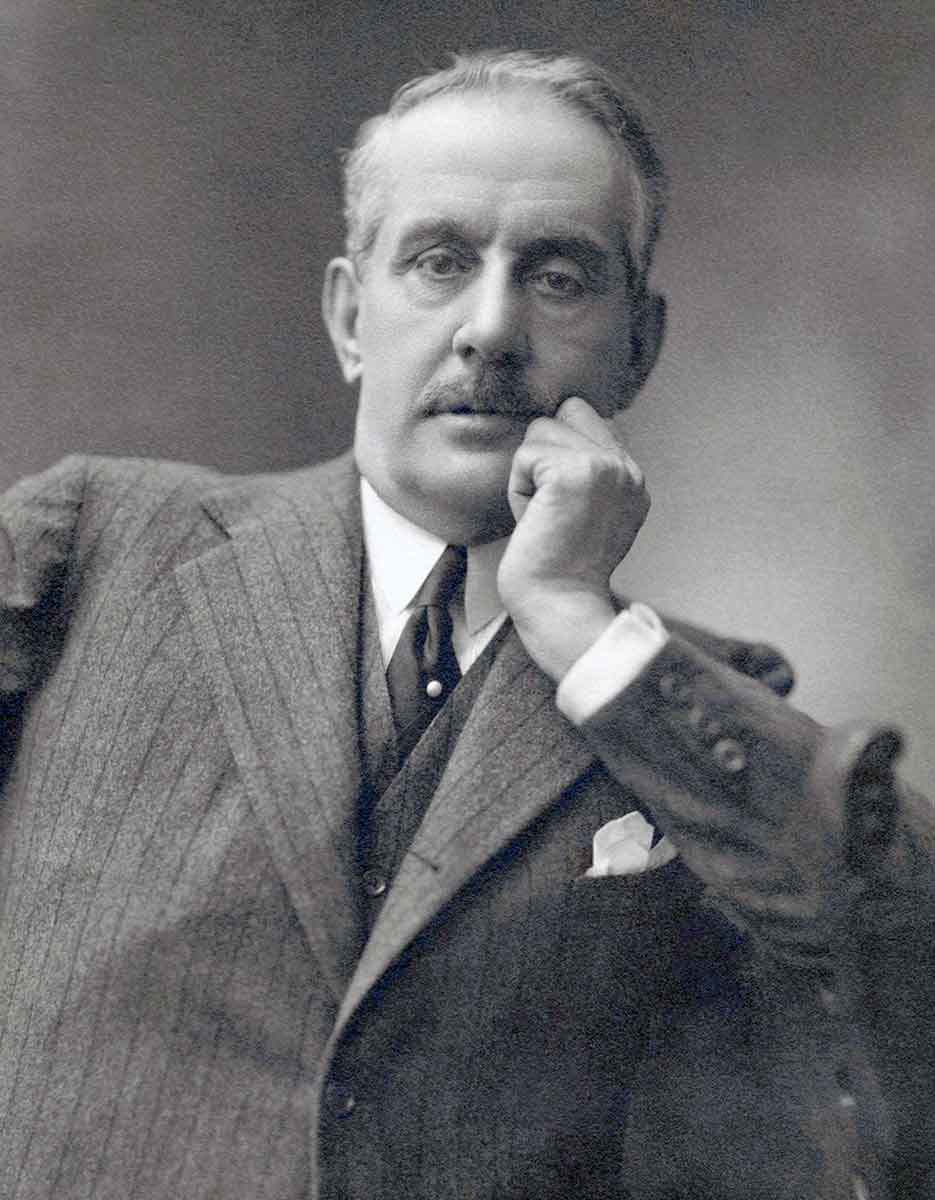
Around the turn of the 20th century, the success of La Bohème and Tosca cemented Puccini’s reputation as the most prominent Italian composer. Many described him as the successor of Giuseppe Verdi, the musician whose works became deeply interwoven with the Risorgimento and the emerging Italian sense of nationhood. Unlike Verdi, however, Puccini was not interested in addressing political themes in his operas, instead focusing on setting to music intense love stories ending in tragedy.
His success as a composer allowed Puccini to fund a lavish lifestyle. The Tuscan-born musician became known for his glamorous villa in Torre del Lago, fast cars, and expensive speedboats. Puccini’s love life was also widely reported by the Italian press. In 1908, a scandal involving the composer, his wife, and a servant caused an uproar in Italy.
Puccini and Elvira’s relationship was already turbulent due to the composer’s frequent affairs. In 1908, Elvira became convinced her husband was having an affair with Doria Manfredi, a young woman working for the Puccinis. After firing Doria, Elvira continued to torment her, even threatening to kill her and denouncing the girl to the village’s priest. As a result of the harassment, Doria committed suicide. When the autopsy revealed she was a virgin, her parents brought charges against Elvira, who was found guilty. Puccini, however, managed to keep his wife out of prison by paying the Manfredis a large sum in damages.
The King of Verismo
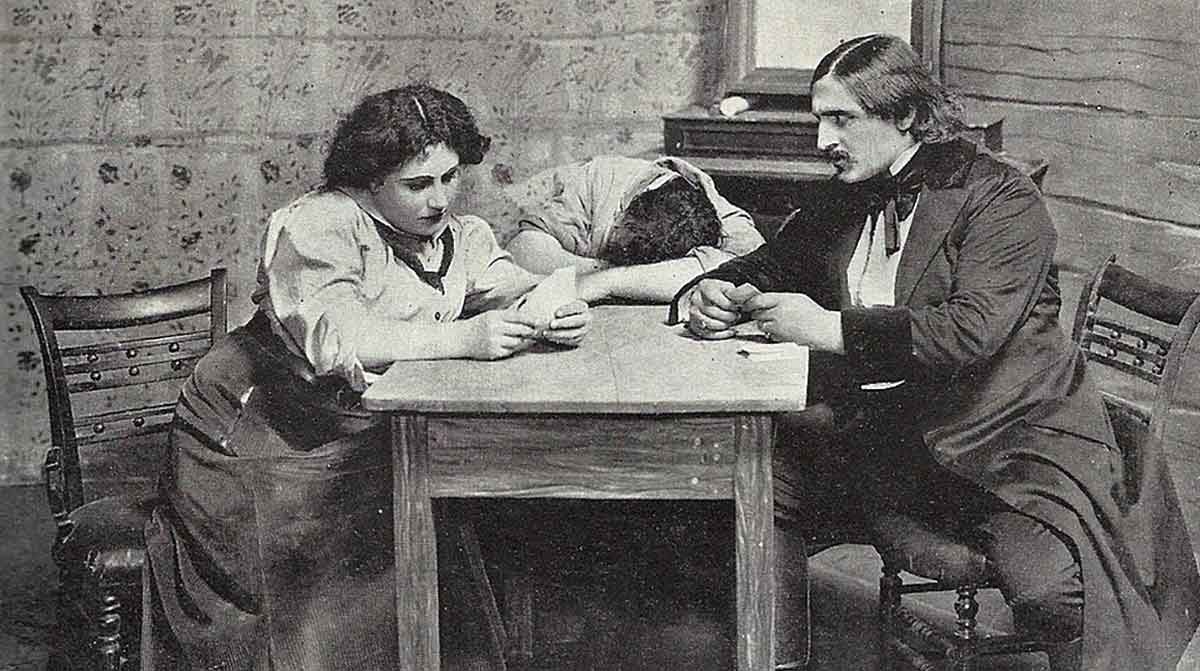
Puccini translated his fascination with women into his operas. From the fiery Tosca to the ice-cold Turandot, Puccini’s stage works are filled with strong but vulnerable heroines. The composer’s ability to identify with his female characters allowed him to emphasize their strength and passion with rich melodies and melancholy “farewell arias.”
“Chi ha vissuto per amore, per amore si morì” (he who has lived for love, has died for love), sings a character in Il tabarro. The theme of love and death permeates most of Puccini’s operas, where his tragic heroines are eventually destroyed by their own passion. In a 1920 letter to playwright Giuseppe Adami (the librettist of Turandot and Il tabarro), Puccini traced the bittersweet undertone of his music back to his own deep-rooted melancholy: “I have always carried with me a large bundle of melancholy. I have no reason for it, but so I am made.” Pianist Roberto Poli described Puccini’s sadness as mestizia toscana (Tuscan melancholy), a theme underlying late 19th-century Tuscan poetry inspired by the Maremma, the vast landscape of open valleys and pine trees of the Tuscan countryside.
The dramatic intensity of Puccini’s operas played a crucial role in securing their success with the audience. “I want to make people weep: therein lies everything…Love and grief were born with the world…We must therefore find a story which holds us with its poetry and its love and its grief and inspires us to the point that we might make an opera of it,” wrote the composer to Luigi Illica in 1912.
The passionate melodies and emotionally charged arias of Puccini’s operas were key features of Verismo (realism), a style of opera writing that became prominent in Italy at the end of the 19th century. Originating from the literary movement of the same name, Verismo favored stories rooted in everyday life and the display of raw, often violent, emotions. Puccini’s ability to blend realism with lyrical melodies and his instinct for drama made him the leading exponent of Verismo.
While Puccini adhered to the Italian operatic tradition, he was also interested in the musical style developing in the 20th century. In particular, he studied the works of Richard Strauss, Claude Debussy, Arnold Schoenberg, and Igor Stravinsky, responding to some of their new ideas.
Giacomo Puccini’s Death & Legacy
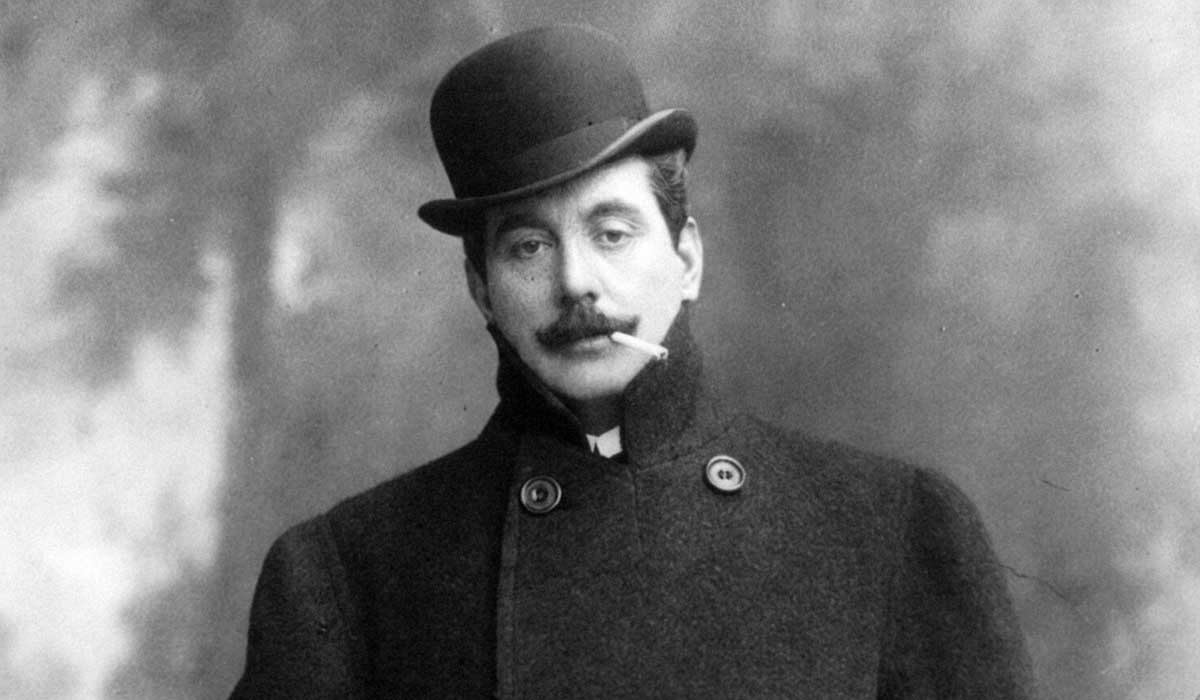
In 1923, while he was immersed in the composition of Turandot, Puccini began to suffer from a chronic sore throat and was diagnosed with throat cancer, an ailment likely linked to his chain-smoking habit. The composer underwent radiation therapy, an experimental treatment at the time, and then surgery in Brussels, Belgium, in 1924. On November 29, 1924, the day after the surgery, he died of heart failure. In 1926, his son Antonio took his remains to his villa in Torre del Lago, today known as Torre del Lago Puccini, where the Puccini Festival is held every summer.
Today, Puccini remains one of the most popular opera composers. Several of his operas, such as La Bohéme and Tosca, regularly feature among the most-performed operatic pieces worldwide, and his arias can often be heard in movies. Nessun Dorma from Turandot, for example, was part of the soundtrack of box-office successes like Bend It Like Beckham (2002), Mission: Impossible – Rogue Nation (2015), and the tenth episode of the second season of Squid Game.
While some critics dismiss Puccini’s operas as overly sentimental, the composer’s ability to write rich melodies and give his characters psychological depth is undeniable.