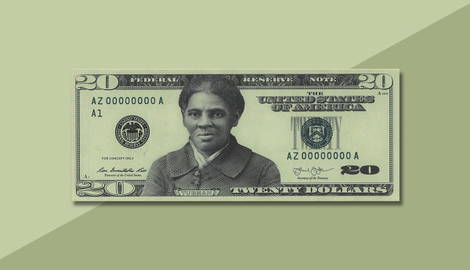

Ask the average American to name a soldier in the fight against slavery, and Harriet Tubman’s name is likely one that makes the shortlist. Famous for her efforts to free enslaved people in the southern US, Tubman was one of the country’s most notable 19th-century freedom fighters. She is memorialized with various statues, museums, and educational initiatives, including a national monument in Maryland, but for years, efforts have been underway to further cement Tubman’s legacy. In a somewhat divisive action, it was proposed that Tubman’s face be added to the $20 bill, and the old design made obsolete. What facts support instituting the Tubman bill, and why has the move been so controversial?
Who Was Harriet Tubman?
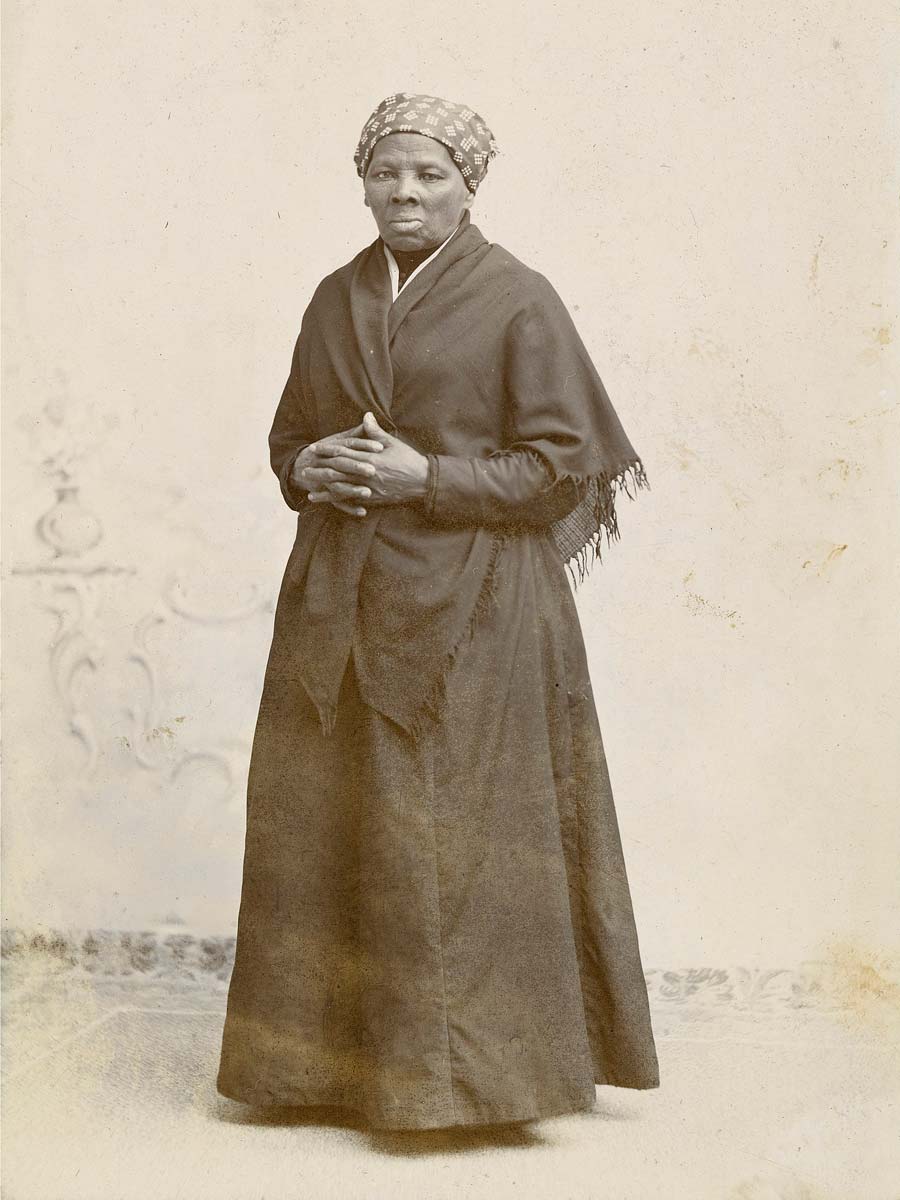
Harriet Tubman was born Araminta “Minty” Ross sometime in March 1822 into a life of slavery, and later adopted her husband’s last name of Tubman. She then became Harriet in an effort to conceal her identity when she later escaped from bondage, taking on her mother’s name. After finding out she was about to be sold and separated from her family, Tubman resolved to escape to the north. Traveling by night, she relied on members of the Underground Railroad to aid in her escape. She ended up in Philadelphia, where she took on odd jobs to save up cash. She was determined to return south for her family, and others.
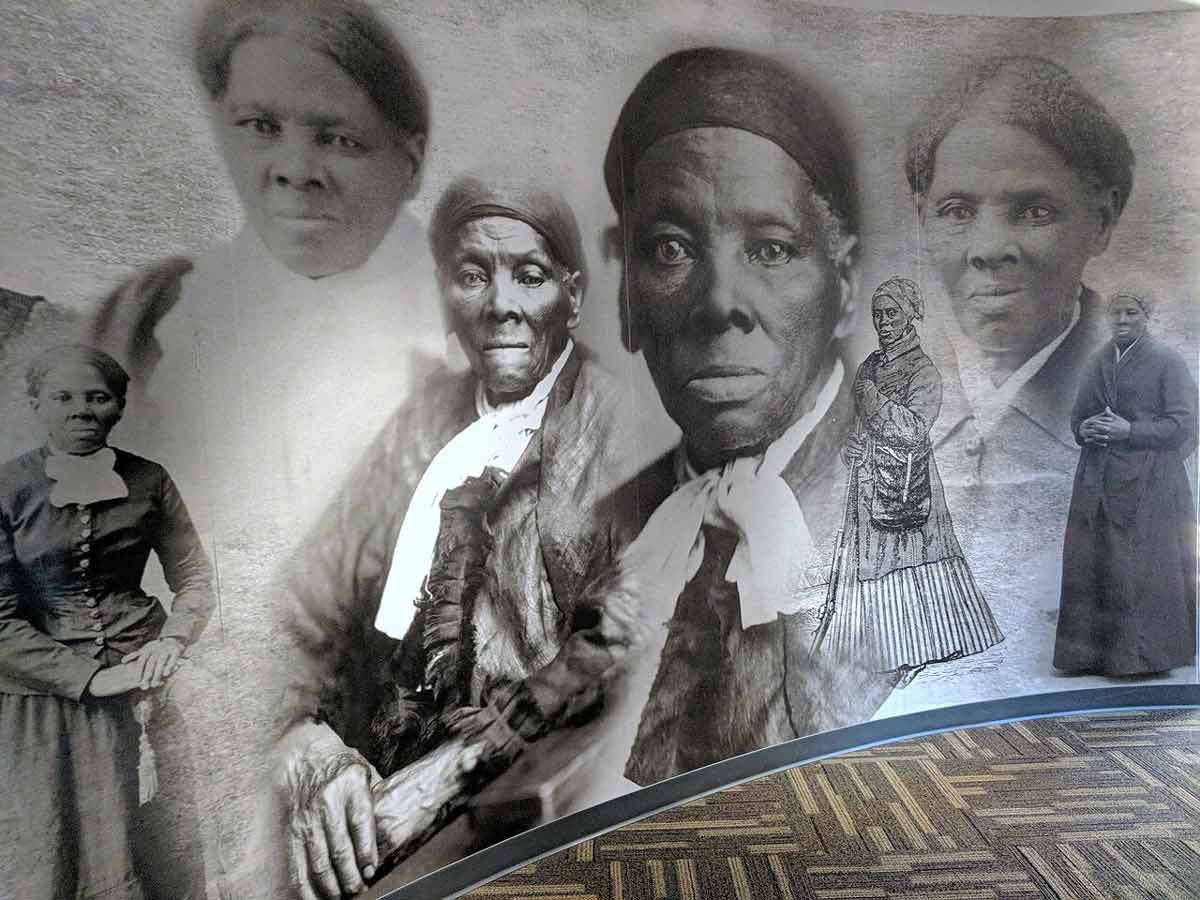
Harriet Tubman became a “conductor” on the Underground Railroad-taking on the role of those who had aided in her escape. In 1851, she made her first trip, bringing her sister and her sister’s children north to freedom. She also rescued her parents in 1857. Despite rewards offered for her capture, by the time the American Civil War rolled around, Tubman had made 13 southern expeditions, leading a total of 70 slaves to their freedom. In addition, she provided specific instructions to aid dozens of others in their journeys to liberty.
She purchased a home and land in Auburn, New York. During the Civil War, she served in the Union Army as a nurse, scout, and occasional agent of espionage. She became the first woman to lead a major US military operation in June of 1863, when she guided 150 soldiers in the Combahee Ferry Raid, resulting in the rescue of 700 enslaved people.
After the conflict, she spent her life caring for the elderly, including opening the Harriet Tubman Home for the Aged. She was also involved in helping impoverished people and working for the causes of equality and women’s suffrage. Tubman died in 1913 in her 90s from pneumonia. Her funeral, at Fort Hill Cemetery in the town she’d made her home, was held with military honors.
What Legacy Did Tubman Leave Behind?
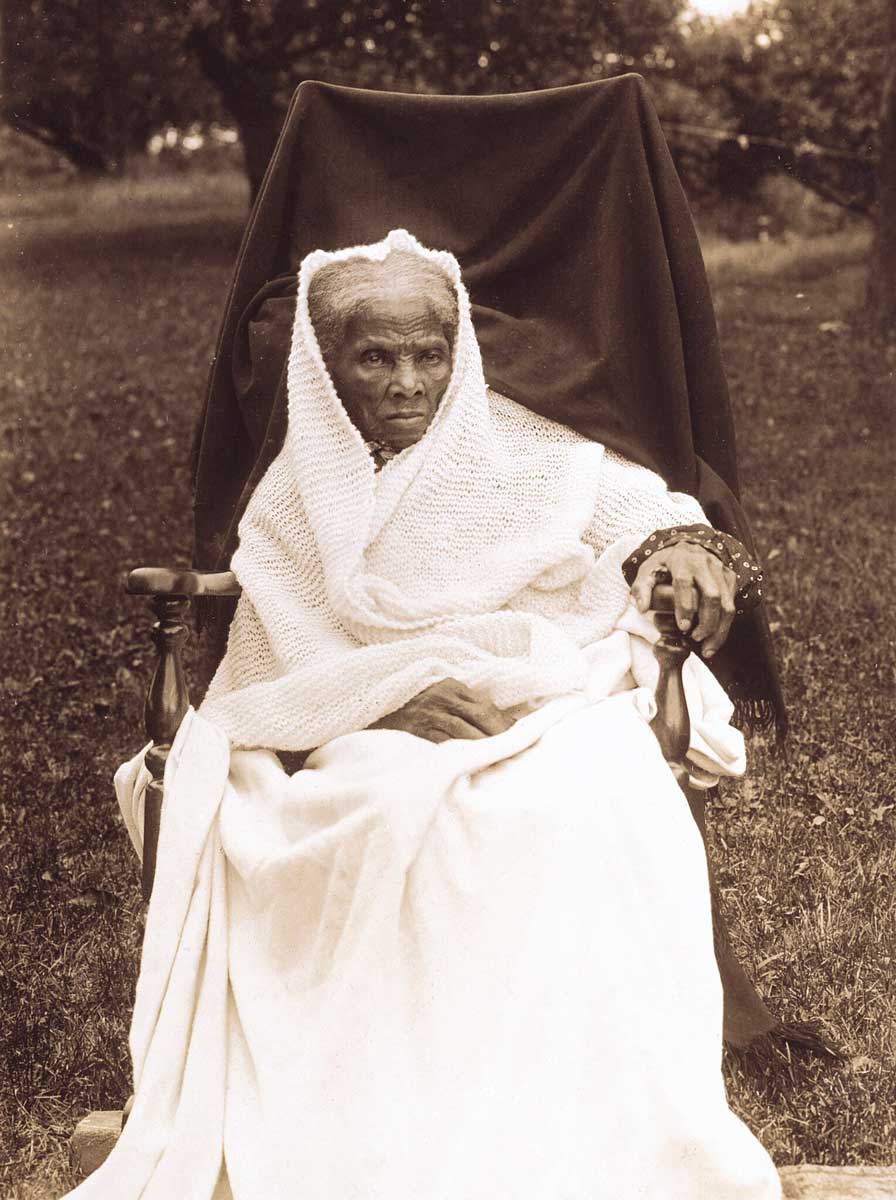
From her life of service, Tubman left countless threads of enduring legacy that can be woven into a memorable heritage. First and foremost, the memories of her deeds and accomplishments are enough to encourage generations of Americans to continue to fight for equality and freedom for all. Despite the clear racial divides in the country during Harriet’s lifetime, including legal segregation, she had a remarkable ability to forge alliances between Black and white people to encourage progress that benefitted all. Booker T. Washington once remarked that she “brought the two races together.”
Washington wasn’t the only notable person to comment on Tubman’s work. She was recognized by freedom fighter John Brown, who called her “General Tubman,” along with Governor, Senator, and Secretary of State William Seward, who considered her a friend. Queen Victoria of England heard of Tubman’s efforts and sent her gifts and a letter.
During her lifetime, Tubman was well-known and widely respected, and that reputation continued far beyond her death. A 20th-century survey named her one of the most famous civilians in pre-Civil War history, and she continues to inspire those seeking to promote equality. Numerous schools and museums have been named for Tubman throughout the country.
March 10 is remembered as Harriet Tubman Day in America, and in November of 2024, Tubman was posthumously awarded the title of Brigadier General, in recognition of her efforts during the Civil War. Commissioned in a private ceremony by the Maryland National Guard, Tubman was honored despite having never received an official military status in her lifetime. The sentiment was received by Tubman’s great-great-great-grandniece in her aunt’s honor.
Controversy of the $20 Bill
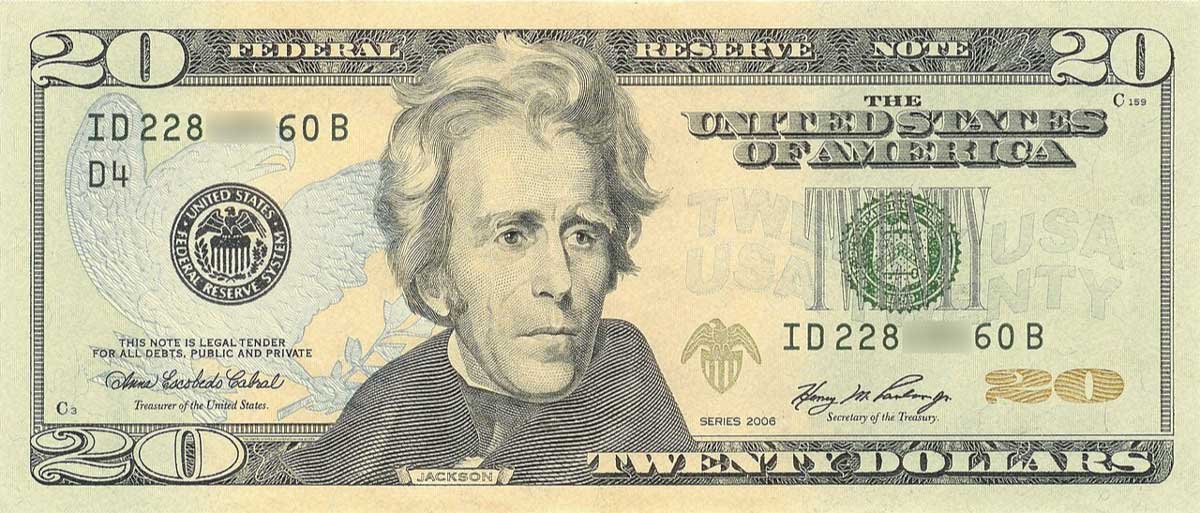
The first United States $20 bill was issued in 1914, featuring a portrait of President Grover Cleveland. In 1929, the portrait was changed to one of the seventh president, Andrew Jackson. Though the portrait and design of the bill have changed over the decades, Jackson remains the face on the $20 bill.
The reason that Jackson was originally placed on the bill is lost to history, though it may have been in recognition of the hundred-year anniversary of his presidency. In fact, the former president opposed the use of paper currency and likely would have objected to this use of his image. Jackson’s role as the face of the $20 bill has come under fire in recent years as his legacy as one of the most controversial men in American history has come to light.
Jackson attempted to dismantle the National Bank and remove paper currency, resulting in an economic depression. While he was known as a defender of the common man, Jackson was a proponent of slavery and the subjugation of America’s Indigenous people. He signed the 1830 Indian Removal Act, which culminated in the infamous Trail of Tears and complete disregard of Supreme Court rulings. These actions have led some to question whether or not Jackson should be honored on American currency.
Changing the Face of the Twenty
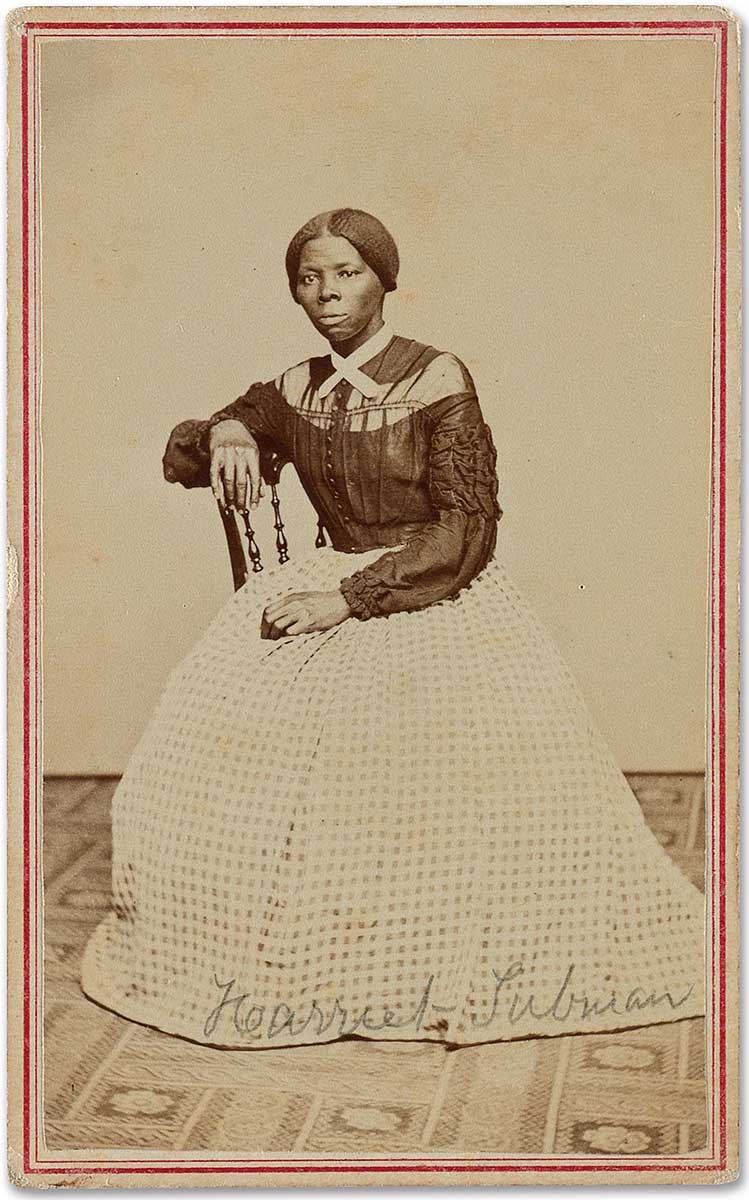
In 2015, an advocacy group called Women on Twenties campaigned for the US Treasury to change the $20 bill, arguing that Jackson was undeserving and that women are underrepresented on American currency. In 2016, the Treasury announced that Harriet Tubman would replace Jackson’s face by 2020. However, with the onset of the first Trump Administration, the change was delayed, with Trump, a declared fan of Jackson’s, calling the move one of “pure political correctness.”
In 2019, the treasury announced that the change would come in 2028. In June of that year, it was announced that an investigation would be undertaken into the delay after senators called on the department for answers. The investigation found no evidence of wrongdoing, and the Biden Administration announced plans to move forward with the change.
Moving Ahead… Slowly
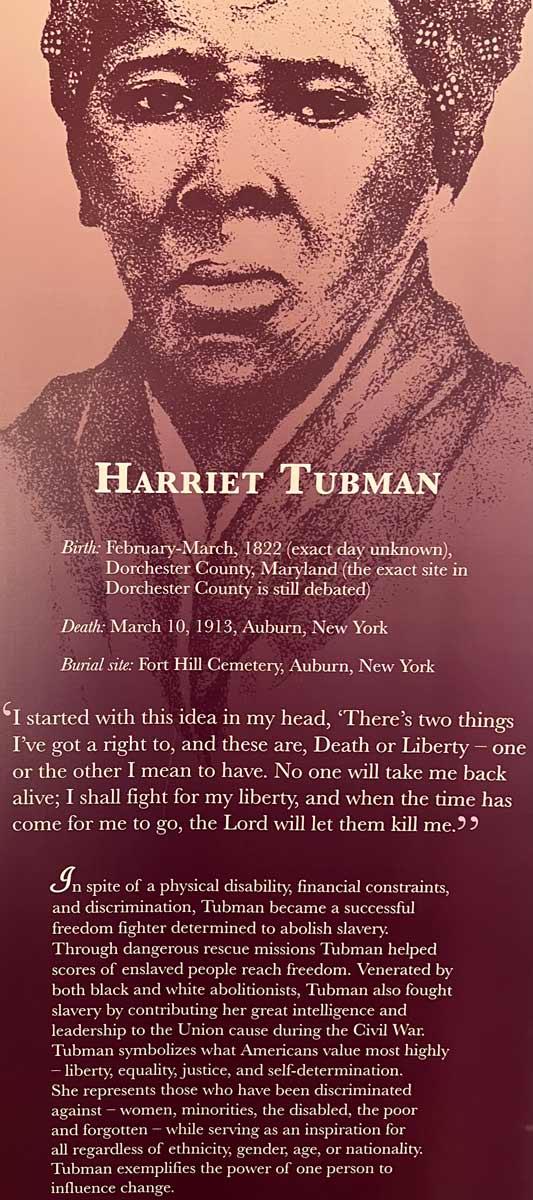
Despite the promises of the Biden presidency, there seems to be little progress towards a Tubman bill at this time. In testimony before the House of Representatives’ Financial Services Committee, Treasury Secretary Steven Mnuchin stated that the holdup was due to the bill needing work to prevent counterfeiting and needing the addition of security measures. The latest projected date for release has been extended to 2030, and this is considered a “soft date,” meaning it might be pushed even further out.
On March 10, 2025, Representative Jeanne Shaheen, a Democrat from New Hampshire, introduced the Harriet Tubman Tribute Act. She first introduced the original Tubman bill legislation in 2015 after the work of the Women on Twenties group, and re-introduced her legislation 10 years later in hopes of moving it forward. Shaheen’s bill would make the 2030 date a hard deadline rather than a “soft date,” requiring the printing of $20 bills to feature Tubman by December 31, 2030. Though the bill is still in the early stages of the legislative process at the time of writing this article, Shaheen has pledged to “pursue all avenues” to see it to completion and complete Tubman’s recognition.
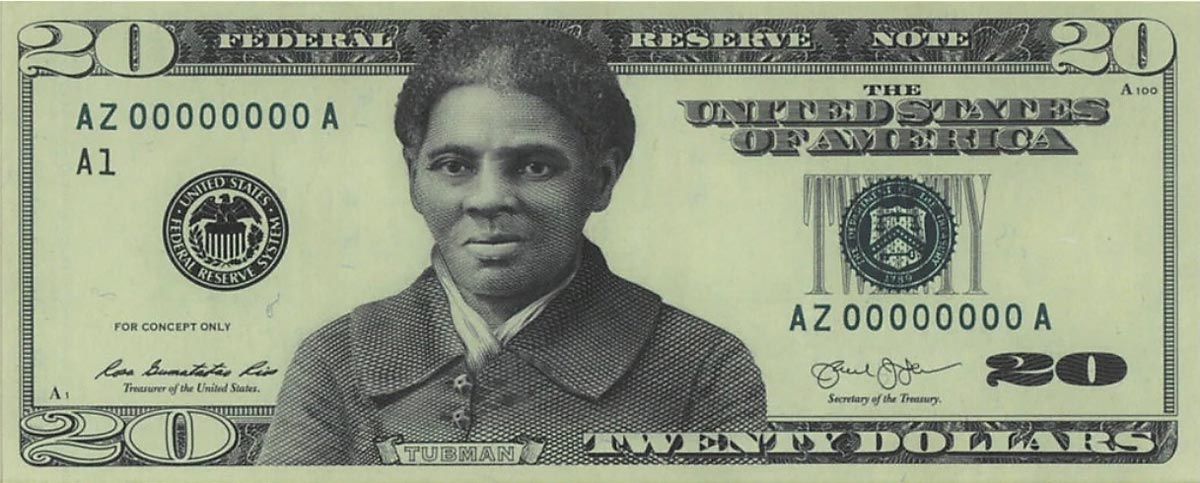
Recognizing Tubman on the $20 bill seems like a small homage when the depths of her contributions to United States history are considered. Many proponents argue that the failure to move the bill’s printing forward speaks not to the enduring legacies of Tubman herself, but to the lasting bequests of racism and the superiority of men over women in the modern United States. Relics that extended beyond Tubman’s time, these issues remain a point of contentious discussion decades later.
Only two women have ever been featured on paper currency in America, and only briefly: Martha Washington and Pocahontas. Tubman would not only be one of the few women on America’s money, but the first African American.
Will progress truly be made towards Tubman’s bill? Time will tell whether or not this simple, yet important, reminder of Tubman’s complex contributions comes to fruition, but in the meantime, her legacy continues to inspire.