
Throughout history, various diseases have been influential on the human experience. Some have altered world populations, others have led to changing ways of life and social norms. Several of these diseases have been seemingly lost to history, or at least become so well controlled that they don’t impact daily life for most today. However, some illnesses remain troubling to global populations. One of these illnesses is tuberculosis. What is this grim affliction, and why does it continue to be a part of the human story in a time when modern medicine has offered so much progress?
What Is TB?
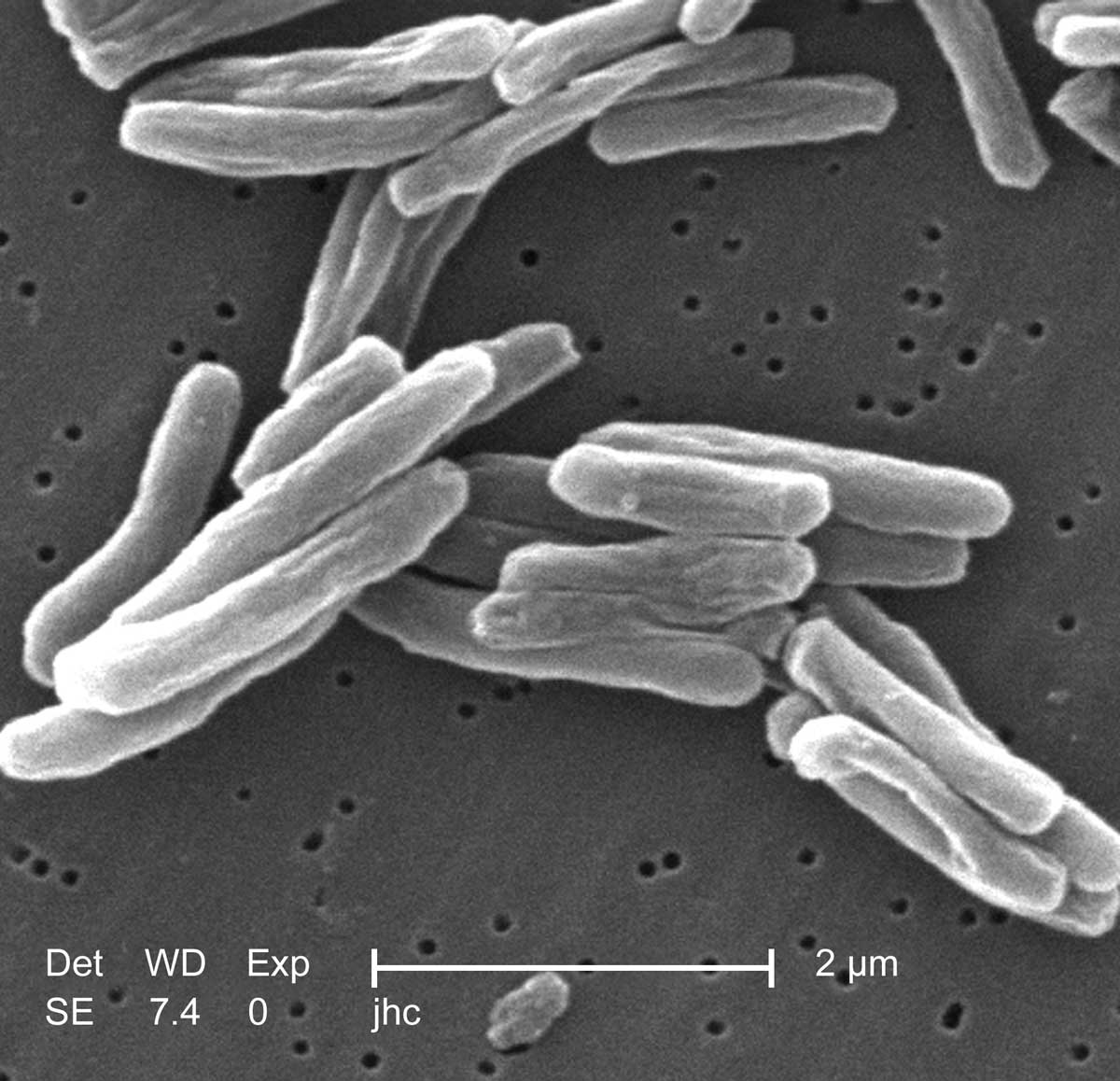
Tuberculosis, commonly known as TB, is a bacterial infection that has ravaged global populations for centuries. It is caused by Mycobacterium tuberculosis, and just a few of these organisms can lead to infection. These bacteria are spread through the air when infected persons release them by coughing, sneezing, or spitting. When the pathogens are then inhaled by a nearby individual, they can become infected.
The symptoms of TB vary depending on what part of the body is infected by the TB bacteria. The lungs are the most commonly affected part of the body, and their infection causes symptoms such as coughing and chest pain. The coughs may be productive, spewing mucus or blood. Systemic, or whole-body symptoms of TB include appetite and weight loss, chills, fever, and general fatigue. Without treatment, or if treatment fails, TB can be fatal.
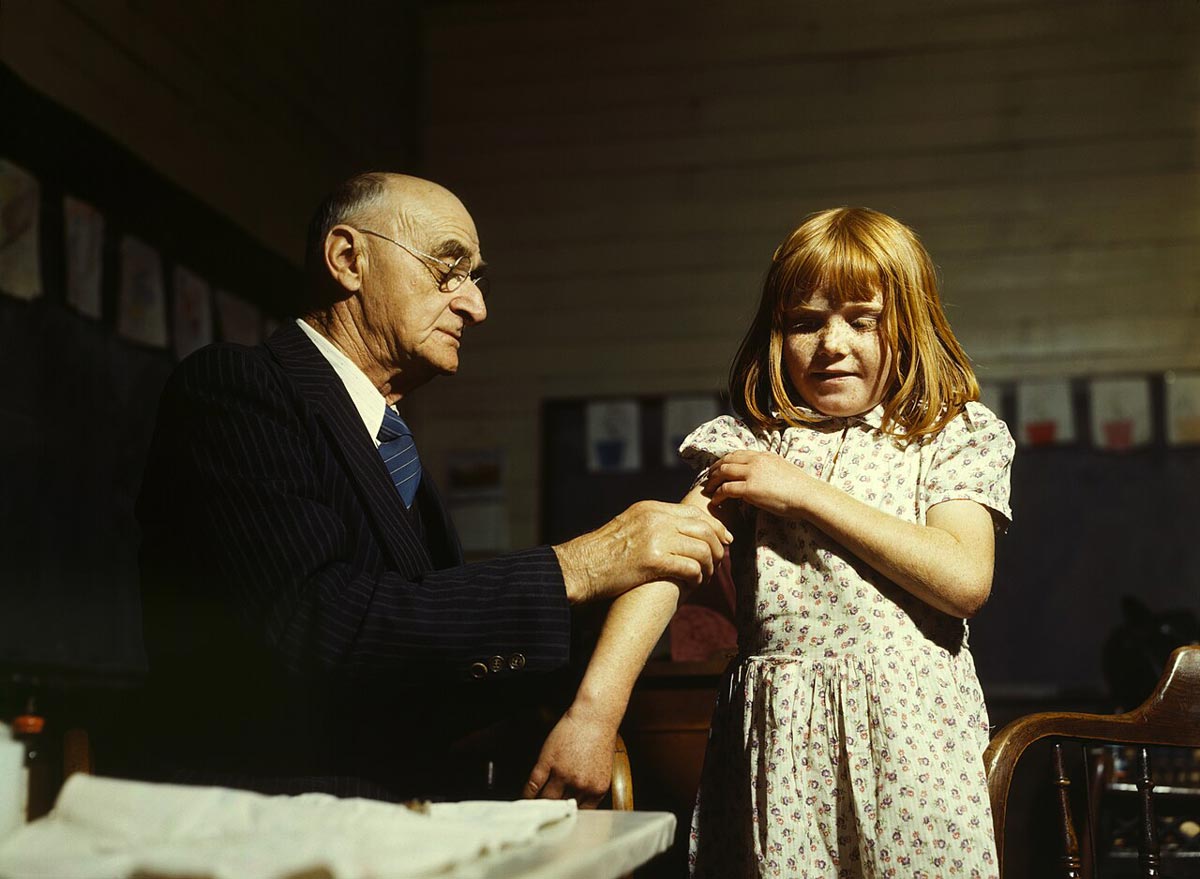
There is a vaccine for tuberculosis, known as Bacille Calmette-Guerin, or BCG. It is not heavily used in many developed countries, but is given to infants and children in countries where TB is a common diagnosis. Over time, the vaccine becomes less effective. If a TB infection is suspected, testing is recommended. There are blood tests and skin tests. The skin test should not be used if the patient has had a vaccine against TB, as it can skew the results. Treatment plans for active TB can be complicated and take several months to be considered complete. They usually consist of a specialized combination of antibiotics depending on the individual patient’s case and length of illness.
Tuberculosis Through History
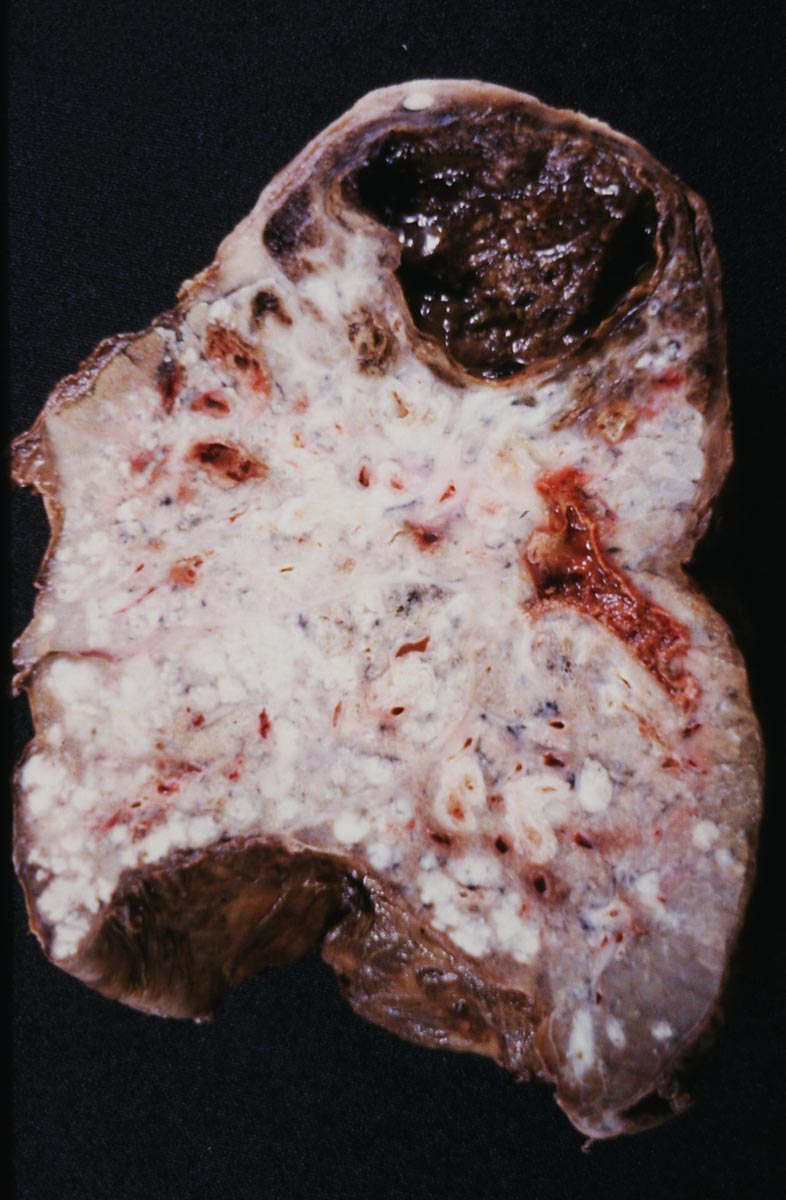
Tuberculosis has been intertwined with human medicine since early recorded history. Mummies from Egypt dating to 2400 BC have shown signs of the disease. TB was referenced in Greek Literature as “phthisis,” or “consumption,” a term that was used consistently in relation to the disease throughout history. 17th century medical literature described the symptoms in more detail, including the tubercles, small masses that appear in the lungs with ongoing infection and which give the disease its common name. It would be many years before the idea of germ theory and the proposition that TB was caused by a living organism was accepted.
In the 19th century, French doctor Jean-Antoine Villemin proved that tuberculosis could pass between humans and cattle, making it a zoonotic affliction. The bacteria were finally able to be viewed and positively identified in 1882, when Robert Koch created a staining technique to view them under a microscope.

Treatment was an ongoing struggle for tuberculosis patients, with the most common prescription often consisting of rest and dry, fresh air. Sanatoriums began cropping up around the world, centers that specialized specifically in the treatment of TB. In the 1940s, discoveries regarding effective antibiotics against TB began to emerge. Early hopeful TB fighters soon proved futile, as the bacteria quickly developed resistance. Over time, this became a common obstacle, leading to ongoing research and drug combinations to treat the disease.
Famous Patients

Tuberculosis has plagued people from all walks of life throughout history. Some TB sufferers made their mark in history regardless of their infection. Still, the significance of TB on their lives leads one to consider and recognize the impact that this disease has had on humanity and the events, literature, art, and politics that have shaped its history.
The Bronte Family

In the mid-18th century, the Bronte literary family was heavily touched by tuberculosis. The matriarch, Maria, died from the disease, and five of her six children would eventually fall to TB. Three of the most famous members of the family, Emily, Anne, and Charlotte, all accomplished authors, died as a result of the illness.
Doc Holliday

Famed dentist, gambler, and gunslinger John Henry “Doc” Holliday lived a life that was heavily impacted by tuberculosis. When he was 15, he lost his mother to the disease, and likely contracted his own infection from her. His hard-living existence in the western heat exacerbated his symptoms, and a few years after the famed shootout at the OK Corral, he moved to Colorado, hopeful that the mountain air would soothe his suffering. He died from the disease a year later.
Ho Chi Minh
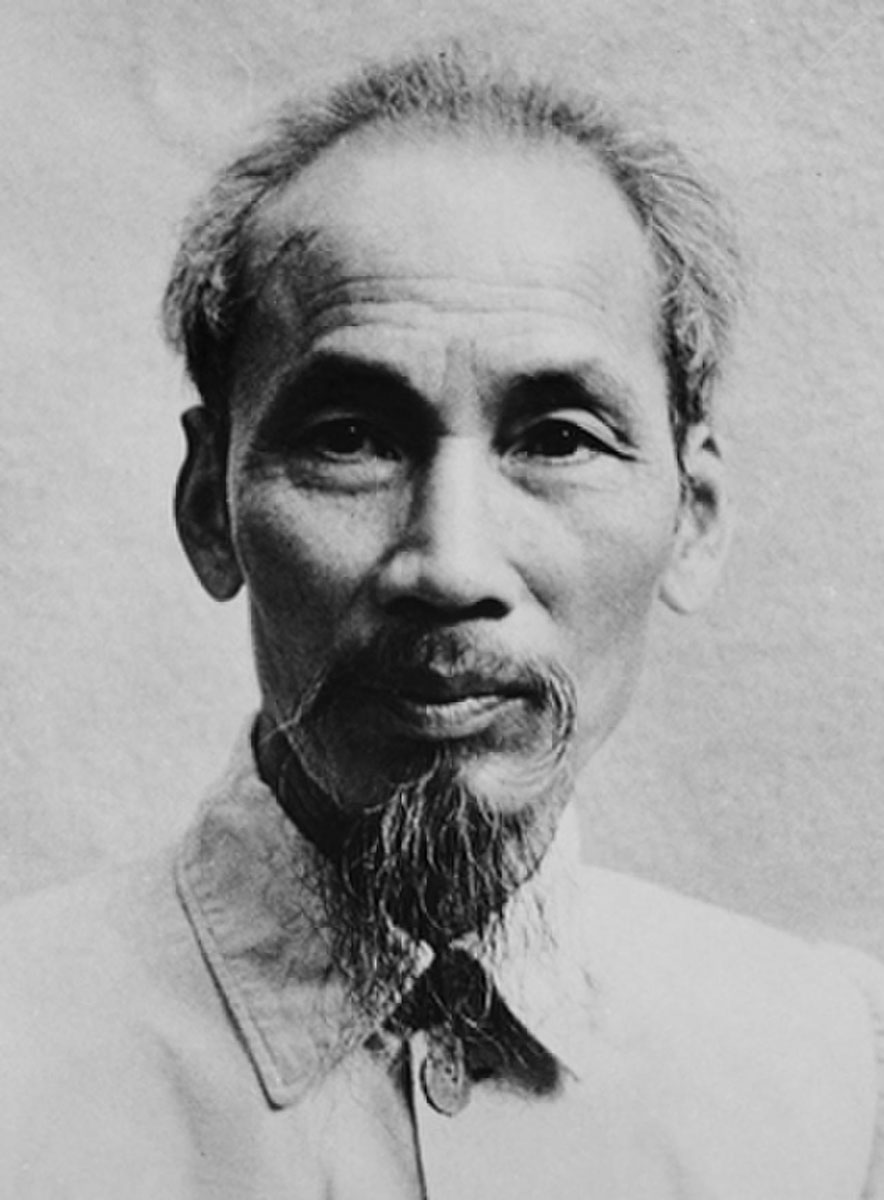
Ho Chi Minh, the communist revolutionary who served as the first president of North Vietnam, died of an apparent heart attack, but was also a known sufferer of tuberculosis. Interestingly, the city that bears his name, Ho Chi Minh City, was identified as a “tuberculosis hotspot” in a study that ran from 2020-2023. The study found that almost 40,000 people were receiving treatment for the disease within the city, with about 1,500 cases considered drug-resistant.
George Orwell
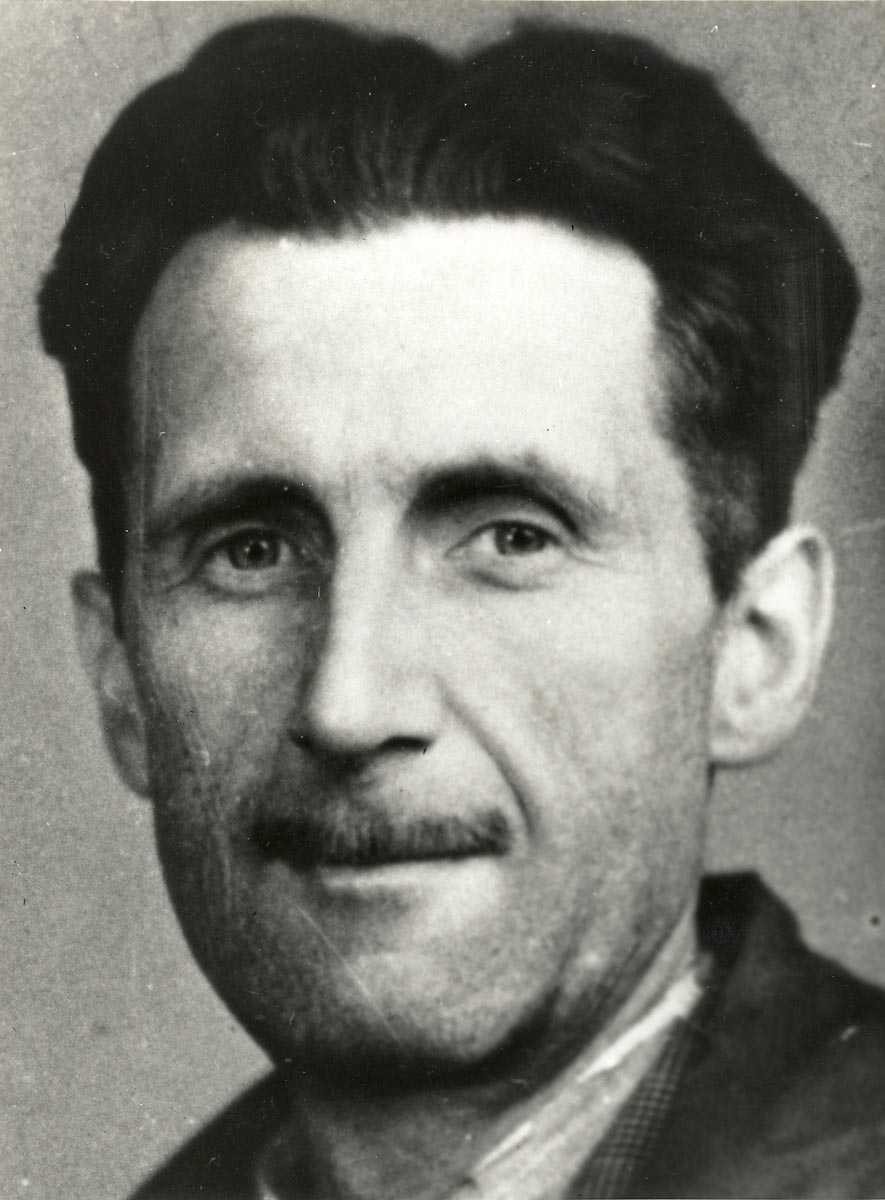
A well-known author of dystopian stories such as 1984 and Animal Farm, George Orwell was also a longtime tuberculosis sufferer. He was diagnosed with the disease in 1938. He spent several months in a sanatorium, and recovered to an extent. However, nine years later, his symptoms returned in full force, and this time, a stay in a sanatorium didn’t improve his condition. He was treated with antibiotics, but continued to suffer and was hospitalized in 1949. He died in 1950 from complications of the disease.
Tuberculosis Today
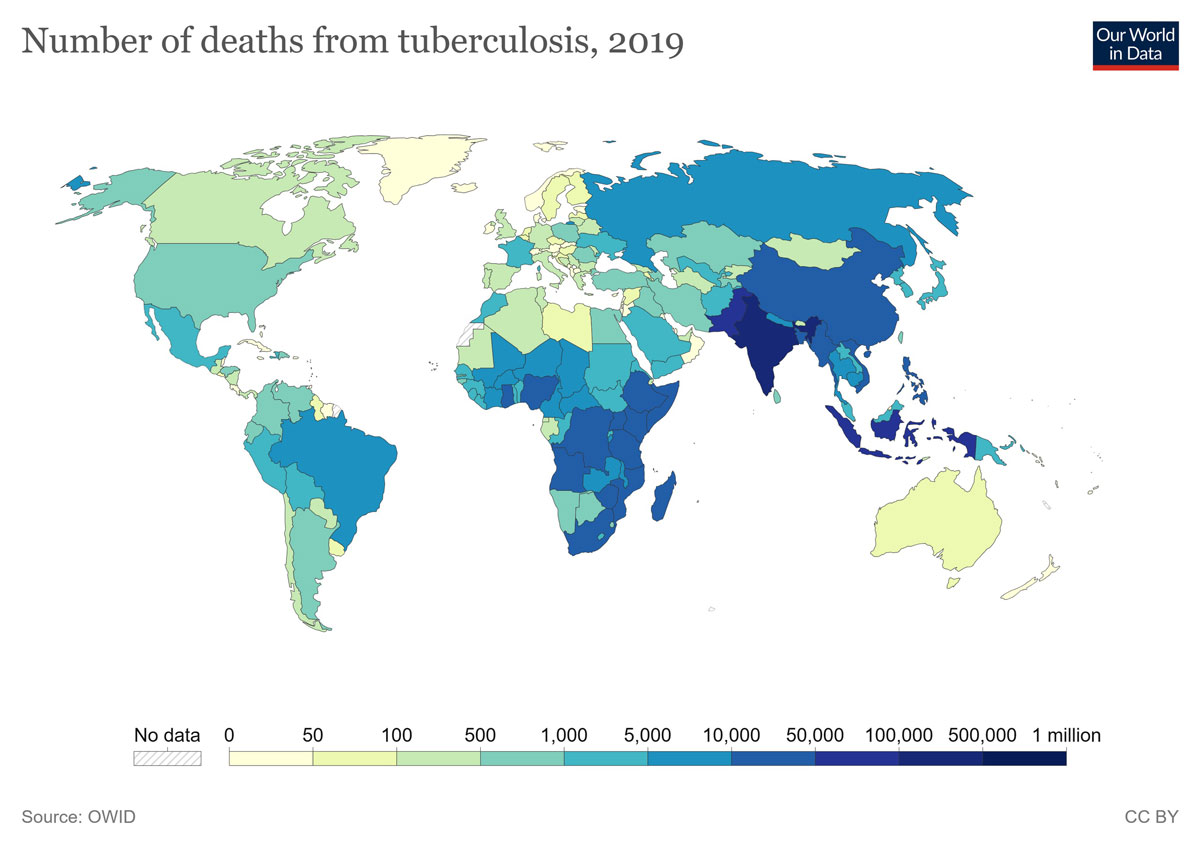
Even though it has been around for ages, tuberculosis is still very prevalent. Every year, about ten million people worldwide become ill from the disease. Of these, about one and a half million die annually. TB currently reigns as the world’s biggest infectious killer. For people with compromised immune systems, such as those with HIV or another chronic illness, TB can hit harder, and is a leading cause of death.
Though the disease is present worldwide, it is more common in low-income countries. About a quarter of the global population is estimated to have been infected with Mycobacterium tuberculosis at some point, though most will never develop the illness. These people cannot pass the bacteria onto others unless they develop an infection, which they have a 5-10% lifetime risk of doing. The World Health Organization (WHO) monitors TB on a global scale and compiles an annual report on the status of the disease worldwide.

This report and other data have indicated a rise in tuberculosis incidence around the world in recent years. 2023 saw the highest number of reported cases since global TB monitoring began in 1995. Experts offer numerous theories on why this is the case, but largely attribute the rise to underfunded research and management programs, the cost of treatment, and the aftermath of COVID-19 shutdowns, which limited access to care.
Another concern with tuberculosis is antibiotic resistance, a trend that TB is directly related to. The consistent use, or overuse of antibiotics in medical care can result in the targeted bacteria becoming accustomed to them and able to fend off their therapeutic effects. This makes the bacteria harder to kill. Drug resistant TB bacteria can be mono-resistant, meaning they are able to survive through antibiotic treatment with one particular drug, or poly-resistant bacteria that are resistant to at least two common TB drugs. Drug-resistant TB can prolong treatment and increase the risk of complications or death.
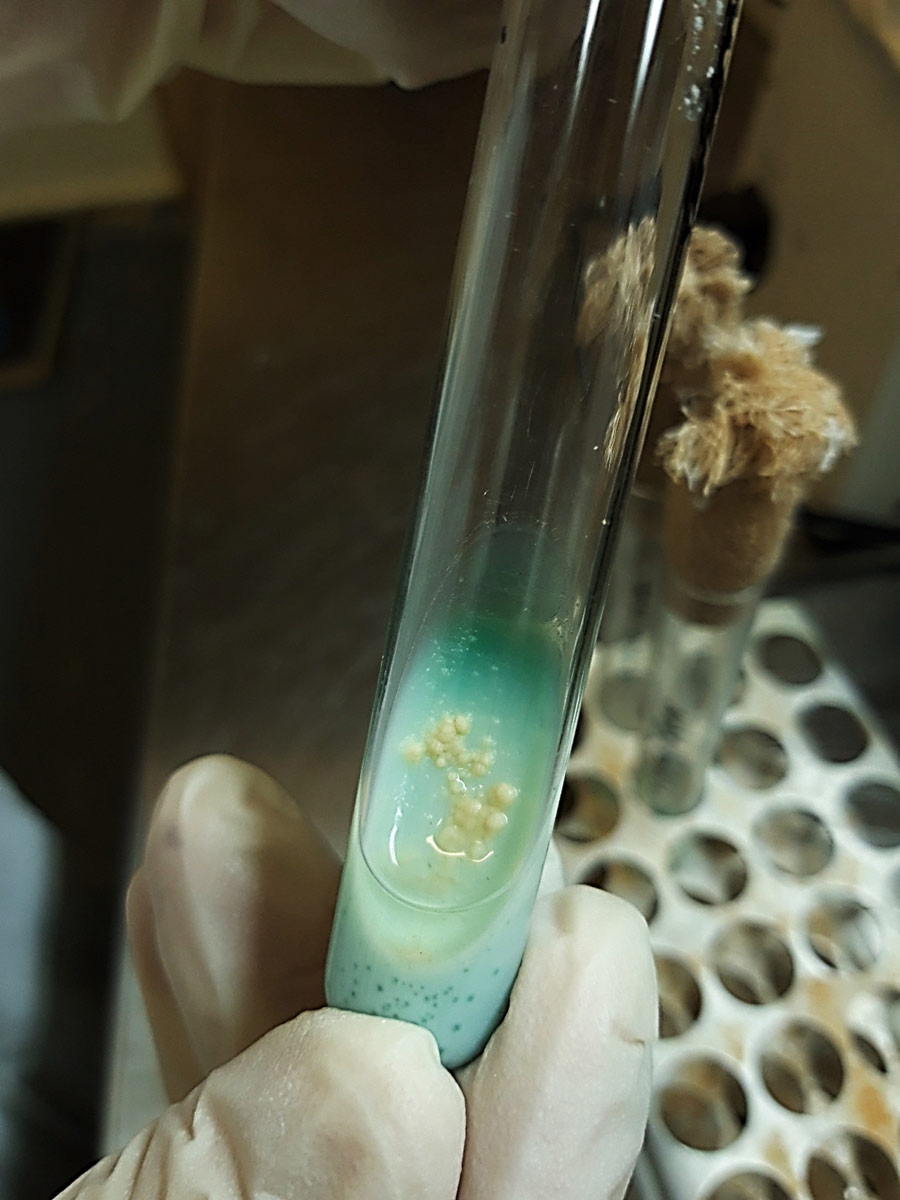
Tuberculosis has long been a pestilence against humanity, and it remains a serious concern. Still affecting thousands globally, TB has been reduced, but is far from eliminated. TB and the way that the medical community handles it continues to evolve, but it will likely remain a major factor for humankind for years to come.