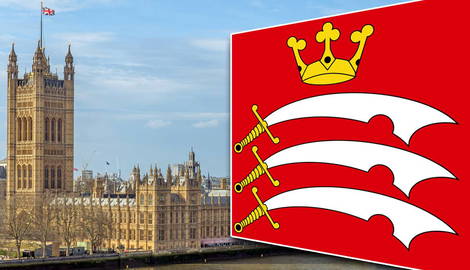
Middlesex, a historic English county with roots stretching back to the Anglo-Saxon period, has a rich and complex history that spans over a millennium. The area itself has a history reaching back to Paleolithic times, but the name Middlesex first appeared in a Saxon Charter in 704 CE. Since then, Middlesex has been recognized as a county in various forms, even beyond 1965, when it ceased to be recognized as an administrative county. Here are the most significant places from the historic county of Middlesex and where to find them.
The Birth of the Anglo-Saxon ‘Provincia Middleseaxon’
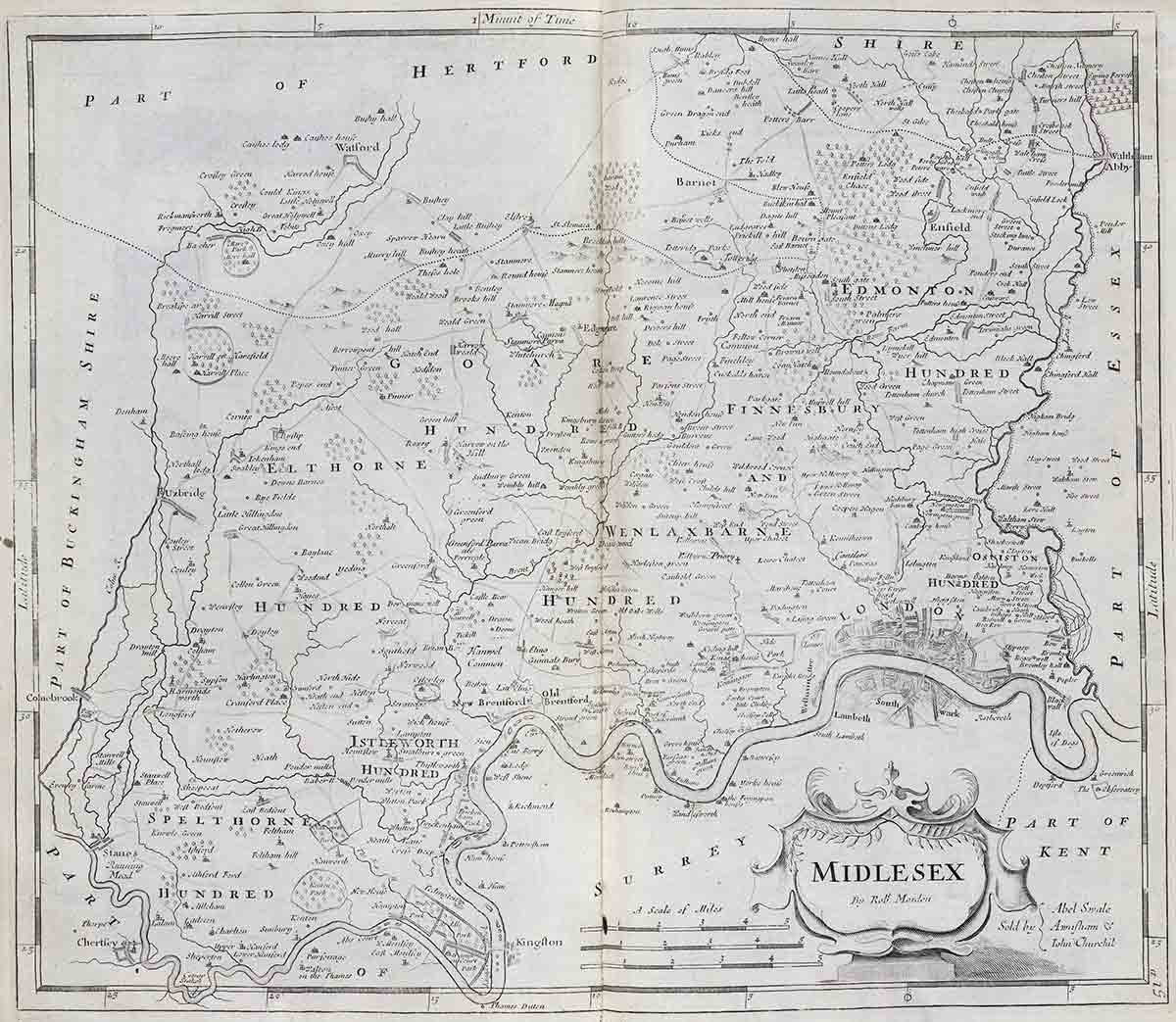
The historic county of Middlesex was originally established as a distinct entity in the early Middle Ages, deriving its name from its position between the East and West Saxons. The county’s first recorded mention was in a Saxon Charter in 704 CE, where it was referred to as “Provincia Middleseaxon,” the Province of the Middle Saxons. Thereafter, Middlesex expanded in both activity and power, reaching its greatest size of 734 square kilometers in the 1800s.
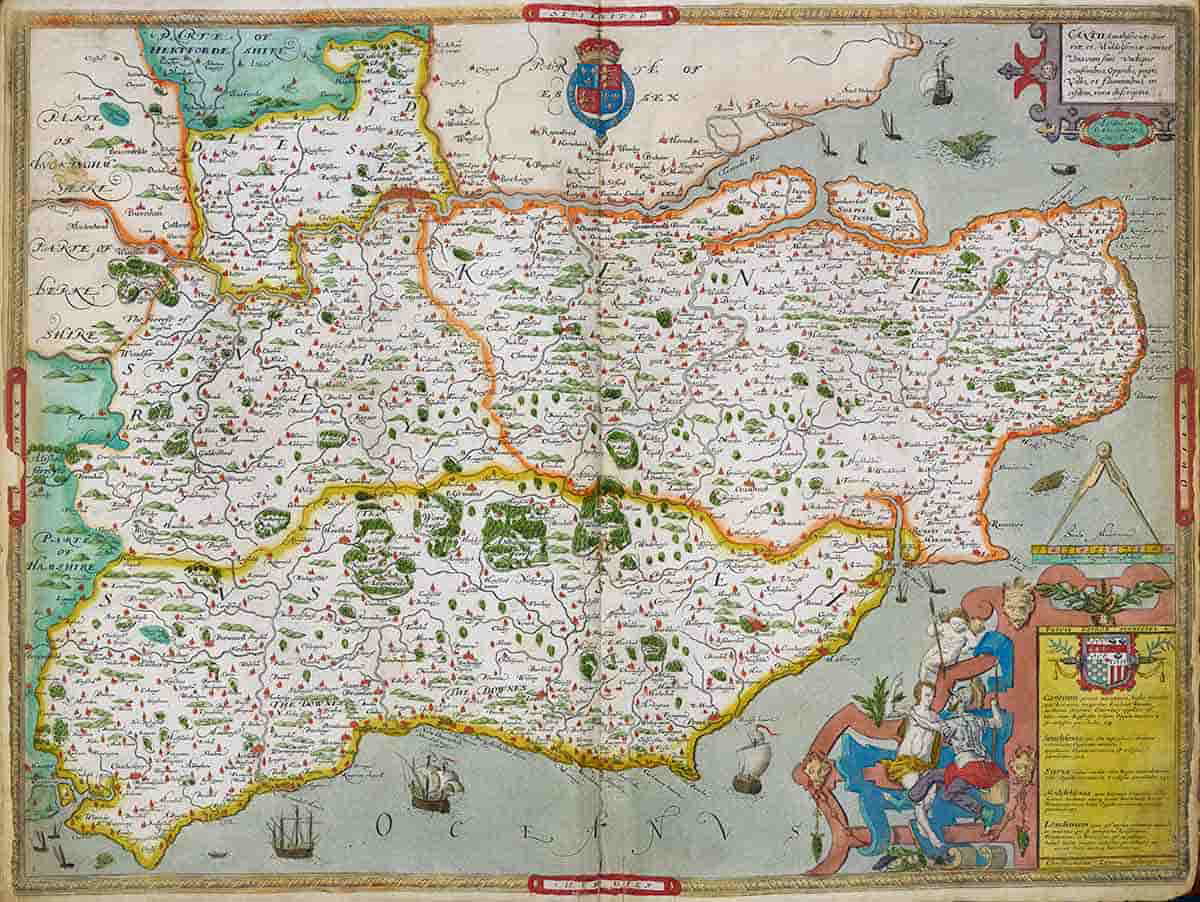
However, the city of London was also growing, gradually engulfing Middlesex over the centuries, leading to the ceding of sections of the county to the newly formed County of London in 1889. By 1965, the remaining areas of Middlesex were split across other counties and mostly absorbed into Greater London, marking the end of Middlesex as an administrative entity.
Whither Wanderest Thou, Fair Middlesex?
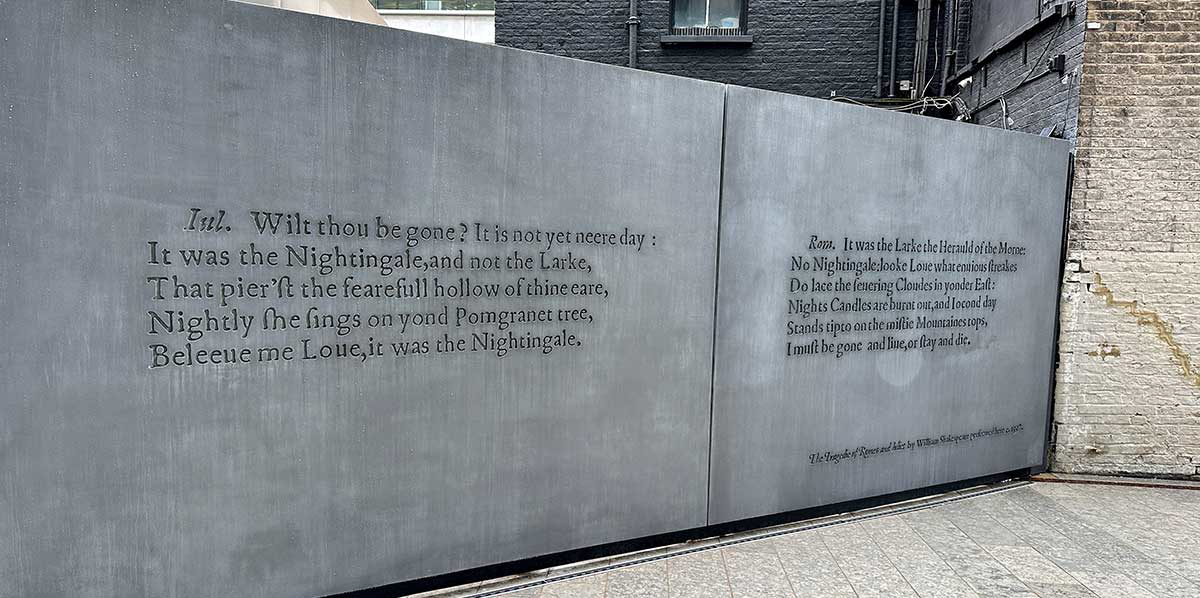
Just as Shakespeare’s characters often wandered through the English countryside, so too has the essence of Middlesex been dispersed across England’s modern landscape. The Bard would have traversed Middlesex on his journeys between London and Stratford-upon-Avon, and his plays were performed at the Curtain Theatre in Shoreditch, found in present-day Middlesex.
Today, echoes of Middlesex history can be found in numerous London boroughs, including Camden, Hackney, Hammersmith and Fulham, Islington, Kensington and Chelsea, Tower Hamlets, and Westminster. Many people may still feel as if they are living in Middlesex, and Middlesex Day is celebrated each year on May 16. The legacy of this historic county also lives on as a namesake for some institutions, like Middlesex University. To find the historic treasures of Middlesex, historical enthusiasts must make like the characters in a Shakespearean play and embark on a journey across Greater London and along the borders of Berkshire, Hertfordshire, and Surrey.
1. Walk the Grounds of an Iron Age Settlement in Horsenden
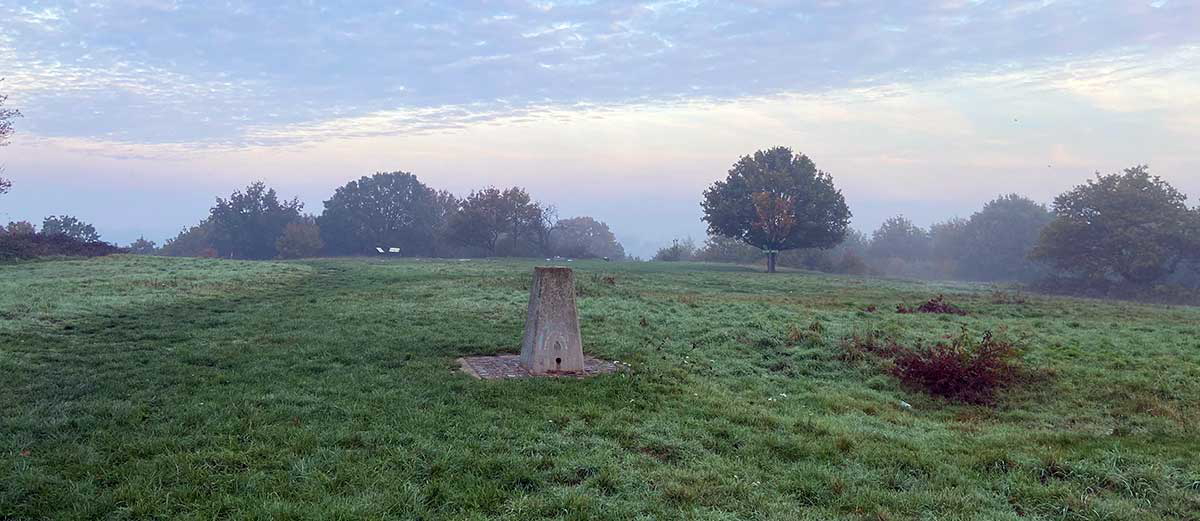
Thousands of years before the Anglo-Saxons would ever mention Middlesex, the area’s history was characterized by the emergence of powerful Celtic tribes and their impressive fortified settlements. Remnants of settlements from the Iron Age, spanning roughly from 800 BCE to the Roman conquest in 43 CE, marked a significant period in Middlesex’s pre-history. The Catuvellauni, a dominant Celtic tribe, had great influence across much of modern-day Middlesex and beyond. One of the few places left to explore is Horsenden Hill in Greenford, where evidence of a settlement dating back 2,500 years has been found.
Although these hilltop communities look like nothing more than isolated villages, they were, in fact, part of a complex network of Iron Age settlements. Pottery fragments discovered about five miles south of Horsenden Hill in Brentford date from 700 to 300 BCE, and about five miles nearby, an Early Iron Age fort known as Caesar’s Camp was discovered during construction for Heathrow Airport. Dated to around 500 BCE, the square fortification spanned 300-380 feet and had 11 roundhouses and a small rectangular building, likely a temple or shrine. Unfortunately, this archaeological site was destroyed during the construction of Heathrow Airport’s north runway.
2. Find the Last Traces of the Anglo-Saxons in Middlesex
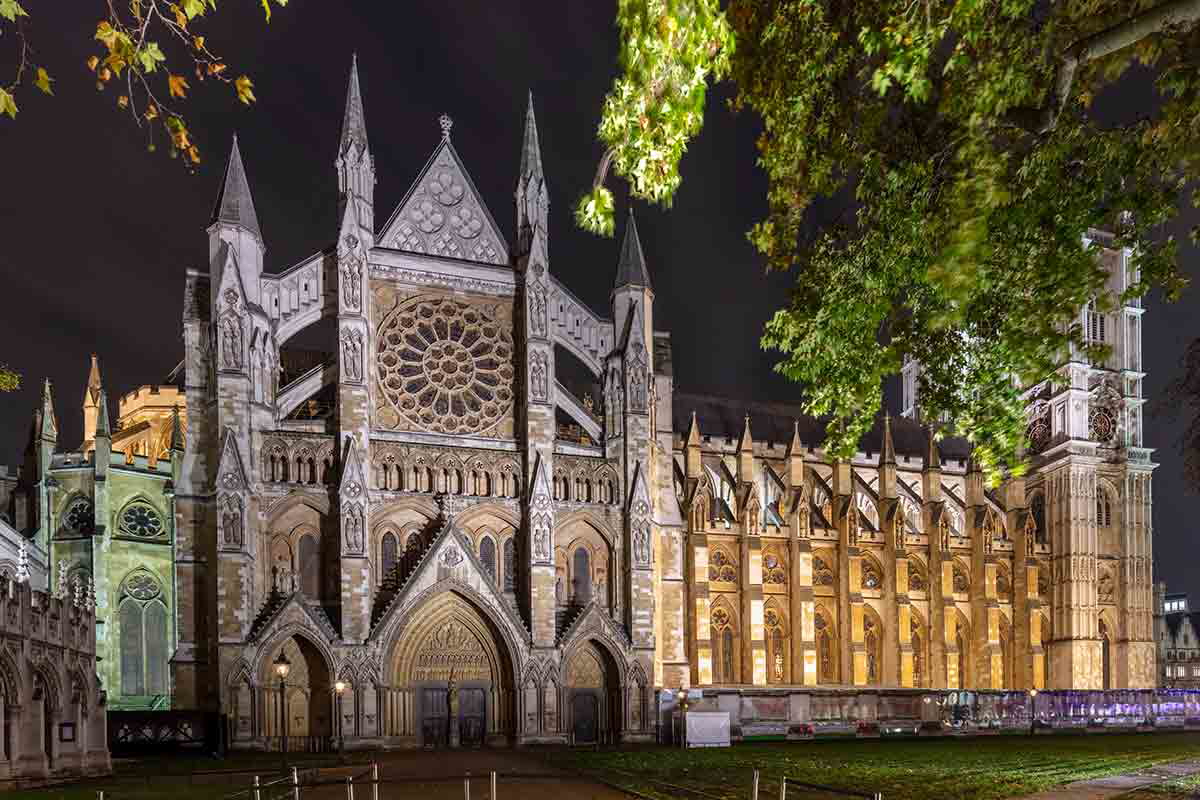
So, where might visitors find historical places of interest that give more insights into the life of the Anglo-Saxons who gave the area its name in 704 CE? In truth, present-day Middlesex doesn’t have a single iconic Anglo-Saxon site that stands out above any other. However, perhaps the most significant Anglo-Saxon location is hiding in plain sight: Westminster Abbey. Although the current structure dates primarily to the 13th century, the abbey’s origins can be traced back to the late Anglo-Saxon period.
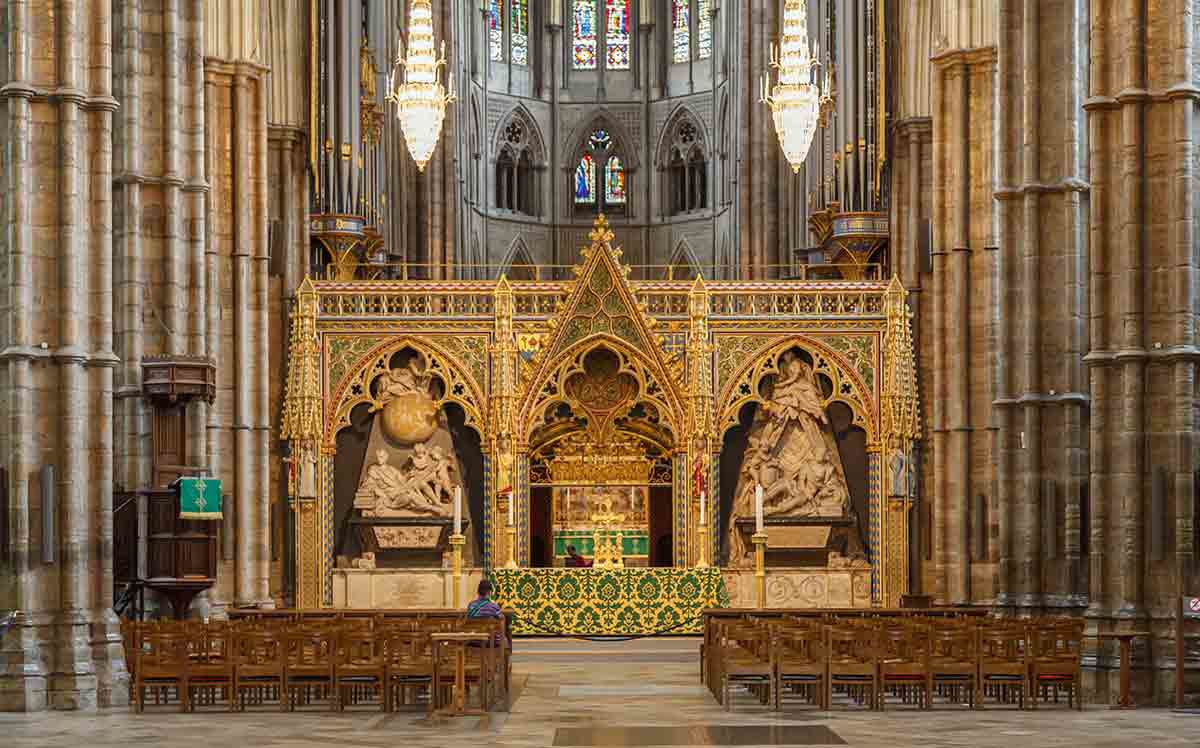
Today, Westminster Abbey is an iconic symbol of British history and royalty. It was founded around 960 CE as a Benedictine monastery on Thorney Island and would later evolve into a grand Gothic structure under King Henry III’s reconstruction in 1245. The abbey’s significance grew exponentially when Edward the Confessor established it as the coronation site for English monarchs in 1066, a tradition that continues to this day. The building’s influence extended beyond its walls, as it was connected to vast estates across southeast England, including significant portions of Middlesex during the medieval period.
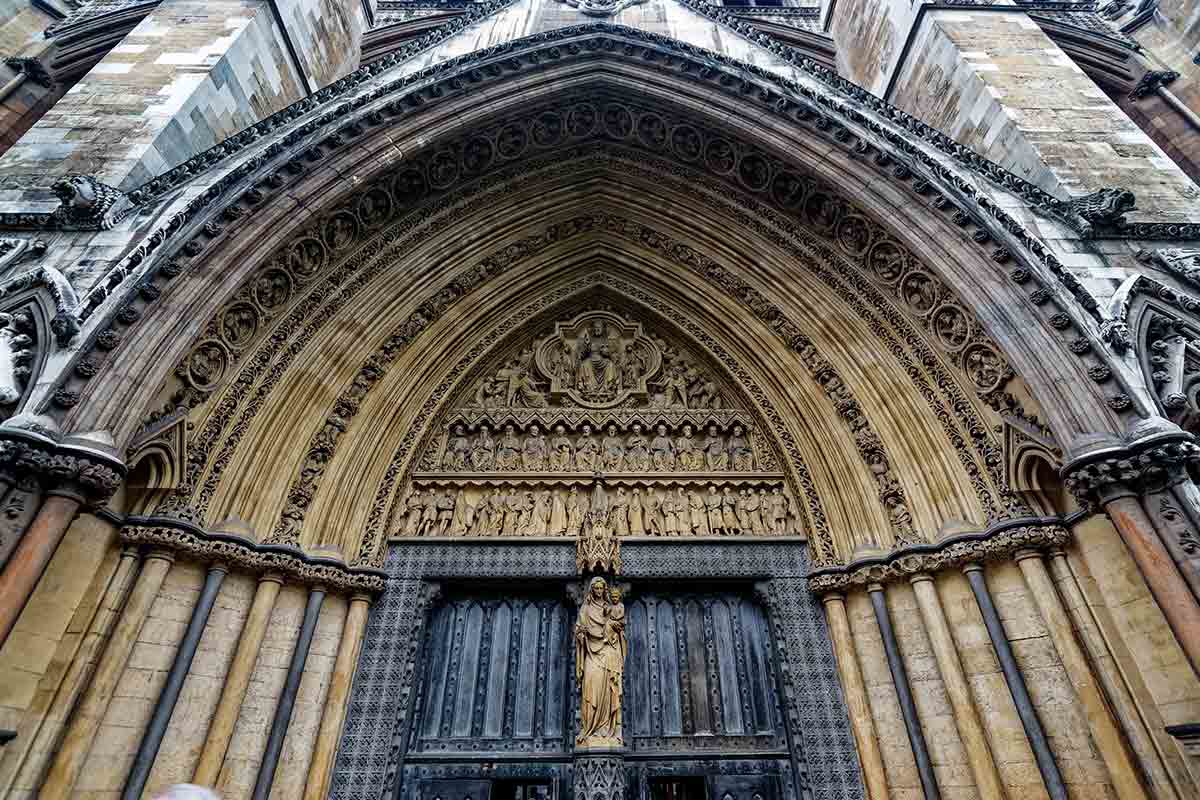
Westminster Abbey is famed for royal ceremonies and has hosted 16 royal weddings since 1100. It is also the final resting place for 18 monarchs and over 3,300 notable figures in British history. Royal history aside, the Abbey has architectural splendor that blends several impressive styles. It is primarily Gothic, with elements of Romanesque and other later additions.
In 1560, under Queen Elizabeth I, the abbey gained the unique status of a “Royal Peculiar,” which placed it under the monarchy’s direct governance. This cemented the Abbey’s place at the heart of British royal and national life. Today, visitors can explore this historically significant building to examine its architectural beauty and discover some of the royal tombs. The Abbey continues to function as a working church with daily worship services.
3. Pause for Prayer at St. Pancras Old Church
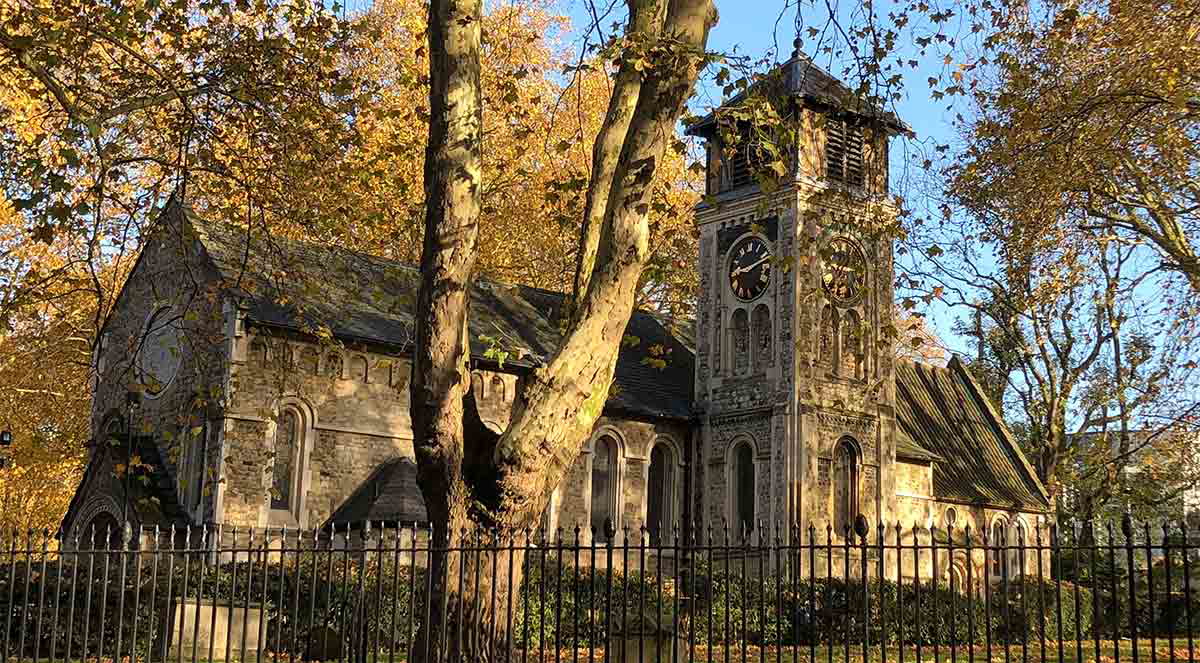
Three miles north of Westminster Abbey sits a much less grandiose building that, like the Abbey, has stood the test of time. St. Pancras Old Church is nestled in the very heart of London and is thought to date back to the 4th century. Fragments of Roman materials indicate that Roman-era worship may have taken place at this site, and the altar stone is dated to 600-625 CE, suggesting the church was likely founded sometime in the early 7th century. This aligns with the dates of St. Augustine’s mission to England in 597 CE.
Over the years, the little church has seen many renovations to reflect architectural styles of different periods. Its name comes from its dedication to St. Pancras, a Roman teenager who was martyred for his faith in 304 CE. In the graveyard, notable historical figures such as writer Mary Wollstonecraft and composer Johann Christian Bach have been laid to rest. The church is still an active place of worship and welcomes visitors to explore its rich history rooted in religious resilience.
4. Sit in the Quiet Sanctity of Chelsea Old Church, Favored by Royals
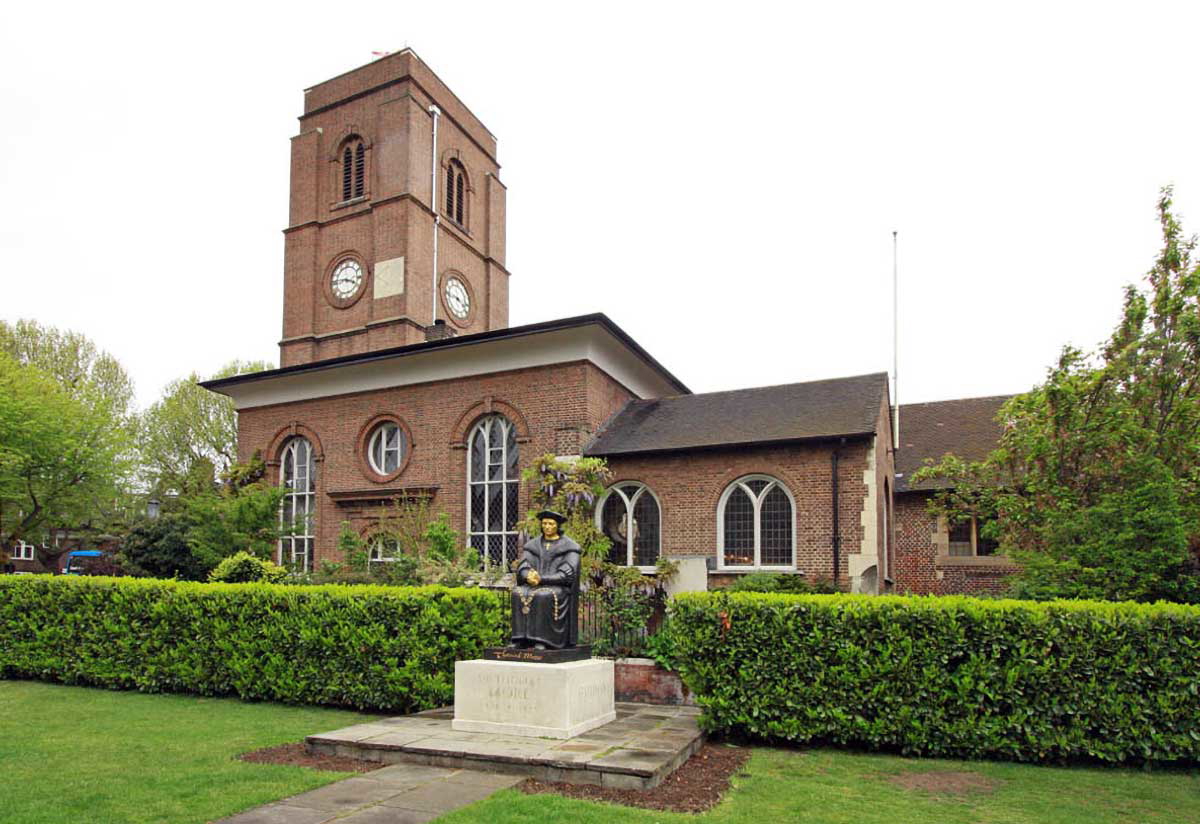
In the borough of Chelsea and close to the banks of the River Thames sits another religious site with ancient roots. Chelsea Old Church is thought to date back to the Anglo-Saxon era, with its first appearance in chronicles in 785 AD. Its current structure has evidently undergone modernization; however, it still has a chancel from the 13th century and two chapels added sometime around 1325. The south chapel, known as the More Chapel, was built in 1528 by Sir Thomas More as a private family sanctuary. Sir Thomas More was a prominent English Renaissance author and statesman, most known for his role as Lord High Chancellor under King Henry VIII and for his seminal work “Utopia,” published in 1516.
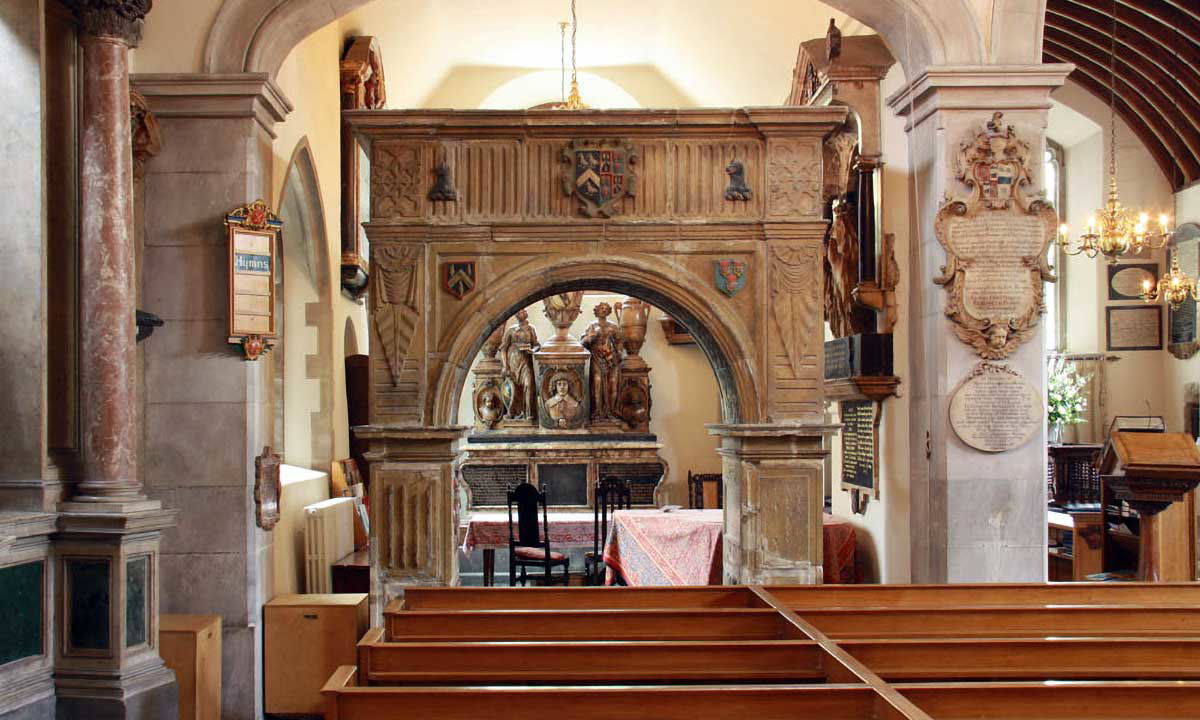
Chelsea Old Church’s connections to important figures don’t stop at Sir Thomas More. It has many associations with royal figures, including King Henry VIII, Jane Seymour, Lady Jane Grey, Queen Elizabeth I, and King James I. Like Westminster Abbey, the church boasts a large collection of monuments. It also has memorials to individuals like physician Sir Hans Sloane and author Henry James. In World War II, the church suffered heavy damage and underwent careful reconsecration in 1958. Today, the church is open to the public on certain days of the week.
5. Explore the Norman Earthworks of Ruislip Motte and Bailey
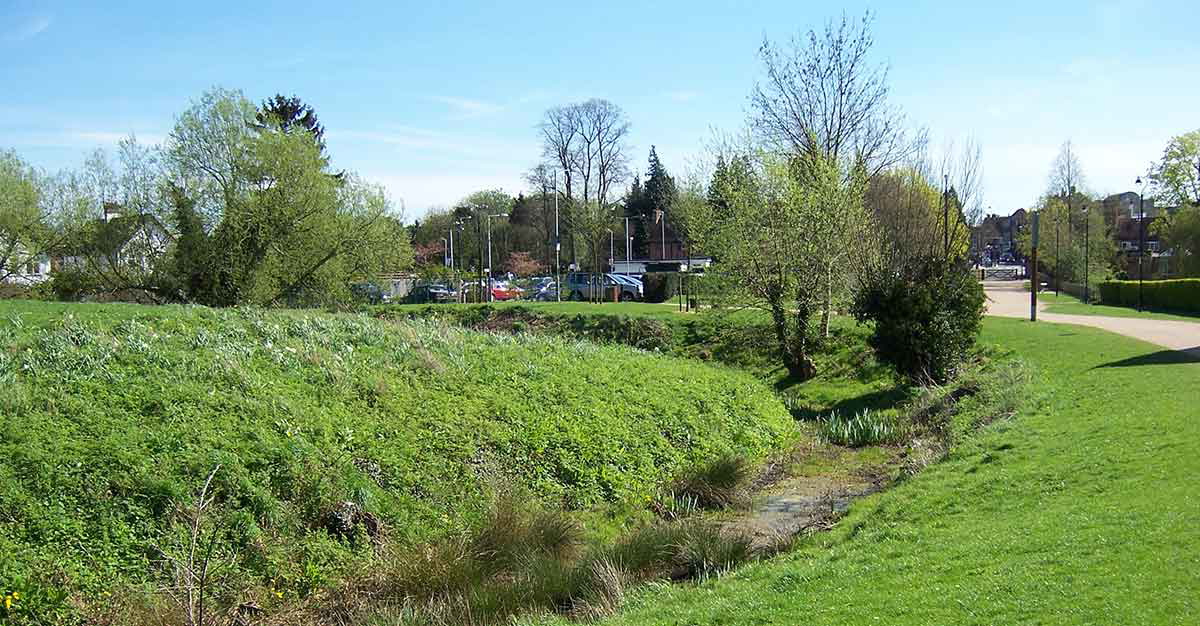
Northwest of London City, in the London borough of Hillingdon, are the remaining earthworks of Ruislip Motte and Bailey Castle. Ruislip’s connection to Middlesex can be dated back to at least the Domesday Book of 1086, where it was recorded as “Rislepe.” The Norman fortification earthworks date sometime between 1066 and 1087, with the builder named Ernulf de Hesdin. It is located within the 22-acre Manor Farm complex and features a prominent grass-covered mound (the motte) and the outline of a horseshoe-shaped ditch.
The former castle bailey is now home to the Manor Farm House, which dates back to the 16th century. Visitors can immerse themselves in this public heritage site and explore nearly a thousand years of history across the landscape, the Manor Farm, and its historic buildings.
6. Retrace Stories of Bloody English History at the Tower of London
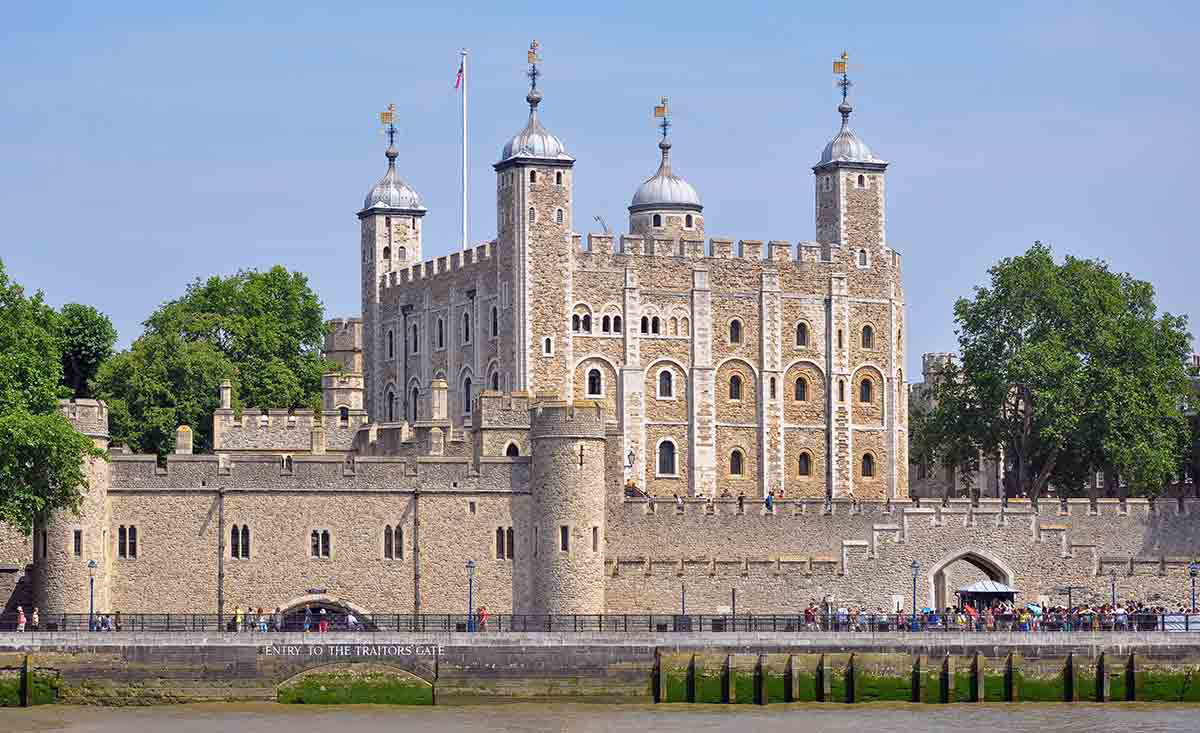
When William the Conqueror ordered the construction of the Tower of London in the 1070s, could he have imagined its role over the next thousand years? At the time of its erection, the Tower was a symbol of Norman dominance and royal authority over London and its surrounding regions. It would serve as a fortress, a royal palace, and an administrative center, and its strategic location on the River Thames reinforced its role as a key defensive structure.
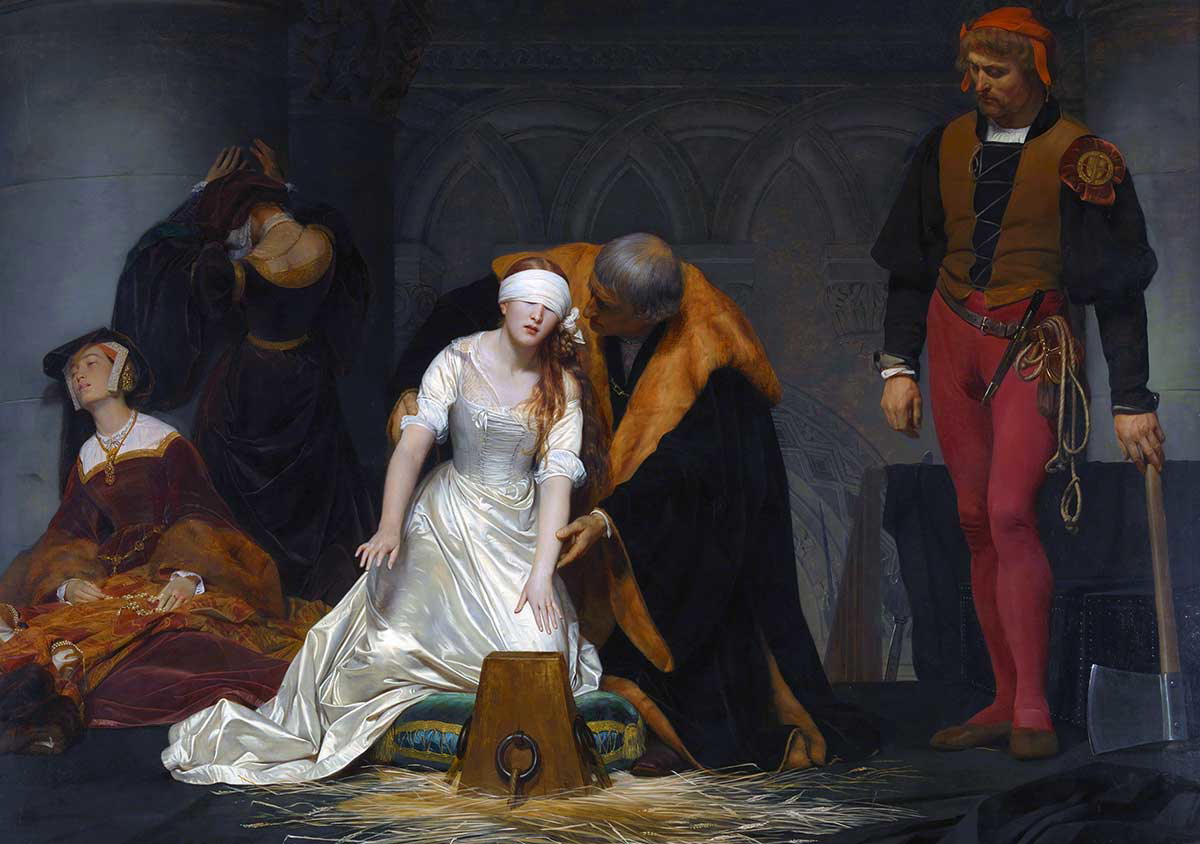
The striking building would serve a variety of roles in the following centuries, from housing the Royal Mint to serving as a prison for high-profile figures and even safeguarding the Crown Jewels. The Tower has borne witness to some of the bloodiest and most pivotal moments in British history, including the execution of Anne Boleyn, the second wife of King Henry VIII, and Lady Jane Grey, the “Nine Days’ Queen.” One of the most famous depictions of the latter’s untimely fate is Paul Delaroche’s “The Execution of Lady Jane Grey,” which can be viewed at the National Gallery in London.
The Tower’s architectural evolution also reflects Middlesex’s medieval heritage. The iconic White Tower remains one of the most complete examples of 11th-century Norman military architecture in all of Europe. Subsequent additions by monarchs like King Henry III and King Edward I expanded its fortifications and introduced Gothic influences. While the Tower of London is historically, and officially, associated with the City of London, it stands as a powerful symbol of England’s royal heritage and political history. This UNESCO World Heritage Site, open to visitors year-round, offers a glimpse into centuries of monarchical rule and houses the Crown Jewels.
7. Uncover Royal and Political History at the Palace of Westminster
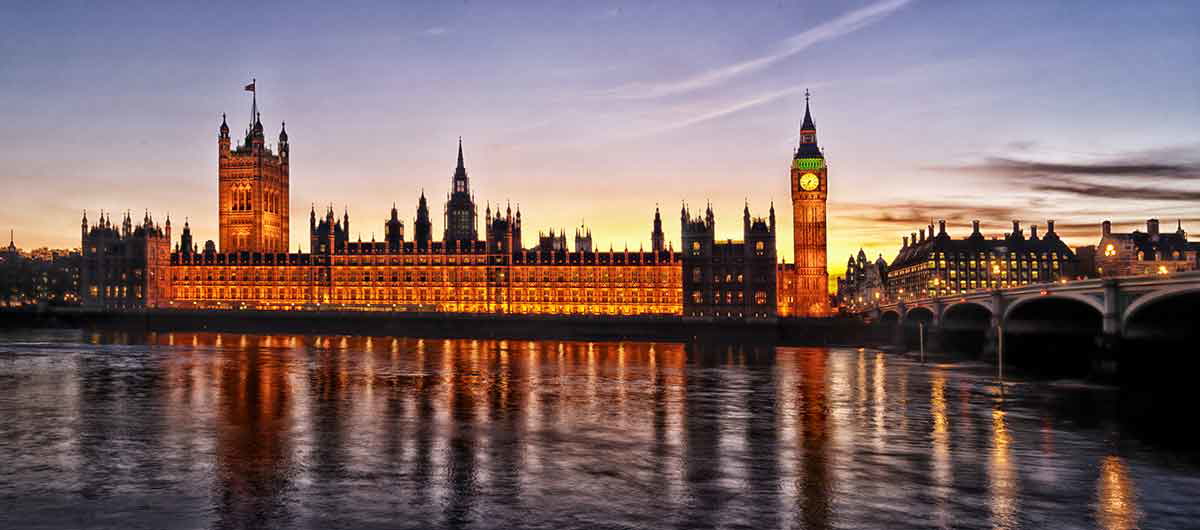
Situated on the bank of the River Thames, the Palace of Westminster has been a landmark within the geographic bounds of Middlesex for nearly a millennium. While located within the historic county, the Palace’s significance extends far beyond local borders, serving as a royal residence from the 11th century under Edward the Confessor and becoming the home of the English Parliament in the 13th century. Westminster Hall, dating back to 1097, stands as the oldest building within this historic structure.
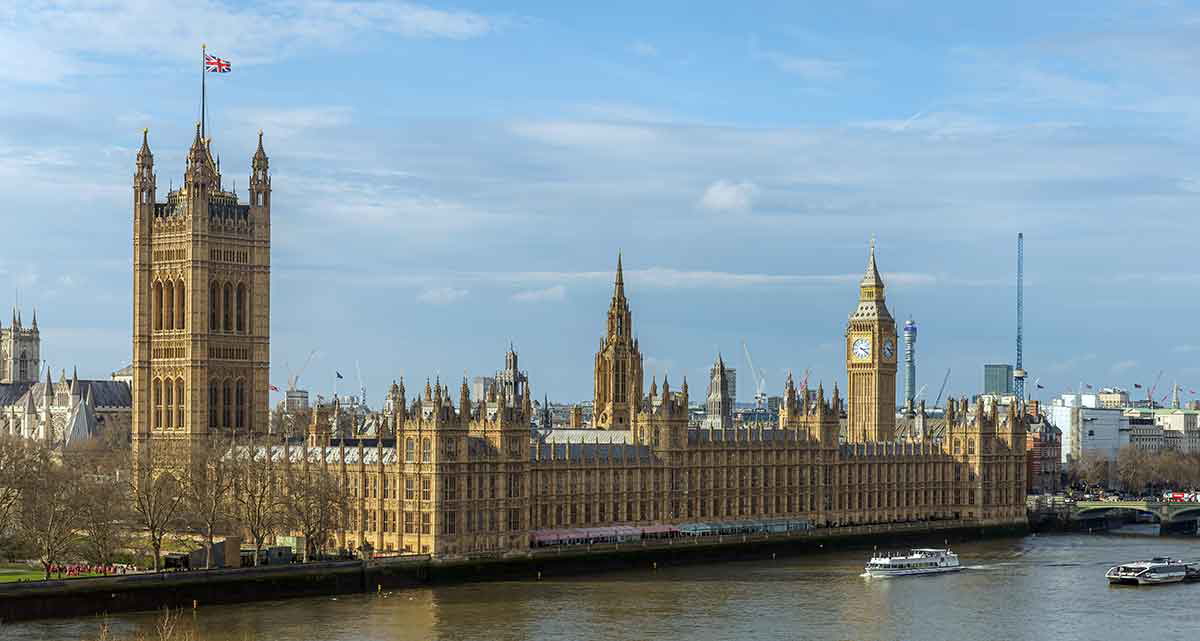
Throughout the late medieval period, the Palace of Westminster hosted English monarchs and served as the stage for coronation banquets and significant addresses to Parliament. The palace maintained its dual role until a fire in 1512 shifted royal residency elsewhere; however, it remained the seat of Parliament and various courts of law. Though the administrative county of Middlesex was abolished in 1965 and Westminster became part of Greater London, the palace’s historical presence within the county is undeniable. Today, visitors can explore the Palace of Westminster through guided tours, discovering the rich political and royal history and the architectural grandeur that has made this national landmark so iconic.