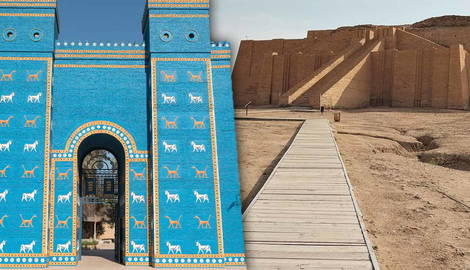
Mention your intention to visit Iraq to just about anyone, and they are likely to tell you to “proceed with care.” Yet the overwhelming feeling should be that of utter amazement. Often dubbed the cradle of civilization, Iraq is an extraordinary land and a bucket-list destination for anyone with a passion for history—ancient and modern. Iraq’s historical sites reflect millennia of human achievement and faith.
Federal Iraq vs. Kurdish Iraq
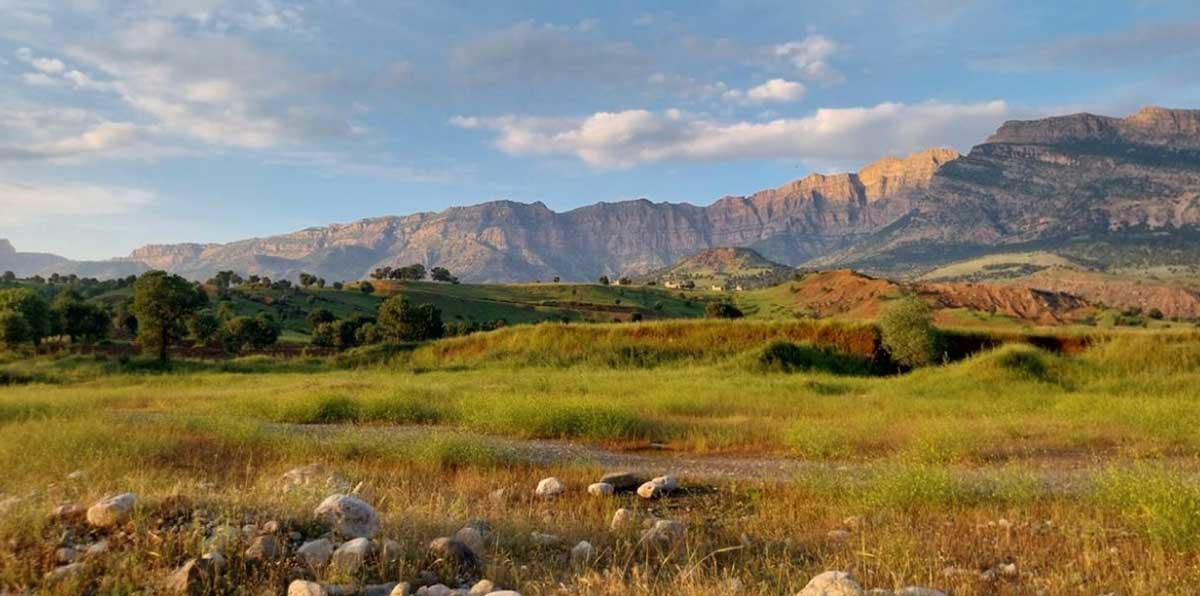
Iraq is divided into two distinct areas: Federal Iraq in the south and the semi-autonomous Kurdistan region in the north.
Federal Iraq encompasses cities like Baghdad, Basra, and Mosul and is a region steeped in Islamic history and ancient civilizations. It is also the region that has suffered the most catastrophic bombing over the years, and to say that most of it is “messy” would be putting it mildly. Federal Iraq requires extra caution due to political instability in some areas. Still, if you stick to the so-called “safe tourist corridor”—following Highway 1 from Basra to Mosul—you will find it a very rewarding region. Most of the highlights detailed below are in Federal Iraq.
In the north, Kurdish Iraq is a haven of relative safety, a wonderful natural setting, and much easier and freer travel. While you might be required to travel to specific historical sites with a guide in Federal Iraq, no such restrictions apply in the north. The Kurdish people are known for their incredibly warm hospitality. Regions like Erbil and Dohuk boast stunning landscapes and plenty of ancient landmarks.
While visiting both areas is possible, plan your route carefully, research the cultural nuances of each region, and respect them.
It is best to enter the country at Baghdad Airport for logistical reasons.
Babylon
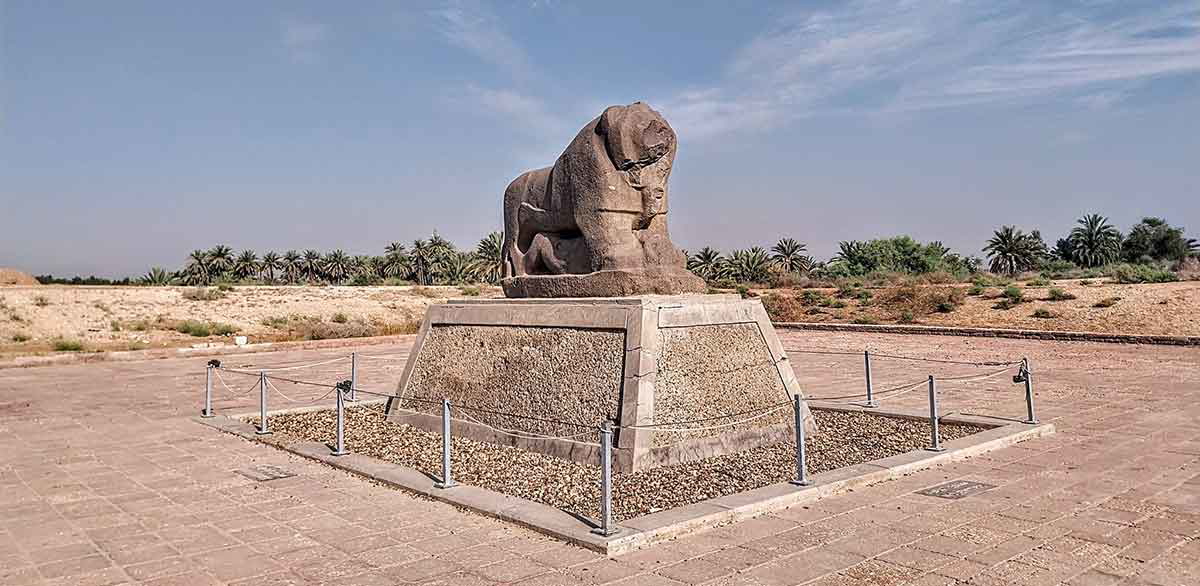
A major cultural and political center in ancient Mesopotamia, Babylon was a bona fide metropolis almost 4,000 years ago, home to roughly 200,000 souls. Whether or not it was home to the mystical Hanging Gardens of Babylon is still somewhat debated, but suffice it to say that, by now, there certainly wouldn’t be much left of the intricate system of waterways and terraced gardens, even if they were here.
More importantly, though, Babylon boasted impressive architecture and advanced urban planning, and its citizens made enormous contributions to mathematics and astronomy. Babylonian astronomers were among the first to develop a sophisticated system for tracking the movements of the stars and planets, while Babylonian mathematicians invented algebra and geometry.
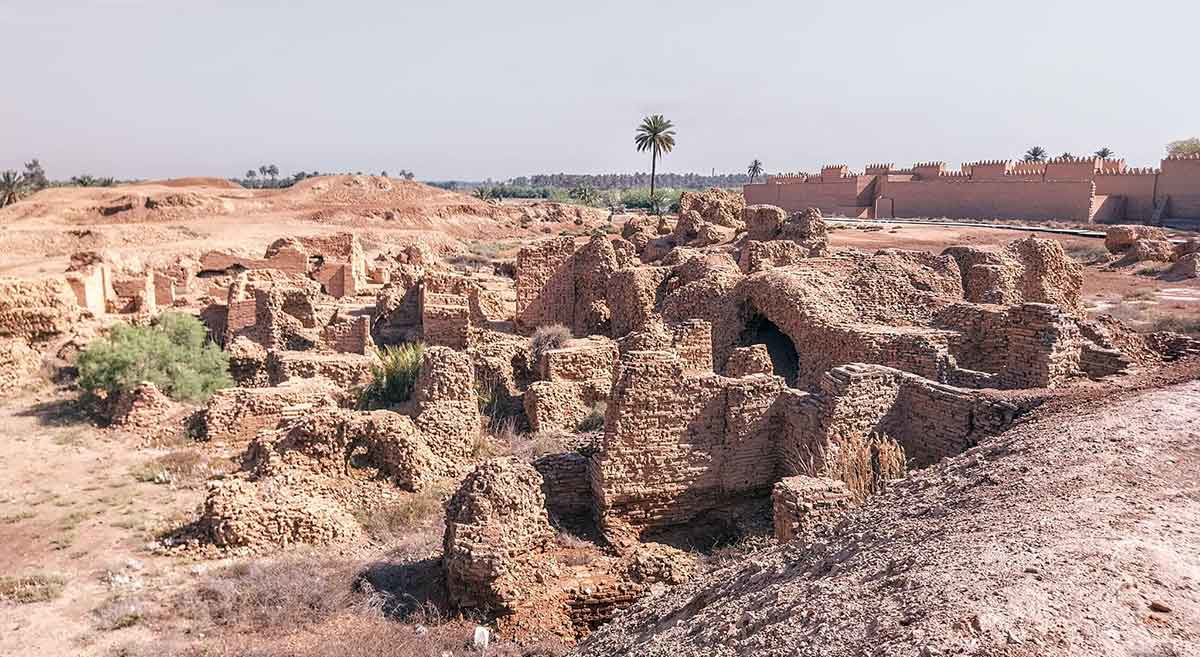
Babylonians also created one of the oldest legal codes in history. The Code of Hammurabi embodies principles of justice and fairness, including the well-known “an eye for an eye” concept many other cultures have embraced wholeheartedly.
Fast forward to the US-led invasion of Iraq in the early 2000s, and you might remember Babylon making the news for all the wrong reasons. Invading US-led coalition forces decided to set up camp IN the ancient city (the infamous Camp Alpha).
A UNESCO report confirmed that the armies trampled the extraordinary (and sacred) Processional Way with tanks, bulldozed hilltops, and dug trenches through the archaeological site. Looting was rampant. Stolen artifacts and relics from Babylon have been found in various countries over the years, including the United States, the United Kingdom, Germany, France, and even Japan.
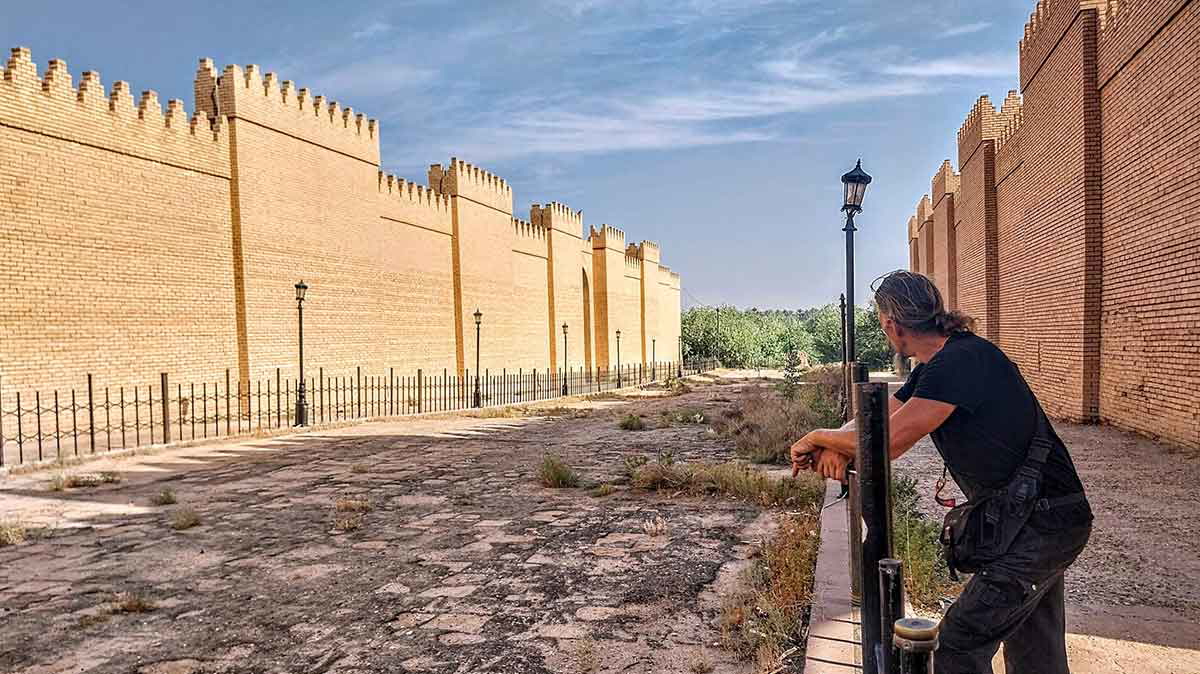
Babylon was named a UNESCO World Heritage Site in 2019. Its grandiose Ishtar Gate—perhaps the most iconic snapshot of the city—is a smaller replica of the original. If you’d like to see that priceless treasure, visit the Pergamon Museum in Berlin.
Head here at 7 am, and you can spend hours freely roaming and exploring every nook and ancient cranny. The more recent restorations are perhaps a little bland, but there are still enough of the ancient ruins to admire.
Saddam Hussein’s Summer Palace at Babylon
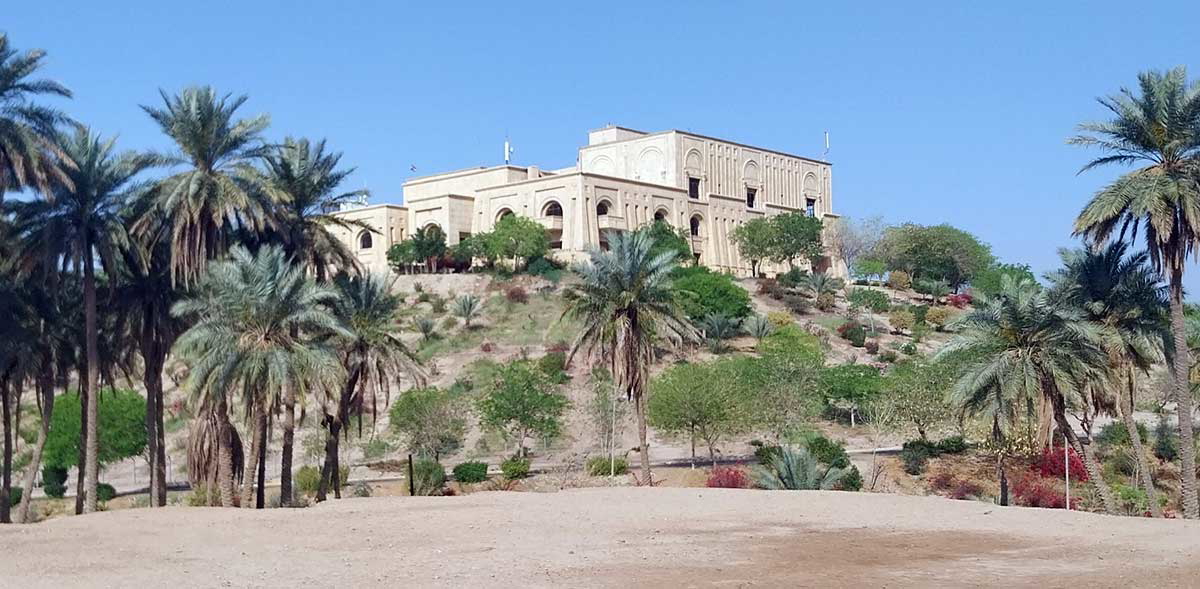
Built in the 1980s, Hussein’s summer palace sits on a hill overlooking the ruins of Babylon, offering sensational views of the historic site and the Euphrates River. The palace featured a blend of traditional Iraqi and modern architectural styles, with grandiose halls, marble finishes, and intricate tilework throughout.
The location of the palace above Babylon was incredibly symbolic. Historians believe Hussein sought to associate his regime with the glory of King Nebuchadnezzar II and various ancient Mesopotamian empires. This was part of a much broader propaganda effort to position himself as a modern equivalent of Iraq’s legendary rulers.
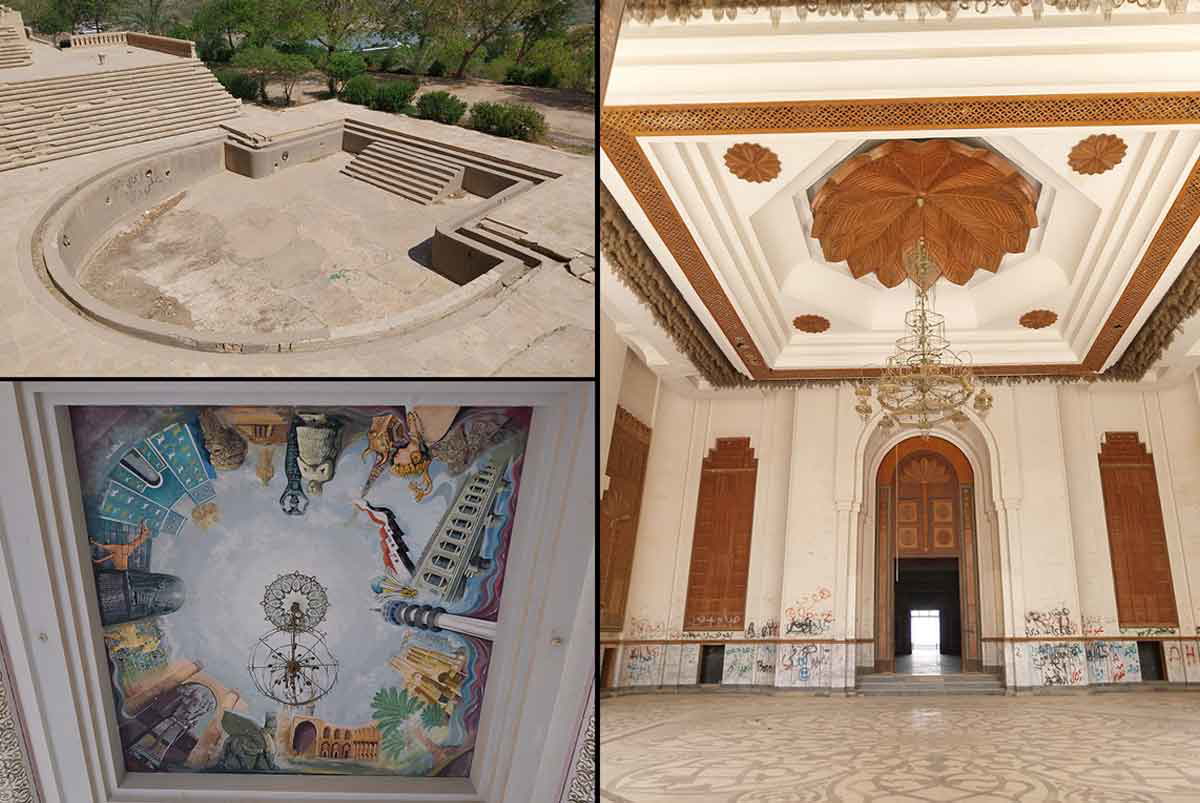
Two decades ago, it would have been unimaginable that ordinary civilians would ever set foot in the dictator’s home. But today, you can. Ask your driver to take you right up to the front door and park directly beneath one of the balconies. It was from here that the Iraqi strongman regularly displayed his strength by waving rifles around and firing shots into the air.
The palace is gutted and neglected. The walls are full of graffiti, birds are nesting in the rafters, and the surrounding gardens are in disrepair. Nonetheless, the derelict interior cannot fully veil its former splendor.
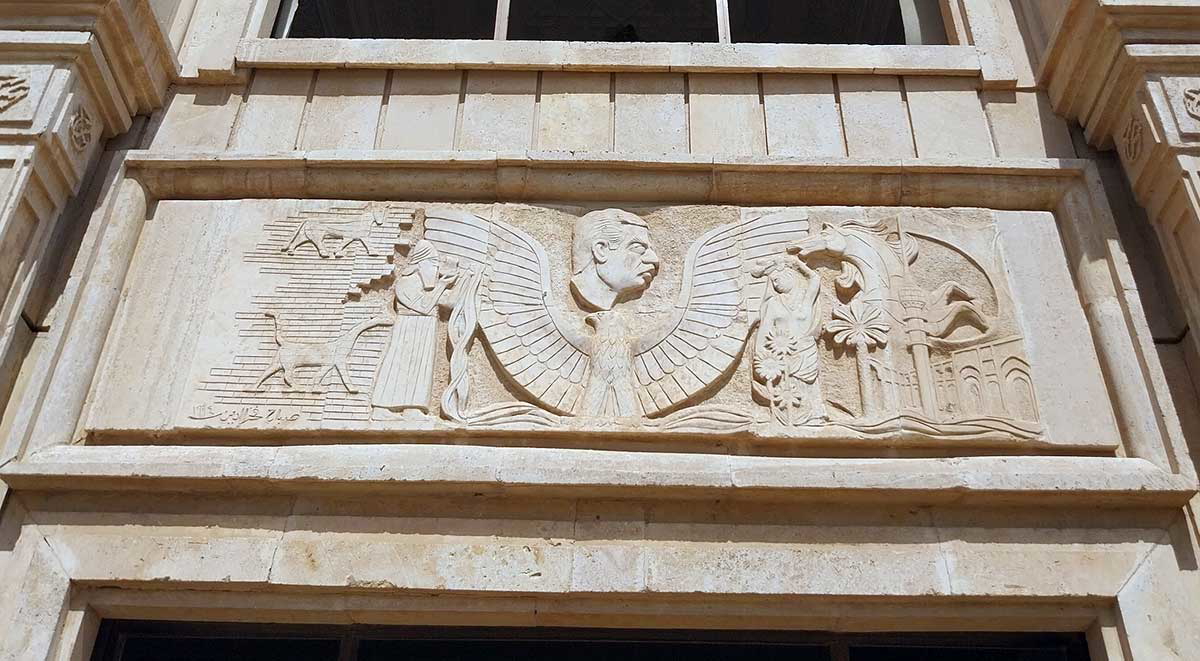
The legacy of Saddam Hussein is a contentious issue in Iraq. He was an intimidating, power-hungry strongman guilty of numerous crimes against humanity. He was also a leader who championed a pan-Arab ideology, policies aimed towards advancing female empowerment, and the Palestinian cause.
A visit is unmissable when stopping by Babylon.
The Citadel of Erbil
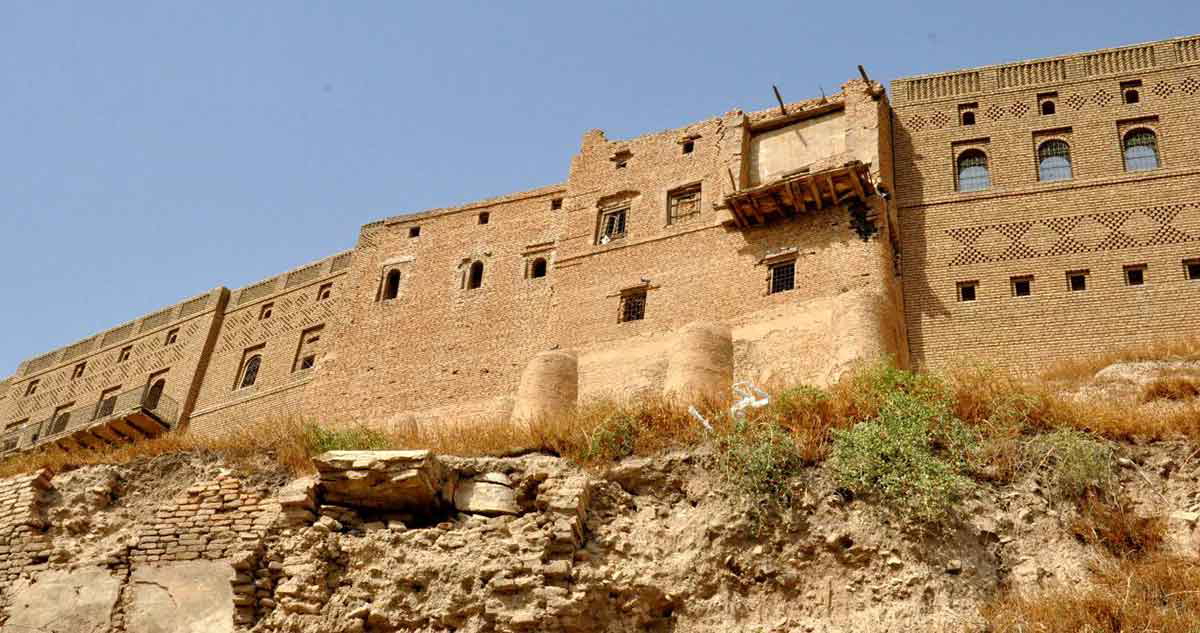
Perched on a large mound in the heart of Erbil in Kurdish Iraq, an ancient citadel dominates the cityscape. Believed to have been inhabited since Neolithic times, the citadel eventually grew and was a focal point of countless civilizations, from Assyrians and Persians to Ottomans. Today, the citadel, with its traditional Kurdish home and restored Textile Museum, is a blend of moderate restoration and ongoing excavation. It is UNESCO-listed and considered a priceless example of Kurdish heritage.
The citadel’s elevated position also offers sweeping views of modern, bustling Erbil, a striking contrast to the ancient world within its walls.
Ur
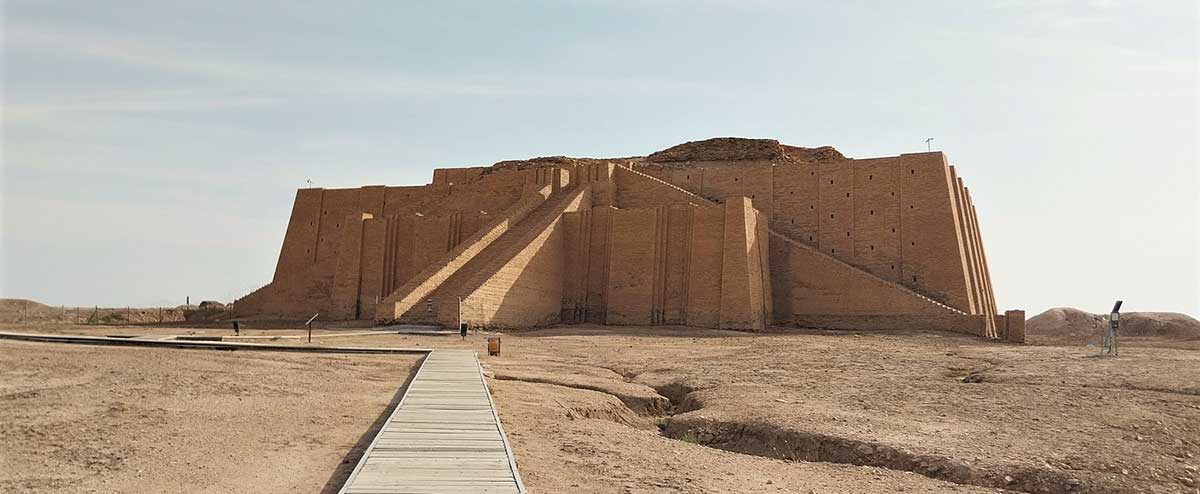
Deep in the southern Iraqi desert lies Ur, one of the most important city-states of ancient Lower Mesopotamia. This may be an arid desert now, but thousands of years ago, it was a lush, arable marshland brimming with wildlife and plentiful food sources. The city’s main claim to fame is as the reputed birthplace of Abraham—Book of Genesis (11:27–31)—the most revered patriarchal figure in Islam, Christianity, and Judaism. Yet its history stretches far beyond its biblical connections. Ur was a bustling cultural, religious, and trading hub for centuries, reaching its peak around 2000 BCE. The natural redirection of the Euphrates River in 400 BCE and the ensuing drought eventually spelled the beginning of the end of the city’s dominance.
The most striking feature of Ur is its ziggurat, an enormous stepped temple dedicated to the moon god Nanna. The structure, partially reconstructed, overlooks the mesmerizing, flat desert landscape. Unfortunately, the condition of the site is “rudimentary” at best. Given the instability of the region, the site has been essentially fenced off to visitors. It is the only way to preserve it at the current time. For this reason, many visitors find Ur a disappointing site to visit. Yet avid historians will appreciate the site’s age and importance. Were it anywhere else, one could begrudge the lack of funding to protect this incomparable historical treasure of humanity. However, given that it is a country that has been subjected to so much conflict in recent decades, a little understanding is warranted.
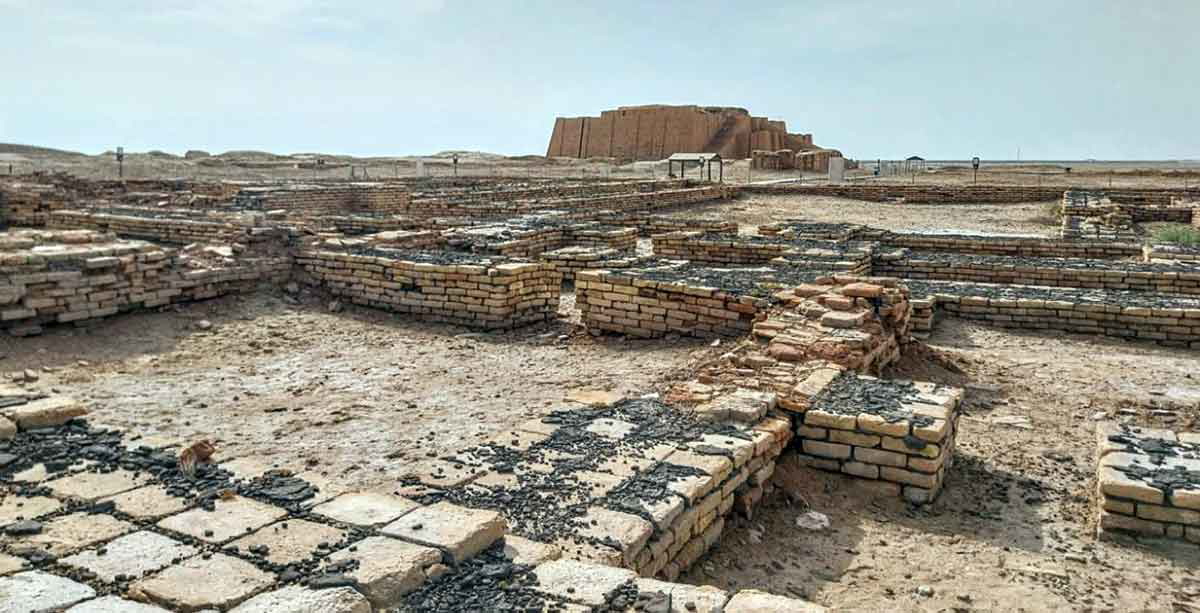
Ur is near the bustling city of Nasiriyah and can only be reached by car. While you can visit on your own (say, with a rental car), note that there is a military checkpoint at the turn-off with the main road. If you visit too late in the afternoon, you won’t be allowed to proceed. Visit in the morning, and you’ll have plenty of time to wander around and return to the city without making the guards nervous.
Ancient Hatra
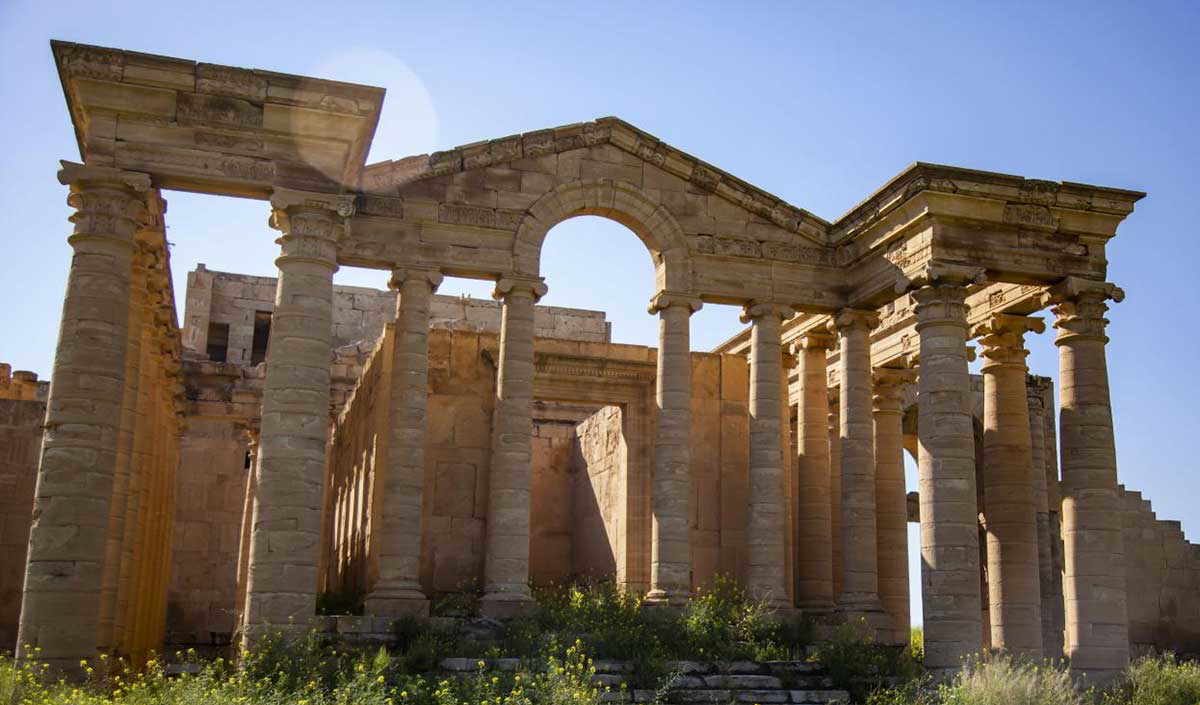
Hatra, a 2,000-year-old city dating back to the Parthian Empire, once stood as Upper Mesopotamia’s most formidable stronghold. Thanks to its strategic location, ingenious design, and impressive fortifications, it rose to prominence quickly as a trading hub and successfully withstood numerous Roman sieges. The citadel combines Greco-Roman and Eastern architectural styles, which is a rarity in the region. Soaring columns, intricate carvings, and its especially vast temple complexes reflect the city’s dual role as a prominent spiritual center.
Though damaged during recent conflicts, the ruins of Hatra remain a UNESCO World Heritage site and are one of Iraq’s most prized historical sites. Restoration efforts here, as everywhere in Iraq, are ongoing, so expect to see areas of reconstruction alongside the original ruins.
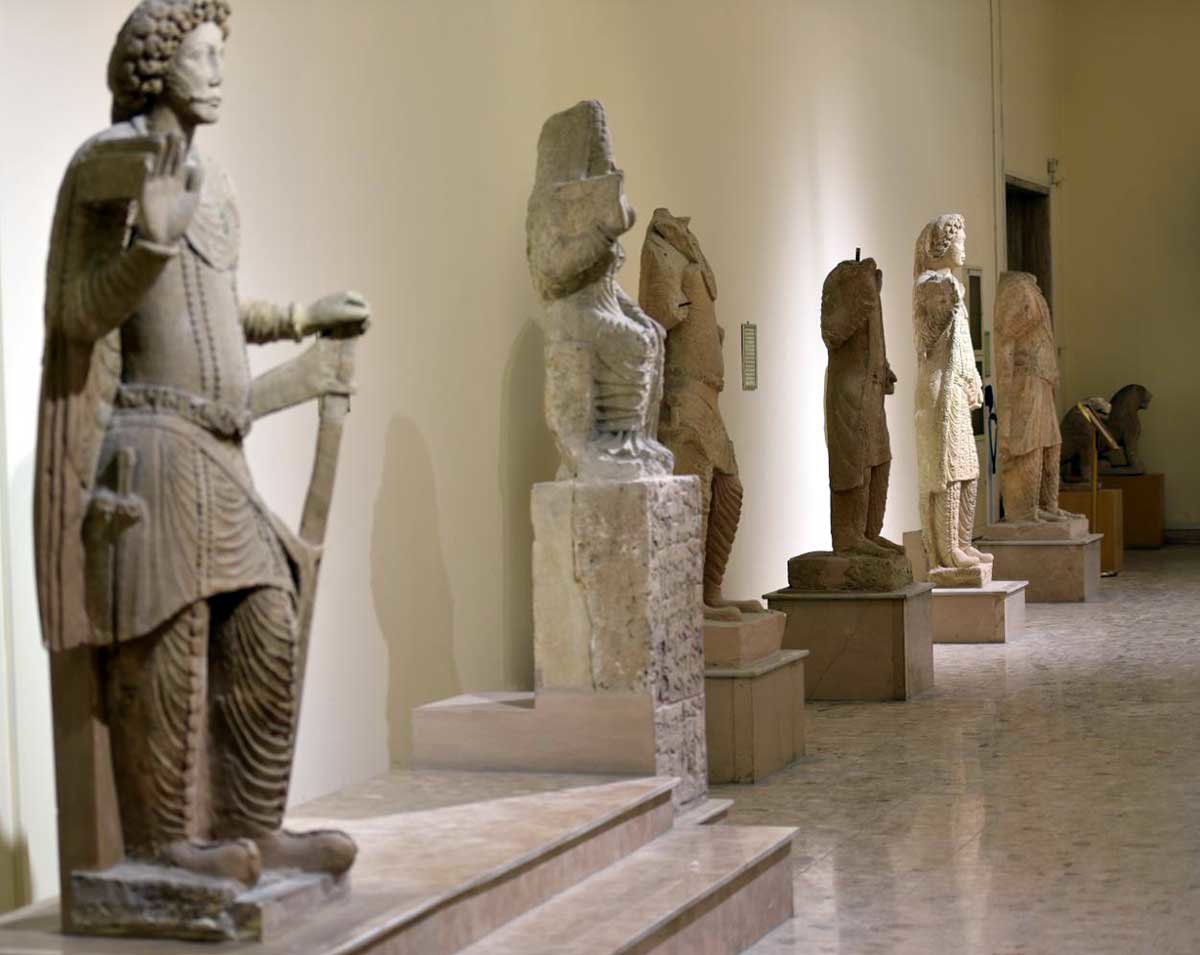
Hatra is between the Euphrates and Tigris rivers and is easily accessible from Mosul. It is considered a bit of a hotbed for insurgents, so you may be required to visit with a military escort. If this is the case, you will be told that a guide will be provided at the gate. The site is also sporadically closed for a few days for security reasons, something you will be somewhat used to once in Iraq.
Mosul and Al-Nuri Mosque
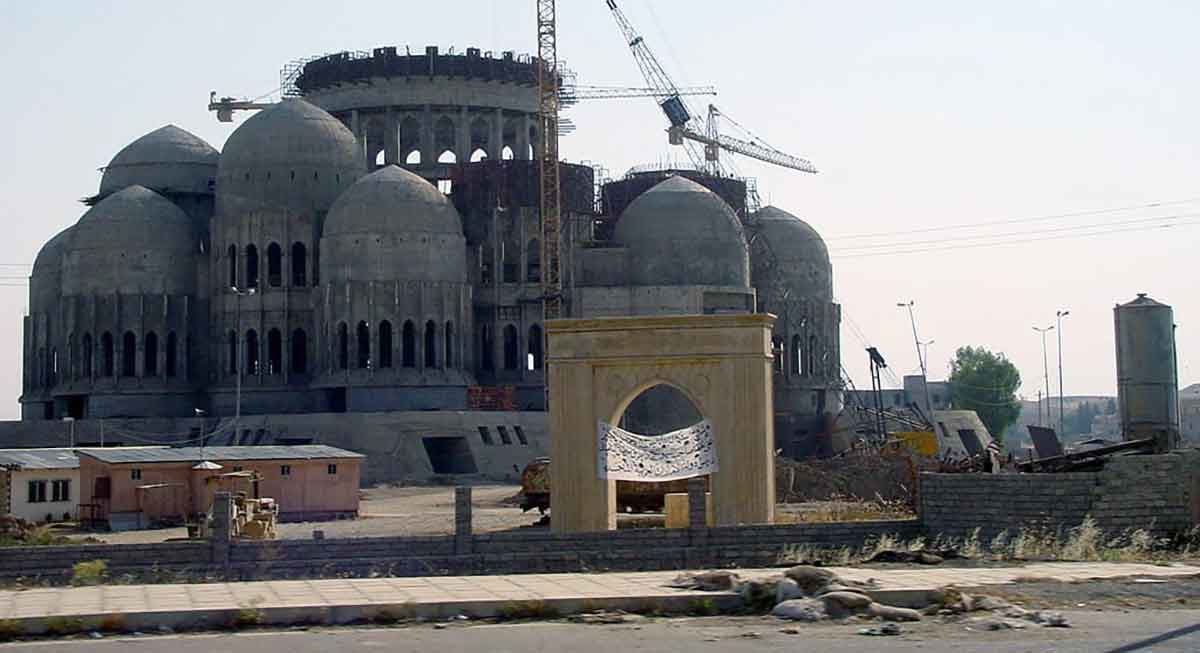
Mosul is one of Iraq’s most famous cities, although primarily for terrible reasons. A city with roots dating back to the Assyrian Empire, Mosul has long been a cultural and economic crossroads in Iraq. While its modern history has been undoubtedly marred by conflict, efforts to rebuild have ushered new life into this resilient, fascinating city. One of Mosul’s most iconic landmarks is the Al-Nuri Mosque, with its famed leaning minaret that earned the nickname the “Hunchback.”
The mosque played a pivotal role in the city’s history until its destruction in 2017 during the battle to liberate Mosul.
Visiting Mosul today is both a sobering and quite inspiring experience. Parts of the city are in disrepair, and the Al-Nuri Mosque is undergoing reconstruction. It will take years—if not decades—to return the city to its former glory. Still, there is a bustling vibe, youthful energy, and a glimpse of the vibrant culture that once thrived here. Visit the partially destroyed Bashtabiya Castle and the bustling central souq.
Visiting Mosul with a guide is not compulsory but strongly recommended. This city should be approached with cultural sensitivity and respect for the community’s ongoing recovery—as is the case for all of Iraq.