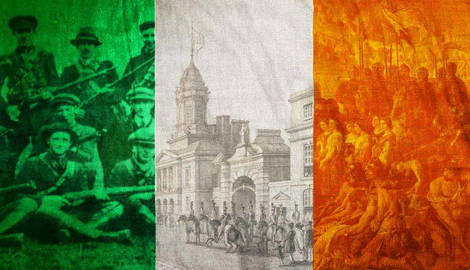
For a relatively small nation, the history of Ireland is vast and complex. Since the early settlement of people on the island, its inhabitants have continually fought for their rights and independence, resulting in a history marked by war, uprisings, and terrorism. This article provides an overview of Ireland’s history, spanning from its early prehistory to the modern era. Discover the major moments and the cultural momentum that have shaped the Emerald Isle.
Prehistoric Ireland
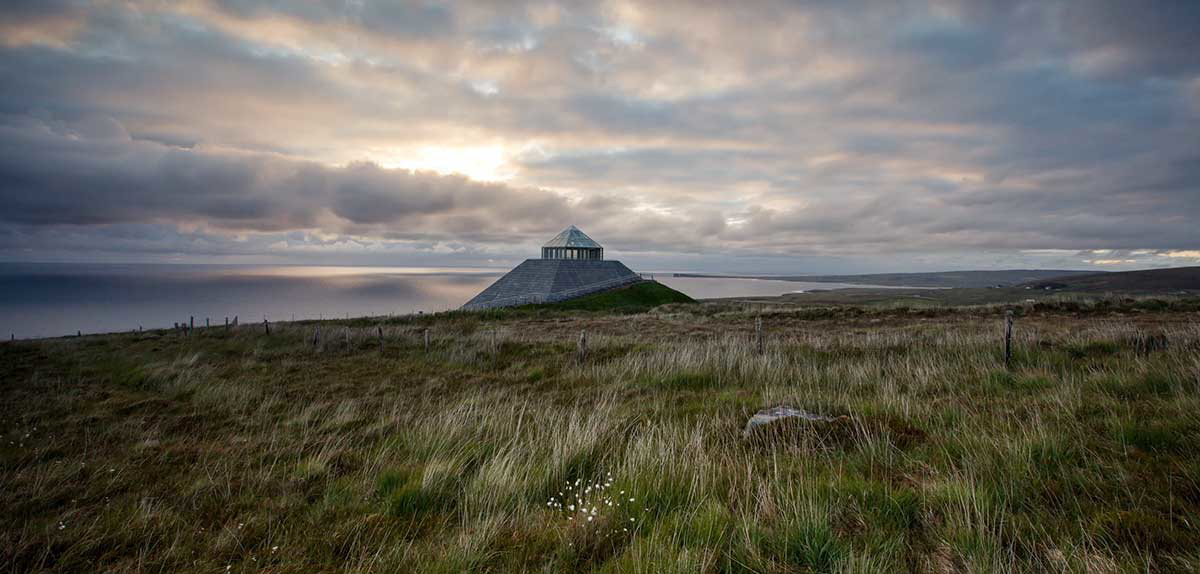
The first evidence of human inhabitants in Ireland dates to around 10,000 BCE, as carbon dating has pinpointed human activity in County Clare based on markings made on bear bones. The population increased from around 8000 BCE when Mesolithic hunters traversed mainland Europe and migrated to the island. By 4000 BCE, we have explicit evidence of farming communities such as the archaeological remains at Céide Fields.
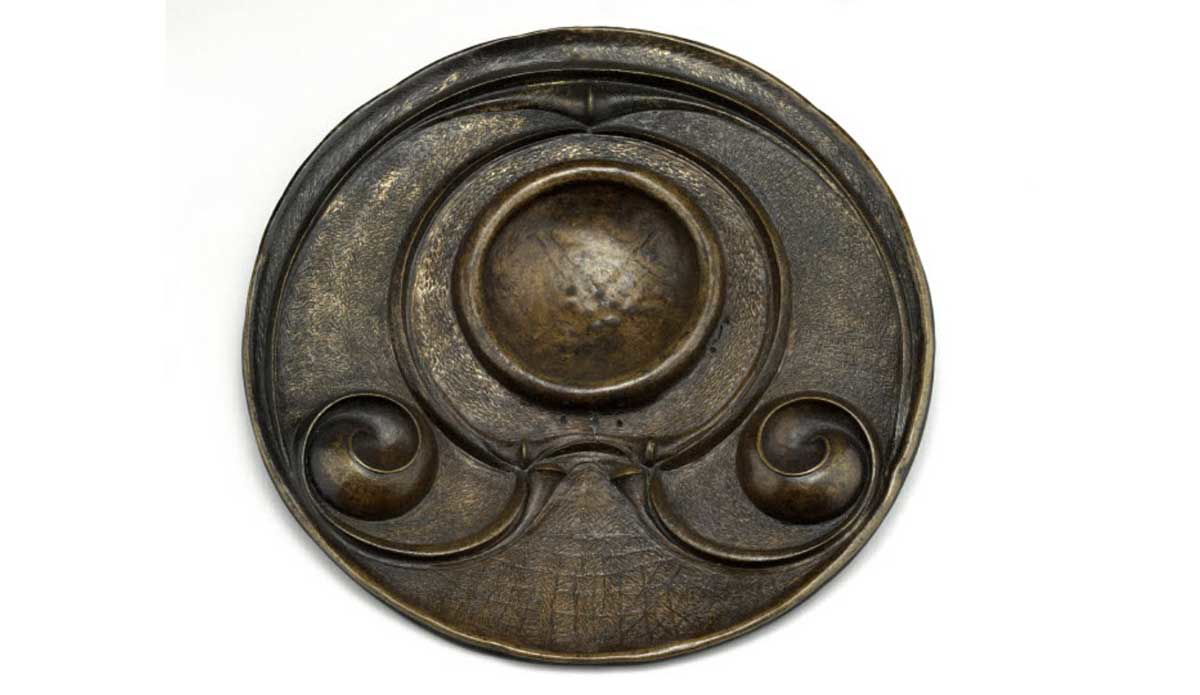
By 600 BCE, the Celtic people of Europe had settled in Ireland, marking the beginning of a new era in art and culture. It is thought that the newcomers did not necessarily invade but rather integrated into the existing society. This gave rise to the classic Celtic art style, which remains instantly recognizable.
The history of the Gaels, from which the word Gaelic or Gaeilge originates, is rooted in a common Celtic ancestor thought to have come from Ireland, who then migrated to Scotland. Likewise, this is how the Scottish Gaelic, or Gàidhlig, language evolved. This, in turn, evolved into the Manx language, known as Gaelg, the native language of the Isle of Man.
Arrival of Christianity
The religion of Ireland during the Iron Age is commonly known today as Celtic paganism. While this is a broad term used to describe many pre-Christian religious beliefs across Europe at the time, the Romans noted vast similarities between different cultures, albeit with varying deities and individual practices connected to the natural surroundings. Within Ireland, specifically, religious sites were often circular, and there was a particular respect for the Fili, who were regarded as poets of a religious and magical nature.
Christianity emerged in Ireland around the 5th century CE, likely due to an influx of refugees from Roman Britain. The Romans made a small attempt to take Ireland, but did not view the prize as worth crossing the perilous Irish Sea and abandoned the endeavor. The Church had not long taken hold in small pockets across Ireland when Pope Celestine I sent a Bishop named Palladius as a missionary to the land.
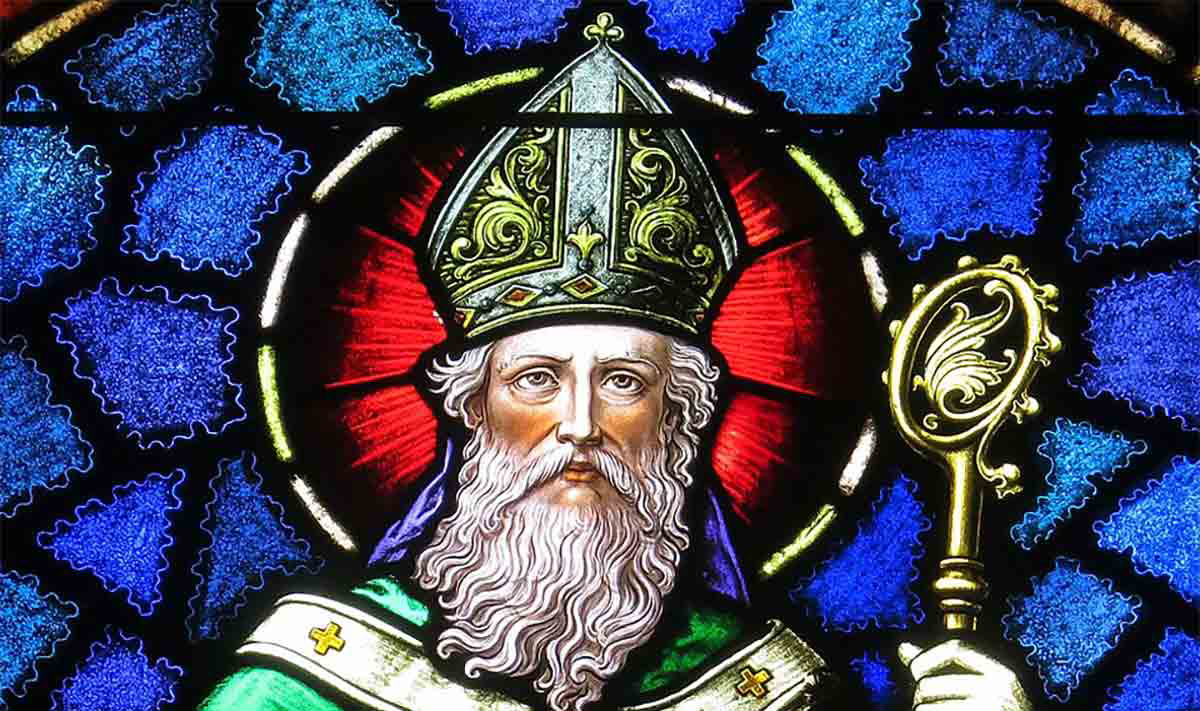
In 432, the year after Palladius arrived, St. Patrick embarked as a missionary to bring Christianity to Ireland. St. Patrick was born in Roman Britain, and after a 6-year stint as a slave in Ireland, escaped back to mainland Britain. He then returned to spread Christianity because of a vision from God.
Christianization was driven by the efforts of St. Patrick and later saints, such as Brendan of Clonfert and Columba of Iona. The process was delayed as the High Kings of Ireland remained staunchly pagan until the death of King Diarmait mac Cerbaill around 565. Nevertheless, by the 8th century CE, Ireland was thoroughly Christianized.
Centuries of Invasion
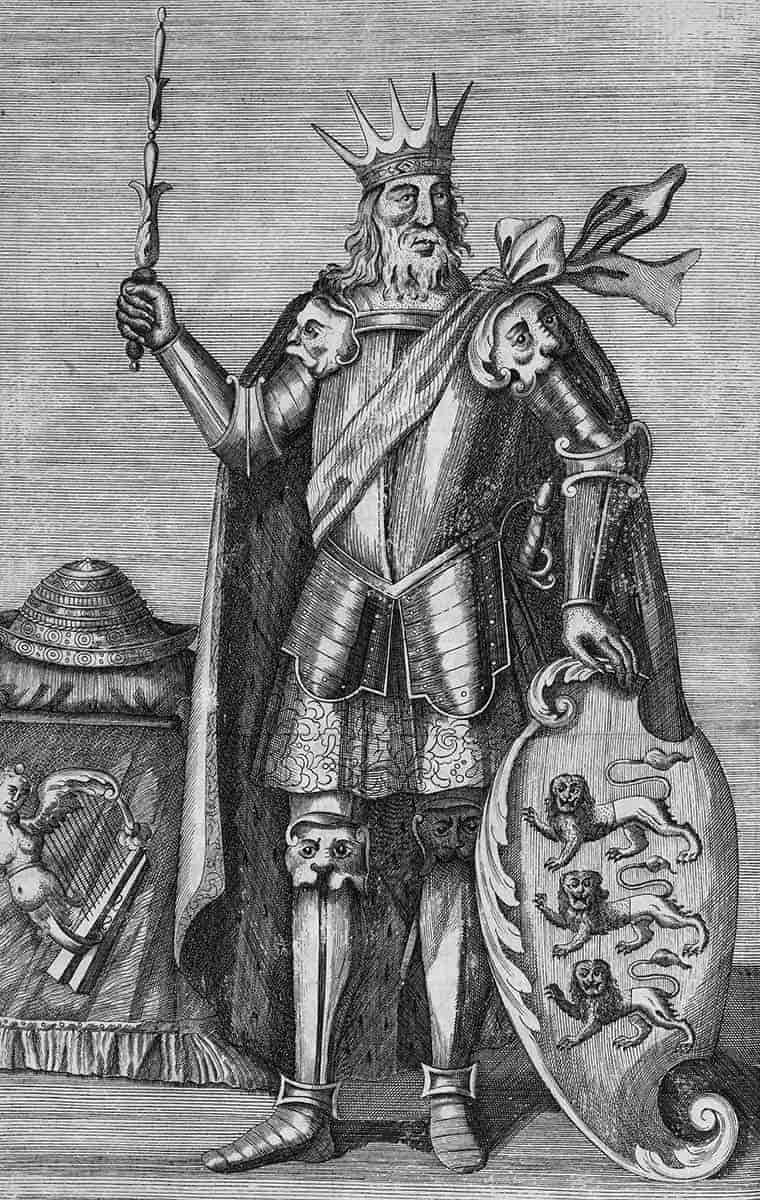
Simultaneously, Ireland was tormented by invading forces. Although the Romans were largely uninterested in Ireland, the same could not be said for the Vikings, who pillaged the island from the 8th century CE onward. They were able to take advantage of the political instability between rival elite families and swiftly establish more permanent settlements, including one near present-day Dublin.
The native Irish were far quicker to ally with their Norse guests than to join forces with other local factions. Nevertheless, with over 150 kingdoms, the Vikings were unable to overthrow the ruling class. However, they established a presence and many Vikings married into the Irish population, creating bilingual communities. Viking activity intensified again in the 10th century CE, until King Brian Boru led an Irish coalition against the Vikings in 1014. Despite the king’s death in battle, the Irish were victorious, significantly reducing Viking influence on the island.
But peace was not to last long. In 1169, the Anglo-Normans invaded, marking the beginning of Britain’s 800-year presence in Ireland. Henry II of England had agreed to the military support of Diarmait mac Murchada, who had been deposed as King of Leinster, as the High King of Ireland in return for Irish land. In 1170, the Anglo-Norman noble Richard de Clare, known as “Strongbow,” landed in Ireland and made a pact with Mac Murchada, married his daughter, and assumed his lands after Mac Murchada’s death. The Irish began an uprising in response.
Complex Relations With England
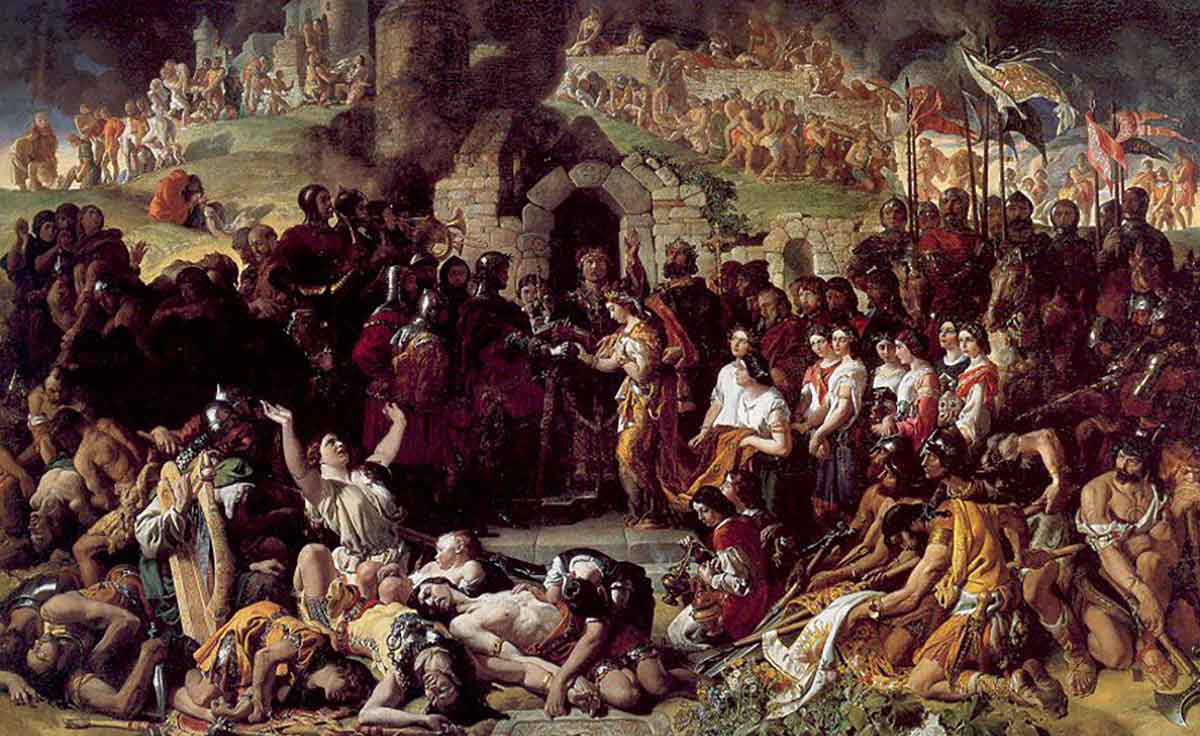
To combat the Irish rebellion, King Henry II received backing from the Roman Catholic Church to sail to Ireland and put a stop to the conflict. Likely incentivized by potential increased tax revenues and reforms to the Irish system of religion, which had maintained many of its own cultural nuances, the Catholic Church had a high stake in controlling Ireland.
Many of the Irish kings swore allegiance to the English king under the promise that he would prevent further Norman expansion. However, once Henry II left, the Normans continued to subjugate additional lands, and further clashes between the two sides ensued. Henry II reacted by proclaiming his son, John, as Lord of Ireland and granting the Normans explicit permission to continue their conquest.
Tensions rose and skirmishes were all too common. The Scotsman Edward Bruce arrived on the Irish shores in 1315. Edward was the brother and heir to the notorious Scottish King, Robert Bruce, and was a descendant of Aoife, who had married Richard “Strongbow” de Clare over a century earlier.
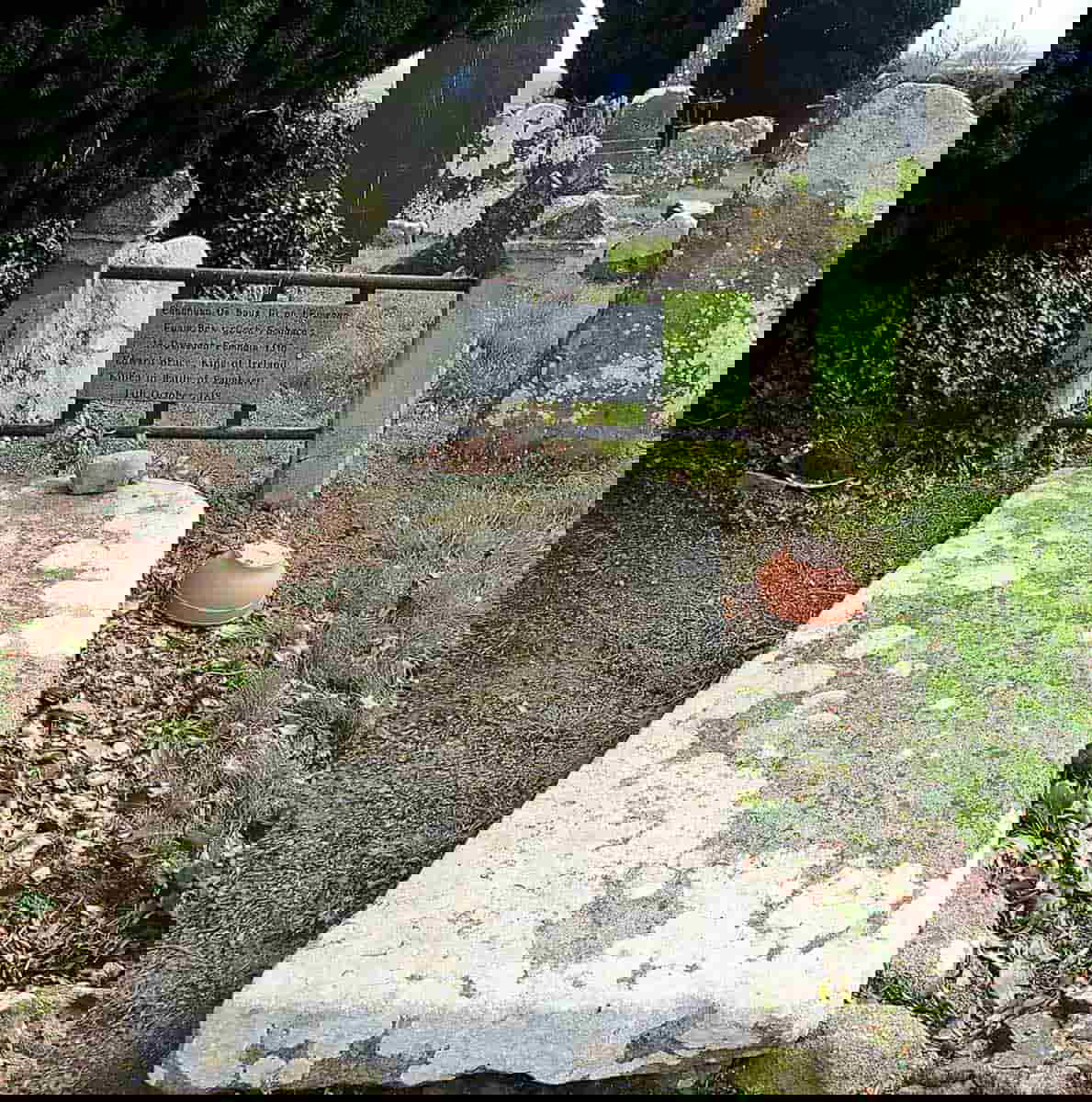
The Bruce brothers envisioned a united Scotland and Ireland, as they shared a common Gaelic-Celtic ancestry. Moreover, the Irish King of Tir Eoghain requested help from Scotland, justifying their presence. An official High King had not been named since 1186, and Edward and Domhnall mac Briain Ó Néill formed an alliance whereby Edward would be named King of Ireland upon victory.
Edward and his alliance of Irish forces fought battle after battle with the Anglo-Irish coalition, and by 1317, much of Ireland was united with Edward Bruce as their ruler. A letter was sent to the Pope the same year stating that Ireland formally recognized Edward as their King, but it was ignored. But after a string of successes, Edward was killed in battle, and his head was sent to the King of England. This temporarily ended the United Irish resistance against England.
The Tudor Conquest
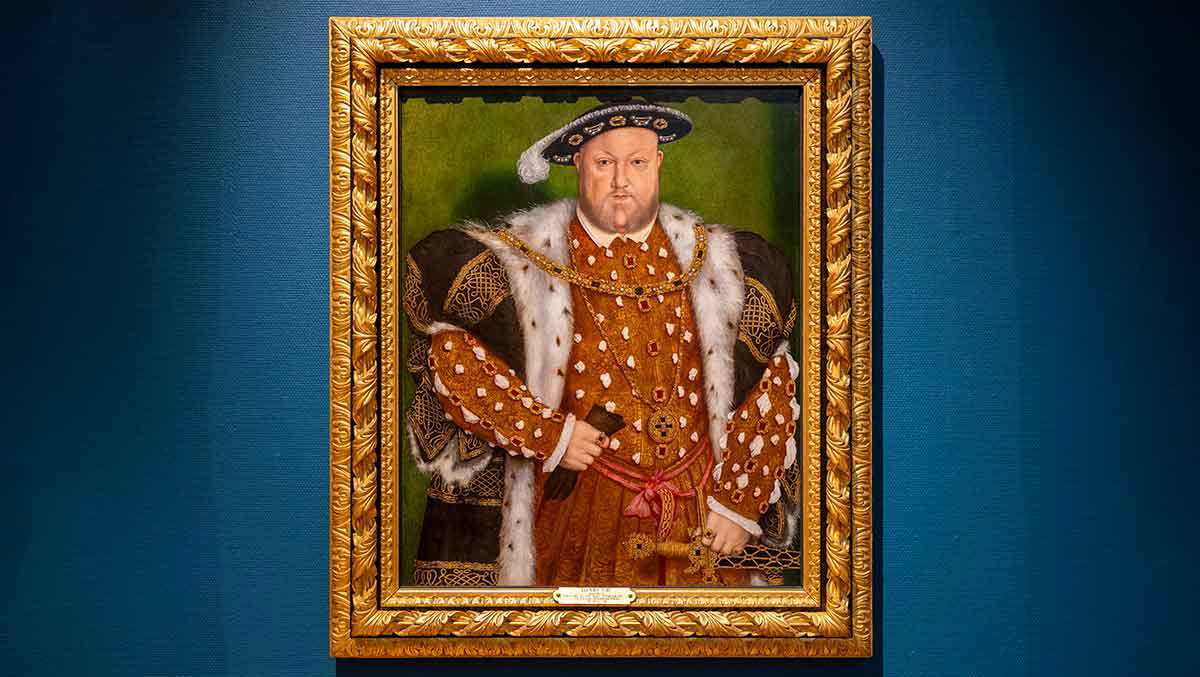
Despite the end of a spearheaded movement, sporadic Irish revolts against Anglo-Norman overlords were common for the next two centuries. By 1530, a large rebellion had erupted and was swiftly crushed. But this event brought the instability of Ireland to the attention of the new English ruling family, the Tudors. In 1542, Henry VIII was proclaimed the King of Ireland.
Henry separated from the Catholic Church, and the Dissolution of the Monasteries officially began in 1536. The process was far less smooth in Ireland than in England, and Ireland was still a majority Catholic kingdom by the time of Elizabeth I’s ascension in 1558. Elizabeth I made a greater effort to Anglicize Ireland. Catholic persecution followed, as well as the execution of many Irish leaders. The Nine Years’ War began, and the Spanish allied with the Irish against England. Initially, the Irish won a series of battles, but the tide turned against them with the crushing defeat at the Siege of Kinsale in 1602.
Catholic Rebellions
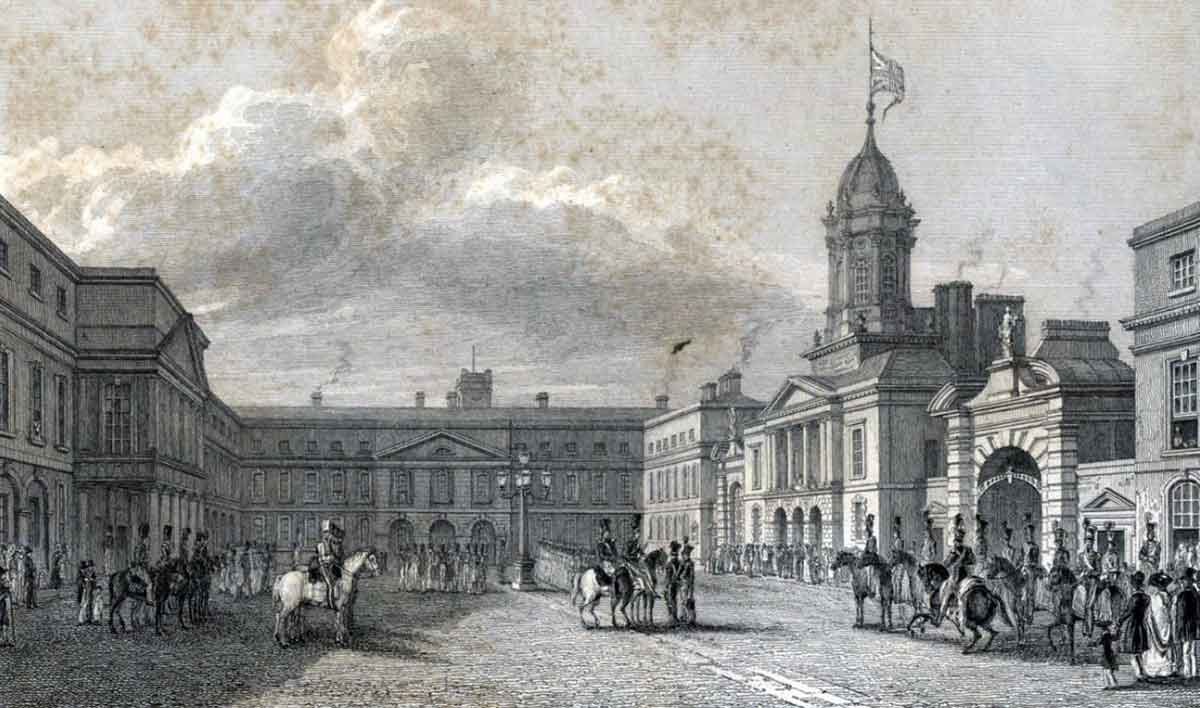
This ushered in a new era in Ireland as many Irish lords fled to mainland Europe, and the Plantation of Ulster oversaw an organized colonization of the Northern counties.
However, it was not long before a united Irish front rose against England yet again. In 1641, Irish Catholics rebelled and marched upon Dublin Castle and demanded an end to Catholic discrimination as well as increased independence. The revolters claimed they were in favor of King Charles I, the current English king, but he denounced their cause. In response, the English and Scottish Protestant colonists fought back but, in some areas, were massacred by the Catholics, including the whole town of Portadown in County Armagh.
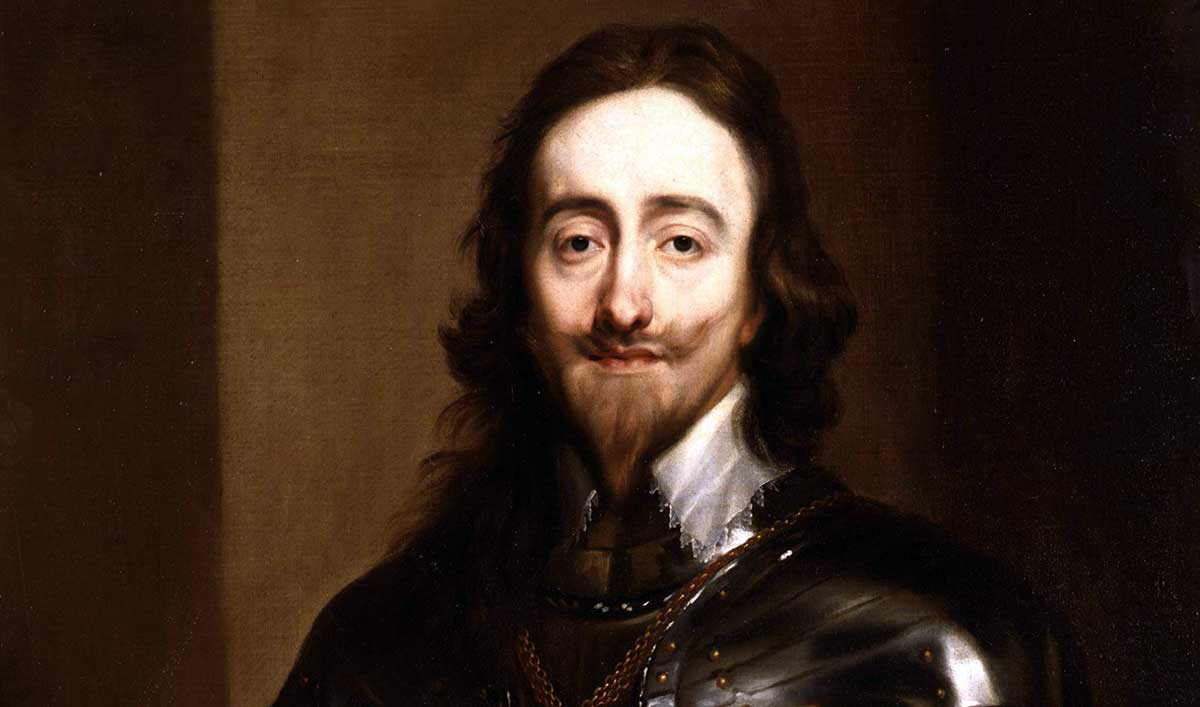
The Irish Confederacy was formed in 1642 after Charles I signed the Adventurers’ Act earlier that same year. This legislation promoted war in Ireland by redistributing lands held by Irish rebels to those who fought on behalf of England and the King. All-out warfare only ended when Oliver Cromwell took up arms in Ireland and committed atrocities against Irish civilians.
Harsh terms were imposed on the Irish people, including civilians, such as a death sentence if they rebelled against the English Parliamentarians after the 1652 Act for the Settlement of Ireland. Alternatively, rebels were sent to the newly established colonies in the Americas to perform forced labor.
An Unstable Union
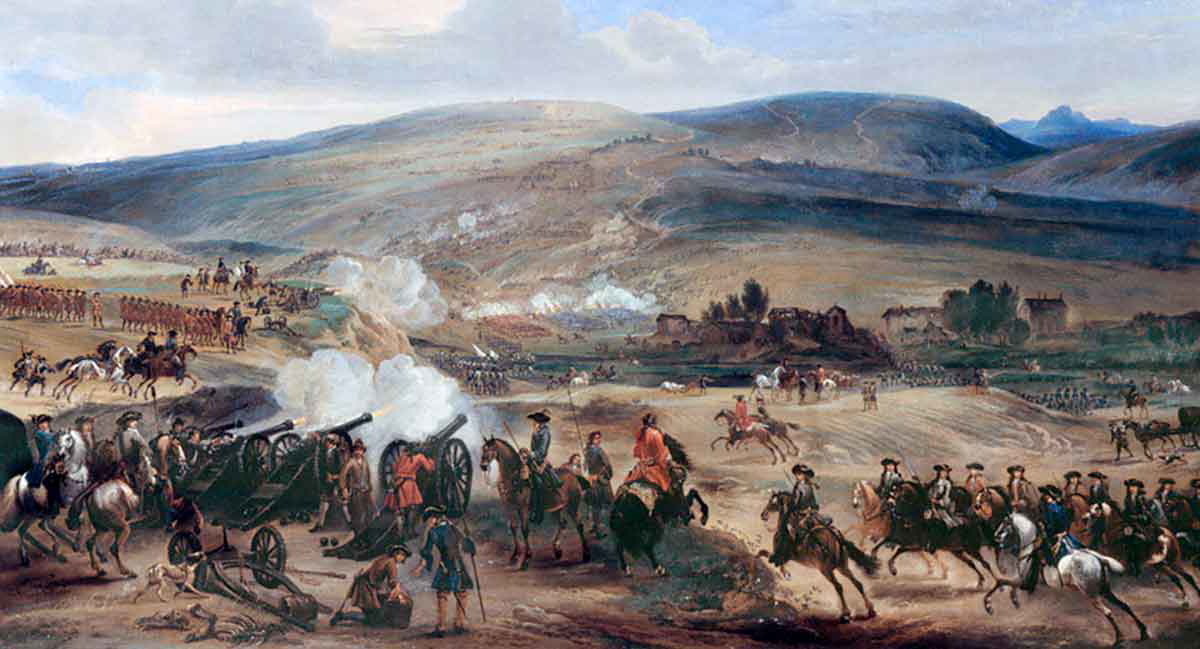
The Battle of the Boyne in 1690 saw William of Orange become William III of England, Scotland, and Ireland after he defeated the Catholic King James II of England and VII of Scotland. This encouraged new persecutions of Irish Catholics. The Penal Laws were established to enforce the oppression of Catholicism and traditional Irish culture, whilst simultaneously upholding or increasing the power of the Protestants and English colonists.
The Act of Union in 1801 formally united Great Britain and Ireland to form one kingdom. The Act came about to pacify Ireland in the wake of the French Revolution and domestic rebellions, which sparked fear among the ruling classes of Great Britain. From the early 1800s, tensions were high, and, as with most periods of Irish history, sporadic skirmishes occurred across the country with little result.
An Gorta Mór
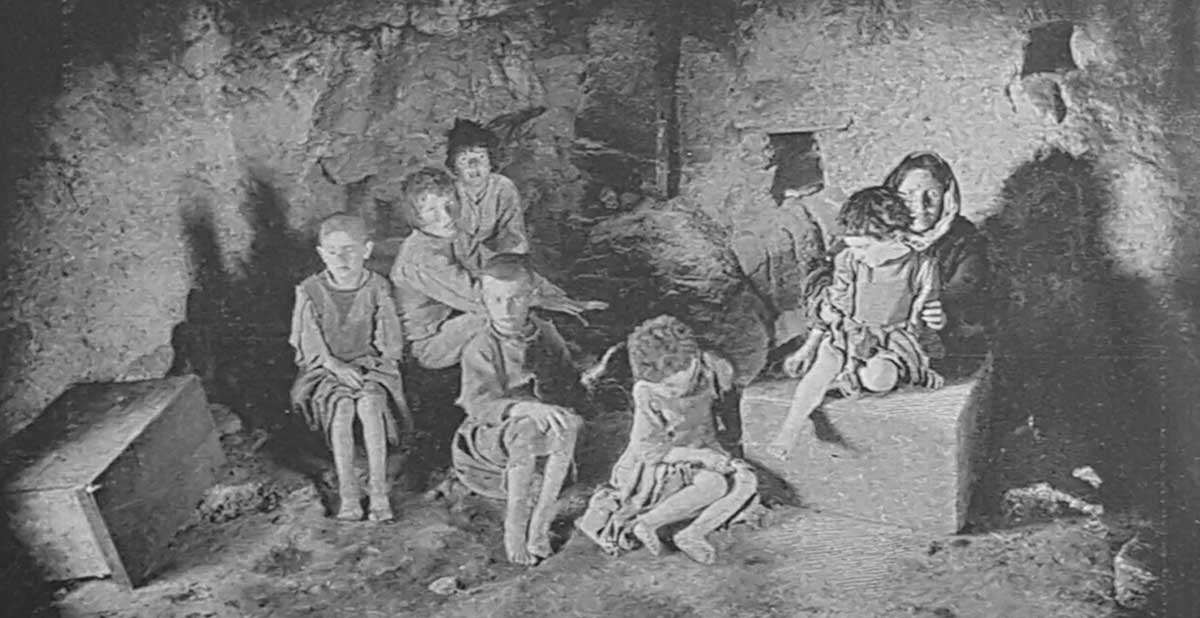
The famine, synonymous with Irish history, began in 1845. The Great Famine, or An Gorta Mór as it is called in Irish, was described as a tragic yet unforeseeable set of circumstances. However, reexamination has revealed it to be a malevolent act of violent colonization.
After the Penal Laws had separated the Irish from their language, culture, and access to education, the population was decimated by indentured servants sent to colonies in America. Britain had largely free rein over Ireland and its resources. Those who remained in Ireland were controlled by English and Anglo-Irish Protestant lords who forced them to work the land and survive on potatoes.
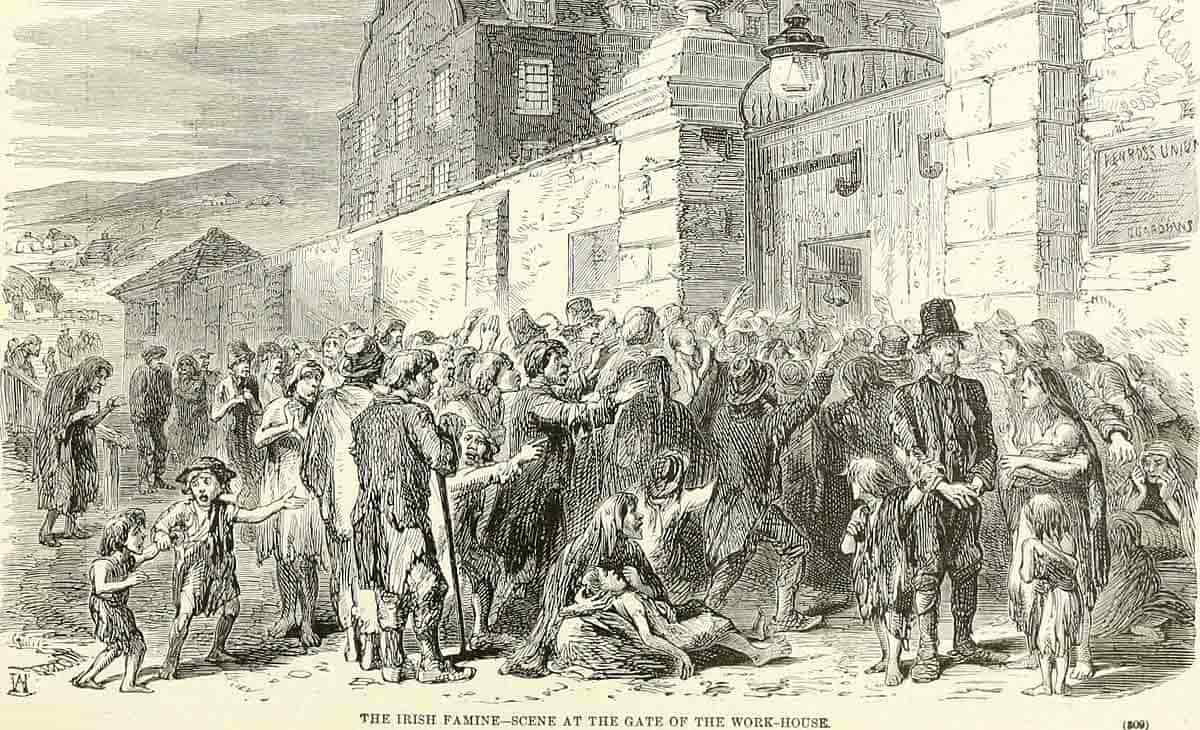
In 1845, a fungus wiped out the majority of the potato crops, but Ireland was still exporting livestock, butter, and other crops such as barley, oats, and wheat to Britain. With the Irish population starving, they had no choice but to labor on and harvest vast amounts of food they were not allowed to eat. When the people became too weak and malnourished to work, their landlords simply evicted them.
The situation resulted in over a million deaths from starvation and over two million immigrants to the Americas and mainland Europe. Actual numbers are probably much higher, as records are far from complete. This further cemented an anti-British rhetoric in Ireland and paved the way for increasing violence and hostilities in the 20th century.
The Irish Republican Brotherhood
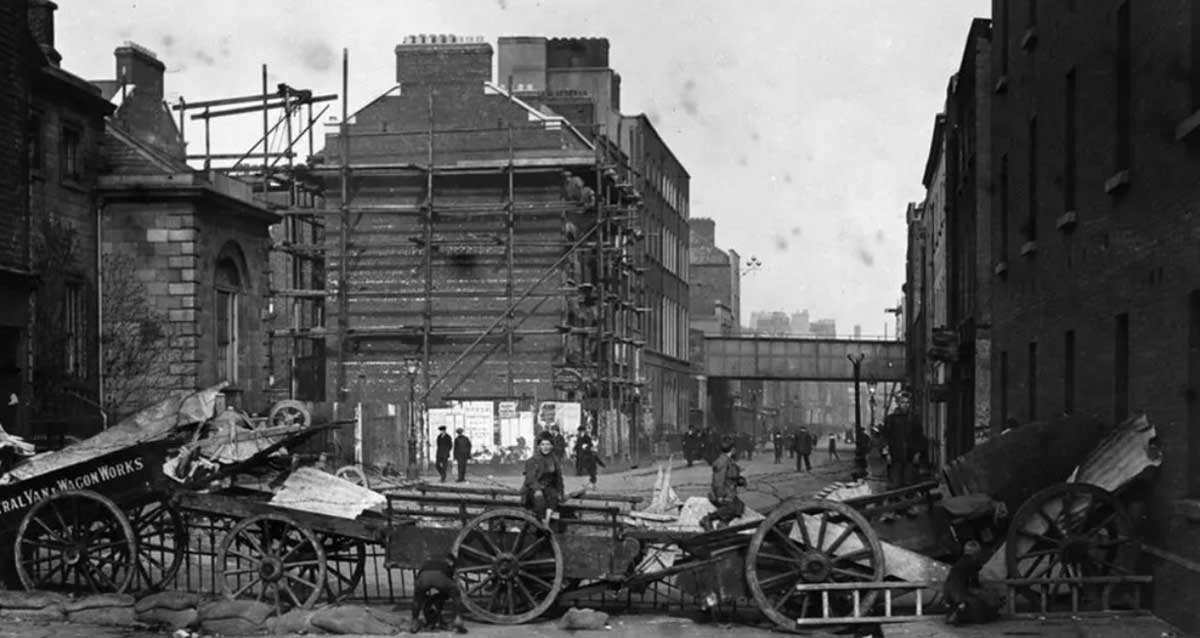
The Young Ireland movement made waves in the working communities across Ireland in the 1840s. The foundation of the Irish Republican Brotherhood (IRB) in 1858 brought a greater sense of urgency and power to the Irish Republican cause. A counterpart was formed in the United States and Canada, named the Fenian Brotherhood. Members of both groups were often referred to as Fenians, a term derived from a band of warriors in Irish mythology.
Following this mobilization, the IRB launched the Easter Rising on April 24, 1916, which saw a coalition of Irish Republican groups seize important buildings across Dublin and declare a Republic. The Irish Volunteer Army, a paramilitary Republican group, and the Fianna, a Republican youth organization, both participated, as did 200 members of Cumann na mBan, a Republican women’s group. Ordinary people took a stance with a schoolmaster at the helm by the name of Patrick Pearse.
However, the British arrived with a formal army and quickly suppressed the fighting. There were casualties on both sides: 260 civilians were killed in the melee, 16 of the rebellion leaders were executed, and 3,500 rioters were taken prisoners.
The 1918 General Election saw a majority vote for Sinn Féin, whose membership was by this point closely associated with the IRB, and many of its members were known to have taken part in the Easter Rising. This clearly suggested a strong call from the people of Ireland for independence.
Continued Resistance and the Partition
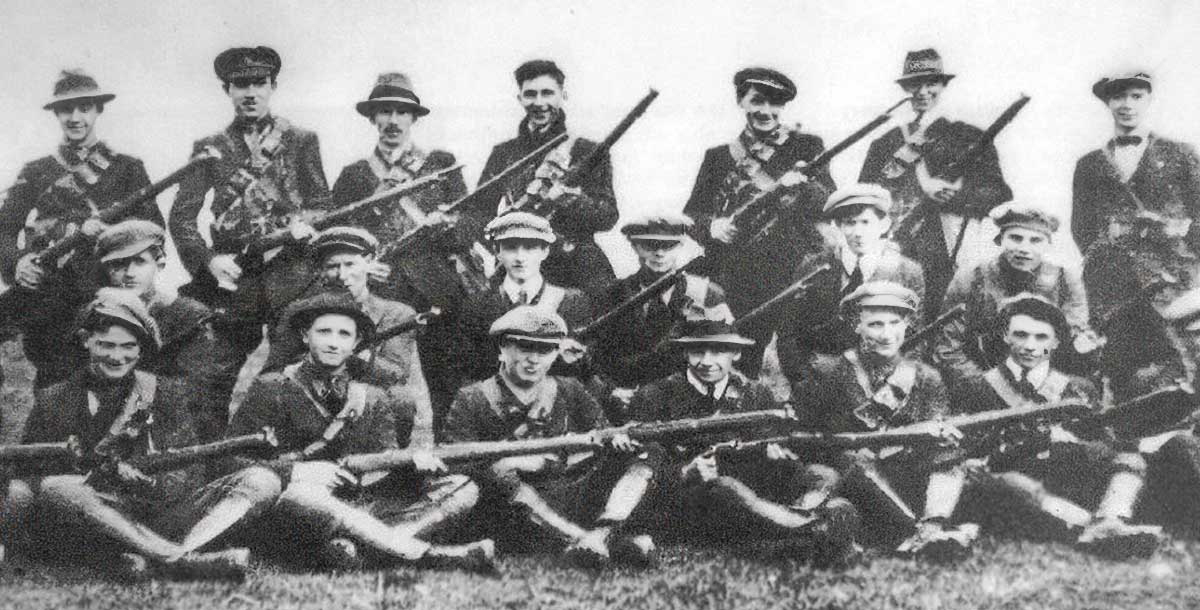
The First War of Irish Independence was a conflict fought by the British army and the Irish Republican Army, the latter using mainly guerrilla warfare tactics. The IRA was officially established in 1919 in an effort to escalate a call to arms and sever ties with Great Britain. Furthermore, by the time of their foundation, Sinn Féin had formed a new, breakaway government and cited the goal of an independent Ireland.
Although Sinn Féin attempted to secure freedom through political routes, the IRA took on the British establishment with firepower. They targeted the British patrols, stole weaponry, and attempted to free Republican prisoners. Meanwhile, the British army recruited more soldiers from the mainland to send to Ireland. The Royal Irish Constabulary, or RIC, also known as the Black and Tans, were sent in on behalf of the British government and were notorious for their cruelty against civilians.
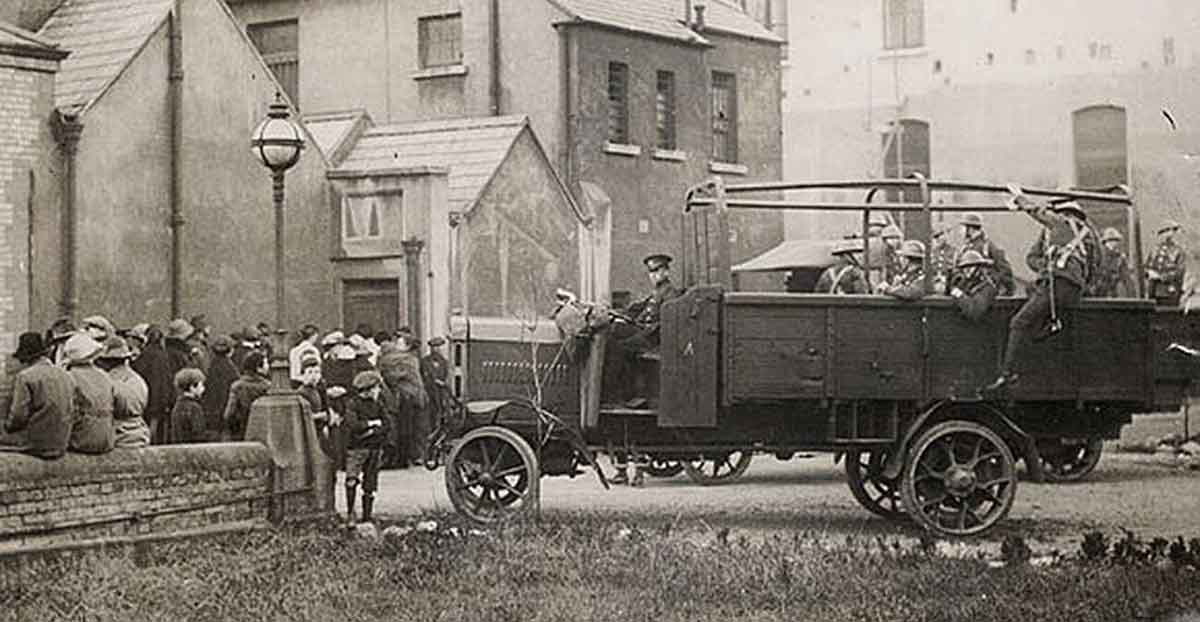
The events of Bloody Sunday on November 21, 1920, led to an increase in armed conflict. Fourteen British Intelligence Officers were assassinated by the IRA, which was immediately followed by the RIC opening fire at a Gaelic football match, killing fourteen civilians. Ulster saw especially heightened violence as around 500 people were killed in just over a year, the majority Catholic.
Ireland was partitioned into the Irish Free State in the South and six counties in the North, now established as Northern Ireland, on May 3, 1921, as part of the Anglo-Irish Treaty. Both were initially intended to remain part of the United Kingdom, but it was declared that the Irish Free State would gain independence within a year. Yet, Ireland was still not without bloodshed, as the Irish Civil War ensued the following year, while the Treaty meant that Ireland remained part of the British Empire.
The Troubles
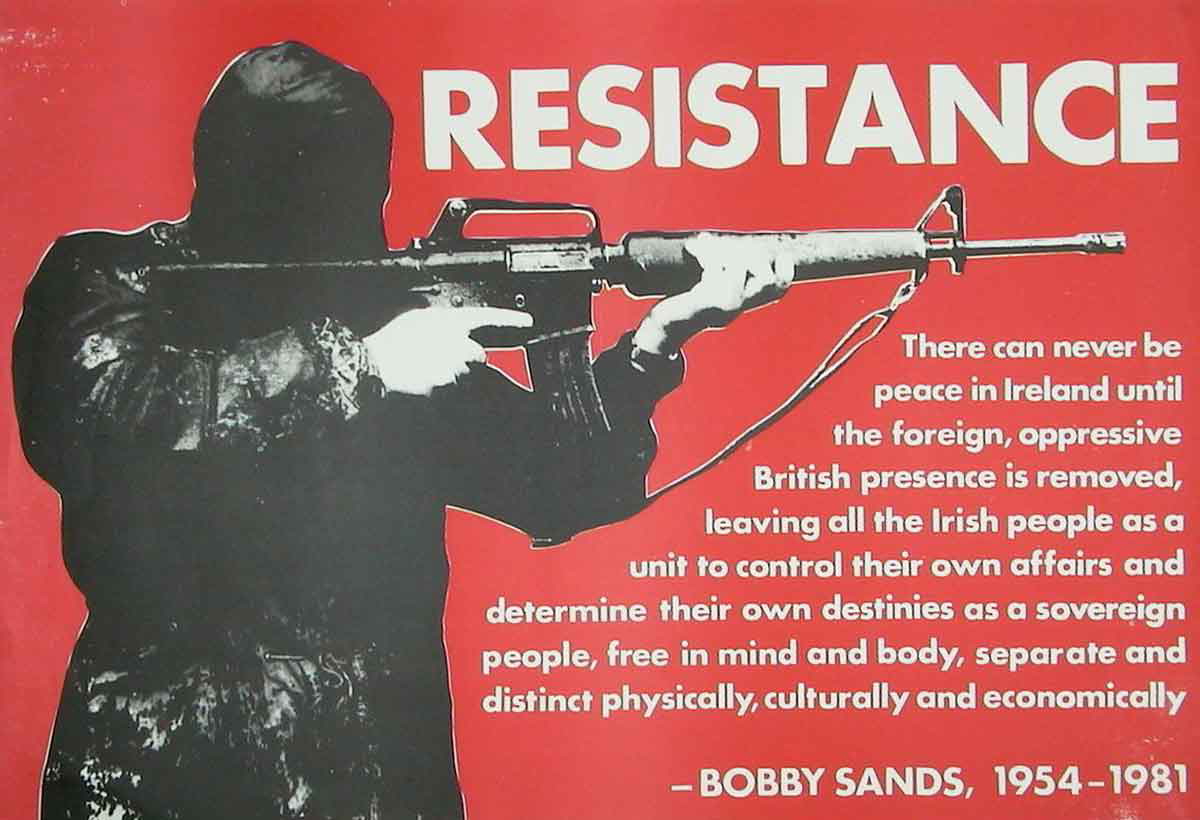
The Republic of Ireland was established on April 18, 1949. New legislation meant that the British monarchy had no power in Ireland, and all political authority associated with it was now attributed to the Irish President. Concurrently, Northern Ireland was essentially declared a Protestant state, despite a large Catholic population still residing there. Discrimination against Catholics in all aspects of life was prevalent and caused great tensions among civilian communities.
Catholic neighborhoods returned to violence as an act of desperation, and they were heavily inspired by the contemporary Civil Rights Movement in America. A majority of the population favored non-violent protests, but through these means, little progress or recognition for the Catholics in Northern Ireland manifested.
From the late 1960s onwards, membership of the IRA increased dramatically in Northern Ireland as a direct result of the fear in the working-class Catholic areas, who were largely at the mercy of the official Protestant military. The tension culminated in the events of Bloody Sunday on January 30, 1972 (not to be confused with Bloody Sunday in 1920) when British soldiers opened fire on unarmed civilian protesters in Derry, killing thirteen.
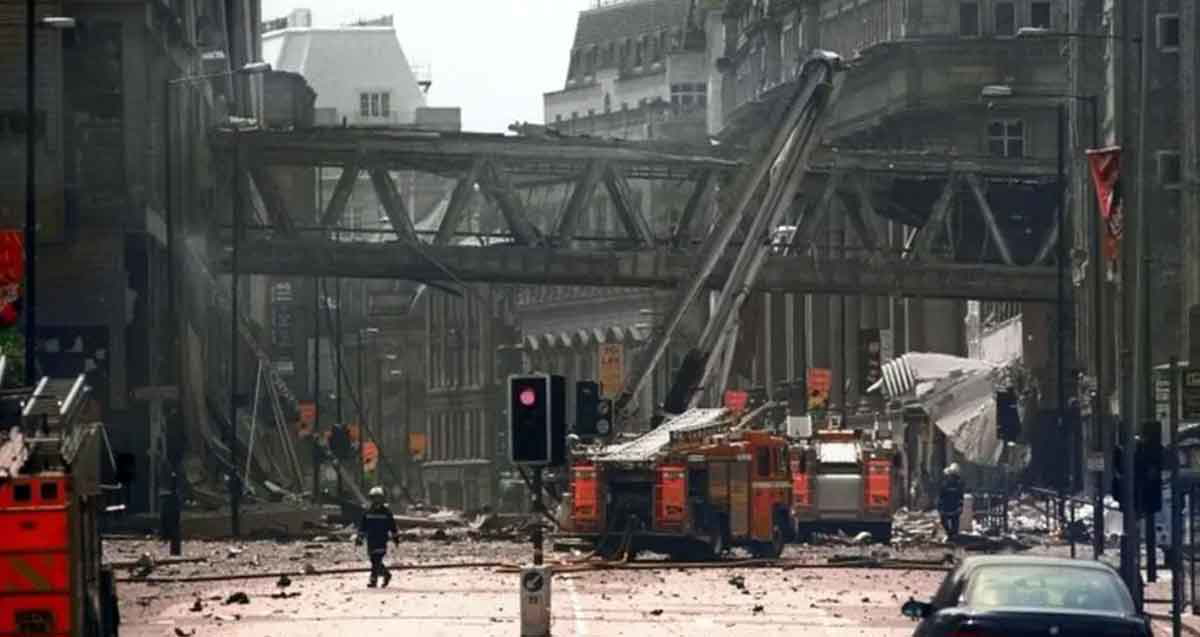
British policy in Ireland was established to defeat the IRA head-on, which at this point had been divided into factions. Direct rule was imposed until those in parliament decided the tensions had died down and Northern Ireland was able to govern itself. Multiple terrorist attacks were inflicted by the IRA during the Troubles, in Ireland and on British soil, including the infamous assassination of Lord Mountbatten, a British statesman who was a relative of the royal family, in 1979, the 1974 Birmingham Pub Bombings, and the 1996 Manchester Bombing.
The Good Friday Agreement and a Modern Ireland
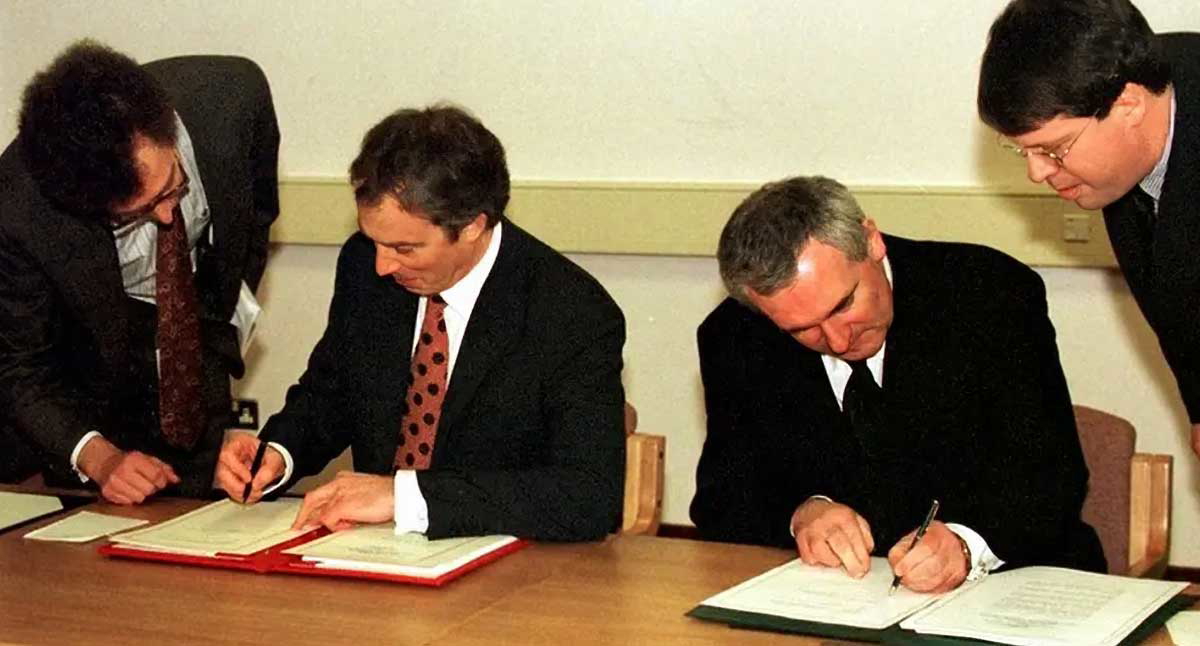
The Troubles ceased with the signing of the Good Friday Agreement on April 10, 1998. While still divisive, outright violence ended, and the Provisional IRA was officially dissolved by 2007. The treaty was designed to prevent discrimination and played a key role in establishing the current devolved system of government in Northern Ireland.
Key to the agreement was the release of Irish Republicans who had been taken as prisoners of war. During the almost thirty-year period, an estimated 30,000 Irish people had been imprisoned at various points. In the 20th century, 22 prisoners died on hunger strike, such as Bobby Sands, who led a hunger strike in 1981.
Within the Republic of Ireland, the late 20th century witnessed a period of relative prosperity known as the Celtic Tiger era. Moreover, the country experienced a growing movement towards a more liberal society. However, the rapid increase in economic growth meant that Ireland was severely impacted by the global financial crisis in 2008. The country fell into a severe recession, with residents in low-income areas being the most severely impacted.
Throughout Irish history, creatives such as authors like Brendan Behan, Oscar Wilde, and James Joyce have created influential social commentaries through wit, humor, and poignant expressions.
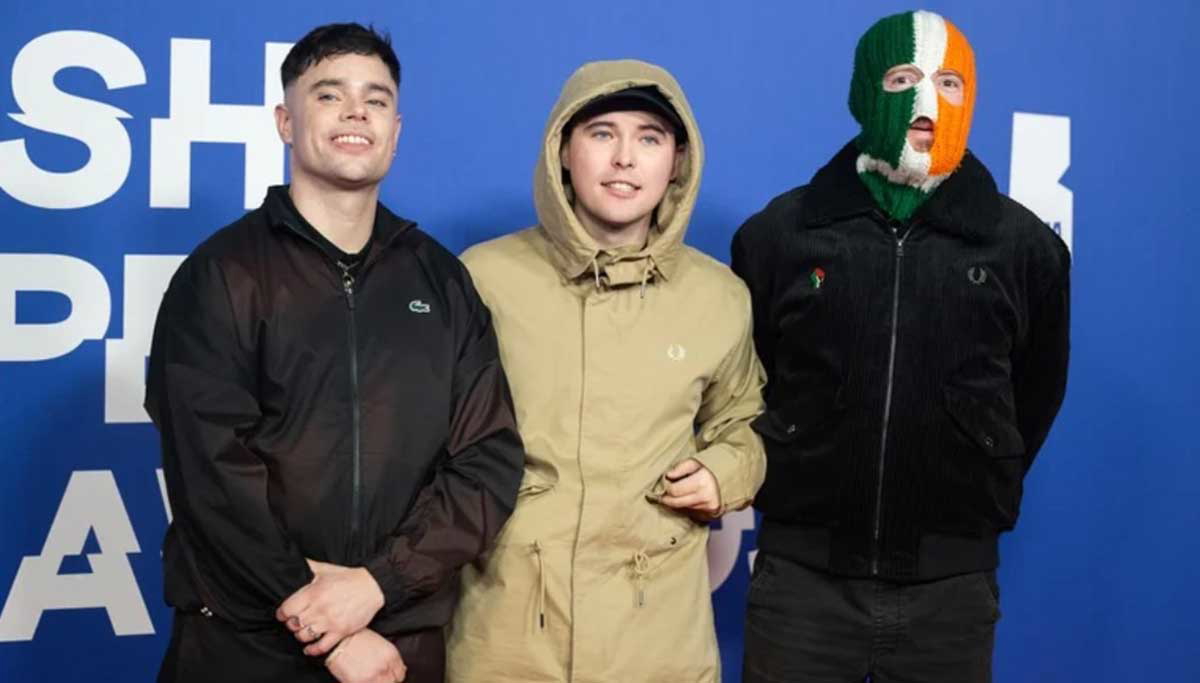
Many musical acts draw on traditional Irish folk music, made popular by artists such as the Pogues or the Cranberries, who were pioneers of rock music in the 1990s. Today, Irish music artists such as Fontaines DC and CMAT produce thought-provoking lyrics accompanied by an unexpected blend of pop and rock, while the rap group Kneecap is far more explicit in their political commentary and garners widespread controversy wherever they go.