The Adriatic port city of Trieste is one of the most unique cities in Italy. Founded on the site of Roman Tergeste and overshadowed by nearby Aquileia for much of its history, Trieste’s fortunes improved gradually under Habsburg rule from 1382. During the 18th century, the Habsburgs transformed Trieste into a thriving port and a cosmopolitan intellectual center, inspiring the nickname “Vienna by the Sea.” While Trieste has been an Italian city for most of the past century, it has retained many of these characteristics up to the present day.
The History of Trieste Begins: Roman Tergeste
The city of Trieste derives its name from the Roman city of Tergeste, first recorded during the 1st century BCE by Julius Caesar, who granted it the status of a colony in 46 BCE. Tergeste was built on top of a hill now known as the Colle San Giusto, where the Castle of San Giusto is now located.
A few years before he became emperor, Octavian ordered the construction of walls around the city. A surviving Roman arch known as the Arco di Riccardo is believed to have been a city gate. It is unclear how the arch received its name, but one theory links it to Richard the Lionheart, who passed through the area in 1192, shortly before he was taken prisoner by Duke Leopold V of Austria.
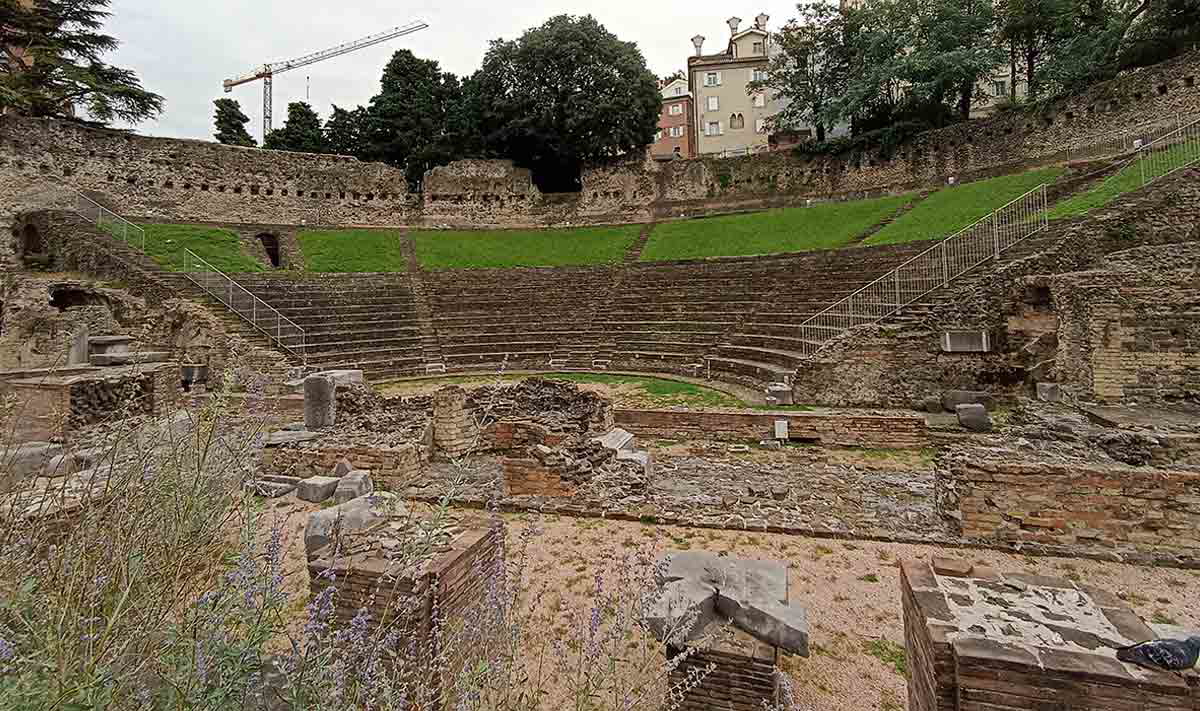
Tergeste’s fortunes were closely connected to the nearby city of Aquileia, one of the largest cities in Roman antiquity located at the head of the Adriatic. The Via Flavia, built during the reign of Emperor Vespasian, connected Tergeste with Pula on the Istrian peninsula and the Dalmatian coast. The theater of Trieste was built in the 1st century CE and later expanded by Emperor Trajan. The ruins of a basilica dating from the reign of Trajan can also be seen on the site of the Roman Forum on the hill.
Historical artifacts from the region can be seen in the city’s archaeological museum, named in honor of the art historian Johann Joachim Winckelmann, who was assassinated in Trieste in 1768. He was buried in the cemetery next to the Cathedral of San Giusto. His remains were subsequently deposited in a monument built in his honor in the 1820s.
The Middle Ages
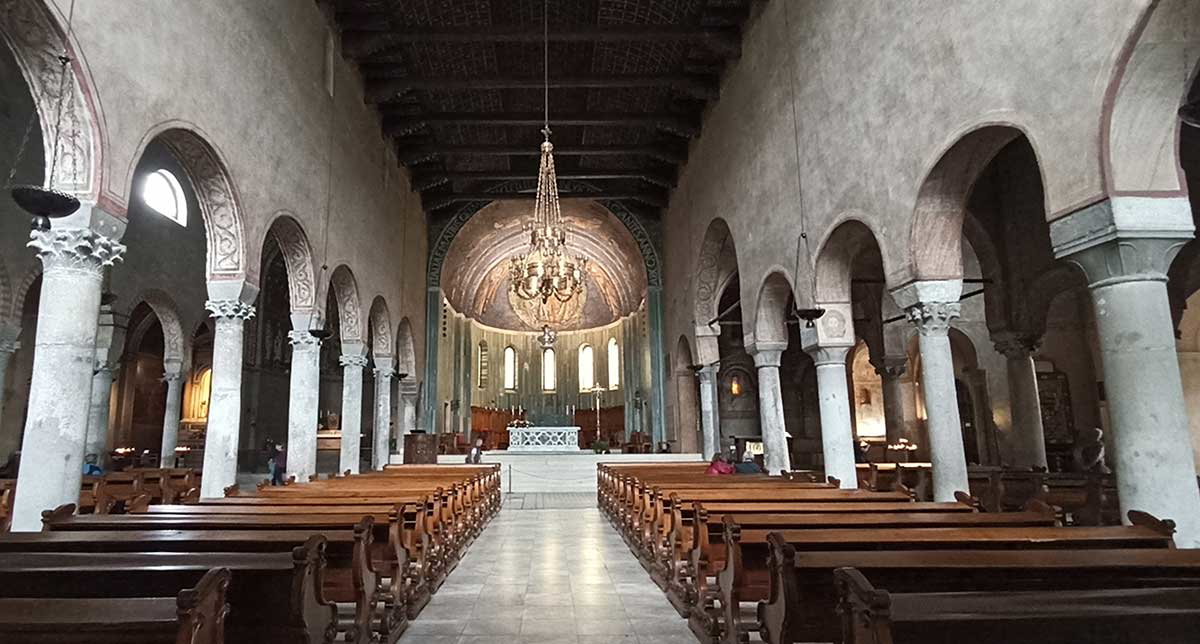
Following the fall of the Western Roman Empire, the Eastern Adriatic faced considerable political turmoil for several centuries. During this period, Trieste passed between the Ostrogothic Kingdom of Italy, the Lombards, and the Byzantine Empire. In 788 CE, the town became part of Charlemagne’s Frankish Empire, a precursor to the Holy Roman Empire.
Between the 10th and 13th centuries, Trieste was ruled by its bishop, who enjoyed varying degrees of autonomy from the Patriarchate of Aquileia, one of the most powerful ecclesiastical states in medieval Italy. The Cathedral of San Giusto, built on the site of a Roman temple next to the Forum, continues to serve as the seat of the bishops of Trieste. The first church was built in the 6th century CE, and two more basilicas occupied the site until the present structure was constructed during the 14th century. The church is dedicated to Saint Justus, a 3rd-century Christian martyr from Trieste who is venerated as the city’s patron saint.
By the mid-13th century, Trieste faced threats from the Republic of Venice and the Counts of Gorizia. Over the following half-century, the ecclesiastical authorities gradually relinquished their powers over the city until the government passed into secular administration by 1295. The city continued to struggle in the face of the Venetian threat and was occupied by the Venetians from 1368 to 1372.
Habsburg Rule
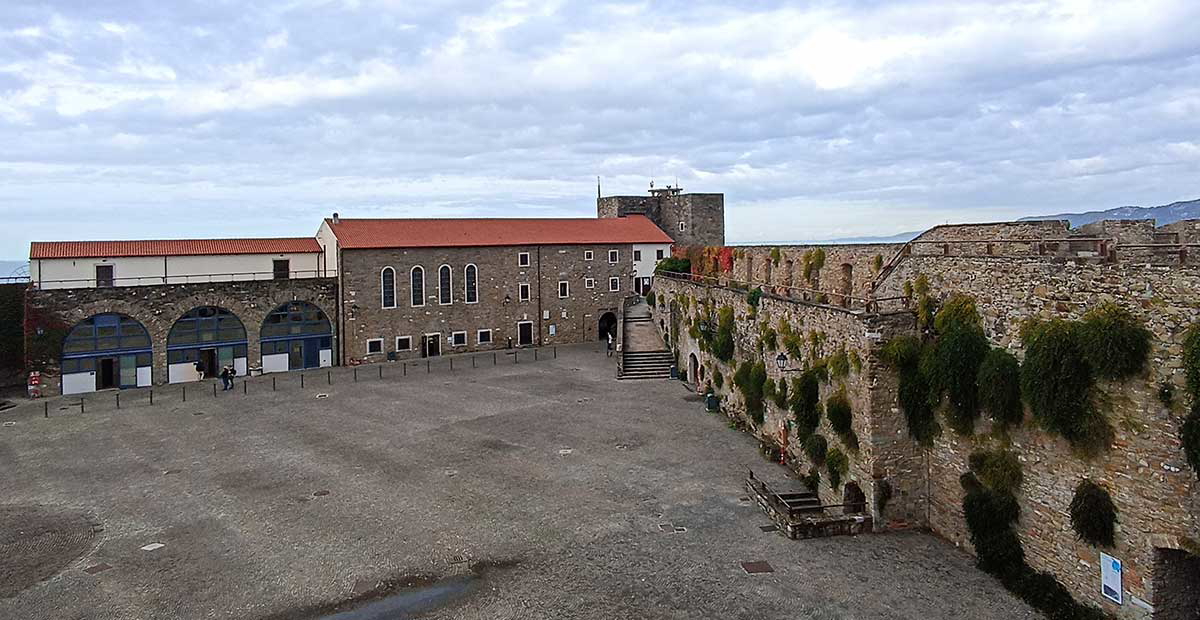
After Venice renounced its claim to Trieste in 1381, the citizens of Trieste sought the protection of Leopold III of Habsburg, Duke of Austria. The voluntary submission was agreed in September 1382, and the city remained under Habsburg rule for the next 540 years, with a couple of brief exceptions. The Habsburgs lived up to their promise of protecting the city’s autonomy and political rights.
In 1468, Holy Roman Emperor Frederick III ordered the construction of a fortified residence for the Imperial Captain on the hill of San Giusto near the cathedral. This edifice, known as the Captain’s House, formed the core of the Castle of San Giusto, which was expanded in the 16th and 17th centuries. In 1508-1509, Trieste was briefly occupied by Venice during the War of the League of Cambrai. The Venetians constructed a round bastion to protect the Captain’s House but withdrew before they could carry out their intention of building a triangular fortress. Construction work began on the Lalio and Fiorito bastions in 1553, though the latter was not completed until 1636.
The castle never saw any military action and was already obsolete at the time of its completion. It continued to serve as the residence of the Austrian Imperial Captain until 1750 when a palace was built in the city below. The castle subsequently served as an armory and prison and was restored in the 20th century.
Imperial Trading Port
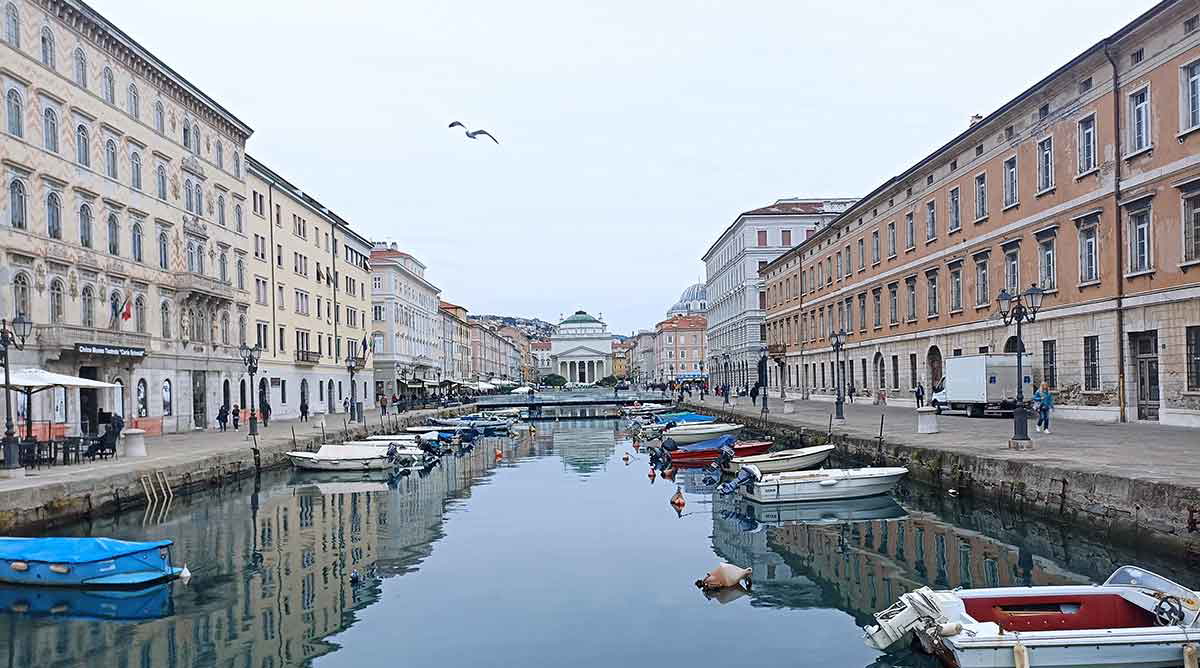
Trieste reached new heights in the 18th century after the city was granted the privileges of a free port by Emperor Charles VI. The city continued its expansion during the reign of Charles’ successor, Empress Maria Theresa, who drained the swamps to the northeast of the old town to create the new district of Borgo Teresiano. The empress envisaged transforming Trieste into a modern Venice by constructing a network of canals. Financial pressures meant only the Canal Grande and two minor canals were completed. Nevertheless, the city became the largest port in the Habsburg Empire, with a population of 30,000 at the end of the 18th century.
During the turn of the 19th century, Trieste was occupied by French troops on three occasions during the French Revolutionary and Napoleonic Wars. It became part of the Illyrian Provinces in the Napoleonic Empire between 1809 and 1813. Trieste regained the status of Free Imperial City after the restoration of Austrian rule and continued to thrive as a commercial port.
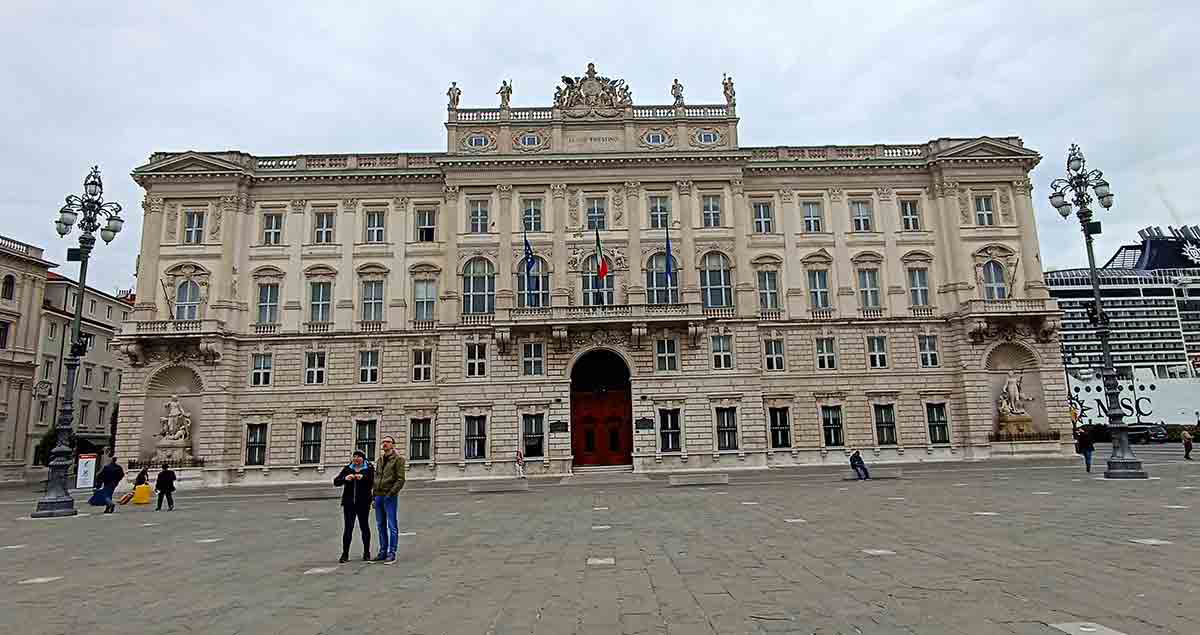
In 1833, the company of Österreichischer Lloyd (Austrian Lloyd) was founded in Trieste to facilitate information exchange in the shipping industry, inspired by Lloyd’s of London. The company began its shipbuilding operations in 1836 with the construction of six steamships for the Levant trade. The company would soon become the largest shipping company in the Austro-Hungarian Empire, carrying both freight and passengers.
The opening of the Suez Canal in 1869 enabled Austrian Lloyd to expand further into Asia, running passenger services to Mumbai, Colombo, Singapore, and Hong Kong. The company had become so successful that, in 1907, it moved its operational headquarters to Vienna. After Trieste was annexed to the Kingdom of Italy, the restructured company moved its headquarters back to Trieste and was renamed Lloyd Triestino in 1919.
Trieste’s political status was elevated in 1849 when it became the capital of the Austrian Littoral region, and the city’s trade links were further enhanced by the completion of the Austrian Southern Railway in 1857, which connected Trieste to Vienna via Slovenia.
Archduke Maximilian and Miramare Castle
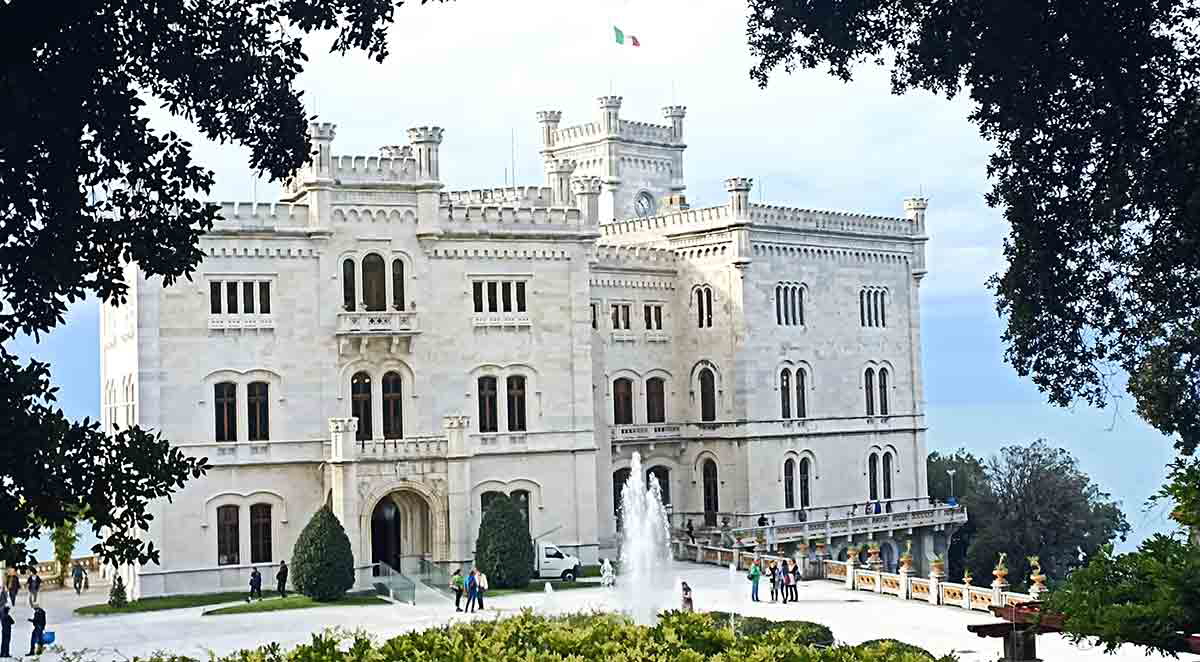
Located five miles to the north of the city center, Miramare Castle and its surrounding park are some of Trieste’s most famous attractions, welcoming some one million visitors each year. The castle was built between 1856 and 1860 for Archduke Ferdinand Maximilian of Austria, the younger brother of Austrian emperor Franz Joseph I. The archduke had been made an officer of the Austrian Navy in 1852 and appointed commander-in-chief in 1854. Since the Austrian Navy was based in Trieste, the archduke sought to build a suitable palatial residence for him and his wife, Charlotte.
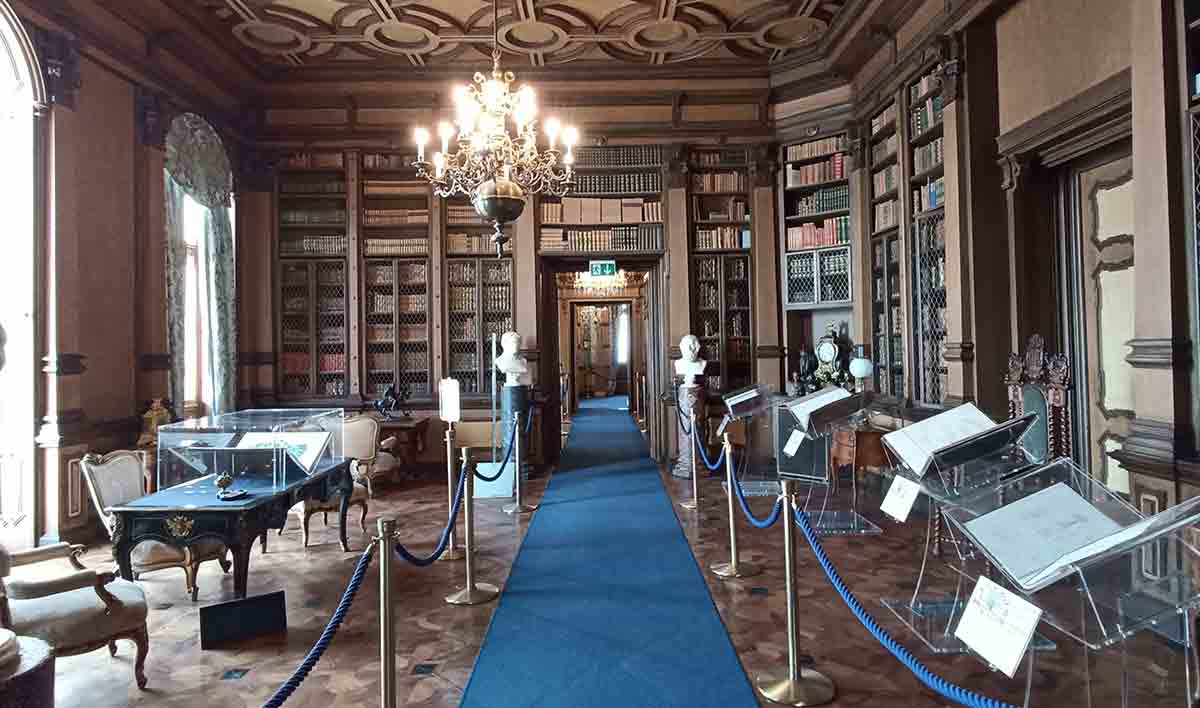
The castle’s eclectic design reflected the personal tastes of Archduke Maximilian. The ground floor was intended for the personal use of Maximilian and Charlotte. Maximilian’s study and bedroom were based on the cabins of the frigate Novara, which completed a circumnavigation of the world in 1857-1859, commissioned by Maximilian. Other highlights include the library and the Throne Room on the first floor.
A few years after Maximilian and Charlotte moved into Miramare, the archduke accepted an invitation from Mexican conservatives to become emperor of Mexico. The couple duly left for Mexico aboard the Novara in 1864. Although he was able to establish a government in Mexico City with French military assistance, Maximilian’s reign as Emperor of Mexico was tragically brief.
The conservatives were no match for Benito Juarez’s Republicans, and after Napoleon III withdrew the French troops, Maximilian was captured by the Republicans in May 1867 and executed on June 19, 1867. In 1868, the Novara brought Maximilian’s body from Mexico to Miramare en route to the Imperial Crypt in Vienna.
After Maximilian’s death, Miramare continued to host members of the Habsburg imperial family, and Empress Elisabeth (Sisi) stayed in the castle on more than a dozen occasions. After Trieste became part of Italy in the aftermath of the First World War, Miramare became the residence of Duke Amadeo of Aosta, the cousin of King Victor Emmanuel III of Italy.
City of Culture
Trieste’s success as a trade hub made it a cosmopolitan city during the 19th century. Small but wealthy communities of Greek and Serbian merchants sponsored the construction of Orthodox churches, while the Great Synagogue of Trieste, built in 1912, served the city’s rich and influential Jewish community. The city’s architecture, particularly in the Borgo Teresiano, resembled that of the Austrian capital of Vienna.
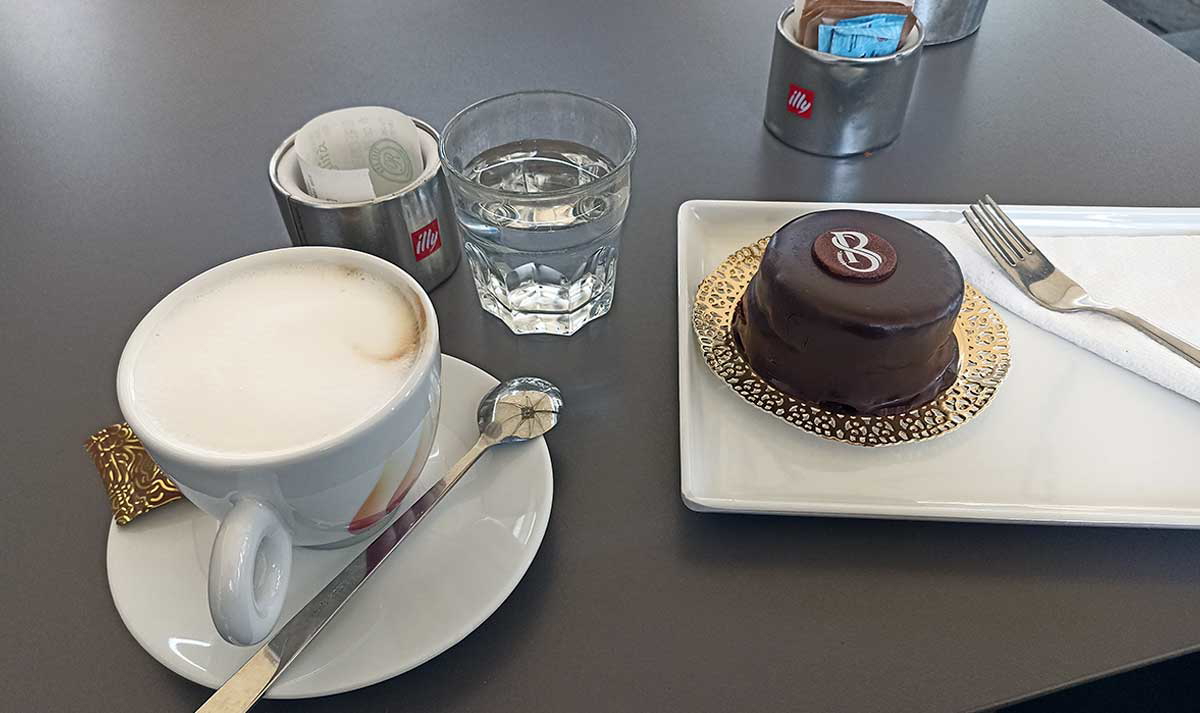
As a major European center of the coffee trade, Trieste came to be known for its coffee culture, and it continues to be regarded as Italy’s coffee capital. The city’s famous coffee houses attracted several prominent writers and intellectuals at the turn of the 20th century. Italian writers Umberto Saba and Italo Svevo were born in the city, and Trieste served as James Joyce’s primary residence from 1905 to 1920. The Caffè Pirona in Trieste was a favorite spot for all three, and according to local legend, Joyce began writing Ulysses in the café.
During this period, Trieste was also subject to ethnic and social unrest as the Austrian authorities struggled to deal with nationalist sentiment among the city’s Italian and Slavic populations. According to the 1910 census, 52% of the population spoke Italian, and 25% spoke Slovenian, compared to the 5% of German speakers, most of whom were government officials. In December 1882, the Italian nationalist Guglielmo Oberdan was arrested and executed for planning an assassination attempt on Emperor Franz Joseph during the latter’s visit to Trieste.
The History of Trieste During the World Wars
Following the outbreak of World War I, Italy joined the Allies in 1915 intent on annexing Trieste and other Italian-speaking territories, called terre irridente (unredeemed territories) in Italian, from the Austro-Hungarian Empire. Most of the city’s inhabitants refused to fight for the Austrians and instead enlisted in the Italian Army.
After the collapse of the Austrian war effort in late 1918, Italian troops occupied the city in November. The Italian annexation of Trieste was formalized in the Treaty of Rapallo of 1920, signed between Italy and newly independent Yugoslavia. Under the agreement, Trieste was transferred to Italy, but its surrounding hinterland became part of Yugoslavia. The partition led to a decline in the city’s economic fortunes.
During the interwar period, Trieste lived under Italian fascism, and the passage of anti-Jewish legislation in 1938 prompted attacks against the Jewish community. During the interwar period, Trieste served as the major European transit hub for European Jews emigrating to Palestine. During the Second World War, Trieste escaped heavy fighting until late 1943, when it became part of the Italian Social Republic, commonly known as the Republic of Salò, the German puppet regime headed by Mussolini in northern Italy. In 1944 and 1945, the city witnessed attacks by Slovene Partisans and Allied air raids targeting port facilities.
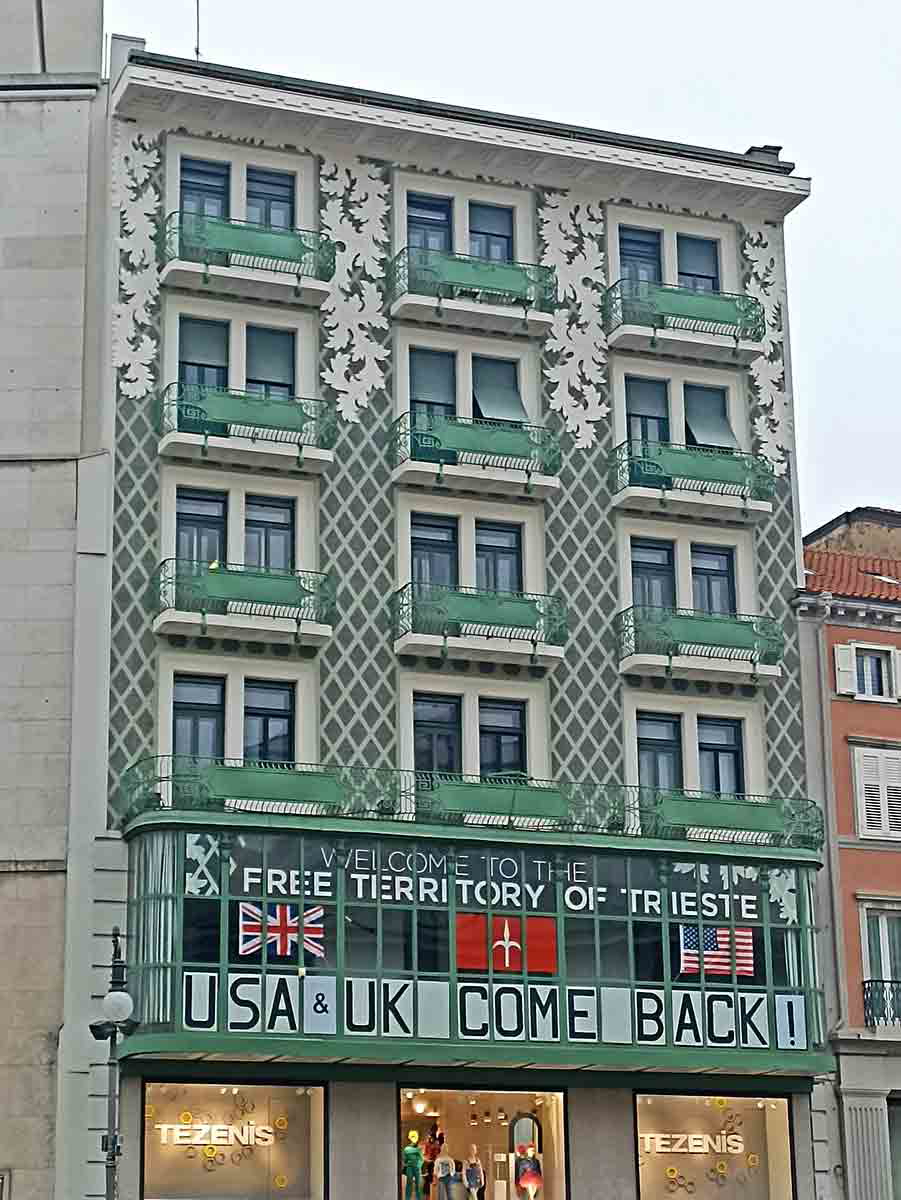
The Yugoslav forces took over the city at the beginning of May and launched brutal reprisals, known in Italy as the “Foibe massacres,” against Italians and anti-Communist Slovenes. They withdrew on June 12 after an agreement with the British. The city came under joint Anglo-American administration and was mentioned in Winston Churchill’s famous speech in March 1946 when he declared, “From Stettin in the Baltic to Trieste in the Adriatic an “iron curtain” has descended across the continent.” The Anglo-American occupation was formalized in 1947 with the establishment of the Free Territory of Trieste. In 1954, the city returned to Italy, but border disputes with Yugoslavia were not resolved until 1975.
Trieste’s economy experienced a revival at the turn of the 21st century after Slovenia gained independence from Yugoslavia in 1991 and joined the European Union and Schengen Area in 2004. This eliminated border controls between Italy and Slovenia and restored Trieste’s trade links with its historical hinterland.
Although not as famous as other Italian tourist destinations such as Rome, Florence, or Venice, Trieste has been attracting large numbers of foreign tourists in recent years. It remains a center of the coffee trade, and its historic coffee houses continue to attract a large number of artists and intellectuals. Trieste serves as a prominent hub for scientific research in Europe, hosting organizations such as the International Centre for Theoretical Physics and the World Academy of Sciences.