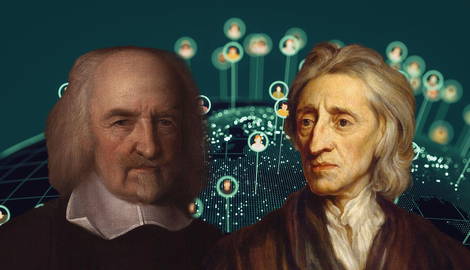
We all know the term “democracy.” It means that citizens hold the power to rule their countries, directly or indirectly. But have you ever heard the word “digital democracy”? How might Thomas Hobbes and John Locke describe this term? These two philosophers’ clashing opinions help us understand why people take their activism to the internet and worry about personal privacy online. But are we moving closer to building Locke’s digital democracy or living within Hobbes’ virtual Leviathan?
Hobbes’ Fear and the Digital Leviathan
To start our overview, it would be wise to analyze both philosophers’ views on democracy. Here, we will begin with Thomas Hobbes.
According to Hobbes, if we leave people on their own in their country, they would do nothing but fight, steal, and kill one another. He believed that life would be “solitary, poor, nasty, brutish, and short.” So, to prevent any chaos, he suggested giving up some rights in favor of the Leviathan, the ruler.
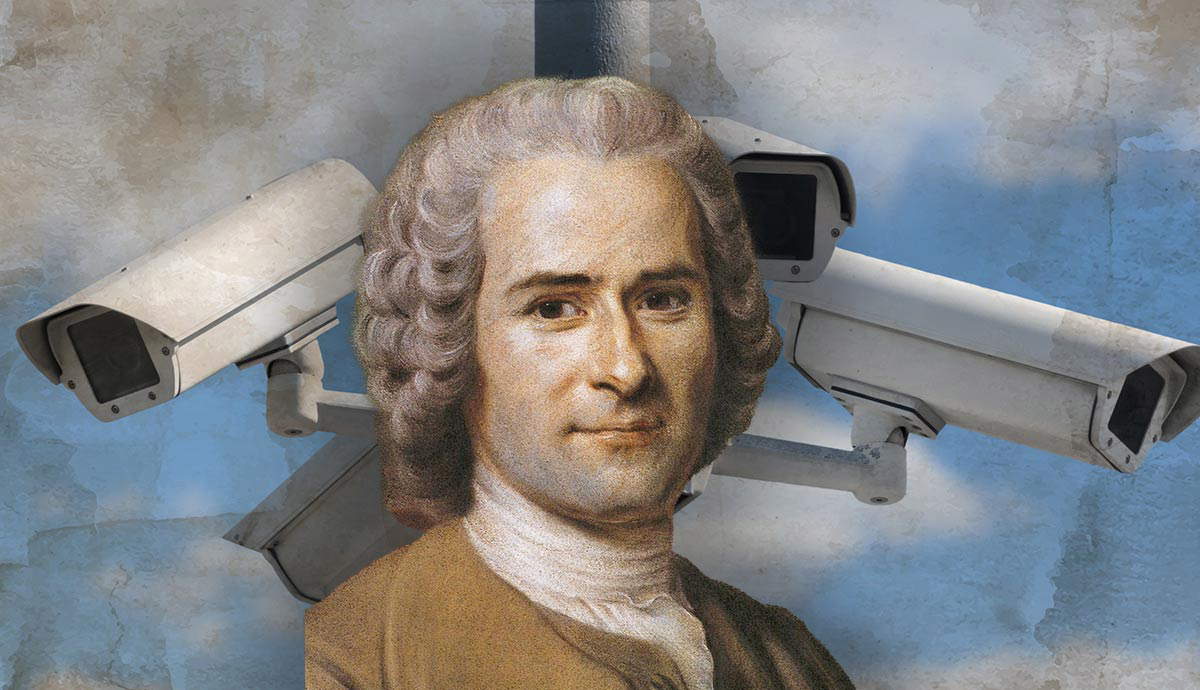
If we look at our current reality, we can see that Leviathan is at work. Just look at the government and big tech companies. Meta and Google are just behaving like they own our lives. They are contemporary Leviathans: they moderate our speech, activity, and even establish rules on how we should act and behave.
Yes, if they do not monitor us, social media can turn into chaos. It can lose control. Our lives will become full of hate speech, cyberbullying, and disinformation. And that is the main reason why so many people are accepting what they are doing.
Many of us may even feel that such surveillance and moderation can make our lives more secure. Such a trade-off illustrates Hobbes’ vision that people give up a measure of freedom to escape complete chaos.
But here comes the question: Aren’t we sacrificing too much? Yes, Hobbes cautioned us about the dangers of complete anarchy. But he also feared that rulers could turn tyrannical. And maybe in cyberspace, are we exchanging our real freedom for the illusion of protection?
Hobbes might call it a price we pay for peace of mind and stability. But maybe the digital Leviathan has become a bit too powerful?
Locke’s Defense of Digital Rights and Freedom
John Locke had another view. He believed that the government’s main purpose is to protect people’s lives, freedoms, and property. And what if rulers do not fulfill that role? Well… people have the right, or even duty, to resist them.
The philosopher believed that individuals were not just subjects of a king or queen. They were citizens with rights that existed before any government did. And today his ideas still flourish.
Let’s take the example of digital privacy. We all want to have control over our own data. This control can be compared to the one over our possessions. But no one can take our possessions from us without our permission. So, the same applies to our data. No government or tech firm can decide what should be shared with the public.
Freedom of speech on the internet also fits this bill. It allows people to say what they want. But their words should not harm others. Still, things are more complicated now.
Governments regulate what we say to prevent hate speech. And tech companies delete the accounts of those who break the rules. But is this kind of action protecting our liberty or taking it away?
Locke would say that digital space becomes so controlled that there is no room for maneuvering. It is not a place of “freedom” anymore. People are allowed to say only those things that do not harm others or violate the rules.
But what if they sometimes want to say something bad? What then? That’s a significant question, as it applies to our very freedoms.
Consent and Social Contracts in the Digital World
What Hobbes and Locke both agreed on was a social contract. They believed that our society functions based on an unwritten agreement. And if we want to get some benefits, unfortunately, we should sacrifice some of our freedoms. But their views were a bit different beyond that.
So, Hobbes assumed that people needed to hand over power to a single person to avoid any chaos. Locke had another view: he thought that the government could only be legitimate if it protected our natural rights of life, freedom, and property.
But what might such ideas mean for a digital age? Just remember the last time you signed in to any website. Before you create a profile, you click “I agree” to the terms and conditions. In other words, you are signing nothing other than a digital social contract.
It is quite simple to understand: you must follow specific rules in return for being able to use Facebook, TikTok, Instagram, and so on. And many people skim over these lengthy terms and conditions.
Furthermore, “walking away” isn’t always an option. Social networks and digital tools have become essential elements of our lives. We use them at work, in romantic relationships, or even when just talking with friends. In this case, Hobbes would say that some control is better than none.
But what about Locke? He may think these agreements don’t really protect our rights. It’s as if we have no choice but to agree. So, does clicking “I accept” actually constitute an exercise of free will?
Authority, Surveillance, and the Trade-off Between Safety and Freedom
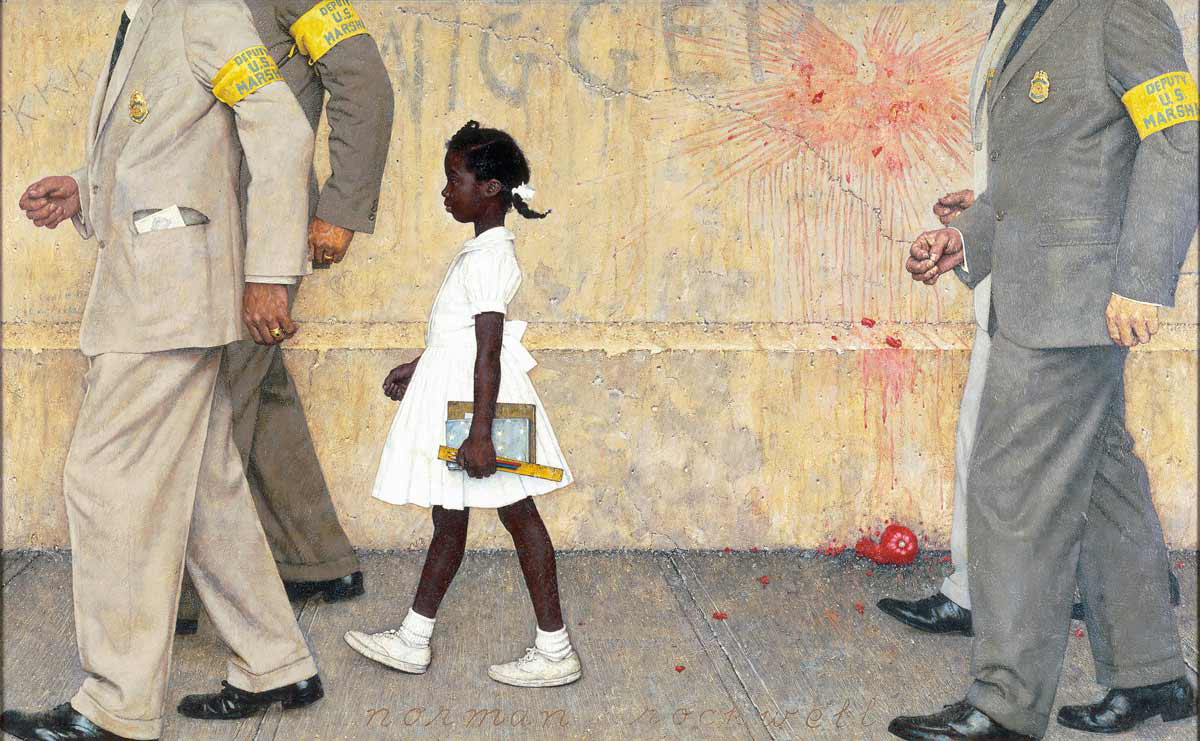
Authority and surveillance are other important aspects worth considering. Thomas Hobbes argued that to be safe and secure, people need strong rulers. We may even need dictators who can keep a close eye on us. For him, peace was so important that we had to be prepared to trade some freedom for it.
John Locke feared excessive political power. He believed it could even lead to tyranny, since many leaders choose to exceed their authority and infringe on individual freedoms.
Now, Google, Facebook, and other tech giants make no secret that they collect every mouse click we make while using their services. But it’s not just these firms that are spying on us.
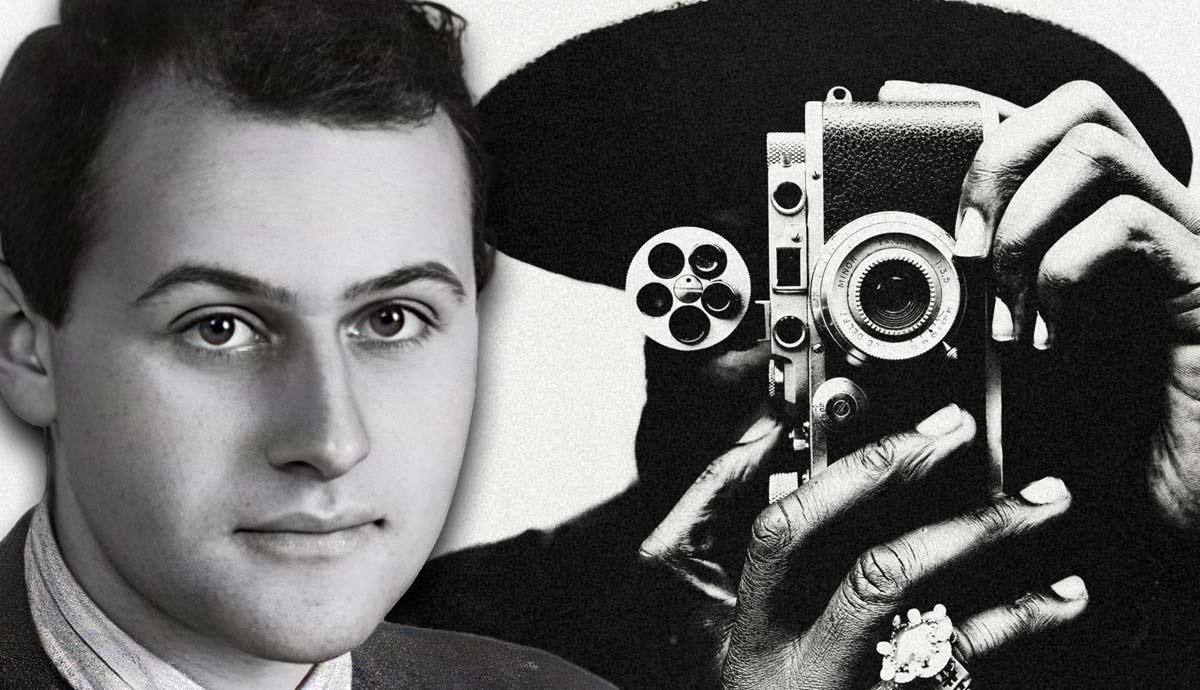
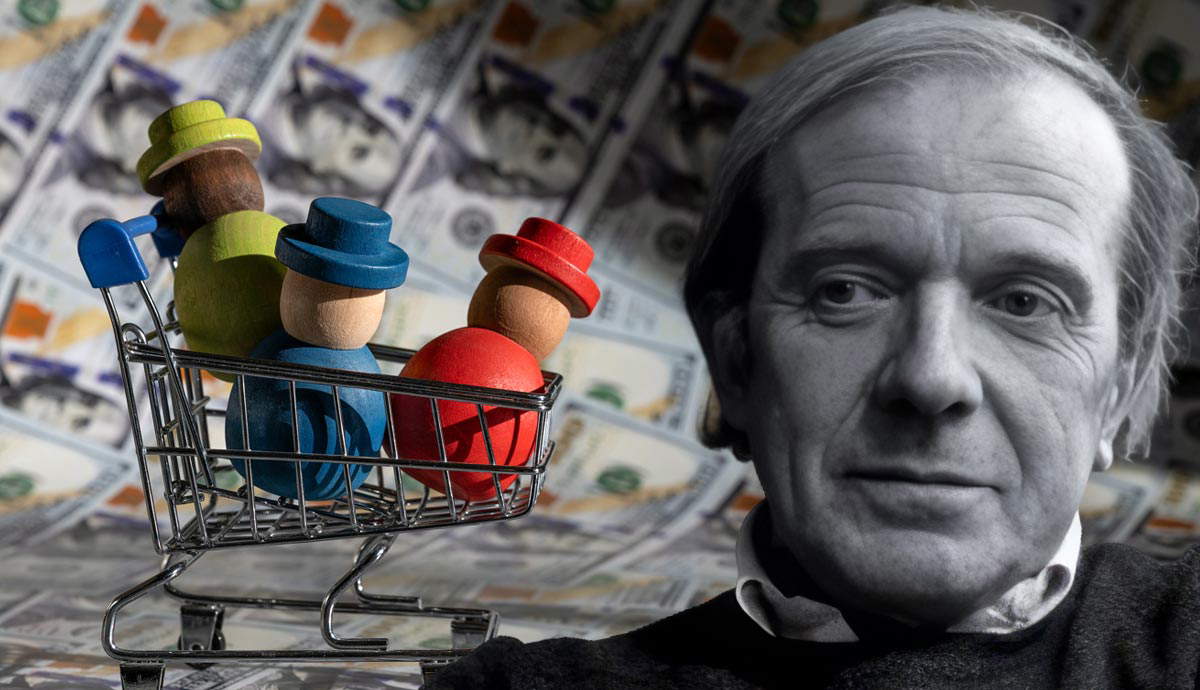
Edward Snowden, a famous US government whistleblower, showed how governments also gather our personal data on a scale beyond anything private enterprise could achieve. Welcome to the age of “surveillance capitalism.”
Some may say that such virtual observance protects us. Well, yes… it helps detect threats in advance. And Hobbes would likely agree. It’s the cost of peace.
But, Locke would have shown another point of view: we are losing too much freedom in the name of feeling secure. So, the question remains unanswered.
Civic Participation Online: Locke’s Optimism vs. Hobbes’ Skepticism
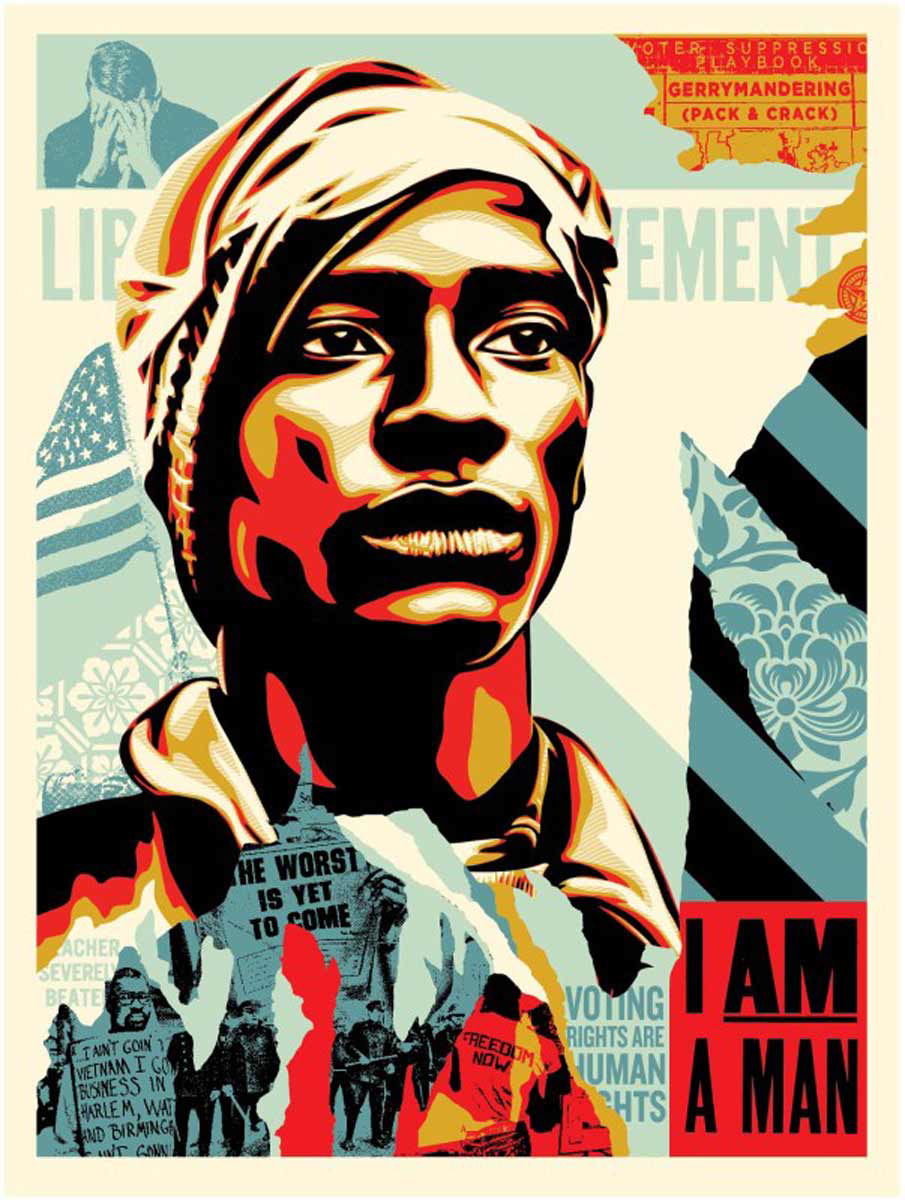
Here, again, Locke’s debate with Hobbes is quite relevant. The former believed in ordinary people. He thought that they could reason well, lead sound discussions, and help create fair societies. And if they get proper education, they would use their knowledge to improve not only their lives, but also the way their country functions.
The latter was less optimistic. For him, everyone was selfish and quick to take offense. So, they do really need harsh rulers to keep them in line.
Now, let’s move forward to the age of digital democracy. Thanks to the online world, we now have many opportunities, mainly in the social sphere. Just remember the uprisings in the Arab world. So, too, are recent protests in many countries.
But there’s another side. The internet also brings with it mob mentality. It spreads disinformation campaigns and cancel culture. Sometimes, when we dive deeper into some questions and discuss them with other online users, it can lead to a social protest or a witch hunt.
We need to ponder which side to take. Maybe it’s Locke, who saw social media as a way to empower rational, engaged citizens. Or Hobbes, who thought that it opens opportunities for emotive, fractious mobs. Perhaps the answer is somewhere in the middle.
Can Digital Democracy Balance Hobbes and Locke?
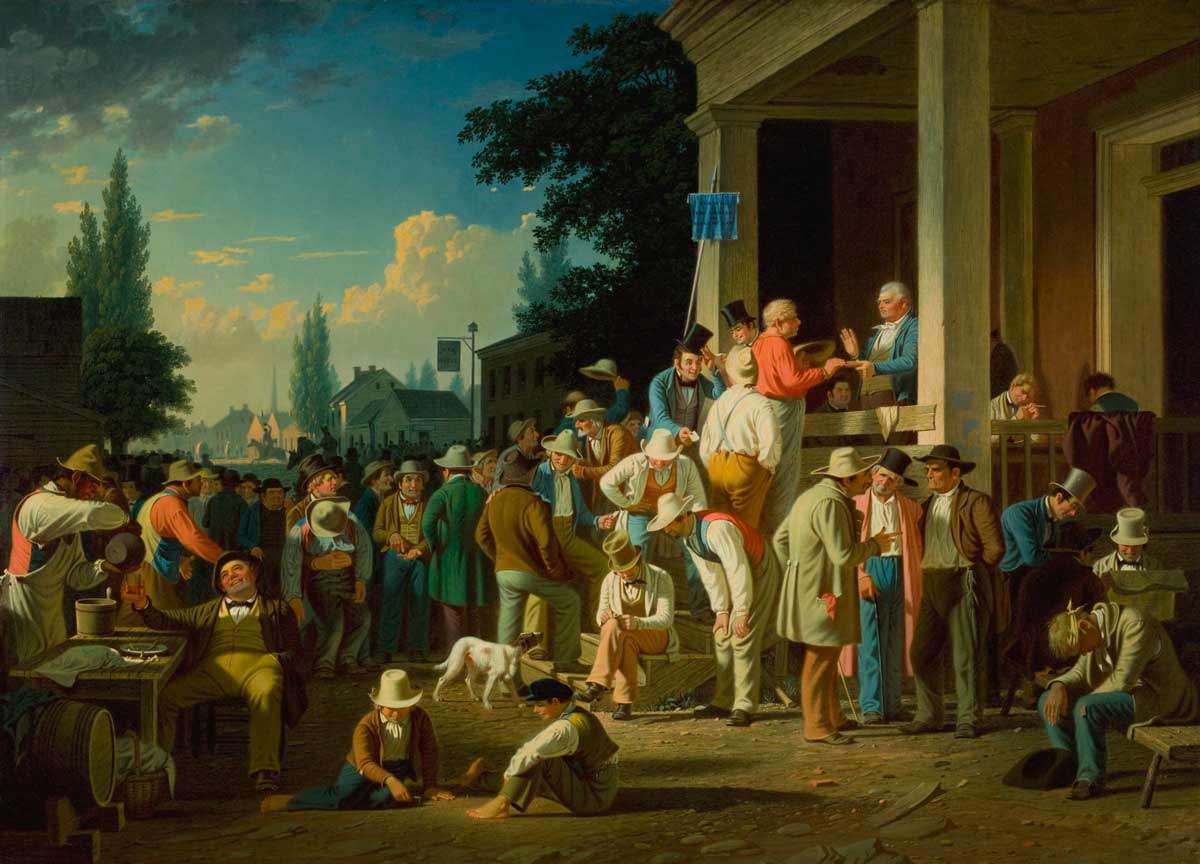
Can we ever find that balance between security and freedom? This is the most controversial dilemma of our time. But in fact, the answer is simple: we need them both in equal measure if we wish to make progress without inviting disaster.
Governments, politicians, and even philosophers are already sharing their thoughts on this issue. Some advise social media companies to be more transparent about how they decide what appears in our feeds.
Others think that it is high time to give people access to data algorithms. This way, we can filter what data we want to share and what we do not.
Yes, it is quite challenging. People are afraid that this digital democracy can turn into a form of control and surveillance that grows gradually until it becomes all-encompassing. And we cannot even tell when it will happen.
Still, some believe that we should create an improved version of the social contract, which should make online communities free and safe places. So what does the future hold? The answer lies in how much each of us feels like being part of shaping those answers.