
There’s no doubt that America’s entry into World War II brought the world’s largest consumer industry along. While other nations produced consumer items, American industry swamped them in both quality and quantity. No other nation had built such a network of toy and appliance factories, automobile or packaging companies. American consumer culture demanded a system built on efficiency, standardization, and high production.
The Axis knew America’s industrial potential but only with disdain. Axis governments viewed Americans as mongrels, corrupt or decadent, with no stomach for a long war. But by 1943, America’s output rivaled, and sometimes exceeded, the Axis nations’ combined manufacturing output in critical areas. The swap from civilian to military production would be a hidden engine.
The Prewar Consumer Environment
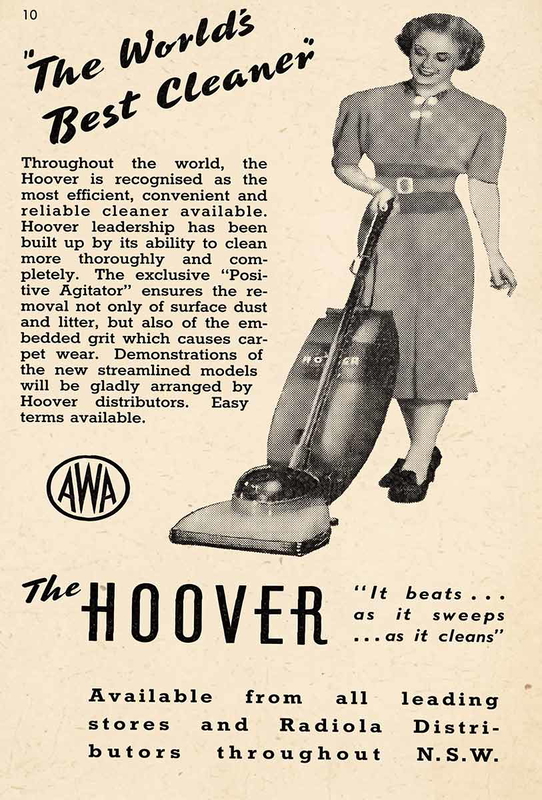
Consumer demand drove the American economy in the 1930s. The demand remained despite the Great Depression’s severe toll. American industry, especially the automotive and household goods manufacturers, figured out mass production. Companies like Chrysler, Ford, Hoover, and GE perfected assembly-line techniques in the prior decades. What worked building a Ford Model A worked equally well in manufacturing sewing machines, vacuums, radios, and packaged foods. Standardization ruled the day. American consumers awaited annual changes or new quality products at affordable prices.
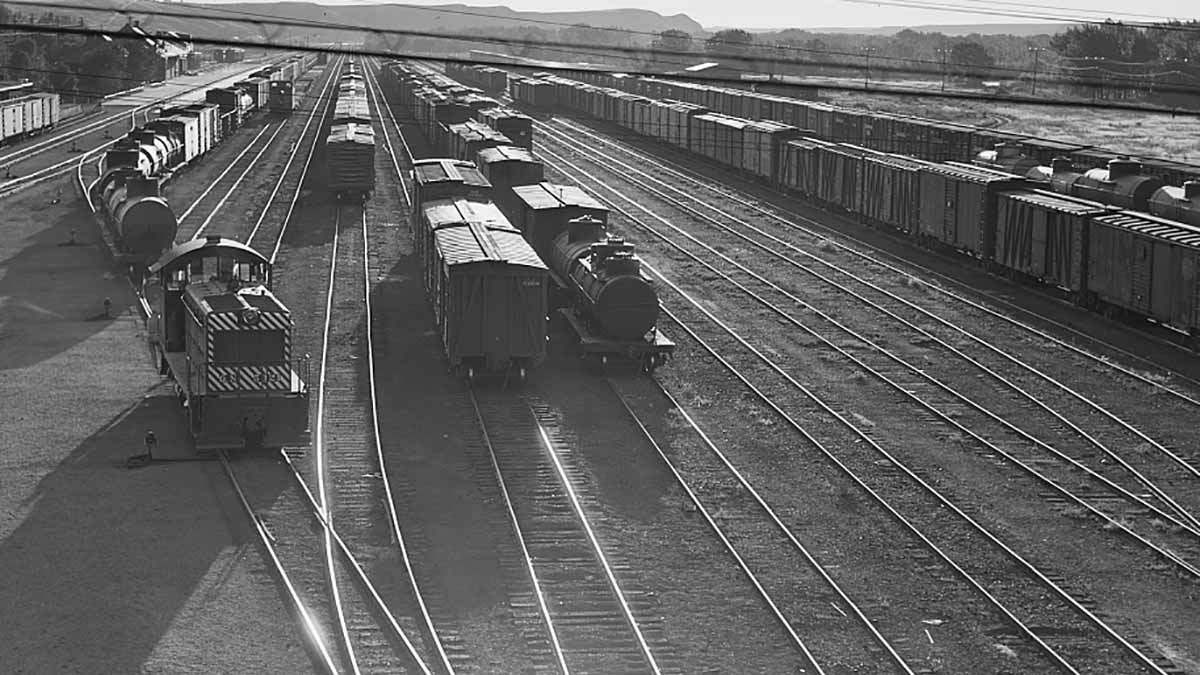
And these goods required transportation to the market. Built years before World War II, this unmatched logistical hub spanned North America. The network distributed an unheard-of amount of goods from factory to shelf efficiently. Regions of America specialized in certain products, such as Detroit automobiles, and sent their goods to national markets. When war came, this emplaced network rapidly converted to shipping airplanes, ammunition, and uniforms.
America’s decades of working with assembly lines, troubleshooting problems, and meeting quotas made American workers efficient. Repetitive, uniform tasks could be easily performed as factories shifted from making cars to making tanks. These repetitive tasks enabled new workers to train rapidly, thereby scaling up to meet wartime demands.
From Toys to Tanks: A Total Conversion
The government created the War Production Board (WPB) in early 1942. Its purpose: to coordinate America’s biggest industrial shift ever. The WPB halted most consumer production, ordering factories to war production. That meant from automotive to toy factories. It directed critical materials, such as steel and aluminum, to meet military demands.
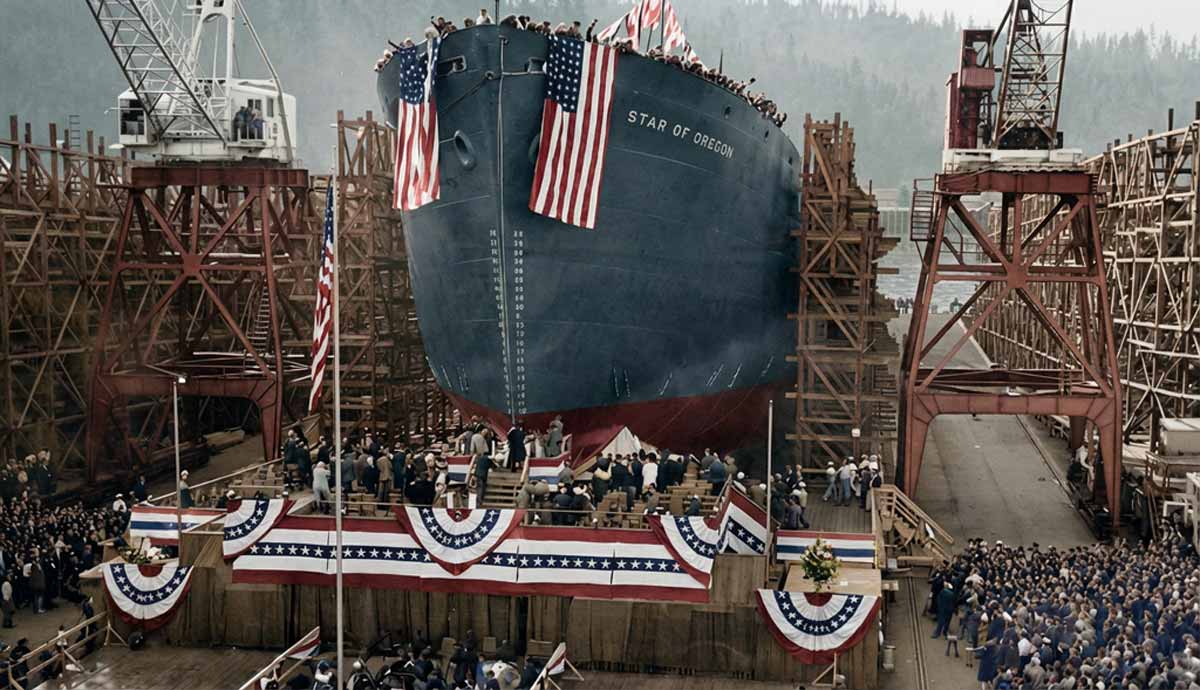
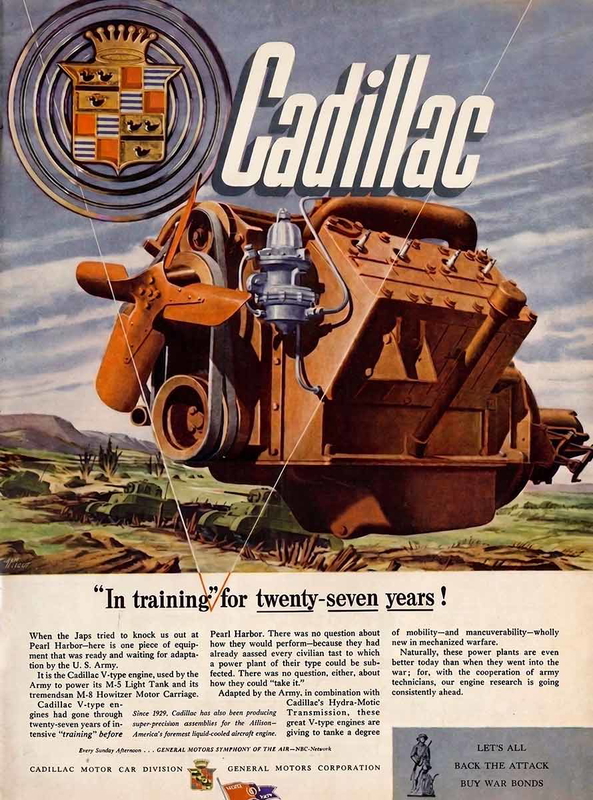
Large factory assembly lines, such as those in car factories, switched to producing tanks or aircraft. Ford completed Willow Run by 1942, making it the world’s largest bomber factory. Appliance companies like RCA or Westinghouse swapped radio production to communications equipment or munition parts. Shipyards built warships by the thousands and eventually produced the easy-to-build Liberty Ship.
Smaller companies became important too, able to respond faster than bigger companies to specialized products. Lionel, the toy train maker, now produced compasses, telegraph keys, and shipboard phones. Mattatuck Manufacturing shifted from upholstery nails to rifle cartridge clips, gradually ramping up to three million clips weekly.
More Than An Industrial Makeover
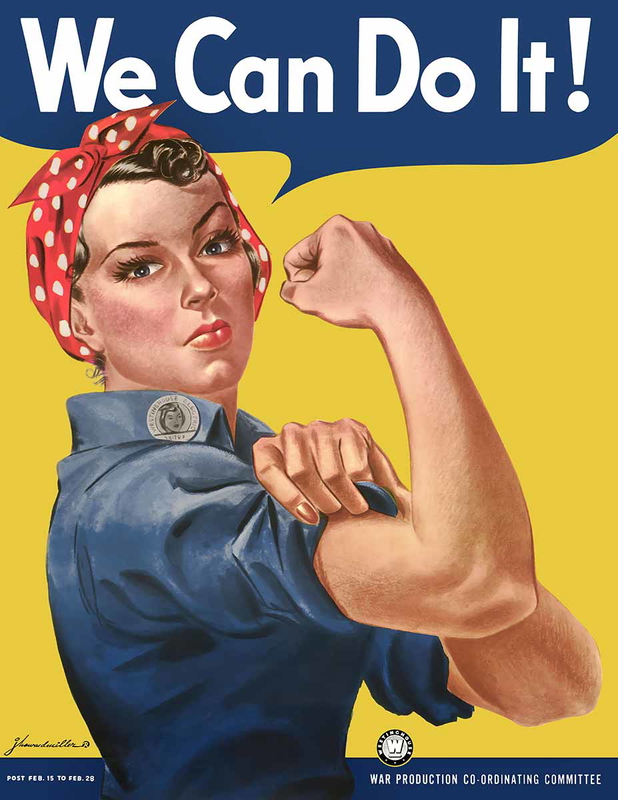
As America’s factories became the Allies’ biggest suppliers, a demographic change occurred. While not unanticipated, the rapidity of this did surprise the government. As wartime demands skyrocketed, so did the need for workers. Millions of women, unemployed workers, and African Americans migrated to industrial cities. This changed the ethnic and social makeup of cities, often permanently. With so much government demand and spending, the Great Depression ended.
Racial barriers declined more quickly as prewar patterns broke. African-Americans, long excluded from certain industries, filled needed positions. Executive Order 8802 from 1941 helped, banning discrimination in the defense industry.
Consumer Industry Becomes Strategic
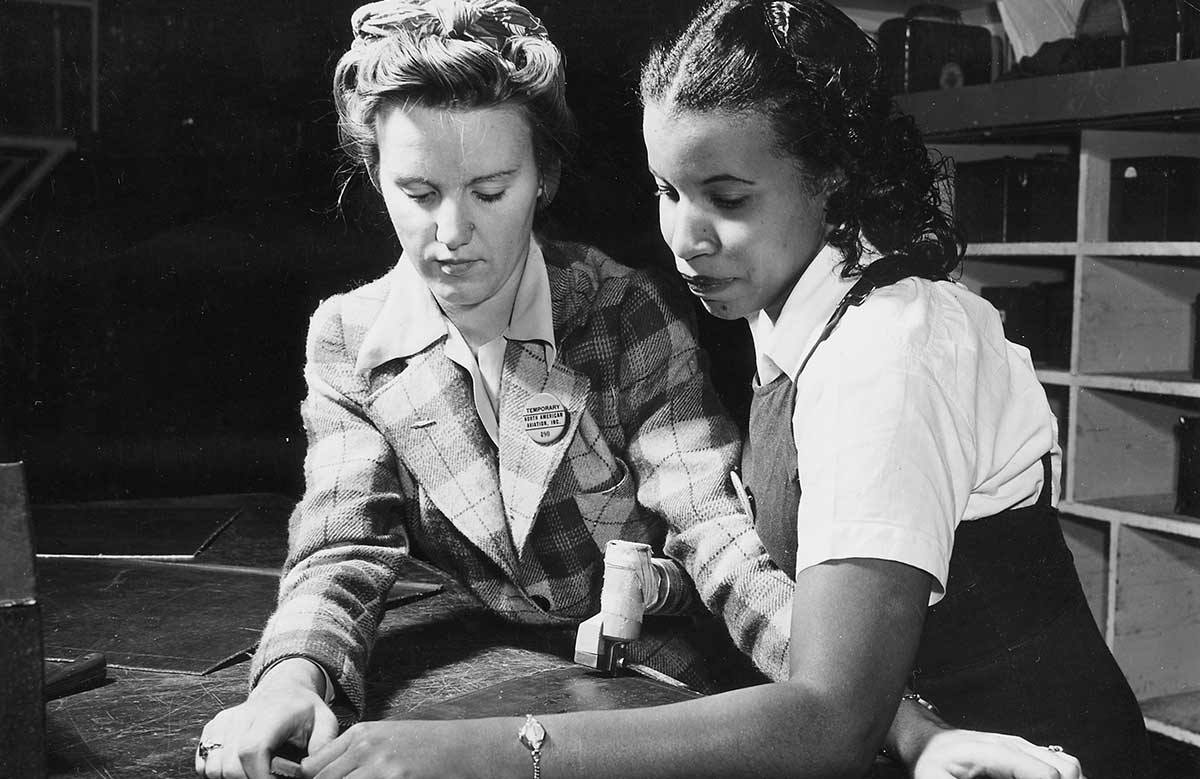
America’s vast consumer industry quickly showed its worth. While Axis countries like Germany produced excellent planes or tanks, America’s sheer output outdid its opponents many times over. This is best exemplified by the Liberty Ship. This quick-to-build ship came down the quays faster than the dreaded U-boats could sink them, reducing the U-boats’ impact.
America’s industrial upswing became a weapon. The production met both American and Allied military needs. Food, weapons, munitions, fuel, and raw materials helped keep Allied nations in the fight, often around the globe. Material losses often got replaced. Axis leadership, though warned by individuals, did not fathom how fast America could switch to wartime conditions. Or, how American production helped win via attrition. In December 1940, FDR described America as the “Arsenal of Democracy”, which did happen.
America’s consumer market demonstrated its flexibility, scale, and speed by swiftly adapting to national emergencies. Consumer production stopped; only 139 cars left factories between 1942 and 1945. America’s consumer industry didn’t just support the war, it helped win the conflict.