Summary
- The White Russian coalition lost the war primarily due to poor coordination and competing ideologies, despite having strong initial advantages.
- In exile, the White Russian diaspora continued its fight through anti-Soviet literature, espionage, and successful political lobbying against the USSR.
- Their greatest success was preserving traditional Russian culture, creating an ideological rival that haunted the Soviet Union for decades.
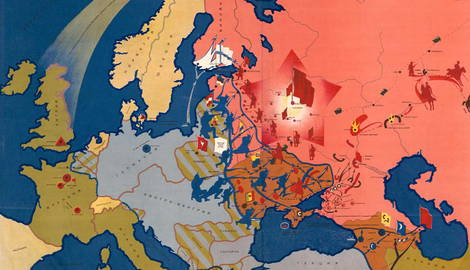
The fall of Imperial Russia completely shattered the country. Hard upon this descent came the Russian Civil War (1917 to 1922). The two rival factions, the Red Bolsheviks and the White Russians, stood at extreme political ends, as did their origins. The Reds emerged from the pre-war intelligentsia and revolutionary underground. The White Russians’ originated from monarchists, Cossacks, nationalists, and anti-Bolshevik socialists. Such disparate groups formed a coalition to fight the Reds. Despite appearing strong on paper, the Whites failed to rally around a single plan or vision.
The Reasons for Failure
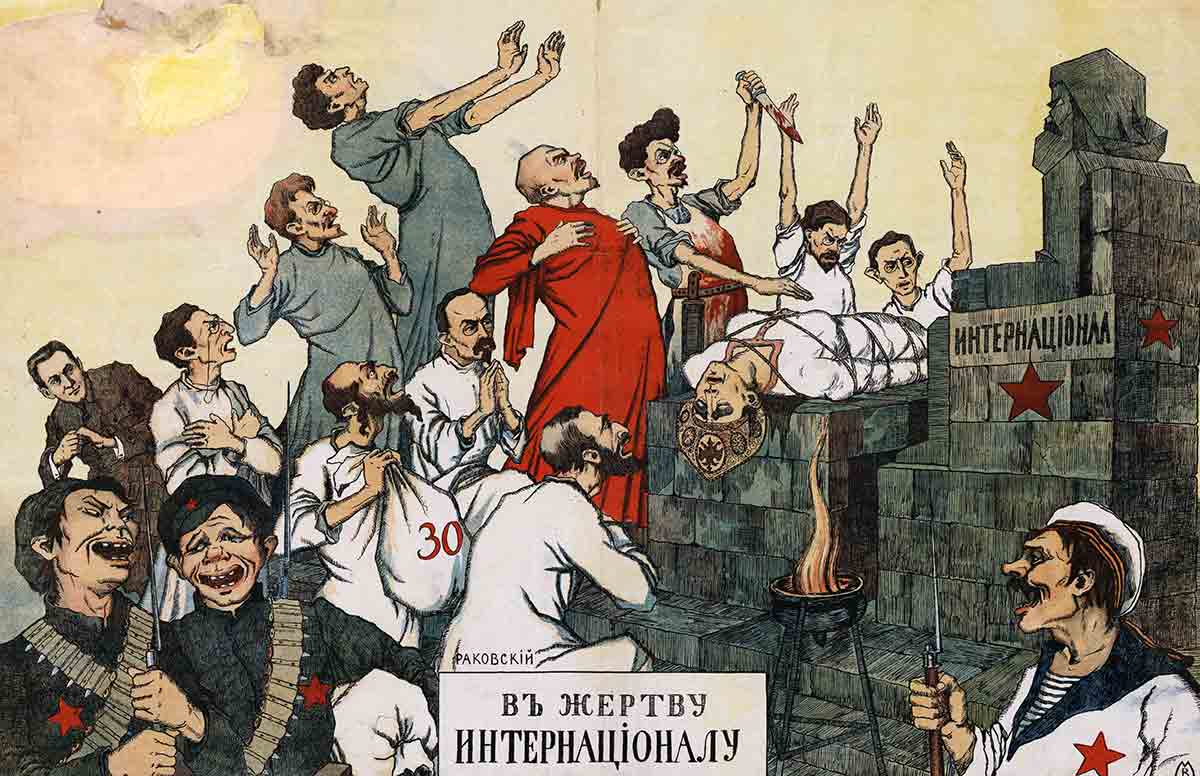
At first glance, the Whites looked to have the upper hand. The advantages included Allied backing, experienced officers, and extensive territory. Initially, this worked well with solid victories. The White Russians’ coalition eventually worked against it. First, the leadership did not coordinate their actions; instead, they made competing decisions. With the Whites’ ideological differences, “future Russia” was never solidified.
Despite claiming liberal ideas, the Whites never gave a solid alternative message that matched Bolshevik promises. Allied support, plus being seen as representing the old order, weakened popular support. In all these areas, the Red Bolsheviks dominated. They built a one-vision, disciplined political machine that motivated the population and the military. As the Civil War grounded on with Red victories, this approach succeeded.
Internal politics aside, the White Russians never made it to Russia’s core. Because they were on the old Empire’s periphery, their battlefields were scattered. The Bolsheviks controlled industrial centers and the rail lines and had far fewer supply issues.
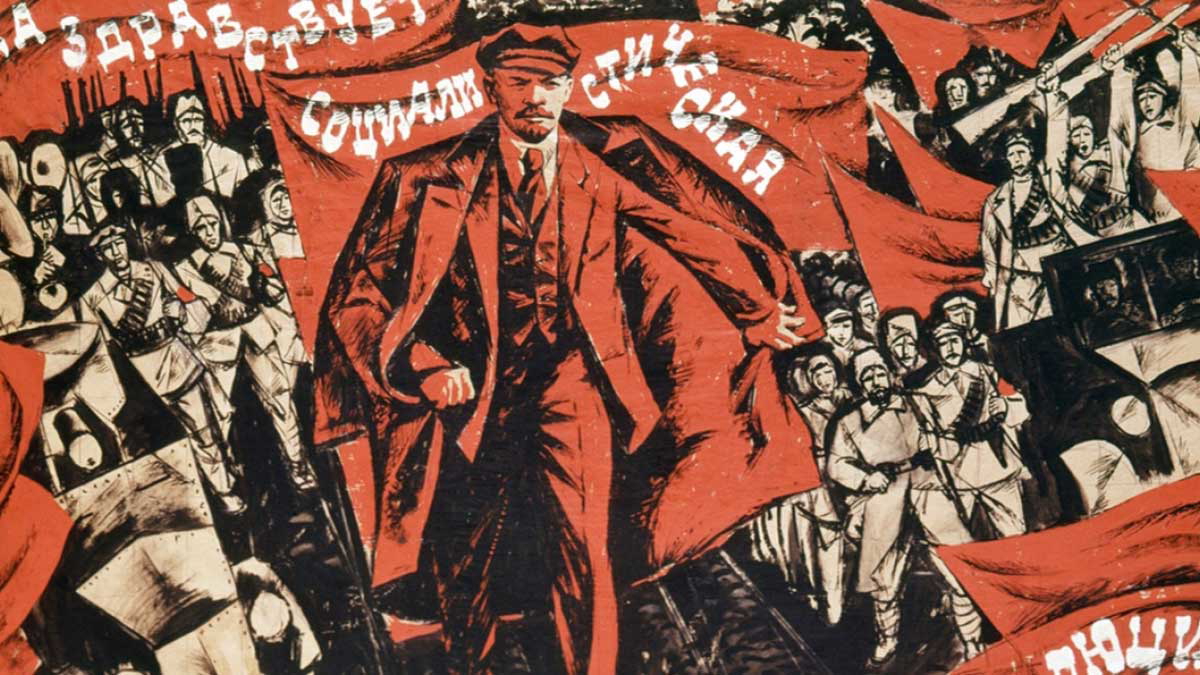
The White military campaigns peaked by early 1920. The Bolshevik Reds were highly motivated, had better discipline, and eventually better leadership. The Red Army’s counteroffensive repeatedly defeated the White armies.
The final White Russian defeat occurred in November 1920 on the Crimean Peninsula. Bolshevik armies now controlled European Russia. White Russian army resistance in Siberia would linger until 1922, ending all hopes.
The Great Diaspora That Still Succeeded
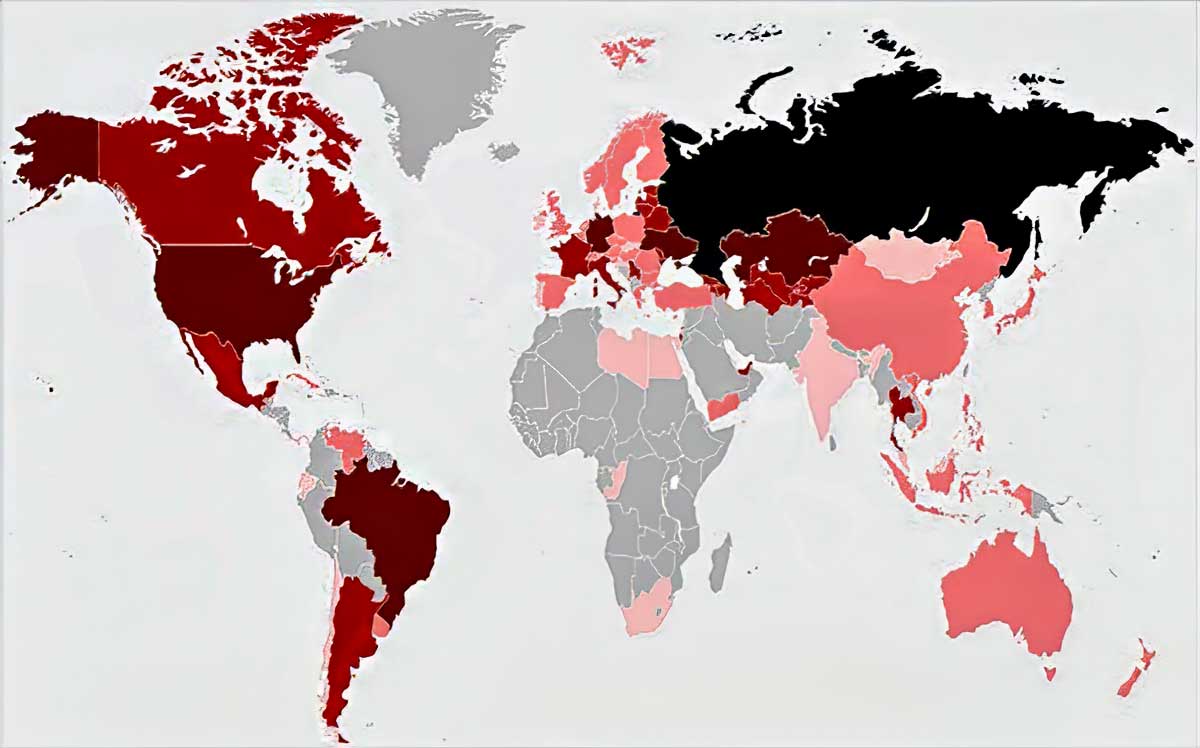
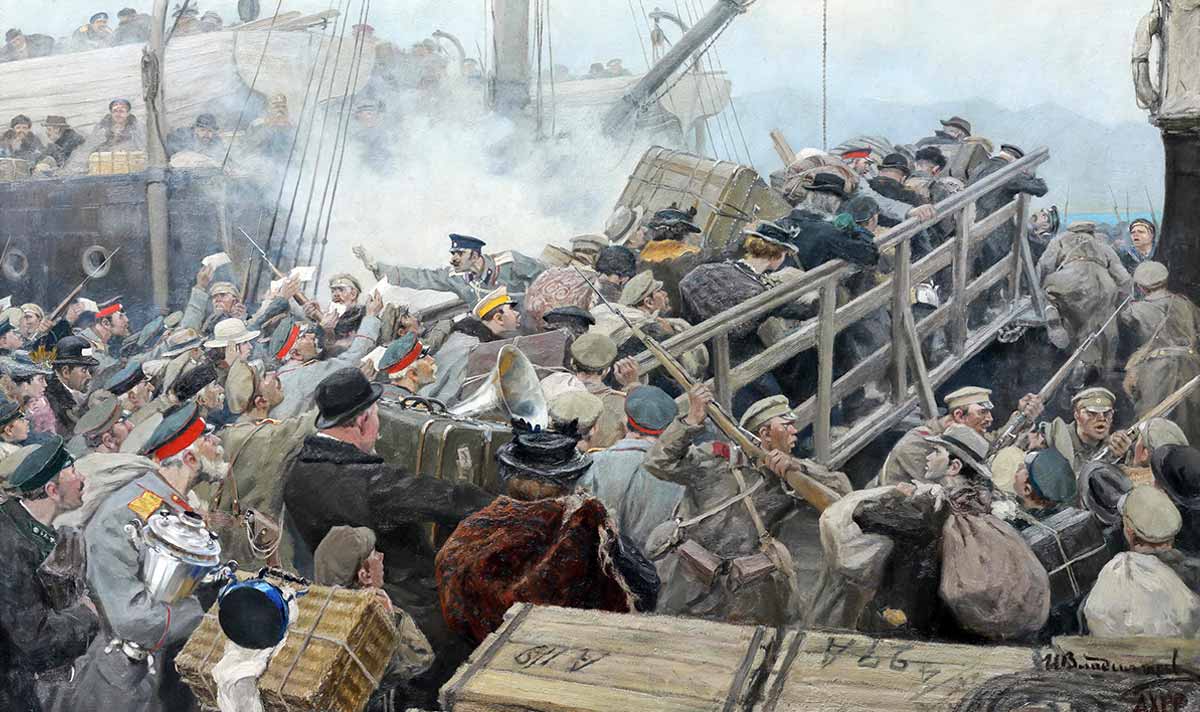
As with many groups before them, the Bolshevik victory in full sparked the White Russian diaspora. Anti-Bolshevik soldiers, officers, intellectuals, monarchists, Cossacks, and others fled. They settled in North America, China, and South America. Some 1.5 million fled Russia left, most never to return. Exile became permanent, whether due to the direct Bolshevik threat or to a refusal to compromise. But a diaspora didn’t mean opposition ended.
Although exiled, White Russian emigres still exerted indirect or intellectual influence. Major émigré cities included Paris, Berlin, Shanghai, and Belgrade.
Challenging the Red Status Quo
Though the Bolsheviks won, the Whites stayed a thorn in their side. First, political activists and writers consistently produced anti-Red literature. Figures such as Mark Aldanov and Ivan Bunin wrote depictions and memoirs that circulated in Europe, Asia, and even the Soviet Union. And they worked. The White Russians’ effective criticism helped mold Western doubts regarding the USSR.
On a practical level, foreign intelligence services sought ex-Imperial officers. With their deep knowledge of Russia’s peoples, political factions, and military, they became useful assets. Some emigrants also attempted to infiltrate the USSR. The Soviets actively watched these groups, even kidnapping one White Russian ex-general, Yevgeny Miller, in 1939. The NKVD later executed him.
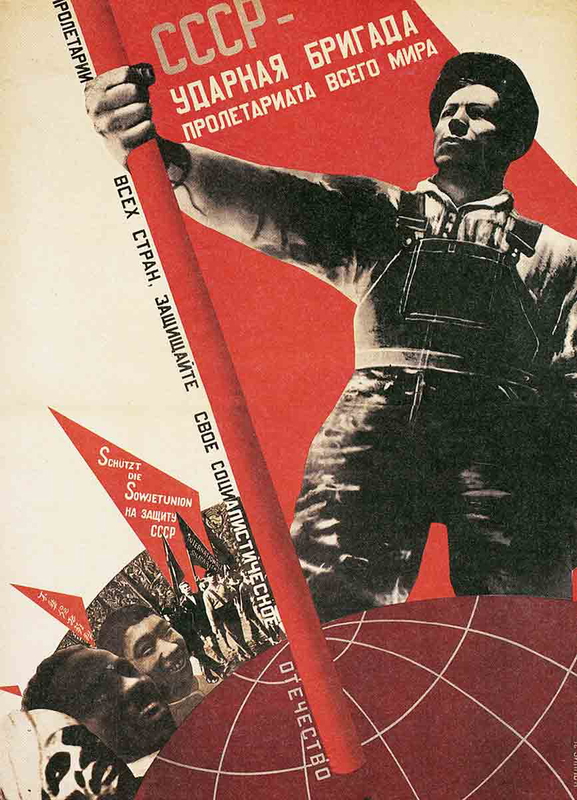
Post Russian Civil War, the White Russian exiles urged European and Asian governments not to recognize the Soviet Union. Their pressure delayed recognition by several countries.
Their input also influenced economic and refugee dialogues. Although this was only a minor delay, it was still inconvenient. The White Russians’ efforts kept the USSR isolated for an extended time.
The White Russians lost the Russian Civil War by 1920. Yet their dogged resistance affected the Red Army’s philosophy. The Red Army leadership revisited the White campaigns to improve its own tactics and strategy. Also, the USSR played up on the White threat to keep militarization ongoing, the use of political commissars, and combining Communist ideology into training.
The White Russians’ greatest success, despite their failure, resulted from their cultural and ideological efforts. Exiled White communities preserved traditional Russian culture, including Orthodox traditions, classical ballet, and literature. This, and the White groups, displayed a rival version of Russia that rejected the USSR’s existence.
The USSR eventually attempted to refute the exiles’ propaganda. Musicians like Tchaikovsky were permitted again, for example. The Soviets saw the Whites as credible threats for decades. What appeared to be a defeated movement still compelled the USSR to invest years of effort in countering its influence. This is how the White Russians succeeded despite being defeated.