Summary
- The hero Maximus is fictional, inspired by a Roman leader who lived centuries before the film’s events.
- The iconic Colosseum wasn’t called that until the 1600s. Romans knew it as the Flavian Amphitheater.
- The film’s weapons and armor were inaccurate, featuring siege weapons in open battles and outdated Roman gear.
The 2000 hit movie Gladiator depicts the journey of the Roman general Maximus Decimus Meridius around 180 AD and the Roman Empire at the time. While an amazing movie, it did have issues with historical objects or circumstances that did not belong in the time frame the movie depicts. However, they can help us learn about what actually happened at that time.
The General Who Wanted to go Home: Was He Real?
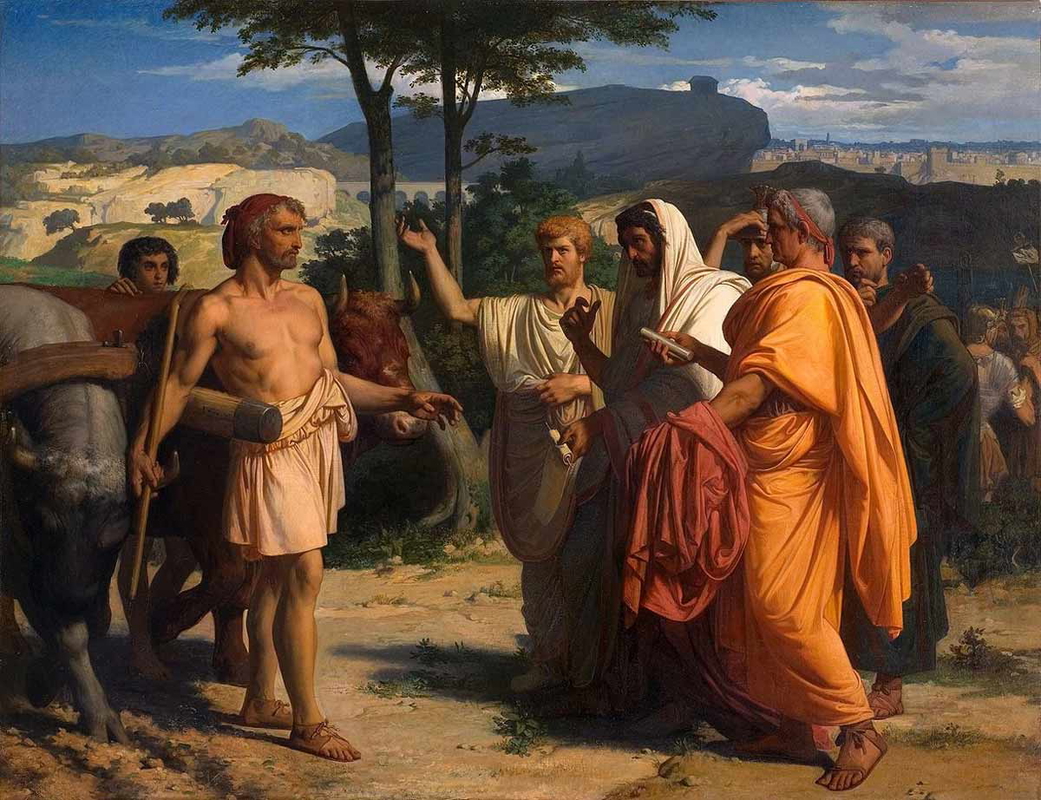
Sort of. Lucius Quinctius Cincinnatus was a Roman military leader and statesman in the 400s BC during the Roman Republic. Cincinnatus was a member of one of Rome’s most important and wealthiest families, the Quinctia. He was possibly a consul whose son was killed by the lower-class plebians, and left the city to pursue farming. He was called back into service around 458 BC as dictator to defend Rome against an invading tribe known as the Aequi, and would resign and return to farming shortly afterward.
The Name of the Colosseum
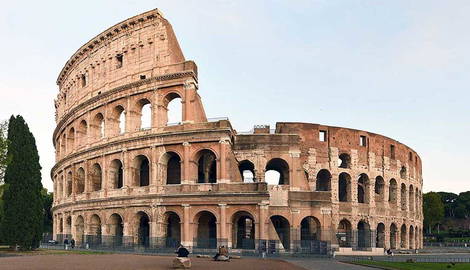
The actual name of the Colosseum may have been just originally just “amphithereum” or “Amphitheatrum Caesareum.” At some point it may have been called the Flavian Amphitheater, as its construction was from 72 AD to 80 AD, under the Flavian dynasty of emperors: Vespasian, Titus, and Dometian. The name Colosseum would not be used until the 1600s. The term evolved over the centuries from the name of the nearby statue of the Roman emperor Nero, based on the legendary ancient wonder, the colossus of Rhodes. In the 100s AD, and during the time of the Roman Empire, the name Colosseum would not have been used.
Did Gladiator Actually Get Gladiators Right?
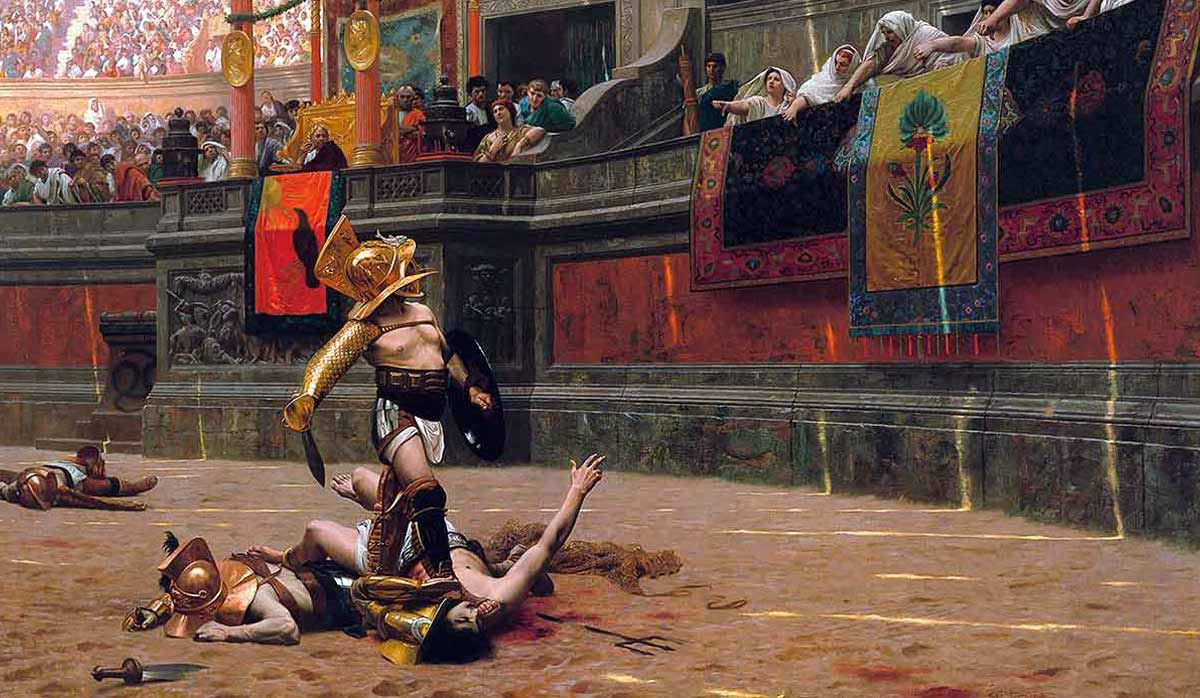
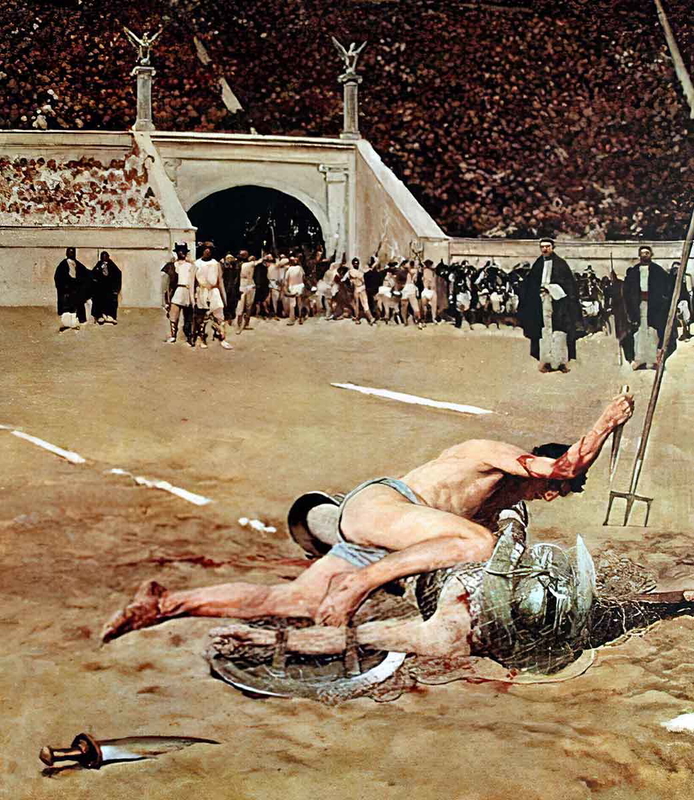
What is interesting is that the movie may have oversimplified some of the interesting parts of life for the gladiators. Many were not prisoners pressed into combat to the death for the entertainment of the crowd. While most gladiators were slaves, prisoners of war, or criminals, they would gain popularity with the crowd according to their success – not unlike modern professional wrestling or other combat sports. Some even had product sponsorships! Fight organizers might even pay a penalty to the owner for a gladiator who was killed, as the owner would have lost substantial revenue from the death of a successful gladiator.
Also, while the emperor may have given a signal that allowed a gladiator to live or condemned to death, it is not known for certain that it was a thumbs up or down signal. This signal was given in bouts known as ad digitum, where the fight was until one submitted “to the finger” – by raising his finger and waiting on the judgment of the emperor. Fights sine missione, or “no reprieve to the death” were often for condemned criminals due for execution anyway.
Did Gladiator Get the Weapons Right?
As is typical with any movie depicting ancient warfare, weapons, armor, and tactics in Gladiator were not completely accurate to the time period depicted. The opening scene against the Germanic army had the Romans using catapults and ballistae, which were more commonly used in siege warfare, not in the open field. The armor was also from a hundred years earlier, as a form of scale armor was in use by the Roman armies by the mid-100s AD. The Germanic armies were also depicted as being a near stone-age “horde,” but many used equipment and tactics similar to the Romans (and many may have even served in a Roman army at some point in their military careers). Soldiers gear also may have varied soldier to soldier, depending on what each was provided or could personally afford.