The 1593 Japanese invasion of Korea, popularly known as the Imjin War, was one of the most dramatic and brutal conflicts in early modern East Asia. What began as a stepping stone for further conquest became a devastating campaign of attrition, while the Korean Kingdom of Joseon and the Ming Dynasty of China faced their possible destruction. Learn how Joseon survived thanks to universal determination and arguably Korea’s greatest military hero, in a war that shaped the future of all nations involved.
Prelude
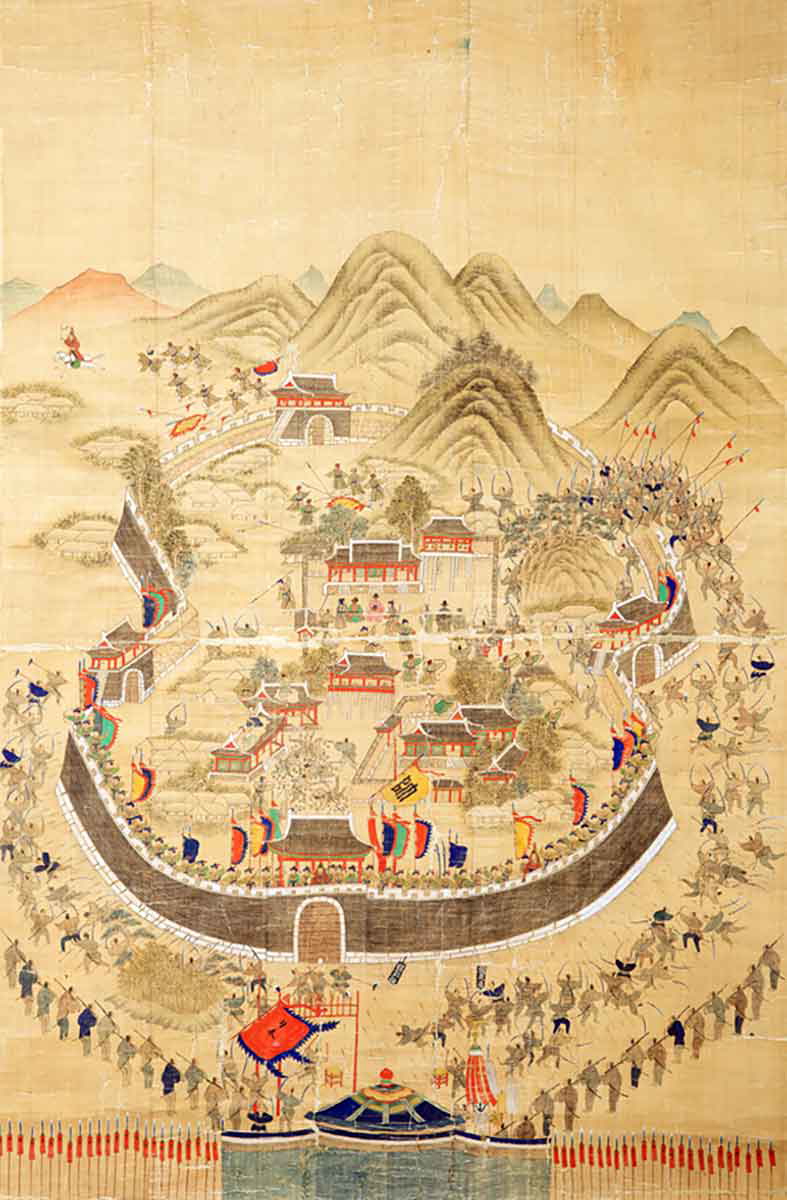
As dawn broke over Busan harbor on May 23, 1592, garrison commander Chŏng Pal and his Admirals Wŏn Kyun and Pak Hong spotted Japanese ships on the horizon. The admirals knew of the ongoing discussions between their King Yi Sŏnjo and Japan’s ruler Toyotomi Hideyoshi and believed the fleet was a Japanese trade mission. So they let the fleet enter Busan harbor without sending any of their 150 warships to investigate.
They probably also knew Japan had been embroiled in a century-long civil war named the Sengoku Jidai, or Warring States Period, until Hideyoshi took power in 1587. That same year, Hideyoshi sent a diplomatic mission to King Sŏnjo, demanding that Joseon become Japan’s vassal and assist Hideyoshi in invading Joseon’s close ally and nominal suzerain, the Ming Dynasty of China.
Half a decade of confused diplomacy followed. Hideyoshi’s demands escalated into an outright threat of invasion, but the Joseon court dismissed the Japanese as mere bandits, even calling them such in official documents. They believed Japan was too disunited following the Sengoku Jidai to sustain a serious invasion.
Then the fleet appeared outside Busan, not as a trade mission but the first wave of a 150,000-strong invasion force with one mission: namely, the subjugation of Joseon, China, and possibly all of Asia.
The fleet’s commander, Konishi Yukinaga, launched a surprise attack on Busan before dawn the next day. Chŏng Pal and the garrison were overwhelmed and massacred, Pak Hong deserted, and Wŏn Kyun escaped to sea with just four ships. As Busan burned, it was clear the Joseon court and military had completely misread the situation and had been caught entirely off guard.
The State of Japan and Joseon
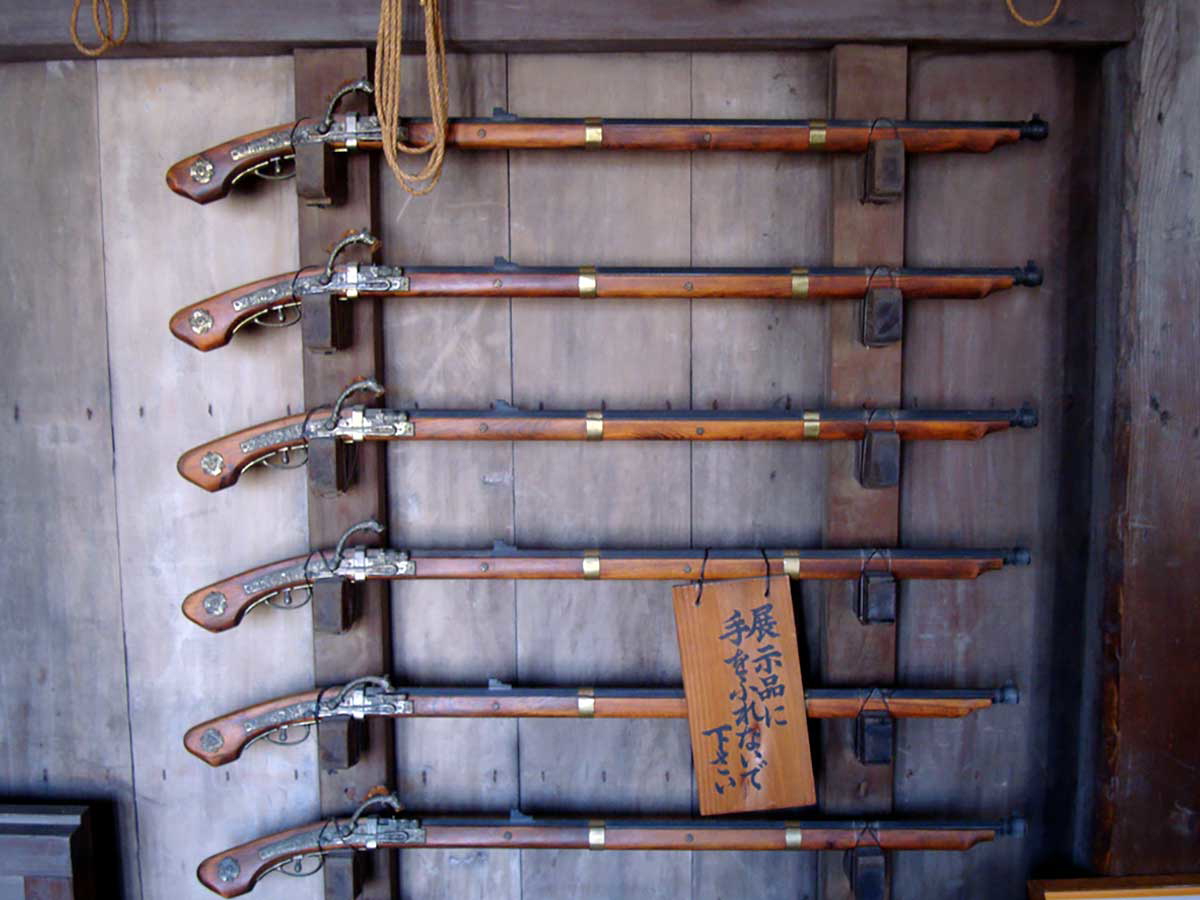
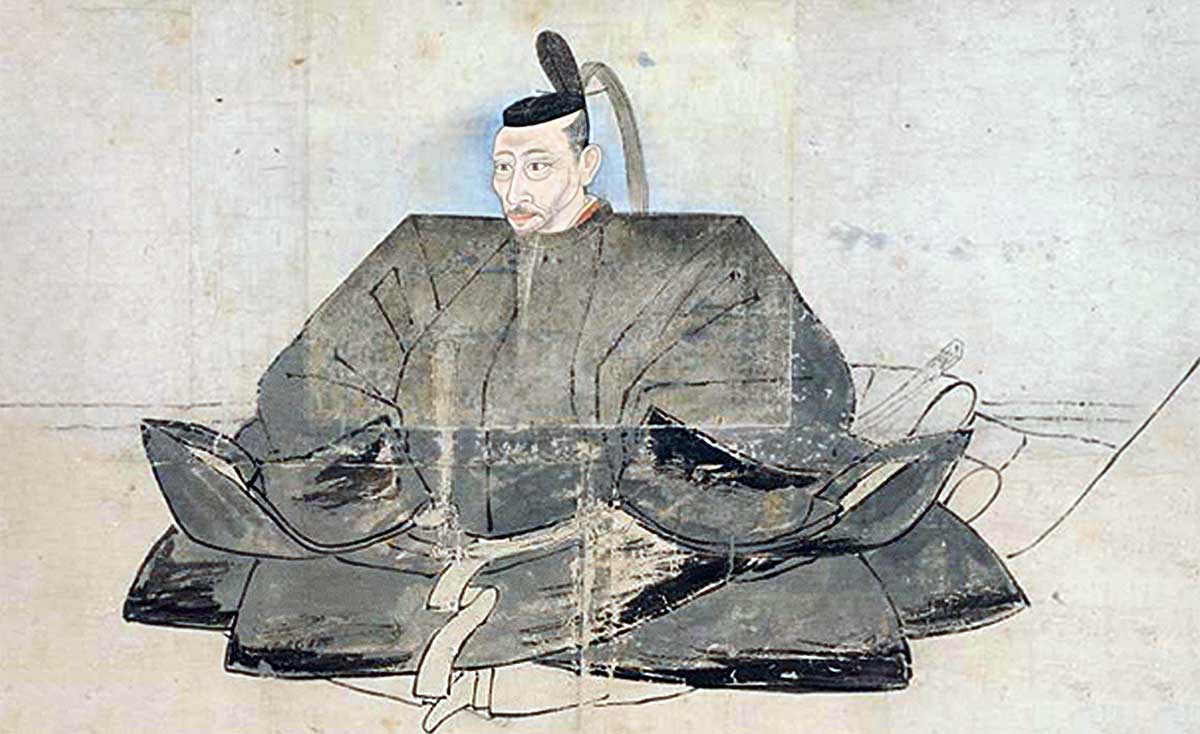
Essentially, the Joseon court critically misunderstood Japan’s current situation. Firstly, the Sengoku Jidai had honed the Japanese Samurai warriors and Ashigaru peasant levies into a ruthlessly effective fighting force, armed with modern weaponry, including Tanegashima muskets. Furthermore, Hideyoshi, who ascended from peasant’s son to Japan’s sole ruler, knew that more wars would bring him glory, and Japan, stability. So, like many of history’s great unifiers, he had sent his glory-hunting armies abroad.
Meanwhile, two centuries of relative peace, barring raids by northern Jurchen nomads and Japan-based Wako pirates, had atrophied Joseon’s military readiness. Despite having modern cannons, they had no handguns apart from archaic and inaccurate arquebuses, while training and equipment had diminished. Meanwhile, the wealthy often bribed their way out of military obligations, and promotions regularly relied on political connections rather than military talent. Any attempt at military reform was often stymied by the aggressively factional Joseon political system. Ironically, Joseon, not Japan, was the nation too divided for war.
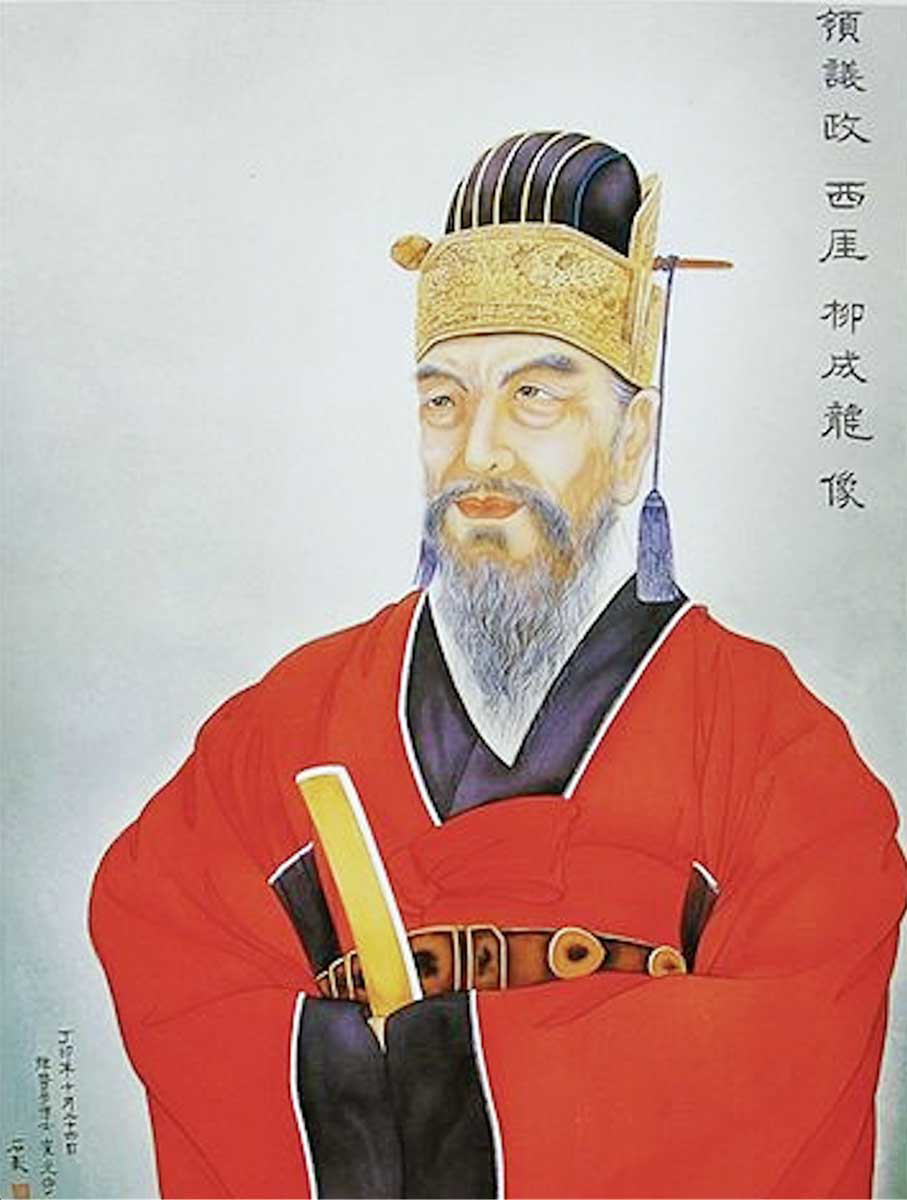
Some officials foresaw the oncoming threat; one even suggested a preemptive strike on Japan, but was exiled for his warmongering. Joseon’s chief Minister, Ryu Sŏngnyong, did try to prepare for a Japanese invasion, despite previously opposing military reform. He promoted capable commanders, including an old friend he had saved from a false desertion charge, and organized drills and inspections of regional forces.
Yet, Ryu’s lobbying did little to shake Joseon complacency. When Ryu warned the Joseon commander-in-chief, Sin Rip, about the Japanese muskets, Sin smugly replied with the immortal line: “They won’t hit anything.” Meanwhile, most Joseon officials confidently declared that the Joseon navy would destroy any Japanese invasion fleet at sea. Yet no one had warned the Busan admirals of the threat. So Yukinaga had landed unopposed, and the unprepared Joseon military now faced an enemy that put the “Art” in “Art of War.”
Fall of Hanseong
After capturing Busan, Yukinaga—also known by his Christian name of Augustin—advanced north through Gyeongsang province, aiming for the Joseon capital of Hanseong, modern-day Seoul.
The first Joseon response was led by General Yi Il, with an army theoretically consisting of the Gyeongsang provincial garrison and 300 crack royal troops. However, the royal detachment transpired to be mostly bureaucrats added to military lists by corrupt recruiters, and the garrison force could not reach Yi Il in time. So Yi Il was forced to face Yukinaga’s 17,000 veteran troops with a cobbled-together army of 1,000 untrained peasants on June 3, outside the town of Sangju.
Yukinaga pursued Yi Il and the few survivors of the inevitable massacre to Chungju fortress, where Sin Rip was positioned in command of the Joseon royal guard cavalry. On June 7, Sin Rip decided to fight in the open rather than defend the fort and learned the hard way that the Japanese could hit many things with their guns. The household cavalry was cut down by volleys of Tanegashima fire, and Sin threw himself into the Han River to avoid the disgrace of defeat.
After this tragic but farcical sequence of poorly organized, ponderous, and piecemeal responses, there was nothing left between the Japanese and Hanseong. King Sŏnjo even hesitated in asking Ming China for aid; when he did, it transpired they were bogged down dealing with an internal rebellion.
However, the Japanese had their own problems, specifically with glory-hungry and impetuous commanders. Yukinaga had been so eager for war that he had sailed to Busan without waiting for naval support. Had the Busan admirals actually intercepted Yukinaga, the war could have ended before it began.
The Imjin River
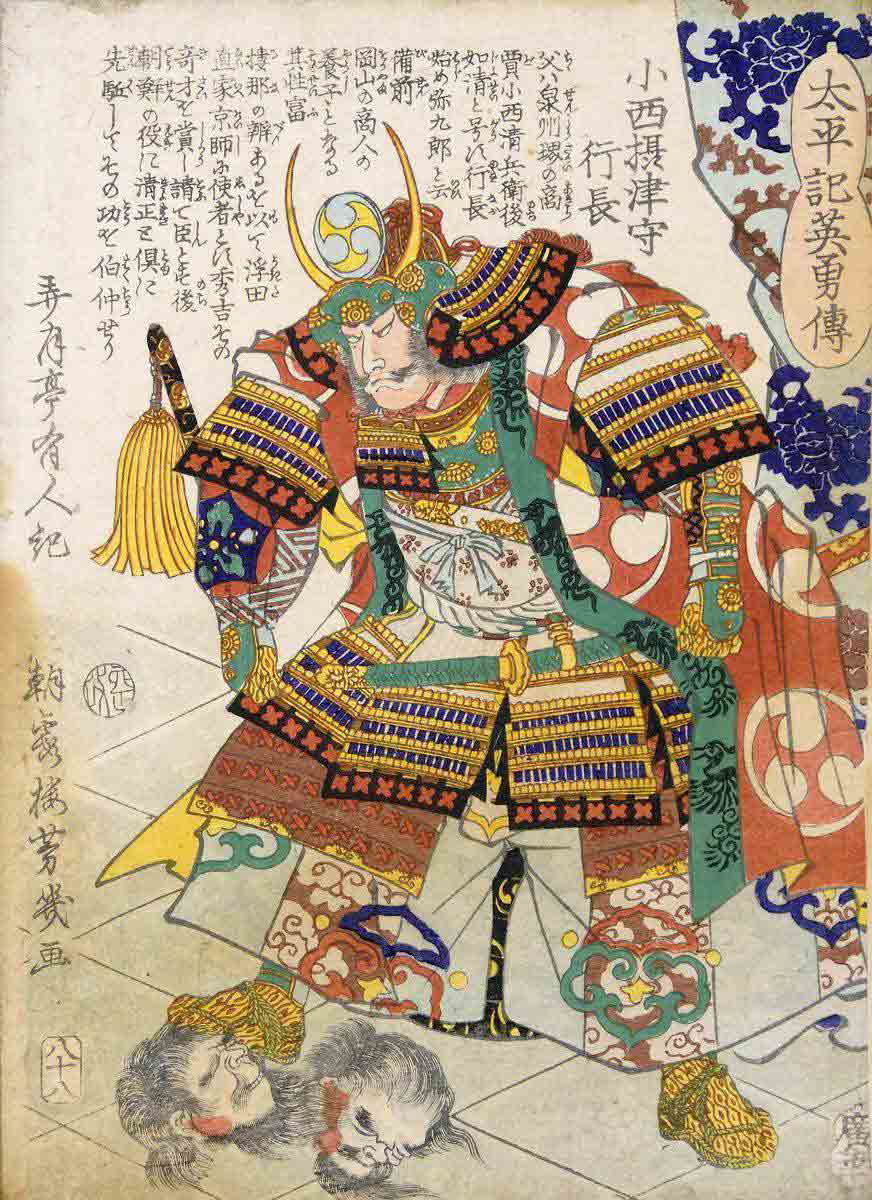
Yukinaga’s blunder went unpunished, and the rest of the invasion force soon landed. Some were tasked with occupying and conquering southern Korea, while others, including the invasion’s commander in chief, Katō Kiyomasa, joined Yukinaga’s northward advance after Sangju.
However, Kiyomasa and Yukinaga developed a petty rivalry for individual military glory and nearly came to blows after Chungju. They then raced to Hanseong, only to find King Sŏnjo and the court had fled north to the city of Pyongyang, while commoners lined the road haranguing their king for abandoning them.
The Japanese took just three weeks to capture Hanseong, yet their furious momentum would suddenly be halted. Kiyomasa advanced to the mighty Imjin River, defended on the other side by a strong Joseon force from the Northern provinces. Rather than risk a suicidal crossing, Kiyomasa attempted to bring King Sŏnjo to terms, but was soundly rejected.
After a month of stalemate, Kiyomasa started back for Hanseong on July 7. However, Joseon military ineptitude struck again when General Sin Hal decided, against more experienced advice, to attack the retreating Japanese. After Sin crossed the Imjin, Kiyomasa (who some suggest had merely feigned retreat) turned and destroyed the Joseon force. After this stunningly naïve maneuver, the Japanese crossed the Imjin. Yukinaga then captured Pyongyang at the end of July, while Kiyomasa advanced northeast to the Jurchen territory between Korea and China.
The Righteous Armies
King Sŏnjo avoided capture, but meanwhile, the Japanese faced two major hindrances, one on land and one at sea.
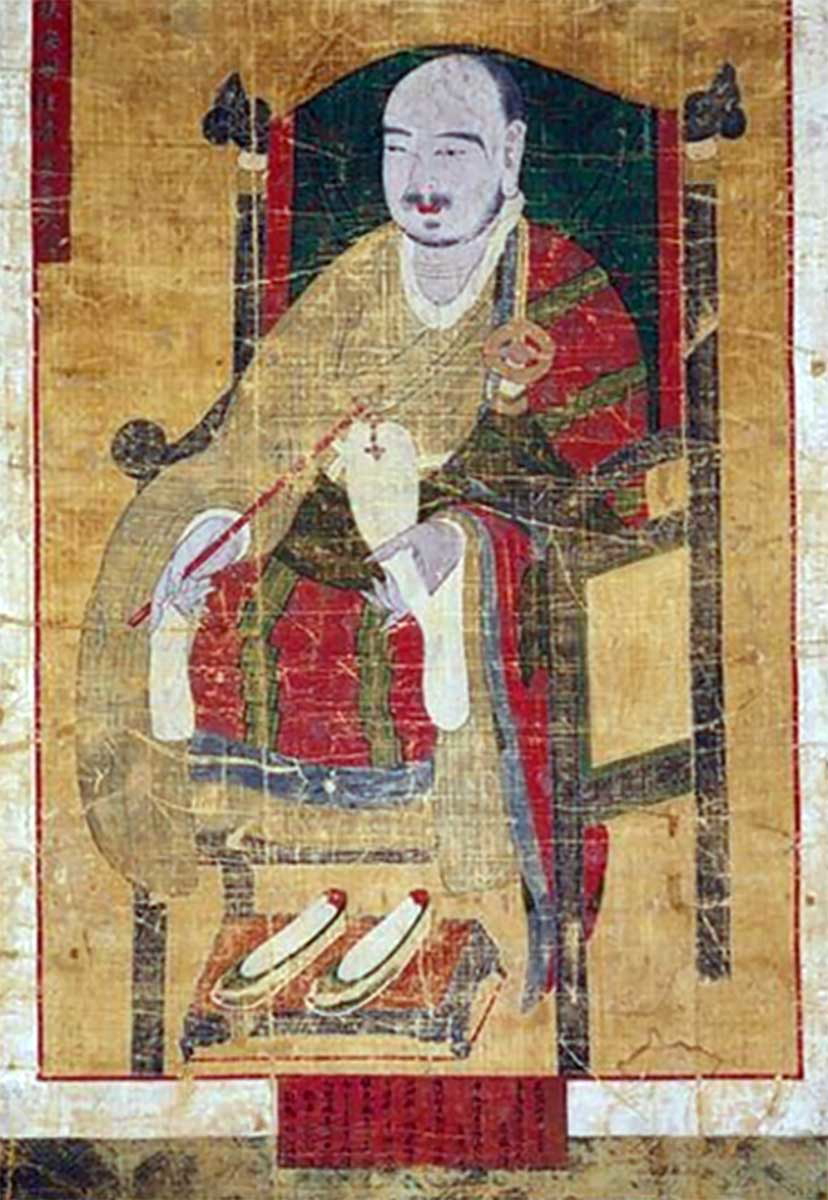
On land, the people of Joseon and the remaining defense forces stepped in to do what the government could not. All across Korea, bureaucrats, peasants, soldiers, and even Buddhist monks formed partisan groups known as Righteous Armies to repel the invaders.
Armed with what they could find, sometimes raiding military depots, the Righteous Armies launched ambushes and hit-and-run raids on the Japanese. They disrupted Japanese advances and raided supply columns and communications before disappearing into the mountains or Joseon-held territory. They also served as vital auxiliaries for the Joseon forces that still held out against Japanese expansion.
The Japanese struggled against this guerrilla warfare, despite enacting horrific reprisals against civilians and captured Righteous Armies, severely limiting their expansion into several provinces. Most crucially, in Jeolla in the southwest, which was rich in food and supplies, but also home to Japan’s seaborne nemesis—Admiral Yi Sun-sin, possibly one of history’s greatest naval commanders and certainly one of Korea’s greatest military heroes.
Yi Sun-sin’s life story can easily be mistaken for a Confucian parable. He was a paragon of military ability and virtue, faultlessly honest against institutional corruption, an unwavering upholder of duty, and consequently rather unpopular with the Joseon military establishment. He was often targeted by jealous rivals, including none other than Yi Il, who falsely charged Sun-Sin with desertion for his own failures on the Jurchen border. Fortunately, Yi was saved by his old friend, Ryu Sŏngnyong, who then made his most consequential decision by making Yi an admiral in 1591.
Yi Sun-Sin
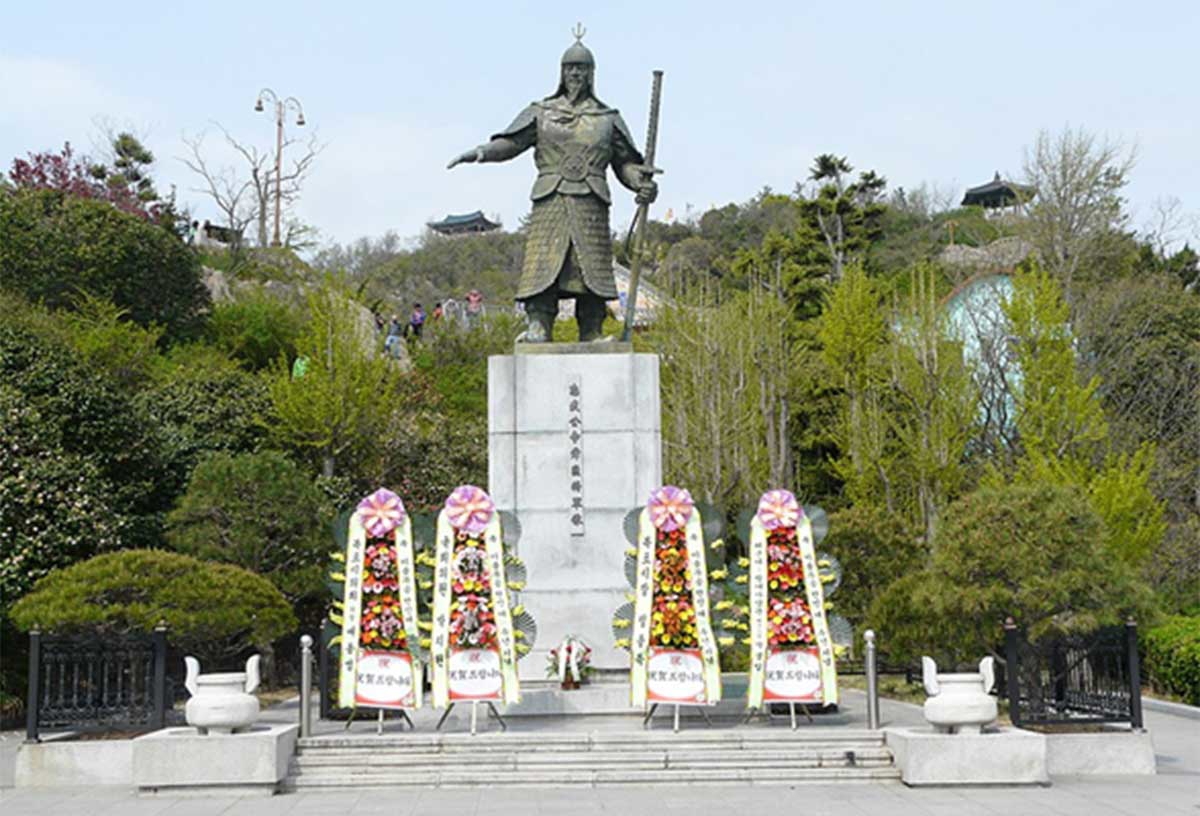
Despite no prior naval experience, Admiral Yi took to the water like the proverbial duck. Based in Yeosu city, Admiral Yi rigorously maintained and drilled his fleet so when the war began, they were ready. With barely 40 ships, Admiral Yi destroyed his first Japanese fleet on June 16, and more soon followed. As Japanese ship losses mounted, Yi’s numbers grew as he was joined by other Joseon admirals, including Admiral Won, and more ships rolled out of Yeosu’s naval yards.
Unlike on land, Joseon exceeded Japan in naval experience and equipment. The Japanese rarely fought at sea, generally preferring small arms fire and boarding actions when they did. Meanwhile, the Joseon navy had years of experience using naval cannons against Wako pirates and quite literally outgunned the invaders. However, Admiral Yi’s strategic brilliance and inspiring leadership also played their part.
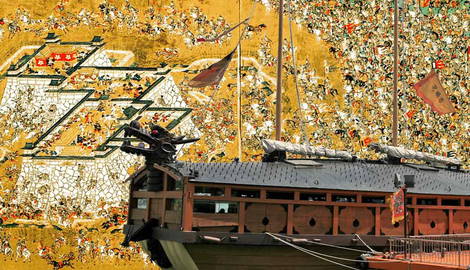
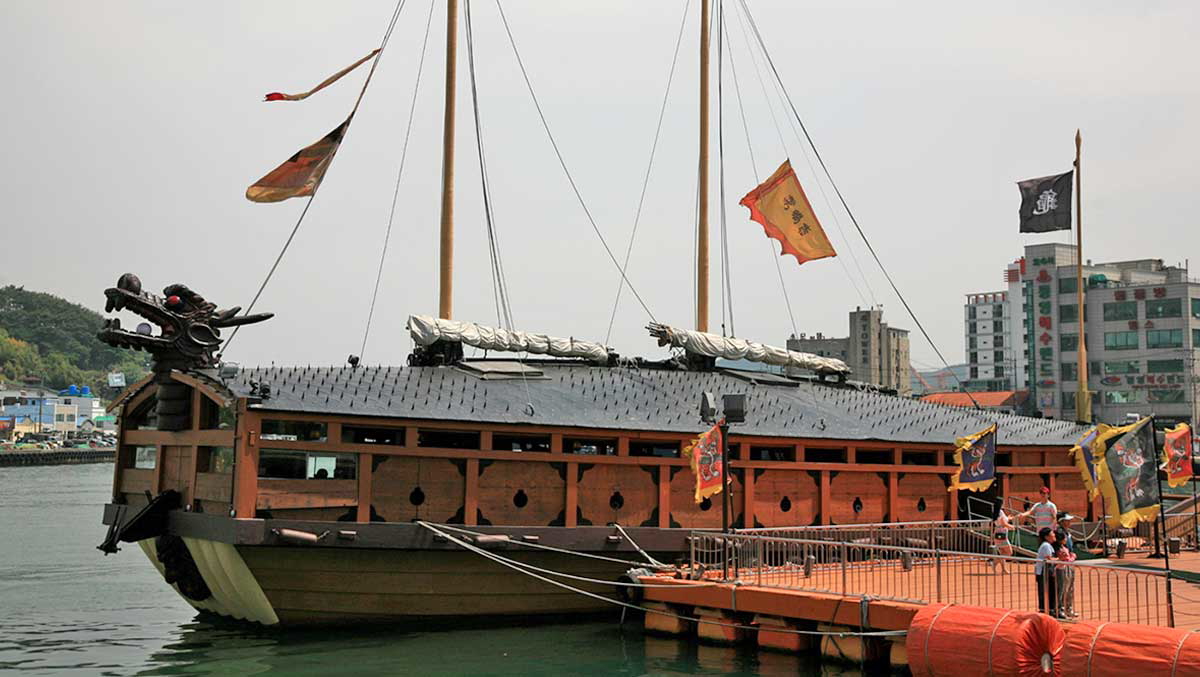
In one engagement, he hid a gunshot to his shoulder to preserve morale, only digging the bullet out of his own flesh after the battle. Moreover, Yi had developed a secret weapon based on an ancient warship inspired by nature. The Geobukseon, or Turtle Ship, was (as the name suggests) a warship armored like a turtle shell. Deceptively fast, maneuverable, and ringed with cannons, they devastated Japanese ships from July 1592 onwards.
In August, an enraged Hideyoshi ordered three of his admirals to destroy Yi’s armada. However, one, Wakizaka Yasuharu, set off ahead of his comrades to take the victory alone. Though outnumbered, Admiral Yi encircled and destroyed Wakizaka’s fleet off Hansan Island before finishing off the other fleets two days later at Angolpo. This time, a Japanese commander’s glory hunting cost the invasion dearly.
The Tide Turns
Following this disaster, Japanese naval operations functionally ended, and Admiral Yi had successfully cut the invasion off from badly needed support. Things got even worse when, despite still dealing with internal rebellion, the Ming dispatched several thousand cavalry to aid their “Little Brother,” as they called Joseon.
The Ming intervention started inauspiciously, however. On August 23, the Ming horsemen tried retaking Pyongyang but became bogged down, and thousands fell to Japanese gunfire. However, Joseon resistance also continued, even deploying new weapons such as the Hwacha, an early type of multi-arrow firing rocket artillery, and muskets developed from captured Japanese Tanegashima.
Likewise, the Righteous Armies increased their attacks on Japanese supply routes and communications between the northern and southern forces. The Japanese responded by building a vast network of defensive fortifications, called Wajō, but their construction cost precious time and resources. In November, winter attrition and dwindling supplies began to bite, leading to a desperate Japanese gamble. A force of 30,000 troops marched on Jeolla to seize its food stores and destroy Admiral Yi’s base at Yeosu.
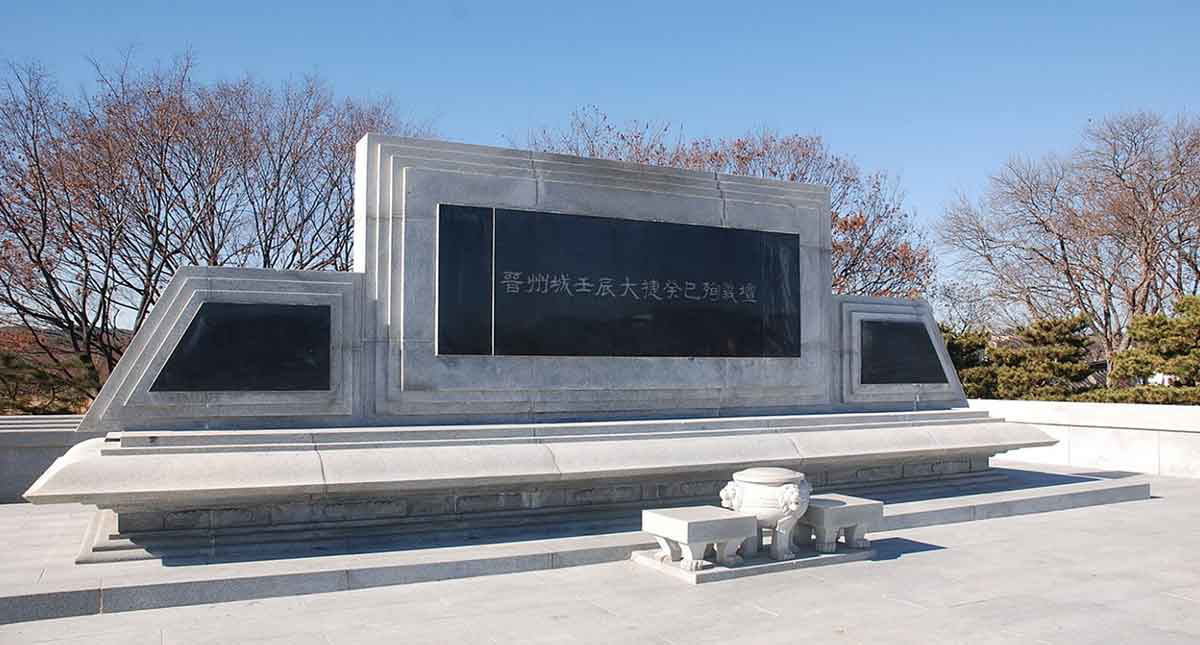
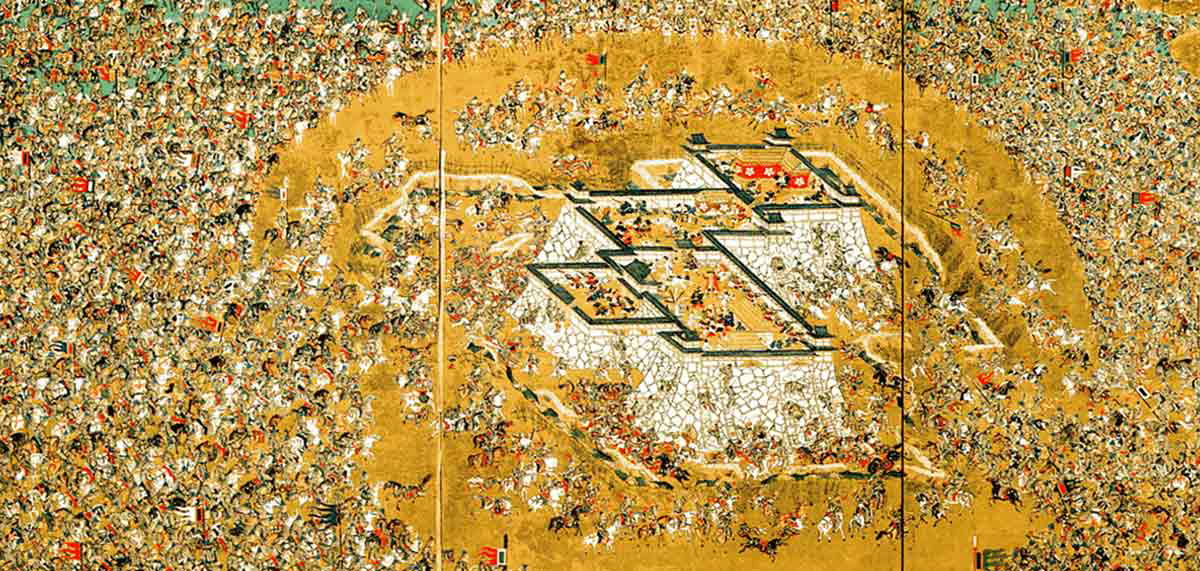
However, the campaign fell apart before the gateway fort of Jinju. The garrison, though only a tenth of the Japanese army’s size, resisted heroically before a local Righteous Army lifted the siege with an assault on the Japanese camp. As the year changed, Japanese fortunes worsened.
By February 1593, the Ming quashed their internal rebellion, and General Li Rusong marched south with an enormous Ming and Joseon force supported by Righteous Army auxiliaries of fighting Buddhist Monks. They were tasked with retaking Pyongyang, defended by Yukinaga and a cold and hungry garrison.
Four-Year Stalemate
Despite inflicting astronomical casualties on the besiegers, the garrison eventually abandoned the city on the night of February 8, leading to a general Japanese pullback towards Hanseong. So began a desperate fighting retreat through the awful winter conditions, with rearguard ambushes on Li’s advancing forces and a scouring of the already devastated Korean countryside of all remaining resources.
A successful ambush at Byeokjegwan on February 27 checked Li’s advance. However, the Japanese attempt to capitalize on their success failed thanks to the successful Joseon defense of fort Haengjung, after which the invaders realized they could not hold Hanseong. The Japanese retreated to their Wajō forts around Busan. However, after an exhausting war and brutal march south, the Ming and Joseon opted for diplomatic talks with Hideyoshi to end the war.
For four years, the invaders and defenders were kept in limbo as diplomatic confusion once again reigned supreme. The Ming and Joseon were initially surprisingly lenient. They allowed the safe withdrawal of some Japanese troops and commanders, including Yukinaga and Kiyomasa, and promised many beneficial terms, including trade deals, to Hideyoshi in exchange for peace. Astonishingly, however, Hideyoshi took these terms as an indication of surrender, and his counteroffer for part of Korea and a Ming princess as a bride were subsequently rejected.
Meanwhile, the Japanese commanders fiercely debated accepting peace, championed by Yukinaga, or restarting the fight, championed by Kiyomasa. However, upon realizing that the Joseon and Ming were not, in fact, surrendering, a furious Hideyoshi sided with Kiyomasa. By 1597, a new 130,000-strong force was prepared for the second invasion, sometimes known as the Chŏngyu War. However, there still remained the matter of breaking Admiral Yi’s naval blockade—but the Japanese had a plan.
Chŏngyu War
In August, a letter arrived in the Joseon court from Yukinaga betraying the location of an invasion fleet under the command of his hated rival Kiyomasa. The delighted court ordered Admiral Yi to intercept the Japanese fleet, but Yi demurred, sensing the obvious trap. This, however, was a mistake as several politicians and junior officers, envious of his success, conspired to turn his molehill of hesitation into a mountain of insubordination. They successfully lobbied King Sŏnjo into stripping Yi of his command and imprisoning him under a suspended sentence of death. Joseon traditions of petty rivalry and self-interest returned at precisely the worst possible time.
Command of the fleet went to none other than Admiral Wŏn Kyun, who embarked to intercept the Japanese, as he probably should have done outside Busan half a decade before. On August 20, he promptly led all 200 ships of the Joseon navy straight into the waiting Japanese ambush at Chilcheollyang. Wŏn was killed, and all but 13 Joseon ships, including every single turtle ship, were destroyed or scattered.
With the blockade broken, the resupplied and reinforced Japanese stormed through Gyeongsang province, making for Jeolla and Hanseong. Their success, however, was short-lived. Chilcheollyang did force the Joseon to fall back, but their defense did not collapse. Better trained, experienced, and equipped than in 1592, the Joseon rallied and slowed the Japanese advance.
They held out long enough for Ming reinforcements to arrive and Admiral Yi to be freed and reinstated, though this appeared to be a cold comfort. King Sŏnjo suggested Yi abandon the sea entirely and fight on land, but Yi replied that he still had 13 ships with which he could defeat the enemy. On October 26, he located an ideal location to make a stand and prove himself outrageously correct.
End of the War
The narrow Myeongnyang Strait is home to a curious natural phenomenon where its rapid current suddenly reverses flow every few hours. Here, Admiral Yi’s tiny flotilla took on a ten-25 times larger Japanese fleet. However, the constricted passage and treacherous current caused mayhem in the Japanese ranks, allowing the Joseon to pick them off at will. In one of the most astonishing naval victories in history, dozens of Japanese vessels were sunk and many more badly damaged, along with thousands killed.
Yi’s tactical masterpiece allowed the Joseon to rebuild and regroup their navy, while the Ming navy also arrived in support. By early 1598, the invasion force was once again cut off and forced back to the Wajō forts. This time, the Ming and Joseon tried to storm the forts. For months, the Japanese withstood repeated brutal assaults despite ever-decreasing odds.
In December, Admiral Yi and Admiral Lin Chen received news of a massive Japanese fleet entering the Noryang Strait. The admirals intercepted the Japanese on the 16th but in the midst of battle, Admiral Yi was shot once again; this time, though, the wound would be fatal.
Admiral Yi’s last words were for his son and his nephew to continue the attack and hide his death. So, Yi’s nephew donned his uncle’s regalia and urged the fleet on to victory. Only after the battle did word spread. Chen, it was said, collapsed in tears at the news.
In his final act, Yi had once again destroyed a Japanese fleet, but for Japan, the war was already effectively over. Just weeks earlier, Hideyoshi had died, and the council of regents for his five-year-old son sued for peace and withdrew on December 24.
Aftermath
As the new century dawned, the devastation wrought over just a few short years would have far-reaching consequences for all involved. For Japan, the war intended to glorify and preserve Hideyoshi’s dynasty had the opposite effect, brewing rivalries and great resentment instead. Nearly all the great Samurai lords had sacrificed thousands of lives and their fortunes for Hideyoshi’s dream of empire, save for Tokugawa Ieyasu, whose armies had remained in Japan. From this advantage, Tokugawa allied with other discontented lords and seized power in 1600 at the Battle of Sekigahara. Naturally, Kiyomasa and Yukinaga fought on opposite sides.
Meanwhile, Joseon was left utterly devastated. Up to a million citizens and soldiers died, and famine and deprivation were widespread. The Japanese had looted anything valuable and destroyed everything else. Innumerable government documents were lost, hampering the legalistic Joseon state’s attempt to rebuild. For decades afterwards, the Joseon military stood ready for a feared third invasion.
The war also cost Ming China dearly in money and manpower, further straining an already strained empire. The Imjin War did not directly cause the Ming’s downfall, but it is no coincidence that soon afterwards, a Jurchen confederation, known as the Manchu, began openly defying Ming authority. In 1636, this Manchu confederation swept south, forcing Joseon into vassalage, before later seizing the Ming capital in Beijing and the Mandate of Heaven, becoming the Qing Dynasty.
So the Qing Dynasty fulfilled Hideyoshi’s dream of conquering Korea and China. Ironically, Japan offered to aid Joseon against the Manchu but was soundly rejected. The offer was likely genuine, but the rejection is understandable, all things considered.